
Reviewed · WORKSHOPS
Authentic Florence Pasta-Making Class with Eating Europe
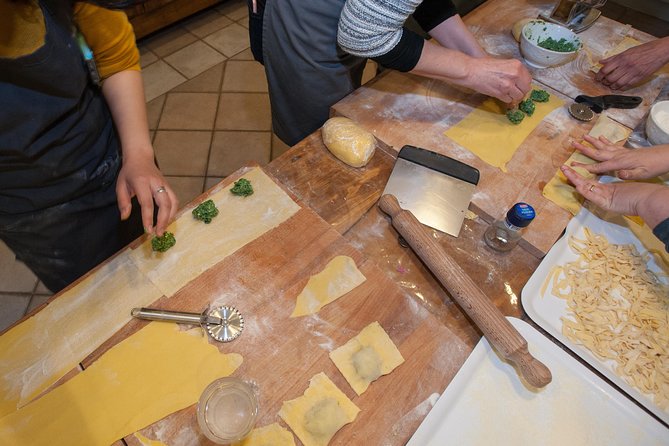
Fresh pasta starts with your hands. In this Florence pasta-making class, you learn pasta from scratch in a real working kitchen, with chef-led guidance and plenty of local flavor built in from the start. You’ll be cooking alongside other small-group food lovers, not watching from the sidelines.
I especially love how practical it is: you work dough, shape pasta, and get the kind of tips that help you repeat the results back home. I also love the meal at the end—your family-style lunch or dinner is based on what you made, with local wines flowing. The main drawback to consider is that the experience includes wine and is not suitable for anyone with severe or life-threatening food allergies.
In This Review
- Key Highlights You’ll Feel Immediately
- A Florence Pasta Class That Actually Teaches You
- Meeting Point and Getting There Fast (Without Stress)
- The Kitchen Setup: Why “Small Group” Changes Everything
- Herb Picking in a Private Garden: The Prep That Makes It Taste Better
- Making Pasta From Scratch: What You’ll Learn and Keep
- What You’ll Cook: Ravioli and Tagliatelle (Plus Dessert)
- Ravioli in Butter & Sage
- Tagliatelle with Tomato & Basil
- Dessert: Tiramisù or Other Local Sweets
- Wine at the Table: Tuscan Pouring, Not Just a Token Sip
- The Family-Style Meal: Sharing the Results Together
- Price and Value: Is $113.44 Worth It?
- Who This Class Suits Best (And Who Might Skip It)
- Practical Tips Before You Go
- Should You Book This Florence Pasta-Making Class?
- FAQ
- How long is the pasta-making class in Florence?
- Is the class offered in English?
- What’s included with the meal and drinks?
- Can children attend, and what ages need tickets?
- Can the experience accommodate dietary requirements?
- What is the cancellation policy for a full refund?
Key Highlights You’ll Feel Immediately
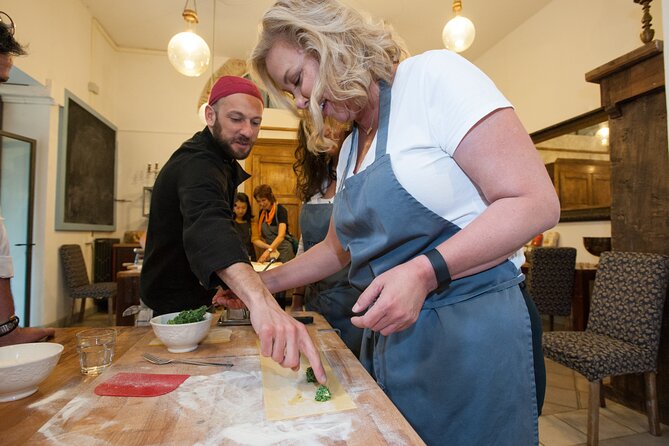
- Chef-led, hands-on practice making ravioli and fresh pasta shapes
- Pick fresh herbs from a private garden before you start cooking
- Unlimited Tuscan wine during the experience
- Family-style meal built around your own pasta creations
- Small group size (max 12) for a more personal cooking rhythm
Prefer something else? A few more Florence tours to weigh up
A Florence Pasta Class That Actually Teaches You
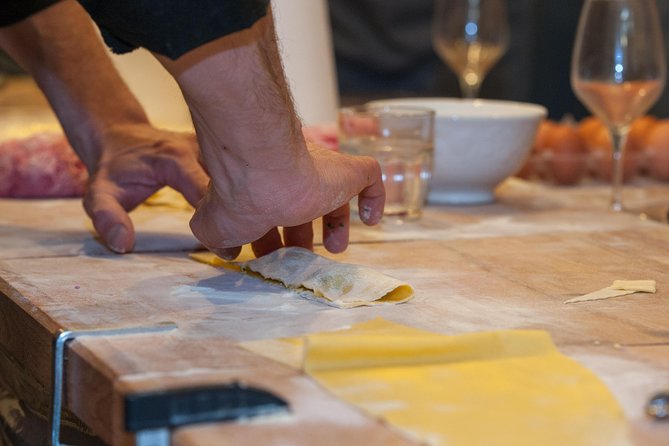
Florence is great for big-ticket sights, but this kind of class gives you something different: a hands-on slice of daily Italian life. The best part here is that you’re not just learning recipes. You’re learning how cooks think—how fresh ingredients behave, how dough should feel, and how to work at a comfortable pace without feeling rushed.
What you’ll do feels very “kitchen real,” too. The class takes place in a professionally equipped kitchen, so you get the right tools and a setup designed for cooking with confidence. That matters if you want results you can recreate later, not just a one-time souvenir meal.
And yes, there’s wine. This isn’t a polite sip and a goodbye toast. You’ll have unlimited Tuscan wine throughout the experience, which turns the whole thing into a relaxed, social meal as much as a cooking lesson. It’s a great match for Florence evenings and for anyone who likes food that comes with conversation.
Meeting Point and Getting There Fast (Without Stress)
The class meets at Via D’Ardiglione, 39, 50124 Firenze. It’s near public transportation, so you’re not stuck with a complicated route or long uphill walks right at the start of your day.
Plan to arrive a little early. Cooking starts when everyone’s in place—once you’re behind, it can feel like you’re catching up while everyone else is already shaping pasta. If you’re combining this with other Florence stops, keep the rest of your schedule light beforehand so you can focus on the kitchen.
Also note the class is about 3 hours (approx.), and it ends back at the meeting point. So it’s easy to slot into a half-day plan without needing a complicated end-of-night commute.
The Kitchen Setup: Why “Small Group” Changes Everything
This is a max-12-person experience, with a minimum of 4 guests to run. That small group number is the whole point. In a room where not many people are cooking, the chef and guide can watch your dough, correct technique, and explain the why—not just the what.
In practice, this changes your learning curve. Instead of guessing at how thick to roll or how to seal ravioli, you get fast feedback. And because the class is hands-on, you’ll spend your time cooking rather than waiting for a turn that never comes.
You’ll also be working with a local English-speaking guide & chef, plus you receive Food & the City insider tips. You might use those tips later in your trip—simple things like what to look for at markets, how to think about seasonality, or how to order pasta in a way that matches what you’ve just made.
Herb Picking in a Private Garden: The Prep That Makes It Taste Better
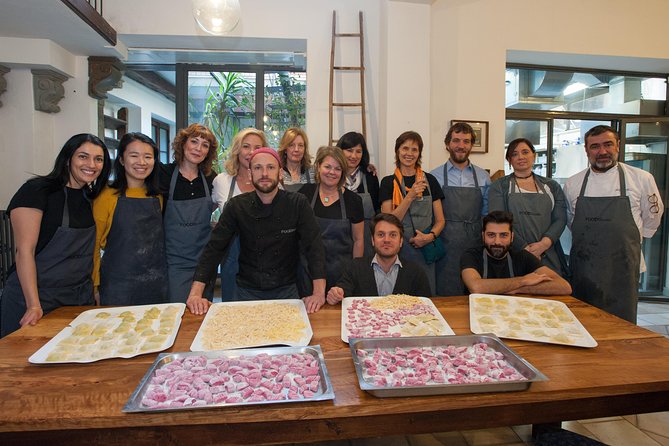
One of the most memorable pre-cooking moments is the herb part. You’ll pick fresh herbs from a private garden before you head into the kitchen.
Even if you’ve cooked with dried herbs before, fresh herbs are a different animal. They smell louder, taste brighter, and can change the whole direction of a sauce. Getting them first also gives you a better sense of what to buy (and when) once you’re home.
This is also a nice pacing trick. You start with a slow, grounded moment—hands in herbs, quick explanations, then the kitchen work begins. It keeps the class from feeling like a rush from one step to the next.
Making Pasta From Scratch: What You’ll Learn and Keep
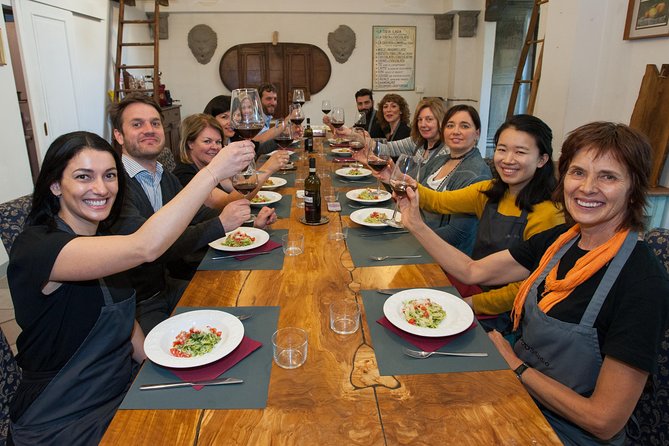
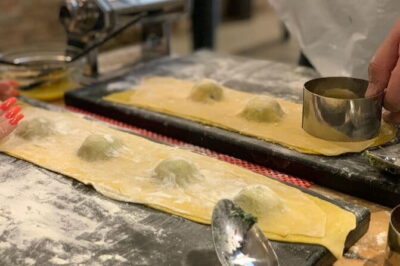
The core of the experience is pasta-making from scratch. You’ll learn pasta recipes you can recreate back home, and the class structure is built around real technique, not just assembly.
Here’s what this kind of class usually accomplishes best:
- You learn dough basics: what changes when you add moisture, how dough should feel, and what you can do if it’s a little off.
- You learn rolling and shaping: how thickness affects texture, and why hand-finished shapes taste more “alive.”
- You learn filling and sealing logic: for ravioli, it’s not just forming—it’s getting a reliable seal so the filling stays put.
One of the most praised things in this class style is how patient the teaching feels. Chefs like Giorgio and guides like Mary and Elena come across as calm and instructional, which matters. Pasta can be intimidating until someone shows you what “right” feels like.
Knife skills may also come up depending on the chef and what you’re prepping that day. One participant specifically mentioned learning knife technique, which is a huge plus if you want to cook beyond just this one meal.
- Tuscany Day Trip from Florence: Siena, San Gimignano, Pisa and Lunch at a Winery
★ 5.0 · 21,634 reviews


What You’ll Cook: Ravioli and Tagliatelle (Plus Dessert)
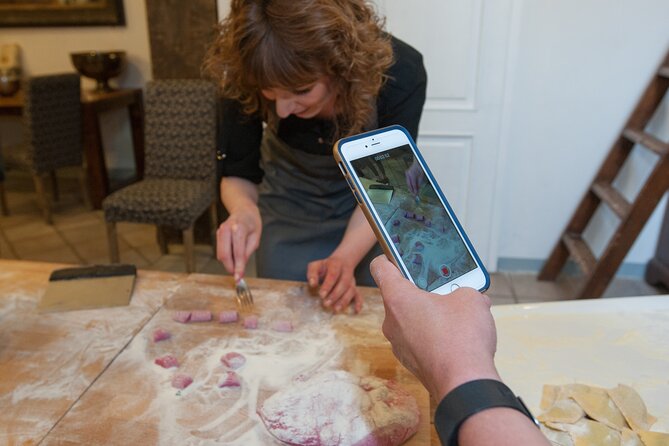
The menu centers on classic Italian shapes and flavors, with a lunch or dinner built around what you make.
Ravioli in Butter & Sage
Ravioli can be the most satisfying lesson because it combines dough, filling, and technique in one. Here, you’ll work toward ravioli and then dress them with a butter-and-sage style sauce.
Sage works especially well because it’s aromatic and direct. It’s also the kind of sauce that teaches you a simple rule: don’t hide the pasta—let it be the star.
Tagliatelle with Tomato & Basil
You’ll also make tagliatelle with tomato and basil. This part is about learning freshness and balance. Tomato sauce can be heavy if you cook it the wrong way; basil can taste flat if it’s handled poorly. When you make it alongside the pasta, you get a better instinct for timing and flavor.
Dessert: Tiramisù or Other Local Sweets
Dessert is typically tiramisù or another local dessert. Either way, you’ll end on something distinctly Tuscan/Italian in spirit—creamy, sweet, and perfect after a meal that’s basically become a food project you helped build.
One more practical note: you’ll likely have enough to eat. Multiple people highlight how generous the portions are, which is why you should avoid eating a big meal right before you go.
Wine at the Table: Tuscan Pouring, Not Just a Token Sip
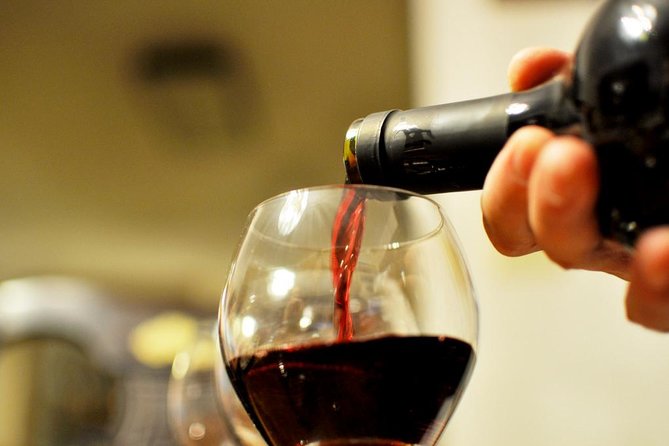
Unlimited Tuscan wine is one of the biggest reasons this class feels more like a warm Italian night than a rushed “cook and go” activity.
It’s not just about taste. Wine changes the atmosphere in the room:
- You’ll relax while you cook.
- You’ll slow down to enjoy the meal when everything finishes.
- Conversation comes naturally while you’re waiting for the next step.
Just keep it realistic. If you’re not planning to drink, or you’re watching alcohol intake, you may want to pace yourself or have a plan for the walk back after. The class is designed to be social, so drinking is part of the rhythm.
The Family-Style Meal: Sharing the Results Together
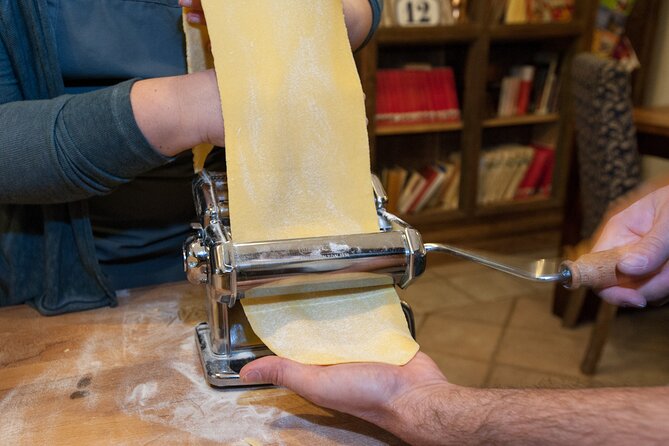
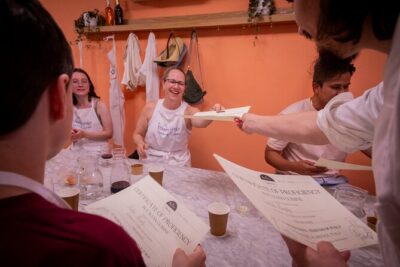
After you cook, you eat. And you don’t eat alone or in a separate dining setup. The experience ends with a relaxed, family-style lunch or dinner, where you share the dishes you made and enjoy the table conversation.
That format matters for two reasons:
- It’s more memorable than plating your food and moving on.
- It helps you notice differences—how someone else rolled their pasta, how another sauce turned out, what technique made a visible difference.
Also, the sample meal you prepare isn’t small. It’s multiple courses: pasta mains and dessert. One participant even mentioned that their night included a welcoming start with items like aperol spritz and an appetizer, followed by pasta prep and a sweet ending—so your exact flow may vary by day.
Price and Value: Is $113.44 Worth It?
At $113.44 per person, this isn’t a budget snack. But it’s also not a “pay for the view” cooking class. You’re paying for real instruction, a working kitchen, the ingredients, and the full meal experience with unlimited wine.
Here’s what makes the value work:
- You get hands-on time. You’re not just tasting; you’re building skills.
- You eat what you make. That turns the lesson into a full meal, not a demo.
- Small group size helps the chef teach you effectively.
- Wine is included—which is often what makes cooking classes feel expensive if you have to buy it separately.
If you like cooking, food culture, and social meals, the price starts to feel pretty reasonable. If you’re looking for a quick tasting with minimal time at the stove, you might find it longer than you need—this is a cooking experience first.
Who This Class Suits Best (And Who Might Skip It)
This is ideal if you:
- Want a true hands-on Florence food experience, not a passive activity
- Like recipes you can repeat later (and want technique, not just a list of steps)
- Enjoy dining with wine and conversation
- Appreciate small-group formats where the chef can actually help
It may be less ideal if:
- You have severe or life-threatening food allergies (the experience is not suitable in that case)
- You don’t want alcohol at all, since wine is part of the included experience
- You want a highly structured schedule with lots of separate sightseeing stops (this is focused on cooking and eating)
Practical Tips Before You Go
- Go hungry—but not stuffed. The class includes a substantial meal.
- Wear comfortable clothes you can move in. You’ll be at workstations for much of the session.
- If you have dietary needs, act early. You can email or add a note at booking, and they’ll do their best for options like vegetarian or gluten-free.
- If you’re sensitive to wine, pace yourself. You’re in a social rhythm where the wine is easy to keep going.
One more smart move: after you cook, don’t rush to leave. Stay relaxed at the table. This class’s best moments often happen while you’re sharing the food, not only when you’re rolling pasta.
Should You Book This Florence Pasta-Making Class?
I think you should book it if you want a Florence experience that’s hands-on, chef-led, and genuinely tied to what you eat afterward. The small group size, the private herb start, and the combination of pasta technique + family-style meal + unlimited Tuscan wine is the winning mix.
Skip it only if alcohol is a hard no for you or you need accommodations for severe allergies that can’t be safely managed in a shared food environment. Otherwise, this is a strong value for the amount of cooking time and the full meal experience you get in one go.
FAQ
How long is the pasta-making class in Florence?
It lasts about 3 hours (approx.).
Is the class offered in English?
Yes. The experience is offered in English.
What’s included with the meal and drinks?
You’ll enjoy a family-style meal featuring what you prepared, and you’ll have unlimited servings of Tuscan wine during the experience.
Can children attend, and what ages need tickets?
Children under 4 years old can join for free (food not included). Paid tickets with food included are available for ages 4 and up.
Can the experience accommodate dietary requirements?
You can email or add a note at booking. The team will do its best to accommodate needs such as vegetarian and gluten-free guests. It isn’t suitable for severe or life-threatening food allergies.
What is the cancellation policy for a full refund?
You can cancel for a full refund up to 24 hours before the experience starts.
More Florence Workshops
- Florence: Pasta Cooking Class with Unlimited Wine
★ 4.9 · 10,285 reviews - Florence Pizza or Pasta Class with Gelato Making at a Tuscan Farm
★ 5.0 · 6,801 reviews - Florence: Pasta & Tiramisu Cooking Class with Unlimited Wine
★ 4.9 · 6,708 reviews - Florence: Pasta Cooking Class with Unlimited Wine
★ 5.0 · 6,413 reviews - Cooking Class and Lunch at a Tuscan Farmhouse with Local Market Tour from Florence
★ 5.0 · 4,831 reviews
More Florence Tours We Have Reviewed
- Florence: Skip-The-Line Uffizi Gallery Timed Entry Ticket
★ 4.5 · 27,832 reviews - Tuscany Day Trip from Florence: Siena, San Gimignano, Pisa and Lunch at a Winery
★ 5.0 · 21,634 reviews - Florence: Timed Entry to Michelangelo’s David + Audio App
★ 4.6 · 19,496 reviews - Florence: Leonardo Interactive Museum Entry Ticket
★ 4.5 · 12,957 reviews - Florence: Michelangelo’s David Skip-the-Line Entry Ticket
★ 4.5 · 12,764 reviews
Fresh from our Florence review desk
- Transfer Between Florence and Rome with Sightseeing Stop★ 5.0 · 6 reviews
- Florence Highlights Walking Tour★ 5.0 · 6 reviews
- Florence: Guided Flavors of Tuscany Tour★ 5.0 · 6 reviews
- Florence : Photoshoot In The City★ 5.0 · 6 reviews
- Florence: Brunelleschi’s Dome climb Tour★ 4.0 · 6 reviews
- Dan Brown’s INFERNO Walk with a Local★ 3.5 · 6 reviews
Workshops, compared.
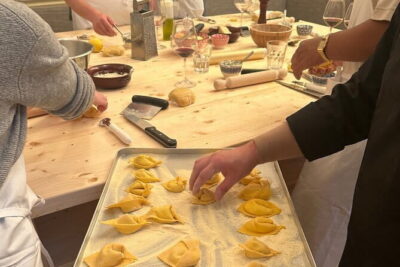 ★ 4.9Pasta Cooking Class with Unlimited WineFrom $2110,285 reviews
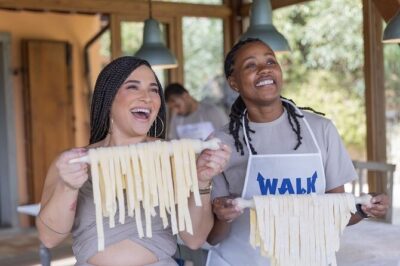 ★ 5.0Florence Pizza or Pasta Class with Gelato Making at a Tuscan FarmFrom $1456,801 reviews
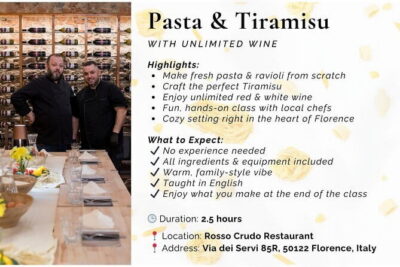 ★ 4.9Pasta & Tiramisu Cooking Class with Unlimited WineFrom $566,708 reviews
★ 5.0Pasta Cooking Class with Unlimited Wine6,413 reviews
★ 4.9Pasta & Tiramisu Cooking Class with Unlimited WineFrom $566,708 reviews
★ 5.0Pasta Cooking Class with Unlimited Wine6,413 reviews
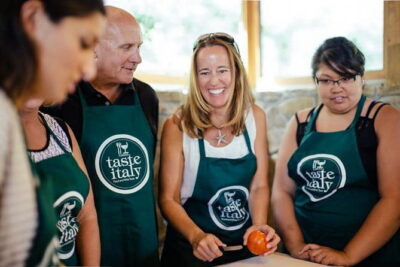 ★ 5.0Cooking Class and Lunch at a Tuscan Farmhouse with Local Market Tour from FlorenceFrom $1454,831 reviews
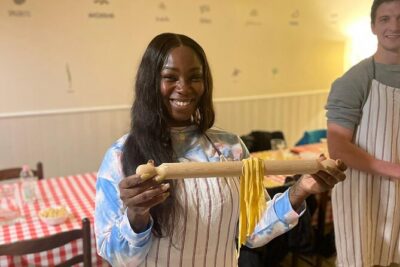 ★ 5.0Pastamania – Florence Pasta Making ClassFrom $493,050 reviews
 ★ 5.0Cooking Class Pasta & Tiramisu Making Unlimited WineFrom $892,234 reviews
 ★ 5.0Florence Cooking Class The Art of Making Gelato & Authentic PizzaFrom $642,053 reviews
Browse the lists this tour appears in