
Reviewed · PASTA
Corso di Pasta Fresca
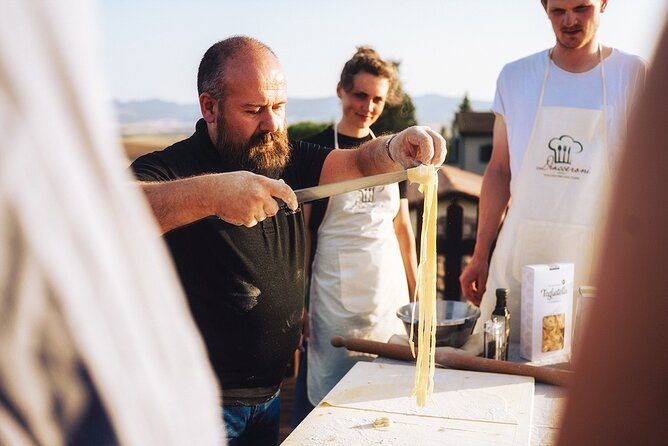
A quick meal becomes a skill you can take home. This pasta fresca class in Volterra pairs hands-on cooking with the kind of Tuscan countryside views that make you slow down and pay attention. I especially like the chef-led, practical instruction and the fact you eat what you make over a proper meal.
You also get real extras: a Diacceroni wine pairing with lunch or dinner, plus a souvenir hat and apron to remember the day. The main drawback to consider is pacing and clarity—this course is about 3 hours, and the steps can move quickly, so if you want slower, more guided repetition, you’ll want to ask questions early.
In This Review
- Pasta Fresca in Volterra: The Real Reason It’s Worth It
- Who Leads the Class and How English Works
- The Courtyard-to-Workstation Flow: What Happens During the 3 Hours
- 1) Arrive at Via della Bonifica, 156 (and use GPS)
- 2) Hands-on fresh pasta prep: three shapes, one workstation
- 3) Cooking and saucing: your pasta becomes lunch or dinner
- 4) Small souvenirs you actually want to keep
- What the Tuscan Meal Adds (Beyond Just Filling Your Stomach)
- Price and Value: Is $126.50 a Good Deal?
- Group Size, Atmosphere, and the One Real Catch
- Timing Tips to Get the Best Outcome
- Location: Why Volterra’s Hills Fit a Cooking Class
- What to Know Before You Go (So You’re Not Caught Off Guard)
- Should You Book This Pasta Fresca Course?
- FAQ
- Where does the pasta class meet in Volterra?
- How long is the course?
- What’s the price per person?
- What languages are used during the class?
- How many people are in the group?
- What pasta dishes will I make?
- What happens after you finish making the pasta?
- Do I need to tell them about allergies?
- Do I get any souvenirs?
- Is cancellation free?
Pasta Fresca in Volterra: The Real Reason It’s Worth It
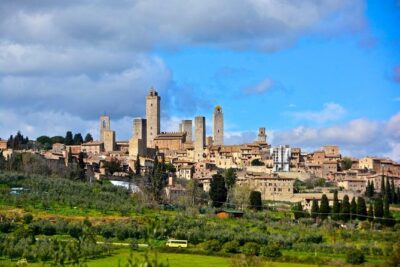
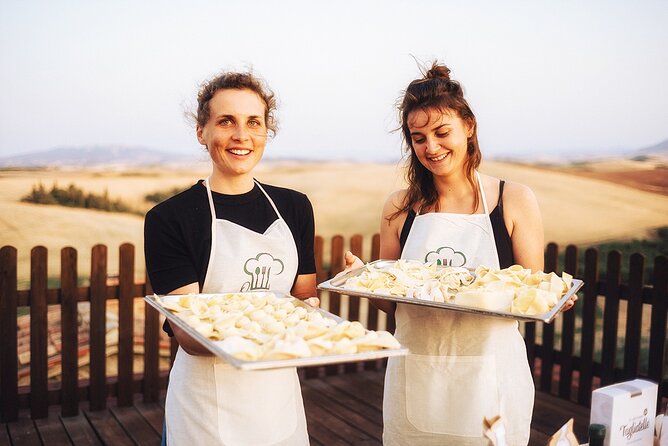
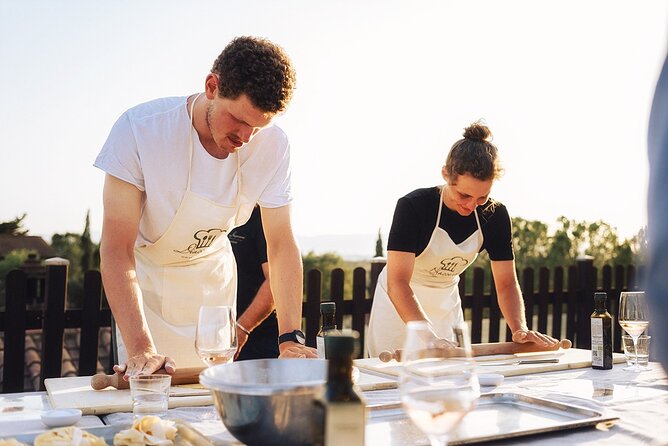
This isn’t a “watch and clap” cooking stop. You’re in a working setup where you start with ingredients at your workstation, put on an apron, and learn how to shape and fill fresh pasta the Tuscan way. The setting is an agriturismo in the rolling hills around Volterra, so the class feels like a day inside local life, not a staged performance.
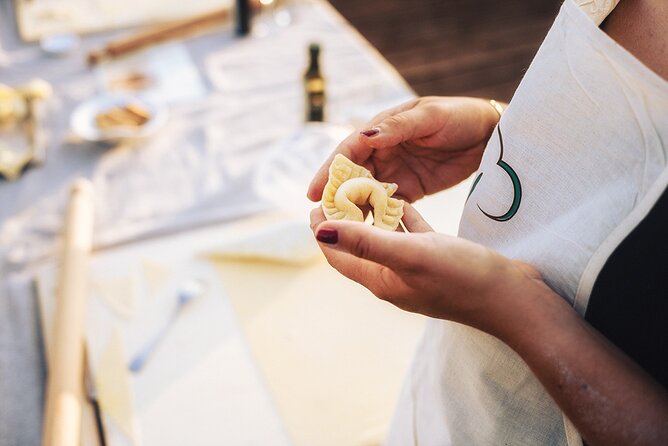
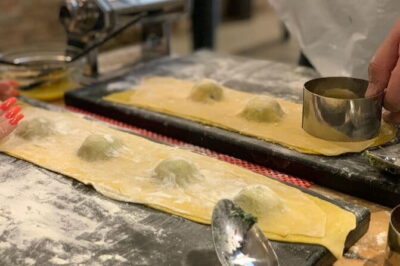
The course focuses on three traditional pasta shapes: a stuffed pasta and two types of egg pasta. That mix is a smart choice. You’re not just learning one dough trick—you’re getting practice with shaping, rolling, and then working with filling and egg-based pasta styles. If you’ve ever tasted fresh pasta in Italy and wondered how it’s made, this is one of the most direct paths.
Still comparing? These are the other Tuscany tours travellers book most.

Who Leads the Class and How English Works
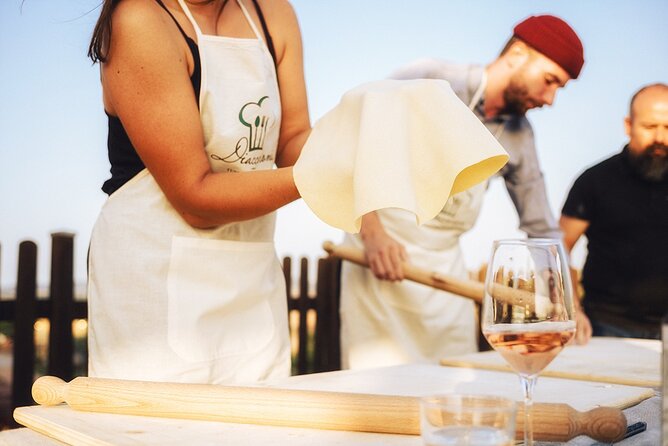
The instructor teaches with both Italian and English in mind, so you can follow along even if your Italian is more “menu-level” than “chef-level.” The experience also encourages interaction with the chef, including stories and small curiosities about Tuscan cuisine while you cook.
From what you’ll see during the class, the teaching style is meant to keep you moving: the chef shows what to do, then you reproduce it at your station. That’s great for confidence. Just know that if you’re a slower process learner, you’ll get best results by speaking up and asking for the step to be repeated once you’re at that stage.
The Courtyard-to-Workstation Flow: What Happens During the 3 Hours
Here’s what your timing looks like, in plain terms, with what to watch for at each stage.
1) Arrive at Via della Bonifica, 156 (and use GPS)
The meeting point is Via della Bonifica, 156, 56048 Volterra PI, Italy, and the activity ends back there. Because addresses can be imperfect for rural roads, I recommend using GPS coordinates if your app offers them. It’ll save you stress when the lanes start to look like “keep driving and hope.”
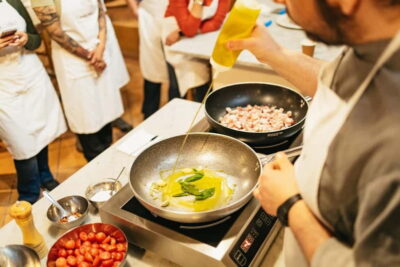
Once you arrive, you’re welcomed to your workstation with an apron and the ingredients you’ll need.
2) Hands-on fresh pasta prep: three shapes, one workstation
The heart of the class is shaping and assembling your pasta. You’ll prepare three traditional pasta types:
- a stuffed pasta (the filling and closure part matters)
- two egg pasta shapes (egg dough behaves differently than flour-only dough)
You’re encouraged to participate in the prep, not just observe. In practice, this usually means you’ll be learning by doing: dough handling, shaping technique, and timing so the pasta doesn’t dry out while you’re working on the next step.
3) Cooking and saucing: your pasta becomes lunch or dinner
After the prep, the pasta you made is cooked and served with traditional sauces. This is where the class turns into a meal experience, not just a cooking lesson. You sit down for lunch or dinner and eat what you produced, paired with Diacceroni wine.
The best part here is how fast you connect the dots between technique and taste. When you see (and taste) how the stuffed pasta holds up with sauce, it makes the earlier steps feel practical, not theoretical.
4) Small souvenirs you actually want to keep
At the end, you take home a souvenir hat and apron. It’s a small thing, but it’s useful too—an apron like this is genuinely nice for cooking at home.
What the Tuscan Meal Adds (Beyond Just Filling Your Stomach)
The included meal is part of the value. You’re not paying for “instruction only.” You’re paying for the full arc:
- learn the shapes
- watch them reach the finished stage
- taste the results with traditional sauces
- enjoy wine with the meal
That’s why this works well as a day plan in Tuscany. You get a structured activity that lasts about three hours, then you can continue exploring Volterra without a heavy “what now?” problem.
Price and Value: Is $126.50 a Good Deal?
At $126.50 per person for roughly three hours, this class can feel pricey—until you break down what’s included.
You’re getting:
- hands-on instruction with a chef teacher
- three pasta shapes made during the class
- cooking and serving your pasta afterward
- Diacceroni wine included with lunch or dinner
- souvenir hat and apron
- a small-group setup (max 15 travelers)
For many visitors, the real value is learning enough technique to repeat at home. Even if you never make stuffed pasta again, you’ll leave with the “how it works” feeling: how dough texture changes, how egg pasta behaves, and what shaping does for sauce pickup.
Group Size, Atmosphere, and the One Real Catch
This is capped at a maximum of 15 travelers, which keeps it from feeling like a factory line. The class also has the energy of a typical Tuscan family lunch—festive, friendly, and relaxed in a way that makes it easier to ask questions.
That said, pace is the catch. With several steps for three pasta types inside about 3 hours, the workshop can feel busy. If you’re the kind of person who learns by going step-by-step slowly, plan to ask the chef to slow down for you at least once. You’ll get more out of the class that way.
Timing Tips to Get the Best Outcome
A few practical moves can make a big difference:
- Ask early about the exact steps for your pasta type. Don’t wait until you’re already behind.
- If you want slower pacing, request it at the start so the instructor knows your learning style.
- Bring a curious attitude. The class includes anecdotes and curiosities about Tuscan cuisine while you work, and that adds context to what you’re making.
Also, if you have allergies or dietary needs, tell the organizer when you book. The experience explicitly asks you to inform them of food allergies or intolerances.
Location: Why Volterra’s Hills Fit a Cooking Class
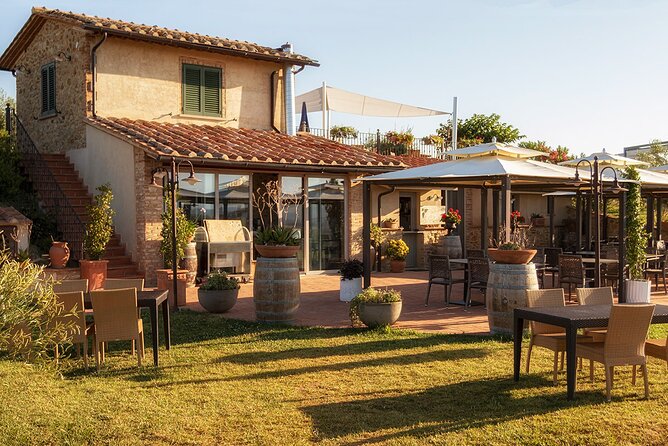
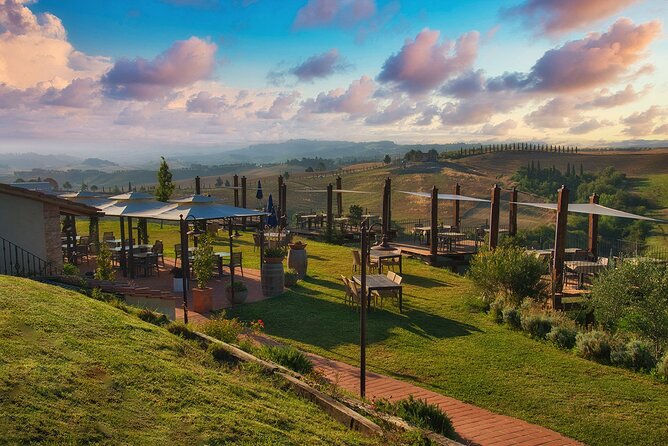
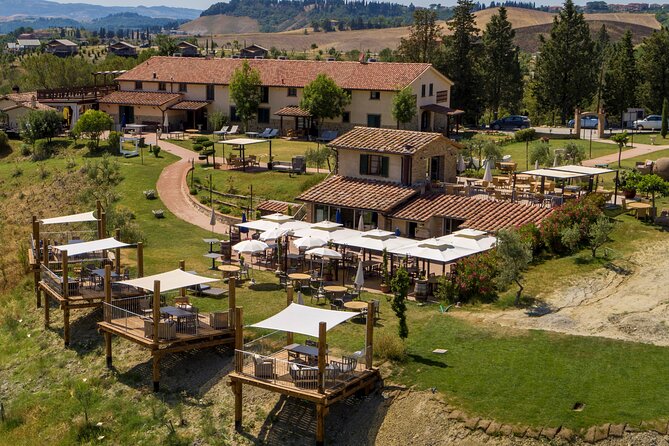
The class is based in the Tuscan countryside near Volterra, and the views are part of the overall experience. You’ll likely spend time enjoying the property setting before and after you cook, which makes the day feel more like a getaway than a quick stop in a city.
This matters if you’re doing a larger Tuscany itinerary. A rural cooking class gives you a break from driving, museums, and crowds. You get to slow down, taste something real, and learn a skill tied directly to the region.
What to Know Before You Go (So You’re Not Caught Off Guard)
A few details will help you plan with confidence:
- Mobile ticket is used.
- Confirmation comes within 48 hours of booking, subject to availability.
- The course ends back at the meeting point.
- Service animals are allowed.
- You’ll want to be ready for an active, hands-on format rather than a sit-back-and-watch session.
One more practical note: when a class promises choices, communication matters. If anything about what you’ll cook feels unclear at arrival, ask immediately before the prep starts. A quick question on the spot prevents disappointment later.
Should You Book This Pasta Fresca Course?
Yes, if you want a hands-on Tuscan cooking class that ends with a satisfying meal you helped create. I think it’s especially good for:
- first-timers in Italian cooking who want a structured, guided experience
- couples and friends who like shared activities
- travelers who want something memorable beyond sightseeing
Skip it (or go in with eyes open) if:
- you strongly prefer slow, one-step-at-a-time instruction
- you want a totally open-ended menu with lots of variation
- you’re sensitive to schedule intensity during meal prep
If you’re balancing value, authenticity, and take-home skills, this one checks the boxes.
FAQ
Where does the pasta class meet in Volterra?
It meets at Via della Bonifica, 156, 56048 Volterra PI, Italy, and it ends back at the same meeting point.
How long is the course?
The duration is about 3 hours.
What’s the price per person?
The price is $126.50 per person.
What languages are used during the class?
The class is offered in English, and it’s conducted in both Italian and English.
How many people are in the group?
The maximum group size is 15 travelers.
What pasta dishes will I make?
You’ll prepare three traditional pasta shapes: a stuffed pasta and two types of egg pasta.
What happens after you finish making the pasta?
After you make the pasta, it’s cooked and served with traditional sauces. Lunch or dinner is included, along with Diacceroni wine.
Do I need to tell them about allergies?
Yes. You should inform the provider of any food allergies or intolerances when making your reservation.
Do I get any souvenirs?
Yes. You receive a souvenir hat and apron to take home.
Is cancellation free?
Free cancellation is available up to 24 hours in advance for a full refund.
More Tuscany Tours We Have Reviewed
- Canyon Zip Line
★ 5.0 · 225 reviews - Water Trekking Classic
★ 5.0 · 156 reviews - Full rafting
★ 5.0 · 134 reviews - Wine Tasting & Tuscany Countryside, San Gimignano & Volterra
★ 5.0 · 77 reviews - Visit to the Cellar with Wine & Food Tasting over the Val d’Orcia
★ 5.0 · 41 reviews
Fresh from our Tuscany review desk
- Dining experience at a local’s home in Massarosa with cooking demo★ 5.0 · 3 reviews
- Wine tasting and guided tour of the cellar★ 4.5 · 3 reviews
- Pisa and Wine Tasting in Tuscany from Livorno★ 5.0 · 3 reviews
- Exclusive Private Half Day Shore Excursion from Livorno port to Pisa★ 4.5 · 3 reviews
- Daily excursions and guaranteed fun in Argentario★ 5.0 · 3 reviews
- Horsemanship Experience★ 5.0 · 4 reviews
Pasta, compared.
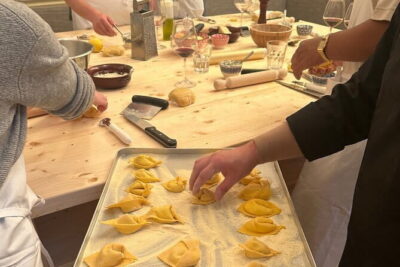 ★ 4.9Pasta Cooking Class with Unlimited WineFrom $2110,285 reviews
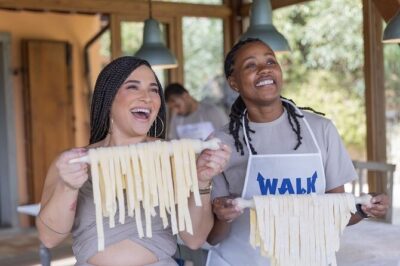 ★ 5.0Florence Pizza or Pasta Class with Gelato Making at a Tuscan FarmFrom $1456,801 reviews
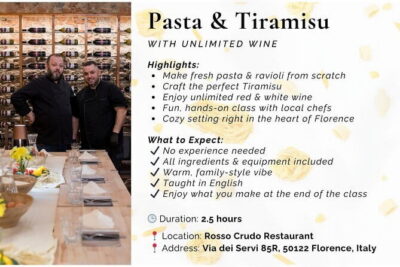 ★ 4.9Pasta & Tiramisu Cooking Class with Unlimited WineFrom $566,708 reviews
★ 5.0Pasta Cooking Class with Unlimited Wine6,413 reviews
★ 4.9Pasta & Tiramisu Cooking Class with Unlimited WineFrom $566,708 reviews
★ 5.0Pasta Cooking Class with Unlimited Wine6,413 reviews
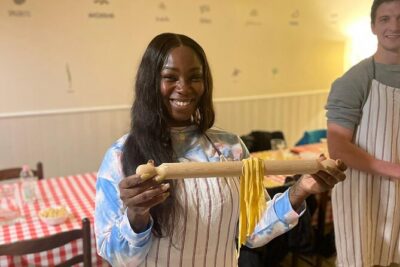 ★ 5.0Pastamania – Florence Pasta Making ClassFrom $493,050 reviews
 ★ 5.0Cooking Class Pasta & Tiramisu Making Unlimited WineFrom $892,234 reviews
 ★ 4.9Pizza or Pasta Class with Gelato at a Tuscan FarmFrom $1411,181 reviews
 ★ 4.9Premium Pasta and Gelato Cooking ClassFrom $63877 reviews
Browse the lists this tour appears in