
Reviewed · FLORENCE COOKING CLASSES
Family Tuscan Cooking Class
Cooking Tuscan classics in a real family kitchen. In San Gimignano, this hands-on class is built around learning how the countryside eats, with hands-on cooking and an on-table finish paired with organic wine tastings. One thing to plan for: private transportation isn’t included, so you’ll need to handle getting there on your own.
I really like that this is kept small, with a maximum group size of 6 people, so you get real attention while your hands get floury and your questions don’t get lost. It runs about 3 hours, is offered in English, and you start and end at the same spot near public transportation with a mobile ticket.
You’ll also start in a smart way: the session begins with a short introduction to the family farm’s production methods, then shifts straight into cooking, including dessert you bake first so you can enjoy it later. It’s a dessert-first format that keeps the class moving and the kitchen feeling alive.
In This Review
- Key Things You Should Know Before You Go
- A San Gimignano Tuscan Cooking Class With Real Farm-Table Flow
- The 3-Hour Plan: Dessert, Bruschetta, and Two Types of Pasta
- Dessert-First: Why Baking Up a Tuscan Cake Early Helps
- Bruschetta With Seasonal Vegetables: A Starter You Can Understand
- Pici and Ricotta Gnocchi: The Pasta-Making Part You Will Actually Remember
- Wine and Evo Oil Tastings: Where the Meal Becomes a Pairing Lesson
- Scenic Photo Stops and the Rustic Kitchen Setting
- Price and Value: Is $224.76 Fair for What You Get?
- Who This Class Fits Best (and Who Might Hesitate)
- Final Call: Should You Book This Tuscan Cooking Class?
- FAQ
- FAQ
- Where is the meeting point for the Family Tuscan Cooking Class?
- How long does the experience last?
- Is the cooking class offered in English?
- How many people are in the group?
- What food is included in the class?
- Are wine or olive oil tastings included?
- Is dinner included, or is it just lunch?
- What is not included?
- Is free cancellation available?
- Are service animals allowed?
Key Things You Should Know Before You Go
- Family farm focus: you get a short introduction to the farm’s history and how ingredients are produced.
- Dessert is scheduled early: you bake a typical Tuscan cake to enjoy later.
- Bruschetta made with seasonal vegetables: multiple bruschetta types using fresh produce are part of the meal.
- Pici and Ricotta Gnocchi from scratch: you learn traditional dough and shaping, then make a Tuscan pasta sauce.
- Organic + biodynamic wine pairings: each course is paired with different wines, plus evo oil tastings.
- Small group energy: the maximum size (6 people) makes it easier to keep up and get help.
Roll up your sleeves for another San Gimignano cooking class
A San Gimignano Tuscan Cooking Class With Real Farm-Table Flow
If you like your travel plans to feel practical and delicious, this is the kind of experience that delivers. You’re not just watching recipes you’ll forget later; you’re learning how to make them, tasting what the kitchen turns out, and pairing it with wine and olive oil from the property.
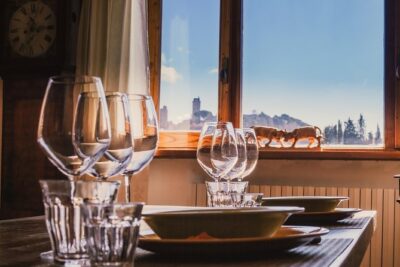
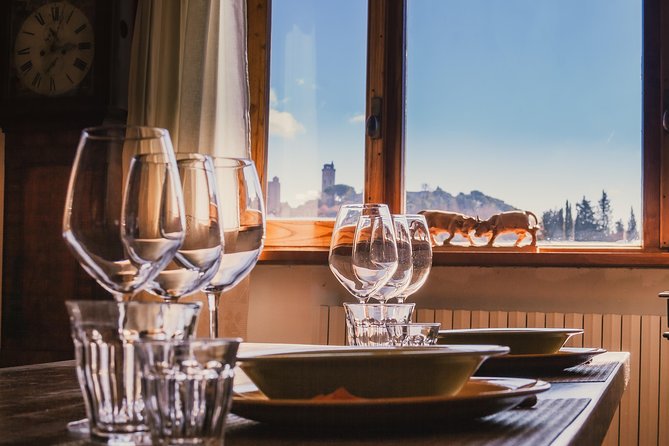
This class is based at Podere La Marronaia- Sosta Alle Colonne, and the setting matters. It’s described as a rustic Tuscan kitchen with time to take photos, which usually means you’re not stuck in a sterile studio. Even if you come mostly for the food, the atmosphere is part of the value.
You’ll also notice the pacing is built for learning. You start with the farm introduction, then move quickly into cooking tasks that progress from easier wins (dessert and bruschetta) toward more hands-on technique (pasta and gnocchi). That structure helps keep everyone engaged, including people who are new to cooking.
The 3-Hour Plan: Dessert, Bruschetta, and Two Types of Pasta
The timing is listed as approximately 3 hours, and the schedule is set up like a mini Tuscan dinner party where you get to cook the main acts. Here’s the typical flow, in the order you’ll feel it in the kitchen.
First, you get a short introduction to the family farm’s history and production methods. This isn’t a long lecture. It sets context for why the class ingredients and tastings matter, especially when you’re working with olive oil, seasonal vegetables, and farm-produced wines.
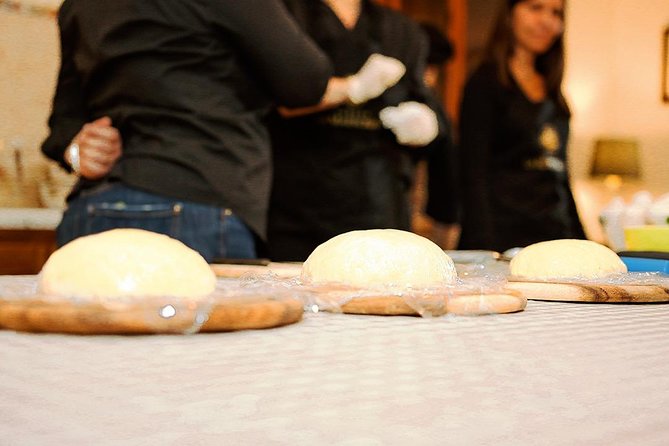
Next comes dessert. You’ll bake a typical Tuscan cake to enjoy later. Starting with something you can later taste helps the class feel rewarding even if pasta-making is the part you’re most nervous about.
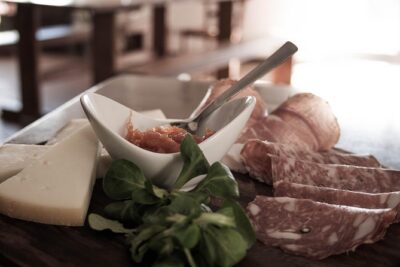
Then you move into bruschetta. You’ll prepare three different types using fresh, seasonal vegetables. The meal you sit down to includes a starter with four kinds of bruschetta plus cold-cuts and cheeses, so you’re seeing how the kitchen turns those toppings and textures into a full first course.
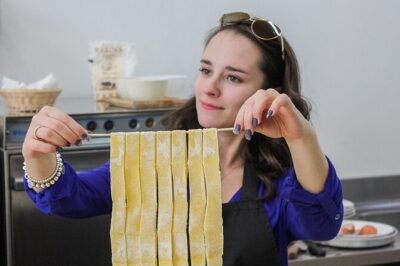
After that, you tackle pasta-making. You’ll craft Pici and Ricotta Gnocchi from scratch, and you’ll learn how to prepare Tuscan pasta sauce. The key point for your expectations: this isn’t only about assembling food. You’re meant to practice the steps that make the shapes and sauces taste like Tuscan comfort, not just Italian comfort.
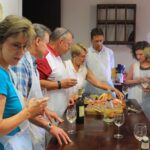
Finally, you eat. You sit at the table to enjoy what you made, with each course paired with different organic and biodynamic wine from the vineyards.
Dessert-First: Why Baking Up a Tuscan Cake Early Helps
Starting with dessert can feel unusual until you see how it works for your brain. By baking a typical Tuscan cake early, you’re getting an immediate task before the heavier prep begins.
From a practical point of view, it also reduces kitchen downtime. While your cake is baking, you can focus on other steps like prepping vegetables for bruschetta or learning the early stages of pasta dough without the session stalling.
You’ll likely enjoy the cake later as part of the dessert course. The class includes tiramisù in the meal list, and the menu also notes dessert—so you can expect a sweet finish built into the experience rather than an afterthought.
If you have a sweet tooth, this is an efficient way to get it covered, and if you do not, it still helps the day stay fun. You get to participate early, then build toward the main cooking work.
Bruschetta With Seasonal Vegetables: A Starter You Can Understand
Bruschetta is simple, which is exactly why it’s a great learning tool. It teaches you how the ingredients behave together—bread, toppings, salt, oil, and freshness—without asking you to master a tricky dough texture right away.
In this class, you prepare three different types of bruschetta using only fresh, seasonal vegetables. Then, when you sit down, the starter portion includes four kinds of bruschetta along with Tuscan cold-cuts and cheeses. That mix is useful for two reasons.
First, it shows you how the kitchen builds variety without overcomplicating things. You’re not stuck eating the same topping three times. Second, it gives you something to taste and compare while you practice what makes each topping work.
Vegetable bruschetta also connects back to the farm theme. You get a reminder that Tuscan cooking leans hard on what’s in season and what the farm grows or produces well. If you go home and try one bruschetta recipe from memory, it will probably be based on these same principles: seasonality, balance, and good olive oil.
Pici and Ricotta Gnocchi: The Pasta-Making Part You Will Actually Remember
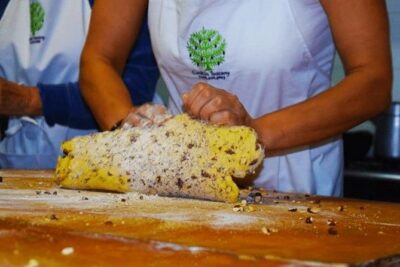
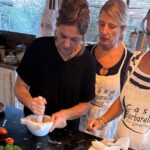
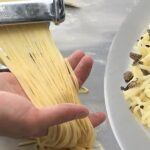
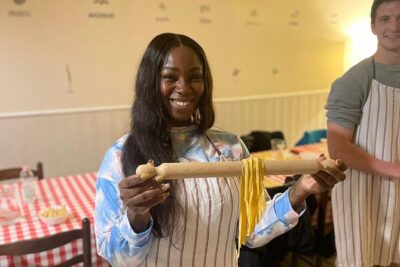
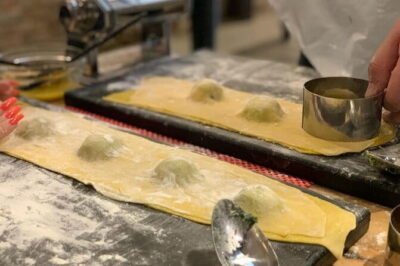
This is the class highlight for most people, mainly because it’s hands-on. You’ll craft Pici and Ricotta Gnocchi from scratch. That means you’re not just learning how to cook pasta—you’re learning the feel of the dough and the shaping steps.
Pici is a hand-rolled pasta shape with a rustic personality, and learning it in a class setting is a lot easier than trying to figure it out from an online video later. Ricotta gnocchi brings its own technique, too, since ricotta changes the texture and how the dough behaves.
Then you’ll learn to prepare Tuscan pasta sauce. Even if you consider yourself a cautious cook, this part is valuable because you’re getting guidance on building flavor in the sauce—not only cooking pasta correctly.
One practical tip: go with the expectation that your first attempts may be imperfect. That’s not a downside; it’s the point of a class like this. Shaping dough is tactile learning. If your gnocchi looks different from someone else’s, it still counts as experience—and you’ll get to eat what you make afterward.
And because this session caps at 6 people, you’re more likely to get help when something sticks or when shaping takes longer than expected.
Other San Gimignano kitchens to cook a meal in
Wine and Evo Oil Tastings: Where the Meal Becomes a Pairing Lesson
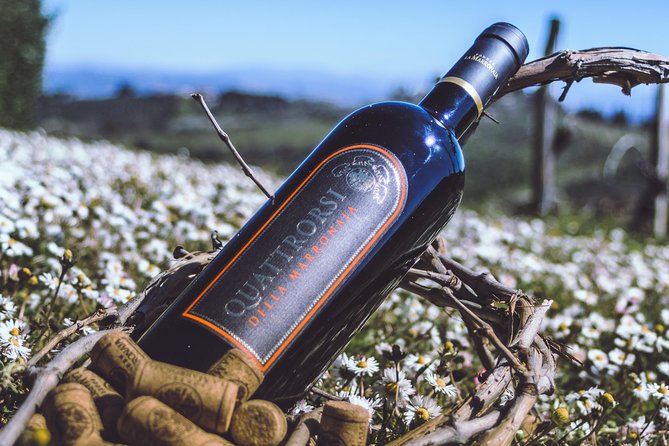
Food classes can be dry. This one works because it’s not only about cooking; it’s also about tasting with context. You get alcoholic beverages tasting of organic wines and Evo oils, plus wine pairings at the table.
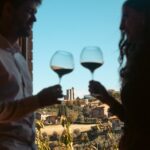
The course pairing detail is a big deal. Each course is paired with a different organic and biodynamic wine from the vineyard. That means you’re tasting with purpose, not sipping randomly. You can connect what you taste in the wine to what’s on your plate—especially helpful for understanding why Tuscan meals often lean on acidity and oil to balance herbs, tomato notes, and cheese.
Evo oil tastings add another layer. You’re learning what good olive oil tastes like on its own, which makes the bruschetta and pasta sauces feel more intentional. It also helps you stop treating olive oil as a background ingredient. In this class, it’s part of the flavor education.
The experience also includes bottled water. That sounds basic, but it makes the tasting more comfortable and keeps you from worrying about logistics once you’re already seated.
Scenic Photo Stops and the Rustic Kitchen Setting
You’re in San Gimignano, but the class experience is described as Tuscan countryside cooking. That’s why the photo factor matters. You’re not just taking pictures of plates; you’re capturing a moment in a working farm-style environment.
The rustic kitchen is part of the charm. It’s the kind of place where you can tell ingredients are treated seriously. It also makes the class feel grounded, not like a themed show.
Even if you’re not a big “photo person,” the change in setting helps. If your day in Tuscany is mostly walking in towns, being in a kitchen setting with farm air and real production talk can feel like a different side of the region.
Price and Value: Is $224.76 Fair for What You Get?
At $224.76 per person, this isn’t a budget activity. But value-wise, it’s not just a cooking demo.
Here’s what you’re paying for, based on what’s included:
- Hands-on lessons across multiple recipes: bruschetta and pasta-making (Pici and ricotta gnocchi)
- A full seated meal built around what you cook, including multiple courses
- Cold-cuts and cheeses and a sweet finish (tiramisù is listed)
- Organic wine tastings (and each course paired with organic and biodynamic wine)
- Evo oil tastings and bottled water
- A small group size (max 6), which makes instruction feel personal
The biggest cost-saving factor is that the food and drinks are part of the package, not extras at the table. If you’ve ever booked a “tasting” that ends up being one tiny sample, this class is built like an actual meal experience.
The main value tradeoff is also clear: private transportation isn’t included. So your real all-in cost depends on how you reach the meeting point. If you’re already near San Gimignano and can use public options or local taxis, the price feels more justified.
Who This Class Fits Best (and Who Might Hesitate)
This experience is designed for people who want to cook and eat in the same session. You’ll participate in tasks like baking, prepping vegetables, shaping pasta, and learning sauce basics. It’s also listed as suitable for most people to participate.
It seems especially good if:
- You want a structured cooking lesson with multiple recipes, not a single dish
- You like pairing food with wine and olive oil
- You prefer small group instruction over big-team tours
- You’re visiting San Gimignano and want a countryside activity that feels different from sightseeing
It may be less ideal if:
- You need a class with private door-to-door transport (that isn’t included)
- You’re looking for something short and light. This is a real meal-focused session around pasta and multiple courses.
- You dislike wine tastings. Alcoholic beverages tasting is part of the program, and the meal is paired with wine.
One encouraging detail from the experience feedback is that the class has worked for a wide age range, including people from 21 to 85, which is a good sign for teaching style and accessibility of the tasks.
Final Call: Should You Book This Tuscan Cooking Class?
I think you should book it if you want the Tuscany feeling that comes from making the food, not just buying souvenirs. The combination of hands-on bruschetta, scratch pasta work (Pici and ricotta gnocchi), and wine plus evo oil tastings makes the experience feel complete.
I would hesitate only if getting to the meeting point is a hassle for you, since private transportation is not included. If you can manage the logistics, this is a strong choice in San Gimignano for a memorable meal that teaches real technique.
FAQ
FAQ
Where is the meeting point for the Family Tuscan Cooking Class?
The class starts at Via Martiri di Citerna, 2, 53037 San Gimignano SI, Italy, and it ends back at the same meeting point.
How long does the experience last?
It lasts approximately 3 hours.
Is the cooking class offered in English?
Yes, the class is offered in English.
How many people are in the group?
The activity has a maximum of 6 people.
What food is included in the class?
The included meal includes mixed bruschetta, fresh homemade pasta, cold-cuts and cheeses, and tiramisù.
Are wine or olive oil tastings included?
Yes. The experience includes alcoholic beverages tasting of organic wines and Evo oils.
Is dinner included, or is it just lunch?
Dinner is listed as included, along with the meal you eat during the experience.
What is not included?
Private transportation is not included.
Is free cancellation available?
Yes. Free cancellation is available if you cancel up to 24 hours in advance of the experience start time for a full refund.
Are service animals allowed?
Yes, service animals are allowed.
More Kitchens to Try
- Tuscan Cooking Class
★ 5.0 · 584 reviews - 3-hour Tuscan Cooking Class with Wine & Oil Tasting
★ 4.5 · 36 reviews - Italian Cooking Class and Wine Tasting in Tuscany
★ 5.0 · 30 reviews - Truffle Hunting and Cooking Class
★ 4.5 · 26 reviews - Cooking class, visit to the wine cellar, 2500 year old granaries
★ 5.0 · 24 reviews
More San Gimignano Tours We Have Reviewed
- Tuscan Cooking Class
★ 5.0 · 584 reviews - Visit Best Wineries in Tuscany – Wine Tasting & Tour
★ 4.5 · 263 reviews - San Gimignano: Lunch or Dinner at a Winery with Wine Tasting
★ 4.7 · 177 reviews - Wine and food tasting in an organic family winery
★ 5.0 · 170 reviews - San Gimignano: Wine and Oil Tasting with Tuscan Appetizers
★ 4.6 · 156 reviews
More San Gimignano Cooking Classes
- Tuscan Cooking Class
★ 5.0 · 584 reviews - 3-hour Tuscan Cooking Class with Wine & Oil Tasting
★ 4.5 · 36 reviews - Italian Cooking Class and Wine Tasting in Tuscany
★ 5.0 · 30 reviews - Truffle Hunting and Cooking Class
★ 4.5 · 26 reviews - Cooking class, visit to the wine cellar, 2500 year old granaries
★ 5.0 · 24 reviews
Fresh from our San Gimignano review desk
- Golden Grains & Gourmet Pasta Cooking Class★ 5.0 · 3 reviews
- Extra Virgin Olive Oil Experience★ 4.5 · 3 reviews
- San Gimignano: Winery Visit with Picnic in Olive Grove★ 5.0 · 3 reviews
- San Gimignano: Wine Tasting Experience at Il Colombaio★ 4.7 · 3 reviews
- SAN GIMIGNANO: DEGUSTAZIONE CON VISTA SULLE TORRI★ 3.3 · 3 reviews
- Siena: Chianti Countryside Guided Bike Tour and Light Lunch★ 3.5 · 3 reviews
Florence Cooking Classes, compared.
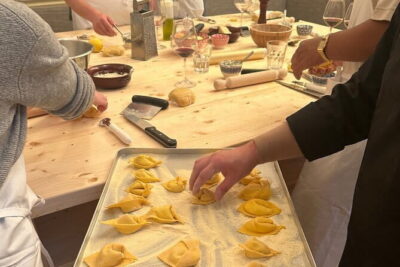 ★ 4.9Pasta Cooking Class with Unlimited WineFrom $2110,285 reviews
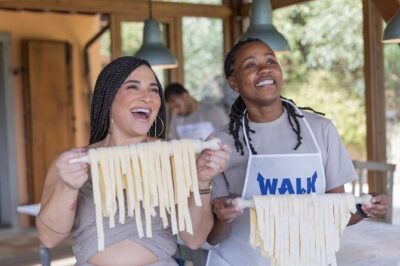 ★ 5.0Florence Pizza or Pasta Class with Gelato Making at a Tuscan FarmFrom $1456,801 reviews
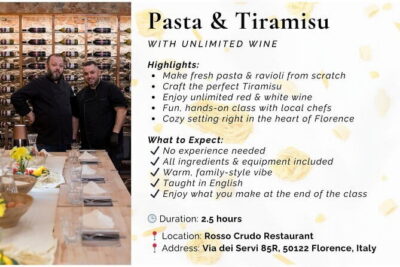 ★ 4.9Pasta & Tiramisu Cooking Class with Unlimited WineFrom $566,708 reviews
★ 5.0Pasta Cooking Class with Unlimited Wine6,413 reviews
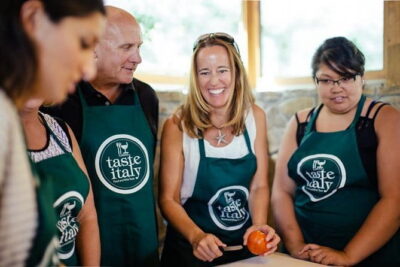 ★ 5.0Cooking Class and Lunch at a Tuscan Farmhouse with Local Market Tour from FlorenceFrom $1454,831 reviews
 ★ 5.0Pastamania – Florence Pasta Making ClassFrom $493,050 reviews
 ★ 5.0Cooking Class Pasta & Tiramisu Making Unlimited WineFrom $892,234 reviews
 ★ 5.0Florence Cooking Class The Art of Making Gelato & Authentic PizzaFrom $642,053 reviews
Browse the lists this tour appears in