
Fresh pasta makes time fly. This 2.5-hour Firenze-area cooking class turns Italian comfort food into a hands-on lesson, and you get to work with no machinery pasta-making techniques plus red and white wine tasting. I like that it’s taught by working chefs in a relaxed, very small setting; I also like that the experience ends with you eating your own results. One possible drawback: it’s not a sit-and-watch show—you’ll be rolling, shaping, and learning by doing, so come ready to get a little flour on your hands.
You’re based at Ristorante Murales Bistrò, where the vibe is practical and friendly, not staged. The teaching style is the big deal here—names like Kadri show up in feedback for being both skilled and patient, which matters if you’re not the world’s most confident cook. If you’re looking for a quick foodie souvenir with zero effort on your end, this probably won’t be your best fit.
In This Review
- Key highlights to look for
- A Small-Group Class at Ristorante Murales Bistrò
- Two-Hand Pasta and Tiramisù: What You’ll Do During the 2.5 Hours
- Rolling, Shaping, and Learning by Doing (Without the Machine Crutch)
- Wine Tasting Works Best When It’s Not a Lecture
- The Chef Factor: Skill, Patience, and Actual Take-Home Value
- What This Class Does for Your Firenze/Tuscany Day
- Price and Value: Is $70 Worth It?
- The Possible Catch: Expect Participation, Not a Passive Tour
- Should You Book This Pasta and Tiramisù Class?
- FAQ
- How long is the cooking class?
- How many people are in the group?
- What will I cook during the class?
- Is wine included?
- What languages is the tour guide available in?
- Are there vegetarian options?
- What’s included in the price?
- What is the cancellation policy and can I pay later?
Key highlights to look for
- Small group size (10 max): easier questions, more attention, calmer pace
- Hand-made pasta with your hands: traditional technique, no machines
- Two types of fresh pasta + tiramisù: real meal energy in one session
- Red and white wine included: tasting worked into the cooking flow
- Chef-led guidance in English and Italian: clear steps and live instruction
- You eat what you make: no awkward take-home disappointment
More Tuscan cellars worth the drive from Florence
A Small-Group Class at Ristorante Murales Bistrò
This isn’t one of those massive, assembly-line “cooking experiences.” The class is limited to 10 participants, which makes a visible difference. You’ll get time to ask what you’re doing wrong, and you won’t spend half the lesson trying to see over someone’s shoulder.
The setting at Ristorante Murales Bistrò keeps things grounded. Instead of a demo kitchen that feels disconnected from real cooking, this one is run as a genuine restaurant experience. That tends to make instructions more practical. You learn with an eye toward what matters when you’re actually cooking: texture, timing, and how dough behaves when it’s touched.
The lesson also runs with a live Italian/English guide, so you can follow the steps without translation guesswork. If you’ve ever been frustrated in workshops where you catch only half the meaning, this structure is a big plus.
Two-Hand Pasta and Tiramisù: What You’ll Do During the 2.5 Hours
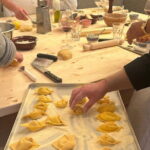
The core of the class is simple: you cook together. You’ll start with an intro and a run-through of what’s coming, so you know the order of operations. Then you’ll make two types of pasta the traditional way—using hands and technique rather than machinery or special tools.
That “hands-only” approach is where the lesson becomes memorable. Machines make dough consistent. Hands make you learn what dough should feel like. You’ll pay attention to how it comes together, how it stretches, and how it changes as you work. Even if your first attempt isn’t perfect, the goal is that you leave understanding what to adjust next time at home.
As the cooking moves along, you’ll be guided step-by-step, not just told to follow a recipe. The lesson style is very collaborative: you prepare the pasta together, learn the process as you go, and then you get to eat the results at the end.
Dessert is part of the same experience. The class includes preparing and sharing tiramisù as a group. That matters, because it turns “dessert making” from a separate activity into the finishing chapter of a real Italian meal. You’re not just tasting sweets—you’re building the one thing many people want to recreate after the trip.
One small practical note: since it’s hands-on, wear something comfortable. Cooking classes can mean quick cleanups and flour dust that appears out of nowhere.
Rolling, Shaping, and Learning by Doing (Without the Machine Crutch)
Traditional pasta making can sound romantic, but this class keeps it practical. If you’re used to packaged pasta or frozen dough, you’ll likely be surprised by how quickly you start building a feel for it.
Here’s what you’ll notice as you learn:
- Dough is responsive. Small changes in handling show up fast in texture.
- Cutting and shaping (for the two pasta types) is mostly about repetition and confidence, not fancy gadgets.
- The instructor’s job isn’t to make you perfect—it’s to get you moving in the right direction quickly.
This is also why the small group size matters so much. When you’re rolling dough, you need immediate feedback. With fewer people, the chef can see what your hands are doing and correct without waiting for a pause in the schedule.
And if you’re worried about speaking up—don’t. The class is built for participation. Even in feedback where people joked about being awkward at the beginning, the instruction style was described as kind and patient. That’s a strong indicator that the environment is supportive, not intimidating.
Wine Tasting Works Best When It’s Not a Lecture
During the lesson, you taste two types of wine: red and white. The value here isn’t learning a dozen wine facts; it’s understanding how wine fits into the pace of a meal you just made.
You’ll get a practical tasting moment right in the middle of cooking, which keeps things from feeling like a separate “side event.” This also helps you slow down and enjoy the part you might otherwise rush: the moment after you’ve made pasta and before you sit down to eat.
You don’t need to be a wine expert. The class format is designed for regular people who want to understand Italian food culture in a simple way. Think of it like taste, adjust your palate, then keep cooking.
The Chef Factor: Skill, Patience, and Actual Take-Home Value
What consistently comes up is the chefs themselves. The class is chef-led, and the instruction style is praised for being both competent and warm. Kadri is specifically mentioned in feedback for being an excellent teacher and chef, and another instructor is described as super kind and patient—especially helpful for folks who feel stiff in a kitchen.
One of my favorite details from the experience feedback: the class doesn’t end when the meal ends. Some participants received the recipes and even visuals—pictures and videos taken during the session—afterward. That’s the part that turns a fun evening into something you can recreate.
If you’re traveling, that kind of take-home material is useful because memory fades. You might remember the taste of tiramisù, but not the exact cues for dough handling. Visuals help you “re-see” the technique later, when you’re standing in your own kitchen with no instructor nearby.
Also, the atmosphere seems designed for laughter and comfort. Several notes point to a relaxed tone, good music, and a friendly group dynamic. That’s not a minor detail. Cooking classes go best when you feel safe enough to ask questions and try again.
Roll up your sleeves for another Florence cooking class
- Cooking Class and Lunch at a Tuscan Farmhouse with Local Market Tour from Florence
★ 5.0 · 4,831 reviews
What This Class Does for Your Firenze/Tuscany Day
This experience is ideal if you want something more meaningful than a museum hour. It gives you a skill, not just a photo. And because you cook and eat as a group, it also works as a social reset in the middle of a sightseeing-heavy trip.
You’ll probably fit it into your schedule in one of two ways:
- As a food-focused anchor day: after a morning of wandering, come to the class ready to settle in.
- As a contrast to sightseeing: if you’ve been walking all day, the structured timing and hands-on task can feel like a breather.
It also suits different travel styles. Couples often enjoy it because it feels like shared work and shared reward. Families may like it as a calmer activity with a built-in ending (you eat together). If you’re traveling alone, the small group structure helps you connect without the pressure of a crowd.
Vegetarian options are mentioned as a positive in feedback, which is a helpful signal if you want the class to work for mixed diets. Still, if that matters for you, it’s smart to confirm specifics with the provider when you book.
Price and Value: Is $70 Worth It?
At $70 per person for a 2.5-hour class, the question is whether you’re paying for a meal, instruction, or a curated experience. Here, you’re paying for all three.
What makes the value stronger than you might expect:
- Ingredients/necessary materials are included.
- Food and drinks are included.
- Wine tasting is part of the lesson.
- The group is small (10 max), so instruction time per person is higher.
Also, the session is long enough to learn something. Two-and-a-half hours isn’t just a snack with a worksheet. You have time to do the pasta steps, prepare dessert, and sit down afterward without rushing.
If you’ve ever paid for a “cooking tour” where you mostly observe, this one tends to be worth it because you participate throughout. The hands-on element is the heart of the experience, not an add-on.
The Possible Catch: Expect Participation, Not a Passive Tour
The main potential drawback is built into the format. This is a cooking lesson. You’ll be working with dough. You’ll be learning by doing. If you only want to watch, or if you hate getting your hands dirty, you may find it stressful rather than fun.
Another consideration is that the time is focused on the class itself. This isn’t designed as a sightseeing itinerary. You won’t come away with big views or walking routes. Instead, you’ll come away with technique, recipes, and the taste of an Italian meal you made with your own hands.
So go in with the right mindset: treat it like a skill-building evening, not like a show.
Should You Book This Pasta and Tiramisù Class?
You should book if you want an authentic Italian food experience that’s hands-on, chef-led, and end-to-end satisfying. The combination of two types of fresh pasta, tiramisù, and wine tasting—plus a small group—creates good value for the time.
You might skip it if you’re traveling when you can’t get comfortable with cooking tasks, or if you want a sightseeing-heavy itinerary instead of a culinary workshop. Also, if you’re someone who needs lots of structure without any manual work, you’ll probably feel better picking a less participatory activity.
Best fit: couples, small groups of friends, and anyone who loves Italian comfort food and wants to bring home more than memories—like recipes, cues, and a technique you can repeat later.
FAQ
How long is the cooking class?
The class runs for 2.5 hours.
How many people are in the group?
It’s a small group with a maximum of 10 participants.
What will I cook during the class?
You’ll cook two types of pasta in a traditional way using your hands, and you’ll also prepare tiramisù with the group.
Is wine included?
Yes. You taste two types of wine, red and white, during the lesson.
What languages is the tour guide available in?
The live guide is available in Italian and English.
Are there vegetarian options?
Vegetarian options are mentioned positively in feedback, so it may be possible to accommodate. You should confirm the specifics when booking.
What’s included in the price?
Food, drinks, and all necessary materials for the cooking are included.
What is the cancellation policy and can I pay later?
Free cancellation is available up to 24 hours in advance for a full refund, and there is an option to reserve now and pay later.
More Florence Tours We Have Reviewed
- Florence: Skip-The-Line Uffizi Gallery Timed Entry Ticket
★ 4.5 · 27,832 reviews - Tuscany Day Trip from Florence: Siena, San Gimignano, Pisa and Lunch at a Winery
★ 5.0 · 21,634 reviews - Florence: Timed Entry to Michelangelo’s David + Audio App
★ 4.6 · 19,496 reviews - Florence: Leonardo Interactive Museum Entry Ticket
★ 4.5 · 12,957 reviews - Florence: Michelangelo’s David Skip-the-Line Entry Ticket
★ 4.5 · 12,764 reviews
More Florence Cooking Classes
- Florence: Pasta Cooking Class with Unlimited Wine
★ 4.9 · 10,285 reviews - Florence Pizza or Pasta Class with Gelato Making at a Tuscan Farm
★ 5.0 · 6,801 reviews - Florence: Pasta & Tiramisu Cooking Class with Unlimited Wine
★ 4.9 · 6,708 reviews - Florence: Pasta Cooking Class with Unlimited Wine
★ 5.0 · 6,413 reviews - Cooking Class and Lunch at a Tuscan Farmhouse with Local Market Tour from Florence
★ 5.0 · 4,831 reviews
More Tuscan Wine to Taste
- Tuscany Day Trip from Florence: Siena, San Gimignano, Pisa and Lunch at a Winery
★ 5.0 · 21,634 reviews - Florence: Chianti Wineries Tour with Wine Tasting
★ 4.5 · 10,071 reviews - Small-Group Wine Tasting Experience in the Tuscan Countryside
★ 5.0 · 7,392 reviews - SMALL-GROUP Wine Safaris: Tuscan Wine Tasting Tours from Florence
★ 5.0 · 5,088 reviews - Winner 2025 Florence Sunset Food & Wine Tour by Eating Europe
★ 5.0 · 5,015 reviews
Fresh from our Florence review desk
- Small-Group Pasta Cooking Class and Market Tour in Florence★ 5.0 · 3 reviews
- Palatina Gallery and Pitti Guided Tour in Florence★ 5.0 · 3 reviews
- Tuscan Evening Tour: Fiat 500, 8:30 to 10 PM★ 5.0 · 3 reviews
- Journey into Art: Florence’s Accademia★ 4.5 · 3 reviews
- Paint and Drink Florentine Hills★ 5.0 · 3 reviews
- Truffle hunting and lunch experience, with Vinci and winery.★ 4.5 · 3 reviews
Tuscany Wine Tours, compared.
 ★ 5.0Tuscany Day Trip from Florence: Siena, San Gimignano, Pisa and Lunch at a WineryFrom $11421,634 reviews
 ★ 4.5Chianti Wineries Tour with Wine TastingFrom $4110,071 reviews
 ★ 5.0Small-Group Wine Tasting Experience in the Tuscan CountrysideFrom $1077,392 reviews
 ★ 5.0SMALL-GROUP Wine Safaris: Tuscan Wine Tasting Tours from FlorenceFrom $1575,088 reviews
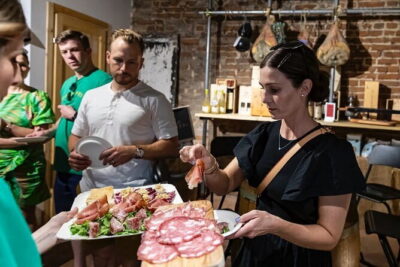 ★ 5.0Winner 2025 Florence Sunset Food & Wine Tour by Eating EuropeFrom $1495,015 reviews
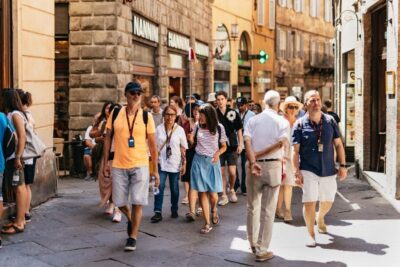 ★ 4.8From Florence: Siena, San Gimignano, Pisa & Lunch at WineryFrom $1124,538 reviews
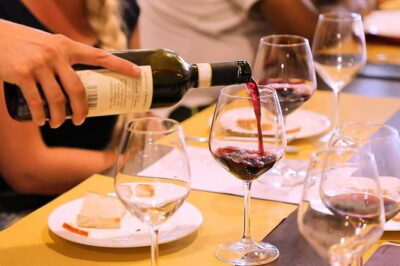 ★ 4.5San Gimignano, Siena, Monteriggioni, Chianti Day Trip with Lunch & Wine TastingFrom $834,432 reviews
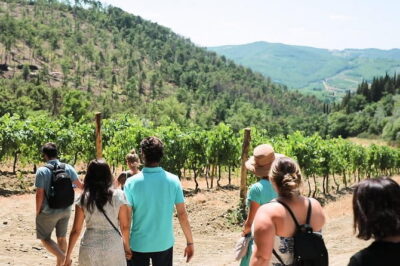 ★ 4.5Chianti Wine Tour from FlorenceFrom $593,979 reviews
Browse the lists this tour appears in