
Reviewed · ACCADEMIA GALLERY TOURS
Florence: David’s Accademia Gallery Guided Tour
Michelangelo’s David is a little unreal. This guided Accademia tour gets you in fast and explains what you’re actually looking at. I love the chance to see David up close without losing time in the crowd, and I love how the guide connects the sculpture to the surrounding Renaissance works. One thing to consider: the museum entry involves security, and bigger bags don’t go inside.
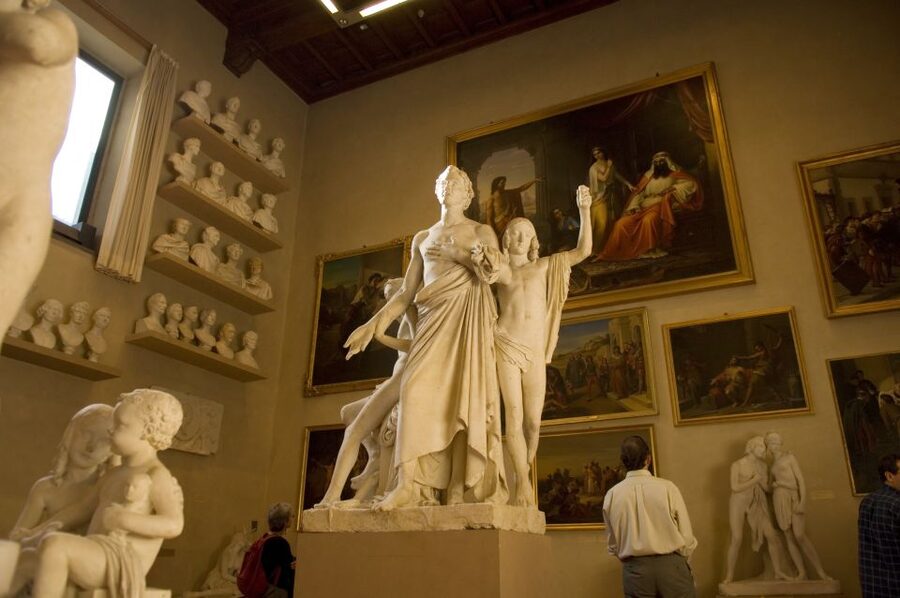
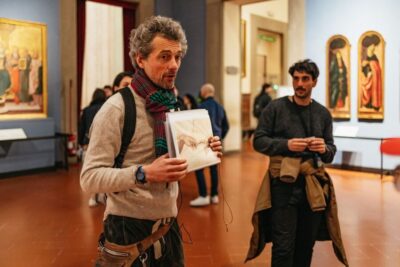
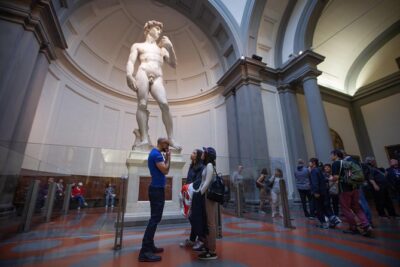
In about one hour, you’ll move through the highlights of the Accademia Gallery, guided by a real art explainer (Spanish or English) with audio equipment so you’re not straining to hear. You’ll also get stories about not just the star, but the supporting cast—Gothic and Renaissance paintings and the sculpture details that make David feel alive.
Key points at a glance
- Priority entry via a separate entrance helps you beat the long lines at the Accademia.
- Live guide + audio equipment keeps the narration clear and easy to follow.
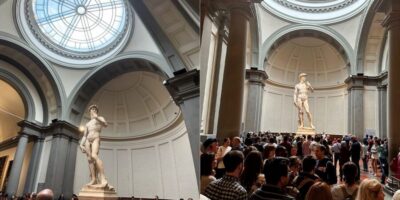
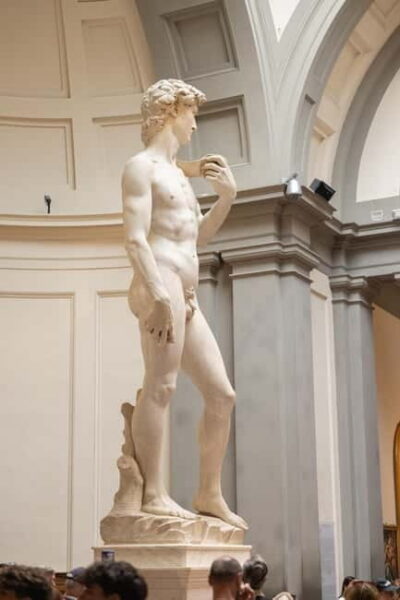
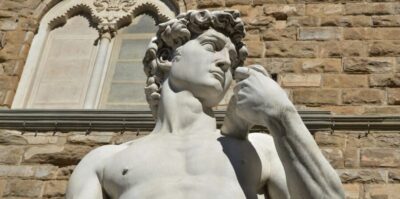
- Michelangelo’s David is the centerpiece, with context on why it looks so life-like.
- You’ll also see Renaissance works by artists like Botticelli and Ghirlandaio, plus lesser-known sculpture.
- Expect guided attention to technique and artist choices, not just dates and names.
- Your guide might be a storyteller like Martina, Glenda, Giacomo, Mario, Christian, Rosa, or Steffania (names vary by group).
In This Review
- Skip-the-line into the Accademia: why priority entry matters
- The one-hour flow: what you actually see (and why it clicks)
- Michelangelo’s David: seeing more than the obvious
- Gothic to Renaissance: Botticelli, Ghirlandaio, and the style shift
- Michelangelo’s Prisoners (Slaves): the best extra reason to go
- How the guide narration works (and what to listen for)
- Price and value: is $53 worth it?
- Getting in: security, bags, and what not to bring
- Timing and group reality: what the 1-hour format means
- Who this tour is best for
- Should you book this Accademia tour for David?
- FAQ
- How long is the Florence Accademia Gallery guided tour?
- Do I get skip-the-line entry to the Accademia?
- What’s included in the tour price?
- What language is the live tour guide?
- What should I bring for museum entry?
- Is there any issue with bags or security?
Skip-the-line into the Accademia: why priority entry matters
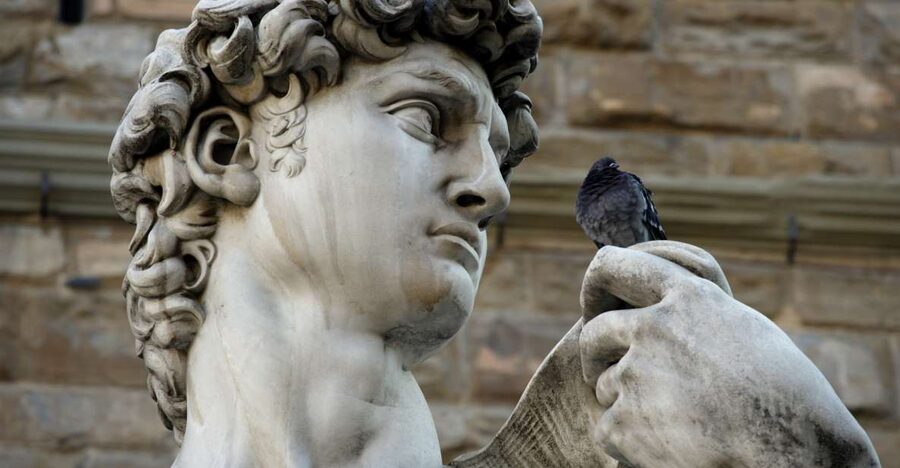
The Accademia is one of those “photo icon” sights that’s also genuinely worth your time. The problem is the practical part: it’s popular, and the lines can be a mood-killer if you’re hungry for the art. This tour solves that with skip-the-line priority tickets and a separate entrance, so you’re not spending your only sightseeing hour watching people shuffle forward.
That hour matters here because the Accademia isn’t just David. It’s a whole room of ideas—Gothic color and drama, then Renaissance humanism and realism. If you show up late or waste time outside, you end up rushing the galleries. With priority entry, you can walk in with focus and get the most out of what the guide points out.
Other Accademia visits we have walked through in Florence
The one-hour flow: what you actually see (and why it clicks)
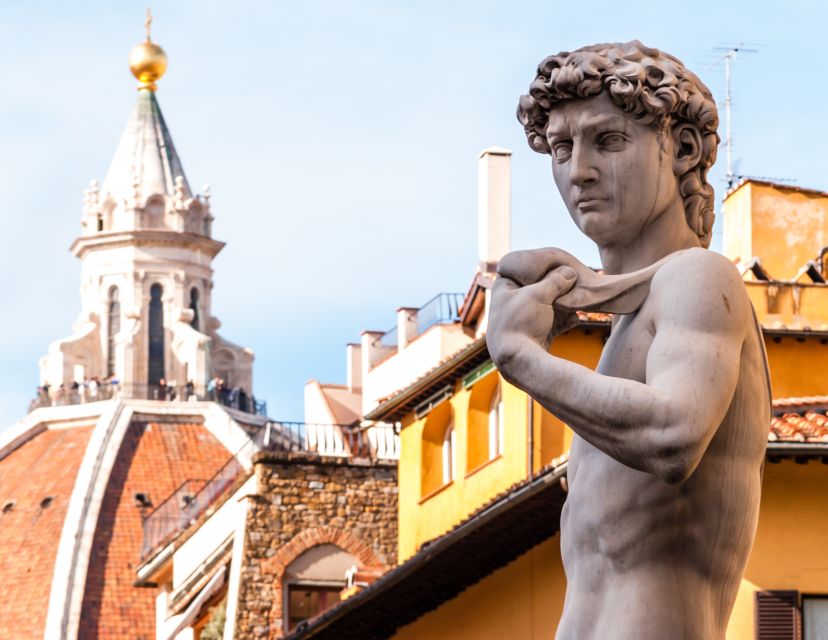
Even though the tour is short, it’s built around the Accademia’s main story: how Florentine art shifts from older forms into the Renaissance style that emphasizes the human figure, proportion, and emotion.
You’ll start by getting your bearings inside with your guide, then move through the “greatest hits” of the museum:
- Michelangelo’s David as the anchor of the visit
- Florentine Gothic paintings for contrast in mood and style
- Renaissance paintings featuring artists like Botticelli and Ghirlandaio
- Sculpture highlights beyond David, including Michelangelo’s Prisoners (or Slaves)
The payoff isn’t only that you see these works. It’s that you see them in the right order, with explanation that ties them together. In other words, you don’t just identify objects. You understand what changes across periods—and why.
Michelangelo’s David: seeing more than the obvious
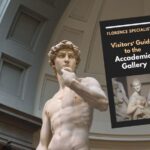
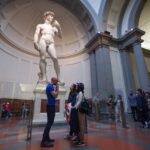
David is famous for a reason, but without context it can turn into: big statue, nice details, quick photo, done. This tour pushes past that by getting you to notice how Michelangelo made the figure feel alive.
The guide’s narration zeroes in on why the sculpture is considered one of the most life-like from the period. That means you’re not only looking at the overall pose. You’re being encouraged to look at the work’s structure and realism—the tension in the figure, the sense of an exact moment in time, the way the body reads as fully human rather than idealized.
This is where having a good guide pays off. In the tour’s guest experiences, guides like Martina and Rosa are praised for making the statue land in a new way, not just reciting facts. People call out that the explanation gives a clearer understanding of David’s meaning and craftsmanship, and that you walk away seeing the sculpture from a different angle.
Gothic to Renaissance: Botticelli, Ghirlandaio, and the style shift
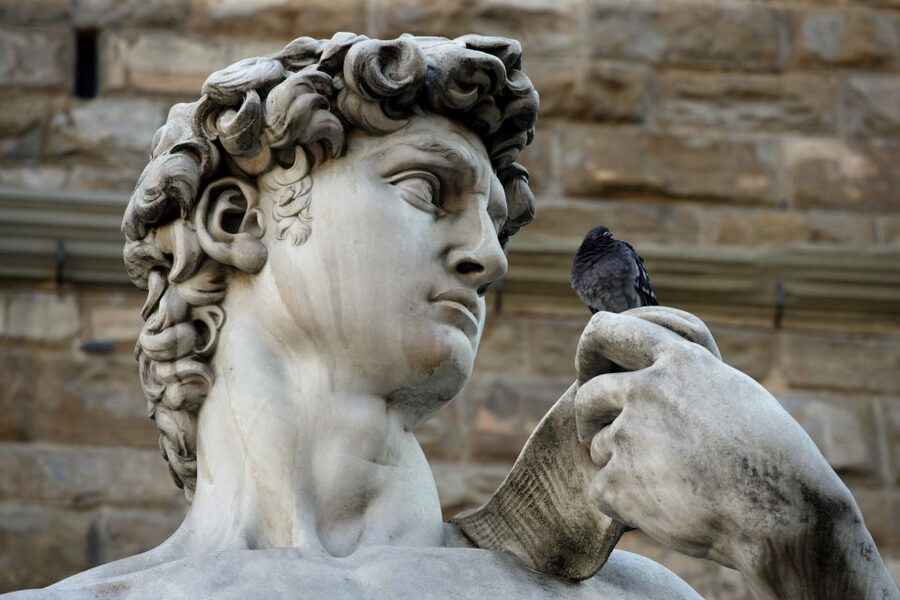
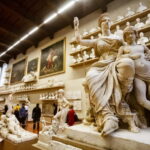
One reason the Accademia is more interesting than a one-statue stop is that it holds works that show the transition in Florentine art. Your tour includes ornate Florentine Gothic paintings, then shifts toward the Renaissance approach.
The practical value for you: this contrast helps your eyes. Gothic work often feels more patterned or theatrical; Renaissance work leans into form, proportion, and naturalism. When you get both in one guided hour, you start recognizing style differences faster, and the museum stops feeling like a random set of rooms.
You’ll also spend time with Renaissance paintings connected to major names like Botticelli and Ghirlandaio. Even if you can’t identify every panel at first glance, the guide’s job is to translate what the artists were trying to do—how they used composition, style, and human expression to communicate ideas.
Michelangelo’s Prisoners (Slaves): the best extra reason to go
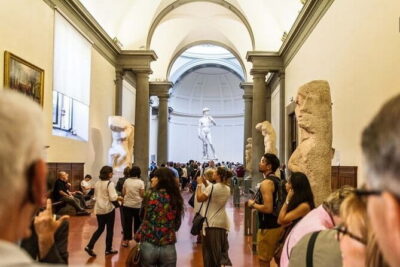
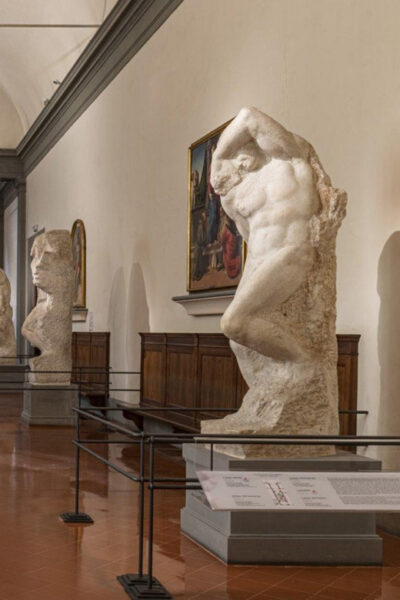
If David is the star, Michelangelo’s Prisoners (or Slaves) are often the emotional undercard that makes the visit feel complete. This tour includes attention to these works, which means you get more than a single famous sculpture moment.
The value here is perspective. David can feel like the final product. The Prisoners connect you to the process and the imagination behind the sculptor’s approach. When the guide points out these lesser-known pieces, you understand why Michelangelo’s art isn’t only about one masterpiece—it’s about his constant obsession with the human figure, motion, and presence.
How the guide narration works (and what to listen for)
Your tour includes a live guide with Spanish and English options, plus audio equipment. For a museum tour, audio equipment is a small detail with a big effect: you can stand where you want and still hear the guide clearly. That matters in busy rooms where people shift around and block sightlines.
In multiple successful tours, the strongest praise lands on the guides’ ability to tell a coherent story. Names that come up include Glenda, Giocomo, Mario, and Christian, with comments pointing to passion, storytelling, and making the art feel understandable rather than distant.
So here’s what you can do to get the most out of the hour:
- Pay attention when the guide contrasts periods (Gothic vs Renaissance). That’s where your mental “map” gets built.
- Listen for technique talk. If you hear about how a figure feels carved into reality, you’ll start noticing it in the surface and proportions.
- Don’t just look at faces—look at hands, posture, and the tension in the body. That’s usually where the explanation gets most concrete.
Every route to the David, compared


Price and value: is $53 worth it?

At $53 per person, you’re not paying for a long tour. You’re paying for three things that are hard to replicate on your own without time:
- Skip-the-line priority entry, which is a real time saver at the Accademia.
- A real guide who can turn a famous statue into a layered understanding of Renaissance ideas.
- Audio equipment, which makes the visit easier to enjoy even if the gallery gets crowded.
If you’re the type who likes museums but feels overwhelmed by labels and dates, this is the value sweet spot. One hour with a good guide often beats a half-day of wandering when you only care about the main pieces.
If you already know tons of Renaissance art history and you’re comfortable reading everything at your own pace, you might prefer a self-guided visit. But for most people, $53 feels like a reasonable “buy yourself clarity” ticket—especially in a place where lines and crowd flow can steal your attention.
Getting in: security, bags, and what not to bring
You’ll go through security inspection before entering. That’s normal in Italy, but it’s worth planning for because it can affect your arrival timing.
A few practical rules to keep you from losing time at the door:
- Metal objects are not allowed and may be collected by security before you enter.
- The museum has no cloakroom, so large bags and backpacks can be an issue. Helmets and big bags won’t be allowed.
- You can bring water up to 0.5 liters.
Also note: your guide meeting time can change, and you may receive a call or message from the provider if it does. So if you’re planning other timed stops that day, don’t schedule everything to the minute.
Timing and group reality: what the 1-hour format means
This tour is designed to be efficient—one hour—which is great for a tight Florence schedule. The tradeoff is you won’t get deep, slow attention like you might on a multi-hour museum day.
The experience is likely smoother when everyone arrives close to time. There’s at least one case where late arrivals led to a longer wait before entry, followed by a great tour afterward. Translation for you: show up early enough to handle security and getting oriented at the meeting point.
Who this tour is best for
This works especially well if:
- You want David but also want the “why,” not just the photo.
- You like art history explained in clear, human terms.
- You’re visiting Florence for a short stay and want the museum highlights without getting stuck in lines.
It may be less ideal if:
- You want a long, silent museum day with tons of self-led exploring.
- You’re extremely sensitive to crowd flow and prefer to spend more time wandering at your own pace.
Also, there’s a detail to check before booking: the activity info includes wheelchair accessibility, but it also lists “not suitable for wheelchair users.” If mobility is a concern, confirm directly with the provider what’s possible on the day.
Should you book this Accademia tour for David?
Yes—if you want the highest-impact version of the Accademia in one hour. The priority entry alone helps, but the bigger reason is the way the guide ties together David, the surrounding Renaissance works, and the lesser-known sculpture like Michelangelo’s Prisoners (Slaves).
Book it if you value clear explanations and want someone to help you look at the details without getting lost. Skip it only if you’re comfortable self-guiding and you don’t care about technique, period contrasts, and the story behind what you’re seeing.
FAQ
How long is the Florence Accademia Gallery guided tour?
It runs for 1 hour.
Do I get skip-the-line entry to the Accademia?
Yes. You get skip-the-line priority tickets and you enter through a separate entrance.
What’s included in the tour price?
You get a tour guide, skip-the-line priority tickets, and audio equipment to hear your guide.
What language is the live tour guide?
The guide is offered in Spanish and English.
What should I bring for museum entry?
Bring a passport or ID card.
Is there any issue with bags or security?
You’ll go through security inspection, and items like scissors, blades, and other metal objects may be collected at the entrance. The museum has no cloakroom, and large bags/backpacks (and helmets) won’t be allowed. Water is allowed up to 0.5 liters.
More Florence Tours We Have Reviewed
- Florence: Skip-The-Line Uffizi Gallery Timed Entry Ticket
★ 4.5 · 27,832 reviews - Tuscany Day Trip from Florence: Siena, San Gimignano, Pisa and Lunch at a Winery
★ 5.0 · 21,634 reviews - Florence: Timed Entry to Michelangelo’s David + Audio App
★ 4.6 · 19,496 reviews - Florence: Leonardo Interactive Museum Entry Ticket
★ 4.5 · 12,957 reviews - Florence: Michelangelo’s David Skip-the-Line Entry Ticket
★ 4.5 · 12,764 reviews
Standing Before David, Again
- Florence: Timed Entry to Michelangelo’s David + Audio App
★ 4.6 · 19,496 reviews - Florence: Michelangelo’s David Skip-the-Line Entry Ticket
★ 4.5 · 12,764 reviews - Florence: Timed Entry Ticket to Michelangelo’s David & eBook
★ 4.6 · 4,049 reviews - Florence: Art Tour, Accademia Gallery and David
★ 4.5 · 2,407 reviews - Michelangelo’s David, Accademia & Uffizi Small Group Tour
★ 4.5 · 1,986 reviews
More Time With the Accademia
- Florence Accademia Gallery Tour with Entrance Ticket Included
★ 4.5 · 6,148 reviews - Florence: Accademia Gallery Guided Tour
★ 4.6 · 4,156 reviews - Uffizi & Accademia Timed Entry: Small Group Duomo Walking Tour
★ 4.5 · 3,630 reviews - Florence: Accademia Gallery Skip-the-Line Guided Tour
★ 4.8 · 3,044 reviews - Florence: Art Tour, Accademia Gallery and David
★ 4.5 · 2,407 reviews
Fresh from our Florence review desk
- Small-Group Pasta Cooking Class and Market Tour in Florence★ 5.0 · 3 reviews
- Palatina Gallery and Pitti Guided Tour in Florence★ 5.0 · 3 reviews
- Tuscan Evening Tour: Fiat 500, 8:30 to 10 PM★ 5.0 · 3 reviews
- Journey into Art: Florence’s Accademia★ 4.5 · 3 reviews
- Paint and Drink Florentine Hills★ 5.0 · 3 reviews
- Truffle hunting and lunch experience, with Vinci and winery.★ 4.5 · 3 reviews
Accademia Gallery Tours, compared.
 ★ 4.5Florence Accademia Gallery Tour with Entrance Ticket IncludedFrom $456,148 reviews
 ★ 4.6Accademia Gallery Guided TourFrom $534,156 reviews
 ★ 4.5Uffizi & Accademia Timed Entry: Small Group Duomo Walking TourFrom $503,630 reviews
 ★ 4.8Accademia Gallery Skip-the-Line Guided TourFrom $413,044 reviews
 ★ 4.5Art Tour, Accademia Gallery and DavidFrom $582,407 reviews
 ★ 4.6Accademia Gallery Guided Tour with Entry TicketFrom $492,253 reviews
 ★ 4.8Uffizi Gallery and Accademia Gallery Guided TourFrom $1402,028 reviews
 ★ 4.5Michelangelo’s David, Accademia & Uffizi Small Group TourFrom $471,986 reviews
Browse the lists this tour appears in