
Reviewed · TUSCANY WINE TOURS
Florence: Mozzarella Making Workshop with Wine Tasting
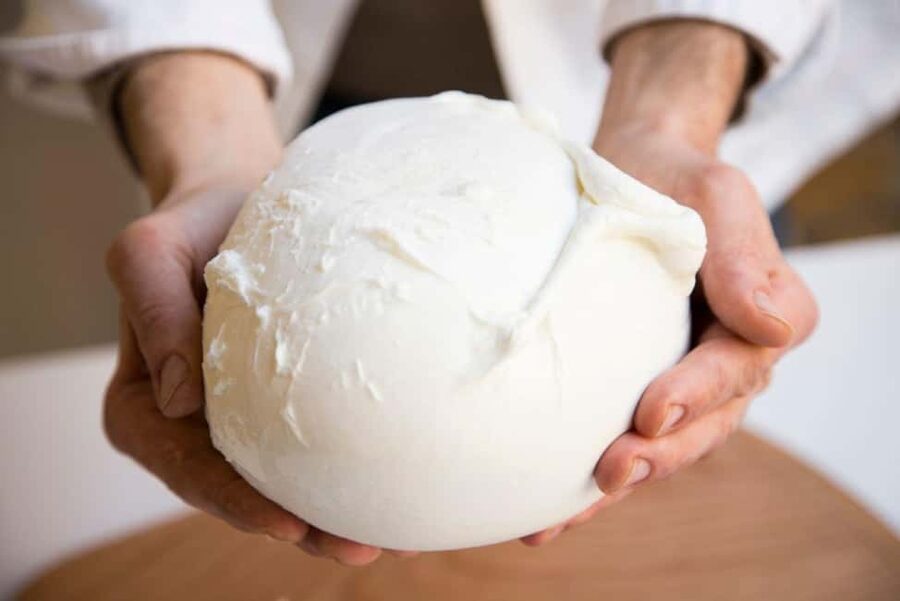
Fresh mozzarella tastes like no store cheese. This Florence workshop has you making mozzarella, burrata, and stracciatella with a master cheesemaker, then pairing what you made with wine and seasonal plates. You start with a welcome glass of Prosecco, roll up your sleeves for the curd work, and end by tasting everything you created in a cozy, music-filled setting.
I really like two parts here: the hands-on instruction (from forming little bocconcini to twisting nodini and braiding treccine), and the fact you eat your own results. The workshop also stacks in a guided tasting of Tuscan wines (including both organic and conventional bottles), so the cheese lesson turns into a proper food-and-wine evening, not just a demo.
One consideration: the experience is dairy-focused, so it’s not suitable for vegans or people with lactose intolerance, and it isn’t built for kids under 8. If that describes you, skip this one and look for a different class type.
In This Review
- Key things that make this mozzarella class worth it
- The magic trick: turning curds into bocconcini
- Making mozzarella, burrata, and stracciatella in one workshop
- The start: welcome Prosecco and a seasonal plate
- Step-by-step mozzarella: bocconcini, nodini, treccine
- Burrata and stracciatella: the luxury part of the lesson
- Eat what you make
- Wine tasting in Tuscany: pairing with both organic and conventional bottles
- The pace: two hours doesn’t waste your time
- The meal side: seasonal dishes and creative serving ideas
- Price and value: what $74 really buys you
- Who this workshop is best for (and who should skip)
- Tips to get the most out of the two hours
- Should you book this mozzarella making workshop in Florence?
- FAQ
- What cheeses do you make in the Florence workshop?
- How long does the experience last?
- What is included in the price?
- Are there vegetarian or gluten-free options?
- Is it vegan or suitable for lactose intolerance?
- Is it okay to bring children?
- Where do I meet the chef?
- Are pets and smoking allowed?
- What languages are the instruction offered in?
Key things that make this mozzarella class worth it
- You make three cheese styles: mozzarella, burrata, and stracciatella, not just one
- Technique work, not just watching: bocconcini, nodini, and treccine come with step-by-step guidance
- Wine is part of the meal: you taste wine alongside what you produced
- Prosecco welcome drink sets the tone right away
- Take-home booklet helps you recreate the process later
- Cozy, music-filled atmosphere keeps it lively while you work
More Tuscan cellars worth the drive from Florence
The magic trick: turning curds into bocconcini
This class lives in the kind of practical Italian food world I love: hands get dirty, questions get answered, and you leave with a skill you can actually repeat. Instead of treating mozzarella as a vague idea, you learn the specific movements and timing that change curd into soft, sliceable cheese.
The overall structure is built around momentum. You begin with a welcome glass of Prosecco, then you move into cheesemaking instruction with a master casaro (cheese maker). From there, the session stays active: you form, twist, braid, and fill, and you also get to taste your work as you go—so you can connect the steps to the results.
The group experience matters too. It’s described as small-group, which is a big deal for a hands-on cheese task. You’re not stuck in a crowd trying to hear instructions over your neighbor’s questions.
Making mozzarella, burrata, and stracciatella in one workshop
Here’s what the two-hour rhythm looks like, and why it’s a smart way to spend your time in Florence if you like cooking.
The start: welcome Prosecco and a seasonal plate
You begin with a cold glass of Prosecco. That simple start is more than a perk—it helps you settle in so you can focus on the real work: listening for timing cues and texture changes. After that, there’s a seasonal dish to keep energy up while you get your bearings.
Step-by-step mozzarella: bocconcini, nodini, treccine
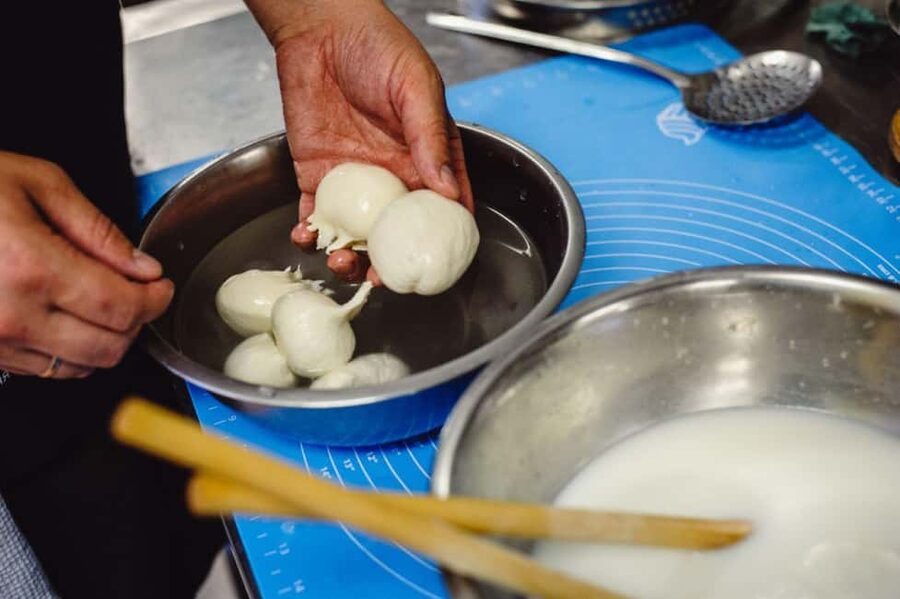
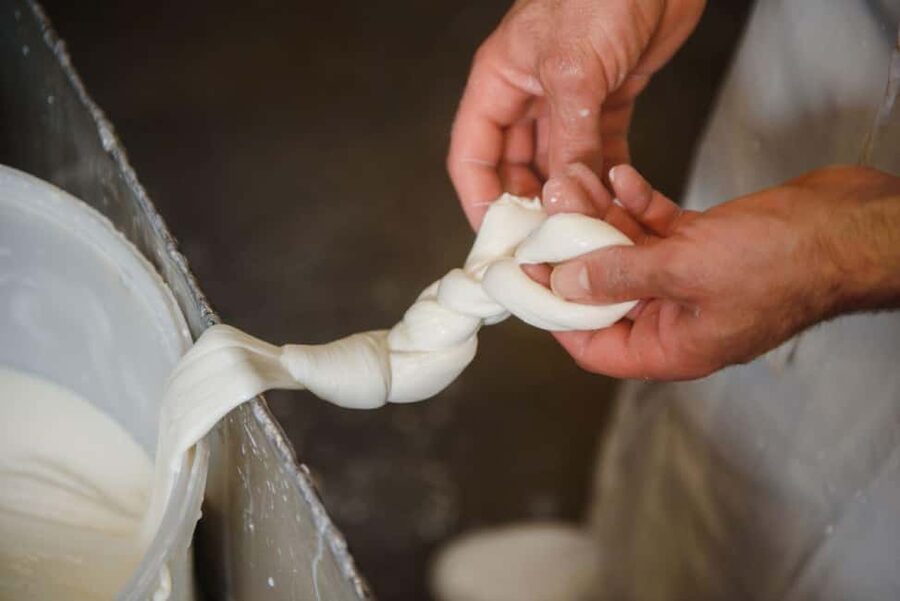
Once the workshop begins, the cheesemaker shows you how to transform fresh curds into finished pieces. The process includes shaping into bocconcini (small mozzarella portions), plus more playful forms like nodini (twisted bites) and treccine (braided shapes). The key value for you is that the instruction isn’t theoretical. You get guided, you try it, and you see what the curds should look and feel like.
In the reviews, instructors are often named—people mention Jess and Alyssa as leading the steps—so the teaching style seems consistent: clear direction, hands-on support, and plenty of room for questions. You’ll also notice a recurring theme in feedback: you leave feeling like the steps are doable, not mysterious.
Burrata and stracciatella: the luxury part of the lesson
Then you move past basic mozzarella into the richer cousins. Burrata and stracciatella involve working with the creamy interior concept, which is what turns mozzarella into something that feels almost like a food dessert. The workshop description explicitly frames stracciatella as ultra-luxurious, and that matches the real-world logic: you’re not just learning how to form cheese, you’re learning how to create that “creamy pull” effect.
You’ll get to taste what you make, and some sessions include creative pairings. One example given is stracciatella with bottarga and lemon zest. That matters because it shows you how Italians actually eat this style: not as a standalone blob, but as part of a balanced bite with salt, citrus lift, and umami depth.
More Florence tables, tastings and small bites
- San Gimignano, Siena, Monteriggioni, Chianti Day Trip with Lunch & Wine Tasting
★ 4.5 · 4,432 reviews
Eat what you make
This is a big one. You don’t watch, then leave hungry. You eat your creations (mozzarella, burrata, stracciatella) and you also enjoy the accompanying dishes prepared for the group. Multiple comments stress going in hungry because the workshop turns into a proper food session once the cheese is ready.
Wine tasting in Tuscany: pairing with both organic and conventional bottles
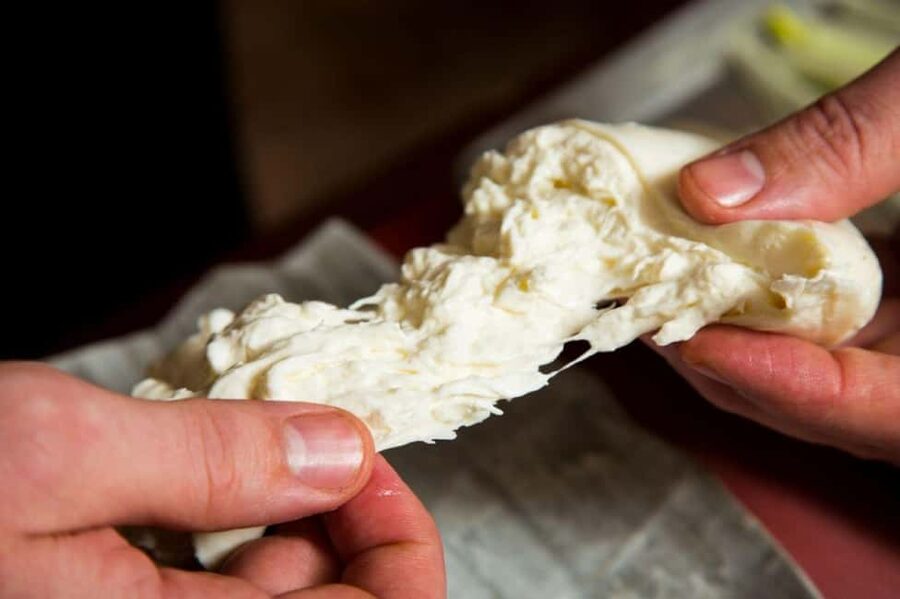
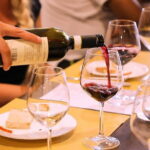
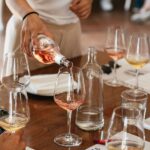
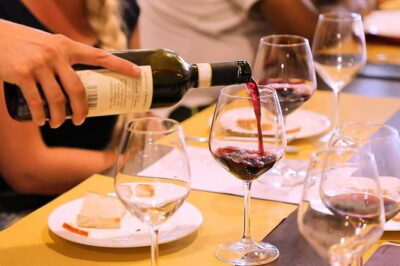
After the cheese work, the experience shifts into tasting mode. You’ll enjoy your creations with a selection of Tuscan wines, and the tasting includes both organic and conventional options.
Why I think this is a practical add-on (not just an extra sales pitch): wine tasting is where you learn how to match flavors you just created. Fresh mozzarella is mild and milky; burrata leans creamy; stracciatella is rich and delicate at once. A good pairing teaches your palate how salt, acidity, and fruit-forward notes can make the cheese taste even better.
You also get to “sip, swirl, and debate” your favorites, which is a nice way to keep the group lively. Even if you’re not a wine expert, the structure makes it easy to participate: taste first, then compare impressions.
The pace: two hours doesn’t waste your time
Two hours sounds short, but the flow is tight: Prosecco and a plate up front, cheesemaking in the middle, tasting and eating at the end. If you’re trying to fit a foodie activity into a Florence itinerary, this duration is realistically doable without turning your day into chaos.
The meal side: seasonal dishes and creative serving ideas
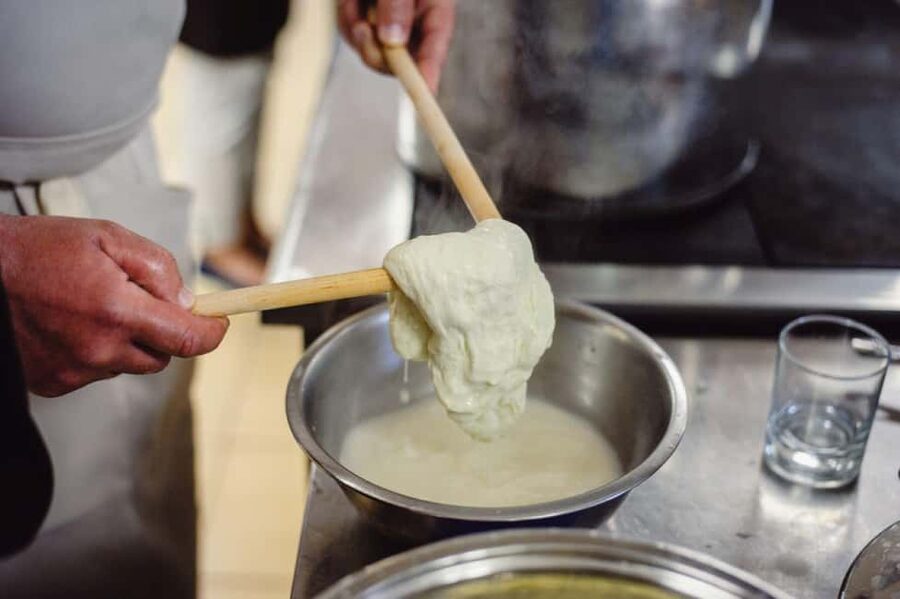
The cheese is the star, but you should treat this as a food session, not a cheese-only workshop. You’ll enjoy a seasonal dish, plus additional plates connected to the farm-style hospitality vibe described in the experience.
Some reviews mention specific kinds of food that show up after the cheesemaking—things like meatballs, caprese-style bites, and truffle-oil creations—so you can expect a mix of simple Italian comfort with a few upgraded touches. And because you’re eating the cheese you made, the meal feels connected rather than separate.
Also, the workshop explicitly notes vegetarian and gluten-free friendly options. That’s valuable for you because it means you can plan with less stress. That said, it’s also explicitly not vegan and not suitable for lactose intolerance, so dairy-related needs matter more than gluten issues here.
Price and value: what $74 really buys you
At $74 per person for a two-hour hands-on class, you’re paying for a stack of things that add up quickly:
- Instruction by a professional chef/master casaro
- Hands-on shaping work for multiple cheese types (not one)
- A welcome drink (Prosecco)
- A meal component with seasonal dishes
- A wine tasting including both organic and conventional bottles
- A recipe booklet you take home
The value is highest if you’re the kind of person who likes learning by doing. If you simply want to sample cheese and move on, you’ll probably feel the price more sharply. But if you want skills, texture knowledge, and the experience of making burrata and stracciatella yourself, $74 is fairly aligned with what you’re getting.
One more smart value angle: the recipe booklet. It’s one of those “small” inclusions that can turn the experience into something you practice later. Even if you don’t make it often, having a real reference is better than relying on memory.
Who this workshop is best for (and who should skip)
This is a clear match for food lovers who want an active class in Florence. It’s also a good fit for couples and small groups because it’s social without being crowded.
It’s best for:
- People who enjoy cooking, forming food by hand, and learning techniques
- Visitors who want cheese plus wine plus a meal in one stop
- Anyone comfortable with dairy (since it’s central to the experience)
It’s not a fit for:
- Vegans
- People with lactose intolerance
- Children under 8
- Anyone who needs pet-friendly accommodations (pets aren’t allowed)
- Anyone sensitive to a workshop with music and a lively pace (it’s described as music-filled)
If you’re traveling with kids over 8, you might still find it fun, but the key cutoff given is under 8, so plan accordingly.
Tips to get the most out of the two hours
If you want to walk out feeling like you nailed it, go in ready. Several reviews basically scream one theme: go hungry, and be ready to taste and eat.
Here are my practical tips:
- Show up ready to taste: the experience includes multiple samples plus a meal component
- Pay attention to texture cues during mozzarella forming. The difference between bland curds and great mozzarella is often feel, not just timing
- Ask questions early, not halfway through. The chefs likely work in a sequence, so early clarity helps your later steps
- Wear something you can get a little messy in—cheesemaking is hands-on by design
- Use the recipe booklet later. It’s there for a reason, and it’s your best shot at reproducing stracciatella-style results at home
Also, note the instructor language is English and Italian. If you speak either one, you’ll get more out of the explanations and the little tweaks during shaping.
Should you book this mozzarella making workshop in Florence?
If you want a Florence food experience that’s interactive, flavorful, and genuinely different from another museum stop, I’d say book it. The best part is the combination: you make mozzarella, burrata, and stracciatella, then you eat what you made, then you add wine tasting on top. That creates a full evening of learning and tasting in a tight time window.
Skip it if dairy won’t work for you (lactose intolerance or vegan needs), or if you’re traveling with kids under 8. Also, if you’re only looking for a quick snack, you might find the format too involved for the time spent.
For most food-first travelers, this hits the sweet spot: hands-on technique, a real meal, and Tuscan wine in a setting that feels like a family food workshop.
FAQ
What cheeses do you make in the Florence workshop?
You make mozzarella, burrata, and stracciatella during the hands-on session.
How long does the experience last?
The workshop and tasting last 2 hours.
What is included in the price?
The experience includes a welcome Prosecco, the hands-on mozzarella/burrata/stracciatella workshop, tasting of what you make with Tuscan wines, and a take-home recipe booklet. It also notes a small-group setup with a professional English-speaking chef.
Are there vegetarian or gluten-free options?
Yes. The experience is described as vegetarian and gluten-free friendly.
Is it vegan or suitable for lactose intolerance?
No. It is not suitable for vegans and it is not suitable for people with lactose intolerance.
Is it okay to bring children?
It’s not suitable for children under 8 years.
Where do I meet the chef?
You meet in front of Simbiosi Farm.
Are pets and smoking allowed?
Pets are not allowed, and smoking is not allowed.
What languages are the instruction offered in?
Instruction is offered in English and Italian.
More Florence Food & Drink
- Florence: Chianti Wineries Tour with Wine Tasting
★ 4.5 · 10,071 reviews - Small-Group Wine Tasting Experience in the Tuscan Countryside
★ 5.0 · 7,392 reviews - SMALL-GROUP Wine Safaris: Tuscan Wine Tasting Tours from Florence
★ 5.0 · 5,088 reviews - Winner 2025 Florence Sunset Food & Wine Tour by Eating Europe
★ 5.0 · 5,015 reviews - San Gimignano, Siena, Monteriggioni, Chianti Day Trip with Lunch & Wine Tasting
★ 4.5 · 4,432 reviews
More Florence Tours We Have Reviewed
- Florence: Skip-The-Line Uffizi Gallery Timed Entry Ticket
★ 4.5 · 27,832 reviews - Tuscany Day Trip from Florence: Siena, San Gimignano, Pisa and Lunch at a Winery
★ 5.0 · 21,634 reviews - Florence: Timed Entry to Michelangelo’s David + Audio App
★ 4.6 · 19,496 reviews - Florence: Leonardo Interactive Museum Entry Ticket
★ 4.5 · 12,957 reviews - Florence: Michelangelo’s David Skip-the-Line Entry Ticket
★ 4.5 · 12,764 reviews
More Tuscan Wine to Taste
- Tuscany Day Trip from Florence: Siena, San Gimignano, Pisa and Lunch at a Winery
★ 5.0 · 21,634 reviews - Florence: Chianti Wineries Tour with Wine Tasting
★ 4.5 · 10,071 reviews - Small-Group Wine Tasting Experience in the Tuscan Countryside
★ 5.0 · 7,392 reviews - SMALL-GROUP Wine Safaris: Tuscan Wine Tasting Tours from Florence
★ 5.0 · 5,088 reviews - Winner 2025 Florence Sunset Food & Wine Tour by Eating Europe
★ 5.0 · 5,015 reviews
Fresh from our Florence review desk
- Transfer Between Florence and Rome with Sightseeing Stop★ 5.0 · 6 reviews
- Florence Highlights Walking Tour★ 5.0 · 6 reviews
- Florence: Guided Flavors of Tuscany Tour★ 5.0 · 6 reviews
- Florence : Photoshoot In The City★ 5.0 · 6 reviews
- Florence: Brunelleschi’s Dome climb Tour★ 4.0 · 6 reviews
- Dan Brown’s INFERNO Walk with a Local★ 3.5 · 6 reviews
Tuscany Wine Tours, compared.
 ★ 5.0Tuscany Day Trip from Florence: Siena, San Gimignano, Pisa and Lunch at a WineryFrom $11421,634 reviews
 ★ 4.5Chianti Wineries Tour with Wine TastingFrom $4110,071 reviews
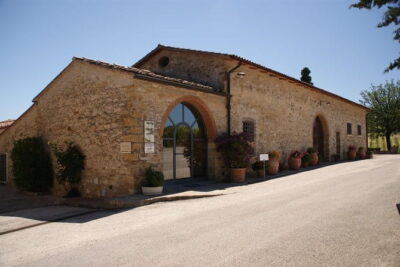 ★ 5.0Small-Group Wine Tasting Experience in the Tuscan CountrysideFrom $1077,392 reviews
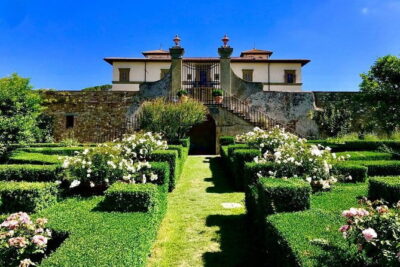 ★ 5.0SMALL-GROUP Wine Safaris: Tuscan Wine Tasting Tours from FlorenceFrom $1575,088 reviews
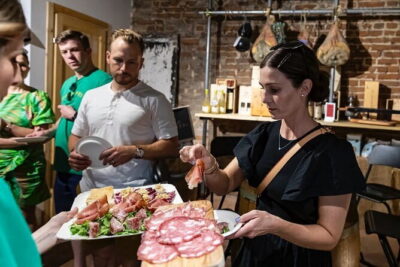 ★ 5.0Winner 2025 Florence Sunset Food & Wine Tour by Eating EuropeFrom $1495,015 reviews
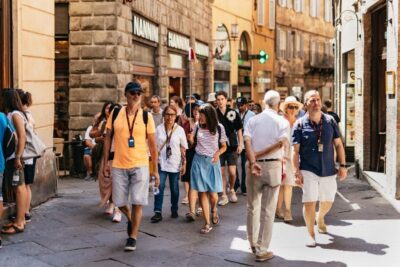 ★ 4.8From Florence: Siena, San Gimignano, Pisa & Lunch at WineryFrom $1124,538 reviews
 ★ 4.5San Gimignano, Siena, Monteriggioni, Chianti Day Trip with Lunch & Wine TastingFrom $834,432 reviews
 ★ 4.5Chianti Wine Tour from FlorenceFrom $593,979 reviews
Browse the lists this tour appears in