
Fresh pasta in a Medici stable sounds perfect. In just 2.5 hours, you’ll learn classic ravioli and pappardelle techniques right near Florence’s Duomo, in a 15th-century Medici-era setting that turns cooking into a mini time machine.
I especially like two things: making fresh pasta from scratch (including dough differences and how shapes hold sauce), and nailing tiramisu by balancing espresso-soaked ladyfingers with mascarpone and cocoa. One thing to consider: this is truly hands-on, so if you’re hoping for a mostly sit-back-and-watch class, you may feel a bit too involved.
In This Review
- Key things to look forward to
- Meeting at Mangiafuoco Bracerie: starting close to the Duomo
- A 15th-century Medici stable: why the room improves the lesson
- Fresh pasta from scratch: ravioli and pappardelle the right way
- Texture, timing, and sauce pairing: the practical mechanics
- Tiramisu from scratch: espresso, mascarpone, and cocoa balance
- Wine pairings that actually match the food you made
- The digital cookbook: taking Florence home without hauling paper
- Who should book this Florence pasta and tiramisu class?
- Should you book this pasta and tiramisu class near the Duomo?
- FAQ
- Where is the meeting point for the cooking class?
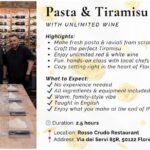
- How long is the Florence pasta, ravioli, and tiramisu cooking class?
- What is the price per person?
- What will I learn to make during the class?
- Is wine included in the experience?
- Do I get a cookbook to take home?
- What languages are the instructors teaching in?
- Is there free cancellation?
- Is the experience wheelchair accessible?
Key things to look forward to
- Medici-era setting near the Duomo in a historic 15th-century stable
- Ravioli and pappardelle from scratch with real practice and guidance
- Tiramisu technique focused on espresso-soaked ladyfingers and cocoa balance
- Wine pairing included with what you cook (no guessing at taste)
- Digital cookbook to take home so you can repeat the recipes later
Climbing the Duomo? Here are the other options
Meeting at Mangiafuoco Bracerie: starting close to the Duomo
The experience meets at Mangiafuoco Bracerie, Via Guelfa, 24/R, 50129 Firenze FI. The “near Duomo” part matters more than you might think. Florence is walkable, but you’ll want your cooking class to be one of the easier logistics days, not a scavenger hunt.
When you arrive, you’re set up for the classic rhythm of an Italian food class: a short orientation, then hands-on cooking. Your instructor supports both English and Italian, which helps if you want to ask questions like why a certain dough behaves the way it does, or what to aim for in texture. Expect a mix of explanation and doing.
Also, this runs 2.5 hours. That’s a sweet spot. Long enough to learn real steps—mix, roll, shape, assemble—without eating up your entire day. It’s not so long that you’ll be bored before you ever reach dessert.
If you’re the type who likes to plan around your energy, go with a simple meal strategy. Eat a light breakfast or early lunch. You’ll be tasting and eating what you make, plus you’ll be pairing it with wine.
A 15th-century Medici stable: why the room improves the lesson
Cooking classes in spotless modern rooms can be fine, but this one’s different. You cook in a historic Medici-era stable from the 15th century, just moments from the Duomo. That setting gives the class a sense of place you can’t easily fake.
Here’s what I’d expect you to notice right away: your brain shifts from tourist mode to “I’m part of this” mode. When you’re surrounded by a real old structure, it feels more appropriate to learn traditional techniques instead of treating pasta-making as a novelty.
The class also starts with an introduction to the Medici family and Renaissance Florence. That background isn’t just for trivia points. It helps you understand why food culture in Florence became so identity-driven—why certain dishes and methods persisted, and why chefs pay attention to ingredients and technique.
So yes, the building is scenic. But the bigger value is how the setting supports the content. Pasta dough is hands-on. Tiramisu is hands-on. When you’re in a space that feels grounded in real local tradition, it’s easier to take your time and learn the details.
Fresh pasta from scratch: ravioli and pappardelle the right way
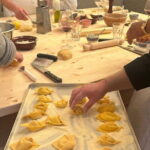
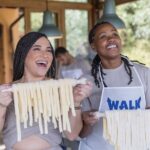
The core of the class is making fresh pasta from scratch, and you’ll work on classic shapes like ravioli and pappardelle. This is the kind of lesson that helps you stop thinking of pasta as packaged. You learn it as dough—how it stretches, how it rolls, and how it behaves when you shape it.
You’ll practice with local ingredients and get hands-on instruction on getting the texture right. That’s important because pasta success is mostly in the in-between moments: when the dough is just right, when it’s too dry, when it’s too soft, and how it should feel in your hands before it ever hits the pot.
You also learn about the differences between egg-based and flour-and-water doughs. That’s one of those details that sounds small until you try it at home. Egg pasta tends to feel richer and more elastic; flour-and-water dough can behave differently during rolling and shaping. Knowing the difference means you’re less likely to blame your pasta when the real culprit is the dough style.
On the sauce side, you’ll explore how to pair pasta shapes with sauces. That matters in real Italian cooking. Thin ribbons and filled pasta are not interchangeable. Your final results taste better when the pasta shape and sauce are working together instead of fighting.
Texture, timing, and sauce pairing: the practical mechanics
This class doesn’t treat pasta-making as a single skill. It treats it as a chain: dough → roll → shape → cook → serve. You’ll get guidance on each step, including how to perfect your pasta’s texture.
A good cooking class helps you understand what to aim for, not just what to do. Here, you’ll work with the idea of texture from two angles:
- Physical feel in your hands as you roll and shape
- Eating feel once the pasta is cooked
You’ll also cover “best sauce pairings.” Even without getting overly technical, this is a valuable piece of knowledge. When you know what suits filled pasta versus ribbon pasta, you can make smarter choices at home. That means less trial-and-error at dinner time.
Timing is another quiet win. Fresh pasta cooks fast. If you’ve only ever used dried pasta, your first fresh-pasta experience can be a little shocking. The class keeps you on track so you learn how quickly that pasta goes from raw to ready.
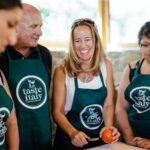
And while it’s a cooking lesson, it’s also social. You’ll likely share tips and laughs with other food lovers as you cook. In a group class like this, that interaction can reduce the stress. You’re not alone if your first ravioli are… let’s call them charmingly imperfect.
Tiramisu from scratch: espresso, mascarpone, and cocoa balance
Then you hit dessert—tiramisu, made from scratch. This part is why a lot of people sign up, and it’s also where you learn something you can’t really get from a recipe alone: balance.
You’ll create tiramisu with espresso-soaked ladyfingers, mascarpone, and rich cocoa. The key lesson is how to get the soak right. If the ladyfingers go too long, the dessert turns watery. If they don’t soak enough, it lacks that coffee-soft texture that makes tiramisu feel complete.
You’ll also learn about tiramisu’s origins and its place in Italian culture. That context is useful. It helps explain why the flavors are the way they are: coffee, creamy mascarpone, and cocoa are meant to complement each other, not compete.
One practical reason this dessert component is a big value: dessert-making is less forgiving than people expect. If you nail it here, you’ll gain confidence for future Italian desserts. And if you don’t nail it on the first try, you’ll still walk away with a clearer understanding of what went wrong and how to fix it next time.
Roll up your sleeves for another Florence cooking class
- Cooking Class and Lunch at a Tuscan Farmhouse with Local Market Tour from Florence
★ 5.0 · 4,831 reviews
Wine pairings that actually match the food you made
You don’t just cook and eat—you also get wine paired with your homemade dishes. That’s included, and it’s a genuinely smart addition.
Wine pairing does two things for you. First, it gives your meal a “menu” feeling, even though you’re the chef. Second, it teaches taste logic. You start to notice how acidity, body, and flavor intensity can change the way pasta or coffee dessert feels in your mouth.
For a home cook, that kind of sensory learning sticks. Later, when you’re deciding what drink to serve with a pasta night or tiramisu, you’ll have a clearer mental map of what works.
Also, because the class is only 2.5 hours, the wine is best thought of as part of the food experience, not a long slow event. Pace stays comfortable. You’ll leave with full hands and a fuller stomach.
The digital cookbook: taking Florence home without hauling paper
One of the best “future value” perks is that you take home a digital cookbook with the recipes. That matters because pasta and tiramisu are step-heavy. When you’re standing over a dough or layering ladyfingers, you don’t want to rely on memory alone.
A digital format is also practical. You can store it on your phone, tablet, or laptop and pull it up while you cook. You can also revisit it if you’re unsure about a step like texture or assembly.
This is where the class earns its price. At $23 per person, you’re paying for more than ingredients. You’re paying for instruction on technique you can’t truly learn by reading alone, plus wine pairing, plus a set of recipes you can repeat.
And because the setting is Florence—near the Duomo, in a Medici-era stable—you’re getting a cultural memory that’s tied to skills. That combination beats a lot of “see it, eat it” activities where the learning fades the next day.
Who should book this Florence pasta and tiramisu class?
This is a great fit if you want a Florence experience that’s hands-on and tied to real technique. I’d especially recommend it for you if:
- You’re curious about making fresh pasta shapes like ravioli and pappardelle
- You want to learn tiramisu beyond basic mixing—especially espresso-soaked ladyfingers and cocoa balance
- You like learning the why behind ingredient choices, like egg-based vs flour-and-water dough
- You enjoy pairing food with wine and tasting how flavors work together
It may not be your best choice if you prefer a low-effort activity. This class is built around cooking. Even if you’re a beginner, you’ll be expected to participate.
Also, because it’s in English and Italian, it’s friendly if you want to understand instructions clearly. You’ll be able to ask questions in more than one language, which can make the learning faster.
Should you book this pasta and tiramisu class near the Duomo?
If you want a Florence day that feels more like doing than watching, I think this is an easy yes. The value is strong: fresh pasta techniques, tiramisu skills, wine pairing included, and a digital cookbook to help you repeat the results.
Book it if your schedule allows a 2.5-hour block and you’re ready to roll dough and assemble dessert. Skip it if you’re not interested in hands-on cooking, or if you’d rather spend that time just wandering around the Duomo area eating your way through Florence.
One last tip: plan a light meal before you go. You’ll want your appetite for your own work. Then you’ll walk away with a skill set you can use long after you’ve left Tuscany behind.
FAQ
Where is the meeting point for the cooking class?
The meeting point is Mangiafuoco Bracerie, Via Guelfa, 24/R, 50129 Firenze FI, Italy.
How long is the Florence pasta, ravioli, and tiramisu cooking class?
The class lasts 2.5 hours.
What is the price per person?
The price is $23 per person.
What will I learn to make during the class?
You’ll learn to make fresh pasta from scratch, including ravioli and pappardelle, and you’ll also make tiramisu.
Is wine included in the experience?
Yes. Wine pairing is included, and you’ll enjoy fine Italian wines paired with your homemade dishes.
Do I get a cookbook to take home?
Yes. You receive a digital cookbook with the recipes so you can recreate them at home.
What languages are the instructors teaching in?
Instruction is available in English and Italian.
Is there free cancellation?
Yes. You can cancel up to 24 hours in advance for a full refund.
Is the experience wheelchair accessible?
Yes. The activity is wheelchair accessible.
More Florence Tours We Have Reviewed
- Florence: Skip-The-Line Uffizi Gallery Timed Entry Ticket
★ 4.5 · 27,832 reviews - Tuscany Day Trip from Florence: Siena, San Gimignano, Pisa and Lunch at a Winery
★ 5.0 · 21,634 reviews - Florence: Timed Entry to Michelangelo’s David + Audio App
★ 4.6 · 19,496 reviews - Florence: Leonardo Interactive Museum Entry Ticket
★ 4.5 · 12,957 reviews - Florence: Michelangelo’s David Skip-the-Line Entry Ticket
★ 4.5 · 12,764 reviews
More Florence Cooking Classes
- Florence: Pasta Cooking Class with Unlimited Wine
★ 4.9 · 10,285 reviews - Florence Pizza or Pasta Class with Gelato Making at a Tuscan Farm
★ 5.0 · 6,801 reviews - Florence: Pasta & Tiramisu Cooking Class with Unlimited Wine
★ 4.9 · 6,708 reviews - Florence: Pasta Cooking Class with Unlimited Wine
★ 5.0 · 6,413 reviews - Cooking Class and Lunch at a Tuscan Farmhouse with Local Market Tour from Florence
★ 5.0 · 4,831 reviews
The Duomo, Keep Climbing
- Florence: Duomo Cathedral 60-Minute Guided Tour
★ 3.7 · 6,829 reviews - Florence: Brunelleschi’s Dome Climb Entry Ticket & Duomo
★ 4.5 · 3,815 reviews - Florence: Duomo Guided Tour with Optional Dome Climb Upgrade
★ 4.1 · 3,706 reviews - Uffizi & Accademia Timed Entry: Small Group Duomo Walking Tour
★ 4.5 · 3,630 reviews - Florence Duomo Guided Tour: Santa Maria del Fiore Cathedral
★ 4.4 · 2,679 reviews
Fresh from our Florence review desk
- Small-Group Pasta Cooking Class and Market Tour in Florence★ 5.0 · 3 reviews
- Palatina Gallery and Pitti Guided Tour in Florence★ 5.0 · 3 reviews
- Tuscan Evening Tour: Fiat 500, 8:30 to 10 PM★ 5.0 · 3 reviews
- Journey into Art: Florence’s Accademia★ 4.5 · 3 reviews
- Paint and Drink Florentine Hills★ 5.0 · 3 reviews
- Truffle hunting and lunch experience, with Vinci and winery.★ 4.5 · 3 reviews
Florence Duomo Tours, compared.
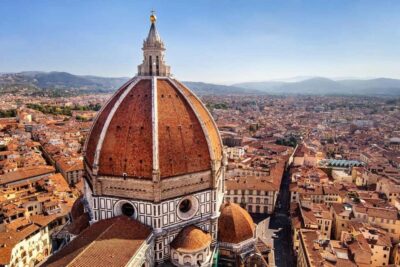 ★ 3.7Duomo Cathedral 60-Minute Guided TourFrom $96,829 reviews
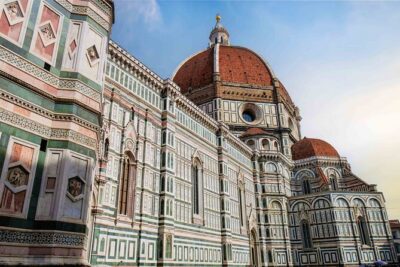 ★ 4.5Brunelleschi’s Dome Climb Entry Ticket & DuomoFrom $533,815 reviews
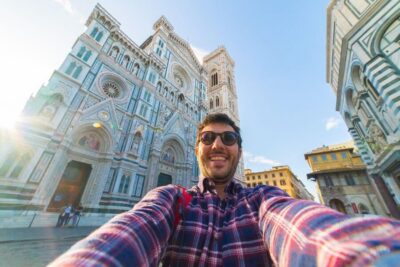 ★ 4.1Duomo Guided Tour with Optional Dome Climb UpgradeFrom $253,706 reviews
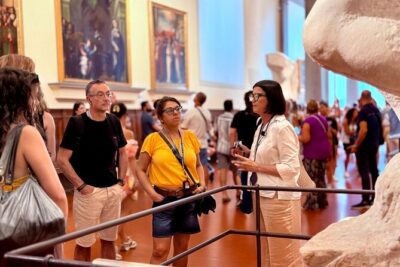 ★ 4.5Uffizi & Accademia Timed Entry: Small Group Duomo Walking TourFrom $503,630 reviews
 ★ 4.4Florence Duomo Guided Tour: Santa Maria del Fiore CathedralFrom $82,679 reviews
 ★ 4.6Brunelleschi’s Dome Reserved Entry Ticket & DuomoFrom $572,216 reviews
 ★ 4.7Duomo Complex with Tickets & City Walk Guided TourFrom $932,057 reviews
 ★ 4.5Best of Florence: Small Group Tour Skip-the-Line David & Accademia with DuomoFrom $781,422 reviews
Browse the lists this tour appears in