
Reviewed · CHIANTI WINE TOURS
From Florence: Small Group Chianti Wine Tour with Lunch
Three wineries beats one generic tasting.
On this Chianti Classico wine tour from Florence, I love how the day mixes big scenery with hands-on learning from a sommelier guide. You’ll taste wines, then get help picking up the differences in aroma and acidity so Chianti stops being a single flavor and starts being a range you can actually describe.
I also like the way the group stays small, typically capped at 8 people, which keeps questions moving and the pace comfortable. Still, one consideration: it’s a full 6.5-hour outing with driving time between stops, so bring patience for the road and expect a long, wine-filled day rather than a quick hit.
In This Review
- Key Things That Make This Chianti Classico Tour Worth Your Time
- Leaving Florence with a Comfortable Ride and Real Vineyard Timing
- Chianti Hills Views: Why the First Drive Shapes the Whole Day
- Winery Stop 1: Modern Cellars Built to Fit the Vineyards
- Greve in Chianti Photo Stop: A Quick Town-Center Reset
- Winery Stop 2: Castle Towers, Olive Groves, and Big Tasting Energy
- Lunch at Winery Stop 2: Tuscan Plates, Wine Pairing, and the Stuff You’ll Remember
- Winery Stop 3: Boutique Wines and a Gourmet Tuscan Spread
- How the Sommelier Turns Sipping Into Skill (and Not Just a Drink)
- Small Group Size: Why Up to 8 People Changes the Quality
- Price and Value: What $237 Covers (and Why It Can Be Fair)
- Practical Notes That Actually Affect Your Day
- Who This Chianti Tour Suits Best
- Should You Book This Florence to Chianti Classico Wine Tour?
- FAQ
- FAQ
- How long is the Chianti wine tour from Florence?
- How many wineries are visited?
- Is lunch included?
- Does the tour include wine tastings?
- Is transportation included from Florence?
- Is the group size small?
- Do you stop in Greve in Chianti?
- Is there an olive oil or local food tasting?
- Are non-alcoholic options available for children?
- What should I know about the meeting point?
- Is there free cancellation?
Key Things That Make This Chianti Classico Tour Worth Your Time
- Mercedes minivan, free Wi‑Fi: practical comfort plus a way to stay connected on the ride out of Florence.
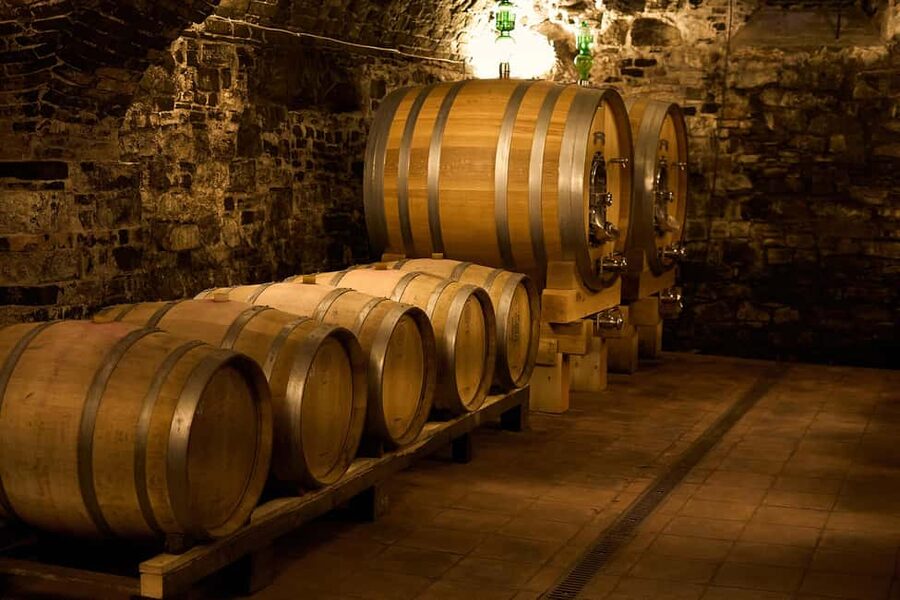
- 3 different wineries, 3 different styles: from a striking modern cellar to a castle-cast setting and then a boutique tasting room.
- Sommelier-led tasting skill-building: you learn to recognize scents, flavors, and acidity instead of just sipping.
- Greve in Chianti photo stop: a short break for town square views and simple sightseeing.
- Tuscan lunch with wine and local foods: cured meats and cheeses, pasta, and a classic dessert in the mix, plus olive oil tastings.
Back to the Chianti hills for a few more pours
Leaving Florence with a Comfortable Ride and Real Vineyard Timing
This tour starts close to the action, at the Piazza Mentana area, with the meeting point at Via dei Vagellai (the corner by Piazza Mentana, opposite the Arno River). Once you’re in the van, you’re out of the city quickly, and you can settle into what the day is really about: getting into Chianti Classico country where the roads open up and the vineyards start looking endless.
The drive matters more than you’d think. In just a couple of hours, you shift from Florence street life to the rhythms of the countryside, with scenic views of the Chianti hills along the way. This is also where the small-group format helps. With a limited headcount, you’re not stuck watching for your stop while half the group is juggling bags, phones, and snacks.
Onboard you’ll have free Wi‑Fi, which is handy if you want to quickly map the next town stop or just share photos while they’re still fresh.
Chianti Hills Views: Why the First Drive Shapes the Whole Day
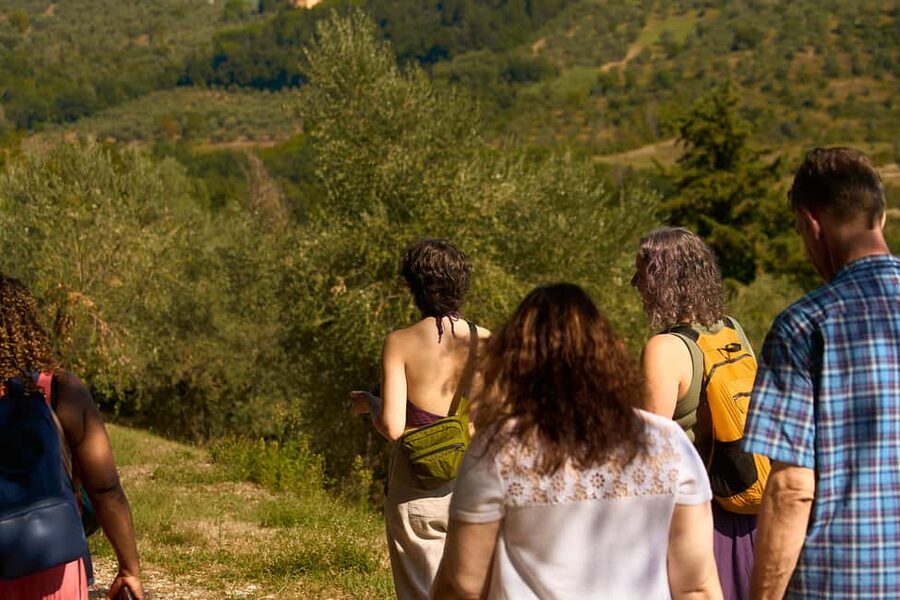
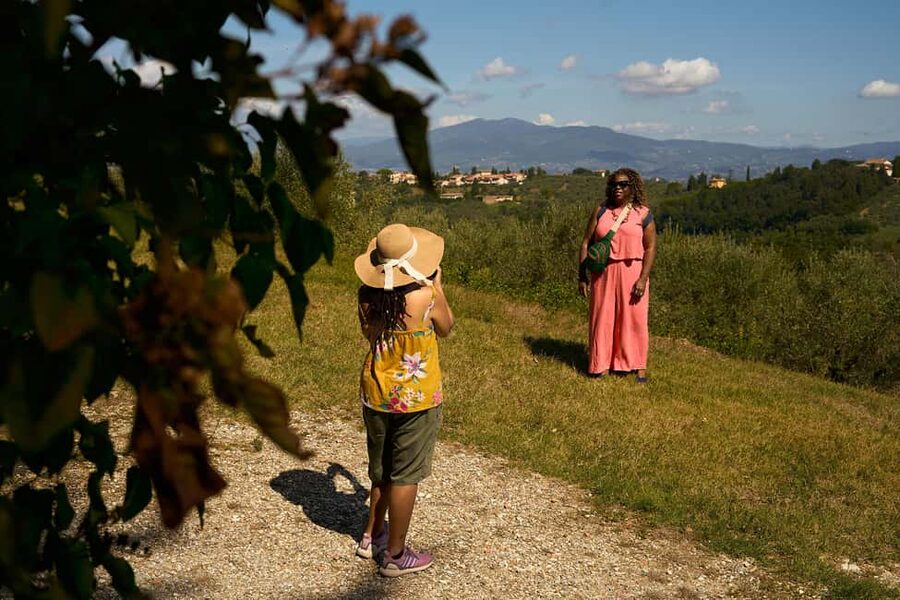
Before the first winery, you’ll pass through the Chianti hills with scenic views. I like this part because it sets expectations. You start seeing the pattern that wine lovers always talk about: vineyards laid out around villages, olive groves breaking up the rows, and rolling terrain that makes you understand why grape growing here works the way it does.
It also gives you a mental warm-up for what you’ll taste later. When you first learn about soil, microclimates, and production methods, it clicks faster if you’ve already seen the terrain. Even if you’re not a full-time wine nerd, the visuals help you connect the facts the sommelier is sharing to something you can picture.
Winery Stop 1: Modern Cellars Built to Fit the Vineyards
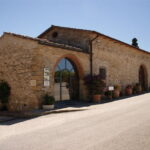
The first tasting is designed to feel dramatic right away. You stop at a winery with contemporary cellars—built in harmony with the landscape and covering the entire edifice. That architectural choice changes the mood. Instead of wandering through something that feels purely historic, you get a sense that Chianti Classico producers are thinking about the future while still working with traditions in the vineyard.
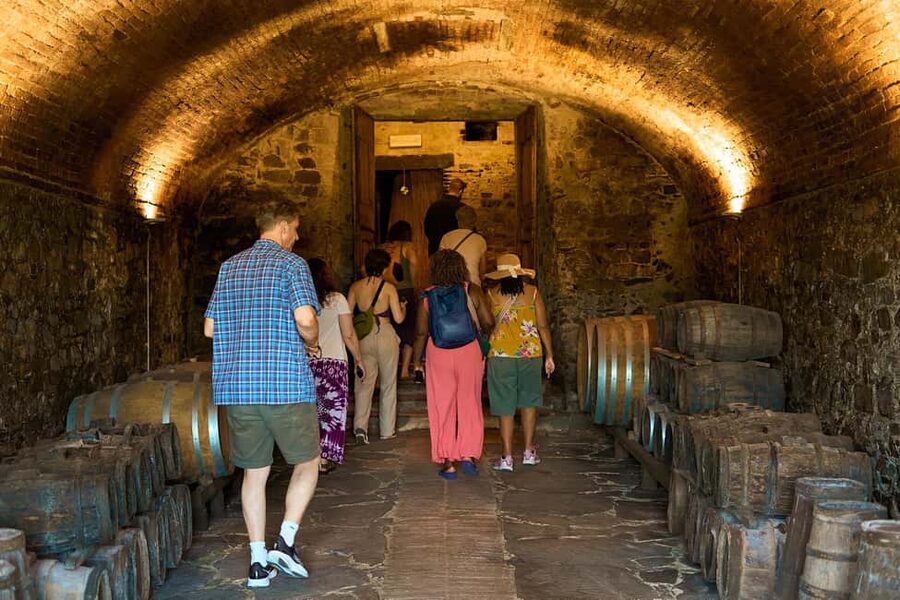
You’ll tour the cellars and vineyards, then taste wines with guidance. The tour is built around learning, not just sampling. The sommelier explains methods used in the region and connects them to what you’ll notice in the glass later—like how the fruit comes through, how acidity shows up, and why certain aromas feel more pronounced than others.
One practical benefit: this first stop helps you establish your own tasting vocabulary. If you come in thinking you’ll only know whether you like a wine, you’ll leave with tools to say why you like it.
Greve in Chianti Photo Stop: A Quick Town-Center Reset
After the first winery, you head toward Greve in Chianti for a photo stop and sightseeing. This is a short break, but it matters. Wine days can feel heavy if you only do cellars and tastings back-to-back, so the town square view gives you something different to process.
Greve also works as a reference point for the day’s theme. You’re not just touring vineyards in the abstract. You’re moving through the living network of towns that surround Chianti Classico production—villages where wine culture is part of daily life, not a separate tourist product.
Wear comfortable shoes even if the stop is short. You’ll likely want to walk a few minutes around the square for photos and quick browsing.
Winery Stop 2: Castle Towers, Olive Groves, and Big Tasting Energy
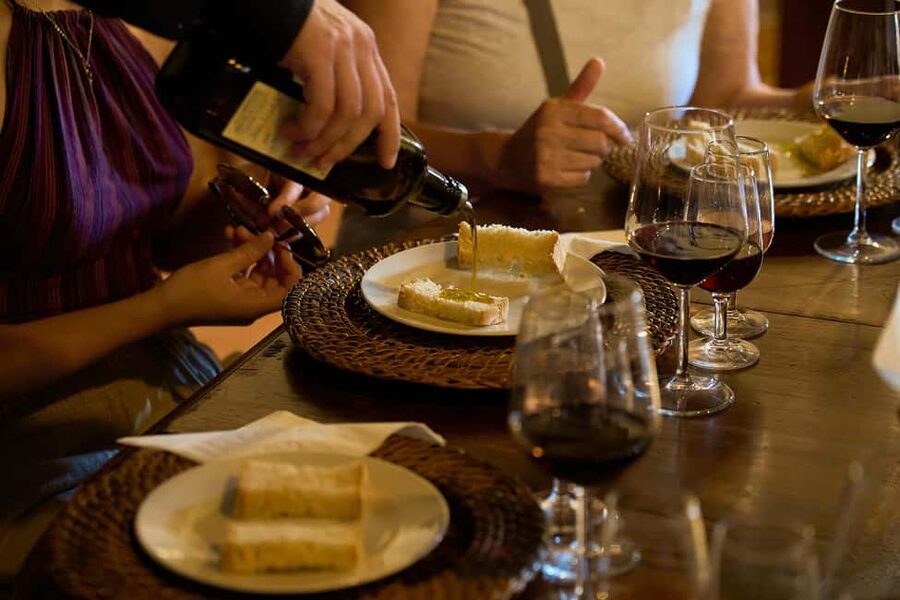
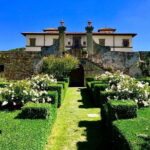
The second estate is where the setting turns into a postcard. You’ll admire massive towers of a 13th-century castle, surrounded by olive groves and vineyards. This is the kind of backdrop that makes the tastings feel like a scene, not a schedule.
After touring the cellars, you’ll taste some of the best wines from a major Italian producer. The tour explanation here typically focuses on philosophy and vision for the future—how producers manage both heritage and modern methods, and how the region’s conditions (including soil) support flavor development.
I like this stop because it gives you range. If the first winery felt modern, and the third winery feels more intimate, this one often sits in the middle: established scale, serious viticulture, and still a sense of place through the architecture.
More Tuscan cellars worth the drive from Florence
- Tuscany Day Trip from Florence: Siena, San Gimignano, Pisa and Lunch at a Winery
★ 5.0 · 21,634 reviews

Lunch at Winery Stop 2: Tuscan Plates, Wine Pairing, and the Stuff You’ll Remember
Lunch is included at the middle point of the day, and it’s not just a pause. It’s a tasting lesson in food form.
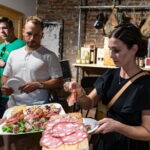
You’ll enjoy typical Tuscan lunch in the Chianti area, tied directly to what you’ve been learning. Depending on the day and the venue, the meal often includes cured meats and cheeses with an initial glass of wine, followed by pasta with another glass of red wine, and a classic finish such as lemon sorbet. If you’re sensitive to gluten, it’s been handled for at least some groups, including bringing gluten-free bread and pasta.
The point isn’t just satisfaction (though it’s usually very satisfying). It’s pairing practice. The sommelier helps you think about why a wine works with a dish. Is it the acidity cutting through fat? Does aroma match herbs or aged cheese notes? Does a fuller wine stand up to pasta sauce?
This is also where you’ll appreciate the pacing of the tour. Lunch arrives when you’ve already had tastings, so you can test what you learned rather than starting over from zero.
Winery Stop 3: Boutique Wines and a Gourmet Tuscan Spread
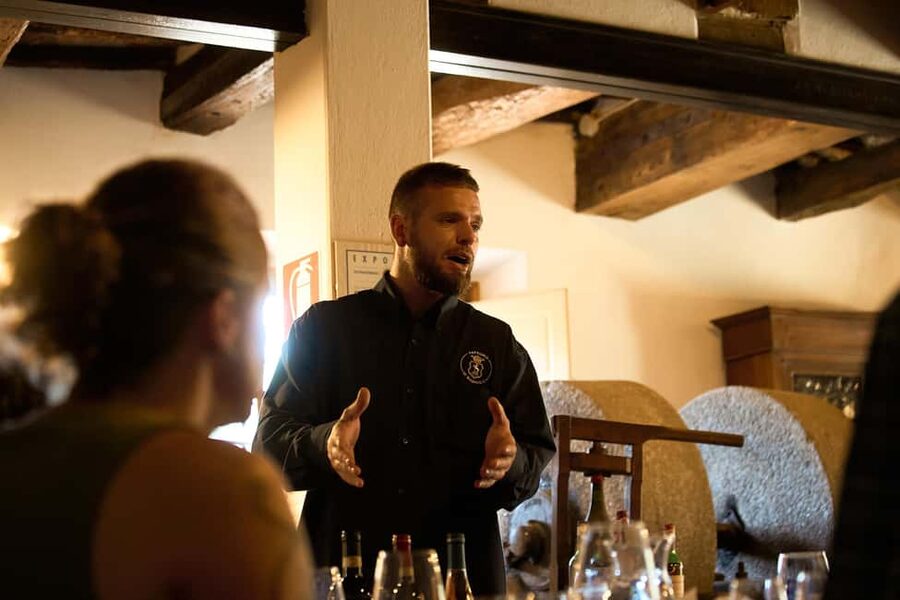
The final stop shifts to a boutique winery. Here, you’ll see how the same region can be presented in a smaller, more focused way. Wines from the producer are served alongside a gourmet spread of traditional Tuscan food, which makes the last round feel like a conclusion rather than another routine tasting.
This is where I like to slow down mentally. By stop three, you’ve got enough experience to notice patterns. You can start asking your own questions: Which wine felt brighter in acidity? Which one had aromas you could actually name? Which food pairing made a certain bottle click?
It’s also the best moment to connect the day’s core lesson: the difference between Chianti and Chianti Classico. The sommelier explains what separates the terms and why that matters for style. You learn to recognize traits tied to grapes and regional rules, not just marketing.
How the Sommelier Turns Sipping Into Skill (and Not Just a Drink)
The tour stands or falls on the guide, and this one leans hard into the fact that it’s led by a sommelier. In practice, that means the tasting is structured around what you can detect: acidity, aroma, scent, flavor, and how those change as you move through different wines and foods.
Expect interactive explanation, not a lecture. The best guides on this kind of outing also handle real curiosity well—people want to know how to smell certain notes, why one wine feels drier, or what makes one bottle pair better with a specific bite. Names you may encounter include Carlotta, Grace, Christina, Antonetta, Gabriele, Antonella, Brando, Grazia, Eleanora, Lapo, and Matteo, and multiple guides are described as taking time, answering questions, and keeping things friendly and detailed.
Even if you’re not a seasoned wine drinker, you’ll leave with a simple framework you can use on your next bottle back in Florence or later at home. And that’s the real value: you stop treating wine as guesswork.
Small Group Size: Why Up to 8 People Changes the Quality
The tour is limited to a small group, typically up to 8 participants. That matters because winery tastings are sensory and time-sensitive. When the group is large, you end up waiting, rushing, or getting only shallow answers.
With a smaller group, you’re more likely to:
- ask follow-up questions while the sommelier is still with you
- taste at a slower pace that lets aromas show up
- get individual attention on flavor recognition and pairings
It also makes the day feel more like a shared experience than a conveyor belt.
Price and Value: What $237 Covers (and Why It Can Be Fair)
At $237 per person for about 6.5 hours, this isn’t the cheapest way to do wine country—but it’s also not priced like a private driver and exclusive cellar access.
For the money, you’re getting:
- roundtrip transport from Florence in a Mercedes minivan (with free Wi‑Fi)
- winery visits with cellar and vineyard time at 3 estates
- 3 wine tastings (one at each stop) plus an olive oil and typical product tasting
- a sommelier-led guided experience
- a typical Tuscan lunch
- a village stop in the Greve in Chianti area
When you compare that to buying wines and food separately, the guided component is the big part you’re paying for. If your goal is to learn how to taste and pair, not just drink, the price starts to feel more reasonable.
If your main priority is drinking without instruction, you could find cheaper options. But if you want structure and guidance, this one earns its cost.
Practical Notes That Actually Affect Your Day
A few details are worth planning around:
- Alcohol rules apply. Italian law prohibits sale of alcoholic beverages to anyone under 18, and children under 18 are served non-alcoholic beverages.
- You’ll be out for most of the day, with multiple winery sessions and a lunch break.
- Wear shoes you can walk in during the Greve sightseeing stop.
- Bring layers. Cellar temperatures and outdoor viewing spots can feel different.
If you like photos, also be ready for multiple scene moments—especially around the castle towers and vineyards.
Who This Chianti Tour Suits Best
This tour is a strong match if you:
- want a Chianti Classico day with real guidance, not just a casual tasting
- enjoy pairing wine with food and learning tasting cues like acidity and aroma
- like variety across wineries: modern cellars, historic-feeling estates, and boutique tastings
- prefer small-group pacing while still packing in a lot
If you’re the kind of person who gets bored by instruction, this might feel like more talking than you want. But if you like to understand what you’re drinking, the sommelier framework is the main payoff.
Should You Book This Florence to Chianti Classico Wine Tour?
Yes, book it if your ideal day trip includes guided tastings, a proper Tuscan lunch, and enough time in three different settings to notice changes in style. The small-group size helps you get answers, not just pours.
Think twice if you hate long drives, want a mostly independent day, or you’d rather do only one winery. This is a full, structured day in Chianti Classico country—wine-forward, food-included, and designed for learning while you enjoy Tuscany.
FAQ
FAQ
How long is the Chianti wine tour from Florence?
It runs for about 6.5 hours.
How many wineries are visited?
You visit 3 wineries in the Chianti Classico region.
Is lunch included?
Yes. A typical Tuscan lunch is included during the day.
Does the tour include wine tastings?
Yes. There are 3 wine tastings, one at each winery.
Is transportation included from Florence?
Yes. You get roundtrip transportation by luxury Mercedes minivan.
Is the group size small?
Yes. It’s a small group limited to 8 participants.
Do you stop in Greve in Chianti?
Yes. There’s a photo stop and sightseeing in Greve in Chianti.
Is there an olive oil or local food tasting?
Yes. Olive oil and typical product tasting are included.
Are non-alcoholic options available for children?
Italian law applies: alcohol cannot be sold to anyone under 18, and children under 18 will be served non-alcoholic beverages.
What should I know about the meeting point?
Meet at Piazza Mentana | Florence, at Via dei Vagellai 22 red, corner with Piazza Mentana opposite the Arno River.
Is there free cancellation?
Yes. You can cancel up to 24 hours in advance for a full refund.
More Florence Tours We Have Reviewed
- Florence: Skip-The-Line Uffizi Gallery Timed Entry Ticket
★ 4.5 · 27,832 reviews - Tuscany Day Trip from Florence: Siena, San Gimignano, Pisa and Lunch at a Winery
★ 5.0 · 21,634 reviews - Florence: Timed Entry to Michelangelo’s David + Audio App
★ 4.6 · 19,496 reviews - Florence: Leonardo Interactive Museum Entry Ticket
★ 4.5 · 12,957 reviews - Florence: Michelangelo’s David Skip-the-Line Entry Ticket
★ 4.5 · 12,764 reviews
More Tuscan Wine to Taste
- Tuscany Day Trip from Florence: Siena, San Gimignano, Pisa and Lunch at a Winery
★ 5.0 · 21,634 reviews - Florence: Chianti Wineries Tour with Wine Tasting
★ 4.5 · 10,071 reviews - Small-Group Wine Tasting Experience in the Tuscan Countryside
★ 5.0 · 7,392 reviews - SMALL-GROUP Wine Safaris: Tuscan Wine Tasting Tours from Florence
★ 5.0 · 5,088 reviews - Winner 2025 Florence Sunset Food & Wine Tour by Eating Europe
★ 5.0 · 5,015 reviews
Chianti, Another Pour
- Florence: Chianti Wineries Tour with Wine Tasting
★ 4.5 · 10,071 reviews - Florence: Pisa, Siena, San Gimignano, and Chianti Experience
★ 4.5 · 8,393 reviews - San Gimignano, Siena, Monteriggioni, Chianti Day Trip with Lunch & Wine Tasting
★ 4.5 · 4,432 reviews - Florence: Pisa, Siena, S. Gimignano, Chianti Wine & Lunch
★ 4.6 · 4,354 reviews - Chianti Wine Tour from Florence
★ 4.5 · 3,979 reviews
Fresh from our Florence review desk
- Small-Group Pasta Cooking Class and Market Tour in Florence★ 5.0 · 3 reviews
- Palatina Gallery and Pitti Guided Tour in Florence★ 5.0 · 3 reviews
- Tuscan Evening Tour: Fiat 500, 8:30 to 10 PM★ 5.0 · 3 reviews
- Journey into Art: Florence’s Accademia★ 4.5 · 3 reviews
- Paint and Drink Florentine Hills★ 5.0 · 3 reviews
- Truffle hunting and lunch experience, with Vinci and winery.★ 4.5 · 3 reviews
Chianti Wine Tours, compared.
 ★ 4.5Chianti Wineries Tour with Wine TastingFrom $4110,071 reviews
 ★ 4.5Pisa, Siena, San Gimignano, and Chianti ExperienceFrom $528,393 reviews
 ★ 4.5San Gimignano, Siena, Monteriggioni, Chianti Day Trip with Lunch & Wine TastingFrom $834,432 reviews
 ★ 4.6Pisa, Siena, S. Gimignano, Chianti Wine & LunchFrom $774,354 reviews
 ★ 4.5Chianti Wine Tour from FlorenceFrom $593,979 reviews
 ★ 4.6S. Gimignano, Siena, Chianti Wine Tasting & LunchFrom $823,102 reviews
 ★ 4.5From Florence: Chianti Half-Day Wine Tour with TastingFrom $583,031 reviews
 ★ 4.5Siena, San Gimignano and Chianti Wines Day Tour from FlorenceFrom $782,542 reviews
Browse the lists this tour appears in