
Reviewed · WINE TOURS
Gluten Free Pasta Class in Florence with limitless Wine
Celiac visitors can cook in Florence. In this 3-hour gluten-free pasta class, you make fresh pasta from scratch in a medieval volta room from 1309 while chef Roberto guides you in English, and you get unlimited Tuscan wine as you work. The big watch-out is cross-contamination risk, since the class takes place in a restaurant setting.
I like that the class is built for both gluten-free and non-gluten-free people, so you’re not stuck in a corner of the menu game. You’ll learn three pasta shapes, then cook and eat everything together in a small group (max 8). One drawback to consider: it’s not suitable for lots of dietary needs and food allergies, and it’s marked not appropriate for people with back problems.
In This Review
- Key things I’d plan around
- Where you start: the 1309 volta room at San Lorenzo
- What you’re really paying for at $35: technique plus access
- The gluten-free part that makes it feel normal (and safe-ish to ask about)
- The pasta shapes you’ll make, and why each one teaches something
- Rolling pins, timing, and the “why” from chef Roberto
- Unlimited wine, soft drinks, and the shared table moment
- Group size and vibe: the advantage of max 8
- Timing on a 195-minute clock: how the flow usually feels
- Who should book this Florence gluten-free pasta class
- Transportation, bags, and comfort in central Florence
- Should you book this gluten-free pasta class in Florence?
- FAQ
- How long is the gluten-free pasta class in Florence?
- Where do we meet for the class?
- How many people are in the class?
- Is the class only for gluten-free guests?
- What pasta shapes will I learn to make?
- Are drinks included?
- Is transportation included?
- What language is the instruction in?
- What should I bring and wear?
- Is it safe for severe allergies or intolerances?
Key things I’d plan around
- A medieval meeting room: you start in a volta room from 1309 tied to San Lorenzo Church
- Small group, hands-on pace: limited to 8 participants, so you actually get help with technique
- Three pasta types: ravioli, tortellini or strozzapreti, and pappardelle
- Wine is part of the class flow: unlimited Tuscan wine plus soft drinks
- Real inclusion for celiac guests: gluten-free diners can join without feeling like they are settling
Roll up your sleeves for another Florence cooking class
Where you start: the 1309 volta room at San Lorenzo
The meeting point is in central Florence, in the San Lorenzo area. You’ll gather in a volta room from the year 1309, connected to the nuns of San Lorenzo Church, which is noted as Florence’s first cathedral dating to around the year 250 AD. Even before you touch flour, that setting does something helpful: it makes the whole class feel grounded, local, and a bit special.
You also skip the line using a separate entrance. That matters in Florence, where waiting around can eat into the best parts of your day. Plan to arrive a bit early wearing comfortable shoes and clothes you can move in, since you’ll be working at a station and standing or sitting close to your tools.
Practical caution: this is in the heart of the city. If you’re used to rolling into classes with a big suitcase, don’t. Oversize luggage and large bags aren’t allowed.
What you’re really paying for at $35: technique plus access
Price is $35 per person for 195 minutes. On paper, that sounds like a bargain for a cooking class that includes ingredients, equipment, instruction, and unlimited wine. In real life, the value comes from what’s included that most cooking classes force you to hunt down: the class is set up to be a gluten-free learning experience, not a simple adaptation.
You’re not just watching someone else cook. You make pasta from scratch, learn specific shapes, and then eat what you produce. That full loop matters because you leave with muscle memory, not just a recipe card.
One more value point: the instructor is English-speaking, and chef Roberto is described as both a master chef and a certified tour guide. That combination shows up in how he teaches—people note he shares context and explains the reasons behind steps, not just the steps themselves. When technique is explained clearly, it becomes repeatable at home, not a one-time novelty.
The gluten-free part that makes it feel normal (and safe-ish to ask about)
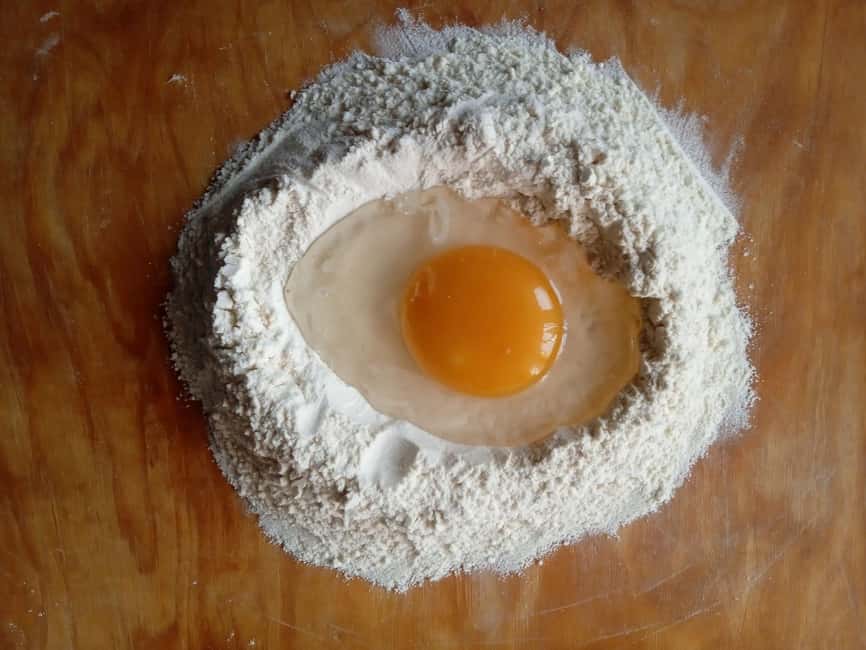
This class is for gluten-intolerant guests and it also welcomes people who are not gluten-intolerant. That is rare in a city where gluten-free options can feel like an afterthought. The goal is full participation: you’re learning the same core skills (dough handling, shaping, and cooking), just using gluten-free methods and ingredients.
That said, there’s an important line in the sand: severe allergies or intolerance might be a problem because the class happens in a restaurant that could have gluten contamination in the air. You should treat this as a conversation, not a checkbox. If your situation is sensitive, consult the host before booking and ask very direct questions about how the environment is managed.
A useful way to think about it: the class is designed to include gluten-free diners, but it’s not marketed as a sterile, lab-like setup. If that distinction matters for your health, you need clear answers ahead of time.
The pasta shapes you’ll make, and why each one teaches something
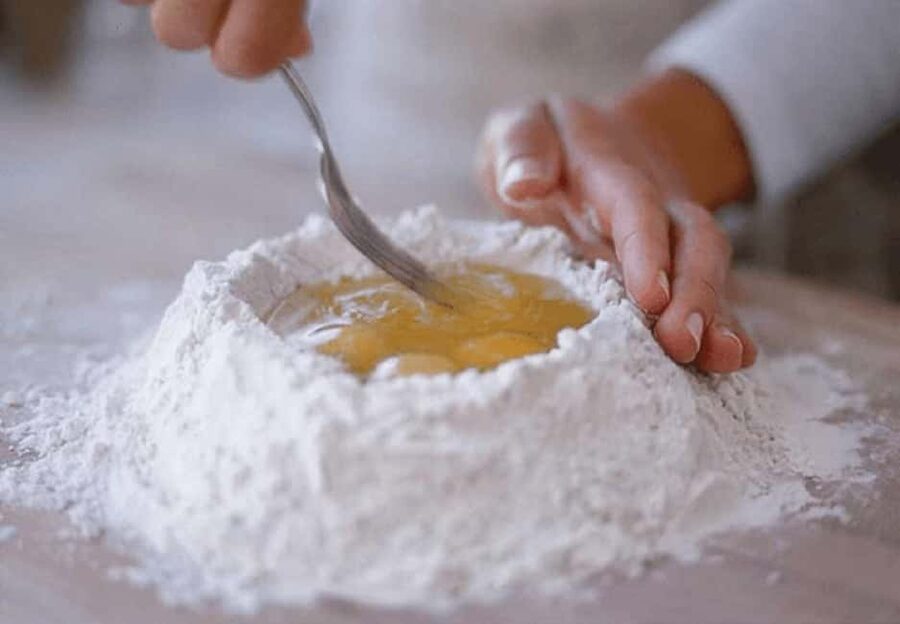
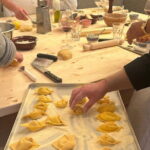
You’ll create three pasta types during the session: ravioli, tortellini or strozzapreti, and pappardelle. The class is hands-on, so you’ll learn how the dough behaves, how to portion and shape, and how to manage the final cooked results.
Here’s what each shape teaches you in a practical way:
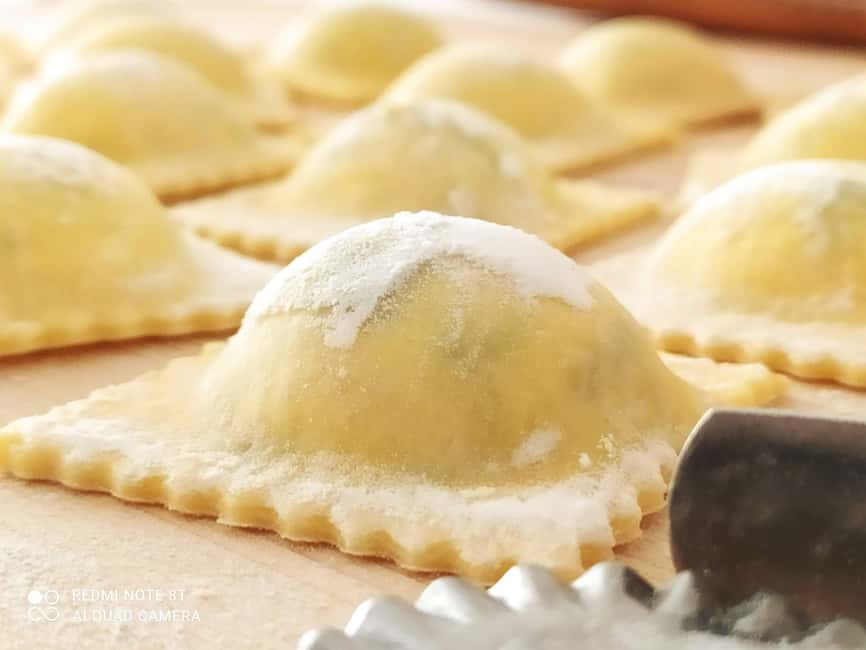
- Ravioli: This focuses on filling and sealing. You learn how to portion the filling and manage the edges so they don’t split during cooking.
- Tortellini or strozzapreti: You practice a more complex form. Strozzapreti (a rolled, twisted style) is especially technique-driven, since the shape affects how it holds together.
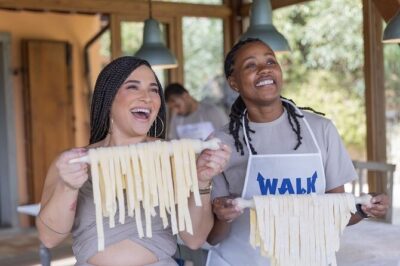
- Pappardelle: This teaches rolling and cutting into wide ribbons. It’s less about filling and more about getting consistent thickness and size.
You can also invent new pasta shapes if you want. That’s not just a fun extra; it signals that you’re learning fundamentals, not memorizing one exact outcome.
Rolling pins, timing, and the “why” from chef Roberto
Chef Roberto is the heart of the experience. Multiple people describe him as fun, interactive, and careful—especially with guests who have celiac disease. You’ll notice the difference in how instruction lands when the teacher explains not only what to do, but why the step matters.
People also highlight his ability to talk through the science behind the process. Even without going into every chemical detail, the practical takeaway is clear: gluten-free dough can act differently than wheat dough, so technique and handling matter more than you might expect. When you understand what’s happening, you stop guessing.
This part of the class is also where the “skills for home” start to click. You’re learning a repeatable workflow: prepare, shape, handle, cook, then taste and adjust. If you’ve ever cooked gluten-free before and had dough that felt unpredictable, this kind of explanation helps you translate the experience into your own kitchen.
A few more glasses poured across Florence
- Tuscany Day Trip from Florence: Siena, San Gimignano, Pisa and Lunch at a Winery
★ 5.0 · 21,634 reviews

Unlimited wine, soft drinks, and the shared table moment
Yes, there’s unlimited Tuscan wine during the class. There are also unlimited soft drinks, so you can choose what fits your day. The wine isn’t just a reward at the end. It becomes part of the class pacing—people describe the atmosphere as relaxed, laugh-filled, and social.
At the end, you cook and eat what you made with the other participants. That’s a big deal. A lot of cooking classes stop at plating. Here, you share the meal while the work is still fresh in your mind.
If you’re traveling with someone who can eat gluten but you cannot, this format helps avoid the “split experience” problem. The class is designed so you can participate together and end up sharing the same table.
Group size and vibe: the advantage of max 8
The group is limited to 8 participants, which you’ll feel quickly. There’s enough space for you to work without constantly bumping into people. And there’s enough instructor time to get feedback on technique when your dough feels off or your shape isn’t cooperating.
Smaller groups also reduce decision fatigue. You don’t need to fight for attention, and you’re more likely to end up chatting with the people next to you. That social piece is not forced; it happens because everyone is doing the same hands-on work.
One note: the class is marked not suitable for children under 5. It’s also marked not suitable for people with diabetes and not suitable for vegans. If those are part of your situation, check directly what ingredients and meal components are used, because the class is not presented as flexible for every dietary need.
Timing on a 195-minute clock: how the flow usually feels
The total duration is 195 minutes, which is about 3 hours. You’ll likely spend most of the time on dough handling and shaping, with the final stretch focused on cooking and eating.
Because the session is longer than many “quick demo” classes, you’re not rushed through the steps. That matters for gluten-free pasta, where timing and handling can affect the final result. You’re given enough room to learn the process, not just complete the shapes.
Also, you’ll want to plan the rest of your day with breathing room afterward. If you drink wine, you’ll feel it. Even if you skip the wine, you’ll be tired from rolling, shaping, and standing.
Who should book this Florence gluten-free pasta class
This is a strong fit if you want a hands-on Florence cooking class that doesn’t treat gluten-free as a last-minute add-on. It’s also a good fit if you’re traveling with friends or family and want one shared activity everyone can join.
It’s especially worth it if:
- You have gluten intolerance or celiac disease and want a structured pasta-making experience
- You enjoy learning technique and want to take skills home
- You like the idea of cooking plus a meal, not cooking plus watching
It’s not a great fit if:
- You have severe allergies or severe intolerance where even small contamination risks are unacceptable, since the class takes place in a restaurant environment
- You are vegan, since it’s marked not suitable for vegans
- You have diabetes, since it’s marked not suitable for people with diabetes
- You have back problems, since it’s marked not suitable for people with back problems
Transportation, bags, and comfort in central Florence
You’ll be in the San Lorenzo neighborhood in central Florence, so expect a typical city-class experience: walkable streets, tight areas, and limited space to park or unload. Transportation is not included, so plan your own route.
Bring only what you need. Large bags and oversize luggage are not allowed. Comfortable clothes and shoes are a must, because you’ll be working with food prep tools and staying on your feet.
One more thing to note: the experience is listed as wheelchair accessible, but it’s also marked not suitable for wheelchair users. If you rely on a wheelchair, treat this as a must-check with the provider before you book.
Should you book this gluten-free pasta class in Florence?
If you want a gluten-free pasta-making experience that feels normal, social, and skill-based, I’d book it. The big strengths are the small-group hands-on format, the focus on learning real shapes (ravioli, tortellini or strozzapreti, and pappardelle), and the fact that chef Roberto teaches in a careful, interactive way—especially for celiac guests. The unlimited Tuscan wine also makes the meal feel like part of the celebration, not a bonus you rush through.
But don’t book blindly if your allergies are severe. Ask about cross-contamination risk up front, since the class happens in a restaurant setting that may have gluten in the air. And if you’re dealing with restrictions like vegan diets, diabetes, back issues, or nut allergies, double-check fit before committing.
If your goal is to leave Florence with a skill you can use again at home—and a pasta dinner you can actually eat—this is one of the best ways to make that happen.
FAQ
How long is the gluten-free pasta class in Florence?
The class lasts 195 minutes, which is just about 3 hours.
Where do we meet for the class?
You meet in a volta room of the year 1309 connected to the Nuns of San Lorenzo Church in Florence.
How many people are in the class?
It’s a small group limited to 8 participants.
Is the class only for gluten-free guests?
No. It’s designed for gluten-intolerant people, but non-gluten-intolerant people can also join.
What pasta shapes will I learn to make?
You’ll make three types of pasta: ravioli, tortellini or strozzapreti, and pappardelle.
Are drinks included?
Yes. Unlimited Tuscan wine and soft drinks are included.
Is transportation included?
No, transportation is not included.
What language is the instruction in?
The class is taught in English.
What should I bring and wear?
Wear comfortable shoes and comfortable clothes.
Is it safe for severe allergies or intolerances?
You should consult with the host before booking. The class takes place in a restaurant that might have gluten contamination in the air, and it is not suitable for people with severe allergies or intolerance.
More Wine Around Florence
- Tuscany Day Trip from Florence: Siena, San Gimignano, Pisa and Lunch at a Winery
★ 5.0 · 21,634 reviews - Florence: Pasta Cooking Class with Unlimited Wine
★ 4.9 · 10,285 reviews - Florence: Chianti Wineries Tour with Wine Tasting
★ 4.5 · 10,071 reviews - Small-Group Wine Tasting Experience in the Tuscan Countryside
★ 5.0 · 7,392 reviews - Florence: Pasta & Tiramisu Cooking Class with Unlimited Wine
★ 4.9 · 6,708 reviews
More Florence Tours We Have Reviewed
- Florence: Skip-The-Line Uffizi Gallery Timed Entry Ticket
★ 4.5 · 27,832 reviews - Tuscany Day Trip from Florence: Siena, San Gimignano, Pisa and Lunch at a Winery
★ 5.0 · 21,634 reviews - Florence: Timed Entry to Michelangelo’s David + Audio App
★ 4.6 · 19,496 reviews - Florence: Leonardo Interactive Museum Entry Ticket
★ 4.5 · 12,957 reviews - Florence: Michelangelo’s David Skip-the-Line Entry Ticket
★ 4.5 · 12,764 reviews
More Florence Cooking Classes
- Florence: Pasta Cooking Class with Unlimited Wine
★ 4.9 · 10,285 reviews - Florence Pizza or Pasta Class with Gelato Making at a Tuscan Farm
★ 5.0 · 6,801 reviews - Florence: Pasta & Tiramisu Cooking Class with Unlimited Wine
★ 4.9 · 6,708 reviews - Florence: Pasta Cooking Class with Unlimited Wine
★ 5.0 · 6,413 reviews - Cooking Class and Lunch at a Tuscan Farmhouse with Local Market Tour from Florence
★ 5.0 · 4,831 reviews
Fresh from our Florence review desk
- Small-Group Pasta Cooking Class and Market Tour in Florence★ 5.0 · 3 reviews
- Palatina Gallery and Pitti Guided Tour in Florence★ 5.0 · 3 reviews
- Tuscan Evening Tour: Fiat 500, 8:30 to 10 PM★ 5.0 · 3 reviews
- Journey into Art: Florence’s Accademia★ 4.5 · 3 reviews
- Paint and Drink Florentine Hills★ 5.0 · 3 reviews
- Truffle hunting and lunch experience, with Vinci and winery.★ 4.5 · 3 reviews
Wine Tours, compared.
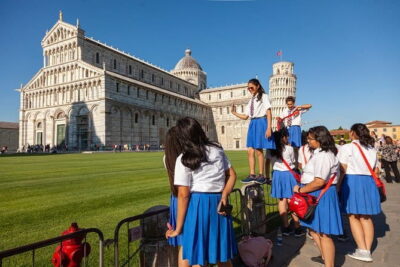 ★ 5.0Tuscany Day Trip from Florence: Siena, San Gimignano, Pisa and Lunch at a WineryFrom $11421,634 reviews
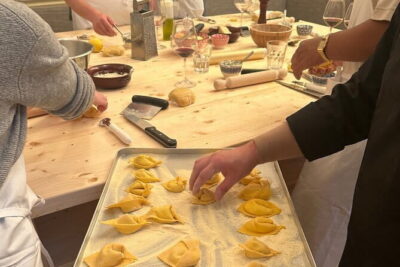 ★ 4.9Pasta Cooking Class with Unlimited WineFrom $2110,285 reviews
 ★ 4.5Chianti Wineries Tour with Wine TastingFrom $4110,071 reviews
 ★ 5.0Small-Group Wine Tasting Experience in the Tuscan CountrysideFrom $1077,392 reviews
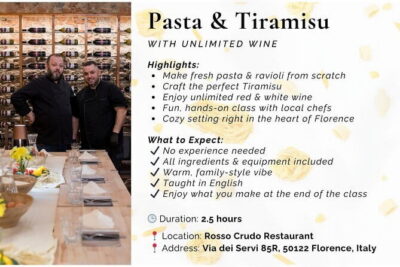 ★ 4.9Pasta & Tiramisu Cooking Class with Unlimited WineFrom $566,708 reviews
★ 5.0Pasta Cooking Class with Unlimited Wine6,413 reviews
★ 4.9Pasta & Tiramisu Cooking Class with Unlimited WineFrom $566,708 reviews
★ 5.0Pasta Cooking Class with Unlimited Wine6,413 reviews
 ★ 4.5Pisa, Siena and San Gimignano Day Trip with Lunch & Wine PairingFrom $786,006 reviews
 ★ 5.0SMALL-GROUP Wine Safaris: Tuscan Wine Tasting Tours from FlorenceFrom $1575,088 reviews
Browse the lists this tour appears in