
Reviewed · SAN GIMIGNANO DAY TRIPS FROM FLORENCE
Private Pasta & Tiramisu Class at a Cesarina’s home with tasting: San Gimignano
Cooking in a family kitchen feels personal. In San Gimignano, a private 3-hour class lets you learn two homemade pasta dishes plus classic tiramisù, all in a real home kitchen with local know-how. You’ll start with a warm welcome, tie on an apron, cook side-by-side, and finish with a light supper from your own work.
I especially love that everything is included: ingredients for the recipes and drinks during the experience. I also like the teaching style behind the Cesarine setup—hands-on, no rush, and a family atmosphere that helps you understand what makes the food taste right, not just how to copy it.
One possible drawback: because this happens in a home setting, the pace and exact dishes can feel less standardized than a big commercial workshop. If you prefer a tightly scripted, classroom-style schedule, you’ll want to go with a flexible mindset.
In This Review
- Key Highlights at a Glance
- A San Gimignano Home Kitchen Makes the Lessons Stick
- Meeting Up and Settling Into Lara’s Kitchen
- What You Actually Cook: Two Pastas and Tiramù
- Why two pasta dishes is better than one
- Pasta From Scratch: Technique You Can Reuse
- What to watch for as you cook
- The benefit of learning in someone’s home
- Tiramù Lessons: Cream, Timing, and Assembly
- What you’ll likely focus on
- The Light Supper: Eating in a Real Home Matters
- Drinks Included: Small Detail, Real Comfort
- Price and Value: Paying for Privacy and Real Instruction
- Who This Is Best For in San Gimignano
- Quick Practical Tips Before You Go
- Should You Book This Private Pasta and Tiramù Class?
- FAQ
- How long is the Private Pasta & Tiramisu Class?
- Where does the class take place?
- Is this class private?
- What will I cook?
- Are ingredients and drinks included in the price?
- How much does it cost?
- Will I get a confirmation after booking?
- What’s the meeting area like for getting there?
- What is the cancellation policy?
- Is there a mobile ticket?
Key Highlights at a Glance
- One-to-one format: It’s private, with only your group, so questions don’t get lost.
- Two pasta dishes + tiramisù: You’ll learn multiple techniques, not just one recipe.
- Cesarine family welcome: Hosts like Lara and her family bring local habits into the lesson.
- Ingredients and drinks included: You pay once and focus on cooking, tasting, and learning.
- Finish with a light supper: Your meal is part of the experience, not an afterthought.
More San Gimignano days out of San Gimignano

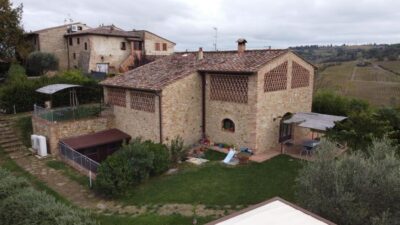
A San Gimignano Home Kitchen Makes the Lessons Stick
If you’ve ever taken a cooking class where you write notes you’ll never use later, this is the kind of class that aims to be different. You’re not just following steps. You’re learning the logic behind Italian comfort food: how dough should feel, how sauce decisions happen in real kitchens, and how dessert comes together when timing matters.
San Gimignano is a great backdrop for this because the town’s food culture is practical. People cook what they love, they use what’s in season, and they pass down habits through families. Here, that translates into a cooking evening built around an experienced home cook and their kitchen rhythm. You’ll also get a true “how we do it” feeling, because the lesson happens where the family actually lives and eats.
The format is also a big part of why this works: you’re not sharing the class with strangers. It’s a private experience, so you can ask why something happens and adjust as you go, instead of trying to keep up with a group. At about 3 hours, it’s long enough to learn real technique, but not so long that it turns into a fatigue test.
Meeting Up and Settling Into Lara’s Kitchen
The experience starts and ends at the meeting point in San Gimignano (53037 San Gimignano, Province of Siena, Italy). That matters more than it sounds. You don’t waste time figuring out a complicated route or hopping between locations. Once you arrive, you’re in the home setting right away.
After a warm welcome, you’ll get your instructions and then get cooking. In a home kitchen, you notice small things fast: where ingredients are stored, how work surfaces are used, and how tools are set up for one specific cooking session. That’s exactly what you want if your goal is to reproduce this at home later.
In at least one standout example from the experience, the host named Lara shared the evening with her husband and even their kids. That family participation is more than charming. It gives you extra context for how this food fits into daily life—who does what, how food gets served, and how the kitchen becomes a shared activity instead of a performance.
What You Actually Cook: Two Pastas and Tiramù
The headline is clear: you’ll learn to make two pasta dishes and tiramù. The details matter, though, because techniques are what you can take home.
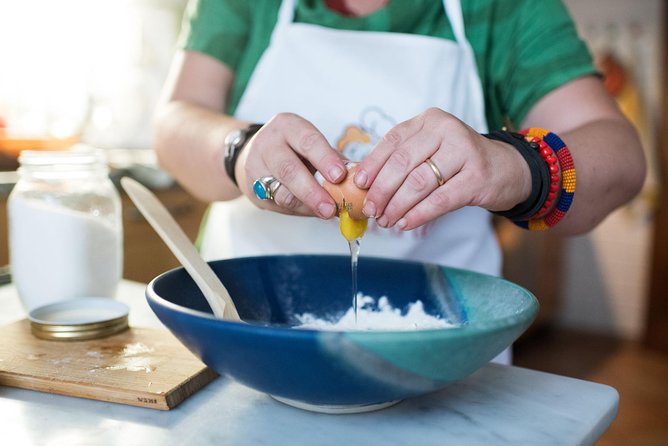
You’ll cook from scratch. The class is designed around authentic cookery skills, not shortcut methods. You’ll learn through doing, and because it’s private, you can slow down for the parts that feel tricky (mixing, rolling, shaping, timing).
One review specifically mentions making porcini and ricotta ravioli alongside tiramisu. That’s useful context for you. Ravioli is a great choice for learning, because it teaches both structure and sealing. You see how filling texture affects shaping, and you learn how careful handling keeps the pasta from tearing. Even if your exact pasta dishes differ, the lesson style should still guide you through a similar set of core skills: dough consistency, portioning, shaping, and timing.
Why two pasta dishes is better than one
A single pasta lesson can still be fun, but it’s limited. With two dishes, you practice more than one technique path. You also get to taste how different preparations change flavor and texture. That gives you a broader toolkit for cooking Italian food back home without having to start from zero each time.
Pasta From Scratch: Technique You Can Reuse
In most home-cooking lessons, the magic happens in the “feel” moments—when the dough goes from sticky to workable, when you learn how thin to roll, or when you realize a small adjustment fixes a whole batch.
Here, the class is structured so you’ll actually handle the dough and participate in the cooking process. Since the experience is in a real home kitchen, you’ll also learn how pasta tools and storage habits matter. You might find that the host uses simple setups to keep the work flowing. The goal is practical: what you can replicate in your own kitchen, not what looks impressive.
Roll up your sleeves for another San Gimignano cooking class

What to watch for as you cook
Even without a formal checklist, these are the kinds of things that typically make pasta lessons useful:
- Texture cues: dough should behave consistently as you knead and shape
- Rolling and thickness: small changes affect cooking time and bite
- Portion control: filling amount impacts sealing and satisfaction
- Timing: pasta cooks quickly once it’s ready
Because this is private, you can ask for feedback right away. That’s a major advantage over group classes where you only get one question every few minutes. In a one-to-one setting, you can correct mistakes while they’re still easy to fix.
The benefit of learning in someone’s home
This is where the Cesarine format earns its keep. A home cook teaches not only the recipe, but the decision-making. Why this ingredient goes in now and not later. How to manage multiple steps so you don’t end up with cold pasta or a dessert that’s sitting too long. Those are the details that separate a good “copy the steps” result from a great Italian meal.
Tiramù Lessons: Cream, Timing, and Assembly
Tiramù sounds straightforward until you make it. The dessert depends on timing and balance. If you build it too fast, the texture can turn out wrong. If you wait too long, things can soften in a way you didn’t plan.
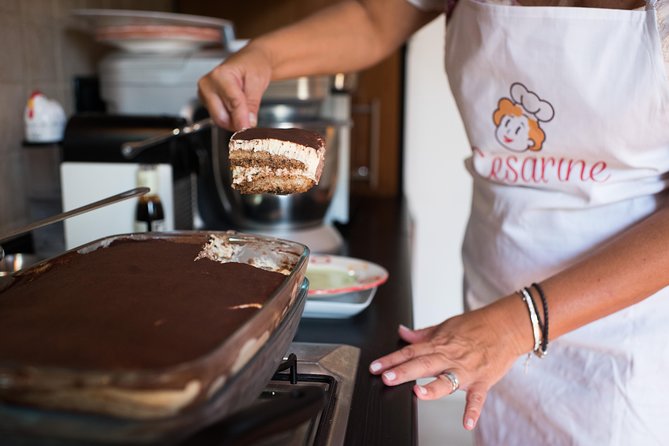
The class includes tiramù preparation, and you’ll learn how to put it together in a way that makes sense in a home kitchen. A private setting helps here too: dessert technique often benefits from gentle correction. One small adjustment in how you fold or how long components sit can be the difference between light and heavy.
What you’ll likely focus on
Based on how these lessons are commonly taught—and what the experience promises—you’ll work through the key tiramù parts:
- preparing components (like sweet, creamy layers)
- assembling in the right order
- timing so the dessert is ready to eat as a light supper
Because the experience ends with you eating what you cooked, you get built-in feedback. If it tastes correct right then, you learn with confidence. If something needs tweaking, you’ll get guidance before the night is over.
The Light Supper: Eating in a Real Home Matters
After cooking, you’ll sit down together to enjoy your dishes as a light supper. That’s not a minor detail. It changes the entire experience from a class into a meal with context.
In a dining room, food is food. In a family kitchen, food is the result of teamwork and habit. You also get to see how the host serves. Portions, plating style, and even how the table is handled can teach you how to make this feel like a real meal at home, not a staged event.
One review also highlights that Lara and her family were generous with sharing additional unique delicacies beyond the main plan. You shouldn’t treat that as guaranteed, but it’s a great sign of the kind of hospitality that can show up in a home-based Cesarine experience. If that happens to you, consider it part of the value: you’re experiencing local eating culture, not just a recipe demo.
Drinks Included: Small Detail, Real Comfort
The experience includes drinks as part of the tour price. That’s practical. Cooking can make you thirsty, and it’s easier to keep the evening relaxed when you’re not worrying about buying beverages mid-course.
It also supports the pacing. When you’re cooking and then eating, it helps to have drinks on hand so the class flows naturally. You can stay present, taste as you go, and focus on the lesson rather than managing extra purchases.
Price and Value: Paying for Privacy and Real Instruction
At $162 for about 3 hours, this isn’t a budget activity. But the pricing makes sense if you care about the stuff that typically costs extra:
- private, one-to-one teaching
- full inclusion of ingredients
- drinks included
- hands-on instruction in a home kitchen
- a meal that’s part of the experience
In other words, you’re paying for more than recipes. You’re paying for personalized attention and for the hosts’ time in their own kitchen. That’s where you tend to get the biggest payoff: you leave with technique you understand, not just a set of photos.
Also, the mobile ticket format is helpful because it keeps things simple on arrival. And because it’s near public transportation, it’s easier to build into a day in town without complicated logistics.
Who This Is Best For in San Gimignano
This class is a strong fit if:
- you want a hands-on cooking experience rather than watching from a distance
- you prefer a private setting where you can ask questions and move at your own pace
- you love Italian classics and want to understand how they’re made, not just how they taste
- you’re traveling as a couple or small group and want a memorable evening beyond restaurants
It may be less ideal if:
- you want a strict, standardized schedule with no flexibility
- you dislike home-kitchen settings or smaller-space logistics
- you’re only interested in one single dish and don’t want to learn multiple pasta techniques
Quick Practical Tips Before You Go
You’ll get the best results if you plan like a cook, not like a tourist. Here are practical things that help in a home class:
- wear shoes you can comfortably stand in for a couple hours
- be ready to work with your hands and handle dough
- come hungry enough to enjoy a light supper after cooking
- bring any dietary constraints up when booking, since ingredients are provided and the host needs to plan
If you’re excited about learning pasta technique, this is one of the few evenings in San Gimignano where your work becomes your dinner.
Should You Book This Private Pasta and Tiramù Class?
I think you should book it if you want an authentic San Gimignano evening that feels personal and practical. The private format is the big win. You get real instruction, not a crowded show. The fact that ingredients and drinks are included also makes it a calmer experience—you can focus on learning.
Skip it only if you strongly prefer a restaurant-style experience with predictable timing and impersonal structure. This is a home kitchen class, guided by Cesarine hosts like Lara and supported by family warmth, and that style may feel more relaxed and less formal than some cooking tours.
If you want to leave with both recipes and the confidence to cook them, this is a smart use of your time in town.
FAQ
How long is the Private Pasta & Tiramisu Class?
It lasts about 3 hours.
Where does the class take place?
The meeting point is in San Gimignano at 53037 San Gimignano, Province of Siena, Italy, and the activity ends back at the meeting point.
Is this class private?
Yes. It’s a private tour/activity with only your group participating.
What will I cook?
You’ll learn to cook 2 pasta dishes and tiramisù.
Are ingredients and drinks included in the price?
Yes. All ingredients and food are included, and drinks are provided as part of the tour price.
How much does it cost?
The price is $162.
Will I get a confirmation after booking?
Yes. Confirmation is received at time of booking.
What’s the meeting area like for getting there?
It’s near public transportation.
What is the cancellation policy?
You can cancel for a full refund up to 24 hours in advance. If you cancel less than 24 hours before the experience start time, no refund is provided.
Is there a mobile ticket?
Yes. The tour includes a mobile ticket.
More San Gimignano Tours We Have Reviewed
- Tuscan Cooking Class
★ 5.0 · 584 reviews - Visit Best Wineries in Tuscany – Wine Tasting & Tour
★ 4.5 · 263 reviews - San Gimignano: Lunch or Dinner at a Winery with Wine Tasting
★ 4.7 · 177 reviews - Wine and food tasting in an organic family winery
★ 5.0 · 170 reviews - San Gimignano: Wine and Oil Tasting with Tuscan Appetizers
★ 4.6 · 156 reviews
More San Gimignano Cooking Classes
- Tuscan Cooking Class
★ 5.0 · 584 reviews - 3-hour Tuscan Cooking Class with Wine & Oil Tasting
★ 4.5 · 36 reviews - Italian Cooking Class and Wine Tasting in Tuscany
★ 5.0 · 30 reviews - Truffle Hunting and Cooking Class
★ 4.5 · 26 reviews - Cooking class, visit to the wine cellar, 2500 year old granaries
★ 5.0 · 24 reviews
More San Gimignano Day Trips
- San Gimignano: Lunch or Dinner at a Winery with Wine Tasting
★ 4.7 · 177 reviews - San Gimignano: Wine and Oil Tasting with Tuscan Appetizers
★ 4.6 · 156 reviews - San Gimignano: 2-Day Pass – Torre Grossa and Duomo Tickets
★ 4.4 · 133 reviews - San Gimignano: Vineyard and Cellar Tour with Wine Tasting
★ 5.0 · 80 reviews - San Gimignano: Truffle Hunting with Lunch & Wine Tasting
★ 4.6 · 72 reviews
Fresh from our San Gimignano review desk
- Golden Grains & Gourmet Pasta Cooking Class★ 5.0 · 3 reviews
- Extra Virgin Olive Oil Experience★ 4.5 · 3 reviews
- San Gimignano: Winery Visit with Picnic in Olive Grove★ 5.0 · 3 reviews
- San Gimignano: Wine Tasting Experience at Il Colombaio★ 4.7 · 3 reviews
- SAN GIMIGNANO: DEGUSTAZIONE CON VISTA SULLE TORRI★ 3.3 · 3 reviews
- Siena: Chianti Countryside Guided Bike Tour and Light Lunch★ 3.5 · 3 reviews
San Gimignano Day Trips from Florence, compared.
 ★ 5.0Tuscany Day Trip from Florence: Siena, San Gimignano, Pisa and Lunch at a WineryFrom $11421,634 reviews
 ★ 4.6Pisa, Siena and San Gimignano Day Trip with LunchFrom $589,771 reviews
 ★ 4.5Pisa, Siena, San Gimignano, and Chianti ExperienceFrom $528,393 reviews
 ★ 4.5Pisa, Siena and San Gimignano Day Trip with Lunch & Wine PairingFrom $786,006 reviews
 ★ 4.8From Florence: Siena, San Gimignano, Pisa & Lunch at WineryFrom $1124,538 reviews
 ★ 4.5San Gimignano, Siena, Monteriggioni, Chianti Day Trip with Lunch & Wine TastingFrom $834,432 reviews
 ★ 4.6Pisa, Siena, S. Gimignano, Chianti Wine & LunchFrom $774,354 reviews
 ★ 4.6Siena, San Gimignano & Monteriggioni with TastingFrom $463,218 reviews
Browse the lists this tour appears in