
Reviewed · TUSCANY WINE TOURS
Scandicci: Bellavista Wine Tasting Experience
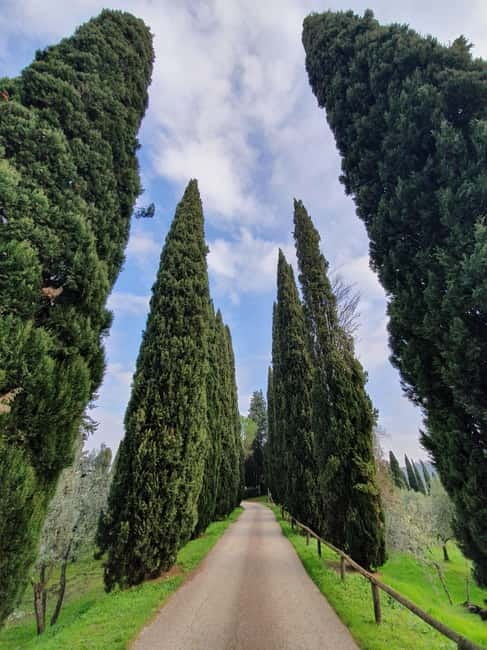
A short walk turns into a full story of Tuscany. This Bellavista wine and olive oil experience strings together vineyard views, cellar techniques, and a hands-on tasting so you leave with more than just good flavors—you leave with context.
I like the way the tour mixes Sangiovese-focused wine talk with real production details, from aging methods to terrace-like farming choices. I also love the EVOO component: the olive grove stop and the extra virgin olive oil tasting on Tuscan bread make this feel like more than a standard wine flight.
One consideration: it’s a structured 2-hour plan, so if you want lots of free time wandering without stopping, this may feel a bit “guided-clock” rather than open-ended. And yes, it’s best in comfortable shoes because there’s walking involved.
In This Review
- Key things to know before you go
- Where Bellavista’s wine and olive oil story actually begins
- The vineyard walk: Sangiovese vines and terroir talk you can taste
- Olive grove insight and EVOO on Tuscan bread
- The cellar tour: terracotta jars, barrel aging, and what’s happening behind the scenes
- Historic Vinsantaia: dried grapes, small barrels, and patience you can feel
- Your four-wine guided tasting flight: learning the language of flavor
- Food on the side: local delicacies and why it makes the tasting better
- Price and value: what $65 buys you in real learning time
- Who this tour suits best (and who might want a different plan)
- Practical tips so you enjoy every stop
- Should you book the Bellavista wine and olive oil tasting?
- FAQ
- How long is the Bellavista wine and olive oil tasting?
- What do you taste during the tour?
- Is there a vineyard walk and a cellar tour?
- Are there visits related to both wine and Vinsanto?
- What languages is the live guide available in?
- What should I bring?
- Is there free cancellation?
Key things to know before you go
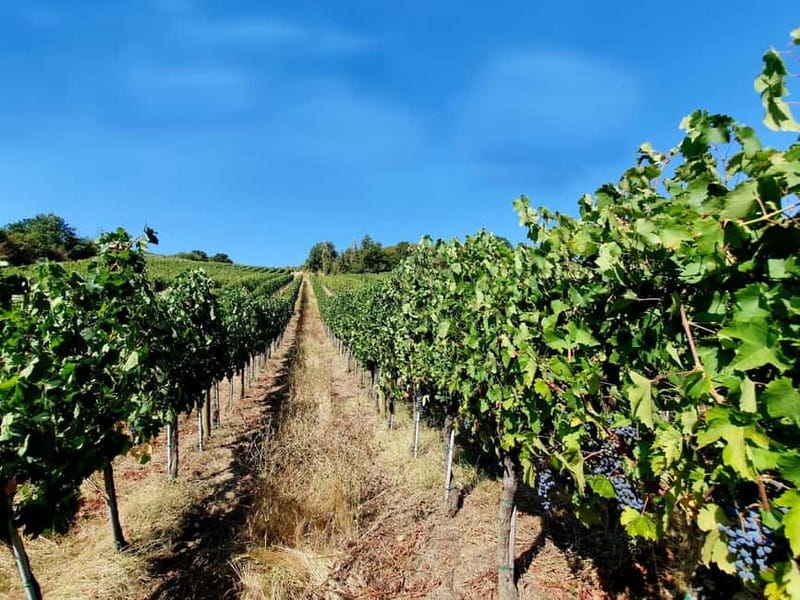
- Sangiovese vineyard stroll (weather permitting) plus talk about Chianti rules and terroir
- Cellar tour with aging details, including tasting wine from barrels during aging
- Terracotta jar cellar featuring historic Impruneta jars for storage
- Historic Vinsantaia area tied to grapes dried, pressed, and aged in small barrels dating back to the 1960s
- Four-wine tasting with guided explanation, plus local bites and an EVOO tasting on Tuscan bread
More Tuscan cellars worth the drive from Florence
Where Bellavista’s wine and olive oil story actually begins
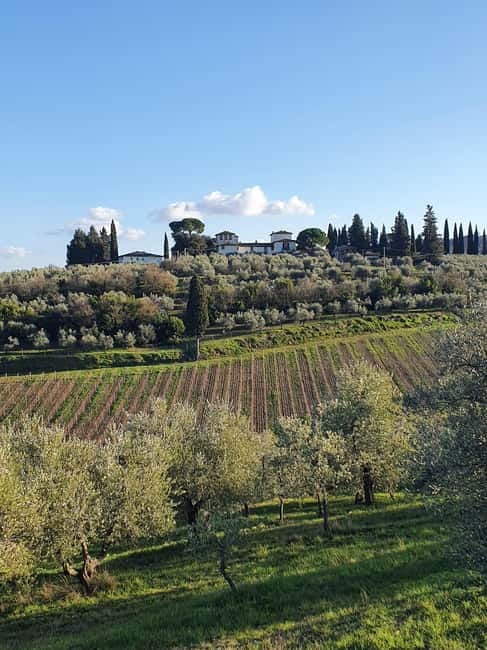
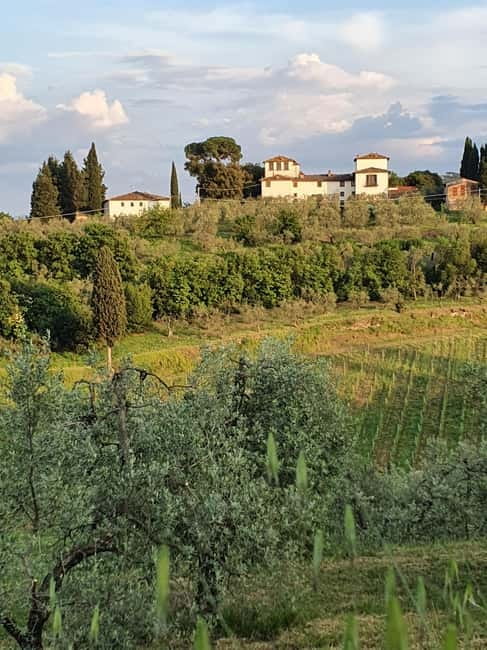
Bellavista is a classic Tuscany setting: rolling farmland, rows of vines, and olive trees that look like they’ve been there forever. What makes this experience worth your time is that it doesn’t treat wine tasting like a guessing game. It builds a chain of cause and effect for you—farming choices lead to grapes, grapes lead to fermentation and aging, and aging leads to what ends up in your glass.
You’ll move through the estate with a live guide speaking Italian and English, and the vibe is practical. If you care about how wine gets from vineyard to bottle, this works. If you just want good pours, it still delivers, because the tasting portion is guided but not lecture-heavy.
And one small detail that matters: the guide helps you connect the wine to place. Tuscany can feel big and generic if you only see hills and labels. Here, you get explanations tied to Sangiovese and the rules that shape Chianti-style wine.
The vineyard walk: Sangiovese vines and terroir talk you can taste
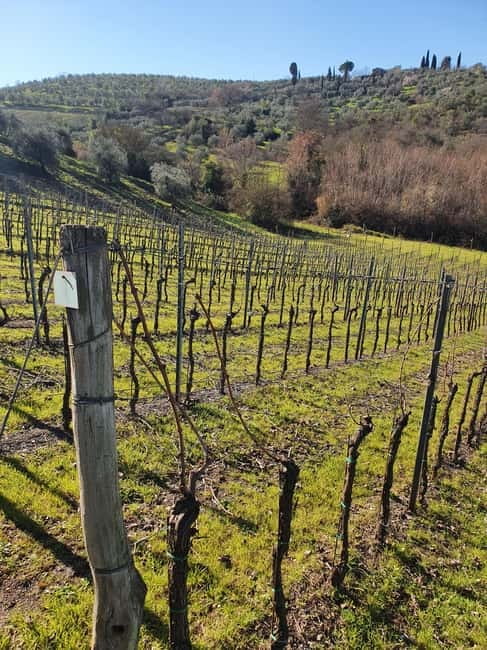
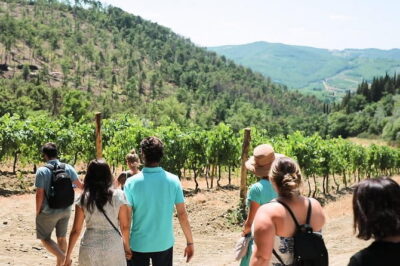
The tour starts with a walk through the Bellavista estate—especially the Sangiovese vineyards, weather permitting. This part is more than scenery. It sets you up for what you’ll hear later in the cellar.
During the vineyard portion, you’ll get explanations around:
- Chianti wine regulations
- Organic farming methods
- How terroir shows up in the final flavor profile
Here’s why that matters for your tasting: when you understand what the winemakers are trying to protect—grape character, acidity balance, structure—you can taste with intention. The same wine can feel like “nice” or like “I get it,” depending on whether you know what to look for. This tour gives you those targets.
Also, you’ll see olive groves alongside the wine side of the property. That simple pairing changes how you experience Tuscany, because you stop thinking of olive oil as a side dish and start seeing it as part of the same agricultural landscape and tradition.
Practical note: bring comfortable shoes and plan for uneven estate ground.
Olive grove insight and EVOO on Tuscan bread
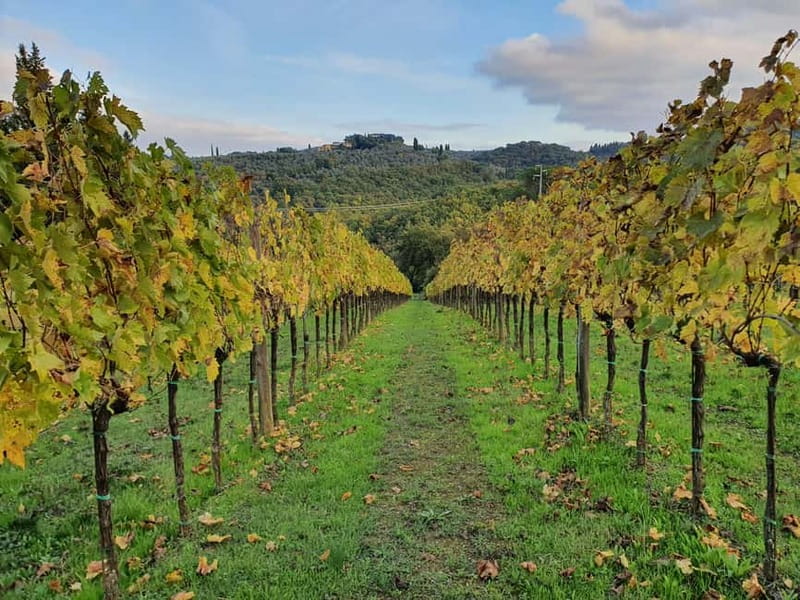
A highlight is the olive oil stop, where you get a short walk through the trees with insight into traditional olive oil production. The tour’s olive focus isn’t random. It’s timed so you can taste the results right after you’ve heard how production works.
Then comes the tasting: extra virgin olive oil on Tuscan bread. That pairing is smart because bread doesn’t cover nuance; it helps you spread the oil evenly and notice texture and bitterness or peppery notes without turning it into a “wine tasting only” event.
If you’re used to treating olive oil like a generic pantry item, this helps you recalibrate. You’ll likely notice differences you’ve never bothered to name before—whether it feels more fruity, more grassy, or more peppery. And once you can describe it, you’ll shop smarter back home.
This is also a nice change of pace if wine is your comfort zone but you want one extra skill from Tuscany.
The cellar tour: terracotta jars, barrel aging, and what’s happening behind the scenes
Next you shift indoors, where Tuscany’s winemaking becomes very physical. The cellar tour includes a visit to the terracotta jar cellar, where EVOO is stored in historic Impruneta jars.
Even if you don’t know much about storage tech, this stop is valuable because it explains that flavor isn’t only made in the vineyard. It’s protected and shaped afterward. Terracotta storage is part of that story here, and you’ll get the reasoning tied to traditional methods.
Then you’ll encounter a more specific winemaking moment: you can taste wine directly from the barrels during the aging process. That’s one of those rare experiences that changes how you think about wine. Instead of tasting the finished product and guessing how it got there, you taste while it’s still working. That lets you understand why aging matters and how aromas and structure evolve.
You’ll also visit Orciaia during the cellar portion. The key idea you should expect is that this stop is part of the estate’s workflow and education—another area connected to production and storage—so it feels integrated rather than tacked on.
Bottom line: this segment is where you learn to connect technique to taste.
Historic Vinsantaia: dried grapes, small barrels, and patience you can feel
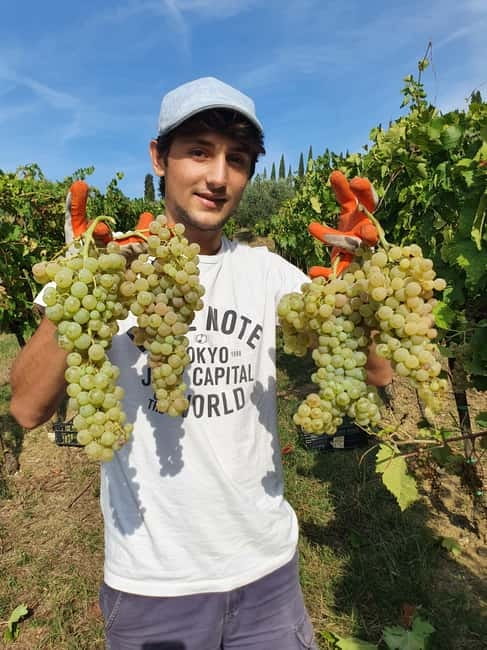
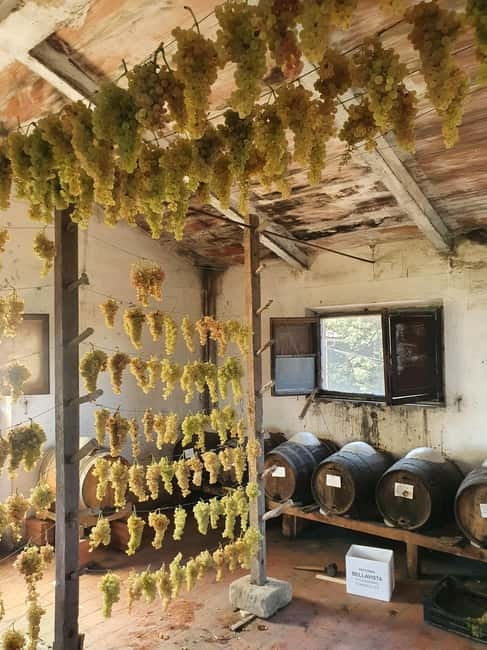
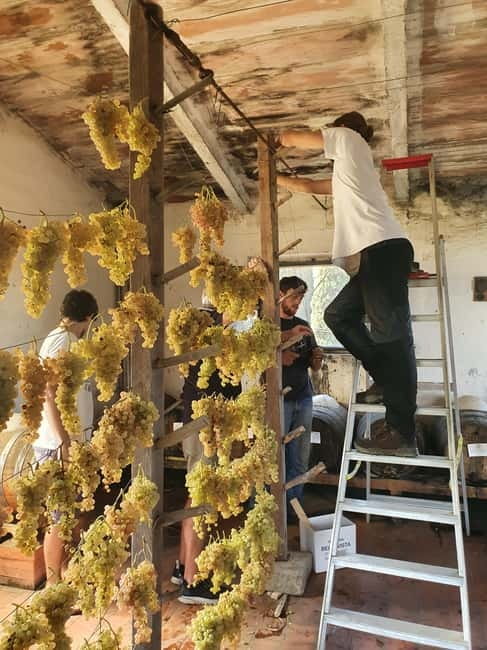
The tour saves one of its most distinctive moments for the historic Vinsantaia area. This is tied to Vinsanto production, and the process is explained in a way that actually helps you picture it.
You’ll learn about:
- grapes being dried
- grapes being pressed
- aging in small barrels dating back to the 1960s
That “dating back” detail matters because it tells you the estate isn’t just doing a seasonal ritual. It’s maintaining a tradition with time depth. Dried grapes concentrate flavors and change sweetness, texture, and aroma. Pressing and then aging in small barrels affects complexity and how flavors knit together.
If you tend to think of sweet wine as simple dessert wine, this part can shift your mindset. The point isn’t just sweetness—it’s how patience and processing create depth.
Even if your favorite wine style is dry, you’ll probably leave this section understanding why Vinsanto has its own place in Tuscany culture.
More Florence tables, tastings and small bites
Your four-wine guided tasting flight: learning the language of flavor
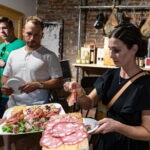
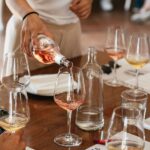
The tasting portion is built around four wines, each paired with a detailed explanation of how it’s created. This is the part where the earlier vineyard and cellar stops start paying off.
A good tasting guide helps you avoid a common trap: thinking tasting is only about liking or disliking. Here, you’re guided through what makes each wine what it is—likely tied to grape character, regulations for the style, and what’s happening with aging.
What to expect from a guided tasting like this:
- You’ll taste multiple wines in sequence so differences become clearer
- Explanations give you a framework for what to notice
- You’ll connect techniques (like aging choices) to texture, aroma, and finish
Also, because you’ve already tasted wine from barrels earlier, the finished wines feel less mysterious. You can sense what changed between “in progress” and “ready.”
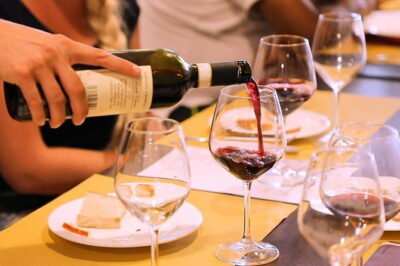
And yes, you’ll also have a platter of local delicacies during the experience. That doesn’t just fill space—it helps you notice how food interacts with wine. The right bite can highlight acidity, soften tannins, or bring forward fruit notes you might miss on its own.
Food on the side: local delicacies and why it makes the tasting better
A lot of tours offer food that’s mostly there for hunger. This one uses a platter of local delicacies as part of the tasting education. You’ll be eating while you taste and listening, which is exactly how you learn.
The oil-on-bread moment also sets you up here: you’re already practicing taste recognition before wine arrives. Then the local bites let you test your new “taste map.” For example, if a wine feels sharper in your mouth, a bite might round it out. If it feels heavy, a different bite can lift it.
This is a good pairing style for people who want the sensory experience but don’t want a formal restaurant meal.
Price and value: what $65 buys you in real learning time
At $65 per person for 2 hours, this is priced like a serious tasting experience rather than a quick drop-in. You’re not just paying for four pours. You’re paying for a guided route through multiple parts of production:
- vineyard walk and farming explanations
- olive grove insight and olive oil tasting
- cellar tour with terracotta jar storage and barrel aging moments
- historic Vinsantaia area with the dried-grape process
That’s a lot for two hours. If you’re the type who likes tours because they reduce guesswork—telling you what to notice and why—then the value is solid. If you only want the simplest wine flight with minimal walking or explanation, you may find it a bit too structured.
But for most people who come to Tuscany hoping to understand the food and wine culture instead of just collecting photos, it’s a fair exchange.
Who this tour suits best (and who might want a different plan)
This experience is ideal if you:
- enjoy guided explanations and want wine context
- want both wine and olive oil in one outing
- like learning how techniques affect what you taste
- want a small, focused timeframe that still covers production details
It may not be ideal if you:
- hate walking on uneven ground
- prefer long unstructured wandering time
- want a purely social tasting with minimal production talk
Practical tips so you enjoy every stop
Before you go, pack for Tuscany conditions:
- Comfortable shoes for estate paths
- Hat for sun
- Sunscreen
- Camera if you like landscape and cellar shots
Tour rules are straightforward: no smoking, and alcohol and drugs aren’t allowed. Also, the tasting is designed for adults, and there’s no mention of alcoholic beverages for minors.
You’ll get a live guide in Italian or English, so if language matters to you, this is easy to match.
Should you book the Bellavista wine and olive oil tasting?
I’d book this if you want a guided Tuscany experience that mixes production education with tasting you can actually connect to place. The strongest reasons to go are the full chain—from vineyard and olive grove, to cellar aging methods, to historic Vinsantaia—and the fact that the tastings aren’t thrown at you without explanation.
Skip it only if you’re looking for a casual “sip and stroll” with minimal talking and minimal walking. Otherwise, $65 for 2 hours lands as good value for a tour that teaches you how Tuscany tastes, not just what Tuscany sells.
If you’re planning other Chianti-area stops, this pairs nicely with day plans focused on wine culture, as it adds olive oil depth and cellar detail you often miss.
FAQ
How long is the Bellavista wine and olive oil tasting?
The experience lasts 2 hours.
What do you taste during the tour?
You’ll have a guided tasting of four wines, plus a tasting of extra virgin olive oil on Tuscan bread. You’ll also enjoy a platter of local delicacies.
Is there a vineyard walk and a cellar tour?
Yes. The experience includes a vineyard walk and a cellar tour, along with olive grove insight.
Are there visits related to both wine and Vinsanto?
Yes. The tour includes a visit to the Historic Vinsantaia area, where Vinsanto production is explained. It also includes other estate stops such as Orciaia.
What languages is the live guide available in?
The tour guide is available in Italian and English.
What should I bring?
Bring comfortable shoes, a hat, a camera, and sunscreen.
Is there free cancellation?
Yes. You can cancel up to 24 hours in advance for a full refund.
More Florence Food & Drink
- Florence: Chianti Wineries Tour with Wine Tasting
★ 4.5 · 10,071 reviews - Small-Group Wine Tasting Experience in the Tuscan Countryside
★ 5.0 · 7,392 reviews - SMALL-GROUP Wine Safaris: Tuscan Wine Tasting Tours from Florence
★ 5.0 · 5,088 reviews - Winner 2025 Florence Sunset Food & Wine Tour by Eating Europe
★ 5.0 · 5,015 reviews - San Gimignano, Siena, Monteriggioni, Chianti Day Trip with Lunch & Wine Tasting
★ 4.5 · 4,432 reviews
More Florence Tours We Have Reviewed
- Florence: Skip-The-Line Uffizi Gallery Timed Entry Ticket
★ 4.5 · 27,832 reviews - Tuscany Day Trip from Florence: Siena, San Gimignano, Pisa and Lunch at a Winery
★ 5.0 · 21,634 reviews - Florence: Timed Entry to Michelangelo’s David + Audio App
★ 4.6 · 19,496 reviews - Florence: Leonardo Interactive Museum Entry Ticket
★ 4.5 · 12,957 reviews - Florence: Michelangelo’s David Skip-the-Line Entry Ticket
★ 4.5 · 12,764 reviews
More Tuscan Wine to Taste
- Tuscany Day Trip from Florence: Siena, San Gimignano, Pisa and Lunch at a Winery
★ 5.0 · 21,634 reviews - Florence: Chianti Wineries Tour with Wine Tasting
★ 4.5 · 10,071 reviews - Small-Group Wine Tasting Experience in the Tuscan Countryside
★ 5.0 · 7,392 reviews - SMALL-GROUP Wine Safaris: Tuscan Wine Tasting Tours from Florence
★ 5.0 · 5,088 reviews - Winner 2025 Florence Sunset Food & Wine Tour by Eating Europe
★ 5.0 · 5,015 reviews
Fresh from our Florence review desk
- Small-Group Pasta Cooking Class and Market Tour in Florence★ 5.0 · 3 reviews
- Palatina Gallery and Pitti Guided Tour in Florence★ 5.0 · 3 reviews
- Tuscan Evening Tour: Fiat 500, 8:30 to 10 PM★ 5.0 · 3 reviews
- Journey into Art: Florence’s Accademia★ 4.5 · 3 reviews
- Paint and Drink Florentine Hills★ 5.0 · 3 reviews
- Truffle hunting and lunch experience, with Vinci and winery.★ 4.5 · 3 reviews
Tuscany Wine Tours, compared.
 ★ 5.0Tuscany Day Trip from Florence: Siena, San Gimignano, Pisa and Lunch at a WineryFrom $11421,634 reviews
 ★ 4.5Chianti Wineries Tour with Wine TastingFrom $4110,071 reviews
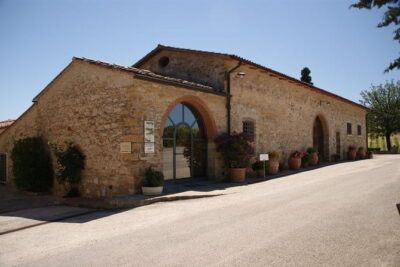 ★ 5.0Small-Group Wine Tasting Experience in the Tuscan CountrysideFrom $1077,392 reviews
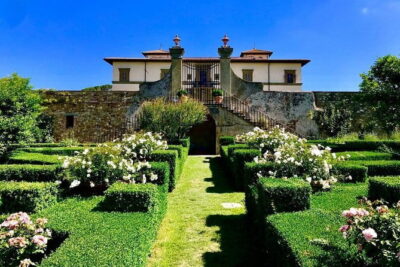 ★ 5.0SMALL-GROUP Wine Safaris: Tuscan Wine Tasting Tours from FlorenceFrom $1575,088 reviews
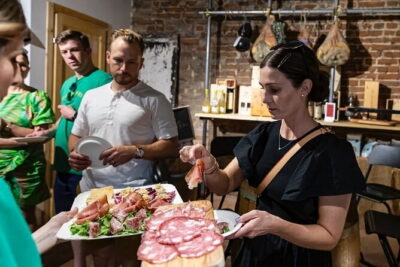 ★ 5.0Winner 2025 Florence Sunset Food & Wine Tour by Eating EuropeFrom $1495,015 reviews
 ★ 4.8From Florence: Siena, San Gimignano, Pisa & Lunch at WineryFrom $1124,538 reviews
 ★ 4.5San Gimignano, Siena, Monteriggioni, Chianti Day Trip with Lunch & Wine TastingFrom $834,432 reviews
 ★ 4.5Chianti Wine Tour from FlorenceFrom $593,979 reviews