
Reviewed · PASTA
Share Your Pasta Love in a Local’s Home in Florence
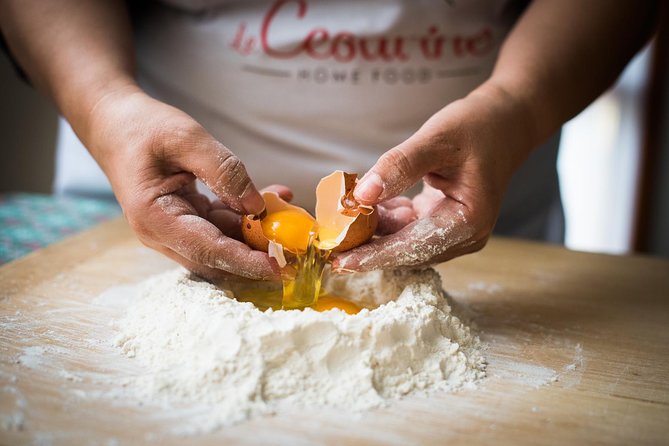
Fresh pasta beats a museum snack any day. In this Florence class, you learn in a real local kitchen, so the food feels tied to the place you’re standing in, not packaged for visitors. I love the hands-on cooking rhythm from flour to finished shapes.
I also like the way the meal continues right after you work. There’s an aperitivo to start, then you sit down to eat your own pasta with local wine. It turns the class into a proper shared table moment, not a rushed demo.
One possible drawback: you’re cooking in a home setting with a small group (up to 20). If you’re sensitive to tight spaces, noise, or a bit of flour in the air, plan to roll with it.
In This Review
- Key highlights worth planning for
- A Florentine home kitchen (not a studio) sets the tone
- Your host, your dough: making fresh pasta by hand
- From apéritif to the table: how the meal really works
- What pasta you might make in Florence (pici, tortelli, pappardelle)
- Where it starts in Florence (Via Quintino Sella)
- Group size, timing, and what to expect from the pace
- Price and value: paying for food, wine, and real instruction
- Who should book this pasta class (and who might skip it)
- Should you book this Florence pasta-making experience?
- FAQ
- FAQ
- How long is the Florence pasta-making class?
- Is the class taught in English?
- How many people are in the group?
- What’s included with the class?
- Where does the experience start and end?
- Is there free cancellation?
Key highlights worth planning for
- Florence home kitchen: you cook where locals actually live and eat
- Hands-on pasta skills: mix, knead, and shape fresh pasta with guidance
- Small group size (max 20): easier conversations, more back-and-forth
- Aperitivo + local wine: one bottle per three guests, paired with your meal
- English instruction: you’ll follow the steps without guessing
- Hosts with real teaching style: some hosts like Donatella and Ivana are noted for patience and warmth
Still comparing? These are the other Florence tours travellers book most.
A Florentine home kitchen (not a studio) sets the tone
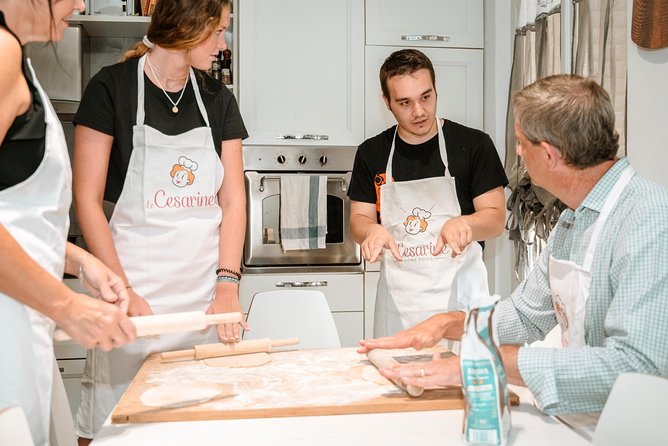
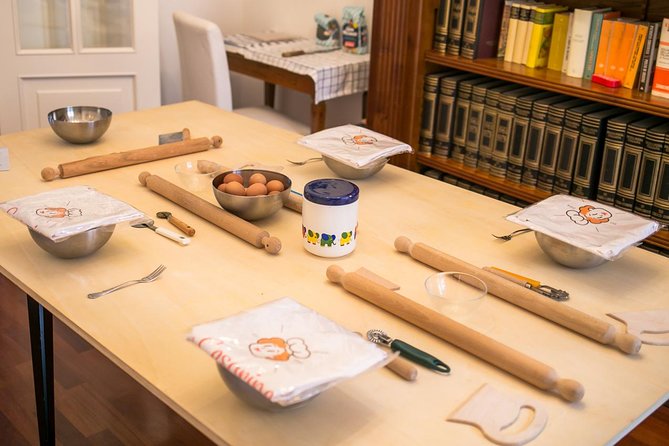
This experience is built around the idea that pasta-making belongs in the home. Instead of watching from a distance, you’re working at the same center point as everyone else: the kitchen table, the rolling space, and the moment you shape the dough into something you can actually name.
That home setting matters in a practical way. You learn faster when you can see the dough under your hands, then correct small things immediately. The atmosphere is also more relaxed, which helps if you’re nervous about cooking in front of strangers.
You’ll be in a group (maximum 20), but it doesn’t feel like a big factory line. The best part is that the host can still guide you while people are chatting, tasting, and comparing what they’re making.
Your host, your dough: making fresh pasta by hand
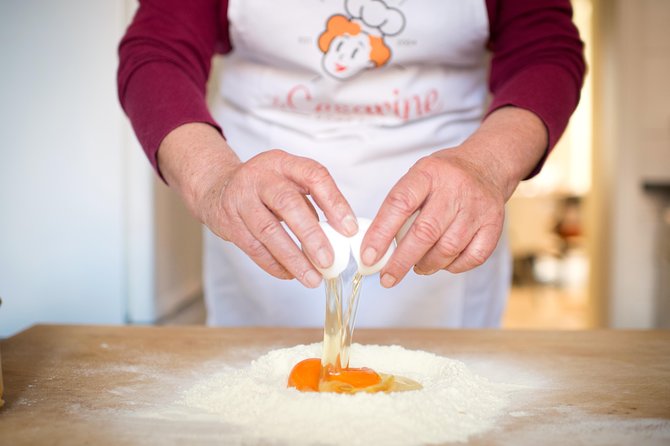
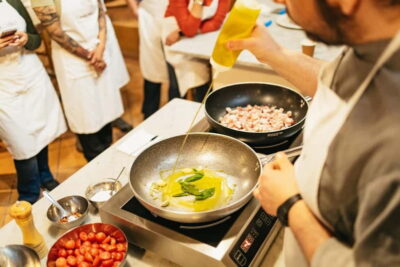
The class starts with a welcome that includes a small appetizer and aperitif. Then it’s straight into the main event: mixing, kneading, and shaping fresh pasta with traditional Tuscan techniques.
Here’s what you’re really learning, even if you forget the exact step order later:
- How pasta dough should feel when it’s ready to work (not too dry, not too sticky)
- How to handle the dough as you roll it and prevent it from tearing
- How shaping changes the experience of eating (wide ribbons vs. stuffed shapes)
The menu can include different styles, but the skills carry over. Once you understand how the dough behaves and how the host corrects common mistakes, you can keep practicing back home.
If you get a host like Donatella, some participants specifically call out her patience during teaching (including learning tortellini from scratch). If you connect with a host like Ivana, you’ll likely feel the same “slow down and get it right” approach that makes beginners confident.
From apéritif to the table: how the meal really works
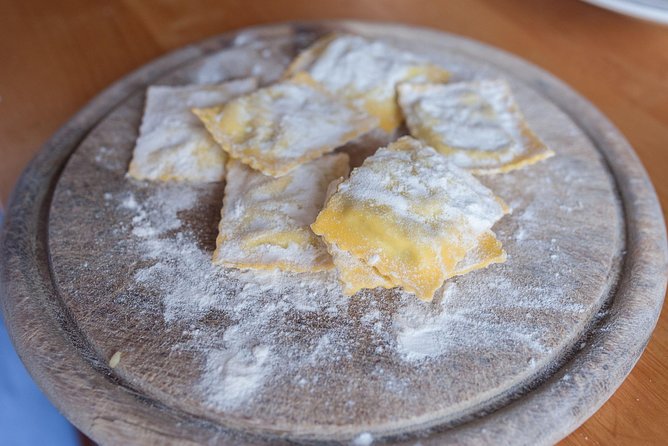
After the pasta is ready, you all sit down together in a cozy home setting. This is where the experience shifts from cooking to eating, and I like that it’s not treated like an afterthought.
You raise a glass of local wine as part of the meal. The wine is included at a simple ratio—one bottle per three guests—so you’re not doing mental math all evening. You’ll also enjoy what you made, which is a big difference from many cooking classes where you’re mostly paying for technique.
This is also the point where the “Florence hospitality” angle becomes real. You’re not only learning how to cook. You’re getting a sense of how Italians turn food into a shared moment: talk, taste, adjust, and enjoy.
What pasta you might make in Florence (pici, tortelli, pappardelle)
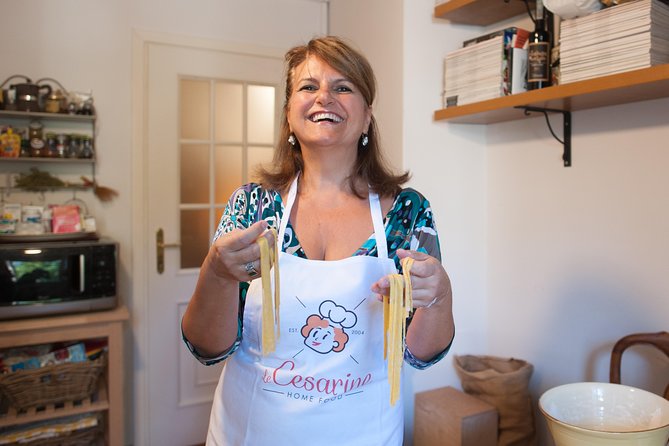
You may make one or more classic pastas, depending on what the host has planned. The class lists pappardelle, tagliatelle, ravioli as options, and the sample regional pasta names include pici, tortelli, and pappardelle.
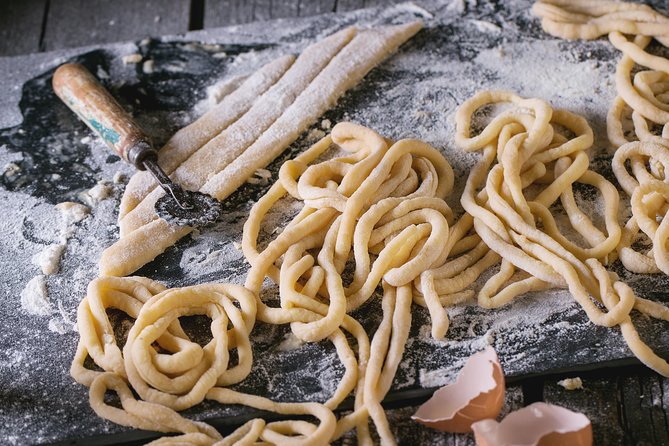
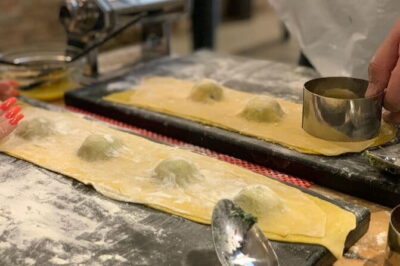
If you end up making pici or pappardelle, you’ll get a great feel for Tuscan textures—thicker, more rustic, and designed to hold sauce rather than disappear in it. If your class leans toward stuffed shapes like tortelli or ravioli, you’ll practice a totally different skill set: portioning, sealing, and shaping so the filling stays put.
Some people also report making multiple types in the same session, including tortellini, which is a nice bonus if you want a bigger variety of technique in your one-and-a-half hours.
Practical tip: don’t overthink whether you’re “making it perfectly.” The goal is getting the dough and shaping methods down. When you can explain what you did and why it worked, you’ll carry the skill home.
Where it starts in Florence (Via Quintino Sella)
The meeting point is Via Quintino Sella, Firenze FI, Italy, and the activity ends back at that same meeting point.
That matters because Florence can feel a bit like a maze—great for wandering, but annoying if you’re trying to time a class. Starting and ending at the same spot helps you avoid the stress of transit at the end, especially since your class is only about 1 hour 30 minutes.
You’ll want to bring your mobile ticket, since the experience uses one. And since it’s offered in English, you can focus on the food instead of translating cooking directions in your head.
- Tuscany Day Trip from Florence: Siena, San Gimignano, Pisa and Lunch at a Winery
★ 5.0 · 21,634 reviews


Group size, timing, and what to expect from the pace
With a maximum of 20 people, you should get a more personal flow than you would with a much larger class. It also helps the host keep an eye on everyone’s dough and progress.
Timing is tight but not rushed. You’ll have time to:
1) Start with a welcome drink and appetizer
2) Learn and work dough together
3) Shape pasta
4) Eat what you made with local wines
If you’re the type who likes to watch first, take notes mentally, and then jump in, you’ll still be fine. The format is hands-on, but guidance is part of the design.
One small consideration: kitchens in older European homes can be compact. You might stand close to others, and you’ll be moving in a working space. Wear shoes you don’t mind getting a little flour dust on.
Price and value: paying for food, wine, and real instruction
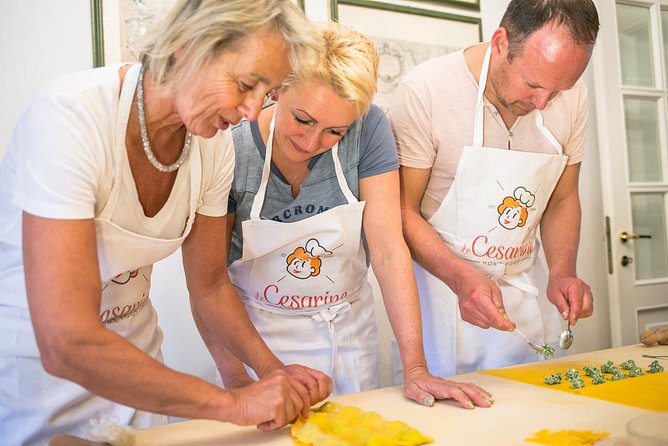
At $70.89 per person for about 1.5 hours, you’re not paying for a quick tasting. You’re paying for the full package: teaching, ingredients, and a meal you cooked yourself, plus local wine with the aperitivo.
That value is strongest if you want more than another guided walk or a quick restaurant stop. This class gives you a skill you can repeat, and it gives you dinner right after learning it—so you’re not hunting for food later or paying separately for a “second experience.”
If you’re traveling as a couple or small group, this one can also be a strong buy because the group setting doesn’t ruin the intimacy of the meal. Some people even highlight it as a honeymoon or couple-friendly experience, mainly because you get a shared activity and then eat together at home like locals do.
Who should book this pasta class (and who might skip it)
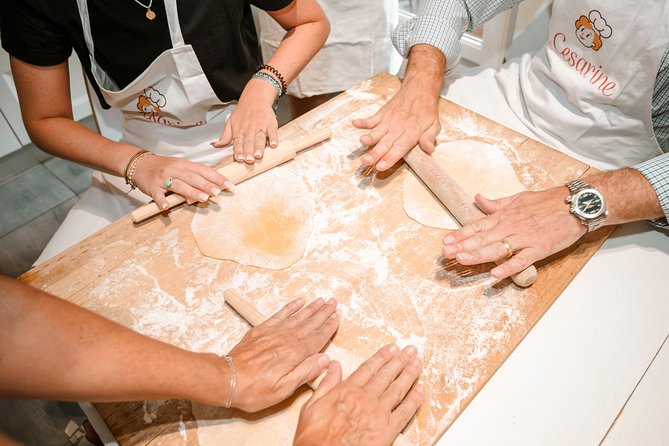
This class fits best if you want a hands-on Florence experience that’s more personal than most food tours.
I’d especially recommend it if:
- You’re curious about Tuscan pasta basics and want to practice, not just taste
- You like small-group social cooking and chatting with the host
- You want dinner that’s connected to what you learned, not just ordered off a menu
- You’re traveling as a couple, with teens and adults, or with friends who enjoy food skills
I’d consider skipping it if you only want to watch and don’t want to get your hands in dough, or if compact home kitchens make you uncomfortable.
Should you book this Florence pasta-making experience?
Yes, if you want a real local home experience with practical pasta skills and an included aperitivo-style meal. The small group size and English instruction make it easier to enjoy even if you’re a beginner.
Book sooner rather than later. On average, it’s reserved about 24 days in advance, which usually means popular dates can fill up.
If you want maximum enjoyment, treat it like a meal you’re learning to cook. Come hungry, be ready for hands-on work, and lean into the conversation with your host—because that’s where the Florentine warmth really shows.
FAQ
FAQ
How long is the Florence pasta-making class?
It lasts about 1 hour 30 minutes.
Is the class taught in English?
Yes. The experience is offered in English.
How many people are in the group?
The class has a maximum of 20 travelers.
What’s included with the class?
You’ll receive a small appetizer and aperitif to start, then you’ll make fresh pasta with expert guidance. Afterward, you’ll enjoy your home-cooked pasta paired with local wines.
Where does the experience start and end?
The meeting point is Via Quintino Sella, Firenze FI, Italy, and the class ends back at the same meeting point.
Is there free cancellation?
Yes, you can cancel for a full refund up to 24 hours in advance of the experience start time.
More Florence Tours We Have Reviewed
- Florence: Skip-The-Line Uffizi Gallery Timed Entry Ticket
★ 4.5 · 27,832 reviews - Tuscany Day Trip from Florence: Siena, San Gimignano, Pisa and Lunch at a Winery
★ 5.0 · 21,634 reviews - Florence: Timed Entry to Michelangelo’s David + Audio App
★ 4.6 · 19,496 reviews - Florence: Leonardo Interactive Museum Entry Ticket
★ 4.5 · 12,957 reviews - Florence: Michelangelo’s David Skip-the-Line Entry Ticket
★ 4.5 · 12,764 reviews
Fresh from our Florence review desk
- Transfer Between Florence and Rome with Sightseeing Stop★ 5.0 · 6 reviews
- Florence Highlights Walking Tour★ 5.0 · 6 reviews
- Florence: Guided Flavors of Tuscany Tour★ 5.0 · 6 reviews
- Florence : Photoshoot In The City★ 5.0 · 6 reviews
- Florence: Brunelleschi’s Dome climb Tour★ 4.0 · 6 reviews
- Dan Brown’s INFERNO Walk with a Local★ 3.5 · 6 reviews
Pasta, compared.
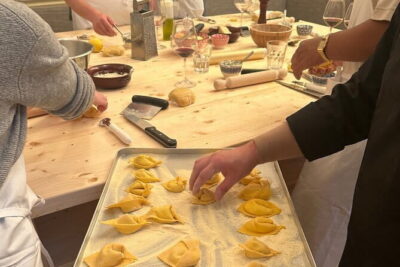 ★ 4.9Pasta Cooking Class with Unlimited WineFrom $2110,285 reviews
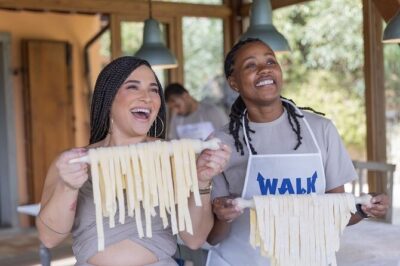 ★ 5.0Florence Pizza or Pasta Class with Gelato Making at a Tuscan FarmFrom $1456,801 reviews
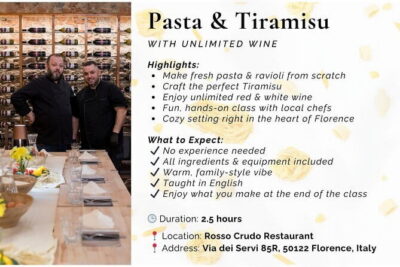 ★ 4.9Pasta & Tiramisu Cooking Class with Unlimited WineFrom $566,708 reviews
★ 5.0Pasta Cooking Class with Unlimited Wine6,413 reviews
★ 4.9Pasta & Tiramisu Cooking Class with Unlimited WineFrom $566,708 reviews
★ 5.0Pasta Cooking Class with Unlimited Wine6,413 reviews
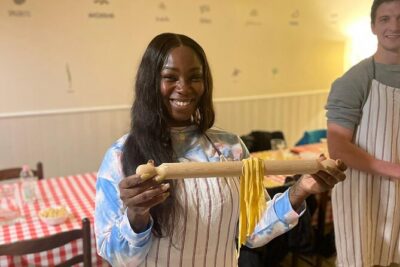 ★ 5.0Pastamania – Florence Pasta Making ClassFrom $493,050 reviews
 ★ 5.0Cooking Class Pasta & Tiramisu Making Unlimited WineFrom $892,234 reviews
 ★ 4.9Pizza or Pasta Class with Gelato at a Tuscan FarmFrom $1411,181 reviews
 ★ 4.9Premium Pasta and Gelato Cooking ClassFrom $63877 reviews
Browse the lists this tour appears in