
Reviewed · TUSCANY WINE TOURS
Tuscan Pasta & Wine Experience in San Gimignano: Cook & Taste
Fresh pasta with a view.
In San Gimignano, this private home cooking lesson turns a quick stop into real food time: you’ll make tagliatelle, gnudi, and ravioli from scratch, then taste what you made with local wines. I especially like that you’re not stuck watching—you’re kneading, shaping, and learning how the dough should feel. The setting matters too: guests talk about a gorgeous Tuscan-hills backdrop from the family home. The one possible drawback is the schedule is compact, so if you’re hoping for lots of sightseeing in town, you’ll need to plan your day around cooking and wine instead of strolling.
What makes it feel authentic is the pace and the people. One guest praised Lara for clear teaching and a genuinely fun classroom vibe, while another highlighted Laure and her family’s warm welcome. With a small group (up to 14), it’s less like a show and more like getting folded into a real kitchen rhythm.
In This Review
- Key Things I’d Watch For Before You Go
- San Gimignano’s Pasta Class: Why This Feels More Local Than Typical Tours
- Step-by-Step Pasta Time: Tagliatelle, Gnudi, and Ravioli
- Tagliatelle: learning the feel of the dough
- Gnudi: the lesson in texture, not just shape
- Ravioli: the hands-on moment everyone remembers
- What you’ll take away
- Sauces and Pairings: Getting Past the One-Size Pasta Rule
- Winery Tour and Three Local Wines: Tuscany Beyond the Kitchen Counter
- How the 3-Hour Flow Works (And How to Plan Your Day)
- Price and Value: Is $218.64 Worth It?
- What People Seem to Love Most (And Why It Matters to You)
- 1) The teaching style
- 2) Family welcome and atmosphere
- 3) The views and freshness
- Tips to Get the Most Out of Your Cooking + Wine Time
- Who Should Book This Tuscan Pasta & Wine Experience?
- Should You Book? My Straight Answer
- FAQ
- How long is the Tuscan Pasta & Wine Experience in San Gimignano?
- What time does the experience start?
- Where does the class meet?
- What time does it end?
- What pasta dishes will I make?
- Will there be wine involved?
- How many sauces are included?
- How big is the group?
- Is there mobile ticketing and will I get confirmation?
- What is the cancellation policy?
Key Things I’d Watch For Before You Go
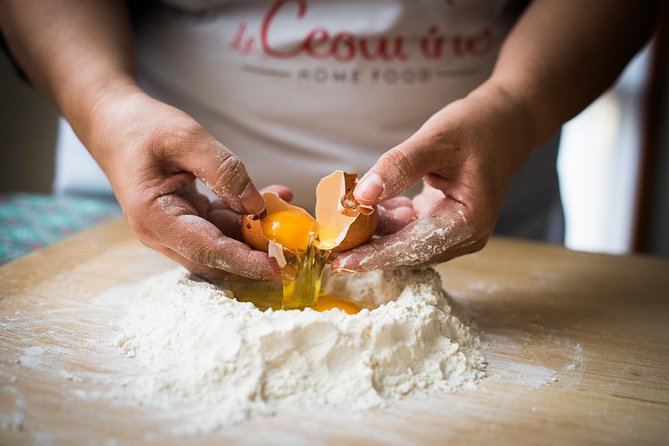
- Three pastas, not one: tagliatelle, gnudi, and ravioli, so you practice different shapes and textures.
- Wine is part of the class: you’ll do a winery visit and taste three local wines, paired with what you cook.
- Only a few hours: about 3 hours total, so come ready to work and taste on the same timeline.
- Guidance for different skill levels: the class can be adjusted to your kitchen comfort.
- A mix of workshop + countryside time: it’s not just pasta; you also get the winery stop in the Tuscan area.
More San Gimignano days out of San Gimignano
San Gimignano’s Pasta Class: Why This Feels More Local Than Typical Tours
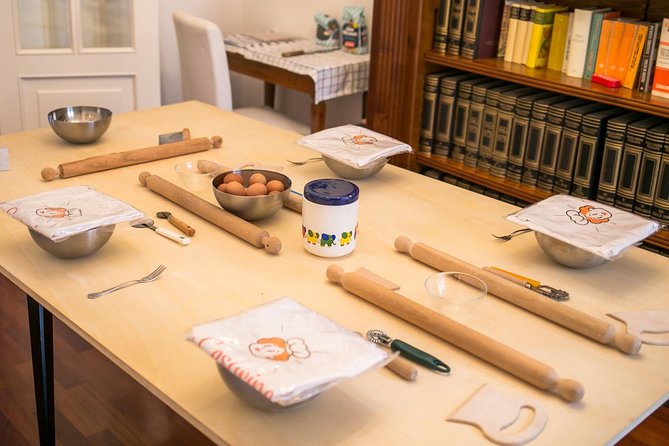
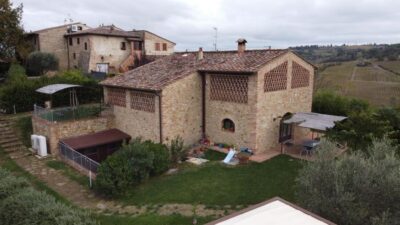
San Gimignano is famous for towers and stone streets, but this experience shifts your day to the other side of Tuscany: food you make with your hands. You start at Località Casale, 26, and you head straight to a private home kitchen, which changes everything. In a place like this, you learn by doing, not by rushing through bites.
I like that the class is built around a simple goal: fresh pasta you can actually reproduce later. That means you get taught the mechanics—how the dough comes together, how to roll, how to shape. Then you eat the results right away, paired with sauces and wine, which is when the lessons really stick.
A practical thing to keep in mind: this is a short, focused block of time. The total duration is about 3 hours, and it ends back at the meeting point. If you’re the type who likes to wander freely through town before and after, build in a buffer so you’re not sprinting across the day.
Step-by-Step Pasta Time: Tagliatelle, Gnudi, and Ravioli
This is the core of the experience, and it’s why it’s worth your time in Tuscany. You’ll prepare three classic pasta dishes from scratch:
Tagliatelle: learning the feel of the dough
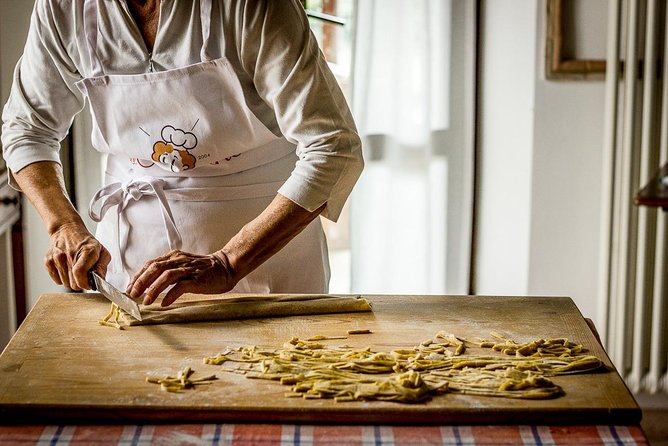
Tagliatelle is the most familiar shape to most people, but learning to make it from scratch is still a mini skill-building session. You’ll work the dough, roll it out, and cut it into ribbons. The big payoff is understanding how the dough behaves—when it’s too dry, when it’s too soft, and how it responds to handling.
Why this matters: tagliatelle is one of those “simple when you get it” pastas. Once you know the texture and thickness, you can adapt the technique later for other egg pasta shapes at home.
Gnudi: the lesson in texture, not just shape
Gnudi are often described as Italian dumplings that are similar to ricotta-based pasta, but they’re not the same as ravioli. You’ll make gnudi as part of the lesson, which is a great way to learn that pasta making isn’t only about rolling. It’s also about shaping and finishing so the result holds together when cooked.
This is a good dish to learn if you like surprises. People often know ravioli. Fewer people know gnudi, and it’s a chance to bring something new to your cooking repertoire.
Ravioli: the hands-on moment everyone remembers
Ravioli is the big one. Even if you’ve had it in restaurants, making it in a home kitchen forces you to pay attention to sealing and portioning. The lesson typically covers how the filling and dough work together, so the ravioli cooks properly instead of splitting or turning mushy.
I find ravioli is where class instruction really pays off. It’s hands-on, and it’s also the point where you’ll appreciate having a teacher nearby to correct small technique issues early.
More Tuscan cellars worth the drive from San Gimignano


What you’ll take away
You’re not just collecting recipes. You’re learning how to execute three different pasta styles. That gives you a broader base than a single-dish workshop, and it makes it easier to cook confidently after the trip.
Sauces and Pairings: Getting Past the One-Size Pasta Rule
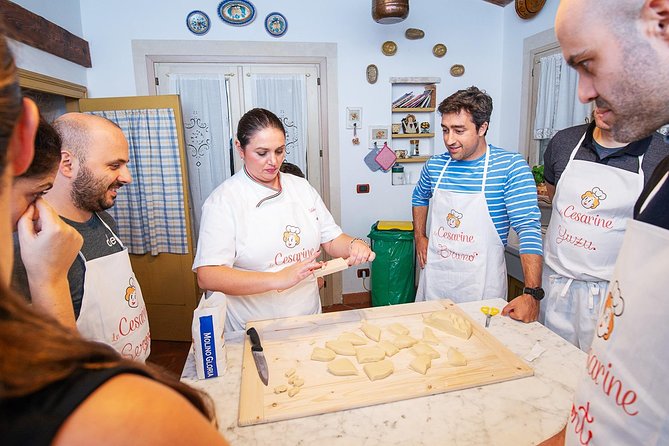
The class includes two homemade sauces to pair with what you make. The wording can sound simple, but the value is actually in the matching. Pasta is one thing. Sauce is another. And the point of a good lesson is to connect them.
In practice, you’ll learn the logic of pairing by tasting and by adjusting as you go. If you make tagliatelle and then taste it with the sauce prepared for that pairing, you start to understand how thickness, richness, and flavor balance can change the whole dish.
Here’s what I’d watch for as you cook:
- Don’t treat sauce as an afterthought. Taste it as its own thing, then again over pasta.
- Pay attention to consistency. Some sauces need cling; others need to spread.
- Use the class pacing to ask questions. If the teacher explains why a sauce is made a certain way, it’s often transferable to your own kitchen later.
Also, since this is a group class in a private home, you’re more likely to get specific feedback than in a big commercial setting. That’s part of why small-group cooking works: you can actually correct what’s not right before the dish is gone.
Winery Tour and Three Local Wines: Tuscany Beyond the Kitchen Counter
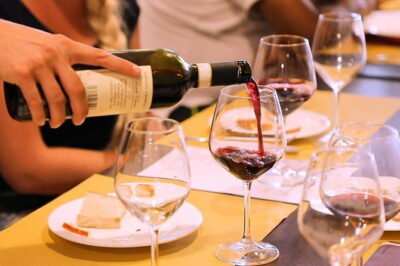
Food lessons are fun, but Tuscany has another half: wine culture. This experience includes a winery tour and a tasting of three local wines in addition to your pasta-making.
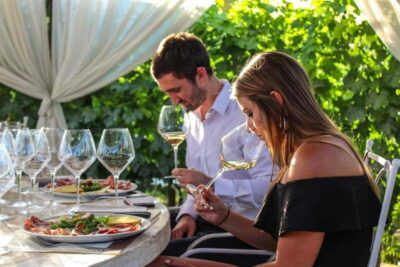
Even if you’re not a wine expert, the tasting format is straightforward. You’ll sample three wines, which gives you a small, memorable cross-section of what local producers are doing. Paired with the pasta you just made, wine also becomes part of the teaching. You can taste how different styles change the way a dish feels.
Why that pairing matters: pasta is comforting, but it can also be rich. Wine selection becomes a real flavor tool—something you can notice immediately rather than reading about in a book. That makes the experience useful, not just scenic.
A note for planning: the winery part is part of the same 3-hour flow. So you’re not dealing with a separate half-day tour. You’ll get the countryside/winery vibe without needing to add more transport time to your itinerary.
How the 3-Hour Flow Works (And How to Plan Your Day)
Start time is 10:30 am, and the class lasts about 3 hours. You begin at Località Casale, 26, and you end back at the meeting point. There’s a mobile ticket, and confirmation is received at booking.
You’ll also be in a group that’s capped at 14 travelers. That small cap is not just a comfort detail. It affects how much individual attention you can get. In a tighter group, the instructor can slow down for people who need help with dough handling, while still keeping the whole room moving.
Here’s how I’d think about the day:
- Go with the mindset that this is your main activity, not a side quest.
- Plan to eat there—since you’ll be sampling the dishes you make, there’s no need to squeeze in a big meal right before.
- If you want towers and streets time in San Gimignano, schedule it around the cooking block instead of trying to do both back-to-back with no margin.
Also, the meeting location is near public transportation, which is helpful. Still, you’ll want to make sure you understand how you’ll get to Località Casale, 26, the same day. A little pre-check saves stress.
Price and Value: Is $218.64 Worth It?
At $218.64 per person, this isn’t a cheap hobby. But you’re paying for a bundle that many separate tours charge for individually: hands-on pasta instruction, ingredients, tastings of what you cook, plus a winery tour and three local wines.
Here’s how I evaluate the value:
- Skill transfer: learning to make three pasta types from scratch is more than entertainment. It’s instruction you can use later at home.
- All-in-the-same-experience: you’re not spending separate days hunting for a cooking class and a winery tasting. It’s all coordinated inside one time window.
- Small-group feel: up to 14 people helps keep it personal, which is exactly what you want for dough work.
If you already love cooking and want something hands-on (not a demonstration), the price starts to make sense fast. If you’re mostly in San Gimignano for architecture photos and quick bites, you might feel the cost more sharply because you’re trading time from sightseeing.
One more reality check: the class is only about 3 hours. That’s part of the appeal for busy travelers, but it also means you’re not going to become a full pasta expert in one session. The value comes from the fundamentals and the chance to practice with guidance.
What People Seem to Love Most (And Why It Matters to You)
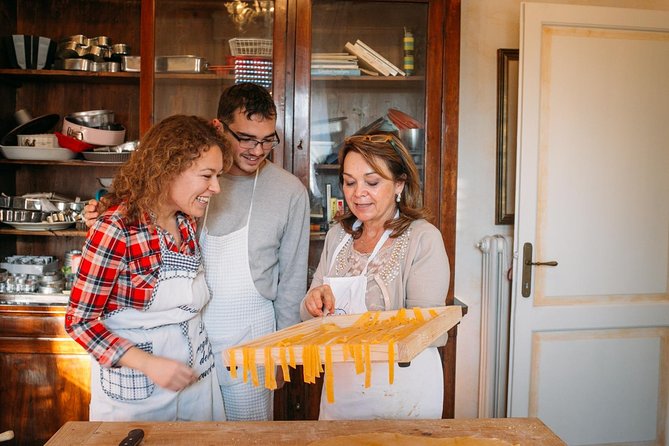
The strongest praise centers on three themes:
1) The teaching style
Guests specifically called out Lara as an excellent teacher, with recipes described as delicious and instruction described as helpful for both beginners and more experienced cooks. That matters because pasta success is mostly technique. If the teacher explains the right corrections early, you’ll have a better class and better results to taste.
2) Family welcome and atmosphere
People also mentioned a welcoming family dynamic and lots of laughter. That doesn’t just make the evening nicer—it lowers the pressure. Pasta can be intimidating at first. A relaxed room helps you focus on learning instead of worrying about messing up dough.
3) The views and freshness
The Tuscan hills view from the home is repeatedly mentioned, along with local, fresh food. Freshness is more than a marketing word here. When you make pasta and then eat it while it’s still at its best, the quality difference is obvious.
There’s also one important caution from a less-smooth booking situation: miscommunication can happen between the booking platform and the tour operator. To protect your trip, keep your confirmation details handy and double-check day-of information. It’s a small step that can prevent a lot of frustration.
Tips to Get the Most Out of Your Cooking + Wine Time
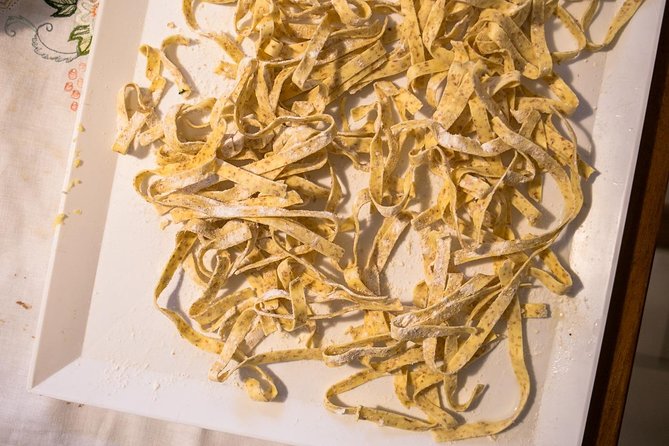
You’ll have the best experience if you walk in ready to participate. A few practical ideas:
- Arrive on time at Località Casale. With a 10:30 am start, late arrivals can throw off the pacing for everyone.
- Be ready to taste as you go. Since you’ll sample each pasta recipe paired with wine, you’ll want to keep your water intake up and not overbook right before.
- Ask what to fix, not just how to do it. If dough tears, if ravioli won’t seal, if gnudi don’t form right—ask for the correction. That’s the real takeaway.
- Treat the winery tasting like part of the meal, not a separate event. Notice how wine changes the flavor experience of pasta, and you’ll enjoy it more.
One more thought: dietary needs aren’t stated in the provided details. If you have allergies or restrictions, contact the operator before booking. Don’t assume pasta classes can handle every need.
Who Should Book This Tuscan Pasta & Wine Experience?
This one is best for people who want:
- A hands-on cooking lesson in a real kitchen setting
- Wine tasting that’s actually connected to food, not just a standalone pour
- A small-group experience with personal attention
- A break from typical sightseeing days in Tuscany
It might not be ideal if:
- You want mostly walking tours and town views and would rather skip cooking work
- You strongly prefer longer activities without a tight 3-hour schedule
- You need extensive dietary accommodations and haven’t confirmed they can be handled
Should You Book? My Straight Answer
I’d book this if you want a memorable Tuscany moment that’s practical, not just pretty. The combination of three pasta types, taught step-by-step, plus a winery stop with three local wines hits a sweet spot: skills, taste, and a countryside setting in one compact block.
If you’re on the fence, think about your cooking comfort. The class is designed to be adjustable to your skill level, and guests praised how well it works for both beginners and more experienced cooks. For most food lovers, that’s a strong sign.
Just do two things to keep it smooth: double-check your confirmation details before you go, and plan your day so you can fully enjoy the 10:30 am start without stress.
FAQ
How long is the Tuscan Pasta & Wine Experience in San Gimignano?
It runs for about 3 hours.
What time does the experience start?
The start time is 10:30 am.
Where does the class meet?
The meeting point is Località Casale, 26, 53037 San Gimignano SI, Italy.
What time does it end?
It ends back at the meeting point.
What pasta dishes will I make?
You’ll prepare tagliatelle, gnudi, and ravioli.
Will there be wine involved?
Yes. The experience includes a winery tour and tasting of three local wines.
How many sauces are included?
The class includes two homemade sauces.
How big is the group?
The maximum group size is 14 travelers.
Is there mobile ticketing and will I get confirmation?
Yes, it’s a mobile ticket, and confirmation is received at booking.
What is the cancellation policy?
You can cancel for a full refund up to 24 hours before the experience’s start time (free cancellation). If you cancel less than 24 hours before, the amount paid will not be refunded.
More San Gimignano Tours We Have Reviewed
- Tuscan Cooking Class
★ 5.0 · 584 reviews - Visit Best Wineries in Tuscany – Wine Tasting & Tour
★ 4.5 · 263 reviews - San Gimignano: Lunch or Dinner at a Winery with Wine Tasting
★ 4.7 · 177 reviews - Wine and food tasting in an organic family winery
★ 5.0 · 170 reviews - San Gimignano: Wine and Oil Tasting with Tuscan Appetizers
★ 4.6 · 156 reviews
More Tuscan Wine to Taste
- Visit Best Wineries in Tuscany – Wine Tasting & Tour
★ 4.5 · 263 reviews - San Gimignano: Lunch or Dinner at a Winery with Wine Tasting
★ 4.7 · 177 reviews - Wine and food tasting in an organic family winery
★ 5.0 · 170 reviews - Private Wine & Oil Tasting with Lunch
★ 4.5 · 113 reviews - Lunch with Wine Tasting
★ 4.5 · 106 reviews
More San Gimignano Day Trips
- San Gimignano: Lunch or Dinner at a Winery with Wine Tasting
★ 4.7 · 177 reviews - San Gimignano: Wine and Oil Tasting with Tuscan Appetizers
★ 4.6 · 156 reviews - San Gimignano: 2-Day Pass – Torre Grossa and Duomo Tickets
★ 4.4 · 133 reviews - San Gimignano: Vineyard and Cellar Tour with Wine Tasting
★ 5.0 · 80 reviews - San Gimignano: Truffle Hunting with Lunch & Wine Tasting
★ 4.6 · 72 reviews
Fresh from our San Gimignano review desk
- Golden Grains & Gourmet Pasta Cooking Class★ 5.0 · 3 reviews
- Extra Virgin Olive Oil Experience★ 4.5 · 3 reviews
- San Gimignano: Winery Visit with Picnic in Olive Grove★ 5.0 · 3 reviews
- San Gimignano: Wine Tasting Experience at Il Colombaio★ 4.7 · 3 reviews
- SAN GIMIGNANO: DEGUSTAZIONE CON VISTA SULLE TORRI★ 3.3 · 3 reviews
- Siena: Chianti Countryside Guided Bike Tour and Light Lunch★ 3.5 · 3 reviews
Tuscany Wine Tours, compared.
 ★ 5.0Tuscany Day Trip from Florence: Siena, San Gimignano, Pisa and Lunch at a WineryFrom $11421,634 reviews
 ★ 4.5Chianti Wineries Tour with Wine TastingFrom $4110,071 reviews
 ★ 5.0Small-Group Wine Tasting Experience in the Tuscan CountrysideFrom $1077,392 reviews
 ★ 5.0SMALL-GROUP Wine Safaris: Tuscan Wine Tasting Tours from FlorenceFrom $1575,088 reviews
 ★ 5.0Winner 2025 Florence Sunset Food & Wine Tour by Eating EuropeFrom $1495,015 reviews
 ★ 4.8From Florence: Siena, San Gimignano, Pisa & Lunch at WineryFrom $1124,538 reviews
 ★ 4.5San Gimignano, Siena, Monteriggioni, Chianti Day Trip with Lunch & Wine TastingFrom $834,432 reviews
 ★ 4.5Chianti Wine Tour from FlorenceFrom $593,979 reviews
Browse the lists this tour appears in