
Reviewed · WORKSHOPS
5 Mornings Still Life Painting Guided Workshop in Florence
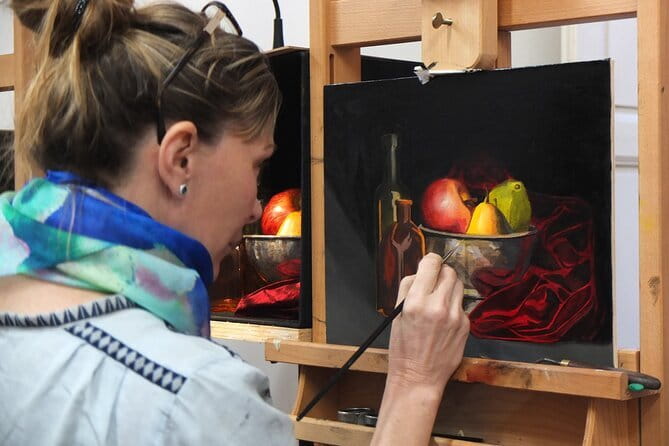
Florence turns art-making into something you can actually do. In this 5-morning oil still life workshop, you learn the full process in a real studio setting, not a demo-and-leave situation. You’ll create a finished painting you can take home, while working with a professional artist in the historic center.
I love the small group setup (max 10), because it keeps the teaching personal. I also love that instructors Laura and Frank guide you through the fundamentals step by step, so beginners can feel grounded fast.
One consideration: you’re committing to five consecutive mornings (the last day lands the following Monday if you start mid-week), so check your Florence schedule before you book.
In This Review
- Key moments that make this workshop work
- Why a Florence still-life workshop feels different than a classroom
- Entering the studio: the comfort factor with Laura and Frank
- The 5 mornings rhythm: a 15-hour course that builds, not scatters
- How the start date works (so you don’t get surprised)
- Your finished painting starts with a still life you actually set up
- Step-by-step: from materials talk to your oil-primed panel
- Why the sight-size lesson is the real foundation
- Tonal underpainting: getting your lights and darks to behave
- Full color and finishing details: turning the underpainting into something alive
- What it’s like to learn one-on-one in a max-10 group
- Bringing your artwork home: the practical end of the course
- Price and value: is $789.39 fair for 15 hours in Florence?
- Who should book this workshop (and who should think twice)
- Should you book 5 Mornings Still Life Painting in Florence?
- FAQ
- How long is the workshop?
- What time does it start each day?
- Do I need any painting experience?
- How many people are in the group?
- What will I paint?
- What does the course include?
- Can I choose my start weekday?
- Where do I meet the instructor?
- Will I be able to bring my painting home safely?
- Is there free cancellation?
Key moments that make this workshop work
- Small group, maximum 10: real back-and-forth help while you work, not generic tips.
- Sight Size drawing method: learn a classic approach used by John Singer Sargent for accurate proportions.
- Full oil workflow: from tonal underpainting to final details, not just sketching.
- Color mixing instruction: you learn how to build the colors you need instead of copying blindly.
- Studio-to-home practicality: your painting gets packed for easier transport.
With a local guide, more of Florence to explore

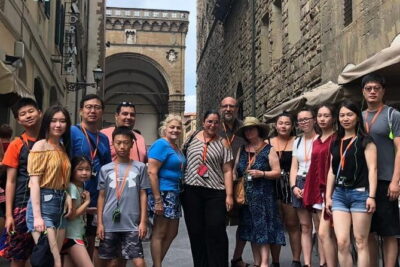
Why a Florence still-life workshop feels different than a classroom
Florence is one of those places where art is in the air. Even if you’re not chasing museums all day, being in an artist-focused workshop in the historic center gives the whole process a sense of purpose. You’re learning a skill and making something physical at the same time.
A still-life course also helps in Florence because it trains your eye in a controlled way. Street scenes can be tempting, but still life is about light, values, and edges—exactly the building blocks that make your future painting better, anywhere.
Entering the studio: the comfort factor with Laura and Frank
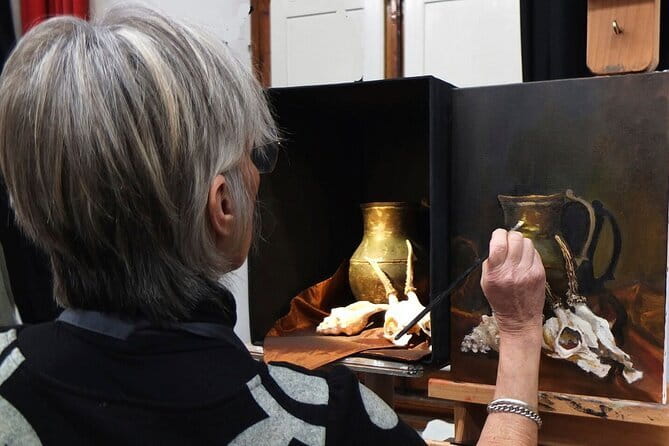
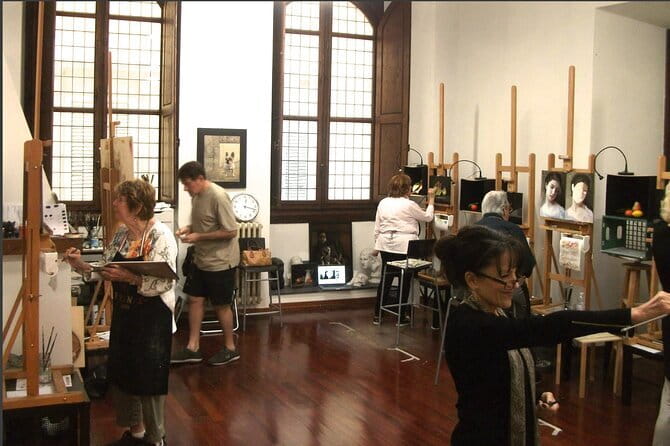
This course is taught in a light-filled palazzo studio in the heart of Florence. That setting matters more than you’d think. When you’re staring at color and shadow for hours, natural light and a calm work space help you stay focused.
What stands out from the experience is the relaxed, welcoming teaching style from Laura and Frank. The vibe you’re looking for is: you can ask questions, you won’t feel silly starting from zero, and you’ll still be pushed to paint with intention.
With a max group size of 10, you’re not competing for attention. You get clearer guidance because the instructors can see what you’re actually doing on your panel, not just what you tell them you did.
The 5 mornings rhythm: a 15-hour course that builds, not scatters
The workshop runs for five mornings, about 3 hours per day for a total of roughly 15 hours. It’s designed as a sequence: you begin with drawing accuracy, then you transfer, then you establish value, then you add full color, then you finish.
You start at 10:00 am at the meeting point in central Florence: Borgo Santi Apostoli, 18, 50123 Firenze FI. The activity ends back at the meeting point. You’ll use your time efficiently because the course is structured around making one complete oil still life.
How the start date works (so you don’t get surprised)
You can choose a start date that matches your trip. The teaching runs Monday to Friday, and if you start on a weekday other than Monday, your last day shifts to the following Monday. This flexibility is useful if you’re already moving hotels or planning day trips.
Your finished painting starts with a still life you actually set up
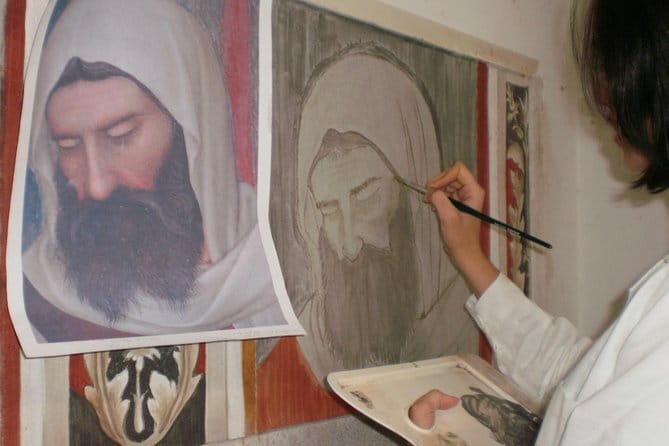
You won’t just paint what someone else brings. You’ll set up a simple still life at the studio using available objects and props. That detail is key because it makes the painting yours, and it also teaches you something practical: how to arrange objects so the light and shapes read clearly.
You’ll then draw the still life using Sight Size, a method strongly associated with John Singer Sargent. It’s not about copying what you see like a camera; it’s about measuring relationships while you draw. That means if your proportions are off, you’ll notice and correct them before you commit to oil paint.
And because it’s sight-size based, it helps you learn a repeatable method. Once you understand how to compare sizes and angles, you can apply it later at home with whatever objects you choose.
Prefer something else? A few more Florence tours to weigh up
- Cooking Class and Lunch at a Tuscan Farmhouse with Local Market Tour from Florence
★ 5.0 · 4,831 reviews



Step-by-step: from materials talk to your oil-primed panel
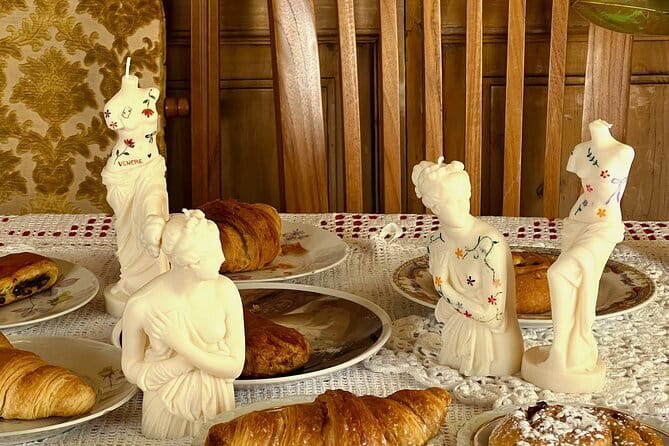
The workshop includes a lecture and demonstration of materials and methods, including color mixing. This is one of the smartest parts of the course, because oil painting can feel like a mystery if you only ever “paint what looks right.”
Here’s the workflow you’ll follow, in the order taught:
- Set up your still life using studio objects and props
- Draw using Sight Size to get structure and proportions
- Transfer the drawing to an oil primed linen panel
- Paint a tonal underpainting to establish values and light-vs-dark relationships
- Paint in full color
- Finish details
That progression is how you avoid the classic mistake of jumping straight to color. Values come first because they control the illusion. If your lights and darks are believable, your colors start to make sense.
Why the sight-size lesson is the real foundation
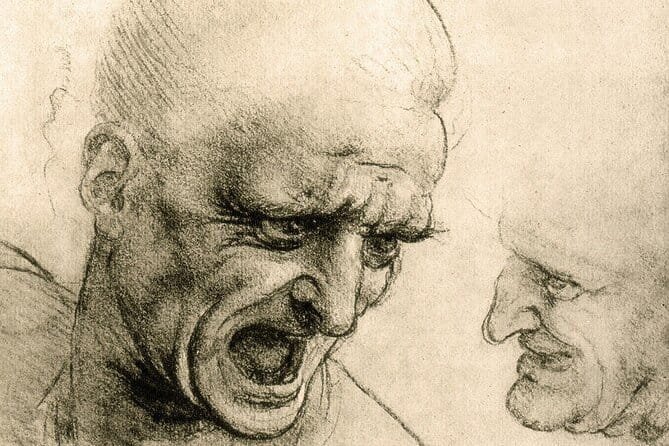
Sight Size can sound fancy, but the payoff is practical: it teaches you how to look. You’ll learn how to judge proportions and placement by comparing one part of the subject to another, rather than relying on memory.
If you’re a beginner, this is a relief. Instead of guessing, you’re using a method. If you’re more experienced, you’ll likely appreciate that it reinforces disciplined observation, especially when your eye starts drifting toward color and away from structure.
Either way, your drawing stage sets your future stages up. A good drawing makes the transfer easier, the tonal stage more accurate, and the final color layer more confident.
Tonal underpainting: getting your lights and darks to behave
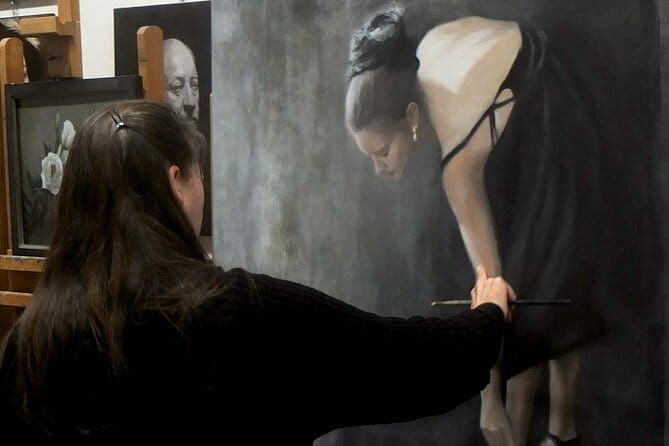
After your drawing transfers, you’ll paint a tonal underpainting. Think of this as building the skeleton of the painting. You’re establishing values and the contrast of light and dark shapes before you go full color.
This is one of those concepts that sounds simple until you try it. Tonal work forces you to look at your subject the way a painter does—squinting at what’s truly light, truly dark, and what’s in between.
In a workshop setting, you can get real-time coaching here. If your underpainting values are too similar, the instructors can steer you back. If your shapes are stronger than expected, they’ll show you how to use that strength.
Full color and finishing details: turning the underpainting into something alive
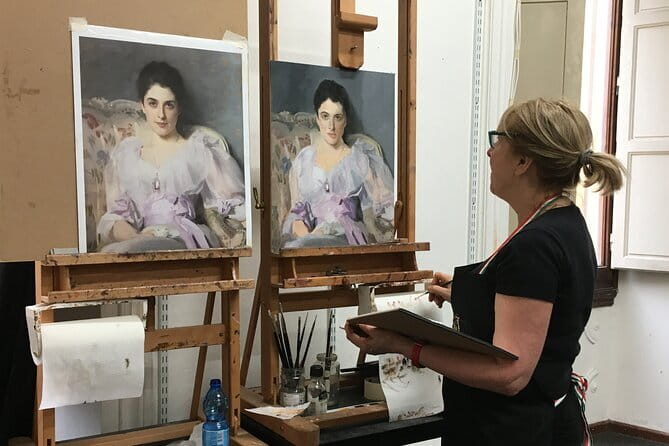
Once your tonal base makes sense, you’ll start painting in full color. This is where color mixing instruction becomes more than a classroom concept. You’ll learn how to create the colors you actually need by mixing, rather than hoping the first layer matches your reference.
When people struggle with painting, it’s usually because their colors are disconnected from the values underneath. The course design prevents that by sequencing the stages. You earn color by building the foundation first.
For the finishing phase, you’ll work on details to strengthen the finish. In still life, details aren’t about tiny perfection. They’re about clarifying edges, refining focal points, and making the shapes read clearly.
What it’s like to learn one-on-one in a max-10 group
Max 10 isn’t just a number on paper. In practice, it helps you get frequent check-ins without feeling rushed. The instructors can see where you’re stuck and correct the approach while paint is still workable.
The teaching style you’re getting from Laura and Frank also matters. One of the best things about the experience is how comfortable you feel in the studio right away. That comfort turns into better learning, because you’ll actually try things and ask questions.
And because the studio is in Florence’s historic center, the experience feels grounded in place. You’re not dodging distractions to learn. You’re focused, creating.
Bringing your artwork home: the practical end of the course
At the end, you leave with a unique still-life artwork. You’ll also get help with the logistics that usually stress people out: you pack your painting for easy transport home.
That matters because an oil painting can be fragile during travel. Having the studio prepare it reduces the chance of damage and makes the whole trip feel more seamless.
Price and value: is $789.39 fair for 15 hours in Florence?
At $789.39 per person, this isn’t a budget activity. But it isn’t random spending either.
You’re paying for:
- A professional-led course with Laura and Frank
- 15 hours of instruction across five mornings
- Small-group teaching (max 10)
- A complete oil workflow: drawing, transfer, underpainting, color, and finishing
- A finished, transport-ready painting
In other words, you’re paying for guided technique and materials handling through a whole process, not just a single class session. If you want to leave Florence with real skill and a real painting, the value is stronger than it looks at first glance.
If you’re only interested in a short intro or you’re just browsing for art vibes, you might find this too structured. But if you want an actual output and a teachable method, it’s a solid use of time.
Who should book this workshop (and who should think twice)
This workshop fits you if:
- You want to learn oil still-life painting step by step
- You’re a beginner who wants structure and reassurance
- You’re more advanced and want disciplined teaching like Sight Size
- You want a hands-on Florence experience that produces a tangible result
You might think twice if:
- You can’t commit to five mornings in sequence
- You only have time for quick art experiences without a full workflow
- You’re expecting a tour of Florence sights; this is a studio course, centered on making art
Should you book 5 Mornings Still Life Painting in Florence?
Yes, if you’re serious about learning how to paint, not just taking photos. The course design is clean: accurate drawing first, tonal underpainting next, color and detail after. The small-group setting and the teaching style from Laura and Frank make it feel comfortable and doable, even if you’ve barely painted before.
I’d book it if you want a Florence memory that you can hang at home—because it’s skill-building with a finish you can keep.
FAQ
How long is the workshop?
The workshop runs for about 5 days and includes roughly 15 total hours of instruction, with about 3 hours per morning.
What time does it start each day?
The start time is 10:00 am.
Do I need any painting experience?
No experience is necessary. The workshop is suitable for beginners, and it also supports more advanced students with personalized instruction.
How many people are in the group?
The group is limited to a maximum of 10 travelers.
What will I paint?
You’ll paint an oil painting still life of your own, after setting up a simple still life with available objects and props.
What does the course include?
The process includes a lecture and demonstration on materials and color mixing, Sight Size drawing, transferring to an oil primed linen panel, tonal underpainting, full color painting, and finishing details.
Can I choose my start weekday?
Yes. You can start on any weekday. Teaching runs Monday to Friday, so if you start on a Tuesday, your last day would be the following Monday.
Where do I meet the instructor?
The meeting point is Borgo Santi Apostoli, 18, 50123 Firenze FI, Italy.
Will I be able to bring my painting home safely?
Yes. The workshop includes packing your painting for easier transport home.
Is there free cancellation?
Yes. You can cancel for a full refund up to 24 hours in advance of the experience start time. If you cancel less than 24 hours before, the amount paid is not refunded.
More Florence Workshops
- Florence: Pasta Cooking Class with Unlimited Wine
★ 4.9 · 10,285 reviews - Florence Pizza or Pasta Class with Gelato Making at a Tuscan Farm
★ 5.0 · 6,801 reviews - Florence: Pasta & Tiramisu Cooking Class with Unlimited Wine
★ 4.9 · 6,708 reviews - Florence: Pasta Cooking Class with Unlimited Wine
★ 5.0 · 6,413 reviews - Cooking Class and Lunch at a Tuscan Farmhouse with Local Market Tour from Florence
★ 5.0 · 4,831 reviews
More Guided Florence
- The Best tour in Florence: Renaissance & Medici Tales – guided by a STORYTELLER
★ 5.0 · 12,316 reviews - Florence: Duomo Cathedral 60-Minute Guided Tour
★ 3.7 · 6,829 reviews - Uffizi Gallery: Renaissance Masterpieces Guided Tour
★ 4.6 · 6,070 reviews - Uffizi Gallery Small Group Tour with Guide
★ 4.5 · 4,923 reviews - Florence: Highlights Walking Tour with Expert Guide
★ 4.6 · 4,662 reviews
More Florence Tours We Have Reviewed
- Florence: Skip-The-Line Uffizi Gallery Timed Entry Ticket
★ 4.5 · 27,832 reviews - Tuscany Day Trip from Florence: Siena, San Gimignano, Pisa and Lunch at a Winery
★ 5.0 · 21,634 reviews - Florence: Timed Entry to Michelangelo’s David + Audio App
★ 4.6 · 19,496 reviews - Florence: Leonardo Interactive Museum Entry Ticket
★ 4.5 · 12,957 reviews - Florence: Michelangelo’s David Skip-the-Line Entry Ticket
★ 4.5 · 12,764 reviews
Fresh from our Florence review desk
- Small-Group Pasta Cooking Class and Market Tour in Florence★ 5.0 · 3 reviews
- Palatina Gallery and Pitti Guided Tour in Florence★ 5.0 · 3 reviews
- Tuscan Evening Tour: Fiat 500, 8:30 to 10 PM★ 5.0 · 3 reviews
- Journey into Art: Florence’s Accademia★ 4.5 · 3 reviews
- Paint and Drink Florentine Hills★ 5.0 · 3 reviews
- Truffle hunting and lunch experience, with Vinci and winery.★ 4.5 · 3 reviews
Workshops, compared.
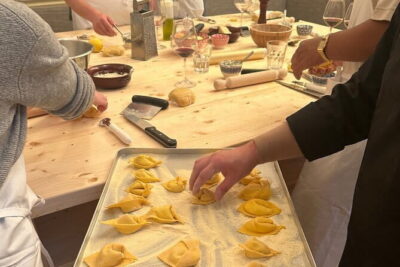 ★ 4.9Pasta Cooking Class with Unlimited WineFrom $2110,285 reviews
 ★ 5.0Florence Pizza or Pasta Class with Gelato Making at a Tuscan FarmFrom $1456,801 reviews
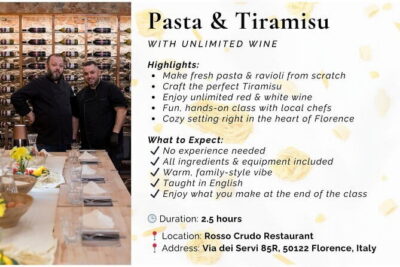 ★ 4.9Pasta & Tiramisu Cooking Class with Unlimited WineFrom $566,708 reviews
★ 5.0Pasta Cooking Class with Unlimited Wine6,413 reviews
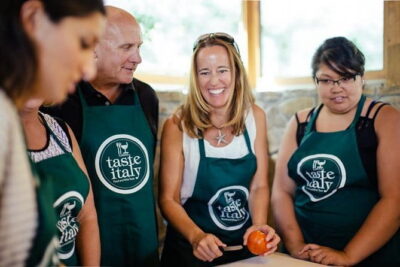 ★ 5.0Cooking Class and Lunch at a Tuscan Farmhouse with Local Market Tour from FlorenceFrom $1454,831 reviews
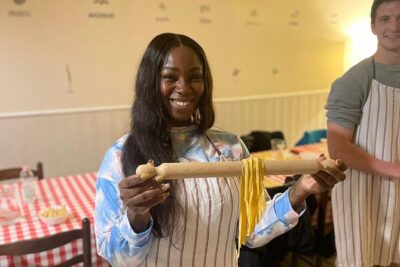 ★ 5.0Pastamania – Florence Pasta Making ClassFrom $493,050 reviews
 ★ 5.0Cooking Class Pasta & Tiramisu Making Unlimited WineFrom $892,234 reviews
 ★ 5.0Florence Cooking Class The Art of Making Gelato & Authentic PizzaFrom $642,053 reviews
Browse the lists this tour appears in