

Reviewed · MEDICI & RENAISSANCE TOURS
The Best tour in Florence: Renaissance & Medici Tales – guided by a STORYTELLER
Florence gets clearer with a good story. This guided walk links the Renaissance to the Medici family and shows you where the politics, art, and power actually played out. You cover major squares and monuments in about 2 hours 15 minutes, with a licensed storyteller leading the way in English.
I especially like two things: you get a tight orientation route in one go, and the guide focus stays on meaning, not just dates. You’ll also leave with practical tips on what to see next and how to move around town.
One consideration: entry fees are not included for most stops, so you should budget for tickets if you want to go inside—especially if your finish point connects you to bigger museum plans.
In This Review
- Key highlights before you lace up
- Medici Tales turns Florence into one connected story
- Stop-by-stop walk: San Lorenzo to Piazza della Signoria
- Stop 1: Basilica di San Lorenzo (about 20 minutes)
- Stop 2: Palazzo Medici Riccardi (about 20 minutes)
- Stop 3: Piazza del Duomo (about 20 minutes)
- Stop 4: Museo Casa di Dante area outdoors (about 5 minutes, free)
- Stop 5: Piazza della Repubblica (about 20 minutes)
- Stop 6: Piazza della Signoria (about 20 minutes)
- Final stop: Ponte Vecchio (about 10 minutes, free)
- Duomo squares and Dante’s street corner: what you’re really learning
- Ponte Vecchio finish near Uffizi: how this sets up your next move
- Price and what you must pay separately
- Guide style and group size: getting real attention in a short tour
- Should you book this Florence Renaissance tour?
- FAQ
- How long is the Renaissance & Medici Tales tour?
- What language is the tour offered in?
- Is admission included for the stops?
- Where does the tour start?
- Where does the tour end?
- How many people are in the group?
- Do I need to pay a tip?
Key highlights before you lace up
- Medici-centered storyline that explains why these buildings matter
- Licensed guide with a true storytelling style, not a lecture
- Small-group feel with a max of 30 people
- Fast stop sequence across San Lorenzo, Medici spaces, the Duomo area, and the Signoria
- Free photo stops like Dante’s neighborhood outdoors and the view at Ponte Vecchio
- Pay-what-you-wish tipping culture, so you can match your budget to your experience
Deeper into Medici Florence and its Renaissance

Medici Tales turns Florence into one connected story
If Florence feels like a pile of impressive buildings, this is the fix. The trick here is how the route is framed: the walk is built around the Medici influence, and you get context for what you’re looking at while you’re still standing in the exact spot. That matters, because Renaissance Florence wasn’t just art—it was power, patronage, rival families, and public image.
This tour also works because it’s paced like a city walk, not a museum marathon. You spend short, focused time at each place, then move on. That helps you remember the big ideas—why San Lorenzo matters, how Medici wealth shaped spaces around you, and how the city’s civic life shows up in plazas.
Finally, I like that the guides communicate like real humans. Names pop up repeatedly in the tour’s reputation—guides like Michele, Riccardo, Chiara, Glenda, and Angela are praised for clear speaking and bringing the streets alive. One standout detail: Michele has been singled out for WhatsApp meeting updates, which is exactly what you want in a maze of streets and entrances.
Stop-by-stop walk: San Lorenzo to Piazza della Signoria
You start near Piazza di San Lorenzo and walk through a sequence of landmark areas. The stops are built to be high-impact in a short window, with about 20 minutes at most major points and a bit less at the smaller outdoor moments. Plan on walking time between squares too.
Stop 1: Basilica di San Lorenzo (about 20 minutes)
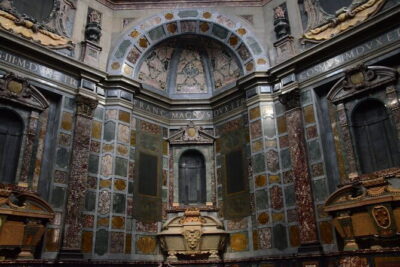
This is your Medici anchor point. The guide’s story here sets up why this church isn’t just architecture—it’s tied to the family’s identity and influence. Even if you don’t go inside, you’ll understand what you’re seeing and why it belongs in the bigger Renaissance plot.
Stop 2: Palazzo Medici Riccardi (about 20 minutes)
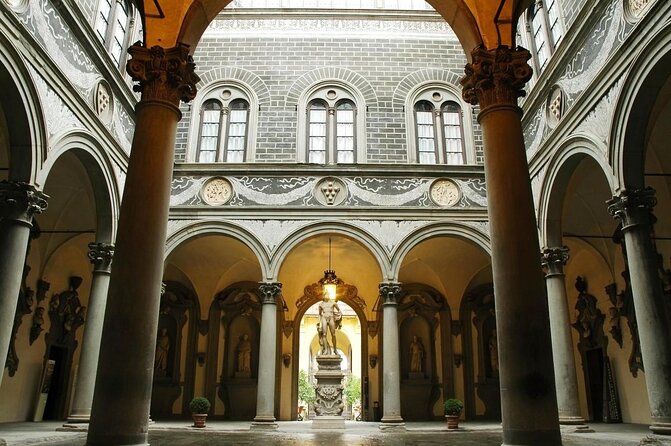
This is where you start reading power in stone. The palazzo connects the Medici name to elite life and patronage—how they presented themselves and how that shaped what Florence became. Expect a guided explanation that helps you spot details and grasp the social message behind the building.
Stop 3: Piazza del Duomo (about 20 minutes)
You get your Florence postcard moment, but with real context. The Duomo area is the heart of the city’s religious and civic gravity, and the guide ties it back to what was happening politically around it. You’ll walk away with a clearer sense of the geography—where you are relative to the rest of your day.
With a local guide, more of Florence to explore
- The Best tour in Florence: Renaissance & Medici Tales – guided by a STORYTELLER
★ 5.0 · 12,316 reviews


Stop 4: Museo Casa di Dante area outdoors (about 5 minutes, free)
This one is quick and intentionally light. You’re in the Dante neighborhood context without being stuck in a long indoor stop. It’s a nice reset in a tour that’s otherwise concentrated on major sites.
Stop 5: Piazza della Repubblica (about 20 minutes)
Here, the story shifts toward public space—how people moved through the city and how Florence’s center functioned. You’ll get the sense that this wasn’t just about grand patrons; Florence was also a stage for everyday civic life.
Stop 6: Piazza della Signoria (about 20 minutes)
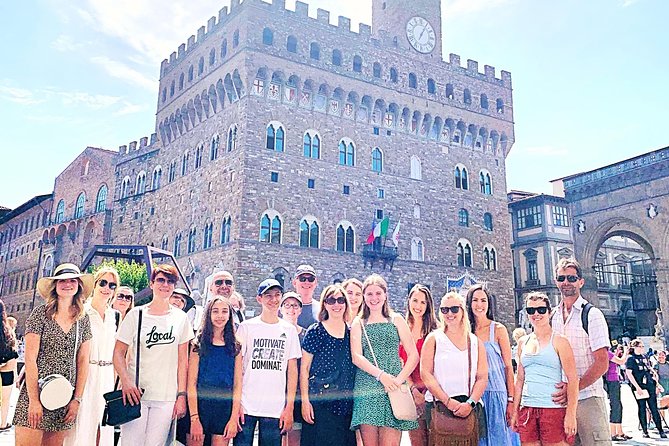
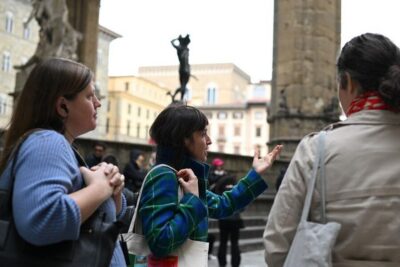
This is the political heart in outdoor form. The guide uses the square to explain the Renaissance link between art, governance, and public persuasion. Even if you’ve seen photos, standing here with an explanation changes what you notice first—composition, symbolism, and why leaders wanted visibility.
Final stop: Ponte Vecchio (about 10 minutes, free)
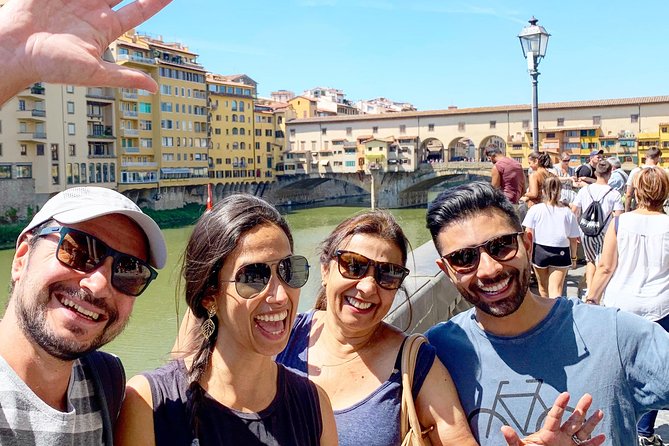
You close with one of the most famous river views. It’s shorter here on purpose, so you can enjoy the look and wrap your Florence “story arc” without sprinting across town.
Duomo squares and Dante’s street corner: what you’re really learning
The quality of a short tour lives or dies on what you take away between stops. This one focuses on cause-and-effect: who had influence, how it expressed itself in space, and why the city’s layout helped people see it.
In the Duomo area and around Piazza della Repubblica, you’re learning how Florence operates as a set of linked zones—religious core, civic stages, and patron-focused landmarks. That’s huge for first-time visitors. You’ll start to understand which neighborhoods cluster together and where to head next if you only have a day or two.
And Dante’s neighborhood adds a different angle: it gently reminds you that Florence’s cultural story isn’t only about Medici patrons. It’s also about writers, ideas, and the city’s long memory. The stop is outdoors and brief, so it doesn’t drag, but it gives you something memorable to carry forward.
The best part is how the guide’s storytelling style keeps it from feeling like an outline. Guides like Manuel have been praised for accuracy and for telling the story in a way that lands. That’s what you want: clarity, plus enough humor or energy to keep you moving (and not zoning out while you’re standing in line-of-sight of the next attraction).
Ponte Vecchio finish near Uffizi: how this sets up your next move
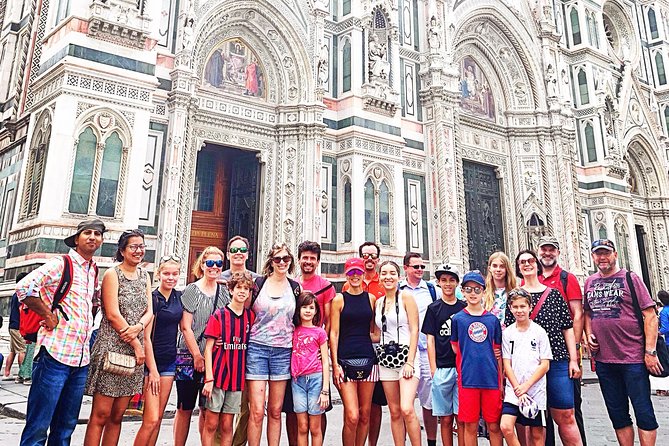
The tour ends by looking at Ponte Vecchio, and your official ending point is set by Uffizi Galleries area. Practically, that’s a smart choice because it puts you near one of Florence’s biggest art targets if you want to continue.
Here’s how I’d use this after the walk:
- If you’re heading into museums next, use the orientation you got to pick the right entrance and plan your time.
- If you’re skipping museums for the moment, you’ll still know where the city’s main gravity points are and you can wander with confidence.
Also, Ponte Vecchio is a great wind-down. It’s famous enough that it anchors the day, but the stop isn’t so long that it feels like you’re stuck there. After a tour like this, you want “one last wow” without losing your whole afternoon to logistics.
Price and what you must pay separately
The headline price you’ll see is very low (listed at $3.62 per person), which is why this tour is such a strong value play—time is the costliest thing in Florence. For about 2 hours 15 minutes, you get a licensed guide, a structured walk through top sights, and city tips that help you plan the rest of your day.
But here’s the honest part: admission tickets are not included for most stops. The pacing strongly suggests you’ll be viewing many sights from the outside, with the guide’s explanation doing the heavy lifting. Still, if you want to enter churches or museums tied to your stops, you’ll need to handle tickets on your own.
Tipping is also part of the culture. The guide’s effort is meant to be rewarded with a pay-what-you-wish approach, and one practical tip range you can use is €10 to €50. Bring some cash so you’re not scrambling at the end.
One note that’s worth taking seriously: at least one guide-and-ticket experience has involved an extra per-person entry fee (20€ noted) for a gallery-related admission. Even if your situation differs, the safest plan is simple—budget for tickets if you plan to go inside anything major.
Guide style and group size: getting real attention in a short tour
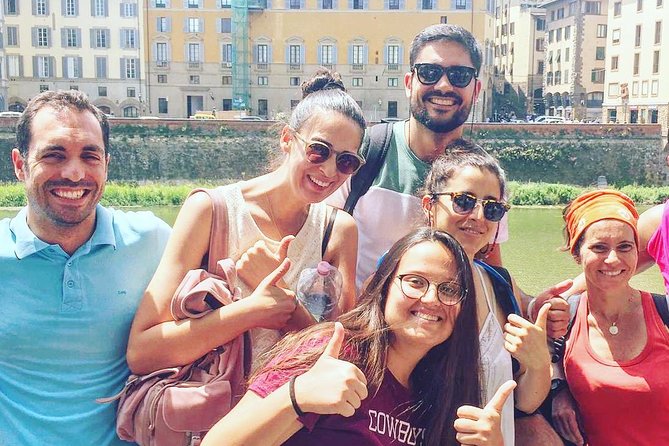
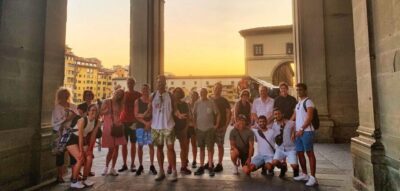
With a maximum of 30 travelers, you’re not stuck in a giant crowd, and it stays manageable for a walking route. You’ll still hear the guide, and you’ll have a better chance of asking questions—especially if your group energy stays cooperative.
The tour is offered as English, and you’ll have a mobile ticket. That matters because Florence is full of ticket booths, timed entry counters, and little “gotchas.” Mobile access reduces friction.
The best guides here seem to share three traits:
- Story first: they connect buildings to people and motives.
- Direction awareness: you finish the walk with a clearer sense of where things are.
- Friendly pacing: short stops keep energy up and help you actually absorb the street-level meaning.
When guides like Riccardo are mentioned for enthusiasm and knowledge-by-story form, that’s the point: you’re paying for interpretation, not just facts. And when people praise Michele as an actual storyteller, it usually means the tour feels like a guided stroll with context—exactly what works when you only have a limited amount of time.
Should you book this Florence Renaissance tour?
Book it if:
- You want Medici-centered context fast, without trying to build a whole Renaissance timeline on your own.
- You’re either a first-timer who needs bearings or a return visitor who wants a more meaningful way to revisit the big sights.
- You prefer guided walking explanations over sitting in museums all day.
Skip it (or adjust expectations) if:
- You’re only interested in long indoor visits and heavy ticket time—this is designed for focused stops and guided storytelling, not a museum-only plan.
- You don’t want to think about separate admission costs. Most stops clearly don’t include entry, so your final total depends on what you choose to enter.
If you’re flexible, comfortable walking, and you like stories that connect power to place, this is one of the better short tours for Florence.
FAQ
How long is the Renaissance & Medici Tales tour?
It runs about 2 hours 15 minutes.
What language is the tour offered in?
The tour is offered in English.
Is admission included for the stops?
No. The tour notes admission tickets are not included for most stops, while a couple of outdoor areas are listed as free.
Where does the tour start?
The tour starts at Florence Free Tour-Tale, Piazza di San Lorenzo, 50123 Firenze FI, Italy.
Where does the tour end?
It ends near the Uffizi Galleries area at Piazzale degli Uffizi, 6, 50122 Firenze FI, Italy, after looking at Ponte Vecchio.
How many people are in the group?
There is a maximum of 30 travelers.
Do I need to pay a tip?
Tips are pay-what-you-wish to reward the guide’s effort, with a suggested range of €10 to €50.
More Florence Tours to Weigh Up
- The Best Tour in Florence: Renaissance and Medici Tales
★ 5.0 · 10,810 reviews - Florence: Chianti Wineries Tour with Wine Tasting
★ 4.5 · 10,071 reviews - Florence: Duomo Cathedral 60-Minute Guided Tour
★ 3.7 · 6,829 reviews - Florence: Hop-on Hop-off Bus Tour: 24, 48 or 72-Hour Ticket
★ 4.0 · 6,283 reviews - Florence Accademia Gallery Tour with Entrance Ticket Included
★ 4.5 · 6,148 reviews
More Florence Tours We Have Reviewed
- Florence: Skip-The-Line Uffizi Gallery Timed Entry Ticket
★ 4.5 · 27,832 reviews - Tuscany Day Trip from Florence: Siena, San Gimignano, Pisa and Lunch at a Winery
★ 5.0 · 21,634 reviews - Florence: Timed Entry to Michelangelo’s David + Audio App
★ 4.6 · 19,496 reviews - Florence: Leonardo Interactive Museum Entry Ticket
★ 4.5 · 12,957 reviews - Florence: Michelangelo’s David Skip-the-Line Entry Ticket
★ 4.5 · 12,764 reviews
The Medici Story Continues
- The Best Tour in Florence: Renaissance and Medici Tales
★ 5.0 · 10,810 reviews - Uffizi Gallery: Renaissance Masterpieces Guided Tour
★ 4.6 · 6,070 reviews - Florence: Renaissance and Medici Tales Guided Walking Tour
★ 4.8 · 1,549 reviews - Guided Medici Tour Florence: Discover Mysteries & History
★ 4.3 · 1,077 reviews - Accademia Gallery: Michelangelo’s David and High Renaissance Art
★ 4.0 · 872 reviews
Fresh from our Florence review desk
- Small-Group Pasta Cooking Class and Market Tour in Florence★ 5.0 · 3 reviews
- Palatina Gallery and Pitti Guided Tour in Florence★ 5.0 · 3 reviews
- Tuscan Evening Tour: Fiat 500, 8:30 to 10 PM★ 5.0 · 3 reviews
- Journey into Art: Florence’s Accademia★ 4.5 · 3 reviews
- Paint and Drink Florentine Hills★ 5.0 · 3 reviews
- Truffle hunting and lunch experience, with Vinci and winery.★ 4.5 · 3 reviews
Medici & Renaissance Tours, compared.
 ★ 5.0The Best Tour in Florence: Renaissance and Medici TalesFrom $310,810 reviews
 ★ 4.6Uffizi Gallery: Renaissance Masterpieces Guided TourFrom $886,070 reviews
 ★ 4.8Renaissance and Medici Tales Guided Walking TourFrom $21,549 reviews
 ★ 4.3Guided Medici Tour Florence: Discover Mysteries & HistoryFrom $571,077 reviews
 ★ 4.0Accademia Gallery: Michelangelo’s David and High Renaissance ArtFrom $43872 reviews
 ★ 4.7Guided Tour of Medici Family Secrets and ChapelsFrom $93512 reviews
 ★ 5.0Florence Private Tour: Renaissance, Famous Families & Hidden GemsFrom $199233 reviews
 ★ 4.5Pitti Palace, Palatina Gallery and the Medici: Arts and Power in Florence.From $82223 reviews
Browse the lists this tour appears in