
Reviewed · CHIANTI WINE TOURS
Chianti Rufina: Wine Tour in Castle & Historical Villa
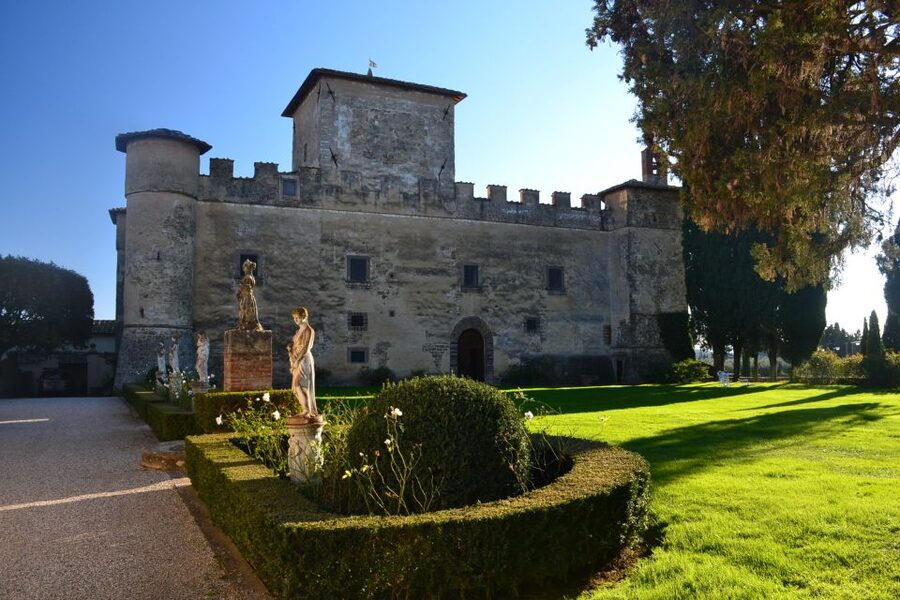
Castle wine cellars, then a lesson in taste. This full-day Chianti Rufina tour is built around two medieval estate stops where you’re guided through tastings in historic surroundings, not just poured and left to fend for yourself. I love the mix of castle visits and the way the day turns wine talk into something you can actually use, even if it’s your first time in Chianti. I also like that you get a real Tuscan lunch with local produce, not a sad snack. One possible drawback: it’s a busy 7-hour day with time in cellars and on uneven stone, so it’s not for everyone.
You’ll start in Florence at Piazza dei Cavalleggeri (in front of the staircase of the Biblioteca Nazionale) with a small group capped at 8. The tour is led in English by a live guide, and the transportation is handled by minivan. Expect a serene drive through Chianti hills between tastings, plus stops at either Castello della Panereta or Castello di Monsanto first, then Fattoria Montecchio or Castello dei Rampolla later.
In This Review
- Key things that make this Chianti Rufina tour worth your time
- Chianti Rufina, the smart way: castles, tastings, and a human pace
- Your first stop: Panereta or Monsanto, and why the cellar matters
- The tasting lesson you’ll actually use later
- Lunch in Chianti: Tuscan produce, the real reset button
- Afternoon estate: Montecchio or Rampolla in the Chianti hills
- Getting there and back: 7 hours that stay enjoyable
- Price and value: what you’re really paying for at $283.21
- Who this tour is best for (and who should skip it)
- Practical notes that help your day feel easier
- Should you book Chianti Rufina: Castle & Historical Villa?
- FAQ
- How long is the Chianti Rufina wine tour?
- Where do I meet, and where does the tour end?
- Is the tour in English?
- How many people are in the group?
- Which wineries or estates will I visit?
- What wines are typically tasted?
- Is lunch included?
- What is included in the price?
- What should I bring, and what isn’t allowed?
- What is the cancellation policy?
Key things that make this Chianti Rufina tour worth your time
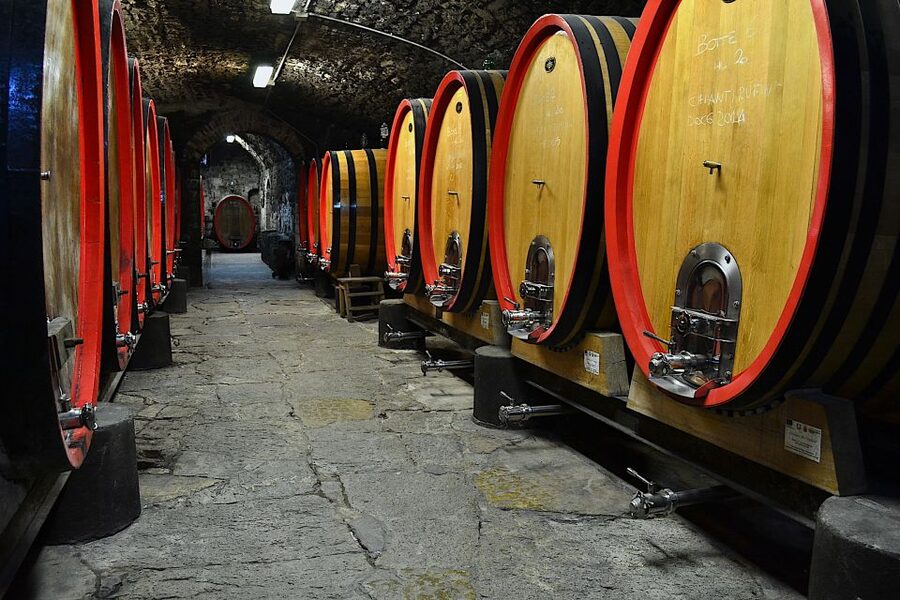
- Two castle-style wine estates (medieval settings, cellar visits, and tastings)
- Guided tasting so you learn what to look for, not just what to drink
- Typical wine lineup includes Chianti Classico Regular, Chianti Classico Reserve, and Super Tuscan
- Lunch built from Tuscan basics like pasta, cold cuts, and cheeses
- Small-group feel with limited spots and an English-speaking guide
- Florence-to-Chianti day plan that balances driving time with enough time at each stop
Back to the Chianti hills for a few more pours
Chianti Rufina, the smart way: castles, tastings, and a human pace
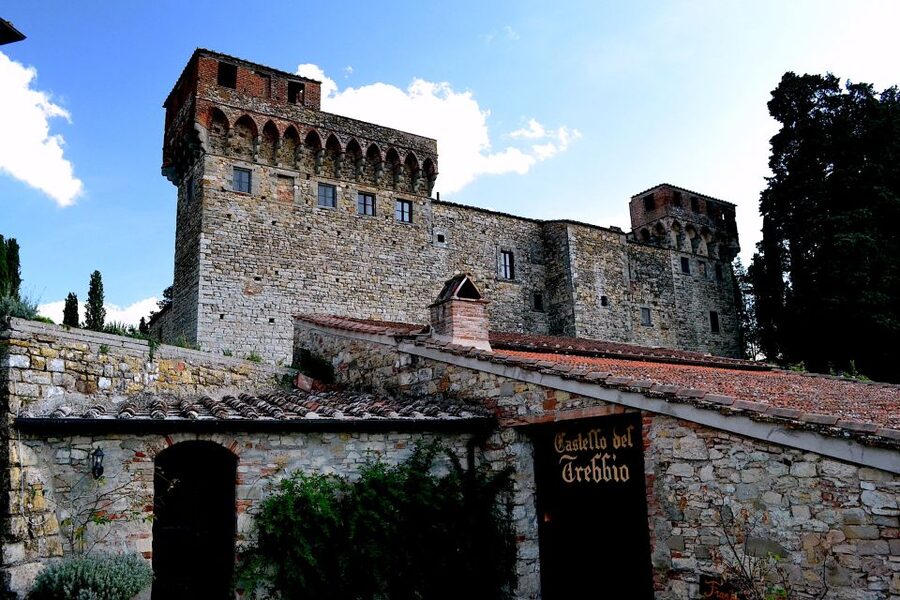
Chianti Rufina is the part of Chianti that still feels a bit calmer than the most crowded corners. And that’s exactly why this style of tour works: you get out into the countryside, see medieval fortifications turned into wineries, and come back to Florence with more than just photos.
What you’re really buying here is structure. Wine tasting can be fun on your own, but it often turns into guesswork: Which glass do I try first? What does Reserve mean? Why do some bottles taste “bigger” than others? This tour keeps the flow simple and teaches you along the way.
The small group size (limited to 8) matters more than people think. It makes it easier for the guide to answer questions and guide your palate without everyone shouting over each other. In past tours, guides such as Matteo and Hilary have been singled out for being witty, engaging, and patient while explaining wine and tasting technique.
Your first stop: Panereta or Monsanto, and why the cellar matters
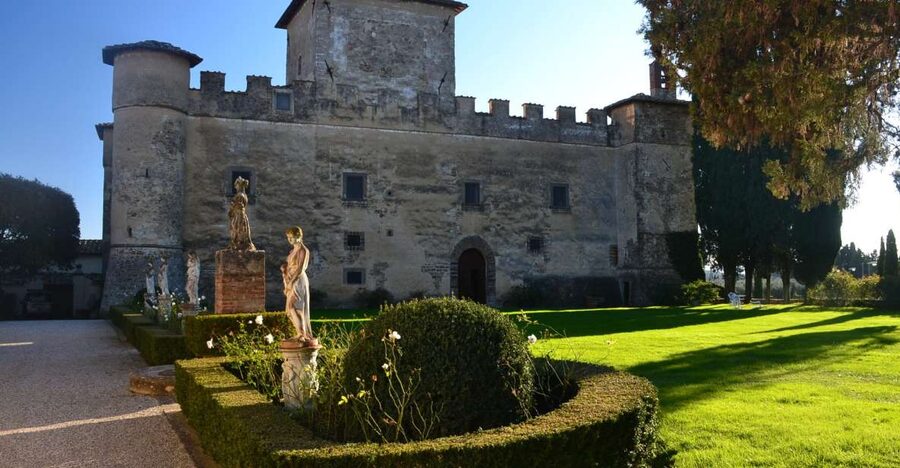
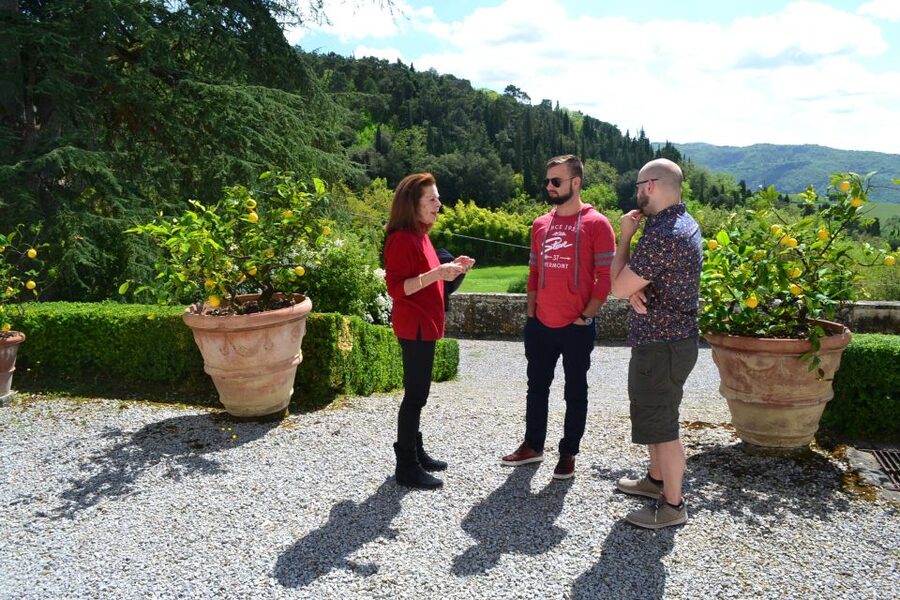
Your morning centers on one of two major estate options: Castello della Panereta or Castello di Monsanto. Either way, the setting is part of the point. You’re not tasting in a modern showroom; you’re visiting cellars and learning how the estate’s wines are made and presented.
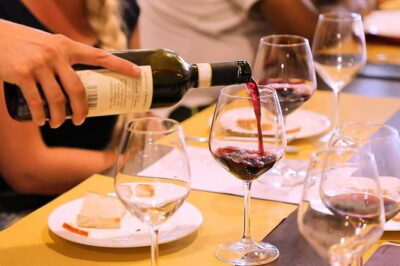
You’ll get a full explanation of what the winery produces and what you’re tasting. The typical lineup includes at least one Chianti Classico (Regular), a Chianti Classico Reserve, and the famous category often described as Super Tuscan. You’ll likely notice that Reserve-style wines tend to feel more concentrated or layered, while Super Tuscan bottles often show different grape choices or winemaking decisions than the classic Chianti formula.
A practical tip: take your time with the first pour. The guide’s job isn’t just to name flavors; it’s to help you connect aromas to what you’re tasting. Some guides (including Hilary, based on what people have praised) are known for teaching you to trust your nose and palate, so you learn a repeatable approach for future tastings.
Potential drawback at this stage: if you’re hoping for a totally relaxed first half, remember that the morning is the workhorse. You’ll be walking through historic spaces and moving through the tasting set with purpose, not drifting.
The tasting lesson you’ll actually use later
This tour is one of those days where “wine education” isn’t just talk. The goal is that by the time you hit your second estate, you can taste with more confidence.
In the first stop, you typically learn the logic behind the flight: why you move through different styles, and how each one connects to the estate’s decisions. In some versions of the experience, your guide may also show you practical service points—like letting the wine breathe a bit after opening—plus simple food pairing ideas. That kind of hands-on guidance helps you stop treating wine tasting like a guessing game.
Even if you’re not a wine nerd, you’ll likely come away with better instincts:
- How acidity and fruit show up differently between styles
- Why tannins can feel drying or structured
- What to notice beyond just “good” or “not for me”
Lunch in Chianti: Tuscan produce, the real reset button
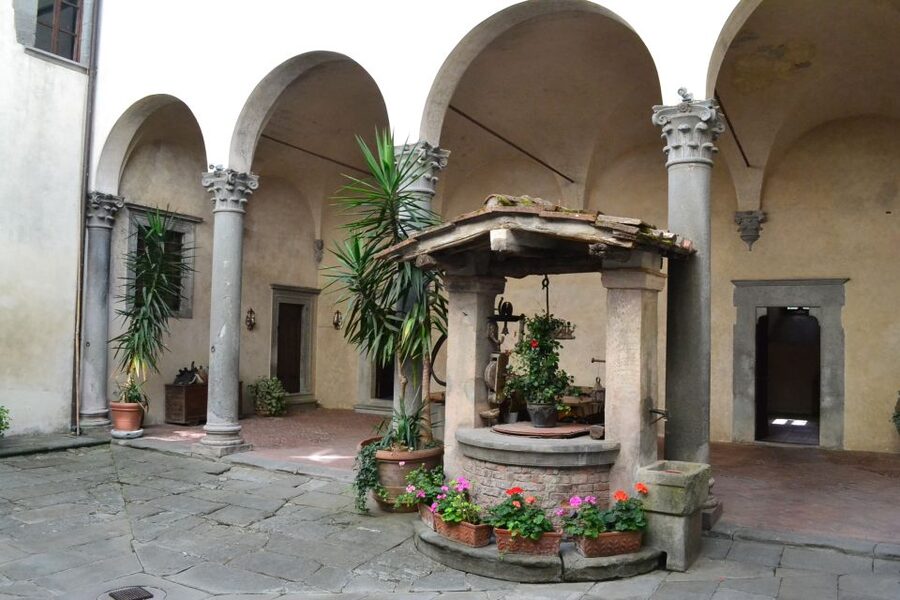
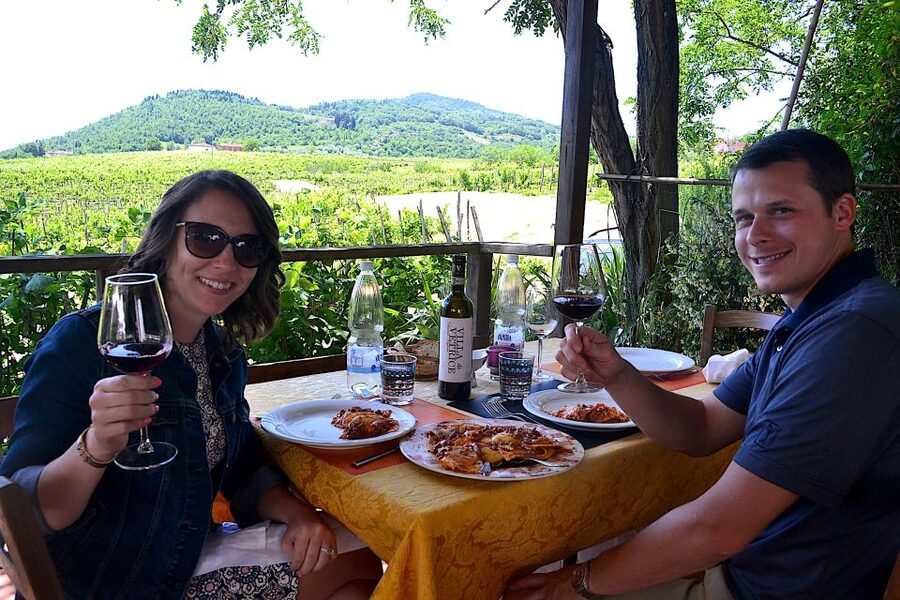
Between wineries, you’ll stop for a light lunch at a local restaurant. The typical meal includes a range of Tuscan specialties such as pasta, cold cuts, and cheeses.
This matters because wine days can get slippery. If you just drink on an empty stomach, everything tastes sharper and the experience can get uncomfortable fast. The lunch here is designed to ground the tasting with familiar food, while still staying light enough that you can enjoy the afternoon without feeling stuffed.
What I like about this approach is that it’s not a formal banquet. It’s more like a proper mid-day reset. You’ll have time to refuel, ask questions, and let the morning tasting register before the second round.
Afternoon estate: Montecchio or Rampolla in the Chianti hills
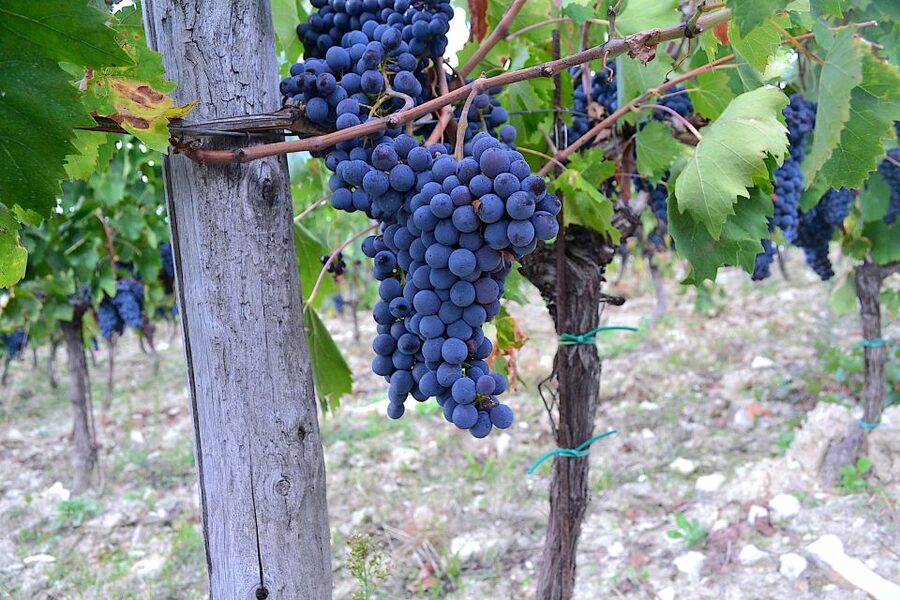
After lunch, the tour continues in the Chianti hills with a second stop at either Fattoria Montecchio or Castello dei Rampolla. This is where the day’s pacing pays off. You get a second set of wines to taste and compare, with the first estate fresh enough that you can spot differences.
Just as in the morning, you’ll enjoy more tastings of prestigious Chianti wines. The exact bottles you taste can vary by estate and availability, but the themes stay consistent: Chianti identity, the balance of classic structure vs. more modern styles, and how winemaking choices translate into flavor.
The castle element is again important here. Medieval stone cools your surroundings and changes the vibe. It also makes the tasting feel like a real place of production rather than a one-hour stop.
Potential drawback at this stage: if you don’t drink much wine, you may feel like you’re tasting out of obligation by the second estate. The upside is that the guide’s tasting coaching can make the experience feel less repetitive, because you’re learning how to read what’s in the glass.
More Tuscan cellars worth the drive from Florence
- Tuscany Day Trip from Florence: Siena, San Gimignano, Pisa and Lunch at a Winery
★ 5.0 · 21,634 reviews

Getting there and back: 7 hours that stay enjoyable
This is a full day from Florence, running about 7 hours total. The experience includes scenic driving through the countryside between stops, which helps break up the day so it doesn’t feel like constant “activity mode.”
Here’s how to keep the day smooth:
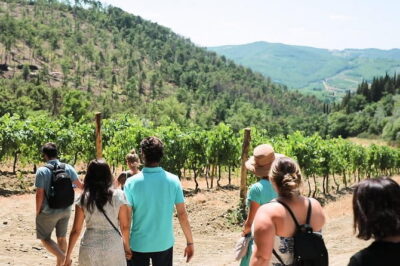
- Wear comfortable shoes. The cellars and estate grounds can involve uneven surfaces.
- Plan to go with a casual pace in your mind. You’re not going to do side quests on your own today, because the tour timing is tight enough to keep things cohesive.
- Keep your expectations aligned: you’re tasting and learning, not touring every room of a castle like a museum marathon.
The tour ends back at the meeting point, so you don’t have to worry about transportation logistics in the later afternoon.
Price and value: what you’re really paying for at $283.21
At $283.21 per person, this tour isn’t the cheapest way to do wine tasting from Florence. But it also isn’t trying to be. The price is basically covering:
- an expert local guide
- round-trip minivan transportation
- wine tasting fees at the estates
- lunch
That combination is where the value comes from. If you tried to replicate the day alone, you’d likely spend time arranging transport, paying tasting fees separately, and dealing with scheduling gaps. Here, the day is stitched together so you can focus on the experience instead of the logistics.
The small group size also adds value. With only 8 people max, you’re more likely to get real explanations and more individualized pacing during tastings.
Who this tour is best for (and who should skip it)
You’ll probably love this if:
- you want a guided wine experience that teaches you how to taste
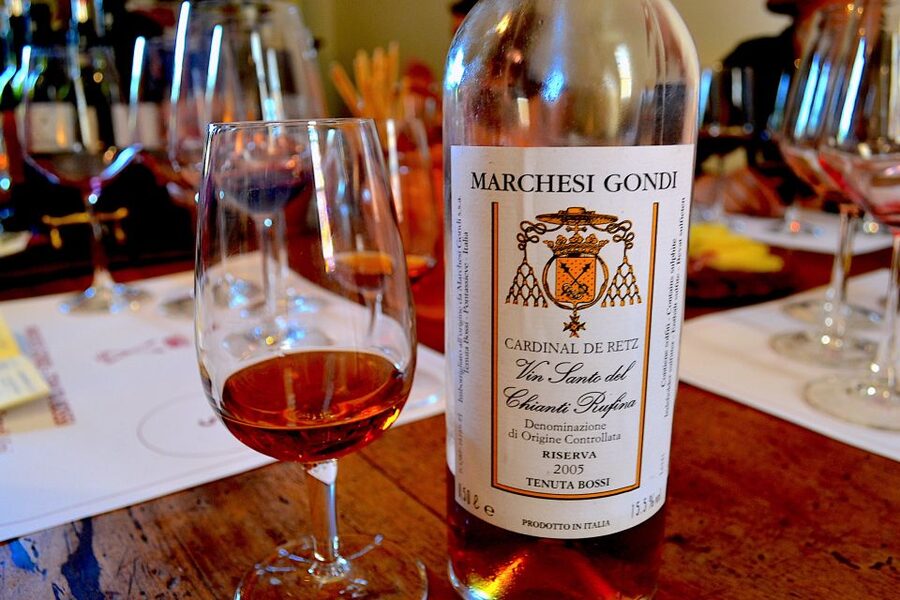
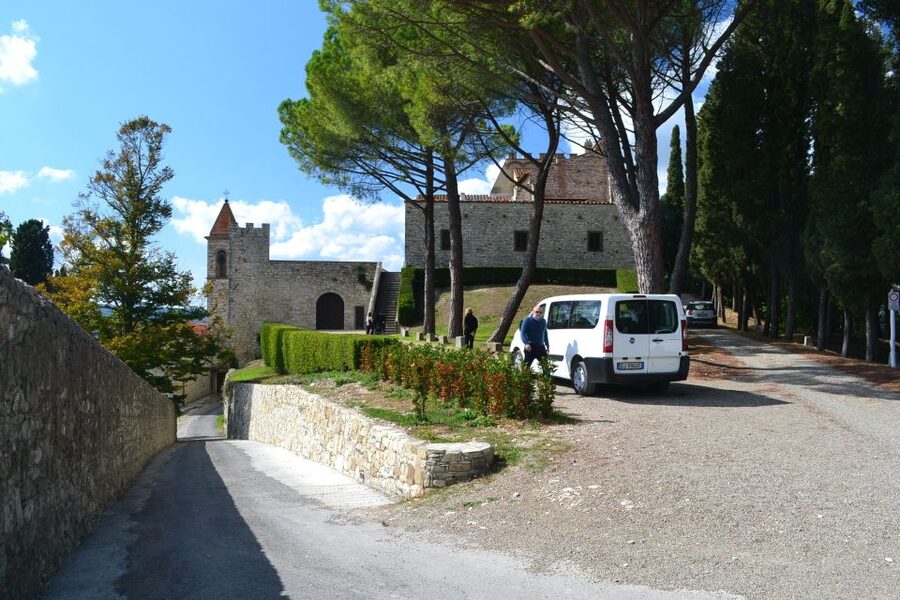
- you want medieval castle settings, not just wineries in industrial lots
- you’d rather have a structured itinerary than plan a wine day on your own
- you like history mixed with food and wine
You might want to skip it if:
- you have mobility concerns, since the tour is not suitable for people with mobility impairments
- you’re pregnant, since it’s also not suitable for pregnant women
- you hate being on your feet for portions of a day, because the cellars and estate grounds can involve walking and standing
Also note what you can’t bring: pets, smoking, and luggage or large bags aren’t allowed.
Practical notes that help your day feel easier
A few small things can make a big difference:
- Bring comfortable shoes. It’s the simplest upgrade you can make.
- Travel light. Since large bags and luggage aren’t allowed, keep what you bring minimal.
- Go with water and a steady pace. Wine plus driving can make people feel a little “off” if they rush the tastings.
If you’re a first-time Chianti taster, don’t worry. This tour is built for learning, not for intimidation. Guides like Matteo and Hilary have been praised for being engaging and for teaching practical tasting technique, so you don’t have to pretend you already know the language of wine.
Should you book Chianti Rufina: Castle & Historical Villa?
If your ideal Florence day is part countryside, part medieval castle, and part guided wine tasting with a proper lunch, I think this is a strong booking. The value comes from the combination of two estate visits, tasting fees included, and a guide who keeps the learning clear and enjoyable.
I’d book it if you want structure and you like the idea of comparing wines across different styles (Regular Chianti, Reserve, and the more modern Super Tuscan angle) in settings that feel like real places of history and production.
I’d skip it if you want a flexible, slow day with minimal walking, or if mobility limits matter. Otherwise, this is a classic Chianti Rufina “best-of” day that feels full without feeling chaotic.
FAQ
How long is the Chianti Rufina wine tour?
The tour duration is 7 hours.
Where do I meet, and where does the tour end?
You start at Piazza Cavalleggeri in front of the staircase of the Biblioteca Nazionale, and the tour ends back at the same meeting point.
Is the tour in English?
Yes, the live tour guide speaks English.
How many people are in the group?
The tour is a small group limited to 8 participants.
Which wineries or estates will I visit?
Your first stop is either Castello della Panereta or Castello di Monsanto. Your afternoon stop is either Fattoria Montecchio or Castello dei Rampolla.
What wines are typically tasted?
The tastings typically include at least one Chianti Classico Regular, a Chianti Classico Reserve, and the famous Super Tuscan.
Is lunch included?
Yes. Lunch is included and consists of Tuscan specialties such as pasta, cold cuts, and cheeses.
What is included in the price?
The tour includes an expert local guide, transportation in a minivan, wine tasting fees, and lunch.
What should I bring, and what isn’t allowed?
Bring comfortable shoes. Pets, smoking, and luggage or large bags are not allowed.
What is the cancellation policy?
You can cancel up to 24 hours in advance for a full refund. Cancellations prior to 7 days before the tour date are charged an administration fee of EUR 20.00 per person, cancellations prior to 24 hours are charged 50% of the full amount, and cancellations within 24 hours or no-shows are charged in full.
More Florence Tours We Have Reviewed
- Florence: Skip-The-Line Uffizi Gallery Timed Entry Ticket
★ 4.5 · 27,832 reviews - Tuscany Day Trip from Florence: Siena, San Gimignano, Pisa and Lunch at a Winery
★ 5.0 · 21,634 reviews - Florence: Timed Entry to Michelangelo’s David + Audio App
★ 4.6 · 19,496 reviews - Florence: Leonardo Interactive Museum Entry Ticket
★ 4.5 · 12,957 reviews - Florence: Michelangelo’s David Skip-the-Line Entry Ticket
★ 4.5 · 12,764 reviews
More Tuscan Wine to Taste
- Tuscany Day Trip from Florence: Siena, San Gimignano, Pisa and Lunch at a Winery
★ 5.0 · 21,634 reviews - Florence: Chianti Wineries Tour with Wine Tasting
★ 4.5 · 10,071 reviews - Small-Group Wine Tasting Experience in the Tuscan Countryside
★ 5.0 · 7,392 reviews - SMALL-GROUP Wine Safaris: Tuscan Wine Tasting Tours from Florence
★ 5.0 · 5,088 reviews - Winner 2025 Florence Sunset Food & Wine Tour by Eating Europe
★ 5.0 · 5,015 reviews
Chianti, Another Pour
- Florence: Chianti Wineries Tour with Wine Tasting
★ 4.5 · 10,071 reviews - Florence: Pisa, Siena, San Gimignano, and Chianti Experience
★ 4.5 · 8,393 reviews - San Gimignano, Siena, Monteriggioni, Chianti Day Trip with Lunch & Wine Tasting
★ 4.5 · 4,432 reviews - Florence: Pisa, Siena, S. Gimignano, Chianti Wine & Lunch
★ 4.6 · 4,354 reviews - Chianti Wine Tour from Florence
★ 4.5 · 3,979 reviews
Fresh from our Florence review desk
- Small-Group Pasta Cooking Class and Market Tour in Florence★ 5.0 · 3 reviews
- Palatina Gallery and Pitti Guided Tour in Florence★ 5.0 · 3 reviews
- Tuscan Evening Tour: Fiat 500, 8:30 to 10 PM★ 5.0 · 3 reviews
- Journey into Art: Florence’s Accademia★ 4.5 · 3 reviews
- Paint and Drink Florentine Hills★ 5.0 · 3 reviews
- Truffle hunting and lunch experience, with Vinci and winery.★ 4.5 · 3 reviews
Chianti Wine Tours, compared.
 ★ 4.5Chianti Wineries Tour with Wine TastingFrom $4110,071 reviews
 ★ 4.5Pisa, Siena, San Gimignano, and Chianti ExperienceFrom $528,393 reviews
 ★ 4.5San Gimignano, Siena, Monteriggioni, Chianti Day Trip with Lunch & Wine TastingFrom $834,432 reviews
 ★ 4.6Pisa, Siena, S. Gimignano, Chianti Wine & LunchFrom $774,354 reviews
 ★ 4.5Chianti Wine Tour from FlorenceFrom $593,979 reviews
 ★ 4.6S. Gimignano, Siena, Chianti Wine Tasting & LunchFrom $823,102 reviews
 ★ 4.5From Florence: Chianti Half-Day Wine Tour with TastingFrom $583,031 reviews
 ★ 4.5Siena, San Gimignano and Chianti Wines Day Tour from FlorenceFrom $782,542 reviews
Browse the lists this tour appears in