
Reviewed · FLORENCE COOKING CLASSES
Cooking Lesson: From The Market To The Table in Florence
Florence tastes better when you make it yourself. This market-to-table cooking lesson pairs a walk through Mercato Centrale with a hands-on lunch you build from scratch. You’ll shop for ingredients, then knead pasta dough by hand, make a sauce, assemble bruschetta, and finish with tiramisù.
I really like two things here: the class is small (max 12) so you can ask questions while you cook, and you get a full meal with drinks included—not just a demo. One consideration: it is not set up for gluten-free cooking, so people with gluten intolerance should skip it.
In This Review
- Key highlights at a glance
- From Mercato to Meal: Why This Florence Class Starts in the Market
- Meeting Point and Timing: A 9:00 Start in Central Florence
- Mercato Centrale Shopping: What You’re Really Learning Beyond Ingredients
- The Hands-On Pasta Lab: Kneading, Cooking, and Getting It Right
- Bruschetta + Main Course: Turning Simple Food Into a Real Plate
- Tiramisu Finale: The Dessert Part You’ll Want to Repeat
- Lunch With Wine Included: Eating Your Results, Not Waiting for Them
- Small Group Advantage: Why Max 12 Feels Like a Real Class
- Recipes and Certificate: What You Take Home (and How to Use Them)
- Price and Value: Is $137.87 a Smart Buy?
- Tips to Get the Best Day Possible
- Who Should Book This Florence Market-to-Table Class?
- Should You Book This Florence Cooking Lesson?
- FAQ
- How long is the Florence cooking lesson?
- Where is the meeting point?
- What time does the class start?
- Is the class small-group?
- Is the cooking class offered in English?
- Is lunch included, and are drinks included?
- Is this class vegetarian-friendly?
- Is it suitable for people with gluten intolerance?
- What happens if weather is bad or the minimum number of travelers isn’t met?
Key highlights at a glance
- Mercato Centrale shopping time with a chef, plus chances for tastings like oils and balsamic
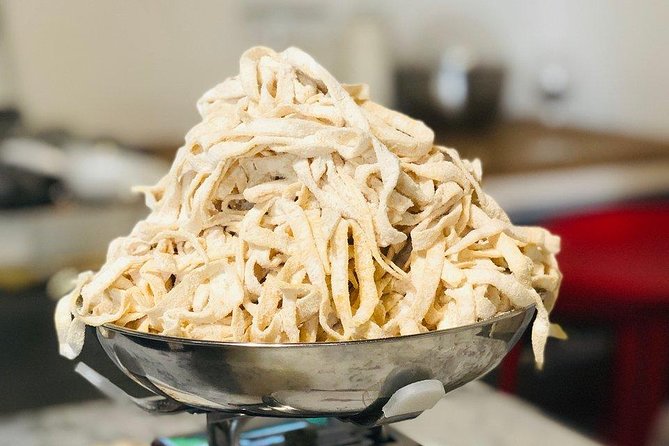
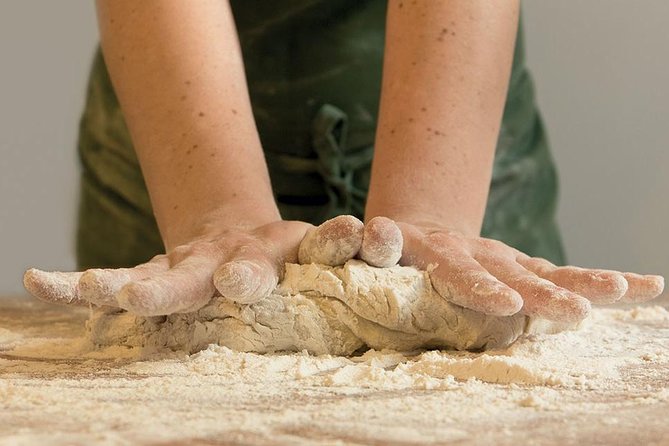
- Hands-on handmade pasta (you knead and make shapes like tagliatelle)
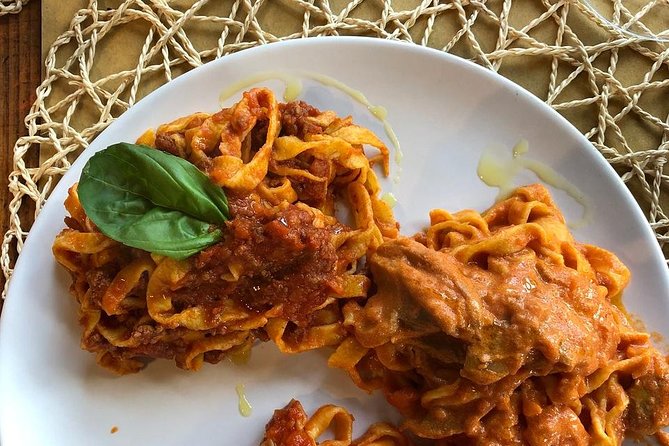
- A real multicourse menu: bruschetta, fresh pasta with ragù (or pesto/tomato options), plus tiramisù
- Lunch with wine, water, or a soft drink included
- Take-home recipes and a participation certificate, so you can try again later
Roll up your sleeves for another Florence cooking class
From Mercato to Meal: Why This Florence Class Starts in the Market
The best part of this Florence cooking lesson is the order of events. You don’t begin in a kitchen pretending you already know what you’re cooking. You start at Mercato Centrale, where ingredients are the main character. The chef shows you what to pick and why, and you get a close-up look at how real Florentines shop day to day.
I love how the market visit turns cooking into something you can repeat. When you understand the basics—how fresh produce looks, how olive oil and vinegar taste, and how meat or dairy choices affect a sauce—you stop copying a recipe line-by-line and start cooking with judgment.
There’s also a bonus layer that surprises people: it’s not only shopping. Depending on the day and the chef, you may get tastings along the way. In the feedback I saw names attached to these experiences—like Alice, Tommaso, Manuel, Julio, Antonio, Elio, Emanuele, and Chef Emmanuel—and many of them were praised not just for teaching technique, but for making the market feel like a place with stories.
Meeting Point and Timing: A 9:00 Start in Central Florence
This class starts at 9:00 am and meets at Via Panicale 43r, 50123 Firenze FI, Italy. The day runs for about 5 hours and ends back at the meeting point.
You’ll make your own way to the start. If you’re staying outside the center, give yourself a little cushion. The meeting point is in a busy area, and directions matter. One person noted confusion about the exact address, so I strongly recommend you confirm the meeting details before you head out that morning—especially if you’re navigating on foot with maps or a taxi drop-off.
Once you’re together, introductions happen first, then you head into the market. The pacing is designed so you can go from ingredient shopping to actual cooking without feeling rushed or lost. It’s a morning plan that works well even if your afternoon is already packed—after this, you’ll have lunch covered and a meal you can re-create later.
Mercato Centrale Shopping: What You’re Really Learning Beyond Ingredients
Mercato Centrale can feel like sensory overload at first. But in this class, the market visit isn’t a free-for-all. It’s guided, with the chef explaining how Florence’s cooking makes decisions based on what’s fresh and how flavors balance.
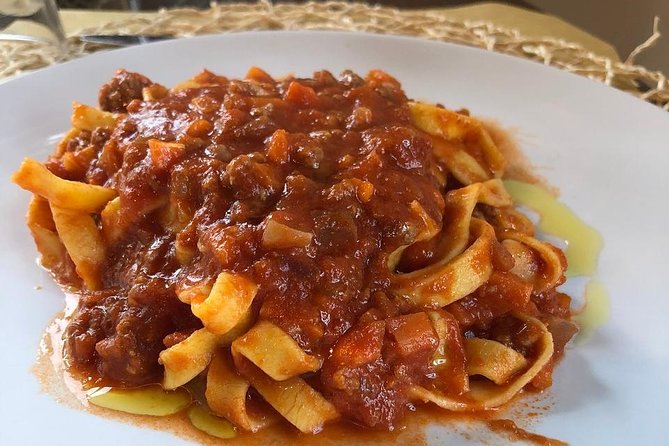
Expect to see typical market goods used in Tuscan-style food: produce for bruschetta toppings, pantry staples like olive oil, and the meats you’ll use for the sauce. The sample menu points to handmade pasta (tagliatelle) with ragù sauce (beef), which is a very classic direction. The broader class description also says your pasta sauce may be tomato, ragù Bolognese, or pesto, so the exact shopping choices can vary.
A few extra touches show up in real life. Some chefs are known for stopping for tastings—olive oil, balsamic, and even cheese—so you taste the ingredients you’re buying. That’s not just fun; it helps you later when you adjust a sauce at home. If you’ve ever made ragù that tastes flat, it’s often the seasoning balance that’s missing, not the ability to follow steps.
One caution based on real-world timing: the market can be closed on Sunday, so if your dates fall on a Sunday, the shopping part may be different than you expect. The cooking still happens, but the market rhythm might change.
The Hands-On Pasta Lab: Kneading, Cooking, and Getting It Right
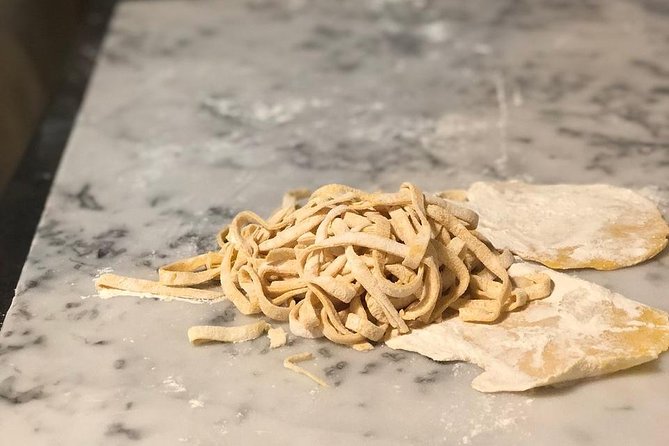
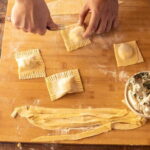
After the market, you head to the chef’s teaching kitchen in central Florence. This is the part where the class earns its value. Most of the experience is hands-on, not sit-and-watch.
You’ll learn fresh pasta from scratch, which usually means:
- making the dough and kneading by hand
- learning how to shape it (tagliatelle is specifically mentioned in the example)
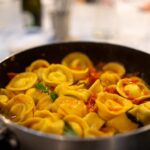
- cooking it with a sauce you also create
The sauce is where Florentine practicality shows up. You’re not just mixing ingredients—you’re learning a method. The class includes a cooked sauce option, either a ragù style (with mention of ragù Bolognese), a tomato version, or pesto. You’ll follow the chef’s steps and get help correcting issues along the way, like dough texture and cooking timing.
This is also where the small-group size matters. With a maximum of 12 people, you aren’t waiting your turn for help. And you can ask the annoying questions early—like what you should do if your dough feels too dry or too sticky.
One note from feedback: a few people felt the market and talking sometimes outweighed hands-on time, depending on the day and the chef’s style. Still, the general vibe of the class is active: you’ll participate, you’ll make mess, and you’ll eat what you create.
Bruschetta + Main Course: Turning Simple Food Into a Real Plate
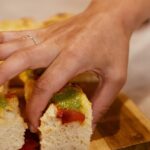
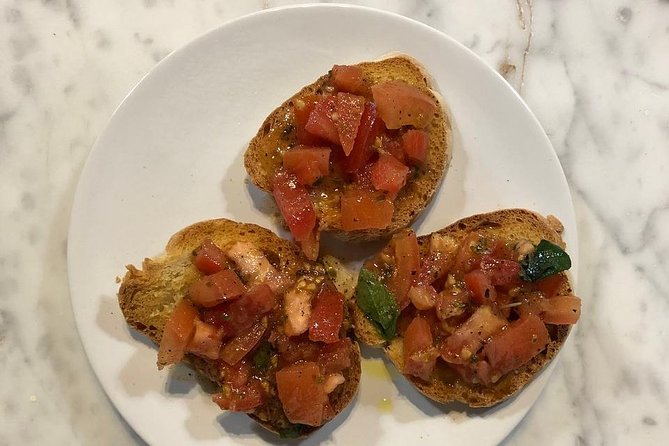
Once pasta is underway, the class shifts to building a full meal. You’ll make Tuscan bruschetta as the starter. The sample menu describes toasted bread topped with fresh tomatoes, basil, salt, pepper, and extra-virgin olive oil.
This is a great dish to learn in Florence because it’s simple, but it’s not casual. The difference between good bruschetta and great bruschetta is how you handle ingredients: how the tomatoes are prepared, whether you season correctly, and how you balance olive oil with salt and pepper.
For the main course, the class description includes a choice of seafood or meat, plus a side dish. The sample menu emphasizes ragù with beef, which means you might end up with a very Tuscan-style comfort plate. Either way, you’re building a meal that looks like what you’d actually find in an Italian home, not a staged restaurant menu.
Also, you’ll get instruction on how to decorate the plates. That sounds fancy, but it’s really about plating basics—portioning, clean edges, and how to make the food look appetizing once it lands in front of you.
Browse on with more Florence shopping trips
- Cooking Class and Lunch at a Tuscan Farmhouse with Local Market Tour from Florence
★ 5.0 · 4,831 reviews
Tiramisu Finale: The Dessert Part You’ll Want to Repeat
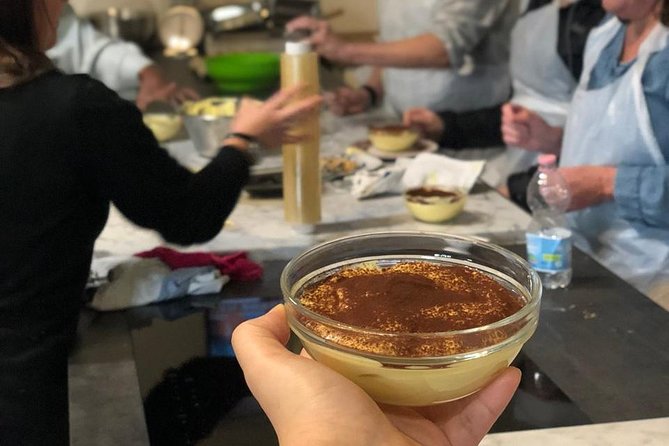
Dessert is tiramisù, and it’s usually the most talked-about part for good reason. Tiramisu can look intimidating until someone breaks it into steps. Here, the chef guides you while you assemble your own dessert and finish it the right way.
In feedback, people repeatedly praised the chef’s patience and energy during dessert time. The timing works too: you’re not still struggling with pasta dough when dessert starts. By the time you reach tiramisù, you’ve learned the rhythm of the day.
If you’ve never made tiramisù before, you’ll walk away with a better understanding of texture and layering. And if you have made it before, you’ll likely spot differences in how Italians handle technique—especially how they balance ingredients and timing.
Lunch With Wine Included: Eating Your Results, Not Waiting for Them
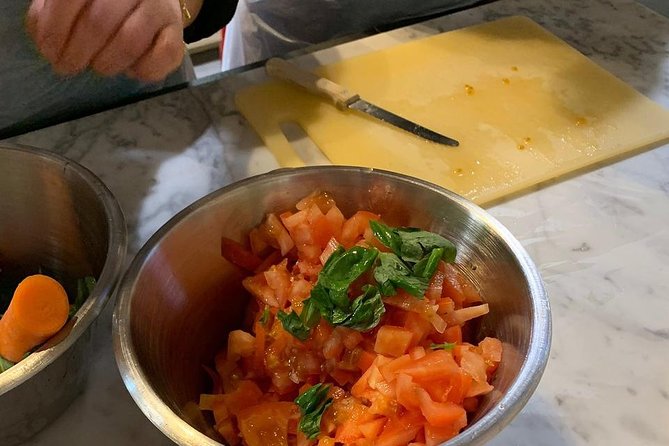
When lunch happens, you sit down to a feast featuring the dishes you made. Local wine, water, or a soft drink is included with lunch.
This matters because cooking classes often turn into a half meal and a lot of waiting. Here, you work, plate, and then eat. And because you made the food yourself, it tastes more like a personal achievement and less like a ticketed meal.
A practical tip: pace your first bites. It’s tempting to rush, especially if you’re excited. But since you’ve just learned plating and seasoning, take a moment to taste and notice what you did right. That’s how you’ll cook better the next time at home.
Small Group Advantage: Why Max 12 Feels Like a Real Class
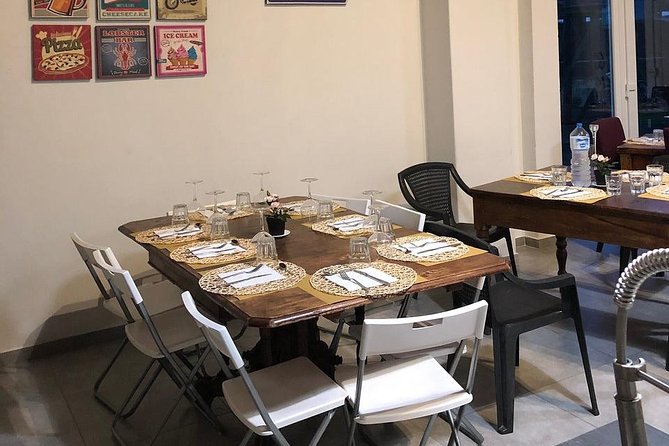
A maximum group size of 12 is a big deal. It keeps the day friendly and conversation-friendly. People praised the relaxed tone and the chance to laugh with the group while learning.
It also means the chef can help you tweak what you’re doing while you’re doing it. That’s the difference between memorizing steps and actually learning technique.
If you’re the kind of person who likes photos, this class is also easy to enjoy visually. You’ll be kneading, shaping pasta, assembling bruschetta, and then plating. Just be realistic: there’s cooking heat and time, so don’t plan on shooting every second. Pick the moments that matter—dough texture, sauce consistency, and the final tiramisù stage.
Recipes and Certificate: What You Take Home (and How to Use Them)
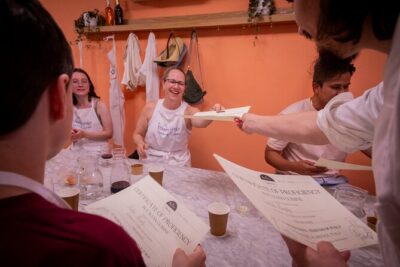
You get recipes and a participation certificate to take home. This is one of those “small” inclusions that makes the experience feel complete.
Still, based on real feedback, the recipe delivery experience can vary. Some people said they received recipes during or right after, while others mentioned promises that didn’t fully match what they expected. If having the recipes in hand right away is important to you, I’d plan to request confirmation during the class so you leave knowing how and when you’ll get them.
Even with that caution, the practical win is clear: you’ll have a reference for ingredients and steps. And because this class starts at the market, you’ll also understand how to replace ingredients responsibly. You won’t just copy a list—you’ll know what each ingredient is doing.
Price and Value: Is $137.87 a Smart Buy?
At $137.87 per person for about 5 hours, the value depends on what you want from the day.
If you only want a quick taste of Italian cooking, this might feel like a lot. But if you want a real hands-on session—market shopping, handmade pasta skills, bruschetta, ragù or sauce instruction, and tiramisù—then the price starts to look fair. You’re paying for:
- chef-guided instruction
- ingredients for the meal
- lunch with drinks included
- recipes and a participation certificate
Also, your time is used well. You’re not spending extra money on lunch that day, and you’re learning technique that you can use again later. That’s often the real “value math” with cooking classes: do you leave with skills, or do you leave with a full stomach?
Tips to Get the Best Day Possible
A few small choices can make the experience smoother.
- Arrive a little early at Via Panicale 43r so you don’t start stressed.
- Ask the chef how to judge dough and sauce texture. You’ll remember that more than measurements.
- If you care about recipes, ask when you’ll receive them. Some people had different experiences, so checking early is smart.
- Wear shoes you can stand in. Even if the kitchen is modern and clean, you’ll be moving and working.
Also, bring a curious mindset. The chefs in the feedback were praised for sharing food knowledge and Italian life—history, table etiquette, and how Florence traditions connect with what you’re cooking.
Who Should Book This Florence Market-to-Table Class?
This works especially well if you want:
- a hands-on Florence food experience
- a guided Mercato Centrale visit
- an English-speaking class with a small group
- a full lunch with included drinks
It’s described as recommended for vegetarians. If you’re vegetarian, make sure you advise in advance so the class can plan accordingly.
It is not recommended for people with gluten intolerance. That’s an important line. If gluten is a hard no for you, you’ll likely want a different class style designed for gluten-free cooking.
Age-wise, feedback suggests it can work for teens and adults. One person said it was done with kids and felt borderline for younger ones, mostly because the day includes a lot of instruction and sitting at key moments. If you’re bringing kids, choose the age range that can handle an active cooking workshop without melting down.
Should You Book This Florence Cooking Lesson?
Yes—if you want a true Florence food day, not a quick tasting tour. The market start, handmade pasta focus, and included lunch make it a strong value. The small-group limit helps, and the chef-led style seems to consistently land as fun and practical.
Skip it if you need gluten-free cooking, or if you know you’ll struggle with longer periods of explanation during the market portion. And if you’re visiting on a Sunday, go in with flexible expectations about the market segment.
If your goal is to leave Florence with the skills to cook something real—pasta, sauce, bruschetta, and tiramisù—this is the kind of class that pays you back after the trip.
FAQ
How long is the Florence cooking lesson?
It runs for about 5 hours.
Where is the meeting point?
The meeting point is Via Panicale 43r, 50123 Firenze FI, Italy.
What time does the class start?
The start time is 9:00 am.
Is the class small-group?
Yes. The maximum group size is 12 travelers.
Is the cooking class offered in English?
Yes, it is offered in English.
Is lunch included, and are drinks included?
Yes. Lunch is included, and wine, water, or a soft drink is included with the meal.
Is this class vegetarian-friendly?
It is recommended for vegetarians. You should advise in advance if you are vegetarian.
Is it suitable for people with gluten intolerance?
It is not recommended for people with gluten intolerance.
What happens if weather is bad or the minimum number of travelers isn’t met?
The experience requires good weather. If canceled due to poor weather, you’ll be offered a different date or a full refund. If the minimum number of travelers isn’t met, you’ll also be offered a different experience/date or a full refund.
More Florence Shopping
- Cooking Class and Lunch at a Tuscan Farmhouse with Local Market Tour from Florence
★ 5.0 · 4,831 reviews - Small Group Cooking Class & Market Food Tour in Florence
★ 5.0 · 1,574 reviews - Pasta and Tiramisu Cooking Class with optional Local Market Tour
★ 5.0 · 515 reviews - Florence: Cooking Class with Local Food Market Tour
★ 4.9 · 407 reviews - Florence: Cooking Class at a Tuscan Farm & Local Market Tour
★ 4.9 · 354 reviews
More Florence Tours We Have Reviewed
- Florence: Skip-The-Line Uffizi Gallery Timed Entry Ticket
★ 4.5 · 27,832 reviews - Tuscany Day Trip from Florence: Siena, San Gimignano, Pisa and Lunch at a Winery
★ 5.0 · 21,634 reviews - Florence: Timed Entry to Michelangelo’s David + Audio App
★ 4.6 · 19,496 reviews - Florence: Leonardo Interactive Museum Entry Ticket
★ 4.5 · 12,957 reviews - Florence: Michelangelo’s David Skip-the-Line Entry Ticket
★ 4.5 · 12,764 reviews
More Florence Cooking Classes
- Florence: Pasta Cooking Class with Unlimited Wine
★ 4.9 · 10,285 reviews - Florence Pizza or Pasta Class with Gelato Making at a Tuscan Farm
★ 5.0 · 6,801 reviews - Florence: Pasta & Tiramisu Cooking Class with Unlimited Wine
★ 4.9 · 6,708 reviews - Florence: Pasta Cooking Class with Unlimited Wine
★ 5.0 · 6,413 reviews - Cooking Class and Lunch at a Tuscan Farmhouse with Local Market Tour from Florence
★ 5.0 · 4,831 reviews
Fresh from our Florence review desk
- Small-Group Pasta Cooking Class and Market Tour in Florence★ 5.0 · 3 reviews
- Palatina Gallery and Pitti Guided Tour in Florence★ 5.0 · 3 reviews
- Tuscan Evening Tour: Fiat 500, 8:30 to 10 PM★ 5.0 · 3 reviews
- Journey into Art: Florence’s Accademia★ 4.5 · 3 reviews
- Paint and Drink Florentine Hills★ 5.0 · 3 reviews
- Truffle hunting and lunch experience, with Vinci and winery.★ 4.5 · 3 reviews
Florence Cooking Classes, compared.
 ★ 4.9Pasta Cooking Class with Unlimited WineFrom $2110,285 reviews
 ★ 5.0Florence Pizza or Pasta Class with Gelato Making at a Tuscan FarmFrom $1456,801 reviews
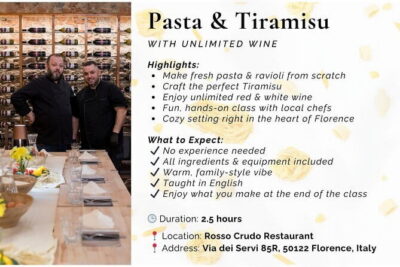 ★ 4.9Pasta & Tiramisu Cooking Class with Unlimited WineFrom $566,708 reviews
★ 5.0Pasta Cooking Class with Unlimited Wine6,413 reviews
★ 4.9Pasta & Tiramisu Cooking Class with Unlimited WineFrom $566,708 reviews
★ 5.0Pasta Cooking Class with Unlimited Wine6,413 reviews
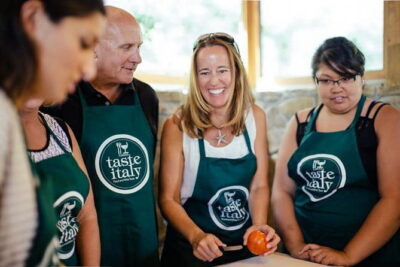 ★ 5.0Cooking Class and Lunch at a Tuscan Farmhouse with Local Market Tour from FlorenceFrom $1454,831 reviews
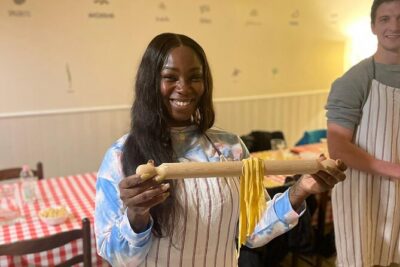 ★ 5.0Pastamania – Florence Pasta Making ClassFrom $493,050 reviews
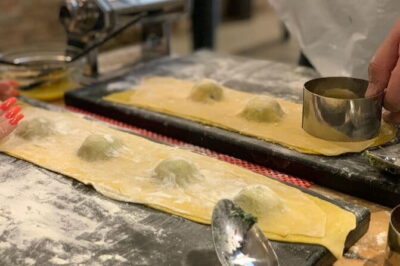 ★ 5.0Cooking Class Pasta & Tiramisu Making Unlimited WineFrom $892,234 reviews
 ★ 5.0Florence Cooking Class The Art of Making Gelato & Authentic PizzaFrom $642,053 reviews
Browse the lists this tour appears in