
Reviewed · FLORENCE COOKING CLASSES
Small Group Cooking Class & Market Food Tour in Florence
Savoring Italian food starts with seeing ingredients first. This Florence small-group experience pairs a Mercato Centrale market walk with hands-on cooking for a full lunch you’ll eat right away. I like how it keeps things practical, from vendor tips to step-by-step pasta technique.
Two things I really like: you learn by doing (bruschetta, fresh pasta like tagliatelle and ravioli, plus two sauces and tiramisu), and the class treats you like you’re supposed to enjoy the meal, not just watch it. You also get a digital recipe booklet and a diploma, so the day doesn’t vanish after you get home.
One consideration: this experience is not suitable for Celiacs, and eggs can’t be removed from the meal. If you have serious food restrictions, tell them in advance so they can guide you toward the right option.
In This Review
- Key things I’d plan around
- Market First: How Mercato Centrale Sets Up Your Lunch
- Getting to the Cooking School (and Why It Matters)
- The Hands-On Lunch: Apron On, Workstations Ready
- Pasta Nightmares, Meet Pasta Reality (Tagliatelle + Ravioli)
- Bruschetta + Sauces: Where Simple Ingredients Become a Real Meal
- Tiramisu and the Satisfaction of Finishing What You Start
- Chianti With Lunch: Making the Meal Part of the Lesson
- What You Can Buy and Bring Home (So the Flavor Doesn’t Disappear)
- March 2026 Upgrade: Nonna’s Lasagna From Scratch
- Price and Time: Why $62.30 Can Feel Like a Deal
- Who This Works Best For (and Who Should Rethink)
- Should You Book This Florence Market-to-Kitchen Class?
- FAQ
- How long is the Florence cooking class and market tour?
- Where do I meet for the experience?
- Is the class vegetarian-friendly?
- Can celiacs (gluten-free needs) join?
- What do we cook and eat?
- Do I get wine with lunch?
- What if the Florence Central Market is closed?
- Will the menu change later in the year?
Key things I’d plan around
- Mercato Centrale ingredient shopping with a chef, not a quick stroll
- Fresh pasta instruction (tagliatelle and ravioli) plus sauces you can actually repeat
- Unlimited Chianti with lunch, served as part of the meal, not as an afterthought
- Tiramisu for dessert, tied to the same lunch you make from scratch
- Max group size of 20, so you get hands-on guidance at the counter and workstations
- Sunday/bank holiday adjustment: if the market is closed, you swap in extra tastings and an intro at the school
Roll up your sleeves for another Florence cooking class
Market First: How Mercato Centrale Sets Up Your Lunch
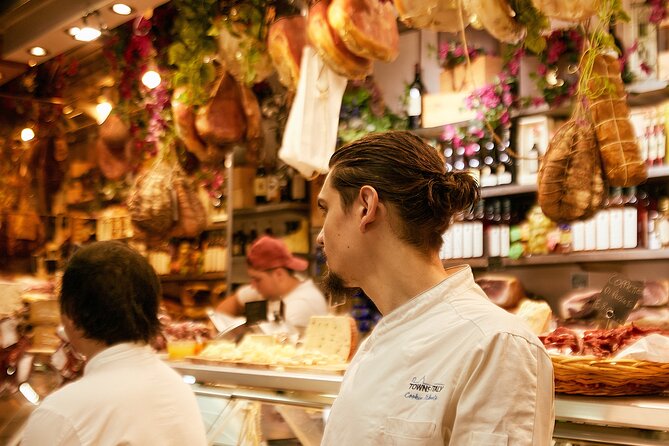
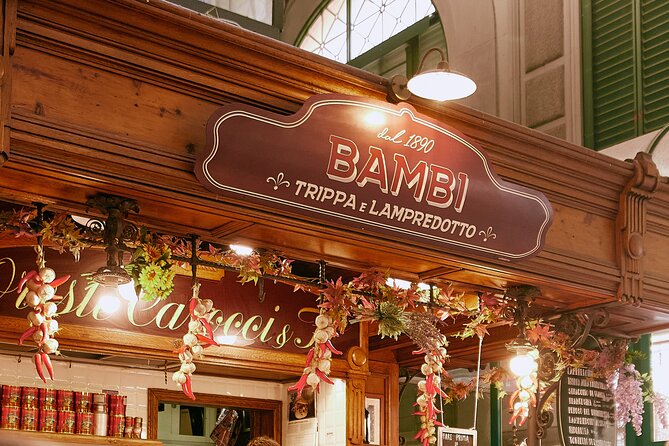
The best Florence food days don’t start with a menu. They start with what’s in season, what looks right, and what locals are buying. Here, you meet your group in central Florence and head to the Central Market area, where the market walk is built around ingredient discovery.
This is where you get the stuff you can’t easily replace later. You’ll browse stalls for produce and pantry items, and you’ll also do tastings along the way. I like that you’re not just sampling. You’re learning what to look for and why certain products matter in Italian cooking—especially oils, vinegars, and cured or specialty items that show up in classic Tuscan flavors.
A common market highlight is tasting items like olive oil and balsamic vinegar, and some classes also include specialty stops where truffle products come up. Those small tastings are useful. They train your palate so you can recognize quality when you’re grocery shopping back home.
Also, the market time works as a warm-up. By the time you reach the cooking school, you’re already thinking in ingredient pairs: what complements pasta, what makes a sauce taste complete, and what a dessert needs to feel finished.
If Florence Central Market is closed on Sundays and bank holidays, the market portion changes. You’ll get a special introduction and extra tastings at the cooking school instead, so you’re not left with a shorter or weaker experience.
Getting to the Cooking School (and Why It Matters)
The meeting point is Towns of Italy – Cooking School – Florence, Via Panicale, 43/r, 50123 Firenze FI. You do not get hotel pickup or drop-off, so plan to arrive on your own and keep travel time simple.
This matters more than you’d think. When classes run on a tight schedule, the people who build in a cushion get the best experience. The start time is roughly in the morning (many groups are on a schedule that fits a full lunch), and the day ends back at the meeting point.
The class is designed for a small group, with a maximum of 20 travelers. That size is big enough to feel social, but small enough that the instructor can correct technique and keep everyone moving. In practical terms, you won’t spend half your time waiting for a turn.
Plan for weather. It operates in all weather conditions, so wear something comfortable for walking and adjust layers if you feel warm or cold during the market segment and then in the school.
One more detail: it’s offered in English, and you’ll get a mobile ticket. That’s one less thing to manage on travel day.
The Hands-On Lunch: Apron On, Workstations Ready
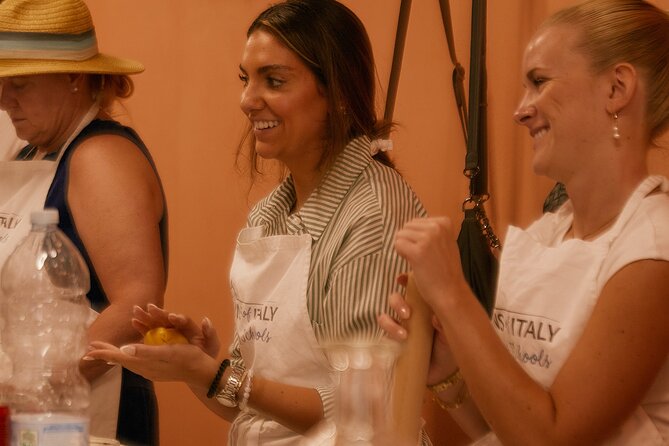
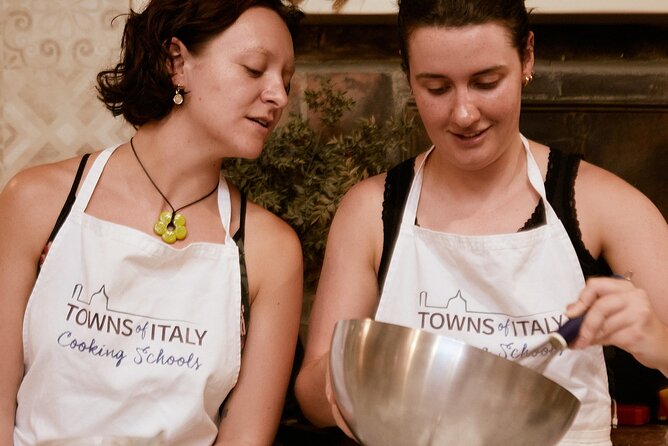
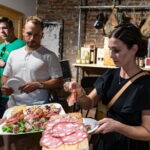
Once you’re in, the vibe shifts from browsing to doing. You’ll put on your apron and start cooking with a local chef and class support. The teaching style tends to be step-by-step, which helps if you’ve never made pasta dough before.
What you’re making is a full, classic lunch setup:
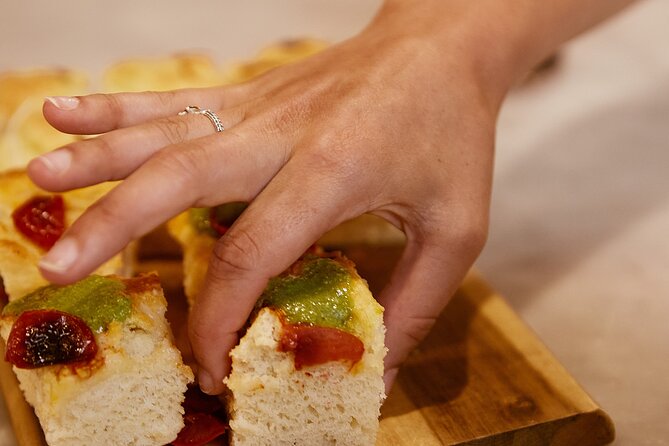
- Starter: bruschetta
- Main: fresh home-made pasta (including tagliatelle and ravioli) with two sauces
- Dessert: tiramisu
One reason this class feels rewarding is that you’re not only cooking one item. You get a chain: bread first, pasta next, sauce building along the way, then the dessert. When the lunch arrives at the end, it’s like your day had a plan from the start.
Menus can vary a bit depending on what’s fresh and on any intolerances you mention. If you’re vegetarian, you’ll still have a full menu. But note that eggs can appear in dishes, and they can’t be fully excluded.
If you’re the type who likes to understand technique instead of memorizing steps, you’ll likely enjoy the way different chefs explain the why behind what you’re doing. In past classes, instructors like Chef John have been praised for storytelling, and chefs such as Frederico and Tommaso are often described as fun teachers who keep the group engaged while still explaining process and technique clearly.
Pasta Nightmares, Meet Pasta Reality (Tagliatelle + Ravioli)
Let’s talk pasta, because this is the reason many people book a Florence cooking class in the first place—and the reason they leave smiling instead of frustrated.
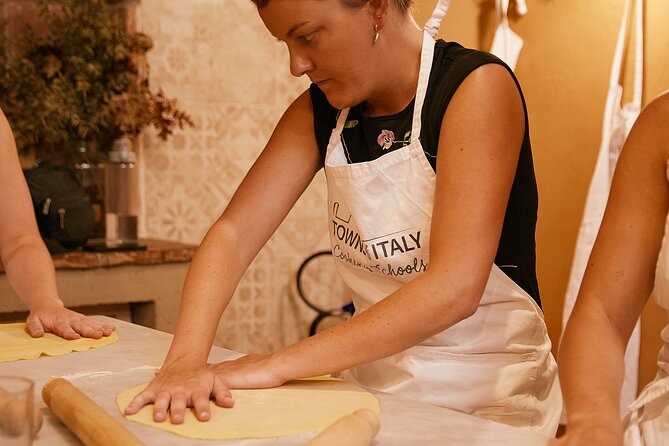
You’ll learn to make fresh pasta and shape it into traditional forms. In the standard class format, that includes:
- Tagliatelle
- Ravioli
You’re also working with sauces. The day includes two sauces, and you’ll sample them and taste along the way during the process.
If that sounds like a lot, it is—hence the five-ish hour time window. But the pacing is built so you get guidance while you work. You typically won’t be left alone with dough and hope.
Also, the class format matters for your confidence. When you do both the pasta and the sauces, you understand how they connect. You start thinking like a cook: how texture changes with thickness, how sauce consistency affects everything on the plate, and what flavors you need so pasta tastes complete even without heavy restaurant-style tricks.
If you’re worried about skill level: this experience is designed to support different speeds. In small groups, the assistant help and workstation setup really matter, because you can get corrected before small mistakes become big problems.
Bruschetta + Sauces: Where Simple Ingredients Become a Real Meal
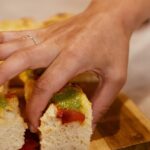
Bruschetta is a great “anchor” dish because it’s straightforward, but it rewards attention. It’s also a smart start before tackling pasta dough.
After that, you move into sauces. The key practical value here isn’t just the recipes—it’s the technique. You’ll learn how to treat ingredients so sauces taste layered rather than flat. In Italian cooking, that’s often the difference between something that’s merely edible and something that feels like lunch you’d order again.
In some class variations, you may see sauces like pesto or tomato-and-basil styles, and other classics like ragù-type sauces can appear depending on ingredients and dietary needs. The menu can shift with fresh availability, but the structure stays the same: two sauces meant to teach how to balance taste and texture.
And yes, you’ll taste during the process. That’s not just to fill time. It helps you learn what “done” tastes like, so you can troubleshoot later when you cook at home.
Hungry yet? More Florence food walks to graze
Tiramisu and the Satisfaction of Finishing What You Start
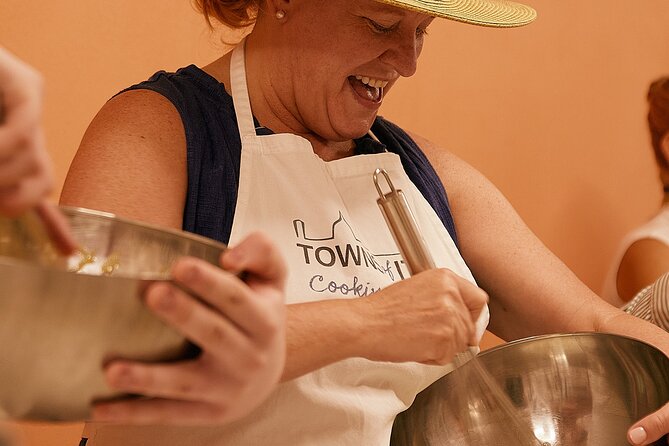
Dessert often gets treated like an optional extra in some cooking classes. Here, it’s part of the core lunch: tiramisu.
Learning tiramisu in the middle of a real cooking flow keeps it real. You’re not treating dessert like a separate hobby class. You’re finishing your meal with the same hands-on focus you used for pasta.
If you like the idea of learning desserts that travel well in your memory (not just techniques you forget the next day), tiramisu is one of the best choices. You get practice with the textures and timing that make a dessert feel right.
Chianti With Lunch: Making the Meal Part of the Lesson
After cooking, you sit down and eat what you made. This is where the experience becomes more than a class—it turns into a proper shared lunch.
You’ll toast with Chianti wine, and you get unlimited glasses of Chianti with lunch. That one detail changes the emotional feel of the afternoon. It turns a “do your best” workshop into a celebration of results.
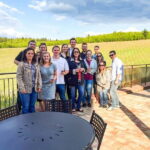
You also get to share the table with classmates, which helps you compare what you did and what you’d do differently next time. If your goal is to go home with confidence in making pasta and sauce, having that meal experience right after cooking locks in what you learned.
And you do leave with a graduation diploma plus a digital recipe booklet. That’s a nice touch because it turns a fun day into something you can refer back to.
What You Can Buy and Bring Home (So the Flavor Doesn’t Disappear)
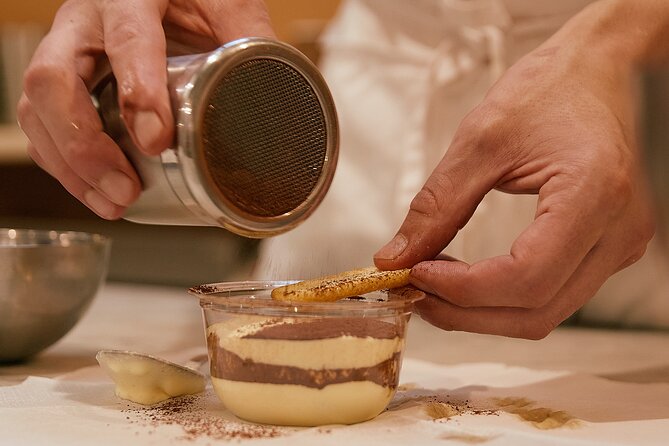
The market portion isn’t only about seeing stalls. You’ll have the chance to sample and buy from artisan producers you meet along the way.
This is value in a different form. Instead of just paying for a class, you’re also being guided toward items that are hard to spot in a regular supermarket. If you buy olive oil, vinegar, pasta ingredients, or specialty products after tasting, you’re more likely to buy things that actually match the flavors you practiced.
That matters for your kitchen at home. When you make the recipes again, you won’t be guessing with generic ingredients.
March 2026 Upgrade: Nonna’s Lasagna From Scratch
If your trip lines up later, there’s a planned upgrade. Starting in March 2026, the experience shifts to Nonna’s Lasagna, with lasagna prepared from scratch. That includes:
- fresh pasta
- ragù
- besciamella sauce
You’ll also enjoy a Tuscan wine pairing that includes dessert wine, and you’ll still receive a digital recipe booklet.
So here’s how to decide: if you want the current format with bruschetta, tagliatelle and ravioli, and tiramisu, book before that switch. If lasagna is your dream dish, wait for the upgraded version and plan around the later menu.
Price and Time: Why $62.30 Can Feel Like a Deal
At $62.30 per person for about five hours, this isn’t just a “tour.” It’s a guided market experience plus a full cooking session, including tastings and wine. You’re also getting take-home support: the digital recipe booklet and diploma.
The real value shows up in three places:
- You get chef guidance through multiple dishes, not one isolated recipe.
- You taste key ingredients during the market portion, which improves your results later.
- You eat what you cook, so the day doesn’t end with leftovers or a quick sample.
Also, the group size cap of 20 helps protect the experience. Larger classes can turn into “watch and hope.” This one is set up for you to actually cook.
Two timing notes to keep in mind:
- There’s no hotel pickup, so factor in how you’ll get to Via Panicale.
- On average, bookings happen about 62 days in advance, which usually means popular dates can fill.
If you’re planning a short Florence stay, this is a strong use of time because it checks multiple boxes at once: market, cooking, lunch, wine, recipes.
Who This Works Best For (and Who Should Rethink)
This class is a good fit if you want:
- a practical Florence food experience that goes beyond eating
- hands-on pasta practice (tagliatelle and ravioli)
- a chef-led market walk at Mercato Centrale
- the chance to buy artisan products you tasted
It’s suitable for vegetarians because the menu avoids meat and fish. That said, eggs can’t be excluded, so if eggs are a problem for you, double-check with the provider when booking.
If you have celiac disease, this is not suitable for you. Food safety here matters, and the class won’t be the right match.
Families can do it too. If children or teens under 18 join, they must be accompanied by at least one adult, or they may be excluded without refund. Pets are not permitted.
Finally, the all-weather setup helps. You’re not gambling on the weather ruining the plan.
Should You Book This Florence Market-to-Kitchen Class?
I think you should book if you want a structured day that teaches real technique and leaves you with ingredients, recipes, and confidence to cook Italian food at home. The combination of market tastings, fresh pasta hands-on work, and Chianti with lunch is a strong value triangle for Florence.
Skip it (or choose another option) if you need a celiac-safe class or if eggs are a hard no for your dietary rules. Also, if you hate walking in markets, keep expectations realistic: part of the day is exploring vendor stalls before you cook.
If you’re traveling with friends or family and you want the day to feel social but still guided, this small-group format is exactly the kind that makes the time fly.
FAQ
How long is the Florence cooking class and market tour?
It lasts about 5 hours (approx.).
Where do I meet for the experience?
You meet at Towns of Italy – Cooking School – Florence, Via Panicale, 43/r, 50123 Firenze FI, Italy. The activity ends back at this same meeting point.
Is the class vegetarian-friendly?
Yes. It is suitable for vegetarians (no meat or fish), but some dishes include eggs, so you should notify them in advance.
Can celiacs (gluten-free needs) join?
No. This experience is not suitable for Celiacs.
What do we cook and eat?
You’ll make bruschetta for starter, fresh home-made pasta including tagliatelle and ravioli with two sauces, and tiramisu for dessert. The exact menu can vary based on fresh ingredients and intolerances.
Do I get wine with lunch?
Yes. Lunch includes unlimited glasses of Chianti.
What if the Florence Central Market is closed?
When the market is closed (Sundays and bank holidays), the market visit is replaced with a special introduction and extra tastings at the cooking school.
Will the menu change later in the year?
Yes. Starting March 2026, you’ll prepare Nonna’s Lasagna from scratch (fresh pasta, ragù, and besciamella) and enjoy an updated wine pairing. Guests booking before March 2026 join the current class format.
More Florence Tours We Have Reviewed
- Florence: Skip-The-Line Uffizi Gallery Timed Entry Ticket
★ 4.5 · 27,832 reviews - Tuscany Day Trip from Florence: Siena, San Gimignano, Pisa and Lunch at a Winery
★ 5.0 · 21,634 reviews - Florence: Timed Entry to Michelangelo’s David + Audio App
★ 4.6 · 19,496 reviews - Florence: Leonardo Interactive Museum Entry Ticket
★ 4.5 · 12,957 reviews - Florence: Michelangelo’s David Skip-the-Line Entry Ticket
★ 4.5 · 12,764 reviews
Still Hungry in Florence?
- Winner 2025 Florence Sunset Food & Wine Tour by Eating Europe
★ 5.0 · 5,015 reviews - Florence: Cinque Terre Park Day Trip with Optional Street Food
★ 4.5 · 3,593 reviews - Florence: Day Trip to Cinque Terre with Optional Street Food
★ 4.5 · 2,854 reviews - From Florence: Tuscany Wine & Food Tour with Guide
★ 4.9 · 1,746 reviews - Florence: Street Food Tour with Wine & Local Guide
★ 4.9 · 1,443 reviews
More Florence Cooking Classes
- Florence: Pasta Cooking Class with Unlimited Wine
★ 4.9 · 10,285 reviews - Florence Pizza or Pasta Class with Gelato Making at a Tuscan Farm
★ 5.0 · 6,801 reviews - Florence: Pasta & Tiramisu Cooking Class with Unlimited Wine
★ 4.9 · 6,708 reviews - Florence: Pasta Cooking Class with Unlimited Wine
★ 5.0 · 6,413 reviews - Cooking Class and Lunch at a Tuscan Farmhouse with Local Market Tour from Florence
★ 5.0 · 4,831 reviews
Fresh from our Florence review desk
- Small-Group Pasta Cooking Class and Market Tour in Florence★ 5.0 · 3 reviews
- Palatina Gallery and Pitti Guided Tour in Florence★ 5.0 · 3 reviews
- Tuscan Evening Tour: Fiat 500, 8:30 to 10 PM★ 5.0 · 3 reviews
- Journey into Art: Florence’s Accademia★ 4.5 · 3 reviews
- Paint and Drink Florentine Hills★ 5.0 · 3 reviews
- Truffle hunting and lunch experience, with Vinci and winery.★ 4.5 · 3 reviews
Florence Cooking Classes, compared.
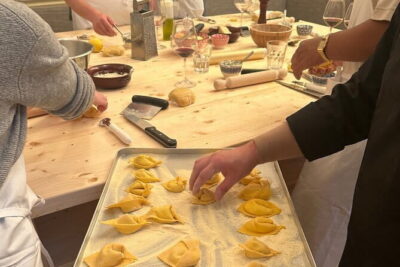 ★ 4.9Pasta Cooking Class with Unlimited WineFrom $2110,285 reviews
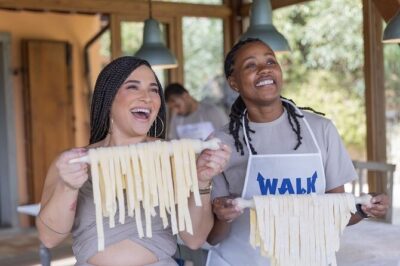 ★ 5.0Florence Pizza or Pasta Class with Gelato Making at a Tuscan FarmFrom $1456,801 reviews
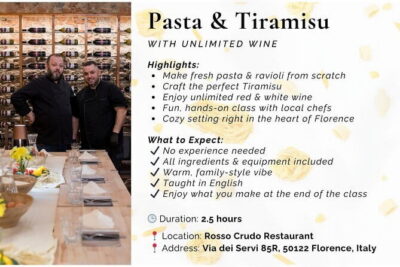 ★ 4.9Pasta & Tiramisu Cooking Class with Unlimited WineFrom $566,708 reviews
★ 5.0Pasta Cooking Class with Unlimited Wine6,413 reviews
★ 4.9Pasta & Tiramisu Cooking Class with Unlimited WineFrom $566,708 reviews
★ 5.0Pasta Cooking Class with Unlimited Wine6,413 reviews
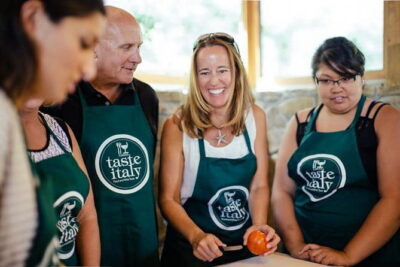 ★ 5.0Cooking Class and Lunch at a Tuscan Farmhouse with Local Market Tour from FlorenceFrom $1454,831 reviews
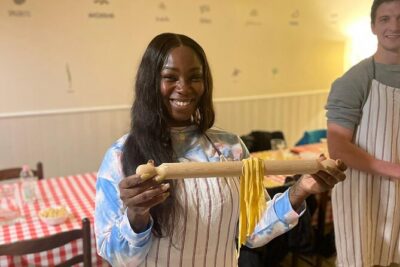 ★ 5.0Pastamania – Florence Pasta Making ClassFrom $493,050 reviews
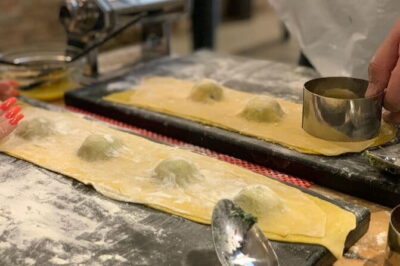 ★ 5.0Cooking Class Pasta & Tiramisu Making Unlimited WineFrom $892,234 reviews
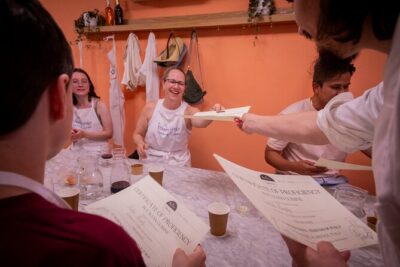 ★ 5.0Florence Cooking Class The Art of Making Gelato & Authentic PizzaFrom $642,053 reviews
Browse the lists this tour appears in