
Reviewed · WINE TOURS
Florence: Art of Pasta Cooking Workshop with Food and Wine
Fresh pasta beats any souvenir. In Florence, this hands-on 3-hour workshop turns you from pasta admirer into pasta maker, using local ingredients and a chef who knows the craft. You’ll shape classic forms and then sit down to a full meal paired with wine.
I love the small-group feel and the practical coaching. Chefs such as Simone, Davide, Andrea, Marco, Thomas, and others have led classes on different nights, and the common thread is clear, step-by-step instruction and lots of attention while you work.
I also like that the class isn’t just dough on a counter. You make three pasta types (tortelli, tagliatelle, fettuccine), learn matching sauces, and eat what you produce—plus there’s unlimited wine, so it’s a real evening, not a quick demo. One consideration: since transportation isn’t included and wine is unlimited, plan accordingly if you’re pairing this with other sightseeing and you don’t want to drink.
In This Review
- Key Things That Make This Pasta Class Worth Your Time
- Why This Florence Workshop Feels More Like Dinner Than a Lesson
- The 3-Hour Schedule: What Happens From Start to Finish
- Meeting Your Chef in Central Florence (and Using That Time Well)
- Tortelli, Tagliatelle, Fettuccine: Three Shapes, Three Lessons
- Tortelli
- Tagliatelle
- Fettuccine
- Sauces and Local Products: How to Stop Guessing at Home
- Wine, Soft Drinks, and the Full Meal You Actually Eat
- Vegetarian Options and Real Dietary Considerations
- What You Take Home: Recipes, Apron, and Confidence
- Price and Value: Is $129 Fair for Florence?
- Who This Pasta Class Is Best For
- Should You Book This Florence Pasta Workshop?
- FAQ
- How long is the Florence Art of Pasta Cooking Workshop?
- What is included in the price ($129 per person)?
- Is there a vegetarian option?
- What pasta types will I learn to make?
- Is the class taught in English?
- Is transportation included?
- What is the cancellation policy?
Key Things That Make This Pasta Class Worth Your Time
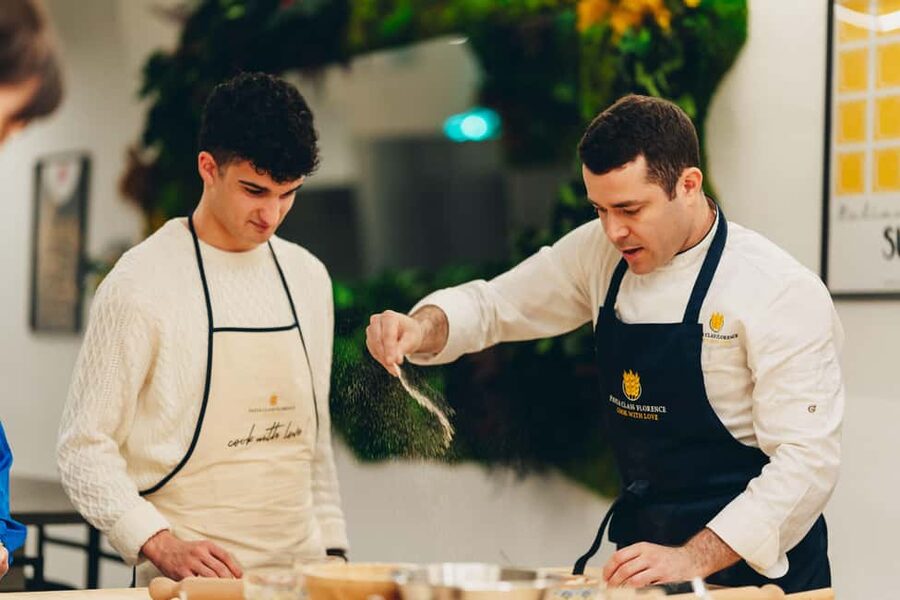
- Michelin-trained coaching at your table: you’re taught like a student, not watched like a show.
- Three different pastas: tortelli, tagliatelle, and fettuccine, so you actually learn shapes and technique.
- Unlimited Tuscan wine with your meal: dinner is part of the experience, not an afterthought.
- Local ingredients, not shortcuts: you’ll work with typical regional products used in classic recipes.
- Take-home tools: you get an e-book recipe and an apron to keep the momentum going after your trip.
- Vegetarian option available: you don’t have to give up the full class and meal.
Roll up your sleeves for another Florence cooking class
Why This Florence Workshop Feels More Like Dinner Than a Lesson
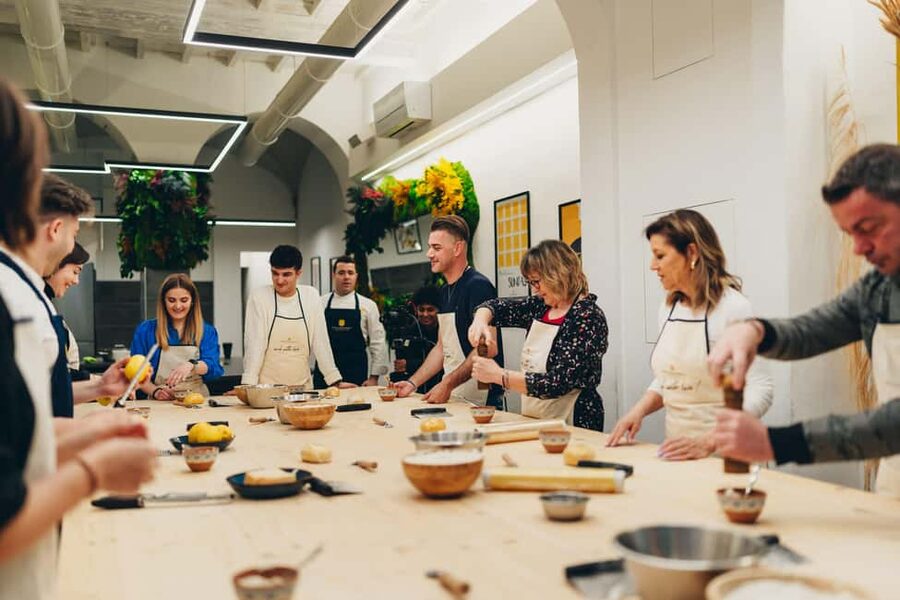
Florence has no shortage of cooking experiences, but not all of them teach you enough to recreate pasta at home. This one is built around hands-on shaping, proper sauces, and then eating the results while wine flows. That matters, because pasta gets easier when you understand what the dough is supposed to feel like in your hands.
Another big plus is the format: you work with a chef during the process and then cook-and-eat as a group. That changes how you remember the steps. Instead of memorizing, you associate each technique with a taste and texture—elastic dough, resting time, how the sauce clings, and how different shapes hold different mouthfuls.
And yes, the chef lineup is a draw. Several class leaders listed here—Simone, Davide, Andrea, Marco, Thomas—show up in real feedback. Across names, the teaching style sounds consistent: friendly, focused, and patient with questions, including dietary needs like lactose intolerance when discussed in class.
The 3-Hour Schedule: What Happens From Start to Finish
You’re looking at about three hours, with English instruction. In that time, the class packs in both skill-building and food. Here’s the flow you can expect.
First, you get set up for pasta making. You’ll use the equipment and ingredients provided, so you’re not hunting for supplies at the last minute. Then you learn how to craft fresh dough and handle it properly—because pasta dough isn’t just about mixing. It’s about texture and timing.
Next comes shaping and learning how different forms behave. The workshop specifically calls out tortelli, tagliatelle, and fettuccine, which is a smart trio because they test different skills. You’re practicing both rolling and finishing, and you’ll learn why shape matters when it comes time to eat.
After the pasta is ready, you move into cooking and sauce pairing. The goal is to complement what you made, not cover it with a mystery sauce. You’ll also get guidance on traditional flavor combinations using typical local products.
Then comes the best part: you sit down for a full meal made of three pasta dishes (matching what you worked on) and you drink wine throughout the experience. Soft drinks are included too, which is useful if you’re pacing yourself.
If you’re the type who worries about being too slow in cooking classes, don’t. The teaching format is built around hands-on steps and direct support, so you’re not left to flail at a counter alone.
Meeting Your Chef in Central Florence (and Using That Time Well)
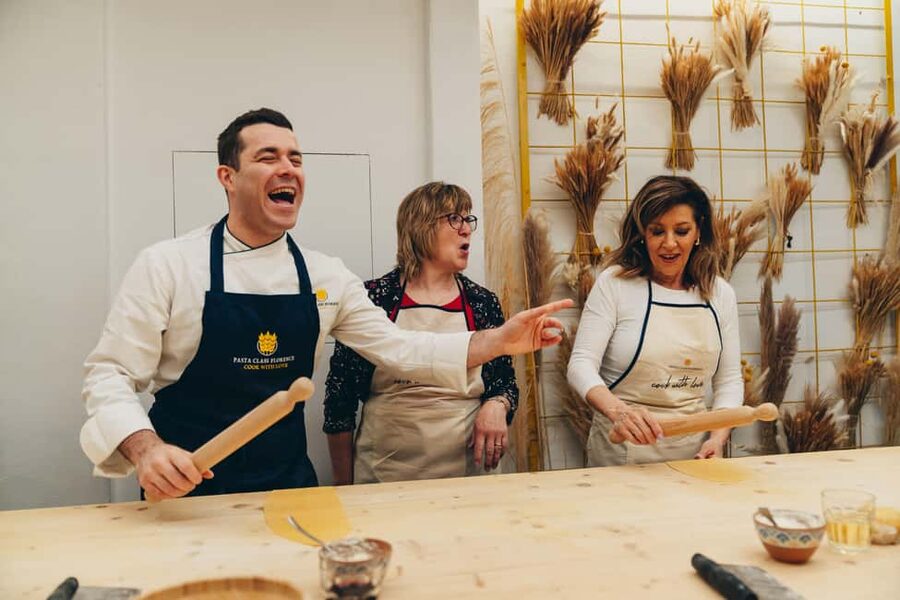
You meet your chef at Pasta Class Florence. The good news for planning is that you’re not doing a complicated shuffle between locations. The main session happens in one place, and everything you need is provided.
The chefs are described as having Michelin-star background experience and restaurant-level skills. More importantly, the class is taught in English, which makes a huge difference for learning techniques. Pasta terms can get confusing fast, but you’ll get explanations you can actually use later.
One practical tip: ask questions while you’re working, not after. When you’re holding dough or shaping pasta, that’s the moment the “why” clicks. If something feels off—too dry, too sticky, too thin—bring it up immediately. The structure of the class is designed for that.
Also, take note of who’s teaching that night. Chefs such as Simone and Davide show up in English-led sessions, and names like Andrea, Marco, and Thomas appear too. Since teaching styles can vary, you’ll get the most out of it by using the chef’s time actively.
Tortelli, Tagliatelle, Fettuccine: Three Shapes, Three Lessons
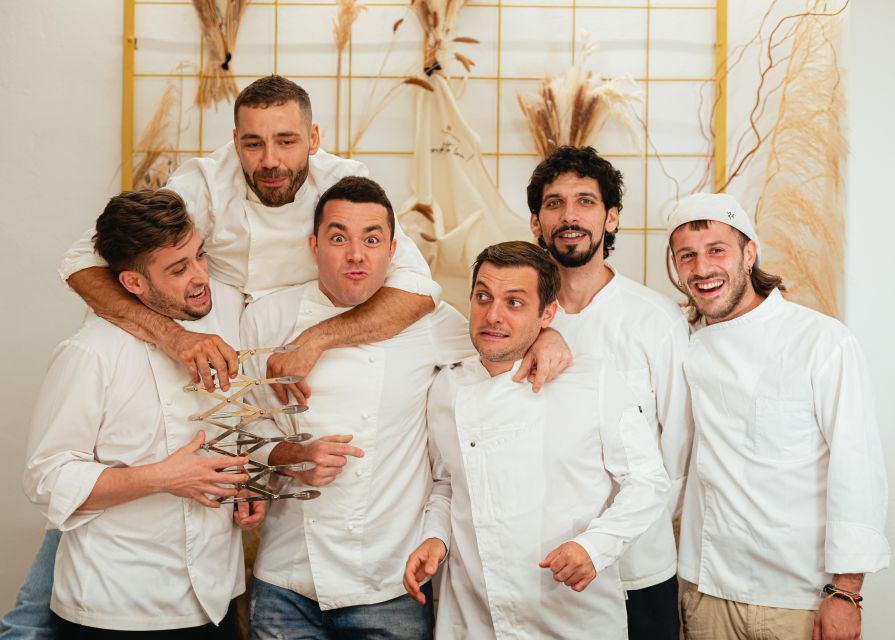
One of the smartest parts of this workshop is that you don’t learn only one pasta. You learn how to make different forms that behave differently.
Tortelli
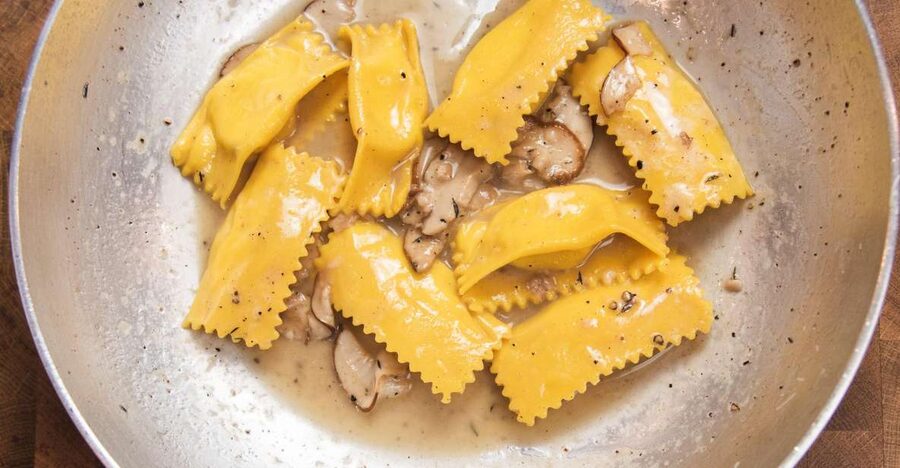
Tortelli are a good test of handling—portioning, filling (if your class includes it), and sealing or shaping. You learn not only how to form the pasta, but how to keep it from losing its shape once cooked.
Hungry yet? More Florence food walks to graze
Tagliatelle
Tagliatelle are a rolling and cutting exercise. This is where you learn how thickness and consistency affect texture. Too thick and it feels heavy. Too thin and it can get delicate fast. You’ll also start to understand why restaurant tagliatelle always looks even: the dough matters, and your hand technique matters too.
Fettuccine
Fettuccine is similar in spirit but different in scale. You learn how a wider ribbon changes the eating experience and how sauces cling. It’s a shape that rewards patience—because the pasta should look smooth and cook evenly.
The value here isn’t just variety. It’s pattern recognition. After you learn how to roll, cut, or shape one type correctly, you start spotting the same fundamentals across all three.
Sauces and Local Products: How to Stop Guessing at Home
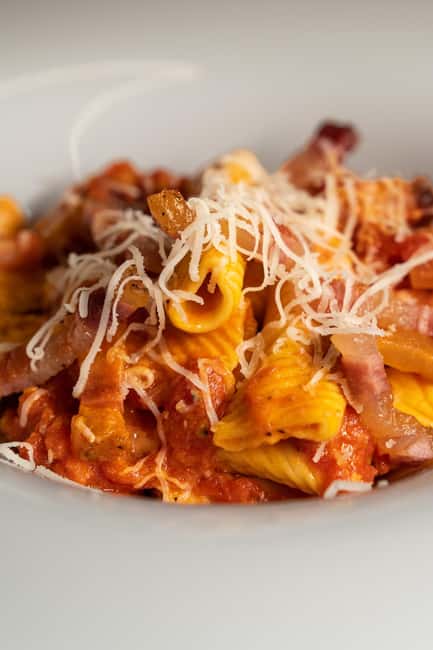
This class isn’t only about pasta. It’s also about pairing your work with traditional sauces. That’s where you build real confidence for cooking later.
The experience uses typical local products, which matters because Italian sauce flavor doesn’t come from random seasoning mixes. You’ll learn traditional pairings—how the sauce should taste and how it should behave with the pasta you made.
You’re also taught to cook like the Italians at the table, not like someone waiting for a food processor to save the day. That means you’ll get guidance on balancing flavors and understanding how sauces come together with your pasta.
One thing I appreciate as a travel rule: whenever you can connect your meal to a specific technique you practiced, the memory lasts. Pasta here becomes less of a restaurant event and more of a skill you can repeat.
Wine, Soft Drinks, and the Full Meal You Actually Eat
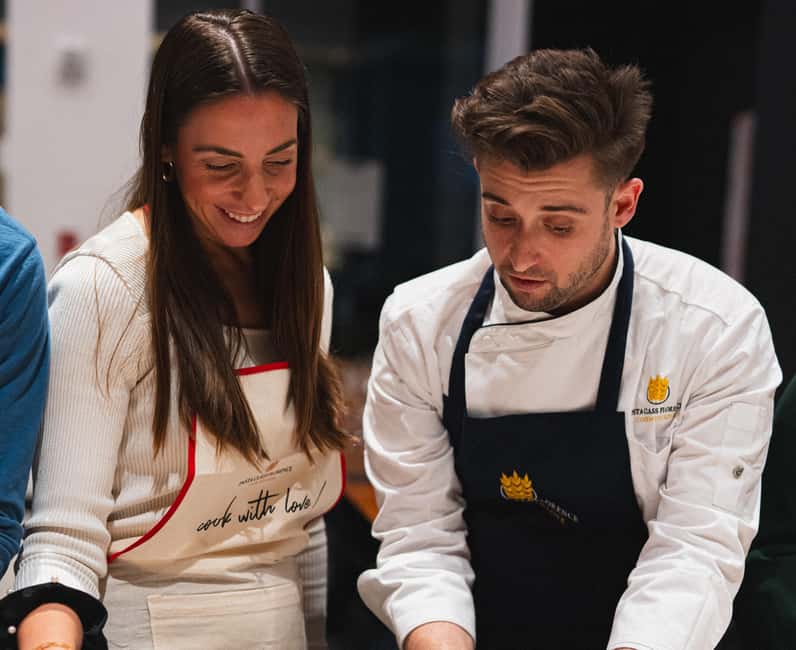
This is not a snack-style class. The experience ends with a full meal: three pasta dishes, and unlimited wine throughout the session.
From a practical standpoint, that changes the vibe. You’re not rushing out the door as soon as the dough is done. Instead, you eat what you made while it’s fresh, and while you’re still in learning mode. That combination is why the class sticks.
It’s also why your evening plan matters. If you’re planning museums afterward, you’ll want to pace yourself. Unlimited wine is included, so it’s easy to overdo it if you don’t have a rhythm.
If you prefer not to drink wine, soft drinks are included too. You can still enjoy the meal and the social side without needing alcohol to make the experience enjoyable.
Vegetarian Options and Real Dietary Considerations
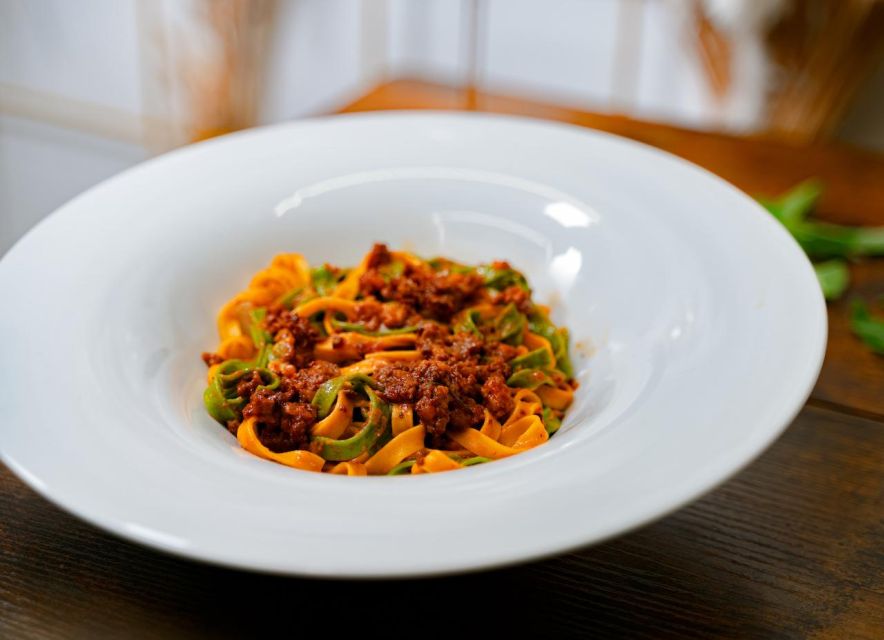
The workshop offers vegetarian options, which is important because some pasta classes default to meat-based sauces or fillings.
Also, at least one class experience included lactose intolerance support. That doesn’t mean every dietary need can be handled without notice, but it does suggest that the chef is willing to adjust. When booking, it’s worth flagging dietary requirements early so the kitchen can plan.
What You Take Home: Recipes, Apron, and Confidence
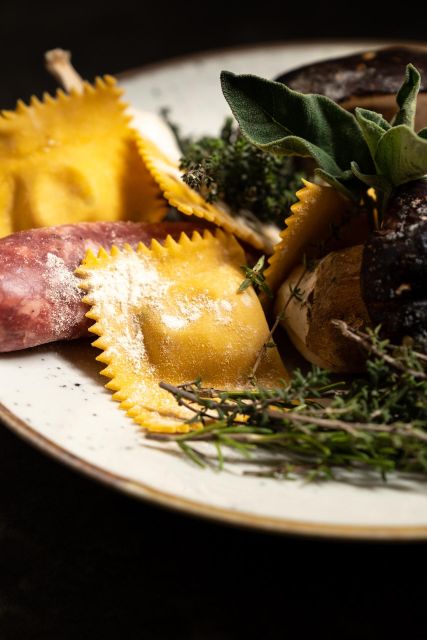
At the end, you don’t just leave full. You get take-home materials: an e-book recipe and an apron as a gift. There’s also mention of exclusive recipes from a cookbook, but in the provided details the e-book recipe is clearly included.
Here’s why that matters for value. Pasta skills fade fast if you only rely on memory. Having a written format you can follow helps you remake the dishes once you’re back in your own kitchen.
You’ll also likely learn practical tricks—things like dough texture cues, rolling thickness, and how to time the cook—so you’re not starting from scratch.
If you want to keep cooking after the class, the program also mentions shopping for artisan-made pasta tools, shipped to you. That’s useful if you decide you want the right rolling or shaping tools but don’t want to carry them through the trip.
Price and Value: Is $129 Fair for Florence?
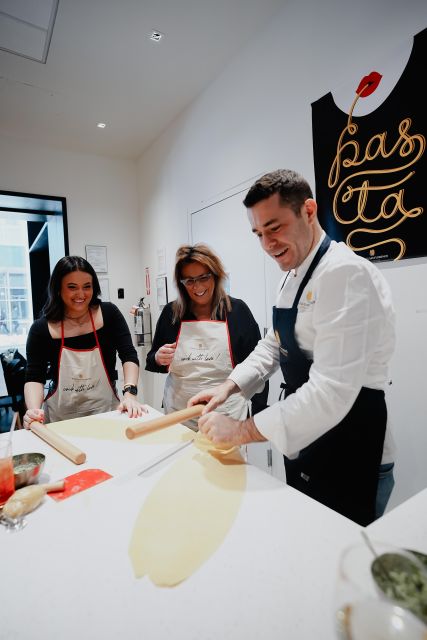
At $129 per person for a roughly 3-hour class, the price feels reasonable once you look at what’s included:
- A chef (English instruction)
- Equipment and ingredients
- Hands-on pasta making
- Cooking and eating three pasta dishes
- Unlimited wine and soft drinks
- An e-book recipe and a complimentary apron
Many cooking classes charge for instruction only, and then you buy food and drinks separately. Here, you’re getting the meal built around your work. You’re also paying for the teaching plus the ingredients you wouldn’t want to source yourself while on vacation.
It’s not the cheapest thing you can do in Florence. But it’s also not just a “watch someone cook” experience. For the price, you’re buying a skill session plus a dinner out, in one package.
Who This Pasta Class Is Best For
This is ideal if you fit any of these profiles:
- You want a hands-on experience, not a lecture.
- You like food and wine enough that a cooking class feels like an evening activity.
- You’re traveling with a partner, family group, or a small set of friends and want something interactive.
- You want a skill you can actually repeat at home.
It’s also a strong choice for first-time pasta makers because the class is structured around clear steps and direct support, and because you learn multiple shapes instead of just one.
If you hate cooking messes, expect a calm, hands-off experience, or you’re avoiding alcohol entirely, you might prefer a food-focused tour that doesn’t include unlimited wine. But if you’re open to the full dinner vibe, this class is a smart match.
Should You Book This Florence Pasta Workshop?
Book it if you want real pasta technique plus a full meal in a single, well-paced evening. The combination of fresh pasta making, three pasta types (tortelli, tagliatelle, fettuccine), and unlimited wine is what turns this from a fun activity into a story you’ll still be able to re-create later with your own hands.
Consider skipping it if:
- You’re short on time and need a lighter, faster activity.
- You don’t want the wine element at all.
- You strongly prefer guided sightseeing over cooking.
If you’re on the fence, here’s the simplest decision rule: if you’d enjoy learning to make pasta shapes and leaving with a usable recipe, this is worth your money and your planning time. It’s one of those Florence experiences where the souvenir is edible—and teachable.
FAQ
How long is the Florence Art of Pasta Cooking Workshop?
The experience lasts about 3 hours.
What is included in the price ($129 per person)?
The class includes a chef, a pasta-making workshop with equipment and ingredients, food (three pasta dishes), unlimited wine, soft drinks, an e-book recipe, and an apron as a gift.
Is there a vegetarian option?
Yes, vegetarian options are available.
What pasta types will I learn to make?
You’ll make different pasta shapes including tortelli, tagliatelle, and fettuccine.
Is the class taught in English?
Yes, instruction is in English.
Is transportation included?
No, transportation is not included.
What is the cancellation policy?
You can cancel up to 24 hours in advance for a full refund.
More Florence Tours We Have Reviewed
- Florence: Skip-The-Line Uffizi Gallery Timed Entry Ticket
★ 4.5 · 27,832 reviews - Tuscany Day Trip from Florence: Siena, San Gimignano, Pisa and Lunch at a Winery
★ 5.0 · 21,634 reviews - Florence: Timed Entry to Michelangelo’s David + Audio App
★ 4.6 · 19,496 reviews - Florence: Leonardo Interactive Museum Entry Ticket
★ 4.5 · 12,957 reviews - Florence: Michelangelo’s David Skip-the-Line Entry Ticket
★ 4.5 · 12,764 reviews
Still Hungry in Florence?
- Winner 2025 Florence Sunset Food & Wine Tour by Eating Europe
★ 5.0 · 5,015 reviews - Florence: Cinque Terre Park Day Trip with Optional Street Food
★ 4.5 · 3,593 reviews - Florence: Day Trip to Cinque Terre with Optional Street Food
★ 4.5 · 2,854 reviews - From Florence: Tuscany Wine & Food Tour with Guide
★ 4.9 · 1,746 reviews - Small Group Cooking Class & Market Food Tour in Florence
★ 5.0 · 1,574 reviews
More Florence Cooking Classes
- Florence: Pasta Cooking Class with Unlimited Wine
★ 4.9 · 10,285 reviews - Florence Pizza or Pasta Class with Gelato Making at a Tuscan Farm
★ 5.0 · 6,801 reviews - Florence: Pasta & Tiramisu Cooking Class with Unlimited Wine
★ 4.9 · 6,708 reviews - Florence: Pasta Cooking Class with Unlimited Wine
★ 5.0 · 6,413 reviews - Cooking Class and Lunch at a Tuscan Farmhouse with Local Market Tour from Florence
★ 5.0 · 4,831 reviews
Fresh from our Florence review desk
- Small-Group Pasta Cooking Class and Market Tour in Florence★ 5.0 · 3 reviews
- Palatina Gallery and Pitti Guided Tour in Florence★ 5.0 · 3 reviews
- Tuscan Evening Tour: Fiat 500, 8:30 to 10 PM★ 5.0 · 3 reviews
- Journey into Art: Florence’s Accademia★ 4.5 · 3 reviews
- Paint and Drink Florentine Hills★ 5.0 · 3 reviews
- Truffle hunting and lunch experience, with Vinci and winery.★ 4.5 · 3 reviews
Wine Tours, compared.
 ★ 5.0Tuscany Day Trip from Florence: Siena, San Gimignano, Pisa and Lunch at a WineryFrom $11421,634 reviews
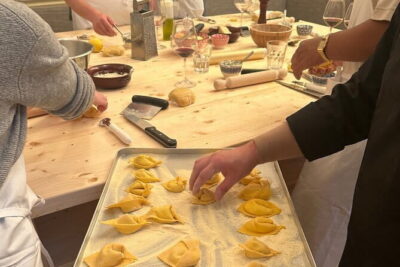 ★ 4.9Pasta Cooking Class with Unlimited WineFrom $2110,285 reviews
 ★ 4.5Chianti Wineries Tour with Wine TastingFrom $4110,071 reviews
 ★ 5.0Small-Group Wine Tasting Experience in the Tuscan CountrysideFrom $1077,392 reviews
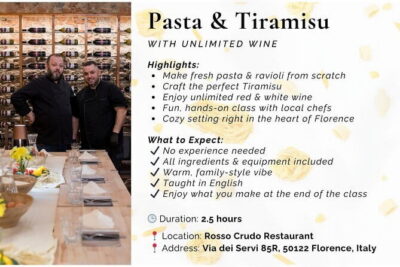 ★ 4.9Pasta & Tiramisu Cooking Class with Unlimited WineFrom $566,708 reviews
★ 5.0Pasta Cooking Class with Unlimited Wine6,413 reviews
★ 4.9Pasta & Tiramisu Cooking Class with Unlimited WineFrom $566,708 reviews
★ 5.0Pasta Cooking Class with Unlimited Wine6,413 reviews
 ★ 4.5Pisa, Siena and San Gimignano Day Trip with Lunch & Wine PairingFrom $786,006 reviews
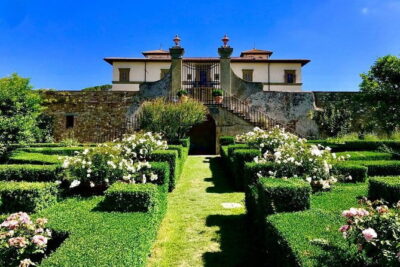 ★ 5.0SMALL-GROUP Wine Safaris: Tuscan Wine Tasting Tours from FlorenceFrom $1575,088 reviews
Browse the lists this tour appears in