
Reviewed · WINE TOURS
Florence: Food Tour with Wine and Gelato
Florence tastes better with a local guide. I love the three food stops and sipping Chianti and Brunello, but expect a solid walk through historic streets.
I also like how the tour uses Florence’s big landmarks as the backdrop for real food culture, not just photos. In guides like Vanessa and Enrico’s hands, you get clear explanations, and even when timing gets tight, the staff tries to coordinate so your next plans aren’t wrecked.
If you’re vegetarian, you can request a menu ahead of time. The only real heads-up: there’s no children’s menu, so this one fits best when everyone in your group wants to try the local classics.
In This Review
- Key Highlights You’ll Feel Fast
- A 2-Hour Taste Map Through Florence’s Classics
- Santa Croce to Signoria: Stories That Explain the City
- The Mercado Stop and the River Side: What’s Changing as You Walk
- Ribollita, Lampredotto, Cheeses, and Cold Cuts: What the Food Stops Actually Mean
- Wine Pairing in Florence: Chianti and Brunello in Real Context
- The Guide Factor: Vanessa, Enrico, and Giovanni’s Kind of Help
- Photo Stops That Don’t Waste Your Time
- Price and Value: Is $100 Worth It?
- Who This Tour Suits Best (and Who Should Skip It)
- Should You Book This Florence Food Tour?
- FAQ
- How long is the Florence Food Tour with Wine and Gelato?
- Where does the tour start?
- What’s included in the price?
- What foods and drinks do we taste?
- Is there a vegetarian option?
- How much walking is involved?
- Do they have a children’s menu?
Key Highlights You’ll Feel Fast

- 3 tastings that cover real Florentine flavors like ribollita, lampredotto, cheeses, and traditional cold cuts
- Wine with a sense of place, including Chianti and Brunello di Montalcino
- Photo stops at major squares and neighborhoods, from Santa Croce to Oltrarno
- A short, doable 2-hour format with about 2 km / 1.25 miles of walking
- Guides who mix facts with on-the-street food choices, including examples like Vanessa, Enrico, and Giovanni
Roll up your sleeves for another Florence cooking class

A 2-Hour Taste Map Through Florence’s Classics
This is a smart way to see Florence without trying to pack a whole day into your legs. In just 2 hours, you cover a tight loop through historic areas while stopping for tastings along the way. You’ll walk about 2 km (1.25 miles), so wear shoes you’d trust on cobblestones and slightly uneven sidewalks.
The meeting point is Via di S. Giuseppe, 4R. From there, you’ll follow your guide through squares and viewpoints, with photo stops that make sense for first-time orientation. Then the tour shifts gears into food—three different stops where you actually taste, not just look.
One practical detail: this is a walking experience, and there’s no hotel transfer included. If you’re staying outside the center, plan to get yourself to the meeting point on time (or you’ll feel rushed right at the start).
Santa Croce to Signoria: Stories That Explain the City
Right away, the tour leans into Florence’s street-level personality. You’ll hit Piazza di Santa Croce for a photo stop and guided tour, and this square is a great place to understand what you’re looking at before you move on. It’s the kind of stop where a guide can connect buildings and monuments to the way Florence thinks and talks about itself.
Next comes Piazza della Signoria, another heavy hitter for photos and context. Even if you’ve seen images of this area, it lands differently when someone points out what matters and why. This stop matters because it’s where Florence’s civic pride and art culture feel close enough to touch.
If you care about meaning, not just landmarks, you’ll likely enjoy this part most. It sets up why the food stops feel Florentine instead of generic Italian-tasting-menu tourism.
The Mercado Stop and the River Side: What’s Changing as You Walk
After the big squares, you move toward the Mercato del Porcellino area for another photo stop and guided tour. Markets give you something museums can’t: daily rhythm. Even if you don’t shop, the atmosphere helps you understand why Florence’s food culture is tied to neighborhood life.
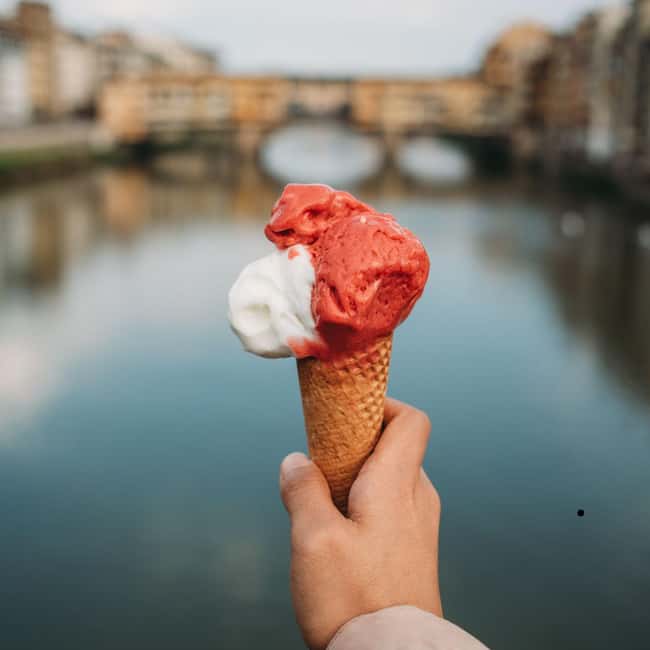
Then you’ll reach Ponte Vecchio for photos and guided touring. This bridge is famous for a reason, but the real value here is pacing—your guide helps you look past the postcard view. You’ll also get the sense of how this part of the city developed around commerce and craft, which fits nicely with the tour’s food theme.
Finally, you’ll move into Oltrarno for another photo stop and guided tour. Oltrarno is a classic way to see a different face of Florence—more local-feeling streets, more everyday texture. It’s a good ending point because it makes your last tastings feel like they belong to a neighborhood, not a set location.
Ribollita, Lampredotto, Cheeses, and Cold Cuts: What the Food Stops Actually Mean
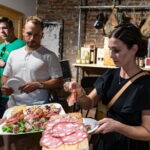
The heart of the tour is the three tasting stops. This isn’t just about sampling; it’s about learning what Florentines eat and why these items became symbols of the city’s appetite.
Here’s what you can expect across the tastings:
- Ribollita (a hearty bean-and-bread style soup that’s about comfort and thrift, the way Italian home cooking often is)
- Lampredotto (a Florentine street-food classic built around tripe, served in a way that shows how inventive the city can be)
- Cheeses and traditional cold cuts (a reminder that Florence isn’t only about warm bowls and sandwiches—there’s plenty of slow, savory grazing)
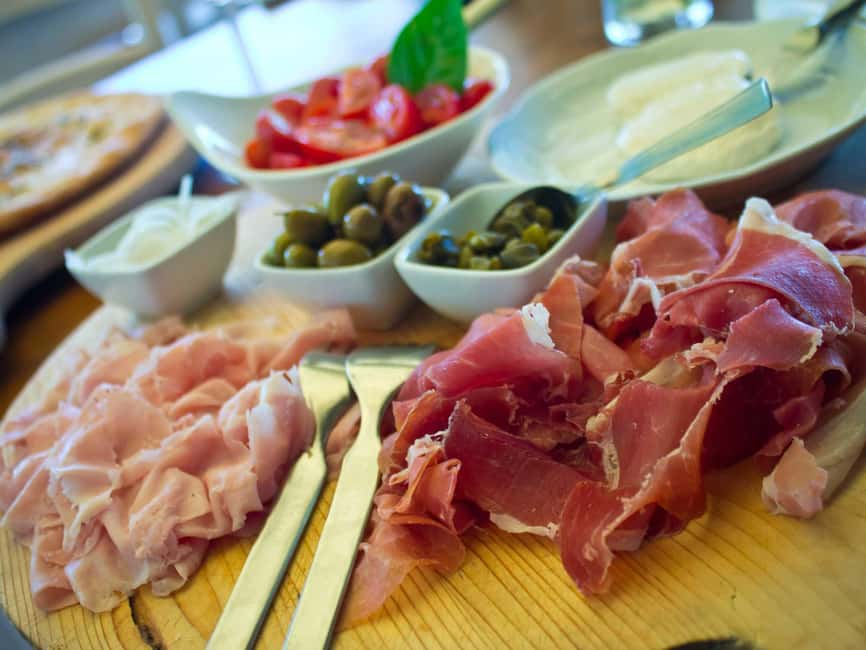
Because the food stops happen at different types of places—restaurant, bakery, and a local bar—the tour gives you variety in flavor and setting. That matters. If you only eat one style of food or one kind of shop, you miss the texture of a city. Here, you’re tasting across the spectrum of everyday Florentine eating.
One detail I think you’ll appreciate: the tour includes time to chat with your guide. That turns tastings into something you can remember instead of just swallow and move on from.
Also, there’s a vegetarian menu available upon request. That’s huge for planning, but do it early so your guide can arrange the right substitutions at each stop.
Wine Pairing in Florence: Chianti and Brunello in Real Context
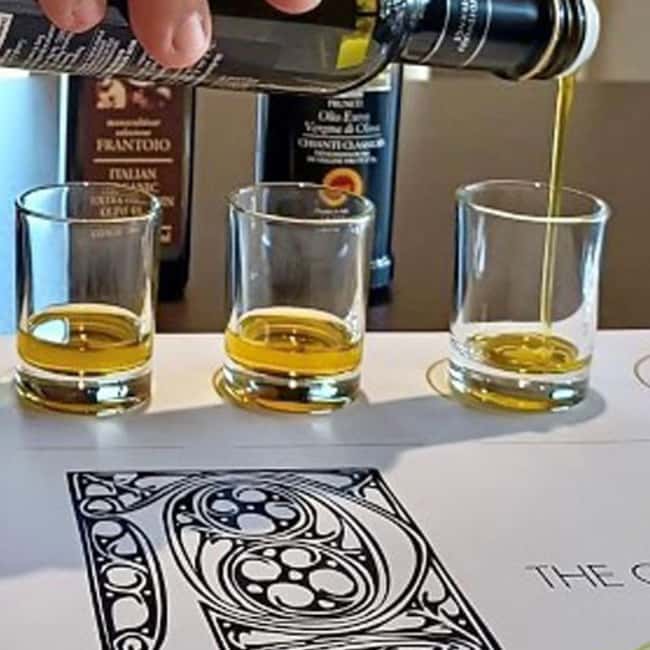
The tour doesn’t treat wine like a separate activity. You drink locally produced wines such as Chianti and Brunello di Montalcino alongside your tastings. For me, that’s the point: wine tastes better when you understand what it’s meant to accompany.
Chianti is a familiar name, but pairing it with Florentine staples gives it context. Brunello di Montalcino brings a different feel—usually heavier and more structured—so it tends to work especially well with savory bites like cold cuts and cheese.
In real-world terms, this is about pacing your tastings. You’ll have a chance to sip, taste, and reset as you keep walking. And if you care about getting more than “here’s a glass,” you’ll probably like the way guides explain what you’re drinking and why it fits.
Hungry yet? More Florence food walks to graze

The Guide Factor: Vanessa, Enrico, and Giovanni’s Kind of Help
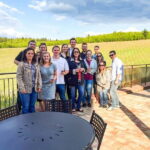
A tour is only as good as the person leading it. The best comments I’ve seen point to guides who keep the information clear, the vibe friendly, and the details practical.
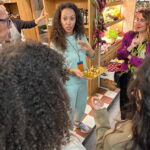
Names that came up in successful experiences include Vanessa and Enrico as guides. There’s also a mention of Giovanni, tied to a stop focused on kilometer-zero products (products made close to where they’re sold). That matters because it’s not just about the brand name of wine or food—it’s about local supply and real choices.
One thing I really respect: when someone runs late, good guides don’t ignore the problem. In at least one case, the guide coordinated to help the next tour connection work out. That’s not a small detail. It can save your afternoon from turning into a stress spiral.
Photo Stops That Don’t Waste Your Time
If you’ve ever done a walking tour where photo stops feel like filler, you’ll appreciate this structure more. The landmarks chosen are obvious winners:
- Santa Croce for an early orientation photo
- Signoria for the Florence-you-think-you-know view, explained with context
- Mercato del Porcellino for a market-feel pause
- Ponte Vecchio because it’s the river landmark everybody wants
- Oltrarno for the neighborhood perspective at the end
The tour also gives you moments to pause and take pictures without treating it like a race. You’ll still be walking, but the stops have a purpose.
My advice: take one quick panoramic shot at each stop, then spend 60 seconds looking at details your guide points out. That’s where your photos actually become useful later.
Price and Value: Is $100 Worth It?
At $100 per person for 2 hours, you’re paying for three real tastings plus a guide and wine. You’re not just buying food—you’re buying guidance that helps you understand what you’re eating and how Florence’s food culture fits into the city.
So the value math looks like this:
- You get 3 tasting stops, which is the part you can’t easily reproduce on your own without already knowing where to go.
- You get local wine, including Chianti and Brunello di Montalcino, which can be the most expensive add-on if you’re paying à la carte.
- You get walking-tour context, so you’re learning while you eat, instead of doing two separate activities.
Could you eat well on your own for less? Maybe. But you’d be spending extra time figuring out where to go and how to order. For many visitors, paying for a guided route that combines food and landmarks is a fair trade.
Who This Tour Suits Best (and Who Should Skip It)

This is a great fit if you:
- want Florentine food culture in a compact format
- enjoy trying classic items like lampredotto (yes, it’s an adventurous choice)
- want wine with guidance instead of wine with guesswork
- like walking tours that also give you photo-worthy stops
It’s less ideal if:
- you dislike any meat-based specialties (lampredotto is built from tripe)
- you need a short, minimal-walking outing—this one is about 2 km, and it’s on foot
- you’re traveling with young kids who need a children’s menu (there isn’t one)
If you’re bringing someone who’s vegetarian, the tour can work well since a vegetarian menu is available on request—just make sure that’s handled.
Also, the tour is wheelchair accessible, which is a real plus for visitors who want a guided Florence experience without forcing a full DIY crawl.
Should You Book This Florence Food Tour?
I’d book it if you want a focused 2-hour plan that pairs real tastings with landmark context and local wine. The standout reason is the combination: you walk through classic Florence areas and then you taste the city’s signature foods in multiple settings. That makes the experience feel like Florence, not like a generic food stop list.
Book it especially if you value good guiding—examples like Vanessa and Enrico suggest the tour has strong people behind it, and that matters for both the food explanations and the overall flow.
Skip it if you’re expecting a sit-down meal with no walking, or if your group isn’t into lampredotto or other traditional items. For the right mood, though, this is a smart, high-satisfaction way to spend an afternoon.
FAQ
How long is the Florence Food Tour with Wine and Gelato?
The tour lasts 2 hours.
Where does the tour start?
The starting location is Via di S. Giuseppe, 4R.
What’s included in the price?
You get a tour guide and 3 stops for food tasting.
What foods and drinks do we taste?
The tastings include ribollita, lampredotto, cheeses, and traditional cold cuts. You’ll also drink locally produced wines including Chianti and Brunello di Montalcino.
Is there a vegetarian option?
Yes. A vegetarian menu is available upon request.
How much walking is involved?
The tour requires about 1.25 miles (2 km) of walking.
Do they have a children’s menu?
No, there is no children’s menu available.
More Florence Tours We Have Reviewed
- Florence: Skip-The-Line Uffizi Gallery Timed Entry Ticket
★ 4.5 · 27,832 reviews - Tuscany Day Trip from Florence: Siena, San Gimignano, Pisa and Lunch at a Winery
★ 5.0 · 21,634 reviews - Florence: Timed Entry to Michelangelo’s David + Audio App
★ 4.6 · 19,496 reviews - Florence: Leonardo Interactive Museum Entry Ticket
★ 4.5 · 12,957 reviews - Florence: Michelangelo’s David Skip-the-Line Entry Ticket
★ 4.5 · 12,764 reviews
Still Hungry in Florence?
- Winner 2025 Florence Sunset Food & Wine Tour by Eating Europe
★ 5.0 · 5,015 reviews - Florence: Cinque Terre Park Day Trip with Optional Street Food
★ 4.5 · 3,593 reviews - Florence: Day Trip to Cinque Terre with Optional Street Food
★ 4.5 · 2,854 reviews - From Florence: Tuscany Wine & Food Tour with Guide
★ 4.9 · 1,746 reviews - Small Group Cooking Class & Market Food Tour in Florence
★ 5.0 · 1,574 reviews
More Florence Cooking Classes
- Florence: Pasta Cooking Class with Unlimited Wine
★ 4.9 · 10,285 reviews - Florence Pizza or Pasta Class with Gelato Making at a Tuscan Farm
★ 5.0 · 6,801 reviews - Florence: Pasta & Tiramisu Cooking Class with Unlimited Wine
★ 4.9 · 6,708 reviews - Florence: Pasta Cooking Class with Unlimited Wine
★ 5.0 · 6,413 reviews - Cooking Class and Lunch at a Tuscan Farmhouse with Local Market Tour from Florence
★ 5.0 · 4,831 reviews
Fresh from our Florence review desk
- Small-Group Pasta Cooking Class and Market Tour in Florence★ 5.0 · 3 reviews
- Palatina Gallery and Pitti Guided Tour in Florence★ 5.0 · 3 reviews
- Tuscan Evening Tour: Fiat 500, 8:30 to 10 PM★ 5.0 · 3 reviews
- Journey into Art: Florence’s Accademia★ 4.5 · 3 reviews
- Paint and Drink Florentine Hills★ 5.0 · 3 reviews
- Truffle hunting and lunch experience, with Vinci and winery.★ 4.5 · 3 reviews
Wine Tours, compared.
 ★ 5.0Tuscany Day Trip from Florence: Siena, San Gimignano, Pisa and Lunch at a WineryFrom $11421,634 reviews
 ★ 4.9Pasta Cooking Class with Unlimited WineFrom $2110,285 reviews
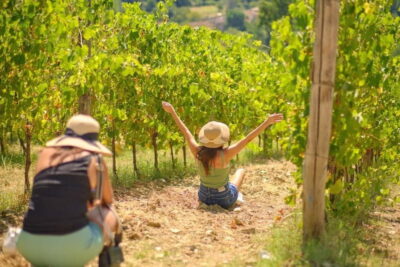 ★ 4.5Chianti Wineries Tour with Wine TastingFrom $4110,071 reviews
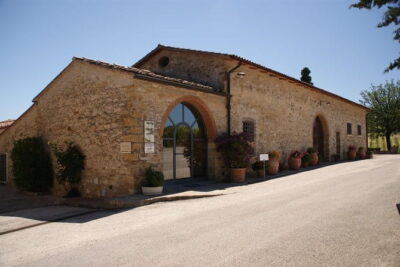 ★ 5.0Small-Group Wine Tasting Experience in the Tuscan CountrysideFrom $1077,392 reviews
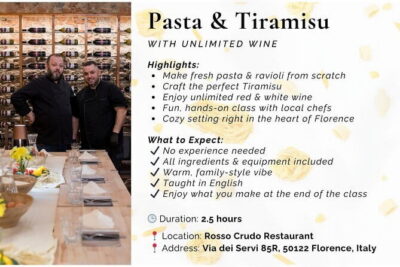 ★ 4.9Pasta & Tiramisu Cooking Class with Unlimited WineFrom $566,708 reviews
★ 5.0Pasta Cooking Class with Unlimited Wine6,413 reviews
★ 4.9Pasta & Tiramisu Cooking Class with Unlimited WineFrom $566,708 reviews
★ 5.0Pasta Cooking Class with Unlimited Wine6,413 reviews
 ★ 4.5Pisa, Siena and San Gimignano Day Trip with Lunch & Wine PairingFrom $786,006 reviews
 ★ 5.0SMALL-GROUP Wine Safaris: Tuscan Wine Tasting Tours from FlorenceFrom $1575,088 reviews
Browse the lists this tour appears in