
Reviewed · TUSCANY WINE TOURS
Florence Hills : Winery Tour 18 km from Florence
A quick hill trip with big wine energy. You’ll get an up-close look at organic farming in the Tuscan countryside just 18 km from Florence, then finish with a three-wine tasting plus extra-virgin olive oil.
What I like most is how the experience mixes vineyard walking with a real, family-run farm story, and then turns that into tasting that feels accessible even if you’re not a wine nerd. The second part I really value is the focus on organic practices and certifications, so you’re not just hearing marketing talk.
One consideration: the tour happens in the hills and you can only reach it by car, so plan your transport early (no on-the-spot taxi setup).
In This Review
- Key points to know before you go
- A 90-minute countryside break 18 km from Florence
- San Vito’s organic farming: what you’re really paying for
- Cellar time: the family story behind the wines
- Vineyard walking and Tuscan-style farmhouses
- Tasting Chianti wines and extra-virgin olive oil
- Price, pacing, and who should book (no kids under 18)
- Should you book Florence Hills Winery Tour?
- FAQ
- How long is the Florence Hills winery tour?
- How many wines and other items are included?
- What languages is the guide available in?
- Do I need to have a car to reach the winery?
- Is this tour suitable for children?
- Can I cancel and get a refund?
- Final call: book it or pass?
Key points to know before you go
- Organic farming, explained with real certification details
- Walk through vineyards and olive groves in a working countryside setting
- Three wines plus bread with extra-virgin olive oil included in the tasting
- Family story tied to the farm’s start in 1960
- You can buy on site and arrange door-to-door shipment if you want
More Tuscan cellars worth the drive from Chianti Hills
A 90-minute countryside break 18 km from Florence
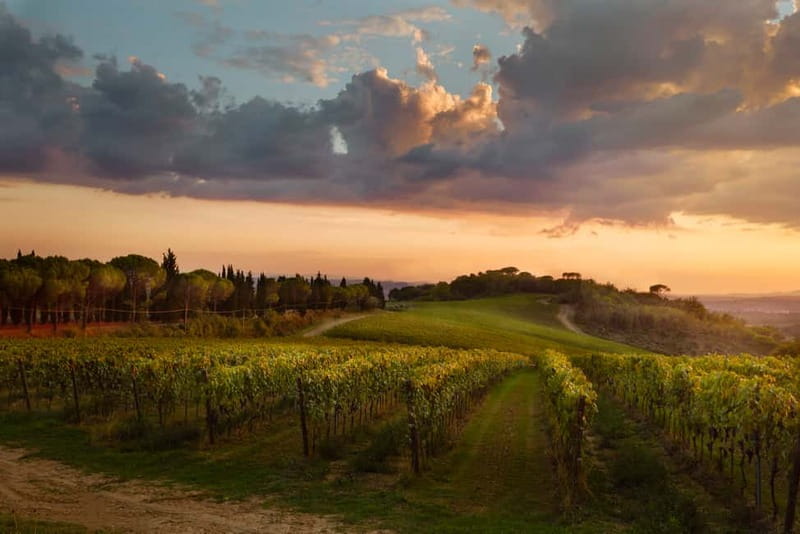
This is the kind of tour that makes Florence feel bigger than museums and Duomo photos. In about 1.5 hours, you trade city streets for vineyards and olive groves, and you experience country life in a way that’s closer to daily work than a staged show.
The pace is short, which is the point. You don’t need a half-day commitment to get the flavor of the hills. And because it’s guided in English and Italian, you won’t be stuck piecing things together from handouts. Expect to move at a relaxed strolling pace during the outdoor part, then slow down in the cellar for the tasting and explanation.
One practical note that matters more than you’d think: you’ll be in an area where everything depends on getting there by car. If you don’t drive, you’ll want to arrange your transfer ahead of time. In these hills, you can’t rely on a taxi waiting around the corner.
San Vito’s organic farming: what you’re really paying for
The heart of this experience is the farm’s approach to growing grapes and olives. This is not just a label. The estate states it has farmed according to organic principles since 1982, and it avoids weed-killers, pesticides, and synthetic chemical treatments.
You’ll also hear specific certification context. Since 1985, the farm’s products have been certified by A.I.A.B. (Associazione Italiana Agricoltura Biologica). It also notes membership in I.F.O.A.M. (International Federation of Organic Agribusiness Movements). The current certifying authority is I.C.E.A. (Istituto per la Certificazione Etica ed Ambientale), and it references compliance with EU 2092/91 regulation and international norms, including the USDA’s NOP (National Organic Program).
Here’s why that matters to you as a visitor: the tasting feels more grounded when you understand the farming method. The tour also explains that fertilisers and anti-pest treatments come only from substances derived from organic minerals. The promise is that the soil keeps its productive capacity without chemical residues showing up in the wines.
If you care about food choices beyond the bottle, this portion is a real value add. You’ll leave knowing what organic means here—practically, not just as a marketing word.
Cellar time: the family story behind the wines
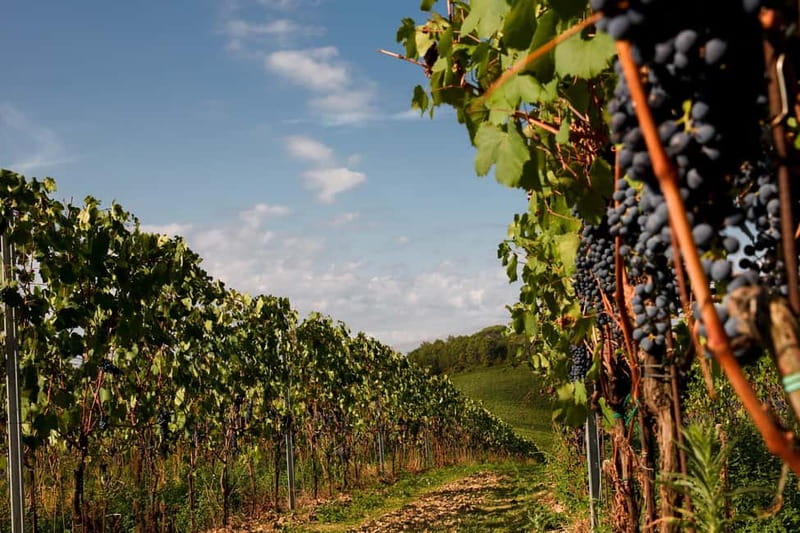
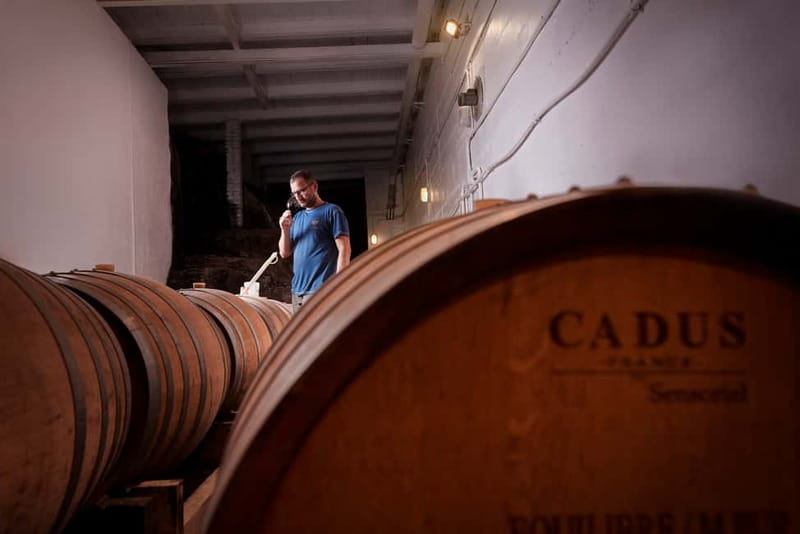
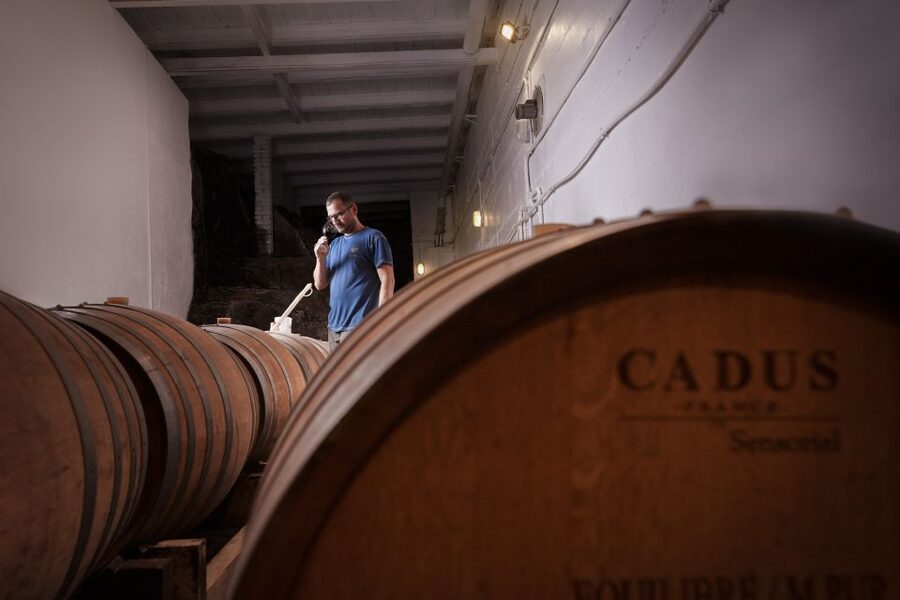
The tasting experience starts with a guided visit to the wine cellar, where you’re told the farm’s story. The family behind the estate began in 1960, and the guide connects that origin to how the farm runs today.
This part matters because it turns the visit from product sampling into something with a sense of place. You’re not just standing in front of barrels; you’re learning how one family’s decisions shaped what ends up in the glass. And because the tour is based around the farm and its methods, the explanations tend to be practical: how they farm, why they do it their way, and how that leads to what you’re tasting.
There’s also a sales element, because you can buy products directly. That can be a plus if you want to take home olive oil or bottles without hunting in stores. But if you’re expecting a long, highly technical walkthrough of winemaking step-by-step, you may find the cellar portion keeps things fairly focused on the essentials and the tasting moment.
Think of it like this: you’re getting the farm story and tasting in a tight package, not a full lecture.
Vineyard walking and Tuscan-style farmhouses
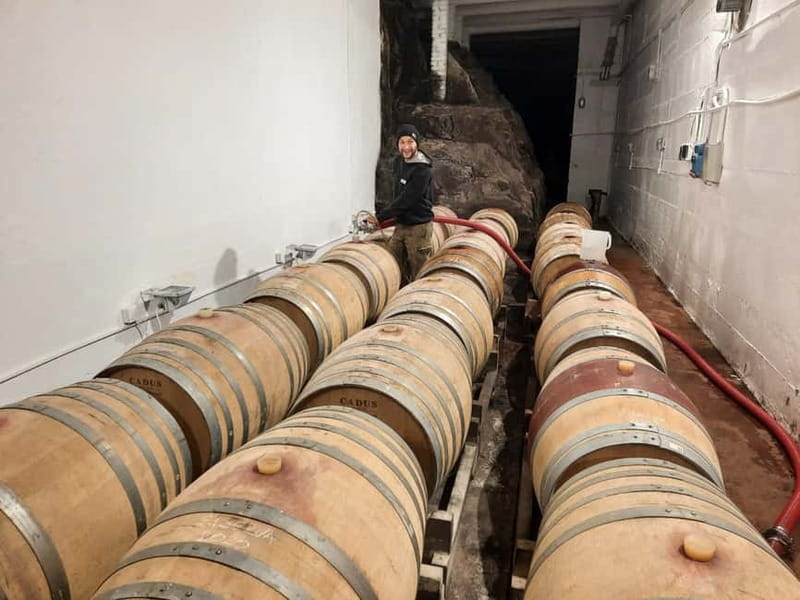
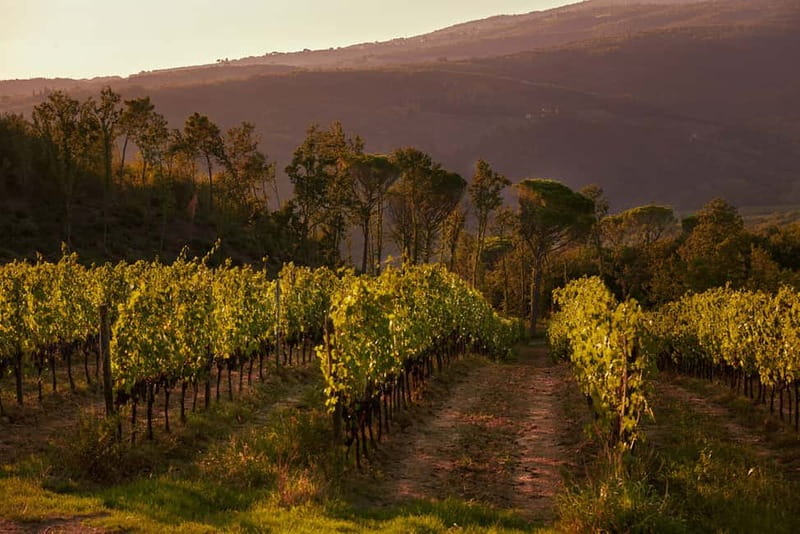
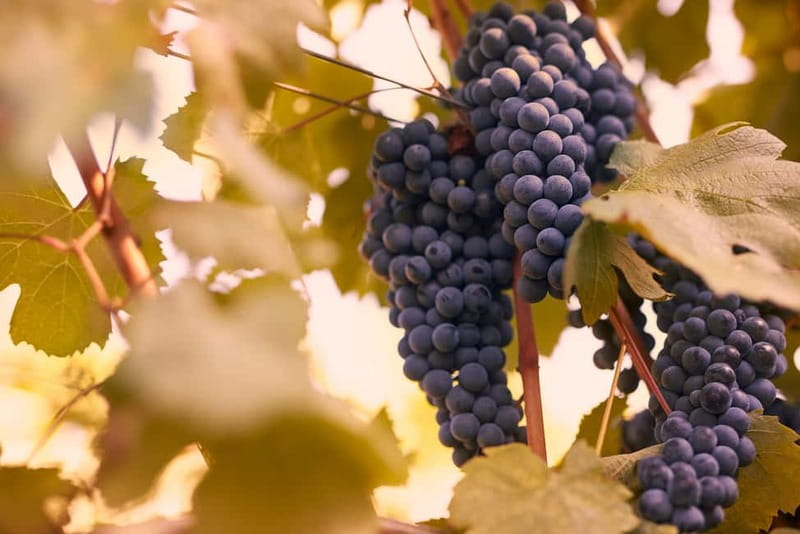
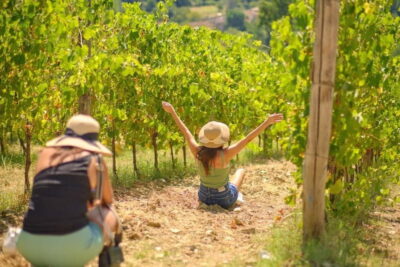
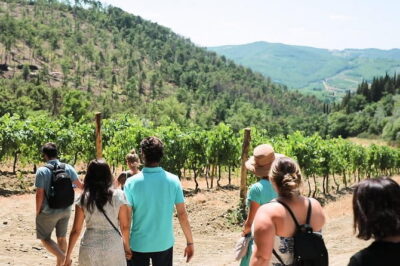
One of the best parts of this tour is getting outside and walking through vineyards and olive groves. Even though the total time is short, you still have the chance to see the landscape where the grapes and olives come from.
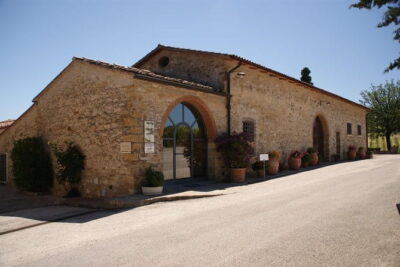
You’ll also walk past restored holiday farmhouses in a Tuscan style. That’s useful context, because it hints at the broader rhythm of rural Tuscany: production, traditions, and then the visitor-facing side of farm life when buildings are brought back for guests. It’s not just scenery—it’s part of how these estates survive and keep working year-round.
In a short tour, outdoor time is usually where the best photos happen. But it’s also where you get the real feel of distance—how far the estate sits from Florence, how the hills shape the views, and how tightly the farm environment is connected to the wine and oil.
If you’re visiting in warm months, wear comfortable walking shoes. The tour is only 1.5 hours, but the ground in hilly areas can be uneven, and you’ll be better off moving with stable footing.
Tasting Chianti wines and extra-virgin olive oil
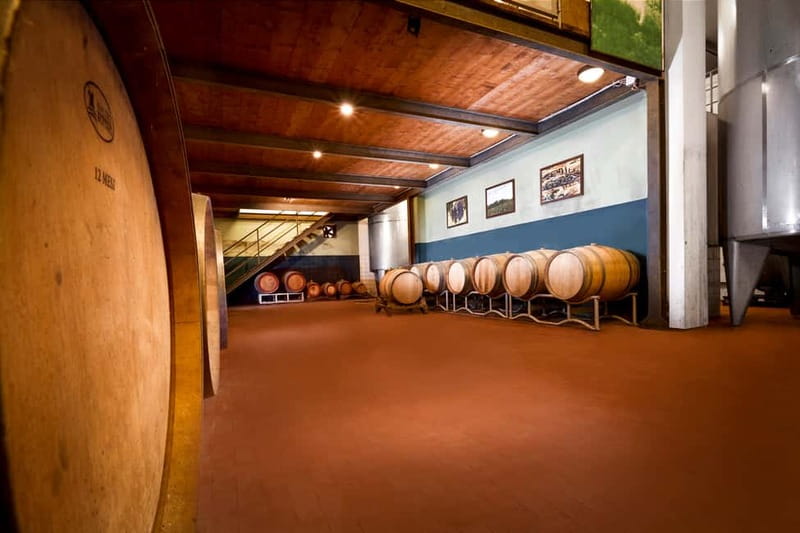
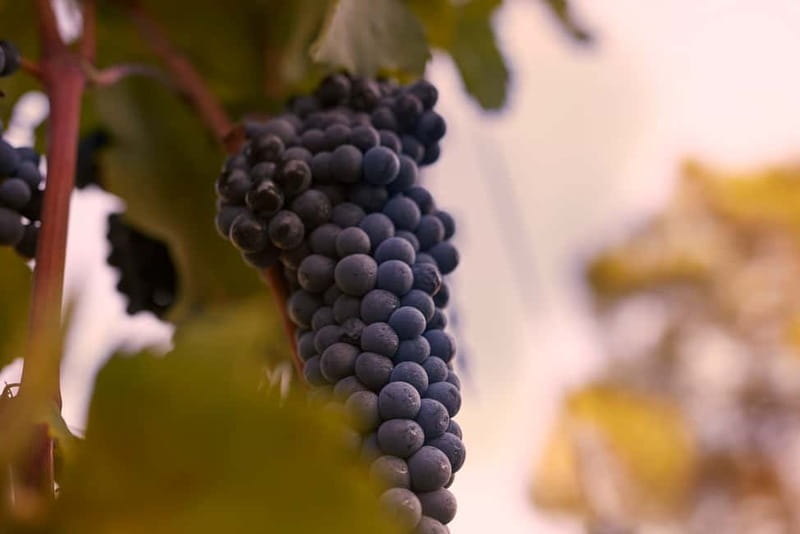
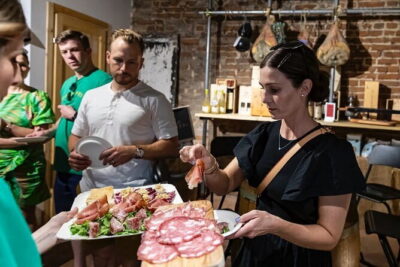
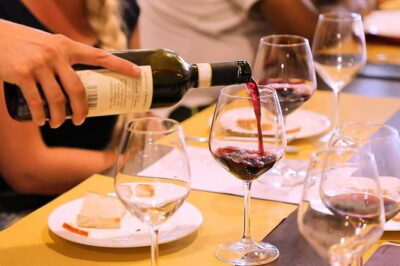
The tasting is the payoff. You’ll try three different wines alongside extra-virgin olive oil, with bread with extra-virgin oil included. This setup is smart for first-timers because it lets you compare flavors in a simple, immediate way.
Even if you don’t know much about wine, the structure helps. Start with the wines, then connect the dots with the oil and bread. You get a sense of the farm’s character across both products: grapes in the glass, olives on the plate.
The winery highlights Chianti wines specifically, so you’re tasting in a regionally meaningful lane. That’s a better experience than generic tasting flights because you learn what local style looks like—how the wines feel within Tuscany’s traditions.
How to get the most from the tasting: ask questions during the wine service, not only at the end. Since the tour also offers time to buy products, you’ll get better answers if you go in curious about the farming and the flavors while you’re still in the “why” part of the visit.
A few more glasses poured across Chianti Hills

Price, pacing, and who should book (no kids under 18)
At $23 per person for about 1.5 hours, this is solid value when you compare it to what you typically pay for guided tastings in Tuscany. The cost includes the farm visit and the tasting itself—three wines plus bread with extra-virgin olive oil. Add in the organic farm explanation and the short vineyard walk, and you’re paying for a guided experience, not just a flight of drinks.
The pacing is also a big part of the value. You get countryside time without losing your entire day. It’s a good fit if you’re already sightseeing in Florence and want one activity that feels different from churches and art galleries.
This is not suitable for children under 18, so it’s naturally geared toward adults who want a farm-and-tasting experience. If you’re traveling as a couple, it works well because you get guided attention while still being in a relaxed setting. If you’re a solo traveler, it’s also a nice way to meet the rhythm of rural Tuscany without doing the logistics yourself.
If you’re the type of visitor who wants a very detailed technical breakdown—varietals, fermentation steps, barrel aging, and so on—you may want to set expectations. This tour is clearly built around the farm story, the organic methods, and a focused tasting.
Should you book Florence Hills Winery Tour?
Yes, I think you should book it if you want a short, guided taste of Tuscan country life with real emphasis on organic farming and a practical, included tasting of three wines plus extra-virgin olive oil. It’s especially worth it when you’re on a tight schedule and want something that feels local without a complicated plan.
You might skip it if you can’t or don’t want to handle hill transport by car. Also skip if you’re looking for a long, ultra-technical winemaking class. For most visitors, though, it hits a sweet spot: accessible, farm-based, and well tied to what you’re drinking.
FAQ
How long is the Florence Hills winery tour?
The tour lasts about 1.5 hours, with starting times based on availability.
How many wines and other items are included?
You’ll taste three different wines, plus bread served with extra-virgin olive oil.
What languages is the guide available in?
The host or greeter is available in English and Italian.
Do I need to have a car to reach the winery?
Yes. The hills location can only be reached by car. If you don’t have a car, you must book an advance transfer. There’s no taxi station in the hills, and taxis must be arranged in advance even if you come from a nearby train station.
Is this tour suitable for children?
No. It’s not suitable for children under 18.
Can I cancel and get a refund?
Yes. Free cancellation is available up to 24 hours in advance for a full refund.
Final call: book it or pass?
Book it if you want a quick, guided Tuscany experience that mixes vineyard walking with an organic farm visit and a tasting that includes three wines and extra-virgin olive oil. Pass if you’re unwilling to plan car-based transport or you’re specifically after a deeply technical, long-form winemaking lesson.
More Chianti Hills Tours to Weigh Up
- From San Gimignano: Chianti Half-Day Vespa Tour with Lunch
★ 4.9 · 46 reviews - Chianti: 4 Wines +1 Oil Guided Tasting & Tour
★ 4.8 · 32 reviews - Tuscany: Chianti Wine Paradise Tour
★ 4.4 · 5 reviews
More Chianti Hills Tours We Have Reviewed
- From San Gimignano: Chianti Half-Day Vespa Tour with Lunch
★ 4.9 · 46 reviews - Chianti: 4 Wines +1 Oil Guided Tasting & Tour
★ 4.8 · 32 reviews - Truffle hunting in Chianti with pasta cooking class & lunch
★ 5.0 · 28 reviews - Florence: Tuscany Chianti Winery Private Day-Trip with Lunch
★ 5.0 · 20 reviews - Tuscany: Chianti Wine Paradise Tour
★ 4.4 · 5 reviews
More Tuscan Wine to Taste
- Florence: Tuscany Chianti Winery Private Day-Trip with Lunch
★ 5.0 · 20 reviews
Fresh from our Chianti Hills review desk
- Tuscany: Chianti Wine Paradise Tour★ 4.4 · 5 reviews
- Florence: Tuscany Chianti Winery Private Day-Trip with Lunch★ 5.0 · 20 reviews
- Florence Hills : Winery Tour 18 km from Florence★ 4.9 · 24 reviews
- Truffle hunting in Chianti with pasta cooking class & lunch★ 5.0 · 28 reviews
- Chianti: 4 Wines +1 Oil Guided Tasting & Tour★ 4.8 · 32 reviews
Tuscany Wine Tours, compared.
 ★ 5.0Tuscany Day Trip from Florence: Siena, San Gimignano, Pisa and Lunch at a WineryFrom $11421,634 reviews
 ★ 4.5Chianti Wineries Tour with Wine TastingFrom $4110,071 reviews
 ★ 5.0Small-Group Wine Tasting Experience in the Tuscan CountrysideFrom $1077,392 reviews
 ★ 5.0SMALL-GROUP Wine Safaris: Tuscan Wine Tasting Tours from FlorenceFrom $1575,088 reviews
 ★ 5.0Winner 2025 Florence Sunset Food & Wine Tour by Eating EuropeFrom $1495,015 reviews
 ★ 4.8From Florence: Siena, San Gimignano, Pisa & Lunch at WineryFrom $1124,538 reviews
 ★ 4.5San Gimignano, Siena, Monteriggioni, Chianti Day Trip with Lunch & Wine TastingFrom $834,432 reviews
 ★ 4.5Chianti Wine Tour from FlorenceFrom $593,979 reviews