
Handmade pasta beats sightseeing. I love the hands-on pasta-making (ravioli and pappardelle from your own dough) and the unlimited regional wine that keeps things relaxed in a small, chef-led setting.
In a smaller group, chefs coach you step-by-step and you get recipes to bring home, but 2.5 hours can move fast—so bring comfortable shoes and be ready to work at a fun pace.
In This Review
- Key things to love about this Florence cooking class
- Florence Pasta and Tiramisu: A hands-on class that turns dinner into a story
- What happens in the 2.5 hours (and why the timing works)
- The pasta lesson: kneading, rolling, ravioli, and pappardelle
- Tiramisu from scratch: the layers you’ll actually understand
- Unlimited regional wine: how it fits the class (and who should skip it)
- The chef-led difference: small group attention and clear step-by-step coaching
- Ingredients, equipment, and what you’ll leave with
- Value check: is $35 actually fair for what you get?
- Best fit: who should book this Florence class
- Practical tips before you go
- Should you book this Florence pasta and tiramisu cooking class?
- FAQ
- How long is the Florence pasta and tiramisu cooking class?
- What dishes will I make during the class?
- Do I need cooking experience before I come?
- Is wine included, and is it unlimited?
- What languages are the instructors?
- What should I bring with me?
- Can I cancel or pay later?
Key things to love about this Florence cooking class
- You make fresh pasta dough and shape both ravioli and pappardelle, not just watch.
- Tiramisu is made from scratch, including the layered assembly.
- Unlimited regional wine is part of the experience throughout.
- Small, intimate teaching means real Q&A, especially for beginners.
- You leave with recipes, so you can repeat the dishes at home.
- English/Italian instruction with chefs who use clear step-by-step guidance.
Roll up your sleeves for another Florence cooking class
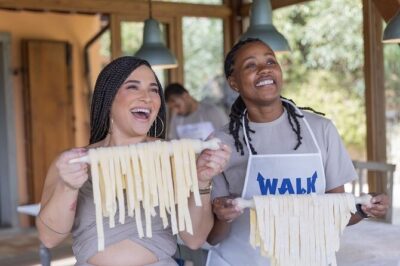
Florence Pasta and Tiramisu: A hands-on class that turns dinner into a story
This is the kind of Florence activity that feels more like learning a craft than taking a class. You knead, roll, shape, and assemble your own pasta and tiramisu, then sit down to enjoy what you made with unlimited regional wine.
I like it because it hits two sweet spots at once: you get real technique (the part you can repeat at home) and you get that relaxed Italian-table energy that makes the whole thing feel social. The class is also designed for all skill levels, so you don’t need confidence. You need a willingness to try.
One more plus: the setting is described as intimate, and that matters when you’re dealing with dough. Pasta-making is forgiving, but it’s still easier when someone can spot what you’re doing and correct it early.
What happens in the 2.5 hours (and why the timing works)
The entire experience runs about 2.5 hours, and that structure shapes everything. You’ll spend most of the time actively working—hands on pasta first, then switching gears to tiramisu layers—before you eat what you created.
That timing is ideal for a couple of reasons. First, it keeps the class focused; you’re not waiting around while someone else cooks. Second, it’s long enough to build momentum, so your pasta doesn’t feel like a one-off trick. You actually learn a process: mix and knead, roll and cut/shape, then assemble with confidence.
The one tradeoff is pace. If you’re the type who needs extra seconds for every step, you might feel a little rushed. That doesn’t mean you’ll fail. It just means you’ll need to lean into the guided rhythm and ask questions when you can.
The pasta lesson: kneading, rolling, ravioli, and pappardelle
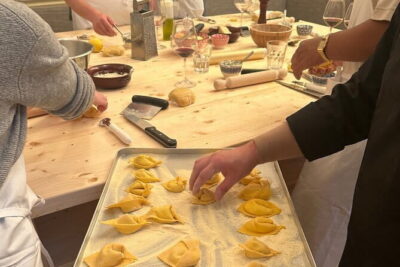
Fresh pasta starts with dough, and this class makes you do that part yourself. You’ll learn the basics of kneading and rolling so the dough becomes workable and elastic, not sticky and not dry.
Then comes the shaping. You’ll work with two pasta styles:
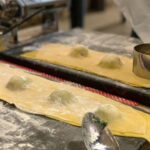
- Ravioli, where you shape and portion the pasta and fill (the class framework focuses on you creating the ravioli yourself).
- Pappardelle, which is broader, ribbon-like pasta that depends on rolling and cutting/handling.
Why this matters: ravioli and pappardelle are different skill muscles. Ravioli teaches patience and evenness in shaping. Pappardelle teaches how to work with a sheet of dough so it rolls out cleanly and stays flexible.
Chefs here are known for step-by-step instruction and a friendly teaching style. In past sessions, chefs such as Lucella, Andrea, and Leo have been mentioned, with Andrea specifically praised for making pasta-making feel approachable for beginners. That’s a strong sign if you’re worried about messing up.
Practical tip for your pasta stage: wear comfortable shoes and expect to stand and move a bit while you knead and roll. It’s not a sit-and-stir class.
Tiramisu from scratch: the layers you’ll actually understand
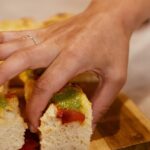
After pasta, the class shifts to dessert. You’ll make tiramisu from scratch, including building the layers yourself.
Tiramisu can seem mysterious if you’ve only had it in restaurants. Here, the value is that you don’t just follow a shortcut. You learn the logic of the build: how the components come together and how the layering works as a system, not a random stack of ingredients.
This is also where the class energy changes in a good way. Pasta-making can be hands-on and a little intense. Tiramisu is more rhythmic. You can relax while still being productive.
And because you’re doing it with guidance, you’re likely to leave with more confidence than you’d expect from a 2.5-hour experience. The goal isn’t perfection. The goal is skill transfer—so you can repeat the technique later.
Unlimited regional wine: how it fits the class (and who should skip it)
Unlimited regional wine is included during the experience, and it changes the vibe. Wine is served as part of the relaxed, social meal atmosphere while you’re cooking and then eating your creations.
For many people, that’s half the point. You’ll be working with food, talking with others, and tasting as you go. It feels like joining an Italian dinner rhythm rather than racing through tasks.
A quick consideration: if alcohol isn’t your thing—or if you’re sensitive to it—this might not feel like the best match. You can still participate fully, but the experience is designed around convivial drinking.
Also, since you’ll be on your feet for pasta prep, keep an eye on how much you drink so you don’t end up feeling clumsy with dough. (Yes, dough can humble you. That’s part of the charm.)
Other Florence kitchens to cook a meal in
- Cooking Class and Lunch at a Tuscan Farmhouse with Local Market Tour from Florence
★ 5.0 · 4,831 reviews
The chef-led difference: small group attention and clear step-by-step coaching
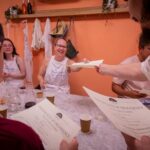
This class is described as intimate, with smaller groups that allow for personalized attention. That’s not just a nice-to-have. It’s what makes beginner pasta-making realistic.
In practical terms, it means you’re more likely to:
- get corrections while your dough is still fixable
- ask questions without waiting your turn too long
- understand what to do next rather than guessing
Chefs are described as methodical and engaging in how they teach. In past sessions, the instruction has been praised as accessible even for first-timers, including Andrea’s approach for beginners and Leo’s clear explanations.
You also get cultural context. The chefs don’t just recite recipes; they share the stories and origins behind dishes and ingredients. That helps you remember why certain techniques matter.
Ingredients, equipment, and what you’ll leave with
The class includes cooking ingredients and equipment, so you don’t need to hunt down tools or specialty items. That’s a big part of the value of a paid class—someone else brings the system.
You’ll also receive detailed recipes to take home. For me, that’s the real “souvenir.” Florence is great for photos, but recipes are better for repeat visits to your own kitchen.
If you’re the type who likes to cook after a trip, this matters. You can recreate the pasta dough process and the tiramisu layering with less trial-and-error than if you only left with memories and a vague idea.
And yes, water is included too, which is helpful when you’re working hard and tasting wine at the same time. Wi-Fi is also included, which can make it easier to look up storage tips later once you get home.
Value check: is $35 actually fair for what you get?
At $35 per person for a 2.5-hour class, the value is strongest in three areas:
First, you’re paying for professional chef instruction plus hands-on guidance. That’s where most DIY pasta attempts fail—you need feedback.
Second, ingredients and equipment are included. Fresh pasta takes basics, and tiramisu takes specific ingredients and timing. You’re not just buying instruction. You’re buying a full setup.
Third, the unlimited regional wine changes the experience from a plain workshop into a meal. That’s not required for the recipe, but it’s included as part of the atmosphere.
The only value-related caution is pace. If you slow down and want extra practice time on dough, you may feel the schedule more than you would in a longer class. Still, for most people, it’s a good “learn and eat” format that doesn’t swallow half your day.
Best fit: who should book this Florence class
This class is a good match if you want:
- a hands-on food activity in Florence that isn’t dependent on a perfect restaurant reservation
- a clear path from beginner steps to finished dishes
- something indoor and cozy—especially helpful when Florence weather turns moody
- a social meal where you can talk while you cook
It’s also great for families. A family group was mentioned as having a fun time with good value, which suggests the class doesn’t feel overly rigid.
If you’re an advanced cook, you might still enjoy it for the wine-and-social component and the chance to refine technique. Just know the focus is teaching core methods for all skill levels, so it’s not positioned as a high-level culinary seminar.
Practical tips before you go
Meeting point may vary depending on the option you book, so double-check the exact address and timing once you choose your slot.
Wear comfortable shoes. Your feet will be doing more than you think. Also, plan to stay present. Dough and dessert both benefit from attention, and the chef instruction is most helpful when you’re not distracted.
Language support is listed as English and Italian via the instructor, which is reassuring if you’re not fluent in Italian.
Finally, the experience includes wheelchair accessibility. If mobility is a factor for you, this is good to know ahead of time, but you should still confirm any on-site details with the provider when you book.
One more note on the tone: you may hear a heartfelt welcome and cultural message about food as a bridge between cultures. That doesn’t change the cooking steps, but it can make the session feel warmer and more personal.
Should you book this Florence pasta and tiramisu cooking class?
If you want a Florence experience where you leave with both full confidence and real recipes, I’d book it. The mix of hands-on pasta-making, tiramisu from scratch, and unlimited regional wine for $35 is strong value, especially because the class is designed for beginners.
I’d think twice only if you’re very sensitive to alcohol (since wine is built into the vibe) or if you need long, unhurried practice time to feel comfortable. For everyone else, it’s one of those rare tours where the “souvenir” is edible, teachable, and repeatable.
FAQ
How long is the Florence pasta and tiramisu cooking class?
It lasts about 2.5 hours.
What dishes will I make during the class?
You’ll make fresh pasta dough and shape ravioli and pappardelle. You’ll also craft tiramisu from scratch.
Do I need cooking experience before I come?
No. The class welcomes all skill levels and is designed for beginners.
Is wine included, and is it unlimited?
Yes. Unlimited regional wines are included during the experience.
What languages are the instructors?
The instructor teaches in English and Italian.
What should I bring with me?
You should wear comfortable shoes.
Can I cancel or pay later?
Yes. You can reserve now and pay later, and you can cancel up to 24 hours in advance for a full refund.
More Kitchens to Try
- Florence: Pasta Cooking Class with Unlimited Wine
★ 4.9 · 10,285 reviews - Florence: Pasta & Tiramisu Cooking Class with Unlimited Wine
★ 4.9 · 6,708 reviews - Florence: Pasta Cooking Class with Unlimited Wine
★ 5.0 · 6,413 reviews - Cooking Class and Lunch at a Tuscan Farmhouse with Local Market Tour from Florence
★ 5.0 · 4,831 reviews - Pastamania – Florence Pasta Making Class
★ 5.0 · 3,050 reviews
More Florence Tours We Have Reviewed
- Florence: Skip-The-Line Uffizi Gallery Timed Entry Ticket
★ 4.5 · 27,832 reviews - Tuscany Day Trip from Florence: Siena, San Gimignano, Pisa and Lunch at a Winery
★ 5.0 · 21,634 reviews - Florence: Timed Entry to Michelangelo’s David + Audio App
★ 4.6 · 19,496 reviews - Florence: Leonardo Interactive Museum Entry Ticket
★ 4.5 · 12,957 reviews - Florence: Michelangelo’s David Skip-the-Line Entry Ticket
★ 4.5 · 12,764 reviews
More Florence Cooking Classes
- Florence: Pasta Cooking Class with Unlimited Wine
★ 4.9 · 10,285 reviews - Florence Pizza or Pasta Class with Gelato Making at a Tuscan Farm
★ 5.0 · 6,801 reviews - Florence: Pasta & Tiramisu Cooking Class with Unlimited Wine
★ 4.9 · 6,708 reviews - Florence: Pasta Cooking Class with Unlimited Wine
★ 5.0 · 6,413 reviews - Cooking Class and Lunch at a Tuscan Farmhouse with Local Market Tour from Florence
★ 5.0 · 4,831 reviews
Fresh from our Florence review desk
- Small-Group Pasta Cooking Class and Market Tour in Florence★ 5.0 · 3 reviews
- Palatina Gallery and Pitti Guided Tour in Florence★ 5.0 · 3 reviews
- Tuscan Evening Tour: Fiat 500, 8:30 to 10 PM★ 5.0 · 3 reviews
- Journey into Art: Florence’s Accademia★ 4.5 · 3 reviews
- Paint and Drink Florentine Hills★ 5.0 · 3 reviews
- Truffle hunting and lunch experience, with Vinci and winery.★ 4.5 · 3 reviews
Wine Tours, compared.
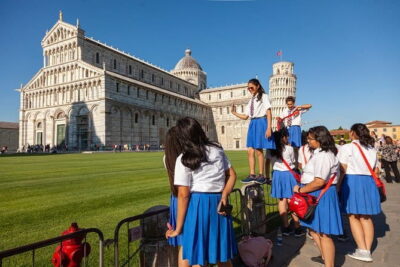 ★ 5.0Tuscany Day Trip from Florence: Siena, San Gimignano, Pisa and Lunch at a WineryFrom $11421,634 reviews
 ★ 4.9Pasta Cooking Class with Unlimited WineFrom $2110,285 reviews
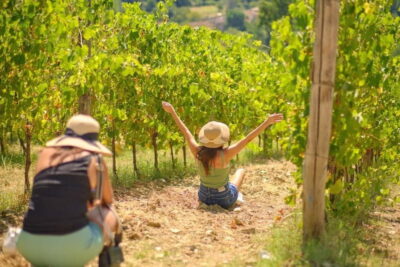 ★ 4.5Chianti Wineries Tour with Wine TastingFrom $4110,071 reviews
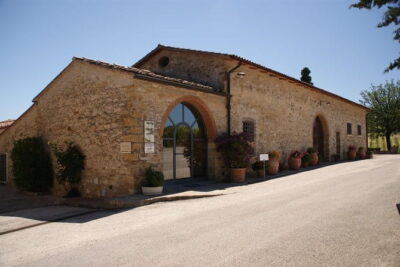 ★ 5.0Small-Group Wine Tasting Experience in the Tuscan CountrysideFrom $1077,392 reviews
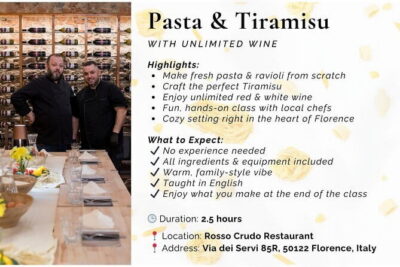 ★ 4.9Pasta & Tiramisu Cooking Class with Unlimited WineFrom $566,708 reviews
★ 5.0Pasta Cooking Class with Unlimited Wine6,413 reviews
★ 4.9Pasta & Tiramisu Cooking Class with Unlimited WineFrom $566,708 reviews
★ 5.0Pasta Cooking Class with Unlimited Wine6,413 reviews
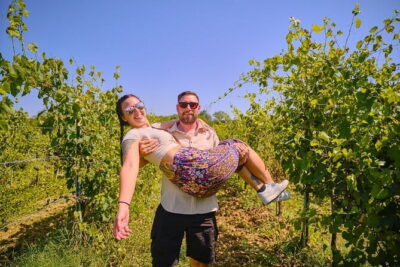 ★ 4.5Pisa, Siena and San Gimignano Day Trip with Lunch & Wine PairingFrom $786,006 reviews
 ★ 5.0SMALL-GROUP Wine Safaris: Tuscan Wine Tasting Tours from FlorenceFrom $1575,088 reviews
Browse the lists this tour appears in