
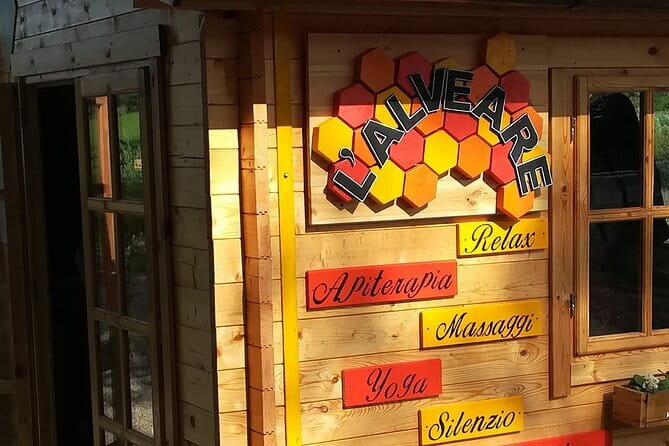
Reviewed · FLORENCE
Discovering Bees in Volterra
Tiny bees can change your whole afternoon. This Volterra experience combines a short walk past old farming tools with a safe, up-close look inside an apiary, then finishes with honey extraction and tastings at the farm’s shop.
I like two big things here. First, the explanations feel personal—usually led by Valentina and her family—so you actually understand the three castes and what each one does inside the hive. Second, the finale is delicious and practical: you watch honey extraction, taste freshly extracted honey, then sample the different hive products (and you can buy from the Km0 selection).
One consideration: the access road to the farm can be unpaved and bumpy, and the experience requires good weather. If you’re sensitive to rough rides, plan accordingly.
In This Review
- Key Highlights You’ll Care About
- Volterra’s Bee Education Starts With a Short Walk Past Old Tools
- Inside the Apiary House: Safe Up-Close Viewing and the Queen-Worker-Drone Lesson
- Why This Hive Is About More Than Honey
- Live Beekeeper Work Outside: Seeing the Real Rhythm Behind the Hives
- The Honey Extraction in the Laboratory: Where Watching Turns Into Tasting
- A Km0 Tasting Stop: Sampling Hive Products and Buying What You Like
- Price, Duration, and Value for Your Time
- Practical Notes: Language, Weather, and the Road to the Farm
- Who Should Book This Bee Tour (and Who Might Skip It)
- Should You Book Discovering Bees in Volterra?
- FAQ
- Where does the tour start and end?
- How long is the experience?
- Is it offered in English?
- Is this a group tour or private?
- What happens during the apiary visit?
- Do you do honey tasting?
- Can I buy products during the tour?
- What about weather?
- Are service animals allowed?
Key Highlights You’ll Care About
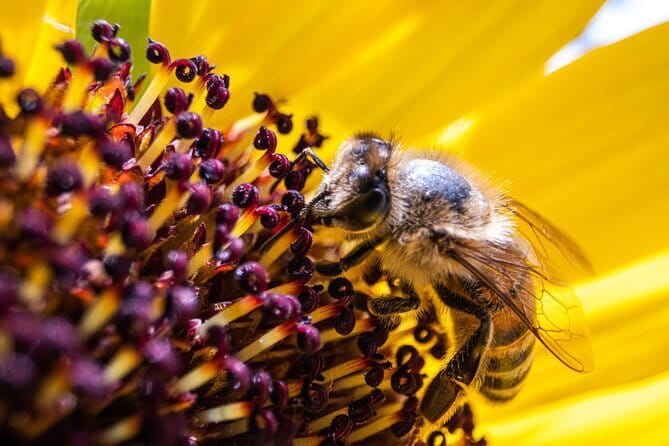
- 500m walk to the educational apiary, with a chance to spot old agricultural tools used until the 1970s
- Bee viewing from inside the house, designed for maximum safety while still feeling close
- A guided explanation of the three castes—queen, worker bees, and drones—plus the funny and sad drone story
- More than honey: you learn what’s produced in the hive (honey, propolis, pollen, royal jelly)
- Live observation of the beekeeper outside, so the theory connects to real work
- Honey extraction in the laboratory + fresh tastings, with the option to buy Km0 products
Still comparing? These are the other Florence tours travellers book most.

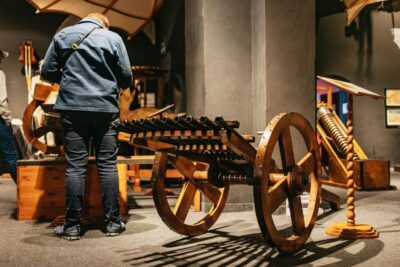
Volterra’s Bee Education Starts With a Short Walk Past Old Tools
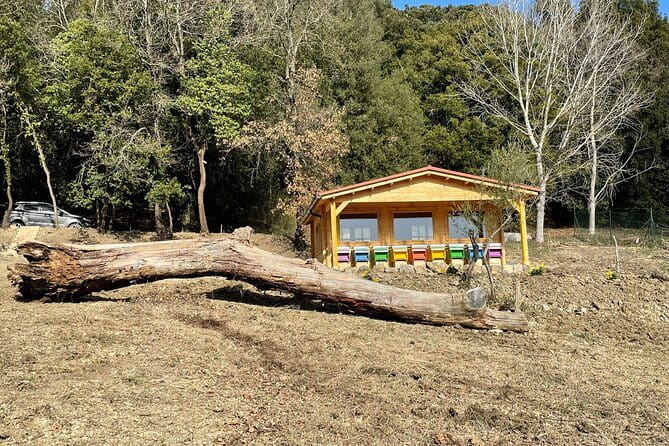
The experience begins in the Volterra area at Miele del FertiPodere Torricella, 65 (the meeting point and also where it ends). Right after you start, you’ll take an about 500m walk to reach the educational apiary.
That walk matters more than you might expect. It’s not just a transfer. You’ll have a chance to observe old agricultural tools still in use until the 1970s, which helps you place beekeeping in a wider, local rhythm. Tuscany isn’t only art and hills in postcards here—you’re stepping into a working landscape where traditional life still echoes.
If you’re traveling with kids, this short outdoor segment is also useful. It gives your group a moment to reset before you get suited up for the close hive viewing inside the apiary area.
Inside the Apiary House: Safe Up-Close Viewing and the Queen-Worker-Drone Lesson
Once you’re at the apiary, the core of the visit happens in the apiario space with an emphasis on safety. You’ll observe bees inside the house, where you can watch them doing their jobs without that high-stress “how close am I supposed to be?” feeling.
This is where the guide approach really pays off. You’ll be taught the roles of the three castes:
- the queen bee
- worker bees
- drones
And it’s not presented like a dry biology quiz. You get the key facts, plus a human way of thinking about what’s happening in the hive. One standout theme is the drone story, described as funny and sad—exactly the kind of contrast that makes bees stick in your mind after the tour ends.
I especially like that this isn’t only about identifying bees. It’s about understanding how the colony runs like a system. When you know why each caste exists, the hive stops being a random swarm and starts being an organized community.
Why This Hive Is About More Than Honey
A lot of bee visits stop at honey. This one doesn’t. You’ll learn that the bee isn’t just about sweets—you’ll hear what else is produced inside the hive, including:
- honey
- propolis
- pollen
- royal jelly
That’s a big value-add because it changes what you pay attention to during the rest of the tour. Instead of thinking you’re only here for tasting, you start noticing how the guide connects each product to the colony’s life.
This matters if you’re even slightly curious about “what is artisan food?” in Italy. Beekeeping is one of those traditional food systems where the raw material is alive, and the harvest depends on careful timing and care. You’ll leave with a clearer understanding of why bee products taste different—and why it’s not just branding.
Live Beekeeper Work Outside: Seeing the Real Rhythm Behind the Hives
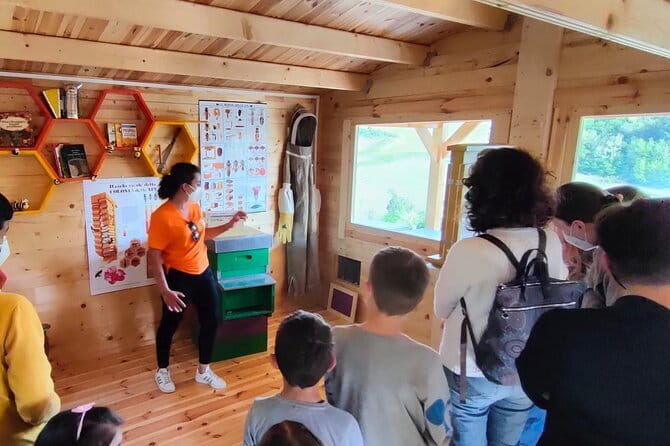
After the indoor hive viewing, you’ll also get live observation of the beekeeper’s work outside the house. This is the part that turns the explanations into something you can picture: the routine, the handling, the pace.
Even if you’re not a bee person, this step helps you connect the “why” to the “how.” Bees are naturally fascinating, but beekeeping is a skill too—patience, timing, and respect for the animals.
From the reviews, I also get the sense that the experience can feel playful and interactive, partly because you’re close enough to understand what you’re watching, and partly because the family hosts tend to answer questions in a way that doesn’t make you feel silly for asking. Expect warmth and a real sense of pride in the work.
The Honey Extraction in the Laboratory: Where Watching Turns Into Tasting
After the apiary visit, you return to the point of sale. This is where the tour transitions from observation to production.
First, you can participate in honey extraction in the laboratory. Seeing extraction up close is useful because it explains how that final jar shows up after the hive work. It’s one of those “oh, that’s the process” moments—especially if you’ve only ever bought honey at home.
Then comes the part that most people remember: tasting freshly extracted honey. This is the best kind of tasting because it’s anchored to a real step you watched. Your taste buds aren’t guessing. They’re reacting to what was just pulled.
If you’re a cautious eater, you can start with small tastes. If you love learning through food, you’ll probably want to compare everything you’re offered.
- The Best tour in Florence: Renaissance & Medici Tales – guided by a STORYTELLER
★ 5.0 · 12,316 reviews



A Km0 Tasting Stop: Sampling Hive Products and Buying What You Like

The tour doesn’t end at one honey sample. You’ll do tasting of the products with the possibility of purchasing at Km0 (farm/local sourcing).
This is where you get to decide what matters to you:
- Do you want classic honey styles?
- Are you curious about propolis and pollen?
- Do you want to explore more unusual products like royal jelly?
From the experience design, the goal is clear: the tastings should help you leave with a better sense of flavor, not just a souvenir. In practice, that means you can buy with confidence because you’ve tried what you’re taking home.
Tip for value: if you’re going to buy anything, taste in an unhurried way. The difference between products can be subtle, and the shop selection is only useful if you know what each one tastes like to you.
Price, Duration, and Value for Your Time
The tour costs $24.10 per person and lasts about 1 hour 30 minutes. For the time, you’re getting a full arc: walk-in, safe hive viewing, beekeeper observation, lab extraction, fresh tasting, and product tasting with an option to buy.
That matters for value. A lot of experiences sell a single highlight. This one gives you several distinct parts that build on each other. You’re not just observing bees—you’re learning the castes and hive products, then watching honey extraction, then tasting.
Also, it’s offered in English, and it’s set up as a private activity (your group only). That can make a difference if you’re traveling as a couple or family and want questions answered without competing for attention.
Practical Notes: Language, Weather, and the Road to the Farm
This is an English-language experience with a mobile ticket, and you typically receive confirmation around the time of booking (unless you book very close to travel time, in which case confirmation comes as soon as possible if there’s availability).
One practical point: the experience requires good weather. If the weather isn’t right, you’ll be offered a different date or a full refund.
And then there’s the access road. The farm approach can involve an unpaved, bumpy route, so if you have mobility issues, or you’re traveling with a stroller or anyone who gets uncomfortable on rough roads, plan carefully.
Who Should Book This Bee Tour (and Who Might Skip It)
I think this tour is a great fit if you want a Tuscany experience that isn’t about art museums or long bus days.
It’s especially good for:
- families looking for something hands-on and age-friendly
- food lovers who like to learn where ingredients come from
- nature-curious travelers who don’t mind a short walk and a lesson
You might consider skipping if:
- you strongly dislike animals or stinging-insect themes, even though the visit is described as in total safety
- you hate bumpy rides and can’t handle an unpaved approach road
- you only want a quick stop and don’t want a structured 90-minute activity
Good news: it’s not “just bees.” You also learn about the hive products and the beekeeper’s work, so it’s more than a single-idea tour.
Should You Book Discovering Bees in Volterra?
If you like experiences where education turns into tastings, I’d book this. The combination of safe hive observation, a clear explanation of the queen/worker/drone system, and then the fresh honey extraction + tasting makes the whole thing feel complete.
It’s also worth it for the human factor. The hosts are a family team (often including Valentina, and in some visits Simone and Biagio are mentioned as part of the warm welcome), which keeps the tone friendly and practical rather than stiff.
The decision mostly comes down to two things: can you handle the road to the farm, and will you be there when the weather cooperates? If yes, this is a strong, local, memorable way to spend 90 minutes in the Volterra area.
FAQ
Where does the tour start and end?
The activity starts at Miele del FertiPodere Torricella, 65, 56048 Volterra PI, Italy and ends back at the same meeting point.
How long is the experience?
It runs for about 1 hour 30 minutes (approx.).
Is it offered in English?
Yes, the tour is offered in English.
Is this a group tour or private?
It’s a private tour/activity. Only your group will participate.
What happens during the apiary visit?
You walk to the educational apiary (about 500m), observe bees in the apiary from inside the house in complete safety, learn about the queen, workers, and drones, hear the drone story, learn about hive products, and then watch the beekeeper’s work outside the house.
Do you do honey tasting?
Yes. After returning to the point of sale, you can participate in honey extraction in the laboratory, taste freshly extracted honey, and do additional product tastings.
Can I buy products during the tour?
Yes. After the tastings, you have the possibility of purchasing products at Km0.
What about weather?
The experience requires good weather. If it’s canceled due to poor weather, you’ll be offered a different date or a full refund.
Are service animals allowed?
Yes, service animals are allowed.
More Florence Tours We Have Reviewed
- Florence: Skip-The-Line Uffizi Gallery Timed Entry Ticket
★ 4.5 · 27,832 reviews - Tuscany Day Trip from Florence: Siena, San Gimignano, Pisa and Lunch at a Winery
★ 5.0 · 21,634 reviews - Florence: Timed Entry to Michelangelo’s David + Audio App
★ 4.6 · 19,496 reviews - Florence: Leonardo Interactive Museum Entry Ticket
★ 4.5 · 12,957 reviews - Florence: Michelangelo’s David Skip-the-Line Entry Ticket
★ 4.5 · 12,764 reviews
Fresh from our Florence review desk
- Small-Group Pasta Cooking Class and Market Tour in Florence★ 5.0 · 3 reviews
- Palatina Gallery and Pitti Guided Tour in Florence★ 5.0 · 3 reviews
- Tuscan Evening Tour: Fiat 500, 8:30 to 10 PM★ 5.0 · 3 reviews
- Journey into Art: Florence’s Accademia★ 4.5 · 3 reviews
- Paint and Drink Florentine Hills★ 5.0 · 3 reviews
- Truffle hunting and lunch experience, with Vinci and winery.★ 4.5 · 3 reviews