
Reviewed · MICHELANGELO'S DAVID TOURS
Florence City Tour & David
David is only the start. This 3-hour Florence small-group tour links skip-the-line access at the Galleria dell’Accademia with the chance to understand where David stood before. You’ll walk through the Medici orbit and end at Ponte Vecchio, so the story doesn’t stop when the ticket scan does.
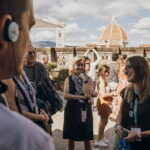
I also like how the tour makes Renaissance art feel tied to real power. At each stop, you get context for why these objects, buildings, and ceremonies mattered to ordinary Florentines—not just to patrons and princes. And with a tight group size (max 12), you don’t feel like one more face in the crowd.
One consideration: it’s a brisk schedule. You start at 9:10 am and you’ll spend a full hour at the Accademia, so if you prefer slow, wandering museum time, plan to do a little extra exploring on your own later.
In This Review
- Key highlights to know before you go
- Why this Florence City Tour starts with David (not random streets)
- Galleria dell’Accademia: skip-the-line David and the public’s first reactions
- Palazzo Medici Riccardi: the Medici courtyard where ego turns into architecture
- The Duomo dome and Baptistery Doors of Paradise: why baptism got political
- Piazza della Signoria: see the original David placement—and why it was propaganda
- Vasari’s private hallway: walking Florence without going outside
- Ponte Vecchio: 1333 to today, plus the WWII survival story
- Timing, meeting point, and how to pace the day
- Price and value: what you’re really paying for at $464.43 per person
- Who should book the Florence City Tour & David?
- The guide matters: the Paul Costa factor
- Should you book Florence City Tour & David?
- FAQ
- What’s the approximate duration of the tour?
- What time does the tour start?
- Where do I meet the group?
- Where does the tour end?
- How many people are in the group?
- Is there skip-the-line admission included?
- Do I need to pay admission fees at each stop?
- Do I get a mobile ticket?
- Is the meeting point near public transportation?
- Is the experience refundable if I cancel?
- What happens if the minimum number of travelers isn’t met?
Key highlights to know before you go
- Skip-the-line at Galleria dell’Accademia: you get direct access to see David and key works on faster momentum.
- Michelangelo’s David in context: you learn not only what you see, but how and where it was originally placed.
- Medici courtyard focus: you visit the inner courtyard at Palazzo Medici Riccardi—where Greek, Roman, and Renaissance ideas collide under Medici ambition.
- Cathedral and Baptistery storytelling: you’ll connect the dome’s era to baptism changes and the famed Doors of Paradise.
- Piazza della Signoria to Ponte Vecchio arc: from political statuary to a bridge with a WWII survival story.
Every route to the David, compared
Why this Florence City Tour starts with David (not random streets)
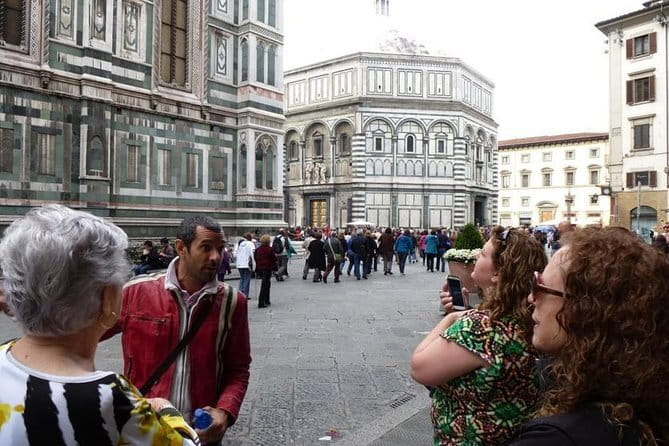
Florence can overwhelm you fast. There are statues everywhere, churches on every corner, and enough Renaissance names to fill a small phone book. This tour cuts through that noise by starting where the legend begins: Michelangelo’s David at the Galleria dell’Accademia.
Then it keeps pulling the thread. You don’t just view sites; you see how the Medici family shaped the city’s image—using art, buildings, and even carefully planned movement through town. By the time you reach Piazza della Signoria and Ponte Vecchio, Florence feels like a place with strategy, not just sightseeing.
The best part for me is the pacing. Three hours is short enough to feel doable on a busy trip, but long enough to connect the dots between sculpture, politics, and architecture.
Galleria dell’Accademia: skip-the-line David and the public’s first reactions
You begin at the Galleria dell’Accademia with skip-the-line admission, which matters in Florence. The museum area can be slow-moving, and waiting kills your energy for the rest of the route.
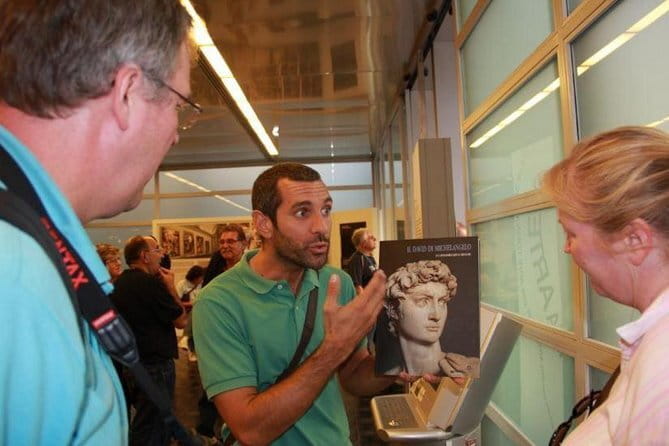
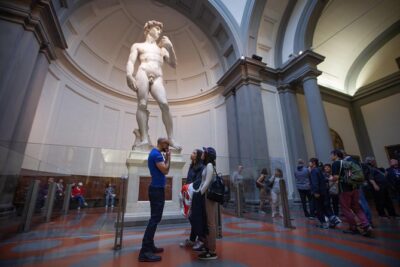
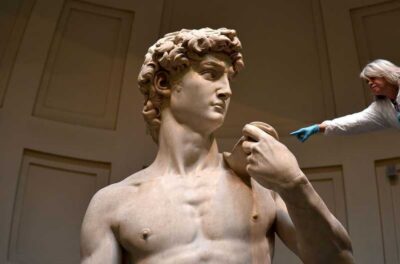
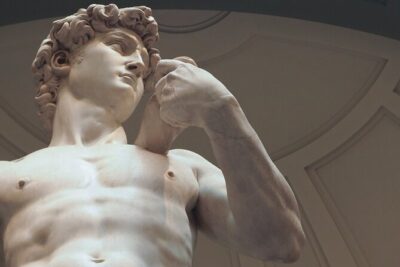
Once inside, you’ll spend about an hour here. The focus isn’t only the big name statue (even though, yes, it’s famous for a reason). You’ll also get a guided look at how people interpreted the statue and other works when they were first seen over 500 years ago. That framing changes everything. David stops being a postcard and becomes a statement that caused reactions—some admiration, some debate, and a lot of civic meaning.
If you’ve seen Renaissance art before and felt like it was just objects on walls, this hour helps you read it. You’ll start recognizing how display choices, placement, and audience shape the message.
Palazzo Medici Riccardi: the Medici courtyard where ego turns into architecture
After Accademia, the tour moves to Palazzo Medici Riccardi for a visit to the inner courtyard. This is short—around 15 minutes—but it’s memorable because courtyards tell you what the building was designed to do.
Here, you’re looking at the richest-family playbook in stone and layout. The setting is described as a collision of Roman, Greek, and Renaissance influences for one big reason: Medici ego. That doesn’t mean it’s just about money. It’s about branding. In Renaissance Florence, showing power wasn’t only about wealth. It was about taste, control, and signaling to everyone watching.
And because it’s the inner courtyard, you get a quieter, more architectural moment than the big square stops. It’s a good reset before the city’s open-air drama.
The Duomo dome and Baptistery Doors of Paradise: why baptism got political
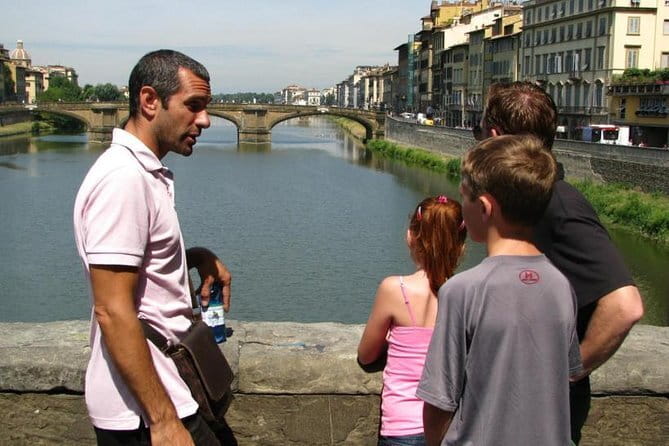
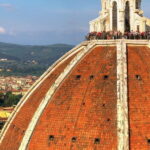
The route then connects you to the Florence cathedral complex area—focusing on the massive church and dome story from the 1300s and 1400s. The tour emphasizes the scale and the ambition: how something so huge could be built there, during that era, and why it mattered to everyday belief.
Next comes the Baptistery theme. You’ll learn why baptism changed in the 1300s and why that shift mattered to Florentine Christians. The tour also points you to the building’s important shape and the ceremonial weight of it—plus the standout visual factor: the Doors of Paradise.
This part of the day is surprisingly practical for non-art-historians. When religious buildings get explained through who was baptized, how practices changed, and what the doors communicate, the art stops being abstract. It becomes a timeline of faith, civic identity, and public ceremony.
Piazza della Signoria: see the original David placement—and why it was propaganda
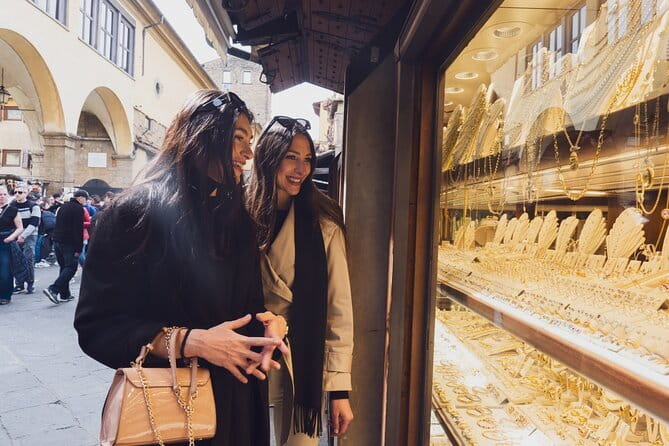
Piazza della Signoria is where Florence turns theatrical. Here you’ll learn about the original David placement by Michelangelo—so you can understand what the city wanted David to represent in public space.
The tour also frames the square as a Medici-backed stage set. You’ll see how statues were added by the Medici family and how that shaped the message of authority in the open air. Even the Palazzo Vecchio matters here: it’s been present since 1299 and continues as a civic power center (today it functions as City Hall), so the square carries political weight even when you’re just passing through for photos.
One thing I appreciate in this stop: it puts sculpture and governance in the same conversation. Michelangelo’s David didn’t live in a neutral museum bubble. It was placed to speak.
See more of Florence on another city tour

Vasari’s private hallway: walking Florence without going outside
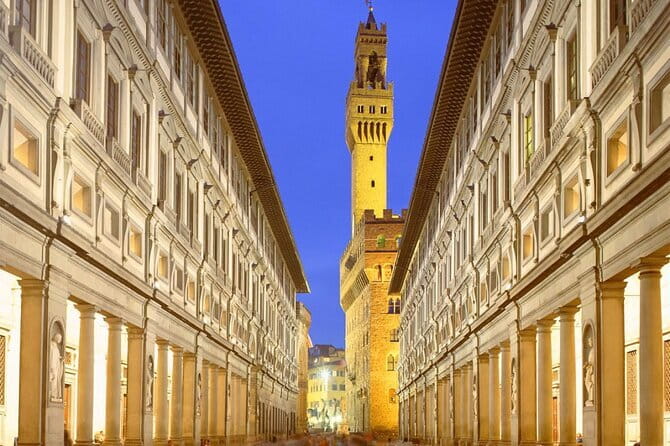
Next, you’ll learn about a private hallway built by Vasari for Cosimo de’ Medici. The point isn’t just architecture trivia. It’s a window into how the Medici moved through the city strategically—so they could travel across Florence while avoiding outdoor exposure.
For me, this is one of those details that makes the whole Renaissance feel more real. When you understand that powerful families planned routes, controlled visibility, and shaped access, the city stops feeling like a random collection of landmarks. It starts looking like a designed environment.
This stop is short, but the takeaway lasts: Florence’s art isn’t only about what you see. It’s also about what you’re allowed to see—and when.
Ponte Vecchio: 1333 to today, plus the WWII survival story
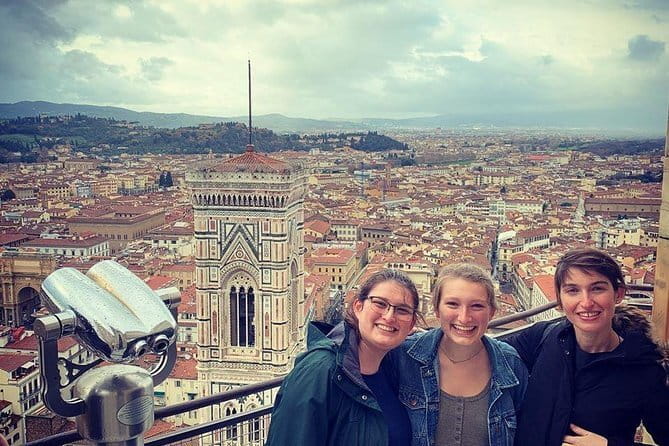
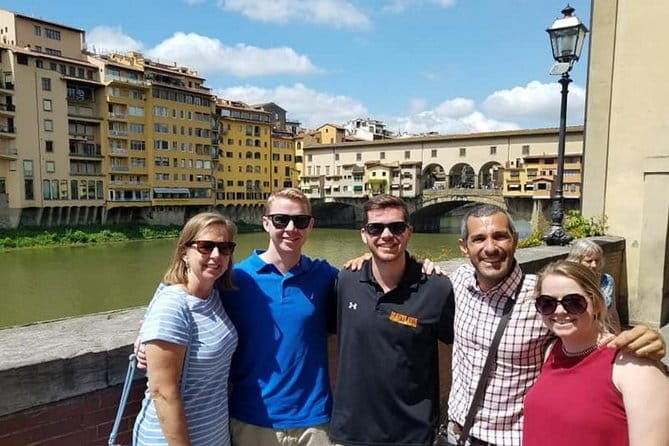
Finally, the tour ends at Ponte Vecchio, with around 10 minutes dedicated to the bridge’s history and why it lasted. You’ll learn how it stood from 1333 to today—and then you’ll get the WWII story.
The bridge’s survival is explained in a way that connects Renaissance art with decisions made by both sides, including the Axis and the Allies. The core idea is simple: this bridge wasn’t treated like disposable infrastructure. People understood its cultural value and fought to keep it standing.
That combination—long timeline plus crisis—makes Ponte Vecchio feel less like a romantic postcard and more like a resilient civic landmark. When you finish here, you’re also well-positioned to keep exploring on your own. You’re at the most famous end-of-day spot in town.
Timing, meeting point, and how to pace the day
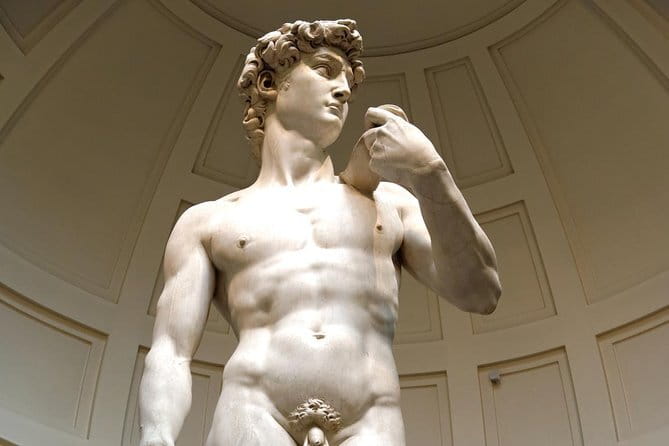
The tour starts at Via Ricasoli, 58, 50122 Firenze FI. You meet there near the Ponte Vecchio area, and you finish at Ponte Vecchio itself, close to the most famous bridge in Florence.
With a 3-hour duration and multiple major sites, plan to be ready to move. The schedule has meaningful stops, not constant hustling, but it is structured. If you’re the type who wants to stare at one painting for 45 minutes, you’ll likely want to do that afterward in museums on your own.
Also note the start time: 9:10 am. If you’ve got late reservations or you’re counting on a slow morning, adjust your day plan. Starting early is one of the reasons the tour can fit Accademia plus the medici-and-cathedral arc before you’re exhausted.
Finally, you’ll use a mobile ticket. That’s one less thing to misplace on a walking-heavy day.
Price and value: what you’re really paying for at $464.43 per person
At $464.43 per person for about 3 hours, this isn’t a bargain-basement walking tour. The value comes from three things:
First, the skip-the-line admission at the Galleria dell’Accademia. If you’ve ever waited in a museum line in Florence, you know how fast time disappears. This tour aims to protect your day.
Second, you’re not just paying for tickets. You’re paying for interpretation across very different sites: sculpture (David), palace architecture (Palazzo Medici Riccardi), the religious complex themes (cathedral dome and Baptistery), and the political theatre of Piazza della Signoria and Ponte Vecchio.
Third, the group size. It’s capped at a maximum of 12 travelers (also described as maximum 11 guests). In practice, smaller groups tend to mean better interaction and less waiting around for everyone to catch up.
Who might question the price? If you only want highlights and don’t care about historical context, you can build a similar route yourself. But if you want the “why” behind Medici choices and Renaissance display, a guide makes this money more sensible.
Who should book the Florence City Tour & David?
This tour fits best if you’re:
- A first-timer who wants a Renaissance backbone in a short time.
- An art-and-history person who likes stories tied to specific places.
- Someone who prefers small-group structure instead of big-bus chaos.
It’s also a good option if your trip is tight. When you only have one Florence-focused morning or afternoon, this connects David, Medici power, religious civic identity, and Ponte Vecchio into one coherent walk.
If you already know Florence deeply and you mainly want independent museum time, you may find the structure a bit limiting. But for most visitors, the focus hits the right notes without turning into a full-day grind.
The guide matters: the Paul Costa factor
Several past tours highlight a guide named Paul Costa and praise a teaching style that stays active and funny. The common thread in those comments is that he doesn’t just talk at people. He keeps attention with engagement, humor, and teaching techniques that make complex Renaissance ideas easier to follow.
One review even mentions he kept teenagers engaged on a three-hour visit, which tells you something about how he manages a mixed-age group. For you, that likely means less “lecture mode” and more interactive learning, with explanations shaped to what you’re seeing in front of you.
Should you book Florence City Tour & David?
I’d book it if you want David plus Medici context in one tight, well-built route. The skip-the-line start at Accademia and the way the tour connects public art with power makes this more than a checklist.
I’d think twice if you hate early starts or if you want long, slow museum time. The schedule is designed to cover a lot of ground in three hours, and that briskness is part of the bargain.
If your goal is to leave Florence feeling like you understand the Renaissance influence on the city’s art and civic life, this one is a strong match.
FAQ
What’s the approximate duration of the tour?
It lasts about 3 hours.
What time does the tour start?
The start time listed is 9:10 am.
Where do I meet the group?
You meet at Via Ricasoli, 58, 50122 Firenze FI, Italy.
Where does the tour end?
The tour ends at Ponte Vecchio, 50125 Firenze FI, Italy.
How many people are in the group?
The tour is capped at a maximum of 12 travelers (and is also described as a small group with a maximum of 11 guests).
Is there skip-the-line admission included?
Yes. Skip-the-line tickets to the Galleria dell’Accademia are included.
Do I need to pay admission fees at each stop?
Admission is included at the Galleria dell’Accademia. The Medici Riccardi courtyard and the other listed outdoor stops (Piazza della Signoria and Ponte Vecchio area) are described as free.
Do I get a mobile ticket?
Yes, the tour uses a mobile ticket.
Is the meeting point near public transportation?
Yes, it’s listed as near public transportation.
Is the experience refundable if I cancel?
No. It is non-refundable and cannot be changed for any reason.
What happens if the minimum number of travelers isn’t met?
If it’s canceled because the minimum isn’t met, you’ll be offered a different date/experience or a full refund.
More Florence Tours to Weigh Up
- The Best tour in Florence: Renaissance & Medici Tales – guided by a STORYTELLER
★ 5.0 · 12,316 reviews - The Best Tour in Florence: Renaissance and Medici Tales
★ 5.0 · 10,810 reviews - Florence: Chianti Wineries Tour with Wine Tasting
★ 4.5 · 10,071 reviews - Florence: Duomo Cathedral 60-Minute Guided Tour
★ 3.7 · 6,829 reviews - Florence: Hop-on Hop-off Bus Tour: 24, 48 or 72-Hour Ticket
★ 4.0 · 6,283 reviews
More Florence Tours We Have Reviewed
- Florence: Skip-The-Line Uffizi Gallery Timed Entry Ticket
★ 4.5 · 27,832 reviews - Tuscany Day Trip from Florence: Siena, San Gimignano, Pisa and Lunch at a Winery
★ 5.0 · 21,634 reviews - Florence: Timed Entry to Michelangelo’s David + Audio App
★ 4.6 · 19,496 reviews - Florence: Leonardo Interactive Museum Entry Ticket
★ 4.5 · 12,957 reviews - Florence: Michelangelo’s David Skip-the-Line Entry Ticket
★ 4.5 · 12,764 reviews
Standing Before David, Again
- Florence: Timed Entry to Michelangelo’s David + Audio App
★ 4.6 · 19,496 reviews - Florence: Michelangelo’s David Skip-the-Line Entry Ticket
★ 4.5 · 12,764 reviews - Florence: Timed Entry Ticket to Michelangelo’s David & eBook
★ 4.6 · 4,049 reviews - Florence: Art Tour, Accademia Gallery and David
★ 4.5 · 2,407 reviews - Michelangelo’s David, Accademia & Uffizi Small Group Tour
★ 4.5 · 1,986 reviews
Fresh from our Florence review desk
- Small-Group Pasta Cooking Class and Market Tour in Florence★ 5.0 · 3 reviews
- Palatina Gallery and Pitti Guided Tour in Florence★ 5.0 · 3 reviews
- Tuscan Evening Tour: Fiat 500, 8:30 to 10 PM★ 5.0 · 3 reviews
- Journey into Art: Florence’s Accademia★ 4.5 · 3 reviews
- Paint and Drink Florentine Hills★ 5.0 · 3 reviews
- Truffle hunting and lunch experience, with Vinci and winery.★ 4.5 · 3 reviews
Michelangelo's David Tours, compared.
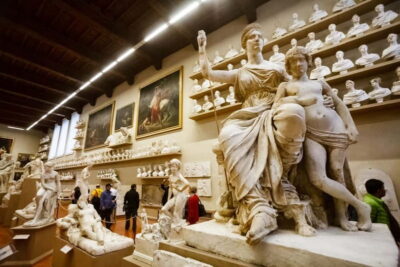 ★ 4.6Timed Entry to Michelangelo’s David + Audio AppFrom $3319,496 reviews
 ★ 4.5Michelangelo’s David Skip-the-Line Entry TicketFrom $4512,764 reviews
 ★ 4.6Timed Entry Ticket to Michelangelo’s David & eBookFrom $374,049 reviews
 ★ 4.5Art Tour, Accademia Gallery and DavidFrom $582,407 reviews
 ★ 4.5Michelangelo’s David, Accademia & Uffizi Small Group TourFrom $471,986 reviews
 ★ 4.6Accademia Gallery & David Skip-the-Line TicketFrom $411,905 reviews
 ★ 4.3Michelangelo’s David Entrance Ticket and Audio AppFrom $381,901 reviews
 ★ 4.5David & Accademia Guided Tour with Time Entry TicketFrom $371,705 reviews
Browse the lists this tour appears in