
Reviewed · FLORENCE
Florence Footsteps: Unveiling the Treasures of the Medicis
Florence rewards slow, guided steps. This 3-hour walk through the Renaissance core connects the Medici story to the city you can see today, with a small group that keeps things personal (up to 8 people).
I especially like the way the guide turns big names and monuments into practical context, so you understand why places like the Cathedral area and the riverfront matter. I also like the food-focused add-ons: the oil and truffle part gives you a Tuscany taste you can’t really replicate on your own. One thing to plan for: museum entry tickets for places like the Uffizi or Accademia are not included, so inside access may depend on what you already booked.
In This Review
- Key highlights you’ll care about
- Florence Footsteps and why this Medici tour works
- Where you start: Uffizi Gallery Gate 3 (and why it matters)
- The Medici thread: politics, art, and everyday influence
- Landmark walk: Cathedral area, Ponte Vecchio, and Piazza della Signoria
- Florence Cathedral area
- Ponte Vecchio
- Piazza della Signoria
- The historic market stop: local products you can spot up close
- Oil and truffle tasting: why this add-on is worth it
- Uffizi and Accademia: how to think about museum time (without guessing)
- Tour pace, small group size, and guide style
- Price and value: $55 for 3 hours that actually pays off
- Who this tour fits best (and who might want a different plan)
- Should you book Florence Footsteps: Unveiling the Treasures of the Medicis?
- FAQ
- How long is the Florence Footsteps tour?
- Where is the meeting point?
- Is the oil and truffle tasting included?
- Are entry tickets to museums included?
- Is food or drinks included?
- What languages are the guides?
- How large is the group?
- What happens if the tour doesn’t reach the minimum number of participants?
- Is there free cancellation?
- Can I reserve now and pay later?
Key highlights you’ll care about
- Small group (8 max) keeps questions flowing and pace manageable
- Meeting at Uffizi Gallery, Gate 3 puts you right in the action fast
- Medici-focused storytelling ties politics, art, and everyday Florence together
- Historic market product stops show what locals actually buy and use
- Oil and truffle tasting option adds a hands-on Tuscan finish
- English or Turkish live guide for a smoother, clearer experience
Still comparing? These are the other Florence tours travellers book most.
Florence Footsteps and why this Medici tour works
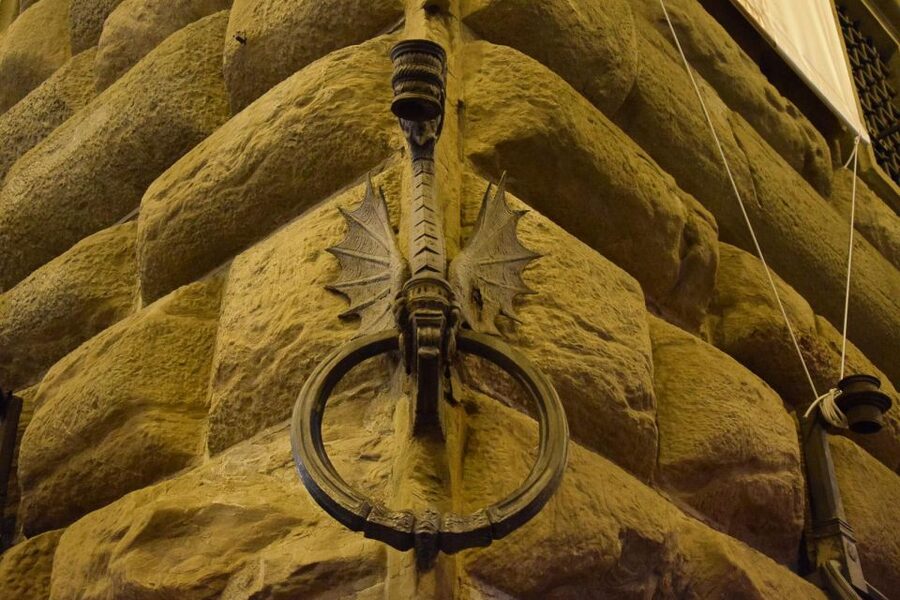
This is the kind of Florence tour that helps you understand what you’re seeing instead of just pointing at it. In three hours, you get a concentrated look at the Renaissance power center—then you connect those ideas to street-level details: the bridges, the squares, the market stalls, and the smells of Tuscan food.
Two elements make it especially good value for the time: first, the guide explains the Medici influence in plain terms, so art and architecture stop feeling like memorization. Second, the optional oil and truffle tasting turns the tour from purely visual to sensory, which is the fastest way to make Florence stick in your head.
Where you start: Uffizi Gallery Gate 3 (and why it matters)
You meet at the Uffizi Gallery at Gate 3. That choice isn’t random. Starting here means you’re close to major Renaissance sites from the first minute, and your walk naturally flows through the older center without long transit breaks.
If you like getting your bearings early, this start helps. You’ll spend less time wondering which direction to head and more time learning the “why” behind the route. It also means you’re already in an area where you can glance at the big art institutions and landmarks even if you’re not entering them immediately.
The Medici thread: politics, art, and everyday influence
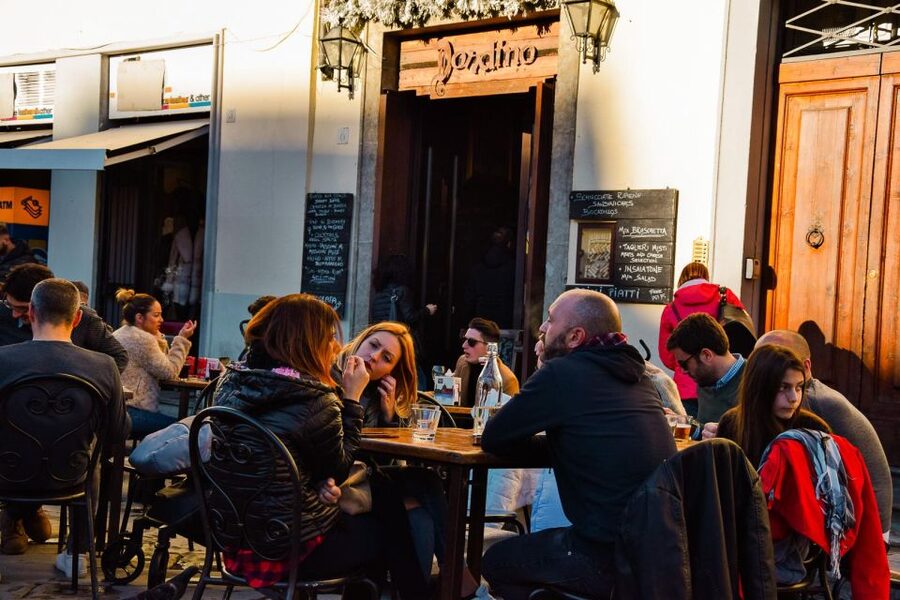
The heart of this experience is the Medici storyline—how one powerful family shaped Florence’s look and reputation. You’ll hear the connection between major artists, the city’s patronage system, and the way Renaissance ideas were promoted through art and public spaces.
The tour also points at broader cultural milestones, including the birth of the Italian language. That’s a big deal because it changes how you read Florence. You stop treating the city like a museum outdoors and start seeing it like a working crossroads where culture, language, and power mixed in real life.
This is also where a strong guide really shows. On this tour, the guiding approach is practical and detail-oriented. The guide named Valerie (sometimes written as Valeri) is a good example of the style: she focuses on architecture and history, but keeps it understandable, and she encourages questions along the way. That matters, because Florence can feel overwhelming fast—so having someone steer your attention makes the whole walk easier to enjoy.
Landmark walk: Cathedral area, Ponte Vecchio, and Piazza della Signoria
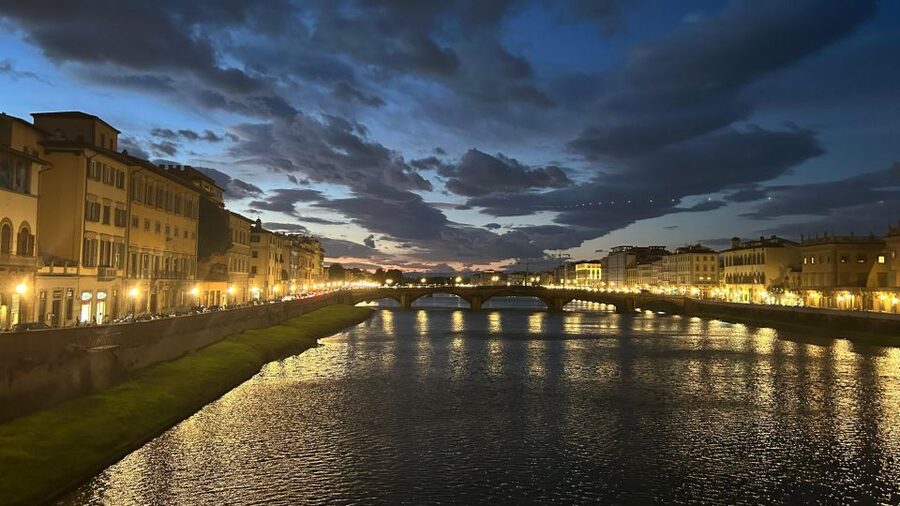
You’ll see several “postcard” landmarks, but the value is in how they’re framed. The tour includes major viewpoints such as:
- Florence Cathedral area
- Ponte Vecchio
- Piazza della Signoria
Instead of treating these as separate attractions, the guide links them as parts of the same story: where power gathered, where artists and patrons reinforced reputations, and how public spaces reflected the city’s priorities.
Florence Cathedral area
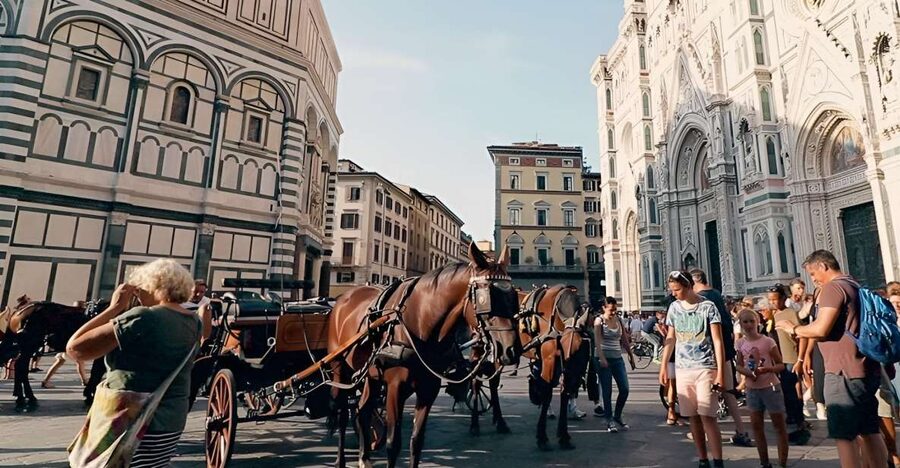
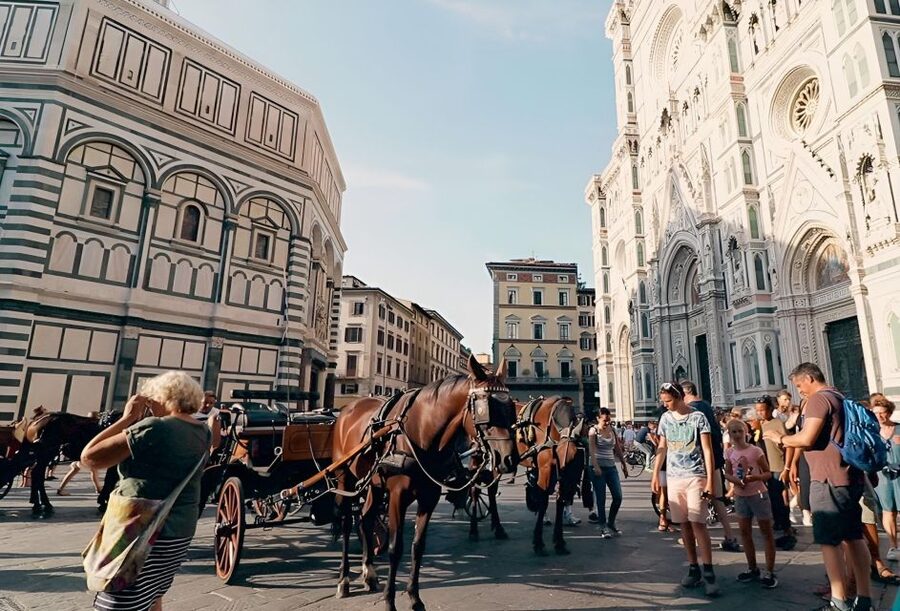
The Cathedral is never just about the building. It’s about civic identity and what Florentines wanted to project. Expect explanations that help you notice details you’d otherwise skip—things like how the space around it supports the city’s dramatic visual style.
- The Best tour in Florence: Renaissance & Medici Tales – guided by a STORYTELLER
★ 5.0 · 12,316 reviews


Ponte Vecchio
Ponte Vecchio is one of those bridges where the setting does half the talking. The guide helps you connect the bridge to the broader rhythm of old Florence—river trade, city life, and why this spot became so important.
Piazza della Signoria
This square is basically Florence’s outdoor stage. If you’re used to visiting squares just for photos, you’ll get more out of it here because the Medici narrative gives you a reason to look closely. It’s the kind of stop where you’ll likely start spotting symbolism without being told every single thing.
The historic market stop: local products you can spot up close
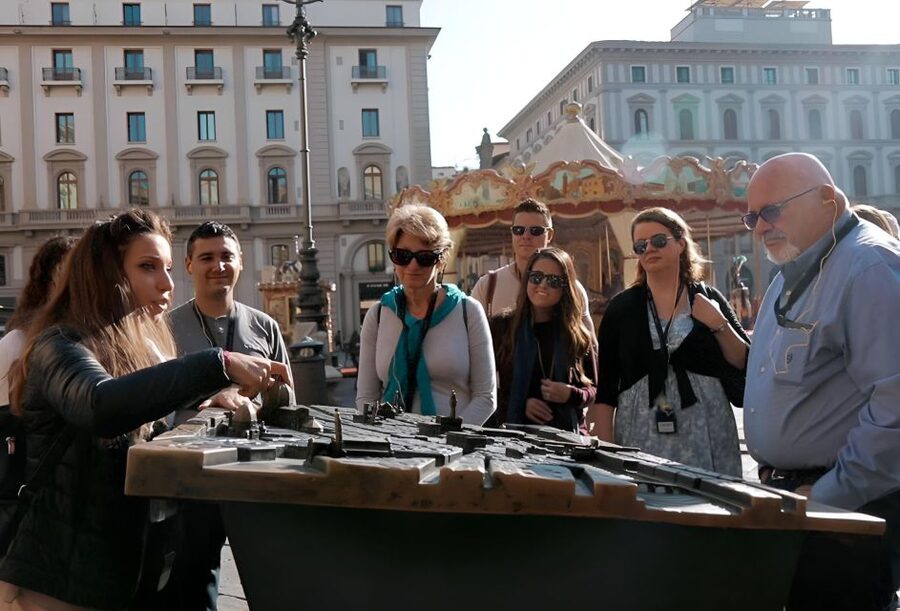
One of the tour highlights is seeing local products in a historical market area. This is a smart inclusion for two reasons.
First, it makes Florence feel less staged. Museums are one side of the Renaissance story; daily commerce is the other. Second, it sets you up for what you’ll taste later—oil and truffle are easier to appreciate when you’ve already seen the ingredients and products linked to them.
You won’t be stuck in a sales pitch. Think of this as a guided “what this place would have meant to locals” moment—where you learn what’s typical, why it’s valued, and how Tuscany’s food culture ties into the region’s identity.
Oil and truffle tasting: why this add-on is worth it
This tour includes an oil tour and truffle tour, with tasting involved as an option included with the experience. Even if you’re not a serious foodie, this is one of the most memorable parts because taste anchors information. Your brain remembers a smell longer than a date.
Here’s what makes the oil piece especially useful: olive oil is simple, but it’s not generic. A guided tasting helps you understand what to notice—fragrance, texture, and flavor differences—so you leave with a more grounded sense of Tuscan quality.
Then the truffle component brings a different side of the same region. Truffle is more about aroma and luxury; the tasting gives you a reality check on what people mean when they talk about it. And if you’re worried it’ll feel like a gimmick, keep this in mind: the tour’s whole theme is Renaissance Florence, and food is part of the cultural footprint. It’s not just an add-on; it’s the region speaking in its own language.
Important planning note: the tour includes food-related tastings, but food and drinks in general are not included. So if you want extra snacks or a full meal afterward, you’ll need to plan that separately.
Uffizi and Accademia: how to think about museum time (without guessing)
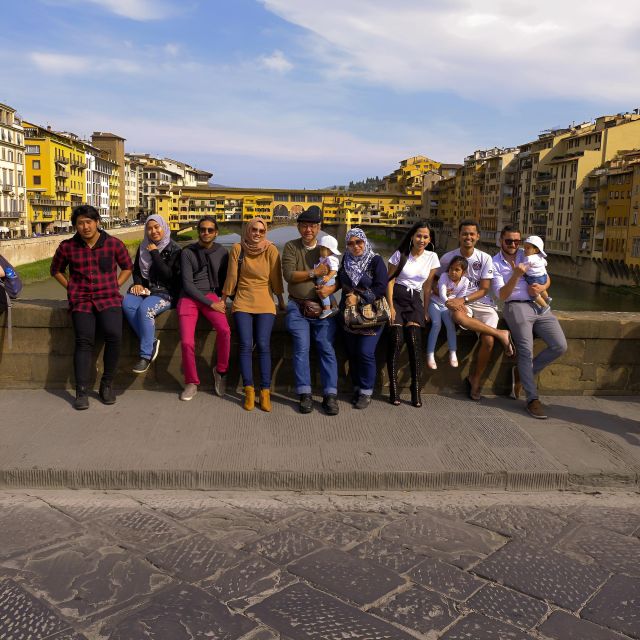
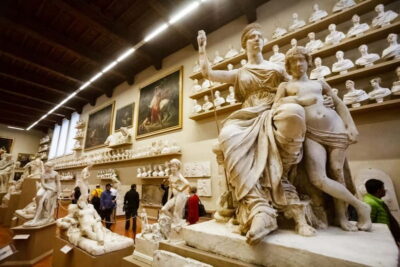
The tour mentions the Uffizi Gallery and the Accademia Gallery, including Michelangelo’s David. That’s a big draw, but museum logistics matter.
Because entry tickets are not included, you should treat the experience as guidance-focused around these famous names and what they represent. Practically, that means you may spend more time learning context than doing full museum hours inside the collections—depending on how the day works and what you’ve booked separately.
What I suggest: if Michelangelo’s David is a must-do for you, consider buying or arranging your tickets early and then letting the walk’s explanations make the museum visit more meaningful. The tour helps you understand what you’re about to see, even if the actual “inside time” comes later.
Tour pace, small group size, and guide style
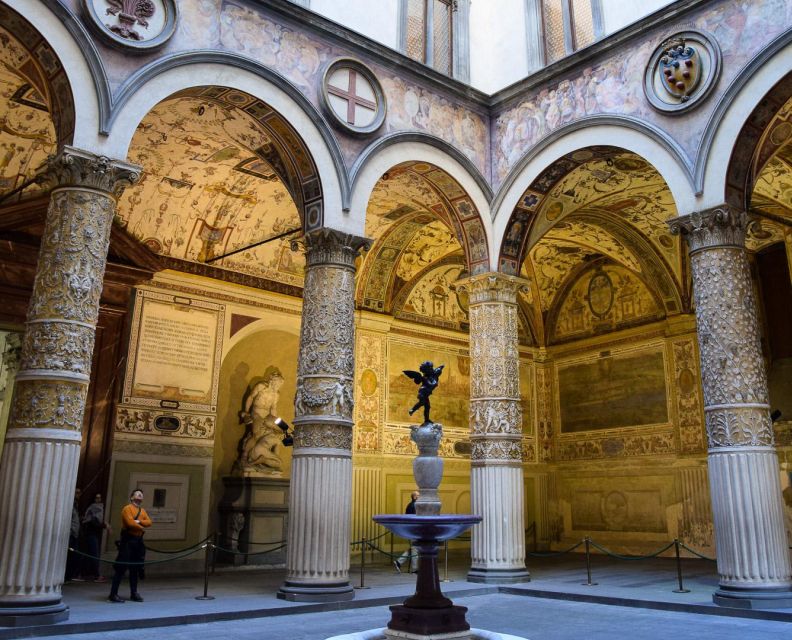
This is a small group tour limited to 8 participants, which changes the feel immediately. In a big bus crowd, you get one-way information. Here, you’re more likely to ask questions and get answers that fit what you care about—architecture, art, Medici politics, or food.
The tour is also wheelchair accessible, which is a meaningful detail if mobility is part of your planning. Walking tours in old cities often require compromises, so it helps that this one is designed with accessibility in mind.
The guide languages listed are English and Turkish, and the explanations are live, not pre-recorded. That’s a subtle win: if you don’t catch a term (or you want to know why a detail matters), you can ask right there.
Price and value: $55 for 3 hours that actually pays off
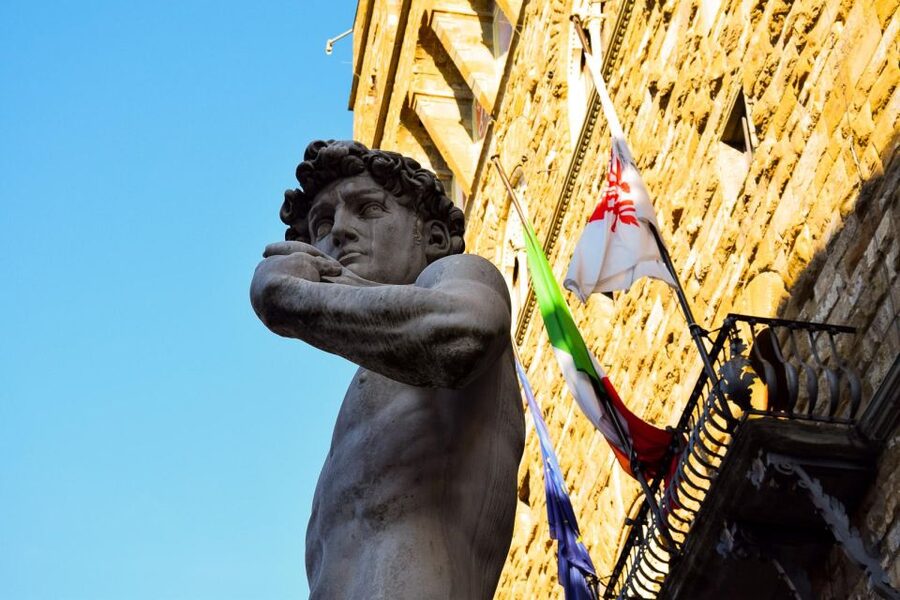
At $55 per person for about 3 hours, the best way to judge value is not the price tag—it’s what’s included.
You’re paying for:
- a guided walking experience through Florence’s historic center
- structured context around the Medici legacy and Renaissance culture
- a historical market stop
- oil and truffle tasting as part of the oil/truffle components
- live interpretation in English or Turkish
That combination is the deal. Lots of tours show you sights. Fewer connect art and power with real-world Florence details, then add a tasting moment that helps you remember the whole theme. If you want a Florence start that sets you up for better museum visits and more confident wandering afterward, this format makes sense.
Who this tour fits best (and who might want a different plan)
You’ll probably love this if:
- You want Medici context without turning your day into homework
- You like walking at a reasonable pace with a small group
- You want at least one food-focused moment during your Florence visit
- You enjoy explanations tied to specific landmarks (Cathedral area, Ponte Vecchio, Piazza della Signoria)
You might want to reconsider if:
- You’re hoping for a full museum day inside Uffizi/Accademia without extra tickets
- You only want photos and don’t care about the story behind them
- You prefer long, unstructured time to explore rather than guided routing
Should you book Florence Footsteps: Unveiling the Treasures of the Medicis?
I’d book it if you want Florence with context. The Medici focus gives your landmarks meaning, and the oil and truffle tasting adds a practical, sensory payoff that makes the tour worth doing even if you plan to visit museums later.
Do it with one expectation set: museum entry is not included. If you care deeply about inside access at the Uffizi or Accademia, plan those tickets in parallel, then let the walk’s explanations make your museum time hit harder.
FAQ
How long is the Florence Footsteps tour?
It lasts 3 hours.
Where is the meeting point?
You meet at the Uffizi Gallery at Gate 3.
Is the oil and truffle tasting included?
The experience includes the oil tour and truffle tour, with an oil and truffle tasting included as an option within the tour.
Are entry tickets to museums included?
No. Entry tickets are not included.
Is food or drinks included?
Food and drinks are not included, but the oil and truffle tastings are part of the included experience components.
What languages are the guides?
The live tour guide speaks English and Turkish.
How large is the group?
The group is small, limited to 8 participants.
What happens if the tour doesn’t reach the minimum number of participants?
The tour will only commence once the minimum number of participants is reached; otherwise, you should receive a full refund.
Is there free cancellation?
Yes. Free cancellation is available up to 24 hours in advance for a full refund.
Can I reserve now and pay later?
Yes, you can reserve now and pay later.
More Florence Tours We Have Reviewed
- Florence: Skip-The-Line Uffizi Gallery Timed Entry Ticket
★ 4.5 · 27,832 reviews - Tuscany Day Trip from Florence: Siena, San Gimignano, Pisa and Lunch at a Winery
★ 5.0 · 21,634 reviews - Florence: Timed Entry to Michelangelo’s David + Audio App
★ 4.6 · 19,496 reviews - Florence: Leonardo Interactive Museum Entry Ticket
★ 4.5 · 12,957 reviews - Florence: Michelangelo’s David Skip-the-Line Entry Ticket
★ 4.5 · 12,764 reviews
Fresh from our Florence review desk
- Small-Group Pasta Cooking Class and Market Tour in Florence★ 5.0 · 3 reviews
- Palatina Gallery and Pitti Guided Tour in Florence★ 5.0 · 3 reviews
- Tuscan Evening Tour: Fiat 500, 8:30 to 10 PM★ 5.0 · 3 reviews
- Journey into Art: Florence’s Accademia★ 4.5 · 3 reviews
- Paint and Drink Florentine Hills★ 5.0 · 3 reviews
- Truffle hunting and lunch experience, with Vinci and winery.★ 4.5 · 3 reviews