
Fresh pasta in a palace beats any kitchen demo. You’ll roll dough, shape classics, and then sit down to eat in a room with frescoes overhead, including a portrait of Dante, all with unlimited Tuscan wine during the meal.
I especially love the hands-on part: you’re not just watching tagliatelle, gnocchi, and potato ravioli come together—you’re learning how to make them. And the setting is a real plus: you cook under historic frescoes, so the experience feels like Florence, not a themed cooking set.
One consideration: this isn’t suitable if you have food allergies, since the class isn’t described as allergy-friendly. Also, bring clothes that can get flour on them—this is real cooking, not fancy tasting attire.
In This Review
- Key highlights to know before you go
- Why this class feels different: a frescoed palace, not a kitchen studio
- Finding the right address: Innocenti Wines Firenze and Via del Proconsolo 16 Rosso
- Your 3-hour cooking plan: tagliatelle, gnocchi, potato ravioli, and classic tiramisu
- Step 1: Getting oriented in a real Florentine setting
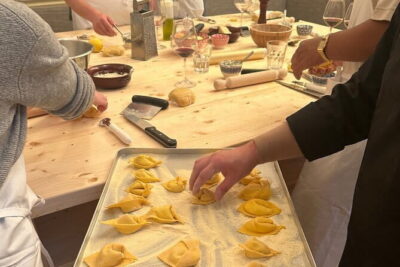
- Step 2: Fresh pasta lessons—tagliatelle, gnocchi, and potato ravioli
- Step 3: Classic tiramisu—sweet finale with structure
- Step 4: Sit-down meal—eat your pasta and tiramisu
- Wine with your meal: how to make it enjoyable, not messy
- Frescoes and Dante: turning “sightseeing” into something you do
- Who should book this pasta palace class (and who should skip it)
- Price and value: what $65 is really paying for
- Should you book this pasta class with wine?
- FAQ
- How long is the cooking class?
- What recipes will I learn to make?
- Is the class private?
- Is wine included?
- Will the chef speak English?
- Where is the meeting point?
- How early should I arrive?
- What should I bring?
- Is it suitable for people with food allergies?
- Is there free cancellation?
Key highlights to know before you go
- Private historic palace access with a sit-down meal included
- Hands-on instruction for tagliatelle, gnocchi, and potato ravioli
- Classic tiramisu lesson plus what you make gets served
- Fresco viewing while cooking, including a portrait of Dante
- Unlimited Tuscan wine during your meal, with a max group size of 12
Roll up your sleeves for another Florence cooking class
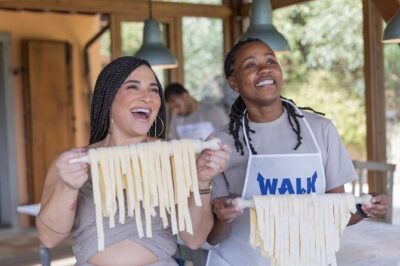
Why this class feels different: a frescoed palace, not a kitchen studio
There are cooking classes, and then there are cooking classes that basically turn Florence sightseeing into something your hands can do. This one does the second. You’re in a private Florentine palace space—historic floors underfoot, frescoes overhead—and you’re learning traditional recipes in that kind of setting.
I like that the focus stays practical. You’ll be guided by an English-speaking expert chef, and you’ll make specific dishes rather than getting a vague overview. The result is more satisfying than a standard “tour + snack” day, because you leave with skills you can actually repeat at home—especially around fresh pasta and a classic tiramisu format.
And the meal matters. After the work, you sit down to enjoy what you made with unlimited Tuscan wine. That’s not just an add-on; it’s how you learn what good texture and flavor should feel like—while you’re still in the same rhythm as the cooking lesson.
Finding the right address: Innocenti Wines Firenze and Via del Proconsolo 16 Rosso
The meeting point is close to the Duomo area, but Florence can trip you up with addresses. You’ll check in at Innocenti Wines, and the address you want is 16 Rosso (16R)—not 16 black. Street numbers in Florence are split by color for businesses and residences, so double-check that red tag.
From Piazza del Duomo, walk south on Via del Proconsolo. Innocenti Wines is a short walk and sits next to the Bargello Museum area on the right-hand side. If you’re arriving from Santa Maria Novella Train Station, plan a 15–20 minute walk: follow Via Panzani toward the Duomo, then continue along Via del Proconsolo.
Tip I’d give you: aim to arrive 15 minutes early. Cooking classes start like clockwork, and you’ll want a few calm minutes to get settled before aprons and flour take over.
Your 3-hour cooking plan: tagliatelle, gnocchi, potato ravioli, and classic tiramisu
This runs about 3 hours, with a small group (maximum 12). That size is part of the value—more attention per person, and you’re less likely to feel like you’re in a big crowd waiting your turn.
Step 1: Getting oriented in a real Florentine setting
You’ll start inside the palace environment with your English-speaking chef guiding the flow. You’ll be told what you’ll make and what the hands-on sequence will feel like. Because you’re cooking three pasta-style dishes plus a dessert, the pace stays active but not rushed.
What to keep in mind: pasta making is tactile. Flour, sticky dough, and timing all matter more than fancy tools. Wear comfortable clothes that can get dirty, and keep any delicate layers out of the way. This is one of those experiences where looking polished matters less than moving easily.
Step 2: Fresh pasta lessons—tagliatelle, gnocchi, and potato ravioli
You’ll learn how to make multiple pasta types, not just one. The class includes instruction for:
- Tagliatelle
- Gnocchi
- Potato ravioli
Each has a different texture goal. Tagliatelle is all about shaping long ribbons you can cut and handle. Gnocchi is about getting a tender, pillowy feel. Potato ravioli adds another layer because it’s built around a filling and sealed portions.
Even if you’ve cooked before, I like that this isn’t a one-dish demo. By the time you’re done, you’ll understand how the dough behaves differently across shapes—and that helps you cook with confidence later.
Layers of history: more Florence stories
Step 3: Classic tiramisu—sweet finale with structure
After the pasta work, you’ll get a lesson on preparing classic tiramisu. This is where the class balances out: your hands shift from dough shaping to assembling a dessert with a familiar, classic foundation.
Classic tiramisu is often about layering and timing so the flavors set properly. You’ll learn how to do it in a structured way, and then you’ll eat what you made, which is the best possible feedback loop.
Step 4: Sit-down meal—eat your pasta and tiramisu
Then comes the payoff. You sit down and enjoy your prepared dishes with the wine included. This part is key for two reasons:
- You taste in context, right after learning.
- You get to slow down and enjoy Florence instead of just moving through it.
Wine with your meal: how to make it enjoyable, not messy
Unlimited Tuscan wine is included during the meal. That’s a fun line item, but it also affects how you should pace your evening. Since you’ve been working with dough and timing, you’ll enjoy it more if you drink casually rather than trying to speedrun the wine.
If you tend to get tipsy quickly, consider one glass first while you’re still eating pasta, then decide. The goal is to stay present for the meal, not to feel foggy right after a hands-on class.
Also, remember you’re still in a historic interior setting with rules like no smoking indoors. Keep your focus on food, conversation, and the experience above the glass.
Frescoes and Dante: turning “sightseeing” into something you do
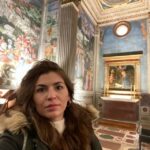
A standout detail here is that you don’t just tour the building—you cook while you’re surrounded by it. You’ll view historic frescoes, including a portrait of Dante, as you work.
That changes the whole vibe. Instead of walking past art and rushing to the next stop, you’re slowing down long enough to notice details while you’re doing something. It makes Florence feel less like a checklist and more like a lived-in place.
And it’s practical too: you’re already occupied, so you can take in the setting without building extra time into your day. It’s sightseeing with a built-in reason to stay put.
Who should book this pasta palace class (and who should skip it)
This works best if you:
- want a hands-on experience that goes beyond tasting
- enjoy Italian comfort food and want to learn how to make multiple dishes
- like the idea of cooking in a private historic palace rather than a generic classroom
- want wine included during the meal and a small group setting (max 12)
You should skip it if:
- you have food allergies, since it’s not described as allergy-friendly
It’s also a nice option for couples and small groups who don’t want a giant tour crowd. Solo travelers can fit in too, since the group size stays small and you’ll sit down together after cooking.
Price and value: what $65 is really paying for
At $65 per person for a 3-hour experience, you’re not just paying for pasta knowledge. You’re paying for several things at once:
- an expert English-speaking chef
- hands-on instruction for three pasta dishes
- a tiramisu lesson
- a sit-down meal of what you make
- unlimited Tuscan wine during the meal
- exclusive private access to a historic Florentine palace
- a small group size (max 12)
When you look at it this way, the cost feels less like a cooking class surcharge and more like an all-in evening plan. Even if you’ve cooked at home, the location and the structure matter. You’re learning in a setting that would be hard to recreate on your own, and you’re eating with the wine included right after.
If you’re on a tight budget, this one might be a splurge. But if you want a Florence memory that’s more than photos and walking, it’s solid value.
Should you book this pasta class with wine?
Yes—if you want an active, delicious Florence experience in a real palace setting. The combination of hands-on pasta making, a classic tiramisu lesson, and a sit-down meal with unlimited Tuscan wine in a room with frescoes (including Dante) is exactly the kind of day that feels worth your time.
Skip it if you have food allergies, and go in prepared to get a little flour on your clothes. If that’s not you, you’ll probably enjoy this as a break from rushing through museums and a chance to bring Florence home with you, one bite at a time.
FAQ
How long is the cooking class?
The class lasts about 3 hours.
What recipes will I learn to make?
You’ll get hands-on instruction for tagliatelle, gnocchi, potato ravioli, and a classic tiramisu lesson.
Is the class private?
You’ll have exclusive private access to a historic Florentine palace during the experience, and the maximum group size is 12.
Is wine included?
Yes. Tuscan wine is included and unlimited during the meal.
Will the chef speak English?
Yes. You’ll have an expert English-speaking chef.
Where is the meeting point?
Check in at Innocenti Wines Firenze near the Bargello Museum. Look for address 16 Rosso (16R).
How early should I arrive?
Please arrive 15 minutes early to check in.
What should I bring?
Wear comfortable clothes that can get dirty.
Is it suitable for people with food allergies?
No. It’s not suitable for people with food allergies.
Is there free cancellation?
Yes. You can cancel up to 24 hours in advance for a full refund.
More Florence History
- Guided Medici Tour Florence: Discover Mysteries & History
★ 4.3 · 1,077 reviews - Tipsy Tour: Guided Bar Crawl In Florence with Dark History
★ 5.0 · 271 reviews - Florence Cooking Course with Historic Local Market Visit
★ 4.5 · 151 reviews - Florence to Fiesole golf cart tour:History & Panoramic views
★ 4.9 · 121 reviews - Florence: Medici Family History Tour
★ 4.3 · 93 reviews
More Florence Tours We Have Reviewed
- Florence: Skip-The-Line Uffizi Gallery Timed Entry Ticket
★ 4.5 · 27,832 reviews - Tuscany Day Trip from Florence: Siena, San Gimignano, Pisa and Lunch at a Winery
★ 5.0 · 21,634 reviews - Florence: Timed Entry to Michelangelo’s David + Audio App
★ 4.6 · 19,496 reviews - Florence: Leonardo Interactive Museum Entry Ticket
★ 4.5 · 12,957 reviews - Florence: Michelangelo’s David Skip-the-Line Entry Ticket
★ 4.5 · 12,764 reviews
More Florence Cooking Classes
- Florence: Pasta Cooking Class with Unlimited Wine
★ 4.9 · 10,285 reviews - Florence Pizza or Pasta Class with Gelato Making at a Tuscan Farm
★ 5.0 · 6,801 reviews - Florence: Pasta & Tiramisu Cooking Class with Unlimited Wine
★ 4.9 · 6,708 reviews - Florence: Pasta Cooking Class with Unlimited Wine
★ 5.0 · 6,413 reviews - Cooking Class and Lunch at a Tuscan Farmhouse with Local Market Tour from Florence
★ 5.0 · 4,831 reviews
Fresh from our Florence review desk
- Small-Group Pasta Cooking Class and Market Tour in Florence★ 5.0 · 3 reviews
- Palatina Gallery and Pitti Guided Tour in Florence★ 5.0 · 3 reviews
- Tuscan Evening Tour: Fiat 500, 8:30 to 10 PM★ 5.0 · 3 reviews
- Journey into Art: Florence’s Accademia★ 4.5 · 3 reviews
- Paint and Drink Florentine Hills★ 5.0 · 3 reviews
- Truffle hunting and lunch experience, with Vinci and winery.★ 4.5 · 3 reviews
Wine Tours, compared.
 ★ 5.0Tuscany Day Trip from Florence: Siena, San Gimignano, Pisa and Lunch at a WineryFrom $11421,634 reviews
 ★ 4.9Pasta Cooking Class with Unlimited WineFrom $2110,285 reviews
 ★ 4.5Chianti Wineries Tour with Wine TastingFrom $4110,071 reviews
 ★ 5.0Small-Group Wine Tasting Experience in the Tuscan CountrysideFrom $1077,392 reviews
 ★ 4.9Pasta & Tiramisu Cooking Class with Unlimited WineFrom $566,708 reviews
★ 5.0Pasta Cooking Class with Unlimited Wine6,413 reviews
 ★ 4.5Pisa, Siena and San Gimignano Day Trip with Lunch & Wine PairingFrom $786,006 reviews
 ★ 5.0SMALL-GROUP Wine Safaris: Tuscan Wine Tasting Tours from FlorenceFrom $1575,088 reviews
Browse the lists this tour appears in