
Reviewed · MEDICI & RENAISSANCE TOURS
Florence: Medici Family History Tour
A Medici story in Florence is never just history. It’s about power, family strategy, and a city that still wears the results, and this 2-hour walk ties it all to the key places: Palazzo Medici Riccardi inside and the Chapel of the Magi, plus the surrounding squares where rival families shaped the Renaissance. I especially like how the tour links big names like Cosimo the Elder and Lorenzo the Magnificent to specific corners you can actually stand in, and I also love the guided pacing that keeps the drama moving without turning it into a lecture.
One heads-up: you cover a lot of meaning in a short time, and there are exterior views from plazas where you’ll want photos. If your guide uses two languages back-to-back, it can get a little tricky to snap pics without missing a point—comfortable shoes help a lot.
In This Review
- Key Things You’ll Notice on This Medici Tour
- Why the Medici Story Still Feels Tangible in Florence
- Small-Group Timing: 2 Hours With a Purpose
- Entering Palazzo Medici Riccardi: Power, Up Close
- The Chapel of the Magi and Benozzo Gozzoli’s Storytelling
- Piazza San Lorenzo: Where Daily Florence Meets Medici Importance
- Piazza della Signoria: Rival Palaces and the Politics of Face-to-Face
- The Michelangelo Thread: Bertoldo and the Making of Genius
- How The Medici TV Elements Feel Different in Real Space
- Price and Value: Is $137 for 2 Hours Worth It?
- Practical Tips That Make This Tour Smoother
- Who Should Book This Medici Family History Tour
- Should You Book This Tour?
- FAQ
- How long is the Florence Medici Family History Tour?
- Where do I meet the guide?
- What’s included in the tour price?
- Is there pick-up or drop-off?
- What languages are available?
- Is the tour accessible for a wheelchair?
- What should I bring?
Key Things You’ll Notice on This Medici Tour

- Palazzo Medici Riccardi inside: you don’t just see the facade; you step into Medici space.
- Chapel of the Magi with Benozzo Gozzoli’s work: art that reinforces political ambition.
- A Michelangelo link through Bertoldo: a “how greatness was trained” moment you can picture.
- Rival families from the right angles: Strozzi, Albizi, and Pazzi are part of the story even when only viewed outside.
- Small group (max 8): easier questions, quicker course-corrections from the guide.
Deeper into Medici Florence and its Renaissance
Why the Medici Story Still Feels Tangible in Florence
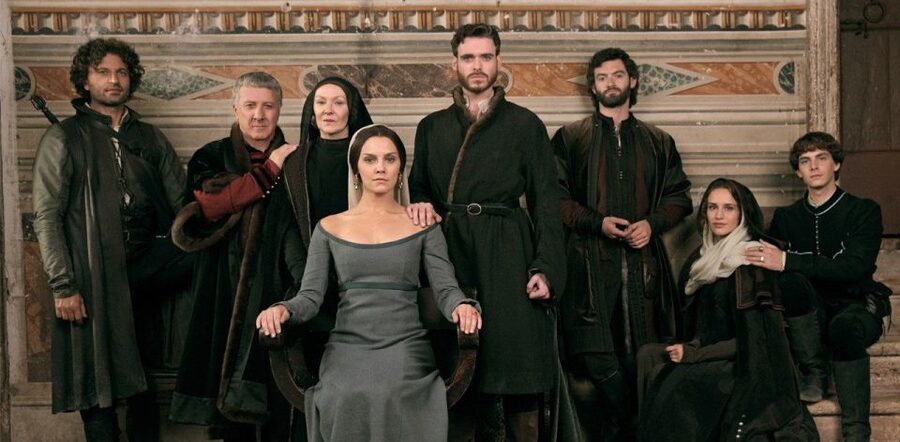
If you’ve ever watched The Medici and thought the costumes looked great, this tour answers the follow-up question: where did all that power actually happen? Florence during the Renaissance wasn’t only about artists and saints. It was about who could fund bankers, influence rulers, and outmaneuver rivals without getting wiped out.
This experience focuses on the Medici family as the ultimate “city builders,” the kind who managed to become a symbol even while running into betrayals, defeats, and hard-won victories. The guide weaves those political turns into real locations, so the names stop being trivia and start behaving like characters in a plot.
What makes it work for me is that you’re not just collecting facts. You’re learning how Florence’s streets and buildings acted like a stage for negotiation, intimidation, and legitimacy—especially when palaces faced each other across major squares.
Small-Group Timing: 2 Hours With a Purpose
You’re working with a tight window—about 2 hours—so you’ll want to show up ready to walk and listen. The group stays small (up to 8), which matters because the guide can keep the flow understandable without rushing people who have questions.
This kind of timing is ideal if you’re trying to make early sense of Florence. After the tour, the city becomes easier to read. You’ll recognize the “power geography”: where the Medici held influence, where opponents were positioned, and why certain squares mattered.
The flip side is that you won’t get deep museum-style time inside every building. You’ll get guided moments of emphasis: key rooms, key art, and key connections. If you’re the type who wants to linger and sketch for an hour, you may want extra independent time afterward.
Entering Palazzo Medici Riccardi: Power, Up Close
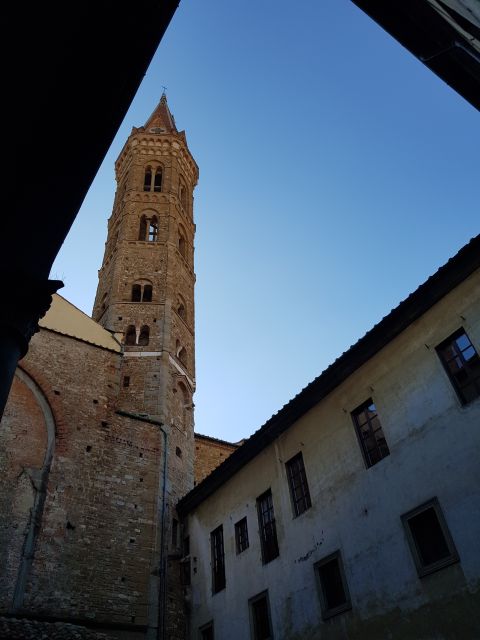
Your starting point is the main door of Palazzo Medici Riccardi, and from there the tour takes you into the palace for a guided visit. This is the heart of the experience, and it’s also the best value for your time.
Palazzo Medici Riccardi isn’t just pretty stone. It’s an architectural claim: the Medici didn’t only want wealth; they wanted the kind of presence that tells everyone in Florence who is running the show. In a family story like this, buildings act like evidence.
Inside, you’ll get context behind the scenes—why a family like the Medici could rise, how they stayed central, and how politics shaped daily spaces. The guide’s job here is important: without explanation, palaces can blur together fast. With explanation, you start noticing the logic.
Also, the tour includes skip-the-line access, so you’re spending your limited time where it counts: in the rooms and chapels, not trapped behind slow ticketing lines.
The Chapel of the Magi and Benozzo Gozzoli’s Storytelling
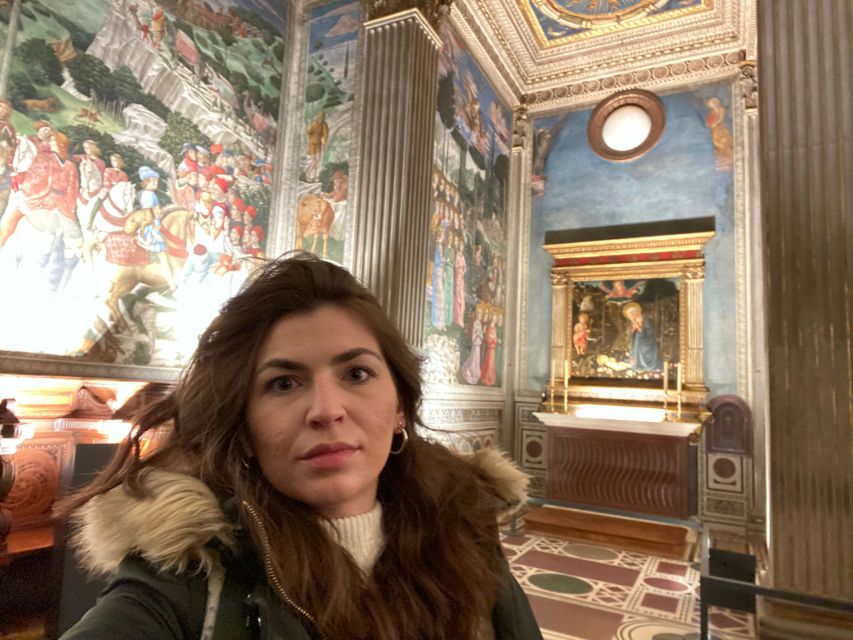
One of the strongest stops is the Chapel of the Magi, painted by Benozzo Gozzoli. This is where Renaissance art stops being “nice to look at” and starts acting like a message.
Gozzoli’s work is the kind of painting you can stare at longer than planned because it rewards attention: details pull you across the scene, and the symbolism helps explain why the Medici weren’t shy about using culture to project authority. Even if you’re not an art specialist, you’ll leave with a clearer sense of what art was doing in the political ecosystem.
For practical reasons, keep your eyes open for the guide’s pointing. In chapels, the most interesting clues are rarely obvious at a glance. This is one of those moments where a good explanation turns a “sight” into a “meaning.”
Piazza San Lorenzo: Where Daily Florence Meets Medici Importance
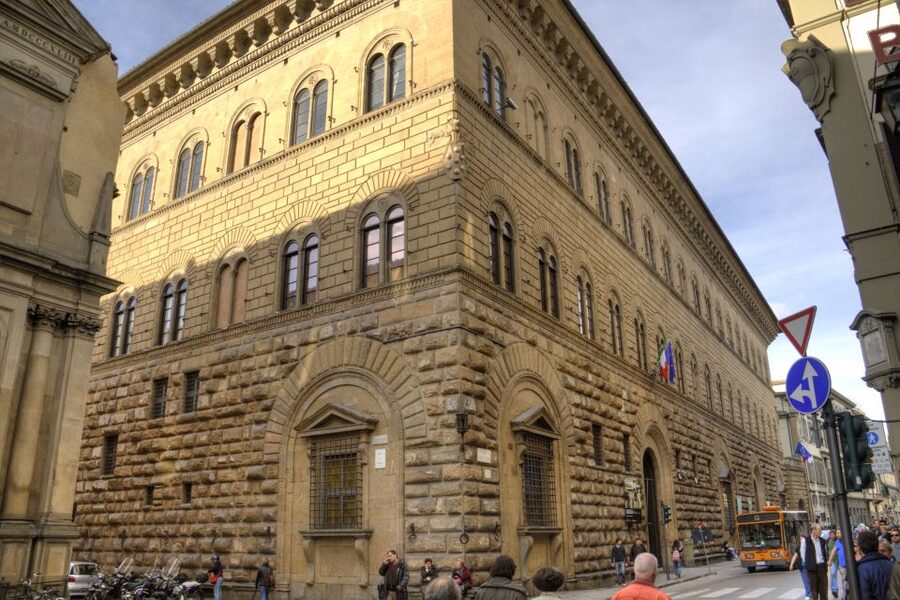
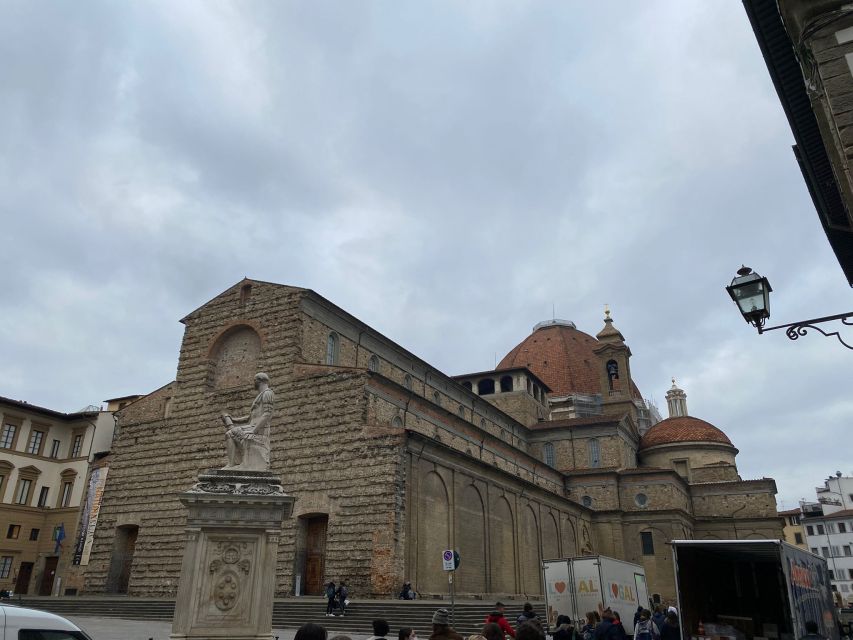
After the palace, the tour moves out into the public city spaces, starting with Piazza San Lorenzo. This is where the Medici story stops living only behind walls and starts interacting with streets, churches, and crowds.
Squares like this matter because they’re social infrastructure. They’re the places where people gathered, heard news, and saw power in motion. The Medici didn’t rule in isolation; they needed public legitimacy.
Walking here with a guide helps you understand why the Renaissance felt so tightly managed. You begin to spot the difference between places that are important because of art and places that are important because of influence.
You’ll get sightseeing on foot and a chance to orient yourself for the rest of Florence. If you’re planning to explore on your own later, this is where you get your bearings fast—without feeling like you’re just crossing the city from A to B.
Layers of history: more Florence stories


Piazza della Signoria: Rival Palaces and the Politics of Face-to-Face
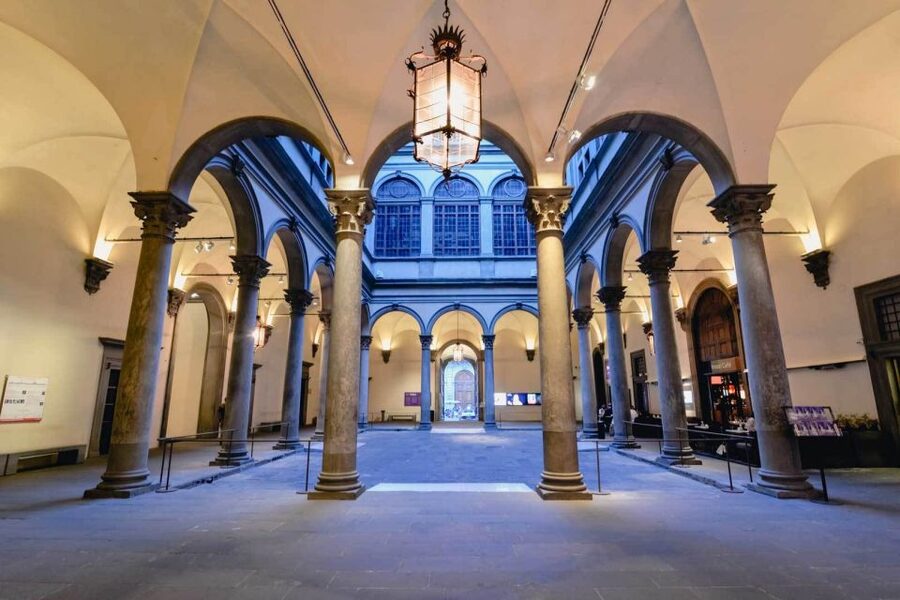
Next comes Piazza della Signoria, and this part is about relationships—especially between the Medici and the families they challenged. You’ll see the palaces of rivals from the outside, including Palazzo Strozzi, Palazzo Albizi, and Palazzo Vecchio.
Even viewed externally, these buildings matter because Florence’s elite often “spoke” through architecture: a palace is a signature, a claim, a warning. When you’re told how the Medici positioned themselves against powerful enemies, the stone starts to feel less static.
Palazzo Vecchio is particularly important here because it’s one of the city’s most recognizable power markers. Standing nearby gives you a sense of how political leadership and family status were interlocked. You don’t need an interior ticket to understand that the location signals control.
One reason I like this segment: it teaches you to watch the city like a puzzle. Each exterior sight becomes a piece of the Medici-versus-rivals story, which is exactly the kind of pattern you want when you’re doing Renaissance Florence.
The Michelangelo Thread: Bertoldo and the Making of Genius
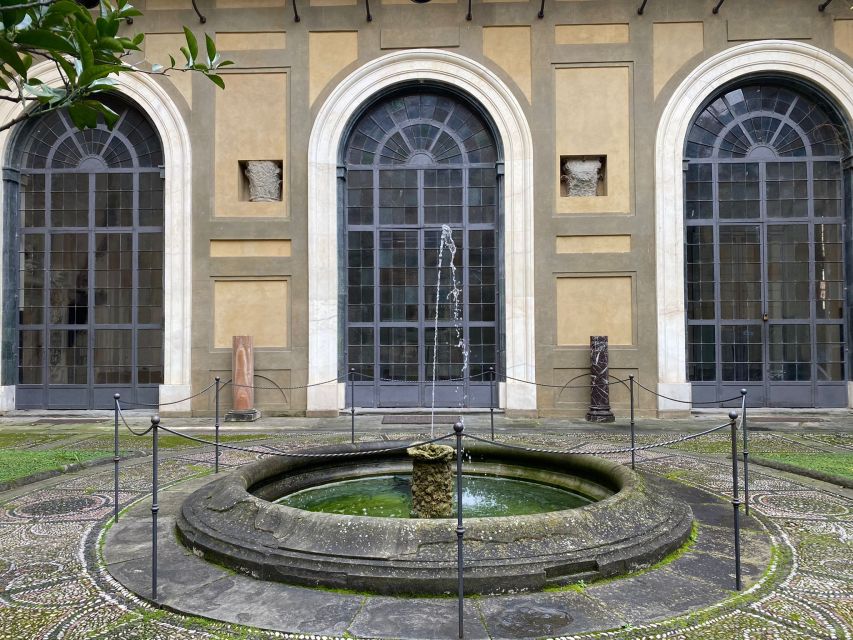
A unique feature of the tour is a “secret place” connection tied to Michelangelo’s learning—where his sculpting genius developed under Bertoldo, a pupil of Donatello.
Even though you’re not doing a full museum-style art lesson, this is a meaningful moment. It shifts the story from only banking and politics to the workshop reality behind Renaissance brilliance. In Florence, artists weren’t isolated thinkers. They trained, learned techniques, and moved through networks shaped by patrons.
When you connect Michelangelo’s early sculpting environment to the Medici sphere, the tour gives you a more complete mental map. You start understanding Renaissance greatness as a system: patronage, training, rivalry, and ambition all feeding each other.
If art and architecture are what pull you to Florence, this stop is a payoff. If politics is what pulls you, it’s still useful, because it shows how power created the conditions for art to flourish.
How The Medici TV Elements Feel Different in Real Space
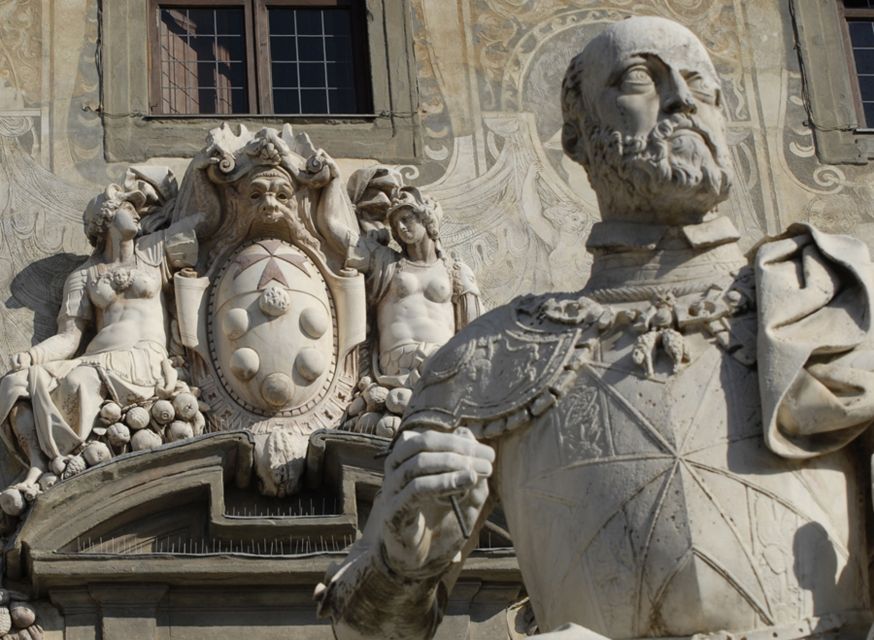
The tour doesn’t pretend the TV series is the whole truth, but it uses your familiarity with the story to guide you toward the real people behind it—Lorenzo the Magnificent, Cosimo the Elder, and Piero the Unfortunate.
What you get is perspective. The small details of personality—who wanted what, who feared what, who acted when they didn’t have all the control—stop being abstract. They become tied to a palace corner, a chapel, and the surrounding civic stage.
This helps a lot if you’re the kind of person who likes seeing “where the show happens,” but it also works if you haven’t watched. The guide’s job is to translate character-driven drama into physical geography.
In short: you don’t just recognize places. You understand why the characters would choose them.
Price and Value: Is $137 for 2 Hours Worth It?

At $137 per person for a 2-hour small-group tour, you’re paying for three things: an official guide, guided access inside the most important Medici sites, and skip-the-line entry where time matters.
If you’ve ever tried to line up for major sights in Florence, you already know the value of time. That skip-the-line piece is not a fancy perk. It’s part of why this tour feels efficient instead of stressful.
Also, the group size is capped at 8, which usually makes the explanation more coherent. With fewer people, the guide can slow down when needed and keep the story clear.
The only value-risk is the time limit itself. You’ll leave with strong orientation and key highlights, but it’s still just 2 hours. If you want a long, slow, take-a-million-photos kind of day, this won’t replace that. It should complement it—like the opening chapter that makes the rest of your book make sense.
Practical Tips That Make This Tour Smoother
Wear comfortable walking shoes. You’ll be on your feet and you’ll need to move steadily between palace interior time and exterior plaza time.
If you know you get distracted when people stop for photos, plan to let the guide finish one point before you move in for pictures. The narrative matters here. The “why” is what ties the places together.
And if your group language includes a fast switch between English and another language (the tour offers English, German, French, Italian, and Spanish), bring the kind of attention that works best for you. One review note suggested headphones could help when the group changes position for photos—so if you’re sensitive to missing details, consider having earbuds ready.
Who Should Book This Medici Family History Tour
This tour is a great fit if:
- You want a high-impact intro to Florence during the Renaissance with the Medici at the center.
- You love stories where politics and art overlap, not one without the other.
- You prefer small-group guidance (max 8) over big-auditorium tours.
It may be less ideal if:
- You want extensive interior time in multiple buildings beyond what’s planned.
- You dislike guided walking. This isn’t a sit-and-stare museum experience.
Also, it’s designed to be wheelchair accessible, so if mobility is a factor, you can still consider it with confidence based on what’s stated.
Should You Book This Tour?
I’d book it if you’re heading to Florence with the Medici story on your mind and you want your time to go toward the places that make the story make sense: Palazzo Medici Riccardi inside, the Chapel of the Magi with Benozzo Gozzoli, plus the surrounding civic squares where rival families’ presence still shapes the feeling of the city.
The strongest reason to choose it is focus. In two hours, you get the Medici as more than names—you get them as makers of a city. The guide’s explanations are a big part of that, and people praise the way the story gets clarified, including bilingual delivery where a little audio planning helps.
If you’re deciding between this and doing everything alone, consider the value of guided sequencing. Florence is beautiful, but it can be hard to read without help.
FAQ
How long is the Florence Medici Family History Tour?
The tour lasts 2 hours.
Where do I meet the guide?
Meet at the main door of Palazzo Medici Riccardi.
What’s included in the tour price?
It includes an official guide exclusive for the group and skip-the-line access to the monuments visited.
Is there pick-up or drop-off?
No pick-up and drop-off is included.
What languages are available?
The live tour guide is available in English, German, French, Italian, and Spanish.
Is the tour accessible for a wheelchair?
Yes, the tour is wheelchair accessible.
What should I bring?
Wear comfortable shoes, since the tour includes walking through Florence’s squares.
More Florence Tours to Weigh Up
- The Best tour in Florence: Renaissance & Medici Tales – guided by a STORYTELLER
★ 5.0 · 12,316 reviews - The Best Tour in Florence: Renaissance and Medici Tales
★ 5.0 · 10,810 reviews - Florence: Chianti Wineries Tour with Wine Tasting
★ 4.5 · 10,071 reviews - Florence: Duomo Cathedral 60-Minute Guided Tour
★ 3.7 · 6,829 reviews - Florence: Hop-on Hop-off Bus Tour: 24, 48 or 72-Hour Ticket
★ 4.0 · 6,283 reviews
More Florence Tours We Have Reviewed
- Florence: Skip-The-Line Uffizi Gallery Timed Entry Ticket
★ 4.5 · 27,832 reviews - Tuscany Day Trip from Florence: Siena, San Gimignano, Pisa and Lunch at a Winery
★ 5.0 · 21,634 reviews - Florence: Timed Entry to Michelangelo’s David + Audio App
★ 4.6 · 19,496 reviews - Florence: Leonardo Interactive Museum Entry Ticket
★ 4.5 · 12,957 reviews - Florence: Michelangelo’s David Skip-the-Line Entry Ticket
★ 4.5 · 12,764 reviews
The Medici Story Continues
- The Best tour in Florence: Renaissance & Medici Tales – guided by a STORYTELLER
★ 5.0 · 12,316 reviews - The Best Tour in Florence: Renaissance and Medici Tales
★ 5.0 · 10,810 reviews - Uffizi Gallery: Renaissance Masterpieces Guided Tour
★ 4.6 · 6,070 reviews - Florence: Renaissance and Medici Tales Guided Walking Tour
★ 4.8 · 1,549 reviews - Guided Medici Tour Florence: Discover Mysteries & History
★ 4.3 · 1,077 reviews
Fresh from our Florence review desk
- Small-Group Pasta Cooking Class and Market Tour in Florence★ 5.0 · 3 reviews
- Palatina Gallery and Pitti Guided Tour in Florence★ 5.0 · 3 reviews
- Tuscan Evening Tour: Fiat 500, 8:30 to 10 PM★ 5.0 · 3 reviews
- Journey into Art: Florence’s Accademia★ 4.5 · 3 reviews
- Paint and Drink Florentine Hills★ 5.0 · 3 reviews
- Truffle hunting and lunch experience, with Vinci and winery.★ 4.5 · 3 reviews
Medici & Renaissance Tours, compared.
 ★ 5.0The Best tour in Florence: Renaissance & Medici Tales – guided by a STORYTELLERFrom $312,316 reviews
 ★ 5.0The Best Tour in Florence: Renaissance and Medici TalesFrom $310,810 reviews
 ★ 4.6Uffizi Gallery: Renaissance Masterpieces Guided TourFrom $886,070 reviews
 ★ 4.8Renaissance and Medici Tales Guided Walking TourFrom $21,549 reviews
 ★ 4.3Guided Medici Tour Florence: Discover Mysteries & HistoryFrom $571,077 reviews
 ★ 4.0Accademia Gallery: Michelangelo’s David and High Renaissance ArtFrom $43872 reviews
 ★ 4.7Guided Tour of Medici Family Secrets and ChapelsFrom $93512 reviews
 ★ 5.0Florence Private Tour: Renaissance, Famous Families & Hidden GemsFrom $199233 reviews
Browse the lists this tour appears in