
Reviewed · UFFIZI GALLERY TOURS
Florence: Uffizi Gallery Guided Tour
Art at the Uffizi moves fast. This small-group, skip-the-line visit helps you land on the Uffizi’s biggest Renaissance hits, while a live guide connects the dots behind each painting. I especially like how Botticelli’s Birth of Venus and Michelangelo’s Tondo Doni get explained in plain language, and how you also get a taste of Florence views during the experience. One heads-up: in peak season, security waiting time can still be longer, even though you use a separate entrance for entry into the museum.
If you want more than just looking at masterpieces, you’ll appreciate the storytelling approach. You’re not wandering room to room; you’re following a guided route built around the works most likely to change how you see this era. Guides have included people like Tommy and Ivano in past groups, and they focus on the people, purpose, and visual tricks that make these paintings work.
In This Review
- Key highlights at a glance
- Why the Uffizi feels different with a guided plan
- Starting at Piazzale degli Uffizi: find the Andrea Obgagna statue first
- Skip-the-line helps, but security can still slow things down
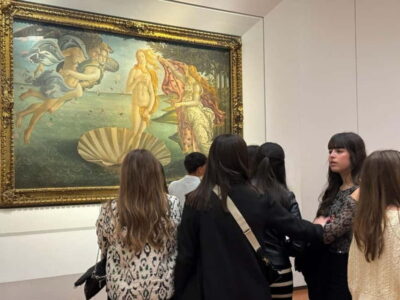
- Botticelli’s Venus and Primavera: why these paintings hit so hard
- Michelangelo’s Tondo Doni: the surprise of intensity in a small format
- Caravaggio’s dramatic realism: seeing the lighting the way the guide wants you to
- Raphael and Titian: how the tour teaches you to read beauty
- What the guide storytelling adds (and how to make it work for you)
- Price and value: does $130 make sense for Uffizi time?
- Who this Uffizi guided tour is best for
- Should you book this Uffizi guided tour with skip-the-line?
- FAQ
- How long is the Florence Uffizi Gallery guided tour?
- Where do I meet the host for the Uffizi tour?
- What is included in the price?
- What is not included?
- What languages are available for the live guide?
- Does the tour include a skip-the-line entrance?
- What should I bring?
- Is there any policy about cancellation or changes?
- Are unaccompanied minors allowed?
Key highlights at a glance

- Skip-the-line entrance using a separate entrance to reach the gallery faster
- Botticelli center stage, including The Birth of Venus and Primavera
- Michelangelo’s Tondo Doni, where “power” shows up even in a small format
- Caravaggio’s dramatic realism, with a guide explaining what you’re seeing
- Raphael and Titian moments, including Madonna of the Goldfinch and Venus of Urbino
- Florence views added to the experience, so it’s not only paintings inside
More ways into the Uffizi, ranked by Florence visitors
Why the Uffizi feels different with a guided plan
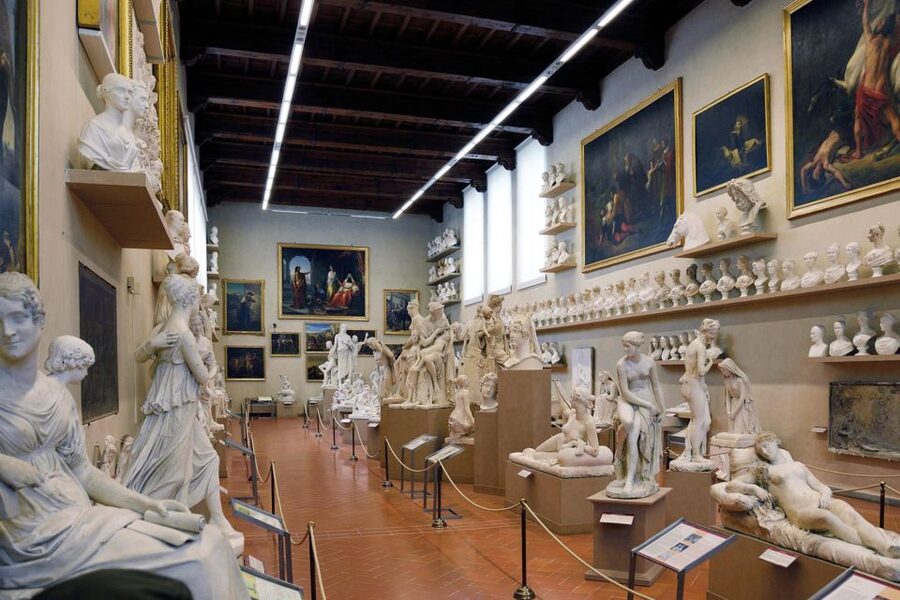
The Uffizi is the kind of museum where you can burn hours and still miss the point. The rooms are packed, the art is layered, and without context it’s easy to leave thinking you saw “a lot of famous stuff” without really understanding why those works matter.
That’s where this guided format pays off. In about 1.5 to 2 hours, you get a focused run through major Renaissance masterpieces. You’re also there with a live guide who can point out details you’d likely overlook on your own, like how subject, symbolism, and style connect to what was going on in Florence.
I also like that the tour is built for high impact, not long wandering. If your time is limited, this is the kind of plan that gives you momentum instead of museum fatigue.
Starting at Piazzale degli Uffizi: find the Andrea Obgagna statue first
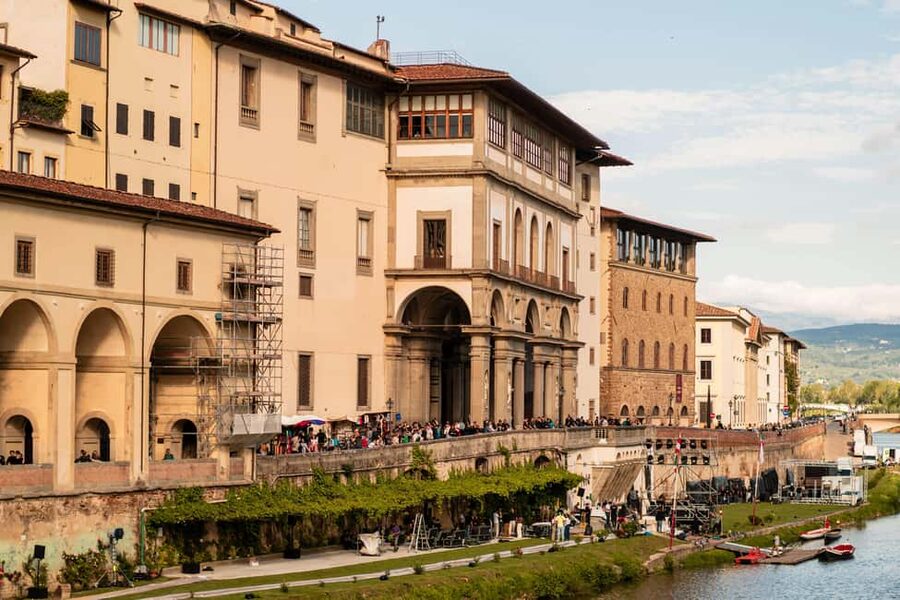
Meeting point matters in Florence, and this one is specific. You meet the host in front of the Andrea Obgagna statue at Piazzale Degli Uffizi—the first statue on the left, located in the corner between Piazzale degli Uffizi street and Via della Nina street.
Arrive 10 minutes early. Not because it’s fussy, but because this is one of those spots where it takes a minute to confirm you’re at the exact statue the guide expects. If you’re even slightly late, the group may be moving and you’ll feel it.
If you’re coming from the city center, give yourself extra time for streets and foot traffic. Florence rewards the early bird, especially around major sights.
Skip-the-line helps, but security can still slow things down
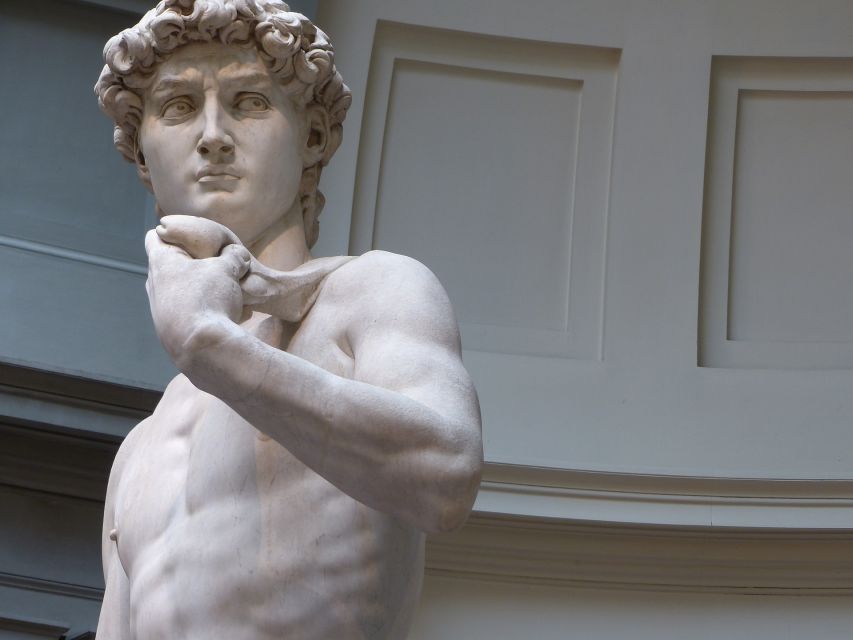
This experience includes skip-the-line entrance to the Uffizi through a separate entrance. In real terms, that usually means you avoid the longest waiting that happens when everyone tries to enter through the main flow.
But there’s an important reality check for high season: security lines can still be longer. So if you’re traveling in summer or during holidays, don’t treat the “skip-the-line” as an instant pass through every checkpoint. Think of it as time savings for museum entry, not total elimination of waits.
Practical tip: wear slip-on shoes and keep small items easy to manage. You’ll thank yourself when you’re moving between checkpoints.
Botticelli’s Venus and Primavera: why these paintings hit so hard
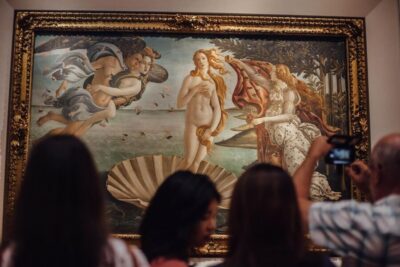
If you come to the Uffizi for one thing, it’s often Botticelli—and this tour makes him a centerpiece. You’ll spend time with The Birth of Venus, plus Primavera.
What makes these works so memorable isn’t only their fame. It’s the way the guide helps you see the images as purposeful choices, not just pretty surfaces. You’ll get help connecting what you’re seeing to the Renaissance mindset—how artists used mythology, symbolism, and ideal beauty to communicate big ideas.
Even if you don’t know much art history, these paintings tend to land fast. But a good guide makes the experience last. You’ll likely start noticing patterns: how figures are arranged, how gestures guide your eye, and how the mood is built through visual rhythm.
Michelangelo’s Tondo Doni: the surprise of intensity in a small format
Michelangelo is another reason people book a guided Uffizi visit. On this tour you’ll stand in front of the Tondo Doni, a work that can feel deceptively approachable at first glance because it’s a circular format.
Then you realize the painting’s emotional charge is the point. The guide’s role here is huge: they help you interpret the composition and the sense of presence in the figures, without turning it into a test of memorization.
One thing I’d take from this kind of stop: Michelangelo’s impact isn’t only about grand sculpture. It’s also about how he builds force and meaning with paint, line, and form—so you learn to look at the work like a finished argument, not a loose scene.
With a local guide, more of Florence to explore
- The Best tour in Florence: Renaissance & Medici Tales – guided by a STORYTELLER
★ 5.0 · 12,316 reviews


Caravaggio’s dramatic realism: seeing the lighting the way the guide wants you to
Caravaggio at the Uffizi has a reputation for drama, and this tour leans directly into that. You’ll encounter Caravaggio’s masterpieces with guidance that focuses on why the realism feels so intense.
Here’s what you’ll likely appreciate: Caravaggio’s power isn’t just in the subject matter. It’s in how the painting makes you feel like you’re standing closer. With the guide’s help, you can pay attention to contrasts, expressions, and the way the scene pulls you into the moment.
If you usually think of realism as just “it looks real,” this is a strong lesson that realism can still be theatrical. The best part is that the guide shows you how to read that drama, so you leave with a tool for future art—not just a one-time reaction.
Raphael and Titian: how the tour teaches you to read beauty
After the intensity, you get a shift. The tour highlights Raphael, including Madonna of the Goldfinch, and also Titian, including Venus of Urbino.
Raphael can feel like calm precision once you know where to look. With a guide, you can focus on what the painting is doing emotionally—how facial expression and gestures create a sense of closeness, and how the composition supports that feeling.
Titian, on the other hand, often feels like color and atmosphere doing the storytelling. Even if you’re not a color-nerd, you’ll likely start understanding why Titian mattered so much to later artists. A guided approach helps you notice the craft: how the painting handles flesh, textiles, and the overall flow of the image.
This pairing works well for many people because it prevents “everything being loud.” You end up with a better sense of range across the collection.
What the guide storytelling adds (and how to make it work for you)
This is where the experience earns its high marks. The guide isn’t just listing titles. They’re explaining the stories behind brushstrokes—how artists built meaning and how Florence’s culture shaped what got painted and why.
In previous groups, guides such as Tommy and Ivano have been praised for never stopping talking in the best way: history of the works, people behind the works, and the city of Florence itself. That matters because it turns a museum visit into a coherent experience instead of disconnected viewing.
How to get the most out of it:
- Keep your phone put away during key moments. The urge to take photos can break your attention.
- Ask yourself a simple question each stop: What is the painting trying to make me feel or understand? The guide’s explanations will make your answer easier.
- Look for the “why.” Even basic context helps you see details that would otherwise vanish.
Price and value: does $130 make sense for Uffizi time?
At $130 per person for 1.5–2 hours, this isn’t a budget activity. But you’re paying for three things that are hard to replicate on your own: skip-the-line entry, a live guide, and a highly focused route through major highlights.
If you’re traveling with limited time, the value becomes clearer. The Uffizi is not a quick stop if you do it thoroughly. A guided highlight route can save you from two costly things: wasting time figuring out where to go and missing works that would otherwise be just famous names.
This tour also targets the “most likely to matter” art. If you don’t want to spend a full day planning, this is a practical middle ground.
You might feel it’s less worthwhile if you’re the type who loves slow, independent museum wandering and already have strong art knowledge. But for most people trying to make the best use of their Florence time, the price tends to feel aligned with what you get.
Who this Uffizi guided tour is best for
This tour fits best when you want:
- A small-group experience, so the guide’s explanations feel personal rather than rushed
- A tight time window (about 1.5 to 2 hours)
- The big names: Botticelli, Michelangelo, Caravaggio, Raphael, Titian
- Florence context, not just museum facts
It’s also a good pick if you’re not sure where to start in the Uffizi. The guide gives you a path through the chaos of scale.
If you’re traveling with kids, note the rule: unaccompanied minors aren’t allowed, and children need a passport or ID card. For families, the experience is likely best when an adult is fully engaged in the art conversation.
Should you book this Uffizi guided tour with skip-the-line?
I’d book it if you’re aiming for a smart, time-efficient hit of the Uffizi’s most important Renaissance works, and you want a guide to explain what you’re seeing instead of letting you guess. The skip-the-line entrance helps, the route focuses on iconic paintings, and the guide-led “story behind the brushstrokes” approach is exactly how you get real value out of a masterpiece-heavy museum.
I’d think twice if you already plan to spend a long day in the Uffizi with your own self-guided strategy, or if your schedule is extremely sensitive to any delays at security during high season. In peak times, security can still add waiting.
FAQ
How long is the Florence Uffizi Gallery guided tour?
The tour lasts about 1.5 to 2 hours.
Where do I meet the host for the Uffizi tour?
Meet the host in front of the Andrea Obgagna statue at Piazzale Degli Uffizi, the first statue on the left in the corner between Piazzale degli Uffizi street and Via della Nina street.
What is included in the price?
The price includes skip-the-line entrance to the Uffizi Gallery and an expert live guide.
What is not included?
Food and drinks are not included, and there is no hotel pick up and drop off.
What languages are available for the live guide?
The live guide is available in English, Italian, and Spanish.
Does the tour include a skip-the-line entrance?
Yes. You’ll use a separate entrance for skip-the-line entry to the Uffizi.
What should I bring?
Adults should bring ID as needed, and children should bring a passport or ID card.
Is there any policy about cancellation or changes?
There’s free cancellation up to 24 hours in advance for a full refund, and you can reserve now & pay later.
Are unaccompanied minors allowed?
No. Unaccompanied minors are not allowed.
More Florence Tours to Weigh Up
- The Best tour in Florence: Renaissance & Medici Tales – guided by a STORYTELLER
★ 5.0 · 12,316 reviews - The Best Tour in Florence: Renaissance and Medici Tales
★ 5.0 · 10,810 reviews - Florence: Chianti Wineries Tour with Wine Tasting
★ 4.5 · 10,071 reviews - Florence: Duomo Cathedral 60-Minute Guided Tour
★ 3.7 · 6,829 reviews - Florence: Hop-on Hop-off Bus Tour: 24, 48 or 72-Hour Ticket
★ 4.0 · 6,283 reviews
More Florence Tours We Have Reviewed
- Florence: Skip-The-Line Uffizi Gallery Timed Entry Ticket
★ 4.5 · 27,832 reviews - Tuscany Day Trip from Florence: Siena, San Gimignano, Pisa and Lunch at a Winery
★ 5.0 · 21,634 reviews - Florence: Timed Entry to Michelangelo’s David + Audio App
★ 4.6 · 19,496 reviews - Florence: Leonardo Interactive Museum Entry Ticket
★ 4.5 · 12,957 reviews - Florence: Michelangelo’s David Skip-the-Line Entry Ticket
★ 4.5 · 12,764 reviews
The Uffizi, A Few More Ways In
- Florence: Skip-The-Line Uffizi Gallery Timed Entry Ticket
★ 4.5 · 27,832 reviews - Florence: Uffizi Priority Ticket & Masterpieces Audio App
★ 4.2 · 6,402 reviews - Uffizi Gallery: Renaissance Masterpieces Guided Tour
★ 4.6 · 6,070 reviews - Uffizi Gallery Small Group Tour with Guide
★ 4.5 · 4,923 reviews - Uffizi & Accademia Timed Entry: Small Group Duomo Walking Tour
★ 4.5 · 3,630 reviews
Fresh from our Florence review desk
- Small-Group Pasta Cooking Class and Market Tour in Florence★ 5.0 · 3 reviews
- Palatina Gallery and Pitti Guided Tour in Florence★ 5.0 · 3 reviews
- Tuscan Evening Tour: Fiat 500, 8:30 to 10 PM★ 5.0 · 3 reviews
- Journey into Art: Florence’s Accademia★ 4.5 · 3 reviews
- Paint and Drink Florentine Hills★ 5.0 · 3 reviews
- Truffle hunting and lunch experience, with Vinci and winery.★ 4.5 · 3 reviews
Uffizi Gallery Tours, compared.
 ★ 4.5Skip-The-Line Uffizi Gallery Timed Entry TicketFrom $3027,832 reviews
 ★ 4.2Uffizi Priority Ticket & Masterpieces Audio AppFrom $316,402 reviews
 ★ 4.6Uffizi Gallery: Renaissance Masterpieces Guided TourFrom $886,070 reviews
 ★ 4.5Uffizi Gallery Small Group Tour with GuideFrom $764,923 reviews
 ★ 4.5Uffizi & Accademia Timed Entry: Small Group Duomo Walking TourFrom $503,630 reviews
 ★ 4.2Uffizi Gallery Timed Entry Ticket & Audio GuideFrom $332,794 reviews
 ★ 4.8Uffizi Gallery and Accademia Gallery Guided TourFrom $1402,028 reviews
 ★ 4.7Uffizi Gallery Small-Group Guided Tour with TicketFrom $762,003 reviews
Browse the lists this tour appears in