

Reviewed · FLORENCE
Florence: Visit to Frederick Stibbert’s Villa and Park
One of Florence’s quirkiest museums sits on the hills. I really like how Frederick Stibbert’s world is arranged like a story, not a checklist, and I especially enjoy the mix of weapons, armor, and garden calm in one 2-hour outing. The one thing to consider: it’s a niche collection, so if you only want mainstream Florence highlights, you may find it oddly specific rather than broadly satisfying.
You’ll meet your expert guide at the Stibbert Museum entrance and spend two focused hours moving from the villa rooms to the Giardino del Museo Stibbert. This is a private group experience with skip-the-line entry, and the guide speaks English, German, French, Italian, or Spanish (my favorite part is when the tour language clicks fast and keeps the momentum going). If you’re traveling with kids, the shaded park break helps a lot on hot days.
In This Review
- Key points to know before you go
- Frederick Stibbert’s Villa: a world-class oddity on Florence’s hills
- Inside the Stibbert Museum: weapons and armor that feel surprisingly human
- More than arms: furnishings, tapestries, and paintings that change the mood
- Giardino del Museo Stibbert: a romantic English park for a cooler pace
- The 2-hour flow: how to make the most of your time
- Price and value: is $178.42 per person worth it?
- Languages, group style, and accessibility you’ll actually care about
- Who should book this Stibbert museum visit (and who might not)
- Should you book the Frederick Stibbert Villa and Park tour?
- FAQ
- How long is the Florence Stibbert Villa and Park experience?
- Where do I meet for the tour?
- Does the tour include skip-the-ticket-line entry?
- What languages are available for the live guide?
- Is the experience wheelchair accessible?
- What does the tour price include?
- What do I need to bring?
Key points to know before you go

- Stibbert built a whole museum world inside his two-storey villa, not just a few display cases.
- A huge collection size: around 20,000 pieces, drawn from Europe, the Middle East, Asia, and the Far East.
- Armor with a famous Medici connection: you’ll see the armor linked to Giovanni dalle Bande Nere.
- More than weapons: you’ll also encounter furnishings, tapestries, and paintings placed in evocative settings.
- An English-style park on Florence’s hills with shaded walking and stone animal details.
- Guides matter here: a good tour helps you read the objects instead of just scanning them.
Still comparing? These are the other Florence tours travellers book most.




Frederick Stibbert’s Villa: a world-class oddity on Florence’s hills

Stibbert Museum is tucked on a slope about ten minutes from Florence’s historic center, so it feels like a short break from the city hustle. The setting matters because Frederick Stibbert didn’t just collect things and display them—he shaped the villa and how you move through it.
Think of it as a time capsule built with obsessive taste. You’ll walk into rooms where objects are set in ways that make you slow down, even if weapons are not your usual museum topic. And if you’re the type who likes details you can follow with a guide, this place rewards that.
Inside the Stibbert Museum: weapons and armor that feel surprisingly human
The Stibbert collection is best known for its weapons and armor, with about 20,000 pieces in the mix. A lot of museums show armor like it’s a trophy. Here, the guided tour helps you notice what armor actually does: it’s technology, craft, and status all rolled into one object.
One standout you’ll want to look for is the armor associated with Giovanni dalle Bande Nere, a famous Medici-era leader. Even if you’re not deep into Renaissance names, the guide can connect why that detail is memorable, especially when you’re already surrounded by European arms.
The museum also draws material from beyond Europe—Europe, the Middle East, Asia, and the Far East. That broad reach is one reason Stibbert’s approach feels so rare to see today. Instead of a single narrow theme, you get a broader 19th-century collector’s worldview, with objects placed in very “you are in the collector’s rooms” settings.
More than arms: furnishings, tapestries, and paintings that change the mood

Yes, the weapons and armor grab your attention first. But what surprised me in spirit (and what you’ll likely appreciate in person) is how the villa doesn’t stop there. You’ll also encounter furnishings, tapestries, and paintings, and they’re positioned to create atmosphere, not just catalog items.
This is where the tour earns its keep. A guide can point out what to notice across categories—how textiles might connect to a broader collecting interest, or how the artwork helps set the tone around the armor. If you’re visiting with mixed interests (say, one person who loves art and another who likes military history), this format keeps everyone in the same story.
Also, because the collection spans two floors, the pacing matters. You’re not rushing from “cool object” to “next cool object” without context. The guide-led structure helps you build a mental map so the sheer number of items doesn’t overwhelm you.
Giardino del Museo Stibbert: a romantic English park for a cooler pace
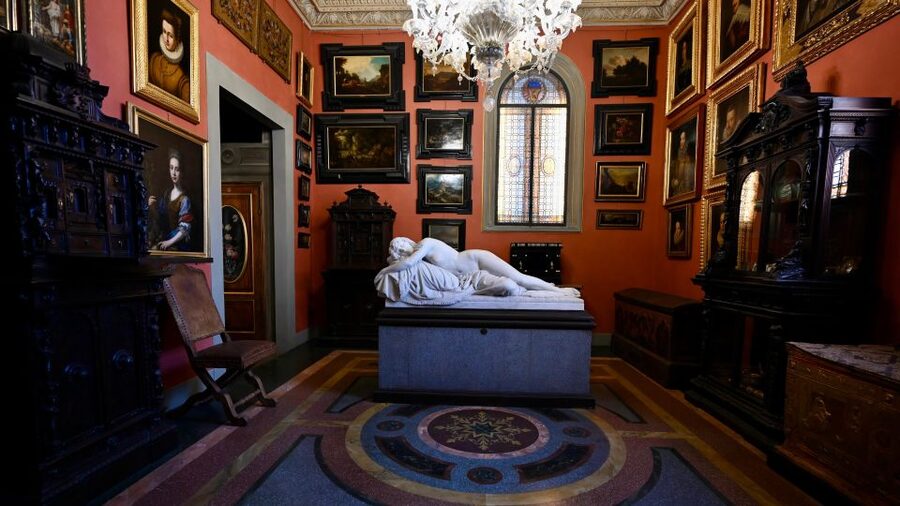
After the museum rooms, you move into the Giardino del Museo Stibbert. The park is described as a classic example of a romantic English-style garden, and that style changes how the experience feels. Indoors, you’re close to craft and materials. Outdoors, you slow down and breathe.
You’ll see architectural garden touches dotted through the space, including stone animal figures designed and built by Stibbert himself. This is not just “pretty landscaping.” It’s part of his larger idea of building a world, where even outdoor details have the same curator’s mindset.
For hot weather, this is the relief part of the visit. The park offers shade and a comfortable walking rhythm, so you’re not stuck indoors after your museum focus. If you’re traveling in summer, that break can make the whole 2 hours feel more enjoyable rather than tiring.
You’ll also find rare plants that were imported and preserved, plus plants linked to floral exhibitions Stibbert loved. In a city famous for crowds, this garden gives you something quieter and more personal—like stepping out of the museum and into the collector’s backyard.
The 2-hour flow: how to make the most of your time
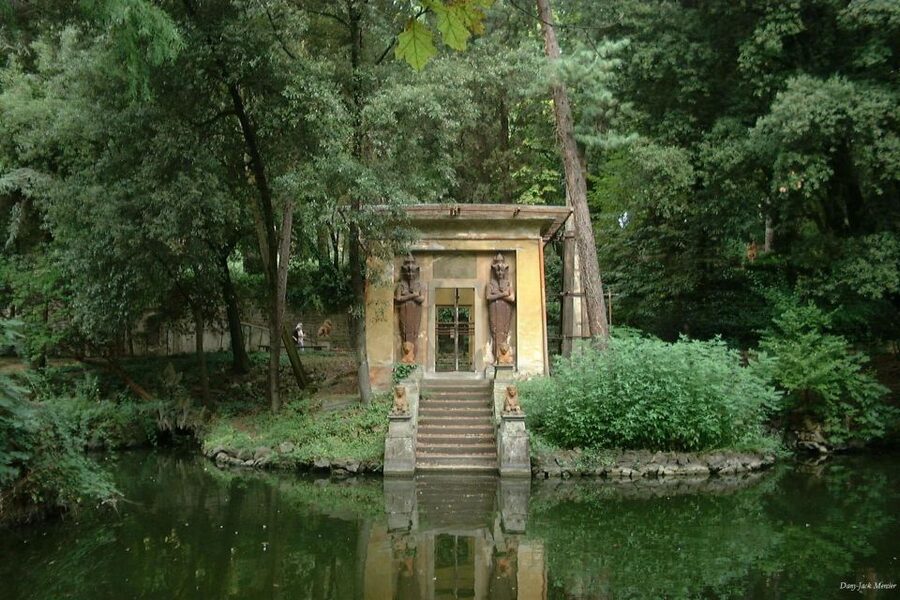
This is built as a 2-hour experience, so the pacing is tighter than a full-day museum crawl. That’s a good thing. You get enough time to see the core highlights—museum rooms plus the park walk—without turning it into a marathon.
Your group is private, which means the guide can move at a sensible pace and answer questions rather than racing everyone through. If you’re with kids, a private setup helps because you’re more likely to pause when curiosity kicks in.
You’ll also skip the ticket line, which matters in popular places. Even in less-crowded museums, that small time savings keeps the day from feeling like a waiting game.
- The Best tour in Florence: Renaissance & Medici Tales – guided by a STORYTELLER
★ 5.0 · 12,316 reviews





Price and value: is $178.42 per person worth it?
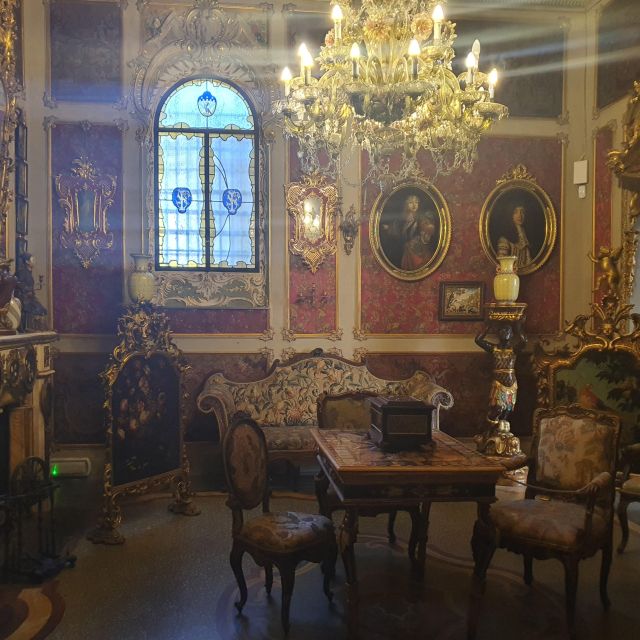
The price listed is $178.42 per person, and the real question is what you’re getting for that number. In this case, the included value is clear: entrance tickets plus an expert authorized guide, and the tour length is set at about two hours.
Here’s how I’d judge value for your trip:
- If you like guided museum context, the guide is doing the heavy lifting, helping you connect objects across cultures and materials.
- If you’re visiting with kids, the two-part layout (museum energy, then shaded park time) often justifies the cost because it’s easier to hold attention.
- If you’re the type who prefers walking silently and reading every label, the guided structure might feel like you’re not getting full control over your pace.
My practical take: this is best value when you want a curated viewpoint in a collection that can otherwise feel overwhelming just due to scale. The Stibbert museum isn’t huge by “square meters,” but it’s huge by pieces and categories. A guide helps you aim your eyes.
Languages, group style, and accessibility you’ll actually care about

The tour guide language options are English, German, French, Italian, and Spanish, so you can match your comfort level. That choice affects the experience more than people think. When the guide can explain the object story in your language, you stop guessing and start noticing.
It’s also listed as wheelchair accessible, which is a big plus if mobility needs shape your museum plans. And since this is a private group, you avoid the stress of getting separated in a big crowd.
One note from an on-the-ground perspective: if you end up with a guide like Christina—praised for being friendly, informative, and accommodating—you’ll likely feel the tour’s flow more than you would with a strict script. A good guide can make Stibbert’s eccentric collecting style feel readable, not random.
Who should book this Stibbert museum visit (and who might not)
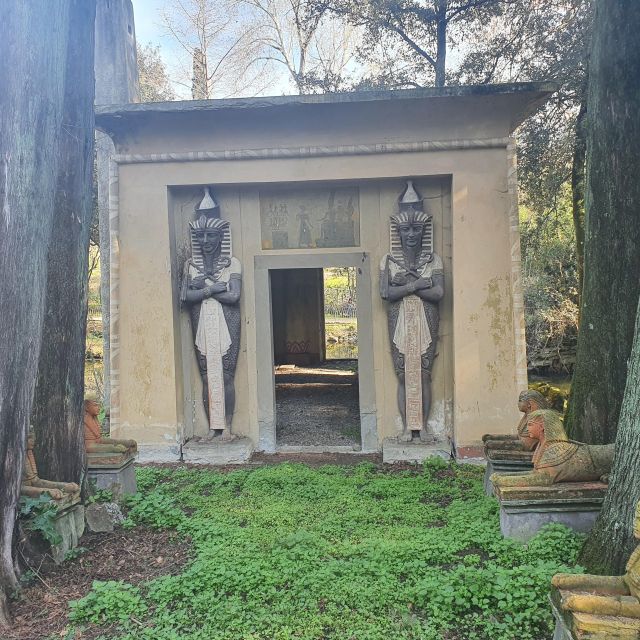
I think this works especially well for:
- Families with children who enjoy big, visual objects and then want an outdoor break.
- Travelers who like quirky, story-driven museums where the setting and collection go together.
- Anyone curious about 19th-century collecting habits and the wide geographic scope of the objects.
You might want a different plan if:
- You only have a short attention window and prefer ultra-famous sites with heavy foot traffic.
- You’re expecting a modern museum format with contemporary labels and themes.
- Your main interest is general Florentine art history rather than specific object-focused collections.
Still, even if you’re not a weapons-and-armor person, the villa’s atmosphere and the park’s calm can make it an enjoyable contrast day.
Should you book the Frederick Stibbert Villa and Park tour?

Book it if you want a Florence experience that’s unusual, object-focused, and genuinely easy to enjoy in a tight timeframe. This is one of those places where the guide turns a dense collection into something you can follow, and where the park gives you an actual change of pace instead of ending the visit on museum fatigue.
Skip booking only if your schedule allows a broader, more famous itinerary and you’d rather spend your limited time on places you already know. Otherwise, the combination of guided access, a two-part museum-to-garden flow, and the chance to see standout pieces like the Medici-linked armor makes this a smart use of a couple of hours on the Florence hills.
FAQ
How long is the Florence Stibbert Villa and Park experience?
The duration is 2 hours.
Where do I meet for the tour?
You meet in front of the entrance of the Stibbert Museum, and the tour ends back at the meeting point.
Does the tour include skip-the-ticket-line entry?
Yes, skip the ticket line is included.
What languages are available for the live guide?
The live guide is available in English, German, French, Italian, and Spanish.
Is the experience wheelchair accessible?
Yes, it is listed as wheelchair accessible.
What does the tour price include?
It includes an expert authorized guide and the ticket entrance.
What do I need to bring?
Bring a passport or ID card. A copy is accepted.
More Florence Tours We Have Reviewed
- Florence: Skip-The-Line Uffizi Gallery Timed Entry Ticket
★ 4.5 · 27,832 reviews - Tuscany Day Trip from Florence: Siena, San Gimignano, Pisa and Lunch at a Winery
★ 5.0 · 21,634 reviews - Florence: Timed Entry to Michelangelo’s David + Audio App
★ 4.6 · 19,496 reviews - Florence: Leonardo Interactive Museum Entry Ticket
★ 4.5 · 12,957 reviews - Florence: Michelangelo’s David Skip-the-Line Entry Ticket
★ 4.5 · 12,764 reviews
Fresh from our Florence review desk
- Small-Group Pasta Cooking Class and Market Tour in Florence★ 5.0 · 3 reviews
- Palatina Gallery and Pitti Guided Tour in Florence★ 5.0 · 3 reviews
- Tuscan Evening Tour: Fiat 500, 8:30 to 10 PM★ 5.0 · 3 reviews
- Journey into Art: Florence’s Accademia★ 4.5 · 3 reviews
- Paint and Drink Florentine Hills★ 5.0 · 3 reviews
- Truffle hunting and lunch experience, with Vinci and winery.★ 4.5 · 3 reviews