
Reviewed · PRIVATE
Michelangelo and Santa Croce Private Tour
Michelangelo’s story is easier in person. In this private 3-hour Florence tour, you connect Santa Croce with Casa Buonarroti, so the Renaissance makes sense as a lived, creative journey instead of a list of famous names. I particularly like the way the guide ties the sites together: you start with Michelangelo’s Florence context, then you see art and objects that explain how he thought and worked.
One possible drawback: at $232.23 per person, this is a splurge. If you’re traveling solo or you only want a quick look at one stop, a group tour might feel more comfortable for your budget.
In This Review
- Key Things I’d Book This For
- A Santa Croce-to-Casa Buonarroti Tour That Feels Like One Thought
- Meeting at Dante: How This Tour Sets the Tone Fast
- Piazza Santa Croce to the Basilica: Not Just a Church, a Creative Timeline
- The Chapel Stops That Make the Art “Click”
- Casa Buonarroti: Early Works and Models That Explain How He Thought
- The Artemisia Restoration Moment
- Why the Private Guide Matters So Much Here
- How to Make the Most of Your 3 Hours (Without Rushing)
- Price and Value: Is $232.23 Per Person Actually Worth It?
- Who This Tour Fits Best
- Should You Book This Michelangelo and Santa Croce Private Tour?
- FAQ
- How long is the Michelangelo and Santa Croce Private Tour?
- Where does the tour start and end?
- What will we visit during the tour?
- What’s included in the price?
- What languages are available for the live guide?
- What should I bring, and what’s not allowed?
Key Things I’d Book This For
- A Michelangelo-centered route through Florence’s most symbolic church square and museum
- Basilica of Santa Croce highlights including the Bardi and Peruzzi Chapels with frescoes by Giotto
- A strong architecture stop with Brunelleschi’s Sacresty and Pazzi Chapel in the mix
- Casa Buonarroti artifacts you can’t easily recreate at home, like early drawings/works and display models
- Private-guide pacing that actually fits you, including slower movement for people who need it (like one 85-year-old guest described in feedback)
Just your group: more private Florence tours
A Santa Croce-to-Casa Buonarroti Tour That Feels Like One Thought
Florence can be overwhelming. You see one church, then another, then a museum—and suddenly the Renaissance feels like separate “must dos” instead of one big creative machine. This tour solves that by focusing on a tight circle of places that all orbit the same question: how did Michelangelo become Michelangelo in Florence?
You’ll also benefit from the private format. You’re not trying to interpret everything at the pace of strangers. You get a guide who can steer your attention—especially helpful at Santa Croce, where there’s a lot to see and it’s easy to miss what connects to Michelangelo’s world.
And because this tour includes entrance tickets, you avoid some of the hassle of buying separately. You’ll still want a little patience for museum timing, but it’s set up to keep the story moving smoothly.
Meeting at Dante: How This Tour Sets the Tone Fast
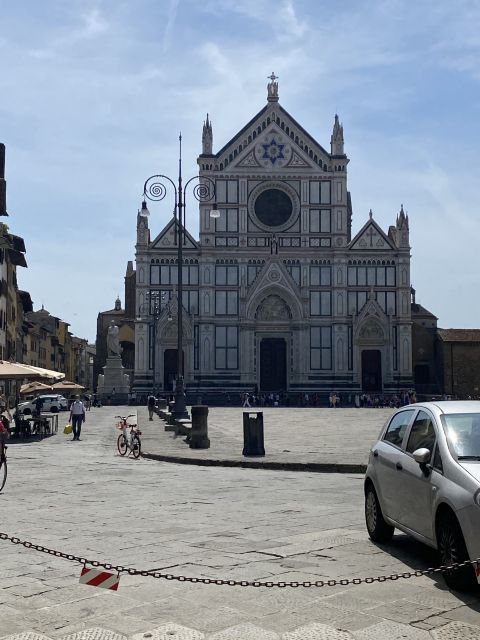
The tour begins in front of the statue of Dante Alighieri, in Piazza Santa Croce. I like this starting point because it gives you an instant “reading” of the area. Dante isn’t Michelangelo, but he anchors you in Florence’s culture—poetry, ideas, and the larger humanist mood that fed the Renaissance.
From there, you transition into Piazza Santa Croce for a guided walk (about 15 minutes). This short stop matters more than it sounds. The square helps you understand why Santa Croce is such a cultural magnet. It’s not only a church you visit; it’s a landmark that people have used for centuries as a public stage for art, devotion, and memory.
If you’re the type who likes to arrive with your bearings already set, this part will help. You’ll know where to look once you’re inside, instead of spending your first minutes simply figuring out what matters.
Piazza Santa Croce to the Basilica: Not Just a Church, a Creative Timeline
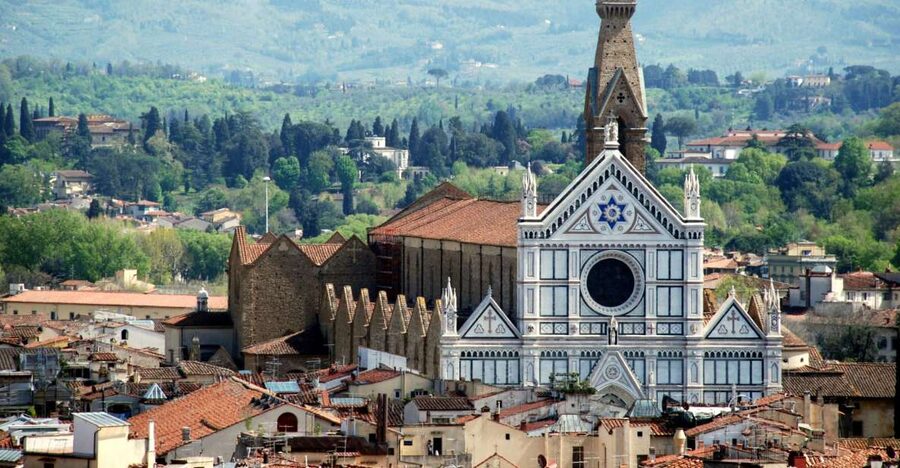
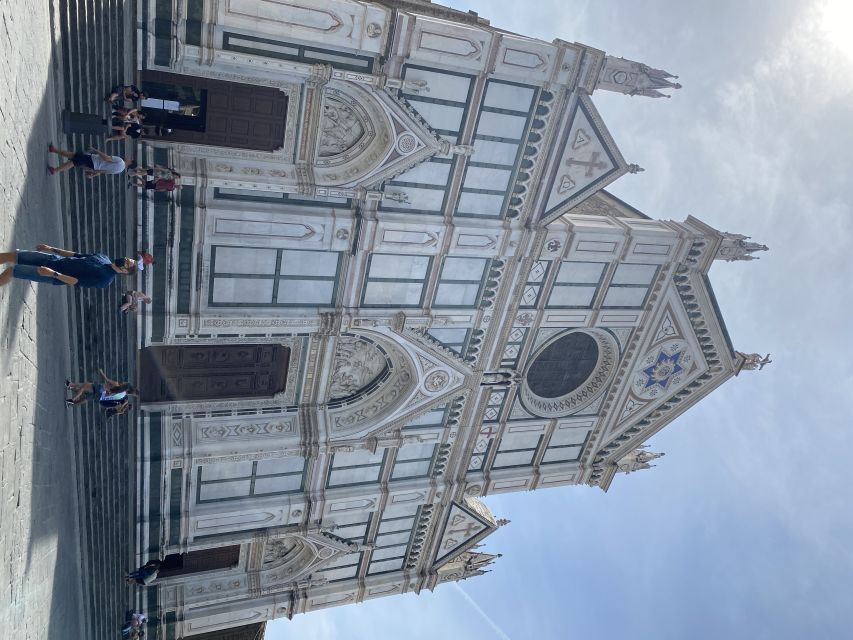
After the short orientation, you head to the Basilica of Santa Croce for a guided visit (around 75 minutes). This is the part many people plan for because Santa Croce is large, famous, and beautiful. But what makes it special on this specific tour is that the guide keeps you pointed at the Renaissance threads that connect to Michelangelo.
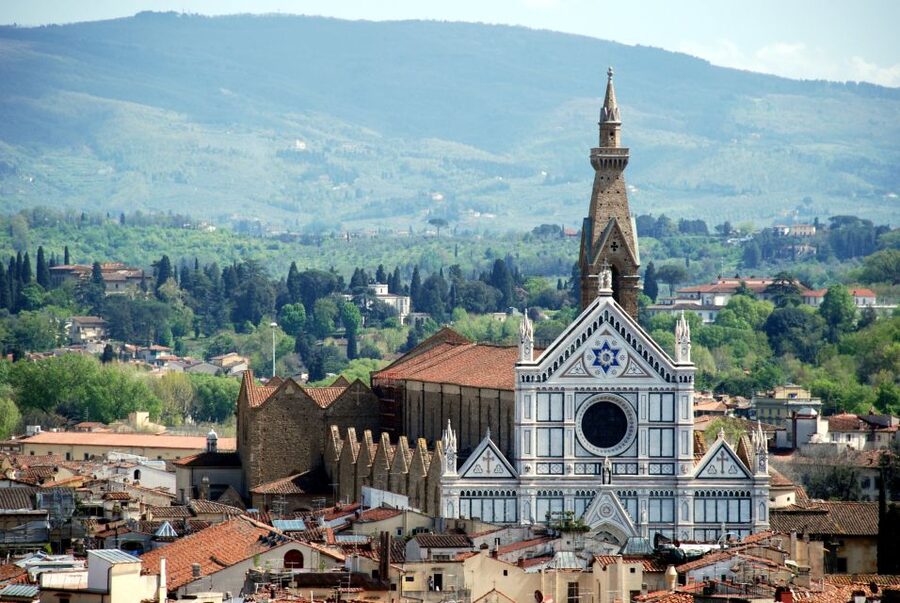
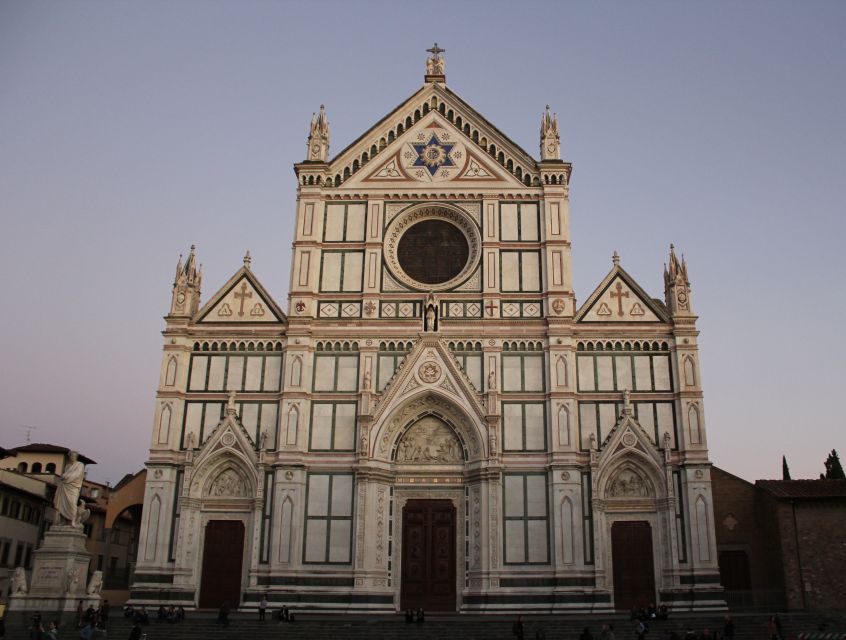
Santa Croce is described as the largest Franciscan church in the world, and that scale changes how the space feels. You don’t just look at art—you experience the architecture as a frame for big ideas.
During your visit, you’ll get context about the basilica’s creation: it was built by Arnolfo di Cambio over an earlier church. That kind of detail matters because it shows Santa Croce wasn’t “finished” in one artistic moment. It evolved. And Michelangelo’s story sits inside that long evolution.
The Chapel Stops That Make the Art “Click”
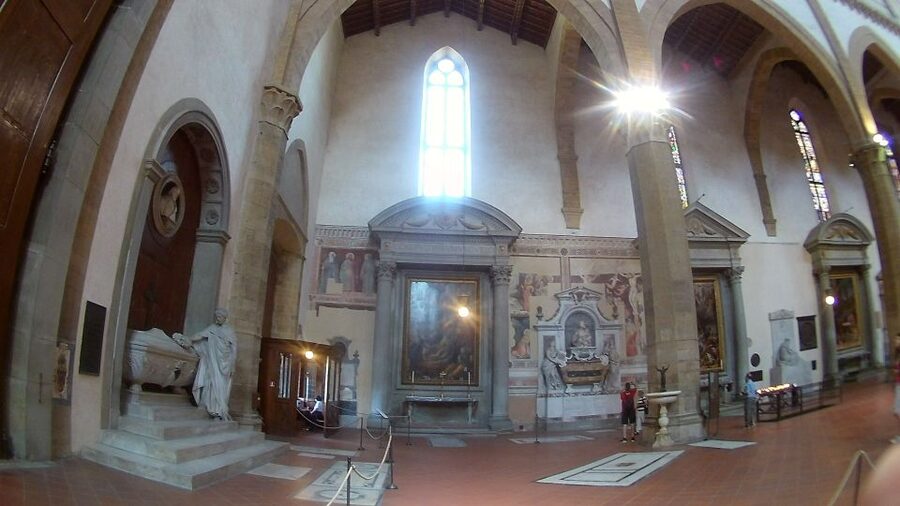
Santa Croce is loaded with chapels, and the tour highlights several key ones:
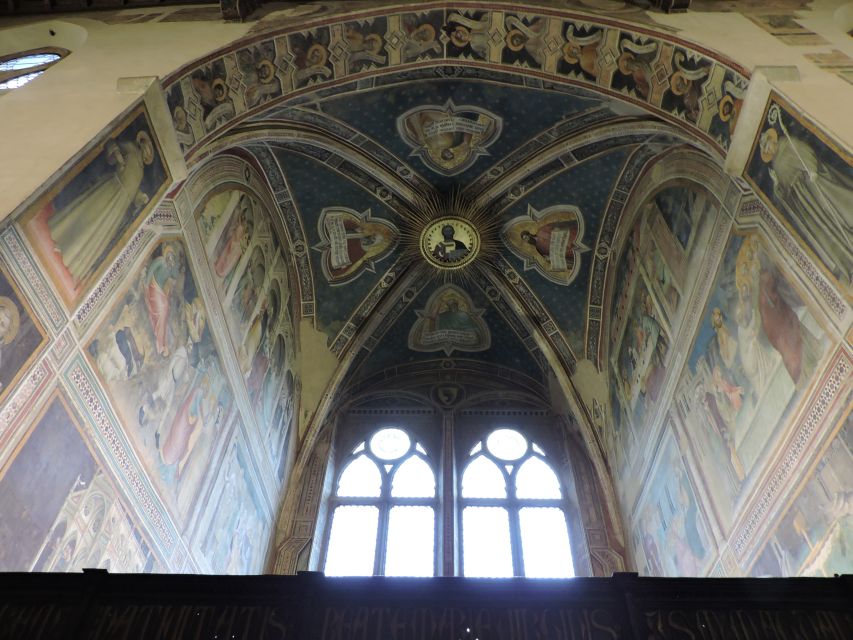
- The Bardi and Peruzzi Chapels, with frescoes by Giotto
Giotto’s work often gets treated as “important” on its own. With a Michelangelo focus, you can see the chain of influence—how Florentine painting set standards for realism and expression that artists across generations built on.
- The Sacresty and the Pazzi Chapel by Filippo Brunelleschi
Brunelleschi is another name that can feel disconnected if you only think in sculpture terms. On this stop, architecture becomes part of the narrative: it’s about form, proportion, and engineering the way you would for major sculptures and ambitious spaces.
And then there’s the Michelangelo angle itself. The tour centers on his presence at Santa Croce—his burial place is part of the experience. If you’re expecting only “what Michelangelo made,” this adds something more human: the fact that he’s literally part of Florence’s memory in this building.
What you’ll like here: the guide helps you see Santa Croce as a map of Renaissance priorities—painting, structure, patronage, and legacy—rather than a room-by-room checklist.
What to watch for: Santa Croce is famous, so even with a private guide, you still have a lot to take in. If you get overwhelmed in churches with many chapels, ask your guide to steer you toward the Michelangelo-connected highlights first.
Casa Buonarroti: Early Works and Models That Explain How He Thought
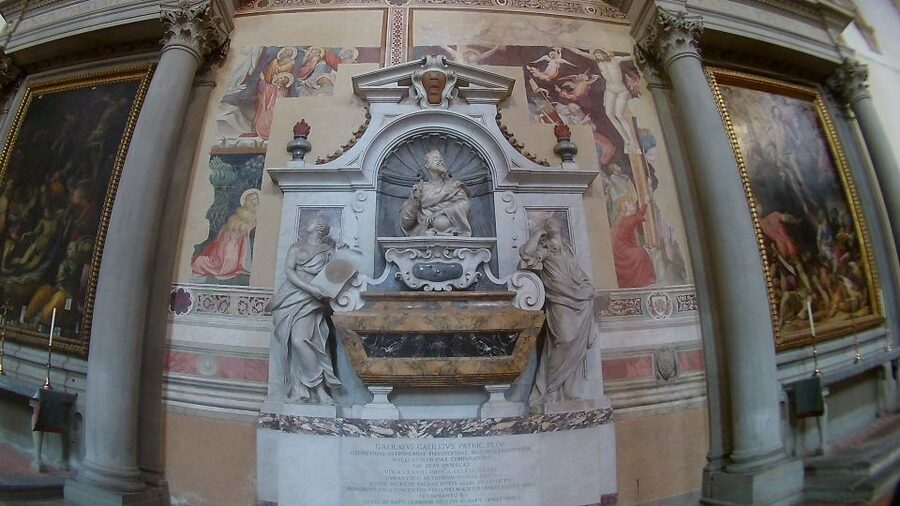
After Santa Croce, the tour moves to Casa Buonarroti for about an hour. This is where the tour turns from “Florence as a stage” to “Michelangelo as a working mind.”
Casa Buonarroti is the house/museum associated with Michelangelo Buonarroti, and it’s packed with items that help you understand him beyond the final masterpieces. The museum includes famous works like Madonna of the Stairs and Battle of the Centaurs created when Michelangelo was young. Seeing these in context can change how you view his later power. The early energy is still there.
You’ll also see display pieces that connect Michelangelo to the engineering and planning side of Renaissance art:
- a wooden model for the marble facade of the Church San Lorenzo
- a model for the chariot transporting David from Piazza della Signoria to the Accademia Gallery in 1873
That last detail is weird in the best way. You get a peek at how Florence handled masterpieces as public events—how they were moved, protected, and presented. It’s easy to think of art as “just finished objects.” These models remind you it’s also logistics, craftsmanship, and careful staging.
- The Best tour in Florence: Renaissance & Medici Tales – guided by a STORYTELLER
★ 5.0 · 12,316 reviews



The Artemisia Restoration Moment
One feedback highlight mentions time tied to the restoration project of Artemisia’s painting, and even a chance to talk with Elizabeth Wicks. The key value here isn’t the name-dropping—it’s the feeling that art isn’t frozen. It’s maintained, studied, and repaired so it can survive for the next generation.
Even if you can’t count on every special moment, the tour’s emphasis on what’s being preserved and interpreted is exactly what makes it more than a standard museum pass.
Why the Private Guide Matters So Much Here
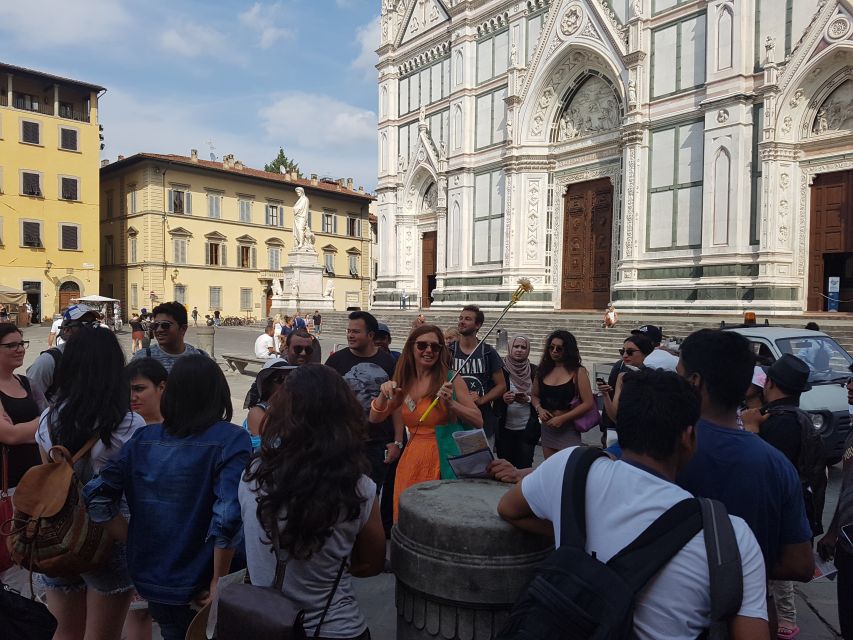
This isn’t just a tour of two places. It’s a guide-led interpretation of how Michelangelo’s Florence fits together. The most praised part of the experience is the quality of the guides—names like Giovanni (also referred to as John) and Cristina come up, and the common theme is that they make the information usable.
One reviewer called Giovanni a treasure trove of information and said time flew. Another emphasized Cristina’s knowledge and also her willingness to adjust pace when traveling with an 85-year-old guest. That combination—expert guide plus human pacing—is what makes this type of private tour worth it.
And there’s another angle you should care about: even if you’ve been to Santa Croce multiple times, the tour can still add value. The guidance helps you notice relationships you’d otherwise miss: Giotto’s role, Brunelleschi’s architectural impact, and how Michelangelo’s story threads through the site.
If you like your art history with fewer dead ends, a private guide is the right format.
How to Make the Most of Your 3 Hours (Without Rushing)
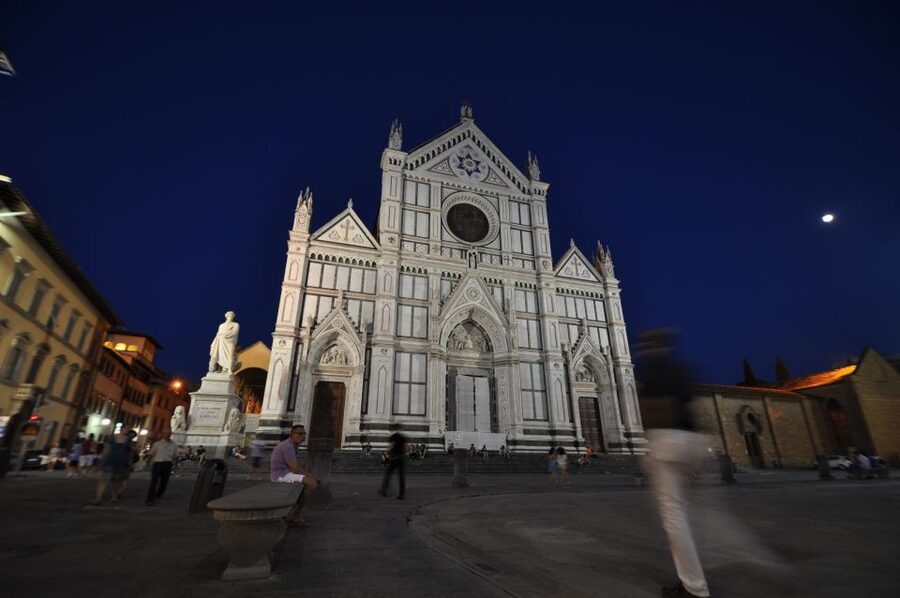
You only have three hours, so you’ll want to treat this like a focused briefing, not a full-on museum marathon. The tour’s structure—Piazza orientation, Santa Croce visit, then Casa Buonarroti—keeps it tight. That’s good for decision-making once you’re in Florence. You’ll leave feeling you understood the connections, not just collected photos.
Here’s how I’d approach it if you want the best payoff:
- Go in ready to follow a story. Ask your guide questions as you move. Michelangelo is broad—sculpture, painting, architecture, poetry, engineering—and a good guide will steer the conversation so it stays coherent.
- Let the guide choose what to emphasize. Santa Croce alone can swallow your time. If you trust the plan, you’ll get the “why” behind the highlights.
- Plan for museum silence. Casa Buonarroti can feel more contemplative than the square outside. You’ll often get more out of quiet attention than rapid walking.
Also, you should know the basic rules of what to wear. Sleeveless shirts aren’t allowed, so choose sleeves (or at least a light layer you can keep on).
Price and Value: Is $232.23 Per Person Actually Worth It?
Let’s talk money like an adult. At $232.23 per person, this is not the cheap option. It’s a private tour with a professional guide and entrance tickets. You’re paying for three things that matter in a place like Florence:
- Time saved from figuring out the story yourself
Santa Croce and Casa Buonarroti each contain a lot of material. A guide helps you compress the “learning” into the time you have.
- A focused narrative built around Michelangelo
Many visitors see Santa Croce and leave with impressions but not connections. Here, the tour is designed to keep those connections alive.
- Human pacing and real interaction
The feedback about adjusting pace for an 85-year-old guest isn’t a minor detail. It’s a sign the guide adapts to people, not the other way around.
If you enjoy art history, want more than a photo stop, and you’re traveling in a way where one-hour chunks matter, this can feel like money well spent. If you’re mostly in Florence for atmosphere and don’t care about the links between chapels, artists, and models, it might feel overpriced.
Who This Tour Fits Best
This experience is especially suited to you if:
- you’re a Michelangelo fan who wants the Florence connections, not just facts
- you’ve visited Santa Croce before and want a different way to read it
- you prefer private guiding so you can ask questions and set your pace
- you appreciate how sculpture and painting connect to architecture and design
It’s also a smart pick if you’d rather have a tight plan than wander. In three hours, you’ll hit the big points without losing the thread.
Should You Book This Michelangelo and Santa Croce Private Tour?
I think you should book it if your goal is understanding, not just checking boxes. The combination of Santa Croce’s Franciscan scale, the specific chapel highlights (Giotto, Brunelleschi), and the Casa Buonarroti materials—like early works and the San Lorenzo and David chariot models—makes this tour feel like one coherent lesson in how Michelangelo fits into Florence.
Skip it only if you’re trying to do Florence on the cheap, or if you want a very general sightseeing pass. This tour is built for people who like context and connections.
FAQ
How long is the Michelangelo and Santa Croce Private Tour?
The tour lasts 3 hours. Starting times depend on availability.
Where does the tour start and end?
The tour starts in front of the statue of Dante Alighieri in Piazza Santa Croce, and it ends back at the meeting point.
What will we visit during the tour?
You’ll visit Piazza di Santa Croce (guided), the Basilica of Santa Croce (guided), and Casa Buonarroti (guided).
What’s included in the price?
The tour includes a professional private local tour guide and entrance tickets.
What languages are available for the live guide?
The guide is available in Spanish, English, French, German, and Italian.
What should I bring, and what’s not allowed?
Bring your passport or ID card. Sleeveless shirts are not allowed.
If you’d like, tell me your travel dates and how many people you’re bringing—I can help you sanity-check whether a private format at this price makes sense for your group.
More Private Florence Tours
- Cinque Terre and Pisa Tower Tour from Florence Semi Private
★ 5.0 · 1,406 reviews - From Florence: Private Chianti Hills Tour with Tasting
★ 4.3 · 809 reviews - Private Self-Guided E-Bike Ride in Tuscany with Vineyard Visit
★ 5.0 · 775 reviews - Florence Private Transportation in Rickshaw
★ 5.0 · 730 reviews - Florence: Private Transport by Rickshaw
★ 5.0 · 659 reviews
More Florence Tours to Weigh Up
- The Best tour in Florence: Renaissance & Medici Tales – guided by a STORYTELLER
★ 5.0 · 12,316 reviews - The Best Tour in Florence: Renaissance and Medici Tales
★ 5.0 · 10,810 reviews - Florence: Chianti Wineries Tour with Wine Tasting
★ 4.5 · 10,071 reviews - Florence: Duomo Cathedral 60-Minute Guided Tour
★ 3.7 · 6,829 reviews - Florence: Hop-on Hop-off Bus Tour: 24, 48 or 72-Hour Ticket
★ 4.0 · 6,283 reviews
More Florence Tours We Have Reviewed
- Florence: Skip-The-Line Uffizi Gallery Timed Entry Ticket
★ 4.5 · 27,832 reviews - Tuscany Day Trip from Florence: Siena, San Gimignano, Pisa and Lunch at a Winery
★ 5.0 · 21,634 reviews - Florence: Timed Entry to Michelangelo’s David + Audio App
★ 4.6 · 19,496 reviews - Florence: Leonardo Interactive Museum Entry Ticket
★ 4.5 · 12,957 reviews - Florence: Michelangelo’s David Skip-the-Line Entry Ticket
★ 4.5 · 12,764 reviews
Fresh from our Florence review desk
- Small-Group Pasta Cooking Class and Market Tour in Florence★ 5.0 · 3 reviews
- Palatina Gallery and Pitti Guided Tour in Florence★ 5.0 · 3 reviews
- Tuscan Evening Tour: Fiat 500, 8:30 to 10 PM★ 5.0 · 3 reviews
- Journey into Art: Florence’s Accademia★ 4.5 · 3 reviews
- Paint and Drink Florentine Hills★ 5.0 · 3 reviews
- Truffle hunting and lunch experience, with Vinci and winery.★ 4.5 · 3 reviews
Private, compared.
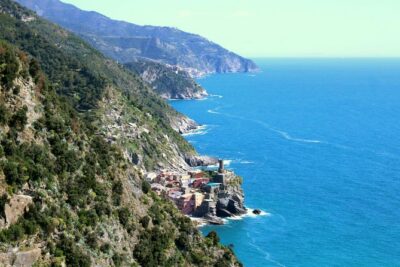 ★ 5.0Cinque Terre and Pisa Tower Tour from Florence Semi PrivateFrom $2851,406 reviews
 ★ 4.3From Florence: Private Chianti Hills Tour with TastingFrom $1,166809 reviews
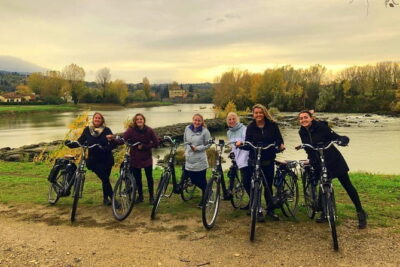 ★ 5.0Private Self-Guided E-Bike Ride in Tuscany with Vineyard VisitFrom $96775 reviews
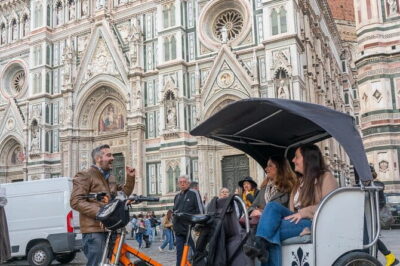 ★ 5.0Florence Private Transportation in RickshawFrom $47730 reviews
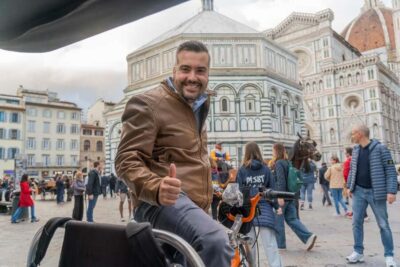 ★ 5.0Private Transport by RickshawFrom $46659 reviews
 ★ 4.5Uffizi Gallery Discovery Private Guided TourFrom $206658 reviews
 ★ 4.5Florence Exclusive PRIVATE Food Tour with 6 or 10 TastingsFrom $137654 reviews
 ★ 4.5Uffizi Highlights, In-Depth Masterclass or Private TourFrom $82641 reviews