
Reviewed · FLORENCE
Painting Experience in the center of Florence
Painting in Florence sounds like a postcard hack. One real plein air session with Ulisse turns Renaissance light into something you can hold, not just look at. I love the private, hands-on instruction that keeps you moving from blank canvas to a finished work, and I also love that all the materials are included so you can focus on painting instead of planning supplies. One thing to keep in mind: the exact spot changes with weather, so you should be flexible about whether you land on a piazza, the river side, or the rose garden.
You’ll paint with acrylic, using techniques that let the medium behave in different ways. Ulisse uses examples from art history to steer your choices, so your “style” feels purposeful instead of random. And yes, chairs can be available on request, which matters when you’re working outdoors for a few hours.
This is a true Florence experience with a teacher who talks like a person, not a lecturer. If you want very step-by-step direction with constant demos, you might find the guidance varies a bit depending on the day and the group’s needs—but if you like learning by doing, it’s a strong fit.
In This Review
- Key things that make this painting class in Florence work
- A Plein Air Session in Florence: the city becomes your classroom
- Starting near Santa Maria Novella, then heading out to your painting spot
- Your 3 hours of acrylic painting: from blank canvas to finished work
- Piazza Santo Spirito, Ponte Vecchio, or the Giardino delle Rose
- Piazza di Santo Spirito: a lived-in corner feel
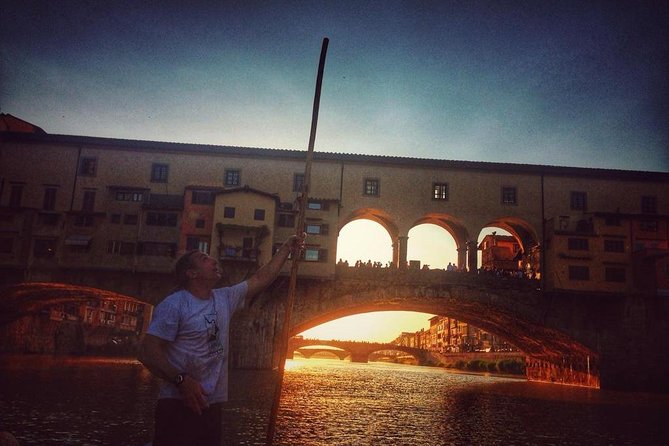
- Ponte Vecchio: river light and classic views
- Giardino delle Rose: a softer, garden-based scene
- What’s included (and what to plan for) so you’re not scrambling
- How the instruction stays personal (even if you’re new)
- Price and value: what $160.22 buys you in Florence
- Best for whom: skill level and travel style
- Practical tips to make your plein air painting easier
- Should you book this Florence painting experience?
- FAQ
- How long is the painting experience?
- Where does the class start?
- Where might we paint during the session?
- What art materials are included?
- Is this experience private?
- Is the experience offered in English?
- What’s the cancellation and refund timing?
Key things that make this painting class in Florence work
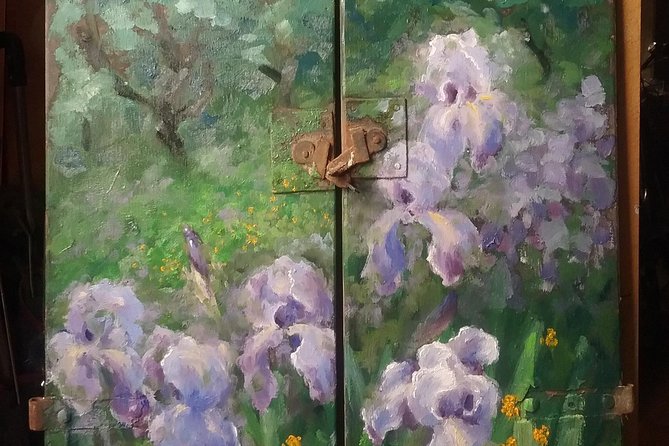
- Private attention outdoors: you get your instructor’s full focus while you paint.
- Acrylic that adapts: you’ll use acrylic techniques that can mimic the look of other styles.
- Weather-ready location changes: Ponte Vecchio, Giardino delle Rose, or Piazza di Santo Spirito.
- Everything you need is included: paints, brushes, and your canvas or wooden support.
- Quick progress toward a finished work: the goal is to complete an art piece during the session.
- Florence with context: art-history examples help you make better painting decisions.
Still comparing? These are the other Florence tours travellers book most.
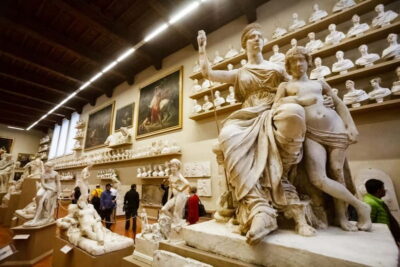

A Plein Air Session in Florence: the city becomes your classroom
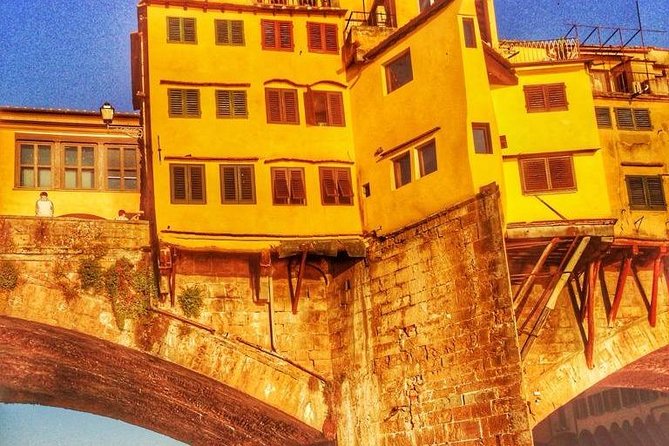
The big idea here is simple: you paint the way a working artist would paint on location. Instead of staring at Florence from a distance, you’re translating what you see—color, light, shapes—into paint while you’re standing in the middle of it. That shift is what makes the class feel memorable.
The session is open-air, and it happens near central Florence. Depending on weather, you might paint on the river side near Ponte Vecchio, at Giardino delle Rose, or in Piazza di Santo Spirito. That flexibility is practical. Florence weather can change fast, and having a plan for it means your class is more likely to run even when the sky has opinions.
A nice bonus: you’re not just making a souvenir. The instruction aims to help you understand how paintings were created historically, then apply those ideas quickly to your own piece. The outcome is a small masterpiece you paint yourself—exactly the kind of keepsake that feels personal, because your choices made it.
Starting near Santa Maria Novella, then heading out to your painting spot
The experience starts where most people already are when they explore the center: Piazza di Santa Maria Novella. The class meets there and then returns you back to the same meeting point at the end. That keeps logistics straightforward.
It’s also a private activity—only your group participates—so you’re not sharing space with strangers in a way that can slow learning. In a hands-on class, that matters. Fewer people means more time for questions, and it makes it easier for the instructor to adjust the pace to your level.
Ulisse, the guide/instructor (Ulisse Mladenova), is a big part of the value. She’s described as fun to talk to, and she brings area context into the painting session. That’s not just small talk. When you understand what you’re looking at—whether it’s a particular corner of Florence or how artists approached a view—you paint with more confidence.
Practical note: if you prefer a chair, request it in advance. Outdoor seating can be the difference between relaxed painting and feeling rushed.
Your 3 hours of acrylic painting: from blank canvas to finished work
This is a hands-on class focused on acrylic techniques. Acrylic is a smart choice for travelers because it’s flexible: you can work with acrylic in ways that feel closer to oil-like thickness or watercolor-like lightness. That means you get options without needing special knowledge of a new medium.
What you’ll learn during the session includes:
- How to lay down a color base
- How to shape the painting so it reads well from where you’re standing
- How to use examples from art history to guide personal style
- How to complete the work quickly, rather than treating it like a multi-day project
That last point is important. Many workshops try to teach everything, but they end with half-finished pieces. Here, the aim is to finish something during the class time. You’ll still learn fundamentals, but the pacing is geared to a real result.
Ulisse also provides encouragement and feedback as you go. If you’re worried you’ll “ruin” your painting, take comfort in the way instruction is framed: paint fast, make decisions, correct as you learn. Outdoors, the light changes, and the class embraces that reality instead of pretending the sun will wait for you.
Piazza Santo Spirito, Ponte Vecchio, or the Giardino delle Rose
One of the most interesting features is that the class location depends on weather. So you’re not just booking a single view—you’re booking an approach to painting in Florence, where the scene is chosen to work on that specific day.
Here’s what each location generally brings to the table:
Piazza di Santo Spirito: a lived-in corner feel
Painting in a piazza often gives you structure: open space, architectural lines, and a clear set of shapes to break down. Santo Spirito is known for being part of daily life in the Oltrarno area, which can make your painting feel grounded rather than staged. It’s also a good match for a session where you want room to set up and focus.
A potential drawback: if it’s busy, it can feel harder to concentrate. The upside is that the instructor can steer you toward a spot that’s quieter and easier to work from.
- The Best tour in Florence: Renaissance & Medici Tales – guided by a STORYTELLER
★ 5.0 · 12,316 reviews




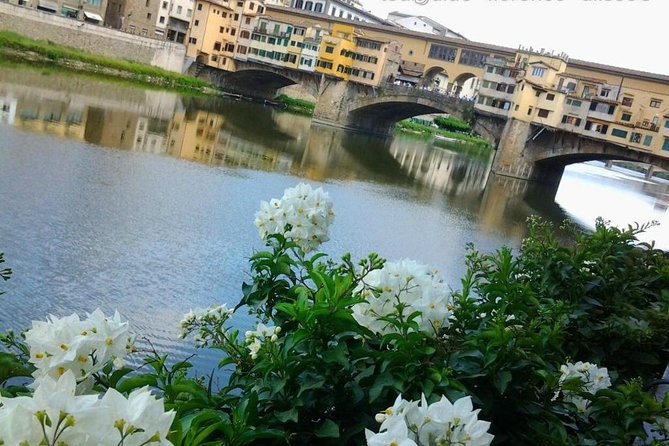
Ponte Vecchio: river light and classic views
If you paint near Ponte Vecchio, expect a strong “Florence postcard” feel. The river side adds reflective surfaces and changes in color that can be fun to capture. Painting near water also encourages you to think about transitions—how tones shift rather than staying flat.
The consideration here is crowds and movement. You’ll still work outdoors at a real pace, so the instructor’s ability to choose a workable spot matters. If the weather is cooperative, this location can be a standout.
Giardino delle Rose: a softer, garden-based scene
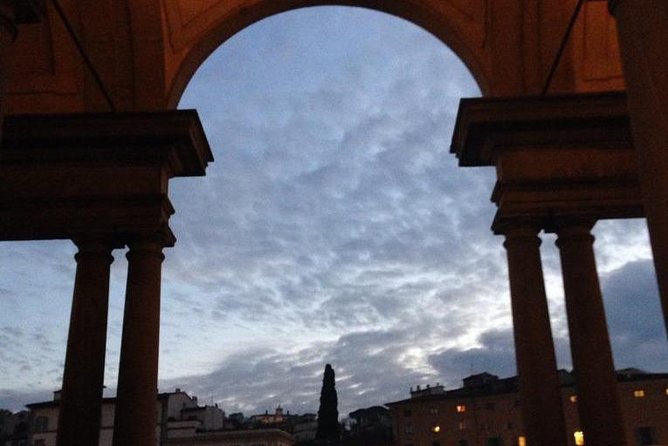
The rose garden setting suggests a more buffered, scenic atmosphere. Gardens can make it easier to practice color relationships—greens, shadows, and the way distance changes intensity. It’s also the kind of place where your painting can feel calmer, because the view often has more layering and less hard street clutter.
If wind is an issue, an outdoor spot can be more challenging. That’s where chair availability and the instructor’s setup choices help you stay focused.
What’s included (and what to plan for) so you’re not scrambling
This class is built to remove friction. Your materials are included, including:
- Colours
- Brushes
- Canvas or wooden support
Coffee and/or tea are included as well. That’s not just a nice gesture. A small break helps if you’re learning acrylic techniques and need a moment to reset your eyes and hands.
You’ll also want to plan for a few things that aren’t included. Soda/pop and tips are not included. If you’re the kind of person who likes a drink break during a long walk, consider buying water nearby so you’re comfortable from start to finish.
In terms of equipment, chairs can be available on request. Don’t leave this to chance. If you want to sit, ask ahead so you’re not trying to solve seating mid-session.
How the instruction stays personal (even if you’re new)
Even if you’ve never painted before, this class is designed for you to participate. You’ll be working with acrylic and learning techniques that build in small steps—color base, then shaping the painting, then pushing toward a complete piece.
The “private session” element is the real secret sauce. When Ulisse can see what you’re doing in detail, she can correct quickly. That matters for two things: proportions (even in simple subjects) and color choices (where beginners often either over-darken or make everything look flat).
In the same spirit, Ulisse blends teaching with conversation. That doesn’t mean the class turns into a long chat. It means instruction feels human. You can ask questions, and you’re likely to get not only painting advice but also practical perspective about what you’re seeing in Florence.
If you’re traveling with a family member or a friend of mixed skill levels, this setup can work well because you can move at a pace that fits your needs while the instructor keeps an eye on the whole group’s progress.
Price and value: what $160.22 buys you in Florence
At about $160.22 per person for roughly 3 hours, this isn’t a bargain class. It is, however, a value purchase if you care about instruction and you want a finished souvenir that’s genuinely yours.
Here’s what’s bundled into that price:
- A private painting session
- A painter/teacher guiding you with feedback and instruction
- All art materials (colors, brushes, and support)
- Coffee and/or tea
- A chair available on request
- The session is offered in English
Now the balanced take. If you’re expecting lots of pre-planned structure, a very strict curriculum, or a perfectly curated “tour stop” feel, you might feel the class is lighter on rigid direction. One possible caution is that the experience can feel like you’re creating your own path within the lesson, especially if you want constant step-by-step commands.
But for people who learn by doing—and like the idea of painting a Florence view in real time—this price starts to make sense. You’re paying for guidance, materials, and the chance to come home with something finished, not just “art time.”
Also, it’s commonly booked about 110 days in advance on average. That suggests demand for this style of activity. If you’re traveling during popular periods, booking sooner helps you get the time slot you want.
Best for whom: skill level and travel style
This is a good match if:
- You want a hands-on painting class Florence can’t replace with museum time
- You like the idea of using acrylic to practice painterly decisions outdoors
- You’re curious about how artists built paintings historically, not just copying a scene
- You want a private session where your questions don’t get swallowed by a bigger crowd
It may not be the best fit if:
- You want a very tightly directed workshop where every step is explained in a strict order
- You feel unhappy when plans shift slightly due to weather (because the location can change)
- You’re hoping to follow a pre-drawn template and leave with a near-identical final result
The upside is that most travelers can participate, so the experience doesn’t assume you already know what to do with acrylic or outdoor light.
Practical tips to make your plein air painting easier
You’ll do better if you show up ready for outdoor painting and quick decision-making.
- Wear comfortable shoes. You’ll be moving between setup positions and settling into a working spot.
- Dress for weather. Outdoor sessions mean you’ll feel the day’s temperature, sun, or breeze.
- If you want a chair, ask ahead and confirm what’s possible for your booking.
- Think about what you want your painting to capture: big shapes, color shadows, or fine detail. The session is designed to complete a piece fast, so choose what matters most to you.
If you’re nervous about your ability, here’s the helpful mindset: the goal is progress in a short window. You’ll learn technique while you work, and the final piece reflects effort, not perfection.
Should you book this Florence painting experience?
Book it if you want a real plein air activity in central Florence where you paint your own view with an instructor in English and walk away with a finished souvenir. The combination of private attention, included materials, acrylic flexibility, and the push to complete your work in about three hours is a strong mix for travelers who value doing something creative, not just watching.
Skip it (or at least adjust expectations) if you need strict, highly guided step-by-step direction every moment. Also, be ready for weather-based location changes. If you can handle that, this class can give you a different kind of Florence memory—one that’s made from your hands.
FAQ
How long is the painting experience?
It lasts about 3 hours.
Where does the class start?
The meeting point is Piazza di Santa Maria Novella, 50123 Firenze FI, Italy.
Where might we paint during the session?
Depending on weather, the painting can take place on Ponte Vecchio, Giardino delle Rose, or Piazza di Santo Spirito.
What art materials are included?
Colours, brushes, and canvas or a wooden support are included. A chair can be included on request. Coffee and/or tea are also included.
Is this experience private?
Yes. It’s a private tour or activity, and only your group participates.
Is the experience offered in English?
Yes, it’s offered in English.
What’s the cancellation and refund timing?
You can cancel up to 24 hours before the experience starts for a full refund. If you cancel less than 24 hours before start time, the amount paid isn’t refunded.
More Florence Tours We Have Reviewed
- Florence: Skip-The-Line Uffizi Gallery Timed Entry Ticket
★ 4.5 · 27,832 reviews - Tuscany Day Trip from Florence: Siena, San Gimignano, Pisa and Lunch at a Winery
★ 5.0 · 21,634 reviews - Florence: Timed Entry to Michelangelo’s David + Audio App
★ 4.6 · 19,496 reviews - Florence: Leonardo Interactive Museum Entry Ticket
★ 4.5 · 12,957 reviews - Florence: Michelangelo’s David Skip-the-Line Entry Ticket
★ 4.5 · 12,764 reviews
Fresh from our Florence review desk
- Small-Group Pasta Cooking Class and Market Tour in Florence★ 5.0 · 3 reviews
- Palatina Gallery and Pitti Guided Tour in Florence★ 5.0 · 3 reviews
- Tuscan Evening Tour: Fiat 500, 8:30 to 10 PM★ 5.0 · 3 reviews
- Journey into Art: Florence’s Accademia★ 4.5 · 3 reviews
- Paint and Drink Florentine Hills★ 5.0 · 3 reviews
- Truffle hunting and lunch experience, with Vinci and winery.★ 4.5 · 3 reviews