
Reviewed · SKIP THE LINE
Private Florence San Marco Museum Tour with Skip-the-Line Entry
San Marco has frescos with real daily purpose. This private tour lets you step into a Dominican convent museum and move room to room with a guide, while your skip-the-line ticket saves time at the busiest entrance. You’ll connect the art to the life that surrounded it, from Cosimo de’ Medici’s patronage to the monk’s cells and the story of Savonarola.
I especially like how the visit is guided but not rushed. You get a clear walking route through the cloister, refectories, and monks’ rooms, and I love that you can slow down to ask questions rather than being swept along. The other big win is the focus on specific artists you can actually locate on the walls—Fra Angelico and the larger Dominican fresco cycle are the heart of the museum.
One thing to plan for: there’s no hotel pickup, so you’ll need to get yourself to Piazza San Marco (easy with public transport, but you control the timing). And since entry depends on your documents, bring a valid ID that matches the name on your booking.
In This Review
- Key things that make this San Marco tour worth it
- San Marco feels like a working monastery, not just a museum
- Meeting at Piazza San Marco and getting inside faster
- Cloister of St. Anthony: where the fresco story starts
- Great Refectory and service areas: art tied to meals and routine
- Small Refectory and Ghirlandaio’s Last Supper moment
- Monks’ cells and the Fra Angelico fresco cycle
- Savonarola’s cell: seeing 1498 up close
- The library connection and Medici manuscripts
- Adding Piazza San Marco and Santissima Annunziata for free
- Price and value: is $175.80 per person fair?
- Who should book this San Marco private tour
- Should you book it?
- FAQ
- How long is the San Marco Museum private tour?
- Where do I meet the guide?
- Is skip-the-line entry included?
- What language is the tour offered in?
- Do I need to bring ID?
- Is the tour truly private?
Key things that make this San Marco tour worth it
- Skip-the-line admission helps you avoid the main entrance waits and start seeing art sooner.
- A private group format means your guide can answer questions as you go, not just at set moments.
- Living-convent context: you learn how the Dominican community shaped the spaces you’re walking through.
- Fra Angelico’s monks’ cells are treated as the showpiece, with stories that explain what you’re looking at.
- Savonarola’s cell gives the 1498 crisis a specific, physical place to stand and reflect.
- A short piazza extension adds Santissima Annunziata area sights right near the museum.
Just your group: more private Florence tours



San Marco feels like a working monastery, not just a museum
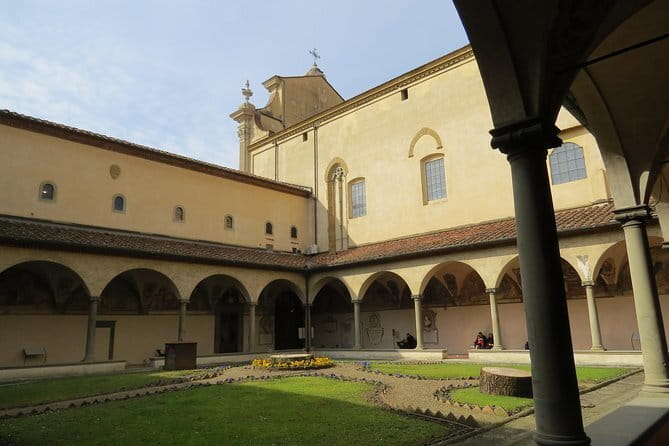
San Marco in Florence is one of those places where art doesn’t sit quietly behind glass. It’s housed inside a Dominican convent, commissioned in the 1400s with architectural work credited to Michelozzo, and the building still belongs to the Dominican monks. That matters, because the guide doesn’t treat the museum as detached “gallery time.” Instead, you walk through spaces that were built for daily routines, prayer, and community life.
You’ll see why Cosimo de’ Medici wanted this project and how the convent’s layout supports the way monks lived and worked. Even if you’re not a hardcore art historian, it clicks fast: the paintings aren’t just decorative. They’re part of a working religious environment, placed where people would see them in context.
Meeting at Piazza San Marco and getting inside faster
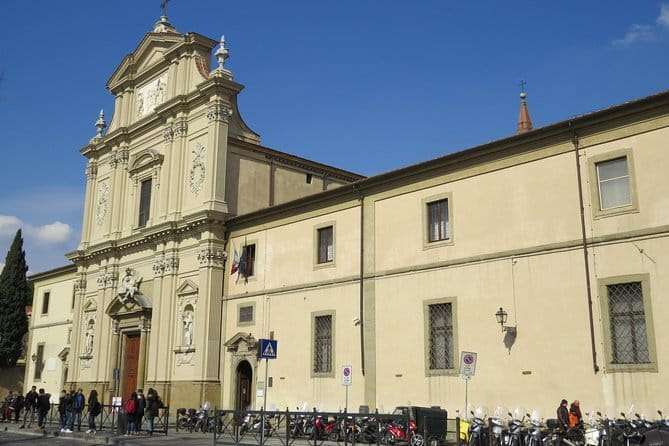
You meet at the San Marco Museum in central Florence, at Piazza San Marco, 3 (start time listed as 9:00am). Since there’s no hotel pickup, I suggest building a little cushion into your morning plan so you can arrive, find the meeting spot, and check in without stress.
The tour includes San Marco Museum skip-the-line tickets. In practice, that means you’re less likely to spend your limited Florence time standing near the main entrance while other groups funnel in. You’ll also use a mobile ticket, which is convenient—just make sure your phone is charged and that you’ll have the ticket handy when you arrive.
Because admission depends on identity, each traveler needs a valid passport or ID document matching the booking name. It’s worth double-checking spelling before you go, especially if your booking name and your document name don’t match exactly.
Cloister of St. Anthony: where the fresco story starts
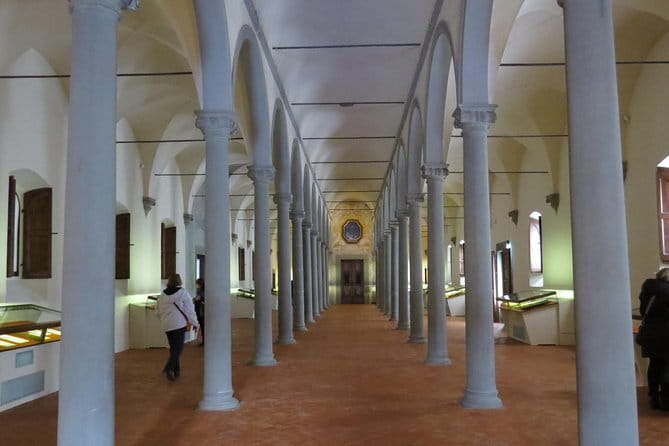
After meeting outside, you start with the exterior and the convent’s architectural importance. Then the visit moves inside into the Cloister of St. Anthony, an elegant starting point that helps you understand the building’s “logic” before you start chasing masterpieces.
From there, you’ll look at fresco-painted doors and lunettes that lead into the main areas. This is one of those details that’s easy to miss if you wander on your own. With a guide, you learn what you’re seeing and why those spaces were designed the way they were.
The cloister sets expectations for the art that follows. Instead of treating frescoes as isolated works, you get a roadmap of where different artists show up in the convent spaces and how those works relate to daily movement through the building.
Great Refectory and service areas: art tied to meals and routine
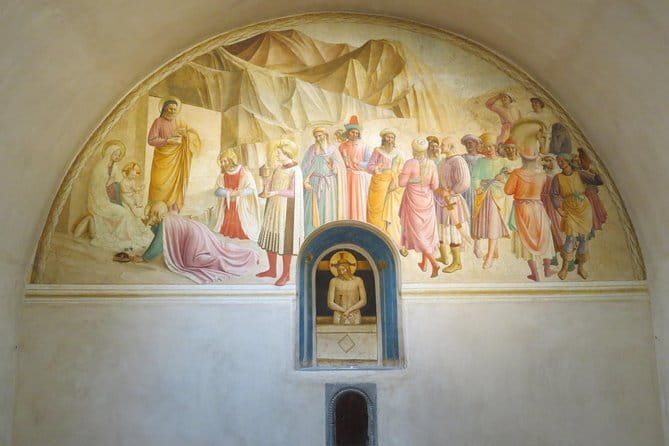
Next comes the Great Refectory and related spaces. The focus here is how the museum reflects the rhythm of monk life. You’ll see paintings associated with Fra Bartolomeo and also pass through areas connected with kitchen and service functions.
This portion works well because it gives you a sense of what the convent was built to support: not only contemplation, but also the practical world of preparing and sharing meals. When you understand that, the art feels less like a random highlight reel and more like part of a system.
A small caution: the museum layout can still feel like “a lot of rooms.” If you tend to rush, slow down early. The guide’s explanations help you keep the names and locations straight, especially when the fresco styles and themes start to blend in your head.
Small Refectory and Ghirlandaio’s Last Supper moment
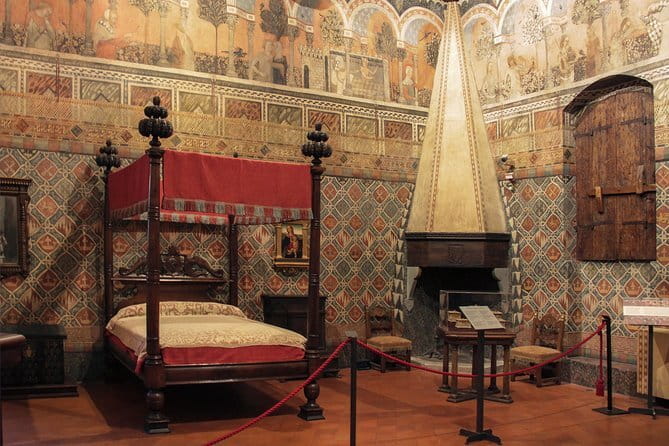
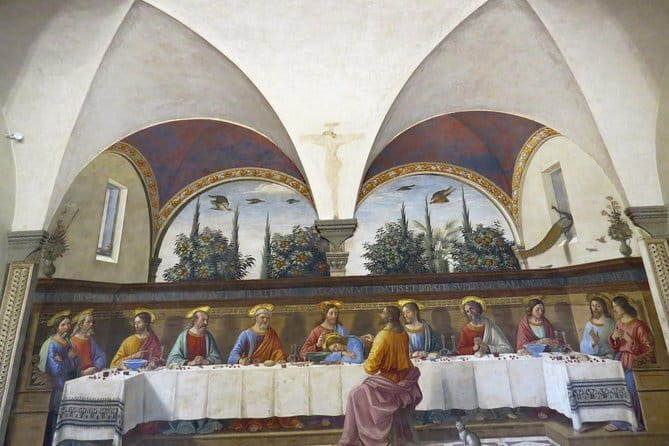
In the Small Refectory, you’ll find a major visual anchor: a fresco of the Last Supper by Domenico Ghirlandaio. This is a perfect stop if you like when a museum visit creates a clear emotional beat. The refectories are the right setting for this subject, and you can feel the connection between image and function.
Compared with the larger Great Refectory, the Small Refectory is where the experience gets more intimate. If you take your time here, you can notice how the scene is meant to land in a lived space rather than a modern exhibition hall.
Even on a short private tour (about 2 hours), this stop gives you something memorable that you can picture later, especially if you like religious art but wish it came with context.
More Florence galleries and collections to wander
Monks’ cells and the Fra Angelico fresco cycle
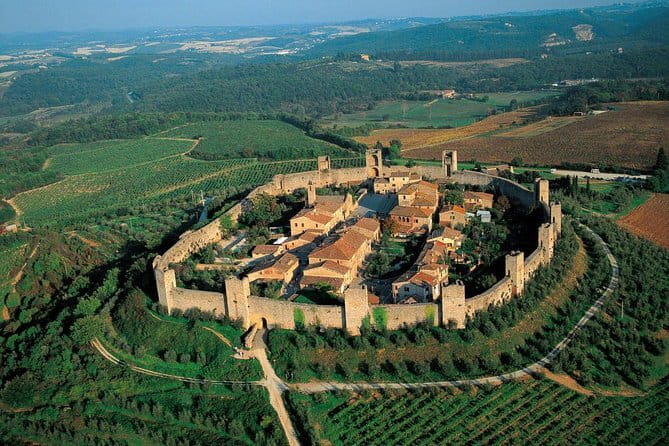
Now you get to the part people talk about: the monks’ cells. This is where the museum’s showpiece shines through. You’ll admire the cycle of frescoes created by Beato Angelico (Fra Angelico) for his confrères monks.
What I like about this section is that it’s not just a walk past pretty walls. You learn why the fresco cycle matters within the convent setting and what the monks would have seen as part of their daily spiritual life. The result is that you’re looking at the art with a sense of purpose, not just a name.
This is also where a strong guide can make the visit feel personal. One of the guides on this tour is Hilaria, and the feedback highlights her ability to explain Fra Angelico’s work and the convent context in a way that makes the frescoes easier to understand and appreciate. If you’re the type who likes your art with plain-language explanations, this is the section you’ll likely remember most.
Savonarola’s cell: seeing 1498 up close

After the fresco cycle, you visit the cell once used by Girolamo Savonarola. You’ll learn about his role as a firebrand monk and the fact that he was burnt at the stake in Piazza della Signoria in 1498.
This stop adds a human “story layer” to the art. You’re not only seeing Renaissance painting techniques; you’re standing in a space linked to a specific moment of conflict and conviction. It helps you understand how religious ideas and political tensions played out in Florence.
I’d recommend taking a quiet minute here. It’s not a huge room, but it’s the kind of place where the meaning lands differently when you slow your pace instead of trying to check off every room as fast as possible.
The library connection and Medici manuscripts
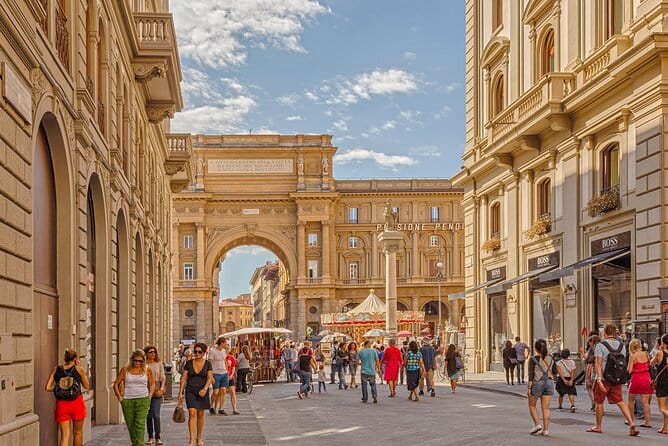
The tour also includes the convent Library, described as home to priceless manuscripts owned by the Medici family. Even if you’re not reading manuscripts yourself, it’s a strong context stop because it brings the patronage story full circle: the Medici weren’t just commissioning buildings and art; they were also connected to the preservation and value placed on texts.
This is a good moment to reset after the emotionally intense Savonarola cell and the visual intensity of the fresco cycle. A guide can help you tie together how art, politics, and learning intersected in Florence at the time.
Adding Piazza San Marco and Santissima Annunziata for free
The experience doesn’t stop at the museum doors. You also get an exterior guided look at San Marco square and Santissima Annunziata square, just a few steps away. The focus includes the Santissima Annunziata church area and Spedale degli Innocenti, described as Europe’s oldest orphanage.
This is the part of the tour that helps you orient yourself in the neighborhood. Florence is all about moving between spaces, and this quick square walk gives you a smoother transition if you plan to continue sightseeing on your own afterward.
If you’re short on time in Florence, I like that this extension is included and doesn’t turn the day into an all-day marathon. It’s a focused extra, not a random detour.
Price and value: is $175.80 per person fair?
At $175.80 per person, this is a mid-to-premium option, mainly because it’s a private guided experience with skip-the-line entry. The value comes from what you get bundled together:
- Skip-the-line tickets so you’re not burning time at the entrance
- A local professional guide who walks you through the spaces in the right order
- Time to ask questions, with a pace that’s not forced by a big group schedule
- Targeted stops that focus on the museum’s key art locations (cloister, refectories, cells, library)
- A short piazza extension near the museum
If you’re traveling as a small group and you want the museum’s main stories explained clearly, this price can make sense. On the other hand, if you’re the type who enjoys wandering slowly with minimal guidance, you might decide to self-guided the museum instead. But if you want the convent context and artist connections spelled out in real time, this tour is built for that.
Also, this option is typically booked about 33 days in advance, so if you want a specific morning slot, don’t wait until the last minute.
Who should book this San Marco private tour
This tour is a strong fit if you want any of these things:
- You care about art in context, not just postcard views
- You want to understand the meaning of Fra Angelico frescoes and where they appear in the convent spaces
- You like historical storytelling tied to a physical place, especially with Savonarola’s cell
- You prefer a private format where your questions matter and the pace can slow down
It’s also a good choice for couples, friends, or a parent-and-child duo who don’t want to juggle logistics during the museum entry window.
The one mismatch is if you’re hoping for hotel pickup or a long, all-day itinerary. This is focused and two hours-ish, and it ends back near where you start.
Should you book it?
Yes, I’d book it if your priority is the San Marco experience with clear guidance. The skip-the-line entry is worth it in practice, and the tour structure puts you in the right rooms for the museum’s most meaningful stories: the cloister, the refectories, the monks’ cells fresco cycle, and Savonarola’s cell, plus a short neighborhood walk to Santissima Annunziata.
Before you commit, do two quick checks: make sure your name on the booking matches your passport or ID, and plan how you’ll get to Piazza San Marco since there’s no hotel pickup. One more reality check: this experience is listed as non-refundable and non-changeable if plans shift, so only lock it in when your Florence dates feel solid.
If those points work for you, this is one of the easier ways to turn San Marco from a “museum you visited” into a place you actually understand.
FAQ
How long is the San Marco Museum private tour?
It’s about 2 hours in total (with the museum portion taking roughly 1 hour 45 minutes and an additional short exterior stop around nearby piazzas).
Where do I meet the guide?
You meet at Museo di San Marco, Piazza San Marco, 3, 50121 Firenze FI, Italy. The tour ends back at the meeting point.
Is skip-the-line entry included?
Yes. Skip-the-line San Marco Museum tickets are included as part of the tour.
What language is the tour offered in?
The tour is offered in English.
Do I need to bring ID?
Yes. Each traveler needs a valid passport or ID document, and the document name must match the name provided at booking. Full traveler names are required for successful entry.
Is the tour truly private?
Yes. It’s listed as a private tour/activity, so only your group participates.
More Private Florence Tours
- Cinque Terre and Pisa Tower Tour from Florence Semi Private
★ 5.0 · 1,406 reviews - From Florence: Private Chianti Hills Tour with Tasting
★ 4.3 · 809 reviews - Private Self-Guided E-Bike Ride in Tuscany with Vineyard Visit
★ 5.0 · 775 reviews - Florence Private Transportation in Rickshaw
★ 5.0 · 730 reviews - Florence: Private Transport by Rickshaw
★ 5.0 · 659 reviews
More Florence Tours to Weigh Up
- The Best tour in Florence: Renaissance & Medici Tales – guided by a STORYTELLER
★ 5.0 · 12,316 reviews - The Best Tour in Florence: Renaissance and Medici Tales
★ 5.0 · 10,810 reviews - Florence: Chianti Wineries Tour with Wine Tasting
★ 4.5 · 10,071 reviews - Florence: Duomo Cathedral 60-Minute Guided Tour
★ 3.7 · 6,829 reviews - Florence: Hop-on Hop-off Bus Tour: 24, 48 or 72-Hour Ticket
★ 4.0 · 6,283 reviews
More Florence Tours We Have Reviewed
- Florence: Skip-The-Line Uffizi Gallery Timed Entry Ticket
★ 4.5 · 27,832 reviews - Tuscany Day Trip from Florence: Siena, San Gimignano, Pisa and Lunch at a Winery
★ 5.0 · 21,634 reviews - Florence: Timed Entry to Michelangelo’s David + Audio App
★ 4.6 · 19,496 reviews - Florence: Leonardo Interactive Museum Entry Ticket
★ 4.5 · 12,957 reviews - Florence: Michelangelo’s David Skip-the-Line Entry Ticket
★ 4.5 · 12,764 reviews
Fresh from our Florence review desk
- Small-Group Pasta Cooking Class and Market Tour in Florence★ 5.0 · 3 reviews
- Palatina Gallery and Pitti Guided Tour in Florence★ 5.0 · 3 reviews
- Tuscan Evening Tour: Fiat 500, 8:30 to 10 PM★ 5.0 · 3 reviews
- Journey into Art: Florence’s Accademia★ 4.5 · 3 reviews
- Paint and Drink Florentine Hills★ 5.0 · 3 reviews
- Truffle hunting and lunch experience, with Vinci and winery.★ 4.5 · 3 reviews
Skip the Line, compared.
 ★ 4.5Skip-The-Line Uffizi Gallery Timed Entry TicketFrom $3027,832 reviews
 ★ 4.5Michelangelo’s David Skip-the-Line Entry TicketFrom $4512,764 reviews
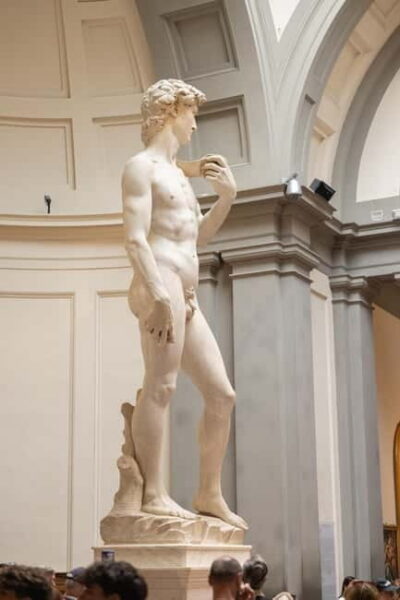 ★ 4.8Accademia Gallery Skip-the-Line Guided TourFrom $413,044 reviews
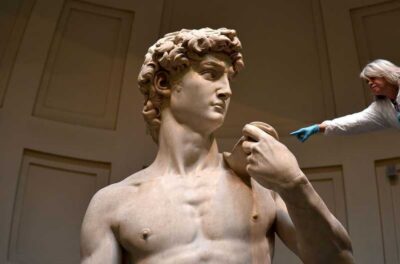 ★ 4.6Accademia Gallery & David Skip-the-Line TicketFrom $411,905 reviews
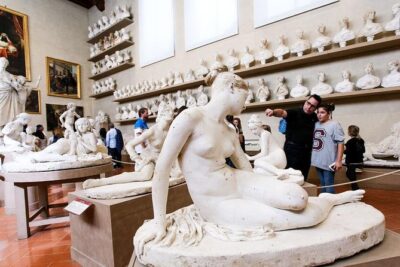 ★ 4.0Skip the Line: Florence’s Accademia Gallery Priority Entrance TicketFrom $371,693 reviews
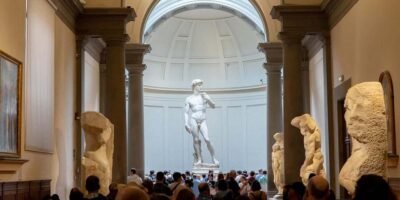 ★ 4.7Accademia Gallery David Skip-the-Line Entry TicketFrom $291,492 reviews
 ★ 4.5Best of Florence: Small Group Tour Skip-the-Line David & Accademia with DuomoFrom $781,422 reviews
 ★ 5.0Florence Accademia Gallery Tour & Skip-the-Line Tickets IncludedFrom $441,255 reviews