
Reviewed · FLORENCE COOKING CLASSES
The Real Italian Artisan Gelato
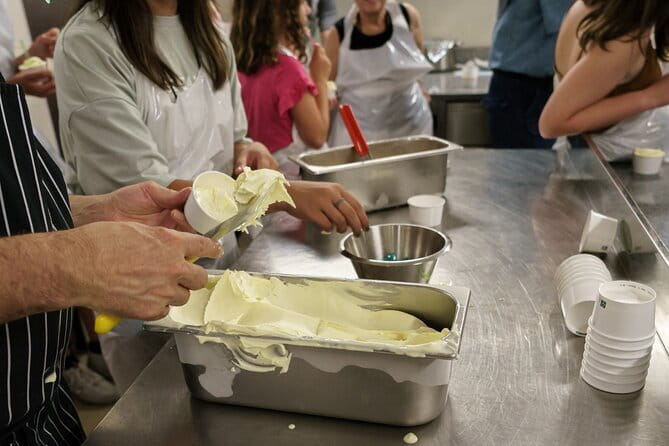
Gelato lessons beat sightseeing every time. In Florence, you’ll learn how true gelato is built as you make a milk-based gelato and a fruit sorbet, then taste what you create. It’s a hands-on 1.5-hour class in a small setting, so the time feels productive, not touristy.
I really like two things here: the small group format (max 12) and the fact that you actually produce two different frozen treats, not just watch. One possible drawback: the class is short, so you’ll come away with skills and a solid taste for gelato basics, but not a full catalog of flavors or techniques.
In This Review
- Key highlights you’ll care about
- A Florence gelato class that actually teaches you something
- InTavola: what the setup feels like
- What you make: two flavors with two different bases
- Milk-based gelato: the part that makes it creamy and stable
- Fruit sorbet: getting bright flavor without dairy
- Small group energy: why max 12 changes everything
- The tasting moment: enjoying what you created
- Recipes to take home (and actually use)
- Price and value: is $37.33 worth 90 minutes in Florence?
- Dietary needs and who this fits best
- Practical tips for your gelato morning
- Should you book this gelato class in Florence?
- FAQ
- Where does the class meet in Florence?
- How long is the gelato and sorbetto making class?
- What time does the experience start?
- What will I make during the class?
- What flavors are available to choose from?
- Is there a vegetarian or vegan option?
- What’s included in the price?
- Is it family-friendly, and what is the minimum age?
- Is there free cancellation?
Key highlights you’ll care about
- Two creations in one class: one dairy gelato plus one water-based fruit sorbet
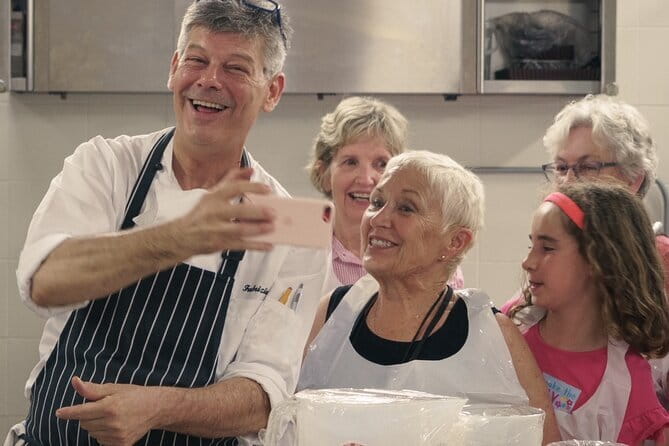
- Small group, real coaching: more chances to ask why each ingredient matters
- Hands-on machine time: you participate, not just sample
- You leave with recipes: helpful if you want to repeat it at home
- Designed for families: minimum age is 7, and it works well across ages
Roll up your sleeves for another Florence cooking class
A Florence gelato class that actually teaches you something
Florence has no shortage of gelato shops, which is exactly why a class is such a good move. When you learn how the base works—milk for one and fruit water for the other—you start spotting quality in a whole new way. You don’t just eat, you understand.
This is also a smart use of time. You get a complete session in about 1 hour 30 minutes, starting at 10:00 am. That’s long enough to follow a process, but short enough to still have energy for the rest of your day in Florence.
The biggest difference, in my view, is that the focus stays on technique and ingredients. The goal isn’t to rush you through a spectacle. It’s to help you grasp how each flavor type is constructed, so when you’re back out in town buying gelato, you’ll know what to look for.
InTavola: what the setup feels like
Your experience meets at InTavola, Via dei Velluti, 20R, in Florence (and it ends back there). Since it’s a single-location class, you aren’t spending vacation time crisscrossing the city. You’ll simply show up and get pulled into the gelato workflow.
Because it runs for roughly 90 minutes and caps at 12 travelers, you can expect a more conversational pace than the big, assembly-line style cooking classes. This matters for families too. Kids aren’t just passing through; they can handle mixing and measuring, and adults get the same level of attention when they ask practical questions.
You’ll also have a built-in refreshment rhythm. The class includes bottled water, plus snacks that are gelato-related (with menu items including Gelato alla Crema Fiorentina and fruit sorbet). It keeps things comfortable while you wait for the frozen step to do its job.
What you make: two flavors with two different bases
The class is built around one dairy-based frozen treat and one fruit-based frozen treat. That’s not just a fun pairing. It’s the heart of learning how Italian gelato differs across categories.
For the milk-base gelato, you’ll prepare an ice cream-style gelato from options like crema, pistachio, or chocolate. Milk base is the foundation for that classic creamy texture you see in Italian gelaterias: smooth, rich, and built to taste balanced rather than overly heavy.
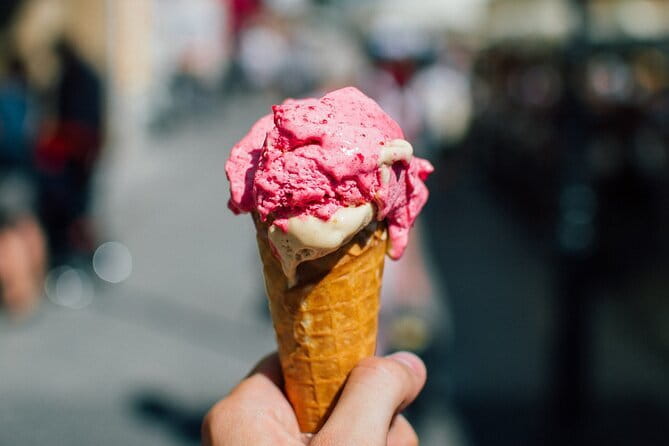
For the water-based sorbet, you’ll prepare one fruit sorbet from options like strawberry, melon, or lemon. Sorbet is different by design. You’re working with a base that lets fruit flavor lead, so citrus and berry taste should come through with more clarity than you’d get from an ice dessert that’s buried under creaminess.
By making both, you learn a useful comparison: when you switch from milk to fruit water, the whole feel in your mouth changes. That single contrast teaches you more than simply sampling two flavors side by side.
Milk-based gelato: the part that makes it creamy and stable
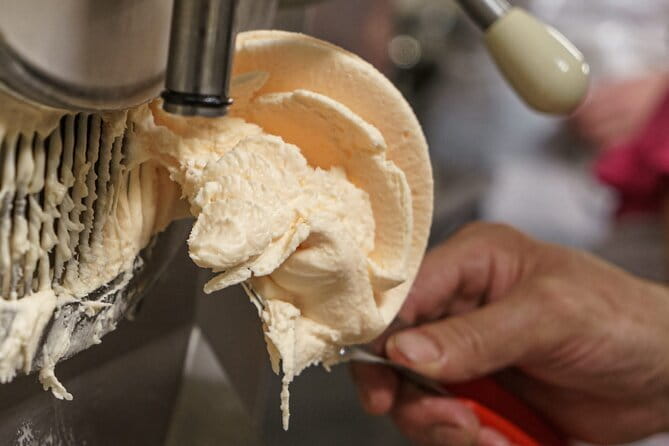
When the class moves into the dairy gelato stage, the process matters. This isn’t about pouring ingredients and hoping for the best. You’ll learn how the gelato is built around a milk base, and why specific ingredients are used.
You’ll also get a hands-on role during the mixing steps. In family-friendly classes like this, that’s often where kids shine. One of the best signals that this experience works well is that instructors keep everyone involved, from adults who want to understand, to children who want to do the measuring and stirring.
A key learning takeaway is that gelato quality comes from choices made before it ever reaches the freezer. If you pay attention, you’ll start noticing that the texture isn’t accidental. It’s planned. That’s why the class emphasizes ingredient understanding instead of only technique.
And yes, you’ll end up tasting the milk-based gelato you helped make. That part is genuinely satisfying because you can connect flavor to decisions you watched and participated in.
Fruit sorbet: getting bright flavor without dairy
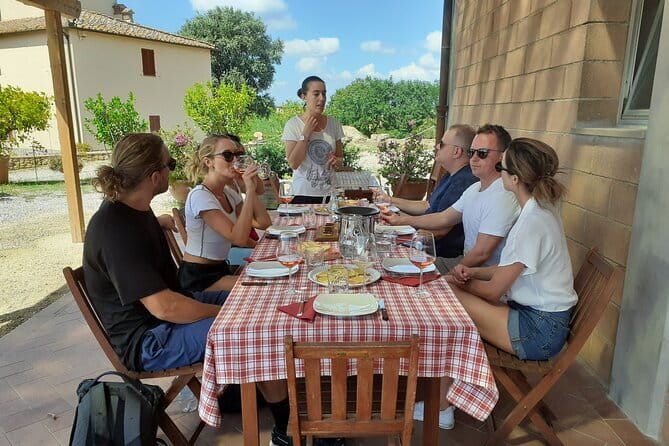
Then comes the sorbet stage, which is where a lot of people get surprised. It’s easy to assume sorbet will taste thinner than gelato. This class helps you experience why that’s not always true when the fruit base is handled well.
In the fruit sorbet portion, you’ll work with a water-based fruit base using flavors such as strawberry, melon, or lemon. The instructor’s focus on ingredients and why they’re used is especially helpful here. Fruit flavor can be delicate. If anything is off, sweetness can feel flat, or citrus can get harsh.
You’ll likely have a turn during the process, too, not just a watch-and-wait moment. The hands-on approach shows up in how people describe the experience: mixing, participating in the steps, and then tasting the end result.
One of the strongest outcomes of this part of the class is that you come away with a new benchmark for fruit flavor. If you’ve been buying sorbet that tasted icy or overly sweet, you’ll know exactly what “better” should taste like after making it yourself.
- The Best tour in Florence: Renaissance & Medici Tales – guided by a STORYTELLER
★ 5.0 · 12,316 reviews




Small group energy: why max 12 changes everything
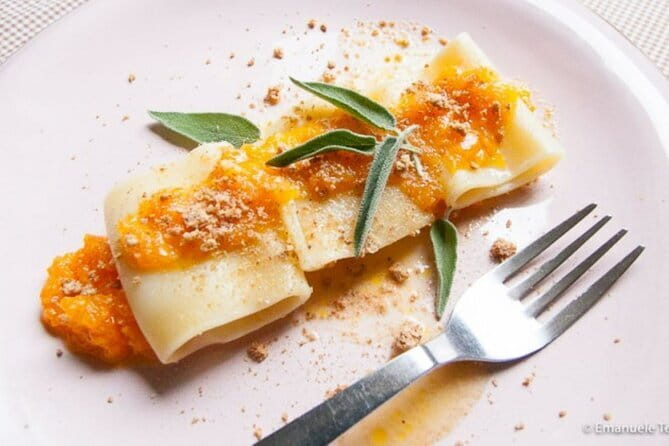
A max group size of 12 travelers is a big deal for a gelato class. It affects everything: how quickly you get answers, how often the instructor can check your progress, and how comfortable it is to ask questions.
This is especially helpful if you’re traveling with kids. Families often worry that the process will be too fast, too confusing, or too adult-centered. Here, the instruction style keeps participation broad. People describe being involved in the process, including children, which makes sense when the group stays small.
The instructor also uses the class time to explain ingredients and their roles. You’re not left with vague “add this and it will be fine” instructions. Instead, you get enough guidance to understand what you’re doing, so the final texture and flavor make sense.
If you’re the type of traveler who likes interactive food experiences, this format hits the sweet spot: hands-on, but not chaotic.
The tasting moment: enjoying what you created
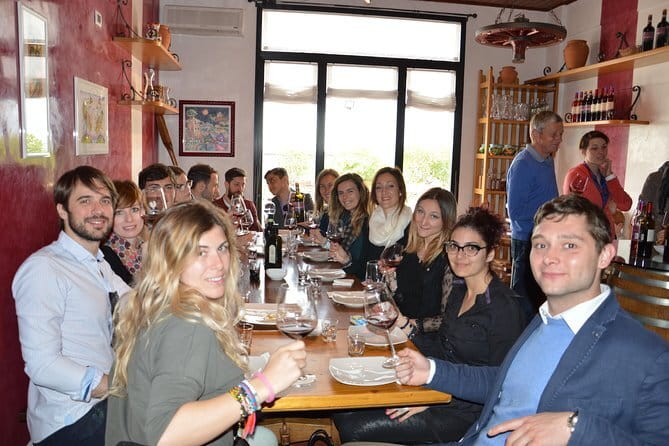
You don’t just make the gelato and sorbet and then walk away with a recipe. The class ends with tasting your creations—your dairy gelato and your fruit sorbet—so you can judge the outcome right where you learned it.
There are also gelato and sorbet snacks included along the way. The sample menu points to things like Gelato alla Crema Fiorentina and Sorbetto di Frutta, which means you’re not waiting until the very end to enjoy the flavors.
This matters for two reasons. First, it keeps your morale high while the frozen steps take time. Second, it gives you context: you can compare what you helped make with other Italian gelato styles offered in the class.
The tasting is where the learning locks in. You’ll remember the ingredient choices more clearly because you can connect them to what you’re experiencing in the bowl.
Recipes to take home (and actually use)
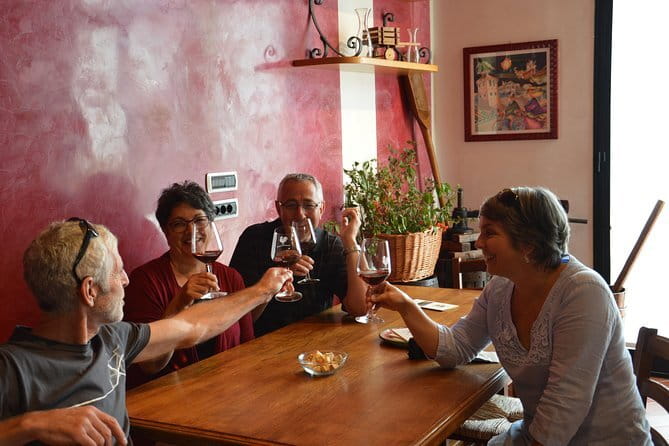
A lot of cooking classes hand you a generic sheet and call it done. This one includes recipes, which is useful if you want to try again after you return home.
The recipes don’t just help you recreate flavors. They help you repeat the process so you can keep the gelato and sorbet balance that you learned in class. Even if you never become a full-time gelato maker, having the recipe means you can do a smaller version at home and still get satisfying results.
If you’re a food planner, the recipes are also a way to lock in what you learned on the spot. Since you’re making both milk gelato and fruit sorbet, having documentation for both parts is a big advantage.
Price and value: is $37.33 worth 90 minutes in Florence?
At $37.33 per person for about 1 hour 30 minutes, you’re paying for real instruction, ingredients, and the machine-based process that turns liquid mix into gelato texture. You’re also paying for the small-group format, which usually costs more than larger classes.
When I judge value for a class like this, I look at four things:
- Do you make something substantial? Yes: one dairy gelato and one fruit sorbet.
- Do you learn the why, not only the steps? The class is set up around ingredient understanding.
- Do you eat what you made? Yes, and there are included gelato snacks too.
- Do you leave with something useful? You get recipes and you take away a practical foundation.
If you’re the kind of traveler who spends money on experiences and wants a memorable, edible skill, this price fits. If you’re purely a casual eater and you already know you won’t cook at home, you might prefer buying gelato on your own. But if you like hands-on food, this is the type of class that turns into a souvenir you can actually recreate.
Dietary needs and who this fits best
This experience has a minimum age of 7 years, and it’s described as a fun, hands-on option for families. That’s important because it signals the class isn’t just for adults standing around. Kids can participate in steps like mixing and using the gelato machine.
Vegetarian/vegan options are available, and you should request them at booking. Also, if you have any dietary requirements, it’s on you to advise them in advance so the team can prepare accordingly. If you need gluten-free or dairy-free, or you avoid certain foods, don’t wait until day-of.
This class is especially good for:
- Families with kids who want to do something active
- Food lovers who like to learn why ingredients work
- Travelers who want a small-group experience in Florence that doesn’t feel like a production line
Practical tips for your gelato morning
A few small choices can make this class smoother.
First, show up on time for the 10:00 am start. These experiences move as one process, and the frozen step needs the schedule to stay on track.
Second, think about your appetite. You’re making two frozen treats and there are snacks included, so going in with a light stomach helps you enjoy the tasting.
Third, if you care about specific dietary needs, communicate them early. The class explicitly asks you to advise dietary requirements at booking, which usually makes preparation easier.
Finally, bring a mindset of learning. Gelato isn’t just a flavor. It’s texture. If you pay attention to ingredient roles and process steps, you’ll get much more out of the class than just the final spoonful.
Should you book this gelato class in Florence?
I’d book it if you want more than a gelato stop. This is a structured, small-group lesson where you make two flavors with different bases and then eat the result. The hands-on feel, plus the emphasis on ingredients and understanding, is what makes it memorable.
Skip it only if you’re short on time or you know you won’t enjoy practical cooking/food-making experiences. In that case, buying gelato and wandering Florence might feel better.
But if you want a genuinely useful food skill, this is an easy yes. You leave Florence with recipes, a clearer sense of how gelato and sorbet are built, and a tasting you can connect directly to the choices you made.
FAQ
Where does the class meet in Florence?
The meeting point is InTavola, Via dei Velluti, 20R, 50125 Firenze FI, Italy.
How long is the gelato and sorbetto making class?
It runs for about 1 hour 30 minutes.
What time does the experience start?
It starts at 10:00 am.
What will I make during the class?
You’ll prepare two flavors: one milk-based gelato and one water-based fruit sorbet.
What flavors are available to choose from?
The milk-base gelato options include crema, pistachio, and chocolate. The fruit sorbet options include strawberry, melon, and lemon.
Is there a vegetarian or vegan option?
Yes, a vegetarian/vegan option is available. You should advise the team at the time of booking.
What’s included in the price?
Included are bottled water, recipes, and snacks (including gelato).
Is it family-friendly, and what is the minimum age?
The minimum age is 7 years, and the experience is offered for mixed ages.
Is there free cancellation?
Yes. You can cancel up to 24 hours in advance for a full refund. If you cancel less than 24 hours before the start time, the amount paid is not refunded.
More Florence Tours We Have Reviewed
- Florence: Skip-The-Line Uffizi Gallery Timed Entry Ticket
★ 4.5 · 27,832 reviews - Tuscany Day Trip from Florence: Siena, San Gimignano, Pisa and Lunch at a Winery
★ 5.0 · 21,634 reviews - Florence: Timed Entry to Michelangelo’s David + Audio App
★ 4.6 · 19,496 reviews - Florence: Leonardo Interactive Museum Entry Ticket
★ 4.5 · 12,957 reviews - Florence: Michelangelo’s David Skip-the-Line Entry Ticket
★ 4.5 · 12,764 reviews
More Florence Cooking Classes
- Florence: Pasta Cooking Class with Unlimited Wine
★ 4.9 · 10,285 reviews - Florence Pizza or Pasta Class with Gelato Making at a Tuscan Farm
★ 5.0 · 6,801 reviews - Florence: Pasta & Tiramisu Cooking Class with Unlimited Wine
★ 4.9 · 6,708 reviews - Florence: Pasta Cooking Class with Unlimited Wine
★ 5.0 · 6,413 reviews - Cooking Class and Lunch at a Tuscan Farmhouse with Local Market Tour from Florence
★ 5.0 · 4,831 reviews
Fresh from our Florence review desk
- Small-Group Pasta Cooking Class and Market Tour in Florence★ 5.0 · 3 reviews
- Palatina Gallery and Pitti Guided Tour in Florence★ 5.0 · 3 reviews
- Tuscan Evening Tour: Fiat 500, 8:30 to 10 PM★ 5.0 · 3 reviews
- Journey into Art: Florence’s Accademia★ 4.5 · 3 reviews
- Paint and Drink Florentine Hills★ 5.0 · 3 reviews
- Truffle hunting and lunch experience, with Vinci and winery.★ 4.5 · 3 reviews
Florence Cooking Classes, compared.
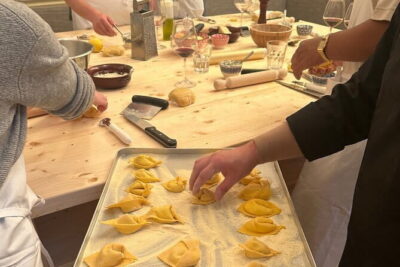 ★ 4.9Pasta Cooking Class with Unlimited WineFrom $2110,285 reviews
 ★ 5.0Florence Pizza or Pasta Class with Gelato Making at a Tuscan FarmFrom $1456,801 reviews
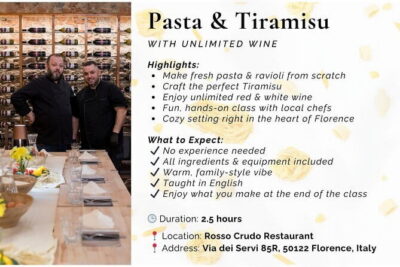 ★ 4.9Pasta & Tiramisu Cooking Class with Unlimited WineFrom $566,708 reviews
★ 5.0Pasta Cooking Class with Unlimited Wine6,413 reviews
★ 4.9Pasta & Tiramisu Cooking Class with Unlimited WineFrom $566,708 reviews
★ 5.0Pasta Cooking Class with Unlimited Wine6,413 reviews
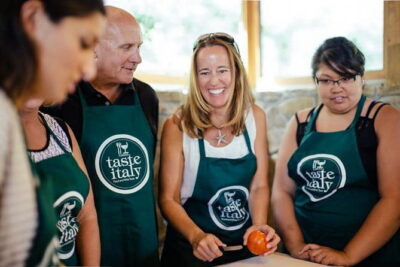 ★ 5.0Cooking Class and Lunch at a Tuscan Farmhouse with Local Market Tour from FlorenceFrom $1454,831 reviews
 ★ 5.0Pastamania – Florence Pasta Making ClassFrom $493,050 reviews
 ★ 5.0Cooking Class Pasta & Tiramisu Making Unlimited WineFrom $892,234 reviews
 ★ 5.0Florence Cooking Class The Art of Making Gelato & Authentic PizzaFrom $642,053 reviews
Browse the lists this tour appears in