
Reviewed · TUSCANY WINE TOURS
Wine Tour Experience
A hilltop cellar with a true Tuscan rhythm. I love the roses garden stop before you taste anything, and I also like how the visit builds to the vinsantaia and a structured 5-wine lineup with olive oil. The main caution: if you’re expecting a big meal, some sessions can feel more like focused tasting than full dining.
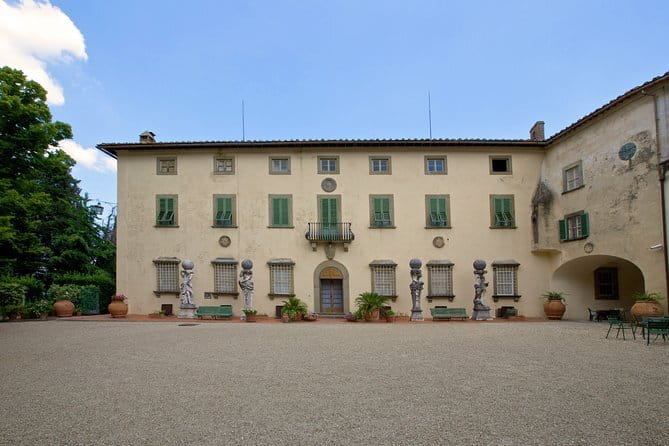
This is a tight 2-hour experience in English, with a small group limit of 20 and a mobile ticket. It starts at Via Capezzana, 43, 59015 Carmignano PO and ends back at the same meeting point, on the Tenuta di Capezzana property.
In This Review
- Quick hits: what makes Tenuta di Capezzana different
- Why a Capezzana wine tour works so well from Florence
- Finding the meeting point and getting your timing right
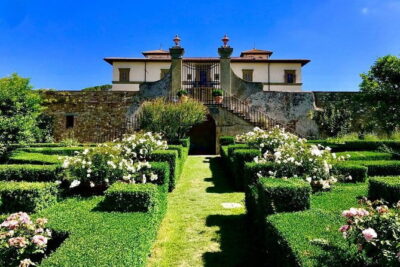
- Step one: the roses garden, where the tour starts to feel like a visit
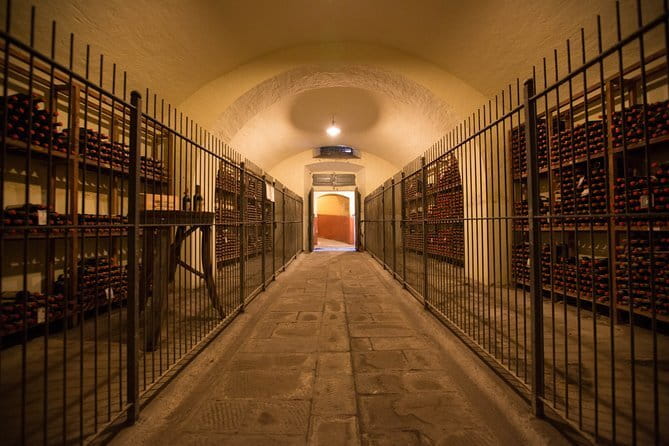
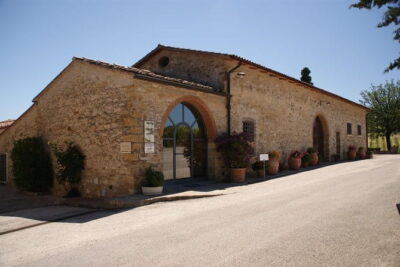
- Historical cellar visit: what you’re really walking through
- Vinsantaia and the vin santo moment people talk about
- Olive oil tasting: why it’s worth taking seriously
- The 5-wine tasting: how the lineup teaches you what to notice
- Food pairings: bread, pecorino, and charcuterie can make or break your vibe
- Price and value: is $53.61 fair for what you get?
- Service, language, and pacing: what to watch for with small groups
- Who this tour is best for (and who might want something else)
- Should you book Tenuta di Capezzana?
- FAQ
- FAQ
- What is the meeting point for the Tenuta di Capezzana wine tour?
- How long is the wine tour?
- Is the tour offered in English?
- How much does the tour cost?
- What’s included in the tour ticket?
- How many people are in a group?
- Will I receive a mobile ticket?
- Are service animals allowed?
- Is free cancellation available?
Quick hits: what makes Tenuta di Capezzana different
- Roses garden first, so the tour feels like a place, not just a tasting room
- Historical cellar + vinsantaia for context behind the wines you drink
- Olive oil tasting paired into the experience, not treated as an afterthought
- 5 wines included, so you can compare styles without hunting around
- Small group size (max 20), which helps you ask questions and keep the pacing human
- You may hear a guide tell the story of family legacy, with Filipo mentioned as a standout host in some sessions
More Tuscan cellars worth the drive from Florence
Why a Capezzana wine tour works so well from Florence
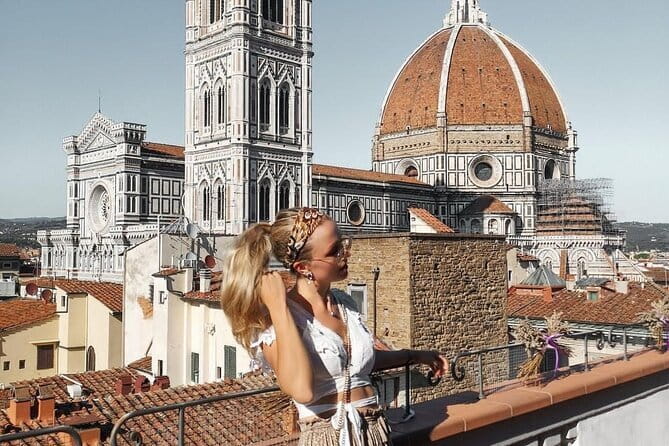
Florence is great, but after a day of museums and crowded streets, you might want a simpler kind of trip: fresh air, slower time, and something you can taste. Tenuta di Capezzana is a smart choice because it gives you multiple layers in a short window: gardens, cellar spaces, and then the tasting itself.
I also like that the experience is built around Carmignano-style tasting habits rather than just pouring samples. You’re not only drinking; you’re walking through the places where the flavors are created, including the vinsantaia area. That makes the tasting feel more like learning than guessing.
One practical point: you’re on-site for about 2 hours, so it fits easily into a Florence schedule. It’s long enough to feel satisfying, but short enough that it won’t eat your whole day.
Finding the meeting point and getting your timing right
The tour meets at Via Capezzana, 43, 59015 Carmignano PO and returns to the same spot. That matters because you’re not planning complicated drop-offs or hunting for a new pickup point.
Because confirmation is sent within 48 hours of booking (subject to availability), I’d plan around that window and keep your day flexible. A small-group tour like this can also mean the flow depends on who else is in the group.
Also note that the tour is offered in English and most people can participate. If you have mobility needs, this isn’t described with special restrictions, but you’ll still be moving around winery areas—so bring comfortable shoes.
Step one: the roses garden, where the tour starts to feel like a visit
You begin with a visit of the roses garden, and that’s a surprisingly good move. It sets the tone before any tasting pressure hits. You get to take in the setting, get oriented, and settle into the property’s pace.
From a value standpoint, this first stop is more than scenery. It helps explain why Tenuta di Capezzana feels like a destination, not just a scheduled production stop. If you like places with atmosphere—quiet corners, photo-friendly views, and a calm start—this is where you’ll feel it.
If you’re sensitive to heat, aim for a time of day when it’s comfortable. Gardens can be lovely, but sun in Tuscany can be intense.
Historical cellar visit: what you’re really walking through
Next comes the historical cellar visit. This is where the tour shifts from atmosphere to craft. You’re seeing the older spaces connected to the winery’s production life, so when wines show up later, they come with context instead of guesswork.
This stop also matters because it sets up what the vinsantaia portion will mean. If you care about how tradition affects taste—barrel choices, aging practices, and how time changes a wine—this is where the tour starts paying off.
A small caution to keep your expectations aligned: cellars are working spaces. They can be cooler and echo a bit, so if you want to hear every word in English, keep your position close to the guide during key explanations.
Vinsantaia and the vin santo moment people talk about
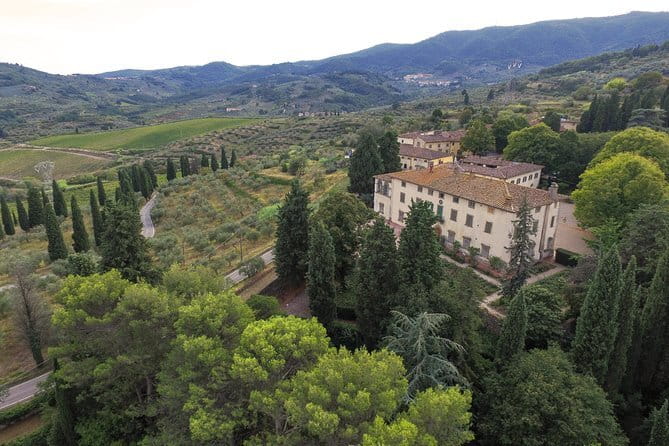
Then you move into the vinsantaia, the part of the tour that tends to be memorable. Even without heavy technical talk, you can understand quickly: this is where a slower, more patient wine style lives.
The highlight many people return to is vin santo. If you’ve never tasted it, this tour gives you a chance to try it as it’s meant to be experienced, rather than as an afterthought in a restaurant dessert list. It’s also a good way to spot whether you like more nutty, aged-sweet flavors or if you prefer fresher styles.
If you do like vin santo, plan to budget for it. When you find a wine that clicks, the bottle purchase temptation is real.
A few more glasses poured across Florence
- Tuscany Day Trip from Florence: Siena, San Gimignano, Pisa and Lunch at a Winery
★ 5.0 · 21,634 reviews

Olive oil tasting: why it’s worth taking seriously
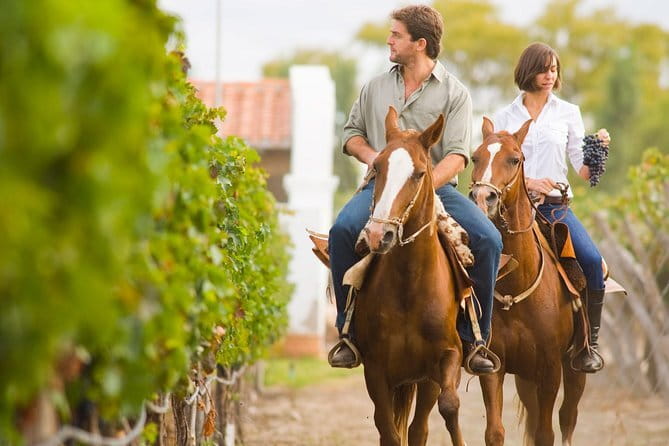
In between the cellar story and the wine pours, the tour includes a tasting of extra virgin olive oil. This is one of the best “hidden value” features because olive oil isn’t just a snack—it’s part of the region’s daily flavor language.
Olive oil also helps you reset your palate before tasting multiple wines. It can make the differences between whites and reds easier to notice, especially if you’re trying to compare aromatics and structure without getting overwhelmed.
If you normally skip olive oil tastings at wineries, I’d reconsider here. This one is integrated into the flow, not a rushed extra at the end.
The 5-wine tasting: how the lineup teaches you what to notice

The core of the experience is the tasting of 5 wines. The pacing is designed so you can move from one style to another and still keep your palate awake.
One approach that works well here: taste in order, then go back in your mind. Start with what’s easiest to name (like acidity and fruit), then add what’s harder (balance and finish). By the time you reach the reds, you’ll have a clearer sense of how the winery’s lineup changes character.
Several people highlight the sequence starting with Trebbiano, often described as a delicate white wine experience. Then the tasting shifts toward the winery’s more famous reds. If you prefer crisp whites, that first pour is a good warm-up. If you mostly came for red wine, you’ll still get enough structure along the way to understand why the reds make sense after the white.
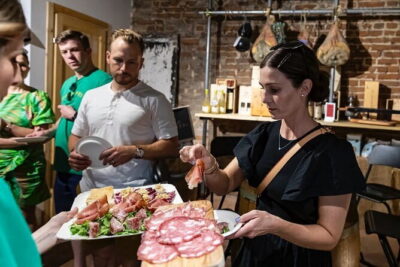
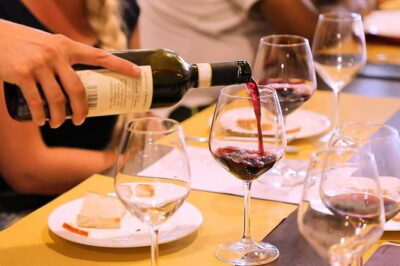
You’ll also want to pay attention to how the tasting is paired. In some sessions, the food pairing includes items like Tuscan sourdough, pecorino, and charcuterie, which can turn the tasting from a quick sip-and-go into a more complete flavor check. Pairing matters because it shows you how the wines behave with real Tuscan tastes.
Food pairings: bread, pecorino, and charcuterie can make or break your vibe
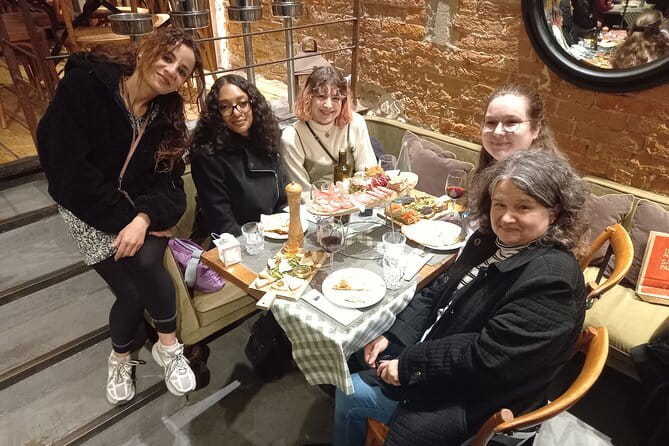
This tour includes tasting elements beyond wine. Depending on timing and session details, you may get bread, pecorino cheese, and a selection of charcuterie alongside the tastings. People who love the experience often connect the quality of these pairings with why the whole afternoon feels special.
But here’s the balanced part: not every tasting experience lands the same way. One person felt the food felt light for the price. That doesn’t mean it’s always the case, but it’s a good reminder to set your expectations as tasting-focused, not full-meal.
If you have a hearty appetite, I’d eat a solid lunch before you go. Then treat the pairing as part of the wine education, not your main meal.
Price and value: is $53.61 fair for what you get?
At $53.61 per person for roughly 2 hours, the value depends on what you want from the visit. You’re paying for a guided walkthrough (roses garden, historical cellar, vinsantaia), plus olive oil and a 5-wine tasting, with an admission ticket included.
That’s not just “buying wine.” It’s paying for access and explanation in a small-group setting. For a winery visit that takes you through multiple spaces on-site, this price can feel reasonable.
The one big pricing story to know: some people regret buying bottles on-site because they later spotted the same bottles for less at local retail stores. I can’t tell you what you’ll pay on your day, but it’s smart to think ahead. If you like to buy wine, consider doing a quick price check in Florence or nearby shops so you feel confident about your purchase.
Service, language, and pacing: what to watch for with small groups
This tour caps at 20 travelers, which is usually a plus. Smaller groups can mean better sight lines, more questions, and less “everyone gets poured at once” chaos.
Still, language and pacing can vary by guide and group energy. I’ve seen comments about a smooth, engaging host experience with an emphasis on wine culture and family legacy. Filipo is specifically mentioned in at least one standout session as a guide who brought the story to life.
On the flip side, if you’re very particular about hearing every word clearly in English and you prefer a slower, more conversational tasting pace, you might want to pay attention to the session style on arrival. If your group seems to move fast, it can make the wine tasting feel more like a quick progression instead of a chat.
Who this tour is best for (and who might want something else)
This is a great fit if you want a short Florence-area wine break that doesn’t feel like a bus-tour stamp. If you like hands-on experiences—walking into the cellar spaces, tasting olive oil, and trying vin santo—this tour gives you the ingredients for a satisfying afternoon.
It’s also a strong choice if you like traditional Tuscany flavors. The pairing elements like bread, pecorino, and charcuterie are part of the experience, and when they’re good, they make the wine taste more connected.
If you mainly want a large, relaxed tasting room with zero walking and lots of time to linger, you might find this too structured. And if you expect a heavy meal, set your expectations to tasting first.
Should you book Tenuta di Capezzana?
If you want an efficient, story-led winery visit near Florence, I think it’s worth booking. You’re getting multiple on-site stops plus olive oil and five wines in about two hours, and the pacing is designed for people who have limited time but still want more than a simple pour.
Book it especially if you’re curious about vin santo and you want a guided setting that explains why it tastes the way it does. If you’re planning to buy bottles, do yourself a favor: compare local prices so you feel good about what you bring home.
FAQ
FAQ
What is the meeting point for the Tenuta di Capezzana wine tour?
The tour starts at Via Capezzana, 43, 59015 Carmignano PO, Italy, and it ends back at the same meeting point.
How long is the wine tour?
The duration is approximately 2 hours.
Is the tour offered in English?
Yes, the tour is offered in English.
How much does the tour cost?
The price is $53.61 per person.
What’s included in the tour ticket?
The experience includes visits to the roses garden, the historical cellar, and the vinsantaia, plus an extra virgin olive oil tasting and a tasting of 5 wines. Admission ticket is included.
How many people are in a group?
This activity has a maximum of 20 travelers.
Will I receive a mobile ticket?
Yes, the tour includes a mobile ticket.
Are service animals allowed?
Yes, service animals are allowed.
Is free cancellation available?
Yes. You can cancel for a full refund up to 24 hours in advance of the experience start time.
More Florence Tours to Weigh Up
- The Best tour in Florence: Renaissance & Medici Tales – guided by a STORYTELLER
★ 5.0 · 12,316 reviews - The Best Tour in Florence: Renaissance and Medici Tales
★ 5.0 · 10,810 reviews - Florence: Chianti Wineries Tour with Wine Tasting
★ 4.5 · 10,071 reviews - Florence: Duomo Cathedral 60-Minute Guided Tour
★ 3.7 · 6,829 reviews - Florence: Hop-on Hop-off Bus Tour: 24, 48 or 72-Hour Ticket
★ 4.0 · 6,283 reviews
More Florence Tours We Have Reviewed
- Florence: Skip-The-Line Uffizi Gallery Timed Entry Ticket
★ 4.5 · 27,832 reviews - Tuscany Day Trip from Florence: Siena, San Gimignano, Pisa and Lunch at a Winery
★ 5.0 · 21,634 reviews - Florence: Timed Entry to Michelangelo’s David + Audio App
★ 4.6 · 19,496 reviews - Florence: Leonardo Interactive Museum Entry Ticket
★ 4.5 · 12,957 reviews - Florence: Michelangelo’s David Skip-the-Line Entry Ticket
★ 4.5 · 12,764 reviews
More Tuscan Wine to Taste
- Tuscany Day Trip from Florence: Siena, San Gimignano, Pisa and Lunch at a Winery
★ 5.0 · 21,634 reviews - Florence: Chianti Wineries Tour with Wine Tasting
★ 4.5 · 10,071 reviews - Small-Group Wine Tasting Experience in the Tuscan Countryside
★ 5.0 · 7,392 reviews - SMALL-GROUP Wine Safaris: Tuscan Wine Tasting Tours from Florence
★ 5.0 · 5,088 reviews - Winner 2025 Florence Sunset Food & Wine Tour by Eating Europe
★ 5.0 · 5,015 reviews
Fresh from our Florence review desk
- Small-Group Pasta Cooking Class and Market Tour in Florence★ 5.0 · 3 reviews
- Palatina Gallery and Pitti Guided Tour in Florence★ 5.0 · 3 reviews
- Tuscan Evening Tour: Fiat 500, 8:30 to 10 PM★ 5.0 · 3 reviews
- Journey into Art: Florence’s Accademia★ 4.5 · 3 reviews
- Paint and Drink Florentine Hills★ 5.0 · 3 reviews
- Truffle hunting and lunch experience, with Vinci and winery.★ 4.5 · 3 reviews
Tuscany Wine Tours, compared.
 ★ 5.0Tuscany Day Trip from Florence: Siena, San Gimignano, Pisa and Lunch at a WineryFrom $11421,634 reviews
 ★ 4.5Chianti Wineries Tour with Wine TastingFrom $4110,071 reviews
 ★ 5.0Small-Group Wine Tasting Experience in the Tuscan CountrysideFrom $1077,392 reviews
 ★ 5.0SMALL-GROUP Wine Safaris: Tuscan Wine Tasting Tours from FlorenceFrom $1575,088 reviews
 ★ 5.0Winner 2025 Florence Sunset Food & Wine Tour by Eating EuropeFrom $1495,015 reviews
 ★ 4.8From Florence: Siena, San Gimignano, Pisa & Lunch at WineryFrom $1124,538 reviews
 ★ 4.5San Gimignano, Siena, Monteriggioni, Chianti Day Trip with Lunch & Wine TastingFrom $834,432 reviews
 ★ 4.5Chianti Wine Tour from FlorenceFrom $593,979 reviews