
Reviewed · WALKING TOURS
Basilica Santa Croce: Walking Among the Masters of Florence
Florence has a habit of hiding masterpieces in plain sight. This Santa Croce walk turns the basilica into a readable story: frescoes you’d miss on your own and tombs that connect art, politics, and faith in one tight hour.
I especially like the way the guide points out the big-name details—Niccolini’s Liberty connection outside, then the Renaissance heavyweights inside.
One possible drawback: the tour is in English, and timing can feel fast if you want to linger.
In This Review
- Key Things You’ll Notice on This Santa Croce Tour
- Santa Croce in One Hour: What This Tour Really Delivers
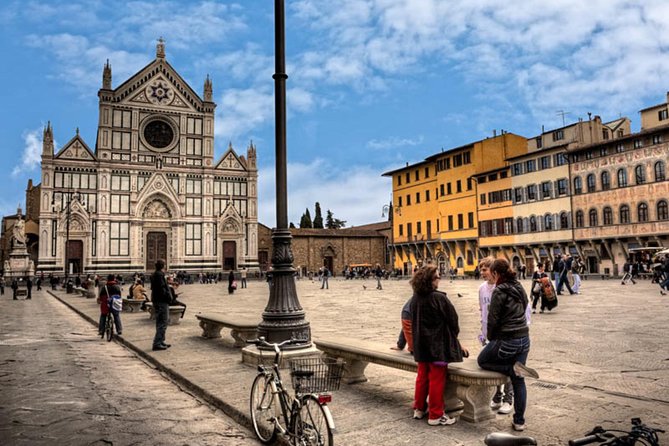
- Start at Dante’s Monument in Piazza di Santa Croce
- Piazza to Facade: Why the Exterior Matters Here
- Inside the Basilica: Frescoes That Explain the Church’s Core Story
- A quick practical note
- The Renaissance Hits: Donatello and Brunelleschi
- Tombs and Big Names: Michelangelo, Galileo, Machiavelli, Rossini
- The 1966 Florence Flood Story and the Restored Art
- Bell Tower, Crypt, and the 16 Chapels Circuit
- Where this can feel long
- After the Tour: Go Back for What You Missed
- Price and Value: Is $58.05 Worth It?
- Guides and the Difference a Good Story Makes
- Practical Tips Before You Go (So You Don’t Lose Time)
- Who Should Book This Santa Croce Walk?
- Should You Book Basilica Santa Croce? My Call
- FAQ
- Where is the meeting point for the Santa Croce tour?
- How long does the tour last?
- What language is the tour offered in?
- What is included in the ticket price?
- Is the tour mainly inside the basilica?
- Do I need to dress a certain way?
- What’s the maximum group size?
- What if I cancel or miss the start time?
Key Things You’ll Notice on This Santa Croce Tour
- Giotto + Gaddi story clues: learn what scenes you’re looking at in the Bardi/Peruzzi chapels and the Cappella Maggiore frescoes
- Donatello’s crucifix, Brunelleschi’s Chapel of Fools: the art isn’t just famous—it’s explained in human terms
- Tombs in one place: Michelangelo, Galileo, Machiavelli, and Rossini come up as part of the bigger narrative
- The 1966 flood and restoration: you’ll understand what was damaged and how it was brought back
- A real circuit, not a quick peek: basilica interior, crypt, cemetery, plus a look around the bell tower and chapels
Stretch your legs on more Florence walking tours
Santa Croce in One Hour: What This Tour Really Delivers
If you only have a slice of time in Florence, Santa Croce is one of the best “high density” choices. This tour keeps you moving through the basilica, the crypt, the cemetery area, and key chapels—so you don’t waste time wandering without direction.
The practical win is the format: an official certified guide with a radio system, plus reserved entrance tickets. In plain terms, that means you can hear the story even when the group shifts around columns, altars, and side chapels.
The other big thing: the guide helps you connect artworks to people and moments. Santa Croce isn’t only a church; it’s also a monument to artists, thinkers, and civic identity. You’ll start seeing the basilica as a timeline instead of a set of photo spots.
Start at Dante’s Monument in Piazza di Santa Croce
The meeting point is the Monument to Dante Alighieri in Piazza di Santa Croce. It’s a good spot to orient yourself fast, because this square is the social center of the neighborhood—and it’s not just pretty pavement.
Your guide sets the scene with the annual Calcio Storico Florentino (the medieval-costume soccer tradition) that takes place here every June. Even if you’re not visiting in June, that detail helps the square feel alive, not staged.
Piazza to Facade: Why the Exterior Matters Here
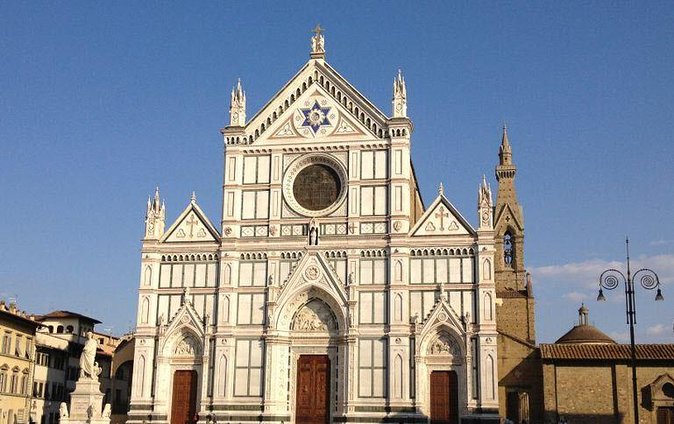
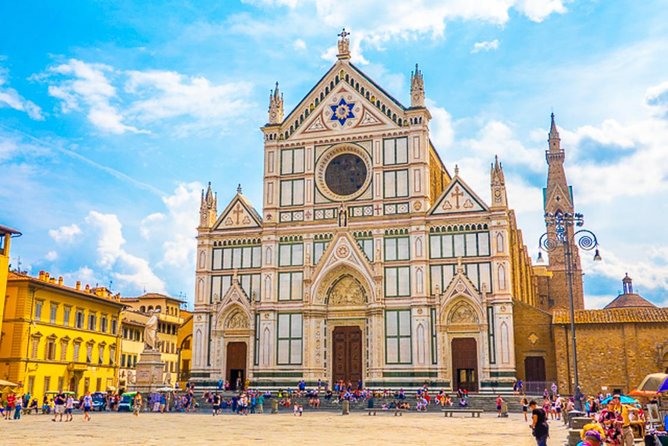
Before you go deep inside, you get the sense that Santa Croce was built to impress at a distance. The exterior has a polychrome marble façade, and your guide points out what to look for instead of letting it blur into “pretty stone.”
You’ll also see the memorial to Giovanni Battista Niccolini, a 19th-century playwright. The story is connected to his inspiration for the Statue of Liberty—a fun Florence-to-the-world link that’s easy to miss if you’re only scanning for the famous dome or bell tower.
That outside-to-inside pacing is smart. You’re primed to see the church as a cultural statement first, then as a container for art second.
Inside the Basilica: Frescoes That Explain the Church’s Core Story
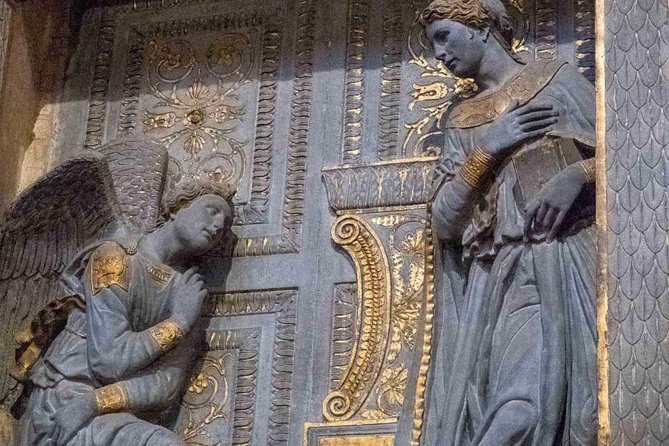
Santa Croce gets attention for famous burials, but the walls do the real work. Once you’re inside, the tour zeroes in on the paintings that tell you what the church is about.
One highlight is the Cappella Maggiore frescoes attributed to Gaddi, dated around 1380, which tell the story connected to Santa Croce itself. You’ll learn what’s happening in the scenes rather than just recognizing that they are old and ornate.
Then come the Giotto frescoes in the Bardi and Peruzzi Chapels. These are tied to episodes from the lives of St. Francis and St. John the Evangelist. Your guide helps you spot the narrative beats—so when you look up, you’re not only seeing figures, you’re seeing story structure.
A quick practical note
Side chapels can be visually busy. The tour’s advantage is that it filters your attention. You won’t be able to take in every square inch in an hour, so you’ll leave with the most important visual “anchors” in your mind.
- The Best tour in Florence: Renaissance & Medici Tales – guided by a STORYTELLER
★ 5.0 · 12,316 reviews





The Renaissance Hits: Donatello and Brunelleschi
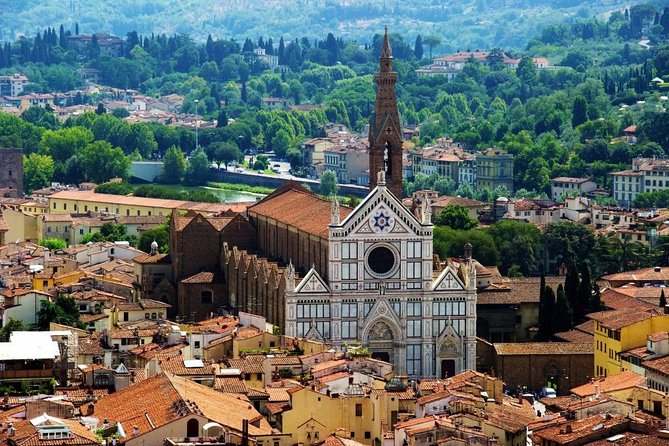
This is the part where Santa Croce becomes pure Renaissance energy.
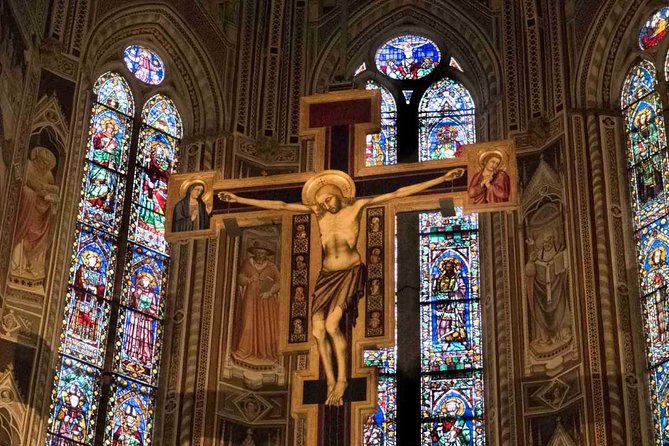
Near the entrance area and through key spaces, you’ll learn about Donatello and his crucifix—often treated like a jewel of the Renaissance. The guide’s job here is huge: these works can feel quietly important until someone points out what makes them stand out.
You’ll also hear about Brunelleschi and the architectural harmony of the Chapel of Fools. The trick with explaining architecture is that it can sound dry—so look for what your guide emphasizes, like how the space is composed and why the chapel feels balanced rather than random.
If you enjoy art history, this is where the tour earns its reputation. One hour is tight, but the guide selects the standout examples and gives you enough context to appreciate them fast.
Tombs and Big Names: Michelangelo, Galileo, Machiavelli, Rossini
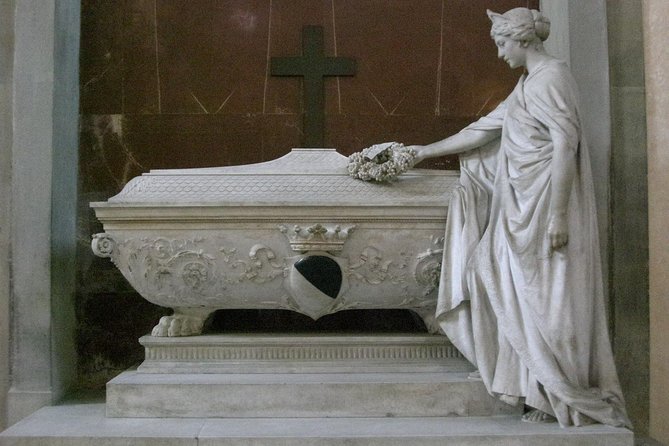
Santa Croce is famous for its monumental cemetery and high-profile burials, and your tour weaves those into the art and symbolism of the basilica.
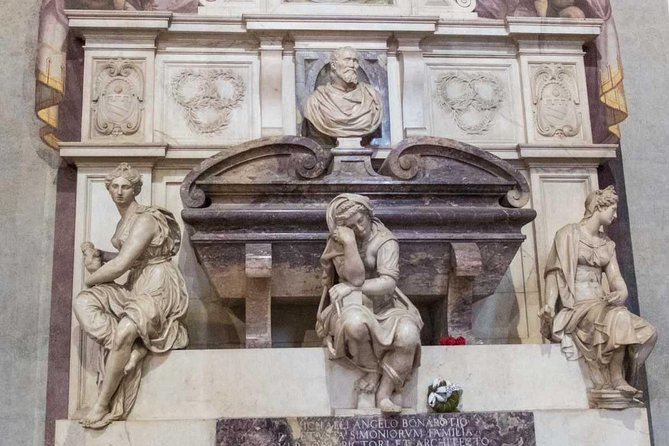
You’ll hear about the tomb presence of Michelangelo, Galileo, Machiavelli, and Rossini. What makes this more than trivia is that the guide links them to Santa Croce’s role in Florence’s public identity—why certain figures ended up here, and how the basilica became a stage for cultural memory.
In a short visit, this kind of context is what changes your photos from decoration into evidence. You’ll take pictures and actually know what you’re photographing.
The 1966 Florence Flood Story and the Restored Art
One of the most meaningful parts of the tour is the lesson about the tragic flood of 1966 and what it did to the basilica’s artworks. You’ll see how the damaged paintings were subsequently restored, and you’ll get a sense of how loss and recovery shaped what’s visible today.
This isn’t just a dramatic history aside. It changes the way you look at the surfaces. Instead of seeing “old art,” you start seeing a hard-won survival story.
If you’ve ever visited a landmark and wondered why it looks slightly different from what you expected, this is the kind of tour that helps you understand the difference is often human history, not random change.
Bell Tower, Crypt, and the 16 Chapels Circuit
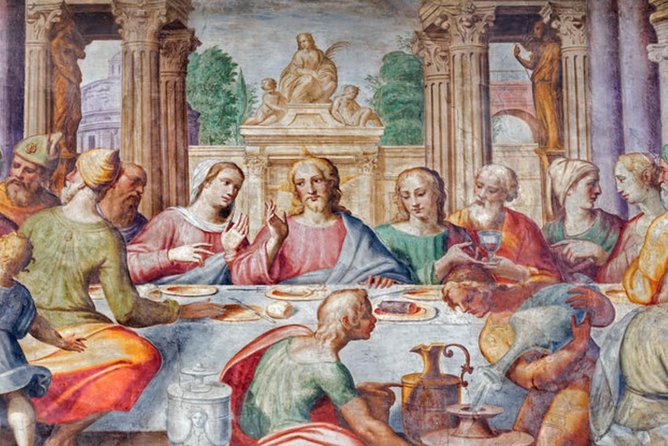
After the interior highlights, the tour shifts into a loop through the spaces that give Santa Croce its depth: the bell tower, crypt, and 16 chapels.
The bell tower visit adds a sense of structure. Even when you don’t go far, the idea is to connect what you see in front of you with what supports the building’s scale.
Then the crypt and chapels do the opposite—they pull the story inward. You’ll see how the basilica uses layered spaces to hold meaning: public worship above, more intimate or historical layers below, and chapels that act like smaller focused chapters.
And at some point, you’ll also get time with the monumental cemetery, including how Santa Croce holds memory physically—not just in paintings.
Where this can feel long
This tour is listed at about an hour. Most of the time, it lands there. But if you slow down for questions, or you’re sensitive to hearing details in a tight space, you might want a moment at the end to re-check anything you didn’t fully catch.
After the Tour: Go Back for What You Missed
One of the most practical parts of the plan is that the tour ends back where you start, and you have a chance to return to anything that caught your attention.
This matters because Santa Croce has that “I saw it, but I didn’t absorb it” effect. With a guide, you get the skeleton. Afterward, you can add the flesh by revisiting the pieces you care about most—like the crucifix, the Cappella Maggiore frescoes, or a specific chapel you want to stare at for longer.
Price and Value: Is $58.05 Worth It?
At $58.05 per person for an about 1-hour guided visit, the value comes from what’s included and how it’s delivered.
Included:
- Official certified guide
- Radio system so you can actually hear
- Reserved entrance tickets
That combo is meaningful in Florence. Churches and major sites attract crowds, and noise can swallow details. The radio system is the quiet hero here—it keeps the experience from turning into guesswork.
The other value factor is that Santa Croce is easy to “skim” on your own. If you go in without a guide, you’ll still see beauty. But you’ll likely miss why the specific frescoes, chapels, and tombs matter. This tour spends its time on the pieces that shape the whole.
One small check before you book: this tour is capped at 20 travelers, and it runs only when there’s a minimum of two guests. In busy seasons, that usually isn’t an issue. If you’re traveling in a slow period, you’ll want to confirm dates you’re considering.
Guides and the Difference a Good Story Makes
What consistently shows up in positive experiences is the guide’s ability to translate art and church history into something you can follow.
You might encounter different guide voices and styles. Names that have come up include Chiara Conti, Raphael, Mateo, Elena, Marcello, Sarah, Guido, Jenny, and Hilary. If your guide has a personal connection to the area or a knack for pacing, the hour feels like a real class—just in a beautiful building.
Still, there’s one reality check: the tour is offered in English, and language quality can affect how much you get from the commentary. If you’re planning a visit where the narration is the main reason you booked, consider choosing a date when you expect strong guide coverage and arrive a few minutes early so the start isn’t rushed.
Practical Tips Before You Go (So You Don’t Lose Time)
Santa Croce is a working church with real rules. Before you step inside, plan around the dress code:
- No shorts
- No sleeveless tops
- Knees and shoulders must be covered for both men and women
If you don’t meet the dress requirements, you can risk being refused entry, and the tour won’t be rescheduled or refunded.
Also: it operates in all weather conditions, so pack for Florence’s shifts—especially if you’re visiting outside peak summer heat.
Finally, arrive on time. If you show up after the tour starts, you won’t be able to join and you won’t get a refund or reschedule.
Who Should Book This Santa Croce Walk?
This tour fits best if you want:
- A fast, focused introduction to Santa Croce Basilica
- Help reading the most important paintings, sculptures, and tombs
- A clear explanation of the 1966 flood and restoration
- A structured route through crypt, cemetery, bell tower, and chapels without getting lost
It’s also a good choice if you like names tied to places. Santa Croce becomes much more satisfying when you know why the figures are there and what the art is doing around them.
If you’re the type who loves long, quiet roaming with no schedule, you might find one hour limiting. In that case, plan to add independent time afterward to linger.
Should You Book Basilica Santa Croce? My Call
Yes—book it if you want the highest return on time in Florence. Santa Croce is visually stunning, but it rewards attention. A guide gives you the “why” behind what you’re seeing: Giotto and Gaddi in the right context, Donatello and Brunelleschi with meaning, and the restoration story that explains why today’s art looks the way it does.
Skip it only if you have plenty of time to research on your own, or if your English comprehension is fragile enough that narration quality could make or break the visit.
If you’re deciding between this and a do-it-yourself church wander, the math favors this tour. You’re buying a guided hour that helps you see more than you would on your own.
FAQ
Where is the meeting point for the Santa Croce tour?
The tour starts at the Monument to Dante Alighieri, Piazza di Santa Croce, 50122 Firenze FI, Italy.
How long does the tour last?
The tour is listed at about 1 hour.
What language is the tour offered in?
The experience is offered in English.
What is included in the ticket price?
It includes an official certified guide, a radio system to hear the guide, and entrance tickets with reservations.
Is the tour mainly inside the basilica?
You’ll see the basilica interior, crypt, cemetery, and also get a look around areas including the bell tower and 16 chapels.
Do I need to dress a certain way?
Yes. You must cover knees and shoulders. No shorts or sleeveless tops are allowed, and entry may be refused if you don’t follow the dress code.
What’s the maximum group size?
The tour has a maximum of 20 travelers.
What if I cancel or miss the start time?
You can cancel up to 24 hours in advance for a full refund. If you arrive after the tour start time, you won’t be able to join and won’t be refunded.
More Florence Walks
- Florence: Highlights Walking Tour with Expert Guide
★ 4.6 · 4,662 reviews - Uffizi & Accademia Timed Entry: Small Group Duomo Walking Tour
★ 4.5 · 3,630 reviews - Florence: Duomo Complex with Tickets & City Walk Guided Tour
★ 4.7 · 2,057 reviews - Florence: Guided Walking Tour
★ 4.6 · 1,602 reviews - Florence: Renaissance and Medici Tales Guided Walking Tour
★ 4.8 · 1,549 reviews
More Florence Tours We Have Reviewed
- Florence: Skip-The-Line Uffizi Gallery Timed Entry Ticket
★ 4.5 · 27,832 reviews - Tuscany Day Trip from Florence: Siena, San Gimignano, Pisa and Lunch at a Winery
★ 5.0 · 21,634 reviews - Florence: Timed Entry to Michelangelo’s David + Audio App
★ 4.6 · 19,496 reviews - Florence: Leonardo Interactive Museum Entry Ticket
★ 4.5 · 12,957 reviews - Florence: Michelangelo’s David Skip-the-Line Entry Ticket
★ 4.5 · 12,764 reviews
Fresh from our Florence review desk
- Small-Group Pasta Cooking Class and Market Tour in Florence★ 5.0 · 3 reviews
- Palatina Gallery and Pitti Guided Tour in Florence★ 5.0 · 3 reviews
- Tuscan Evening Tour: Fiat 500, 8:30 to 10 PM★ 5.0 · 3 reviews
- Journey into Art: Florence’s Accademia★ 4.5 · 3 reviews
- Paint and Drink Florentine Hills★ 5.0 · 3 reviews
- Truffle hunting and lunch experience, with Vinci and winery.★ 4.5 · 3 reviews
Walking Tours, compared.
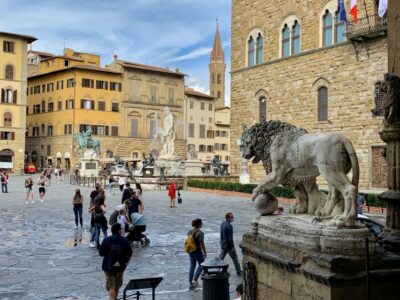 ★ 4.6Highlights Walking Tour with Expert GuideFrom $274,662 reviews
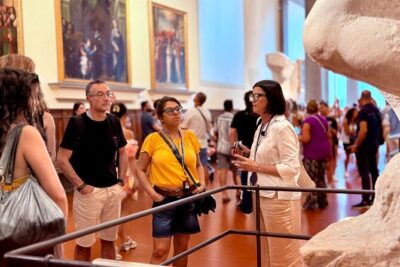 ★ 4.5Uffizi & Accademia Timed Entry: Small Group Duomo Walking TourFrom $503,630 reviews
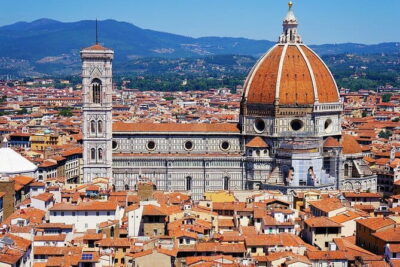 ★ 4.7Duomo Complex with Tickets & City Walk Guided TourFrom $932,057 reviews
 ★ 4.6Guided Walking TourFrom $271,602 reviews
 ★ 4.8Renaissance and Medici Tales Guided Walking TourFrom $21,549 reviews
 ★ 4.7Uffizi & Accademia Small Group Walking TourFrom $1481,380 reviews
 ★ 5.0Skip-the-Line Florence Highlights and David Walking TourFrom $1171,127 reviews
 ★ 4.6Dark Mysteries and Legends Guided Walking TourFrom $21,081 reviews
Browse the lists this tour appears in