
Reviewed · FLORENCE COOKING CLASSES
Cooking Class in a professional kitchen by a professional Chef
Four hours of Tuscan cooking, no standing around. You’ll work in a professional restaurant kitchen in Manciano, with a view toward the Tirreno Sea and real local food at the center of it. The session is taught in English by Chef Barbara, and it’s set up for hands-on participation from start to finish.
I especially like two parts: first, the menu choices hit classic Tuscan favorites like Pici all’aglione, fresh pasta dough, and cantuccini. Second, the teaching style is built for learning through doing—Chef Barbara brings stories and humor, then gives practical cooking tips so you can repeat the techniques later.
One thing to consider: wine isn’t included, and you’ll have to choose from their wine list if you want an alcohol pairing. If you’re expecting a fully open bar experience, plan for that extra cost.
In This Review
- Key Highlights You’ll Care About
- Why Chef Barbara’s Tuscan Kitchen Lesson Feels Practical
- Arriving at La Filanda in Manciano (and What to Expect on Arrival)
- The Brief Tuscan Cuisine Lesson You Use While You Cook
- Your Hands-On Pasta Moment: Pici all’aglione
- Building the Main Course: Lasagna, Tortelli, or Tagliatelle
- The Starter Step: Focaccia, Pizza, and Schiacciatte
- Cantuccini and Vin Santo: The Dessert That Completes the Lesson
- Lunch or Dinner Served: Eating What You Made
- Wine Choices Are Extra, So Decide Before You Order
- What’s Included (and What You’ll Need to Bring)
- Price and Value: Is $213.03 Worth It?
- Who Should Book This Cooking Class?
- Should You Book with Chef Barbara?
- FAQ
- Where is the cooking class located?
- What time does the class start?
- How long is the experience?
- Is the class taught in English?
- Is this a private class?
- What menu items will I cook?
- Is vin santo included with the dessert?
- What’s included in the price?
- Are alcoholic beverages included?
- What is the cancellation policy?
Key Highlights You’ll Care About
- Chef Barbara teaches in a working restaurant kitchen, not a demo setup
- Hands-on pasta sessions with local staples like pici and classic dough shaping
- Cantuccini + vin santo as the sweet finish in the traditional Tuscan style
- Your meal is the lesson output: you eat what you make, served as lunch or dinner
- Private group format, ideal for families or team-building
- Wine is optional (included is water), so budget accordingly
Roll up your sleeves for another Tuscany cooking class
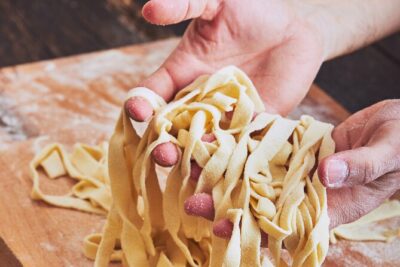
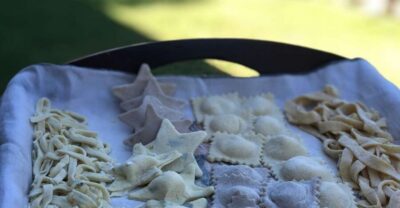
Why Chef Barbara’s Tuscan Kitchen Lesson Feels Practical
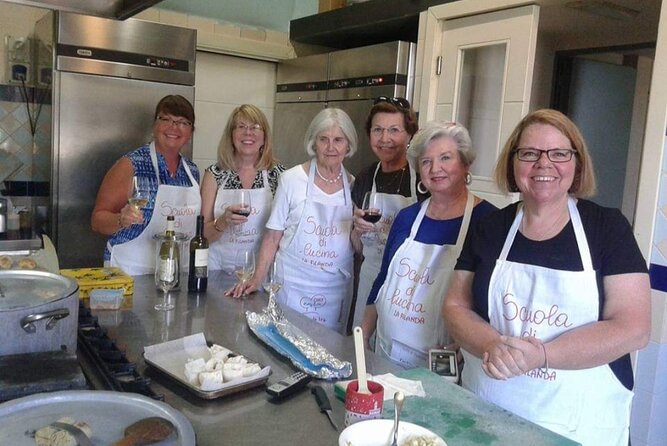
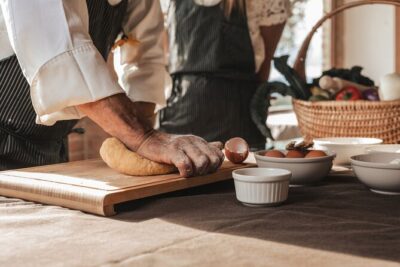
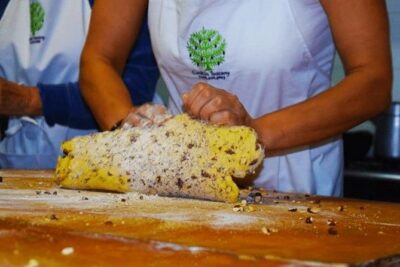
This isn’t the kind of class where someone cooks and you watch. You’re guided into the real workflow of an Italian kitchen—mix, roll, spread, cut, sauce, and taste as you go. That matters because you leave with muscle memory, not just photos.
What also helps is the setting. The lesson happens in Chef Barbara’s restaurant kitchen in Manciano, Tuscany, in a town setting with views toward the sea. That “small-town, working-kitchen” vibe keeps the experience grounded. You’re not traveling to a themed cooking set. You’re cooking where people actually eat.
And because the session is offered in English, you’re not stuck translating everything in your head. You can focus on what your hands are doing and what Chef Barbara explains as you go.
Arriving at La Filanda in Manciano (and What to Expect on Arrival)
You meet at La Filanda, Via Marsala 8, 58014 Manciano (GR), Italy, starting at 10:30 am. The experience ends back at the same meeting point, which keeps logistics simple—no bus, no wandering, no mystery location.
The class is described as lasting about 4 hours overall, with the total experience running around 3 hours. In practice, plan your day with a little buffer so you don’t feel rushed when you arrive, get settled, and wrap up afterward.
You’ll receive a mobile ticket, and this is a private tour/activity, meaning only your group participates. That’s a big deal for two reasons: you can ask questions without a crowd swallowing your turn, and the chef can adjust pacing if you’re a slower (or faster) cook.
The Brief Tuscan Cuisine Lesson You Use While You Cook
Before the real action starts, you get a short introduction to Tuscan and Italian cuisine. It’s not meant to be a long lecture. It’s structured to give you context for what you’re making in the next steps.
I like this approach because Tuscan food makes more sense when you understand the why. The menu focuses on ingredients and techniques that are common in the region: olive oil-forward cooking, pasta you shape and dress with classic sauces, and desserts that lean on simple baking methods rather than heavy assembly.
Chef Barbara also brings humor and stories into the instruction. That keeps you relaxed, which is important when you’re learning new hand movements like spreading dough, forming pasta shapes, or cutting and portioning dough evenly.
Your Hands-On Pasta Moment: Pici all’aglione
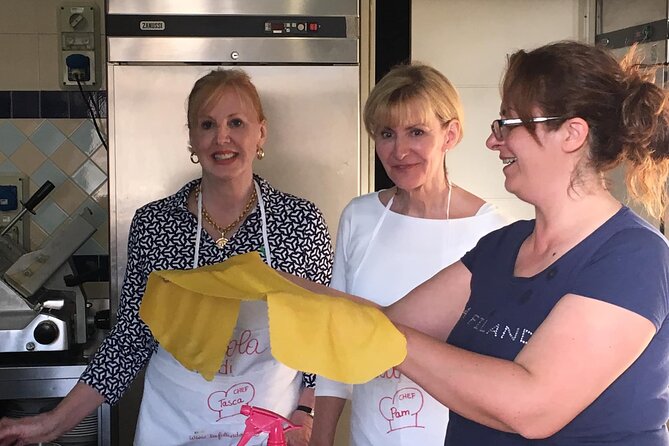
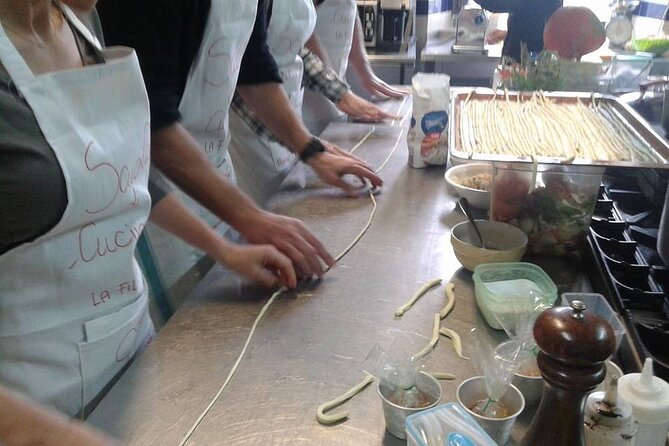
One of the menu anchors is Pici all’aglione—a local, handmade pasta served with garlic, oil, and tomato sauce. Even if you’ve never heard the word pici before, the flavors are very familiar: garlic and olive oil with tomato.
The practical value here is that pici teaches you how to think about pasta texture and sauce grip. The sauce is built from a few classic components, but the balance matters. If the garlic is too aggressive or the oil too heavy, the whole dish changes. Making it hands-on is what turns it from a dish you’ve tasted once into something you can recreate.
Chef Barbara’s teaching style matters too. The class is described as encouraging you to roll up your sleeves and try the techniques yourself. That’s exactly what you want for pasta learning—hands-on correction, not vague tips.
Building the Main Course: Lasagna, Tortelli, or Tagliatelle
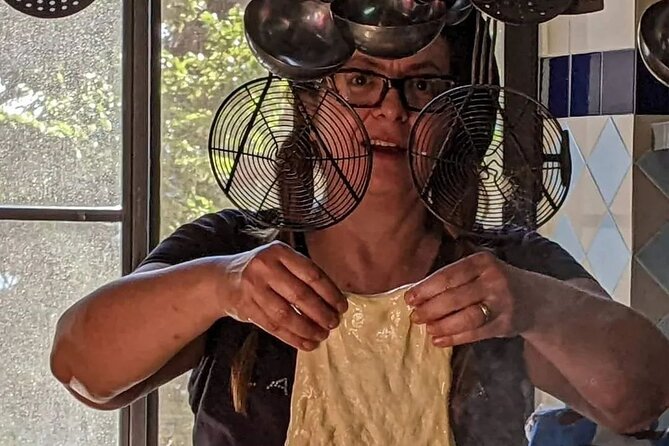
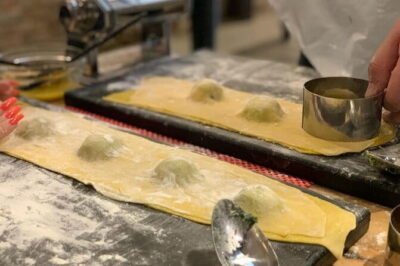
The main course portion also includes pasta work with options named in the menu: lasagna, tortelli, and tagliatella. You’ll learn to prepare pasta dough and then cut, spread, and shape it, plus you’ll work on sauces that include meat and seasonal vegetables.
This section is where the class feels most like a real cooking block. You’re not just doing one task. You’re coordinating dough preparation with sauce steps, then timing the cooking so your meal lands at the table while everything is at its best.
If you’re the type who loves understanding technique, this is also the part where you’ll notice how different shapes behave:
- some hold sauce differently
- some change bite and chew
- some make it easier to portion into consistent servings
You don’t need to memorize every detail to benefit. You’ll get the recipe book afterward, and the lesson gives you the logic to follow it.
Other Tuscany kitchens to cook a meal in
The Starter Step: Focaccia, Pizza, and Schiacciatte
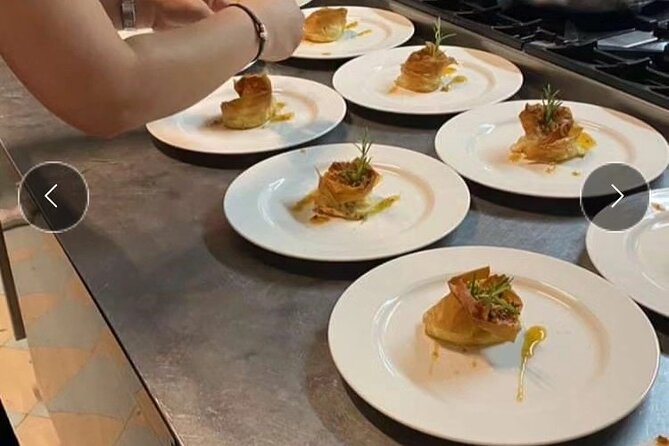
Before the heavier mains fully take over, the class includes a starter component with focaccia, pizza, and schiacciatte. The description emphasizes that you’ll learn a simple recipe that results in a soft, fluffy texture with a golden finish, relying on olive oil for that classic richness.
This part is a good “confidence builder.” It’s less about building multiple layers and more about working dough to the point where it becomes tender and aromatic. If you’ve ever struggled with home bread that turns out tough, this is the section that may give you the clearest takeaways for texture.
Also, starters are a practical way to taste along the way. You get to understand what your class tastes like before the final plate. That helps you adjust your expectations, especially if you’re someone who likes your salt levels or olive oil intensity consistent.
Cantuccini and Vin Santo: The Dessert That Completes the Lesson
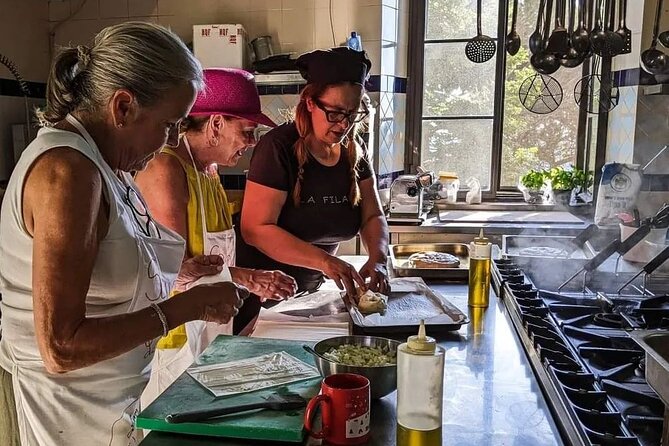
For dessert, you’ll make cantuccini (cantucci). This is a classic Tuscan cookie baked in a traditional way and served alongside vin santo, which is described as a must.
The value here is cultural and practical. Cookies like cantucci are deceptively simple, but the “right” outcome depends on technique: how the dough is formed, baked, and ultimately served. By making it in class, you learn what success looks like and what you might change at home if your oven runs hot or cool.
And yes, the pairing matters. Vin santo is part of what makes this dessert feel complete. Even if you don’t drink wine often, you’ll understand why this combination is treated as classic rather than optional.
Lunch or Dinner Served: Eating What You Made
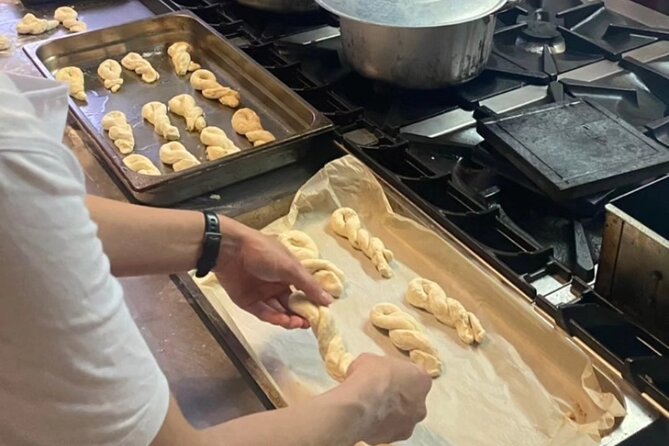
After you finish cooking, you sit down to a table to enjoy the lunch or dinner you’ve just made. The food tasting is included, and it’s described as being served with room service.
I love this format because it turns the day into a full meal experience rather than a quick sample at the end. You’re not just tasting ingredients to judge seasoning. You’re eating an actual plated outcome of your work.
You’ll also have bottled water included. Since alcohol isn’t part of the package, this is the basic refreshment you can count on while the food comes out.
Wine Choices Are Extra, So Decide Before You Order
Alcoholic beverages are not included. If you want wine, you choose separately from the restaurant’s wine list.
This matters for value. The cooking fee covers the chef-led, hands-on instruction plus the included meal and materials (apron, recipe book, water). If you add wine on top, the experience can shift from “great deal” to “great day with extras,” depending on what you select.
Practical move: if you’re going as a couple or small group, look at the wine list together and decide whether you want one bottle to share or individual pours. It keeps the night from turning into an argument while you’re hungry.
What’s Included (and What You’ll Need to Bring)
Included in the fee:
- Apron
- Bottled water
- Recipe book
- Tasting of the food you prepare, served after class
Not included:
- Alcoholic beverages (you can add wine from the wine list)
That recipe book is a big deal. Cooking classes can fall into two categories: you learn a few steps and forget everything, or you leave with a usable set of instructions. A recipe book helps the second category happen.
As for what you should bring: the class provides an apron, so you don’t need to worry about that. Wear comfortable clothes you don’t mind getting flour or sauce on—this is hands-on work.
Price and Value: Is $213.03 Worth It?
At $213.03 per person, you’re paying for a few things at once:
1) Private instruction by Chef Barbara in her professional kitchen
2) A full hands-on menu experience (pasta work, starter prep, and dessert)
3) The meal itself—lunch or dinner—built from what you cooked
4) Materials that support repeat cooking later (apron and recipe book)
The price isn’t “cheap.” It’s in the range where you should expect quality teaching and a serious kitchen setup. The upside is that you’re not just watching a performance. You leave with a multi-course menu outcome and a better understanding of Tuscan staples like pici, garlic-oil-tomato sauces, and cantuccini tradition.
If you’re a solo diner, it can still be worth it because the chef-led attention is focused on your group. If you’re splitting the cost across friends or family, the value generally feels even better because everyone benefits from the instruction and shares the meal experience.
Who Should Book This Cooking Class?
This class is a good match if you:
- want a real cooking session with technique, not a demo
- enjoy classic Tuscan flavors and want to make them at home later
- like learning from a teacher with personality and practical tips—Chef Barbara’s humor and encouragement are specifically mentioned
- are traveling with family or a group and want something active that doesn’t feel stiff
It’s also a solid choice for corporate team-building since the format is described as accommodating groups like that. Cooking naturally creates shared moments and small teamwork tasks.
If you’re strictly looking for sightseeing or you want a mostly passive experience, you may find the hands-on cooking demanding. This is meant for people who want to participate.
Should You Book with Chef Barbara?
Yes, if your ideal vacation day includes learning by doing in a professional kitchen and then eating a meal that you created. The menu is classic Tuscan, the teaching is interactive, and the private format helps you get real help rather than generic guidance.
I’d skip it only if you know you won’t enjoy hands-on work or if you’re counting on alcohol being included. With wine as an add-on, budget a little extra if you want pairings.
Overall, this feels like a high-value Tuscany experience because it connects place, food, and technique in a tight time window—without the guesswork of what you’ll actually learn.
FAQ
Where is the cooking class located?
It meets at La Filanda, Via Marsala 8, 58014 Manciano GR, Italy.
What time does the class start?
The start time is 10:30 am.
How long is the experience?
It’s listed as about 4 hours (approx.), and the total experience is described as lasting about 3 hours.
Is the class taught in English?
Yes, it’s offered in English.
Is this a private class?
Yes. It’s a private tour/activity, so only your group participates.
What menu items will I cook?
The menu includes Pici all’aglione, lasagna / tortelli / tagliatelle options, focaccia / pizza / schiacciatte, and cantuccini.
Is vin santo included with the dessert?
The dessert is described as served with vin santo, described as a must for the traditional style.
What’s included in the price?
Included items are an apron, recipes book, and bottled water, plus a tasting of the food you prepared (served as lunch or dinner with room service).
Are alcoholic beverages included?
No. Alcoholic beverages are not included, and wine can be chosen separately from the wine list.
What is the cancellation policy?
You can cancel for a full refund up to 24 hours in advance of the experience start time. If you cancel less than 24 hours before start, the amount paid is not refunded.
More Kitchens to Try
- Traditional Farmhouse Cooking Experience in Lucca with Lunch or Dinner
★ 5.0 · 34 reviews - Tuscan Cooking Class
★ 5.0 · 8 reviews - Private Home-Made Pasta Cooking Class in Pisa.
★ 5.0 · 8 reviews - Siena: Organic Cooking Class & Tastings
★ 5.0 · 6 reviews - Tuscany: Cake and Biscuit Cooking Class for Kids
★ 5.0 · 5 reviews
More Tuscany Tours We Have Reviewed
- Canyon Zip Line
★ 5.0 · 225 reviews - Water Trekking Classic
★ 5.0 · 156 reviews - Full rafting
★ 5.0 · 134 reviews - Wine Tasting & Tuscany Countryside, San Gimignano & Volterra
★ 5.0 · 77 reviews - Visit to the Cellar with Wine & Food Tasting over the Val d’Orcia
★ 5.0 · 41 reviews
More Tuscany Cooking Classes
- Traditional Farmhouse Cooking Experience in Lucca with Lunch or Dinner
★ 5.0 · 34 reviews - Tuscan Cooking Class
★ 5.0 · 8 reviews - Private Home-Made Pasta Cooking Class in Pisa.
★ 5.0 · 8 reviews - Siena: Organic Cooking Class & Tastings
★ 5.0 · 6 reviews - Tuscany: Cake and Biscuit Cooking Class for Kids
★ 5.0 · 5 reviews
Fresh from our Tuscany review desk
- Dining experience at a local’s home in Massarosa with cooking demo★ 5.0 · 3 reviews
- Wine tasting and guided tour of the cellar★ 4.5 · 3 reviews
- Pisa and Wine Tasting in Tuscany from Livorno★ 5.0 · 3 reviews
- Exclusive Private Half Day Shore Excursion from Livorno port to Pisa★ 4.5 · 3 reviews
- Daily excursions and guaranteed fun in Argentario★ 5.0 · 3 reviews
- Horsemanship Experience★ 5.0 · 4 reviews
Florence Cooking Classes, compared.
 ★ 4.9Pasta Cooking Class with Unlimited WineFrom $2110,285 reviews
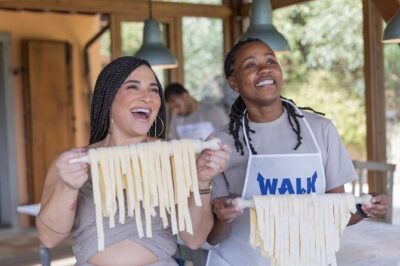 ★ 5.0Florence Pizza or Pasta Class with Gelato Making at a Tuscan FarmFrom $1456,801 reviews
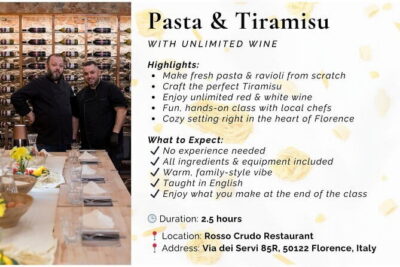 ★ 4.9Pasta & Tiramisu Cooking Class with Unlimited WineFrom $566,708 reviews
★ 5.0Pasta Cooking Class with Unlimited Wine6,413 reviews
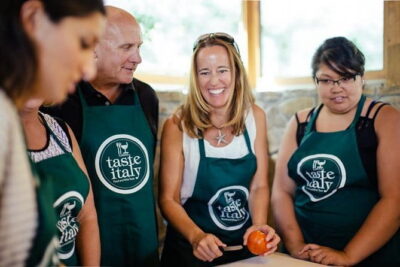 ★ 5.0Cooking Class and Lunch at a Tuscan Farmhouse with Local Market Tour from FlorenceFrom $1454,831 reviews
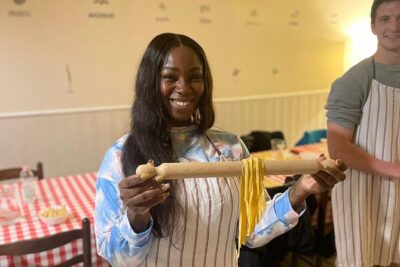 ★ 5.0Pastamania – Florence Pasta Making ClassFrom $493,050 reviews
 ★ 5.0Cooking Class Pasta & Tiramisu Making Unlimited WineFrom $892,234 reviews
 ★ 5.0Florence Cooking Class The Art of Making Gelato & Authentic PizzaFrom $642,053 reviews
Browse the lists this tour appears in