
Reviewed · PISA DAY TRIPS FROM FLORENCE
Private Home-Made Pasta Cooking Class in Pisa.
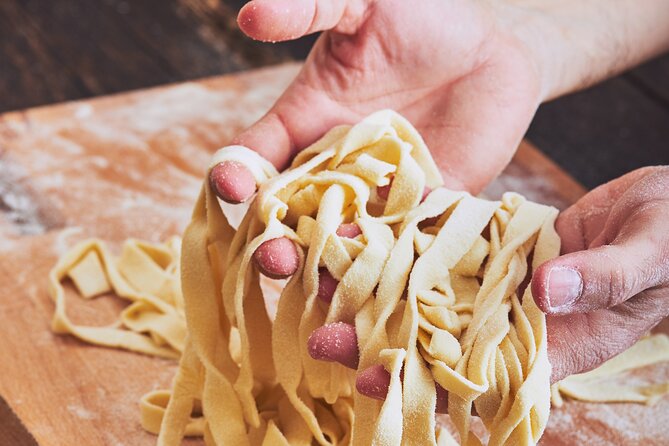
Fresh pasta beats any souvenir. This private class near Pisa teaches you how to make handmade pasta step by step, then turns your work into a proper Tuscan meal on a farm with an olive grove.
What I like most is the small, private setup and the fact that ingredients are sourced from the farm or locally, so the flavors feel connected to the land. The only real drawback to plan for is the 4-hour block of time, since you’ll be picked up, cooked, and dropped back off with a full itinerary.
You’re not just watching. You’re working the dough, asking questions, and eating what you made with wine at the same table. If you’re hoping for a quick photo stop, this isn’t that. If you want a slower, hands-on evening of Tuscan food culture, it fits well.
In This Review
- Key highlights to know before you go
- A farm-house pasta lesson 15 minutes from Pisa
- Price and value: why $150.34 feels fair for private cooking
- From pickup to welcome wine: getting comfortable fast
- Kneading dough with guided, step-by-step teaching
- The olive grove break: what happens while dough rests
- Aperitivo, main, and dessert: turning your pasta into a full meal
- Private attention, relaxed hosts, and the family-table feel
- What you take home: recipe cards and real skills for later
- Who this Pisa pasta class is best for
- Should you book this private pasta class in Pisa?
- FAQ
- Where is the pasta class located?
- How long is the experience?
- Is transportation included?
- Is this tour private?
- What food is included?
- Do you tour the farm?
- Do you get anything to take home?
Key highlights to know before you go
- Private pasta lesson in a traditional farm house, with only your group taking part
- Farm-to-table ingredients, sourced from the farm or locally
- Aperitivo, main, and dessert included, served with local wine
- Pickup and drop-off with flexible logistics in Pisa or Lucca
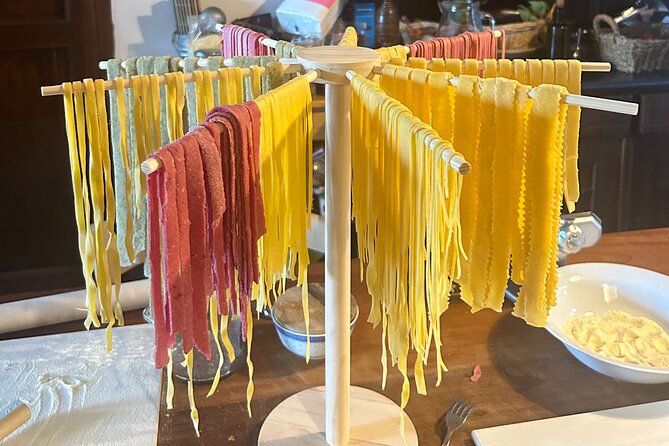
- Chef-led guidance as you knead, shape, and learn the dough basics
- Olive grove farm stroll while the pasta rests, so you’re not stuck waiting around
Leaning Tower calling? More Pisa runs from Tuscany
A farm-house pasta lesson 15 minutes from Pisa
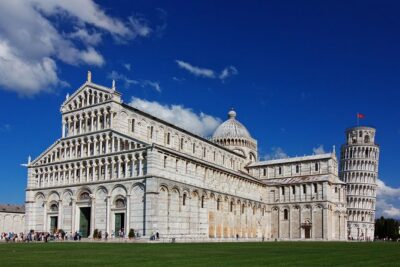
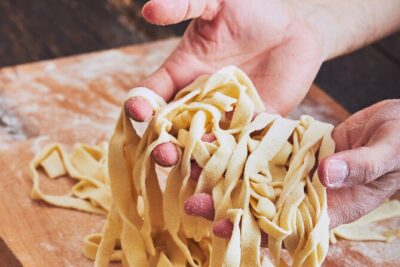
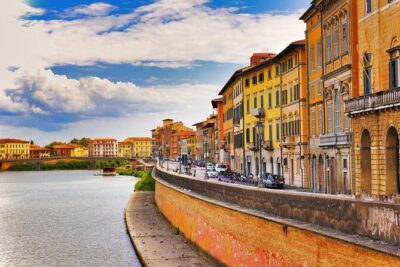
Pisa is great for ticking off sights fast. But if you want the slower side of Tuscany, this class changes the pace in a good way. The farm location is about 15 minutes from Pisa city center, so you’re close enough to make it an easy add-on, yet far enough to feel like you left the city behind.
The setting matters. The class happens in a traditional Italian house on a farm and olive grove, which gives the experience a lived-in feel. You’re not standing in a demo room. You’re learning in a home-style environment where cooking is part of daily life.
The “farm” piece isn’t just scenery either. You get a short tour when the dough rests. That break is practical: it keeps you engaged while timing the cooking. And it also makes the meal feel grounded, because olive groves are Tuscany’s quiet background music.
If you tend to get restless in long city tours, you’ll probably like the rhythm here: drive in, settle with drinks, cook together, tour the grounds, eat what you made.
Price and value: why $150.34 feels fair for private cooking
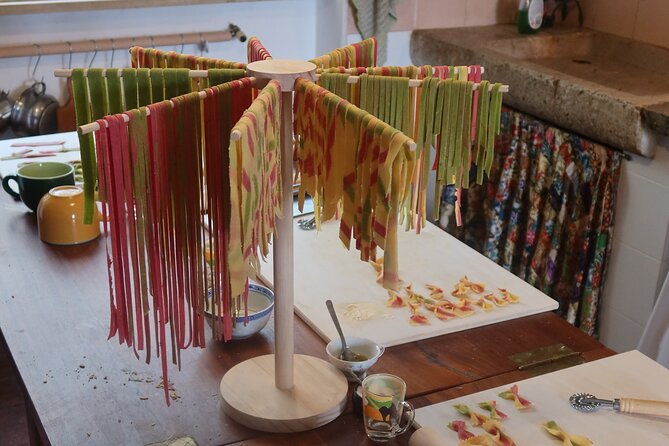
At $150.34 per person, this isn’t a budget activity. But it’s also not an expensive luxury with nothing behind it. You’re paying for a private 4-hour cooking experience, including transportation options and multiple courses of food and wine.
Here’s how I think about value with this kind of class:
- You get hands-on instruction while making pasta from scratch, not just a viewing session.
- You’re fed a full meal: aperitivo, a main course, and dessert, with local wine.
- The ingredients are sourced from the farm or locally, which usually means better flavor and less “generic cooking class” energy.
- Personalized guidance from the chef is part of the price, and that makes a difference when you’re learning kneading and shaping.
For me, the best value comes from the private format. You can ask questions, you can get help right when you need it, and the chef can steer you away from common dough mistakes. In a group class, you often lose that one-on-one attention. Here, the teaching is built around your group.
If you’re traveling as a couple, this is also a nice way to spend a few hours that feels more like a Tuscan memory than a checklist item.
From pickup to welcome wine: getting comfortable fast
Your experience starts with a smooth transition out of Pisa. There’s pickup offered from the meeting point, and it’s a short 15–20 minute drive to the farm. In practice, that saves energy. You don’t have to problem-solve transportation while you’re trying to enjoy your day.
Once you arrive, you’ll be welcomed with drinks: local wine and refreshments. This part is small, but it’s smart. It gives you time to settle in, meet the hosts, and get into the mood before dough shows up. It also turns the class into something social, not only instructional.
Then you get the real work portion: hands-on pasta making led by the chef. What I like here is the pacing. The welcome drinks and the laid-back farm setting keep the vibe relaxed, so you’re not stressed about learning a new skill in front of strangers.
If you’re the type who enjoys being fed while you learn, you’ll appreciate how the meal is built into the experience. You’re not left hungry after the cooking steps. You’re guided from dough to table.
Kneading dough with guided, step-by-step teaching
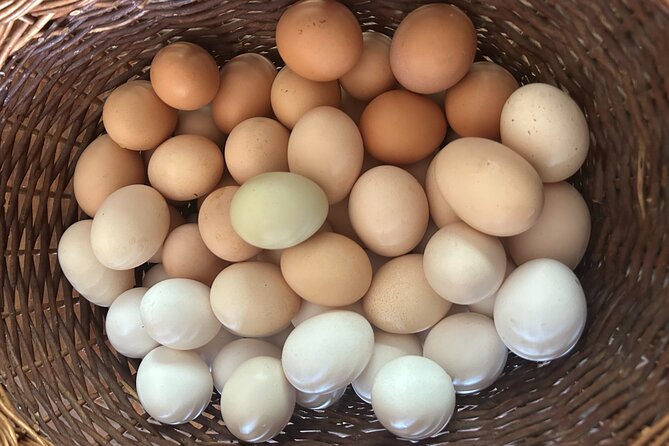
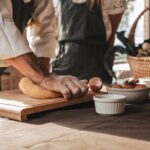
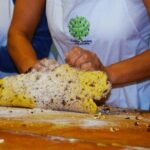
This is a pasta class focused on doing, not watching. The chef demonstrates pasta dough from scratch, then you roll up your sleeves and get practical with kneading and shaping.
What matters most for your success is the guidance. Good pasta dough is all about feel: texture, elasticity, and how the dough responds when you work it. Since the instruction is personalized, you’re less likely to end up with dough that’s too dry or too sticky.
A helpful detail from the experience’s teaching style is how clearly the steps are explained. In one account, a host named Dante was praised for walking through each stage. That matches the overall approach: the process is broken down so you can follow along, correct quickly, and feel confident by the time you start shaping.
You’ll likely want to keep expectations realistic. Your first batch won’t look like it came from an Italian nonna’s hands. That’s not the point. The point is understanding what to look for and what to adjust. When you leave with working dough instincts, you can recreate the experience back home.
Also, since the class is private, you won’t spend time waiting for your turn. The chef can stay focused on your pace, which makes learning much easier.
The olive grove break: what happens while dough rests
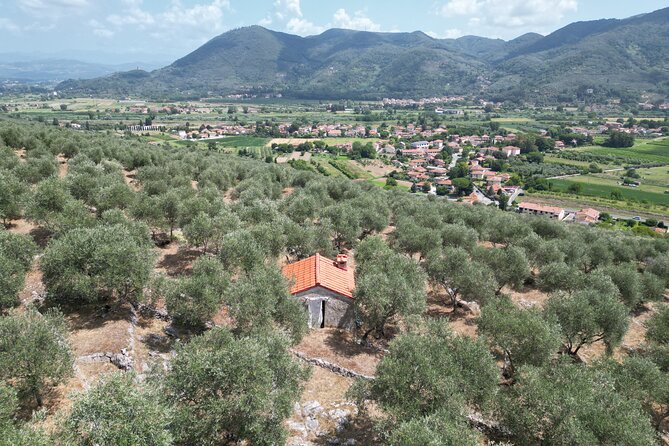
One of the smartest tricks in a cooking class is using downtime well. Here, while the dough rests, you get to walk through the olive farm and gardens. It’s a simple add-on, but it keeps the whole experience from feeling like a nonstop kitchen session.
The benefit for you is mental reset. Dough needs time. So instead of sitting around, you’re outside, moving a bit, and looking at the environment that makes olive-based Tuscan flavors make sense.
This farm stroll also gives you something to connect with as you eat later. You’re tasting a meal that comes from a place, not just from a kitchen. Even if you don’t consider yourself a “farm tour person,” this break is short enough to stay enjoyable.
Keep your expectations flexible. You’re on a working farm with gardens, paths, and olive trees. Wear shoes you’re comfortable walking in, since you’ll likely spend at least a few minutes outside.
Roll up your sleeves for another Tuscany cooking class
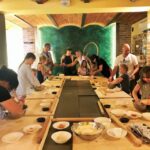
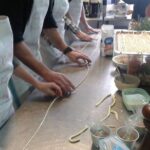
Aperitivo, main, and dessert: turning your pasta into a full meal
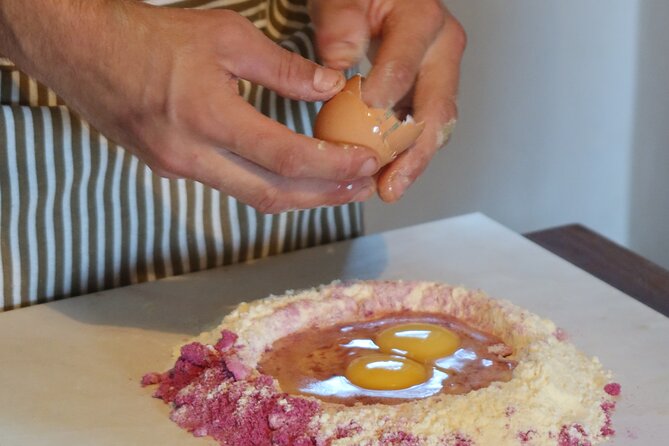
Now for the part most people actually care about: the food. You’ll enjoy 3 dishes from the area:
- Aperitivo
- Main course (with the sauce of the day)
- Dessert
Local wine accompanies the meal, and the structure makes it feel like a true Tuscan dining experience rather than a snack between cooking steps.
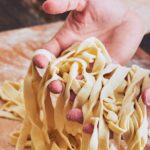
The key thing is that you eat what you made. You gather around the table while your pasta cooks, then the class shifts naturally from technique to tasting. That’s where the learning clicks. You get to experience how dough handling, thickness, and shape choices show up on the plate.
The sauce of the day is also part of the deal, which matters because pasta is only half the story. Different shapes handle sauce differently, and eating right away helps you build that understanding without overthinking it.
Dessert closes things out with a local sweet treat. It’s a nice finish to a class that’s also a meal experience. You leave full, not just informed.
If you’re a foodie, you’ll probably love the combination of hands-on cooking plus a proper sit-down lunch. If you’re not, you’ll still get value because you’re guaranteed to eat well, and the wine pairing helps the whole afternoon feel cohesive.
Private attention, relaxed hosts, and the family-table feel
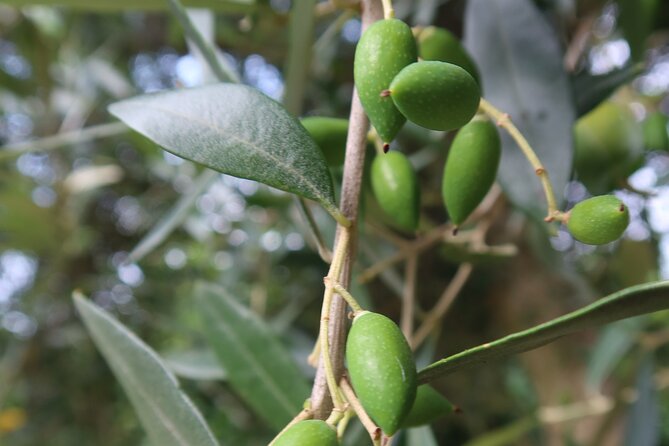
The overall tone is intimate and welcoming. This is a private activity, so only your group participates. That changes the energy immediately: the chef and hosts can speak directly to you, your questions get answered without time pressure, and the class feels more like an invitation than a scheduled performance.
In one review, hosts were described as extremely welcoming, with lots of questions encouraged. That’s exactly the kind of setup that makes learning easier. If you get stuck on a step, you don’t have to wait for a random moment to ask. Someone is there with you.
The most helpful part of this kind of host attention is how it affects your confidence. Pasta making can feel technical until someone explains the logic behind the dough. Once it makes sense, shaping becomes less intimidating.
Also, this class is built on a warm family-table rhythm. After the cooking, you eat with the family. That detail turns the meal into something you remember, not just something you consume.
What you take home: recipe cards and real skills for later
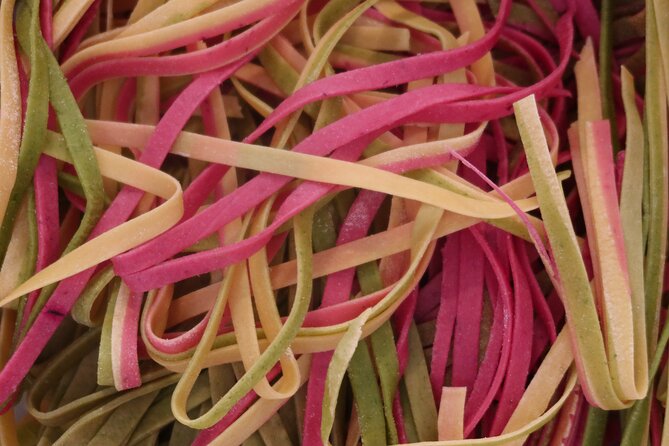
A good cooking class ends when you can recreate the results. This one gives you recipe cards and tips so you can try again at home. That’s important because it’s easy to forget details after a trip.
I recommend using the recipe cards in a practical way:
- Make notes while the taste is fresh in your memory.
- Don’t try to copy the exact same thickness on day one. Focus on the feel the dough gives you.
- If you can, recreate one core technique first: kneading consistency or shaping style.
Because the class is private and guided, you’re more likely to leave with usable outcomes. You’re not just learning steps you won’t remember. You’re learning how to judge dough and how to shape it so it cooks well.
The take-home tips also help with sourcing and timing, which is where people usually get stuck when cooking at home. The class environment and farm ingredient story can motivate you to look for local basics, too.
Who this Pisa pasta class is best for
This experience fits especially well if you:
- Want a hands-on food activity that feels authentic
- Like small-group or private moments more than large tour groups
- Enjoy learning cooking basics you can repeat later
- Are traveling with a partner or small circle and want an experience that feels personal
It’s also a smart choice if you’re doing Pisa and want a Tuscan contrast. The city has big sights, but the farm setting and homemade pasta teach you a different side of the region.
If you’re short on time, check your schedule. A 4-hour class is an afternoon commitment. And since pickup and drop-off are part of the experience flow, it’s not ideal if you need to jump around immediately after.
Should you book this private pasta class in Pisa?
Book it if you want a Tuscany experience that mixes skill-building with a real meal in a real farm setting. The private format, farm-sourced/local ingredients, chef guidance, and the included aperitivo, main, and dessert with wine make the price easier to justify.
I’d skip it only if you’re looking for a quick sightseeing stop or you dislike kitchen time. If you’re ready to roll up your sleeves and learn with personal attention, this is the kind of class that can turn into a go-to memory long after Pisa’s monuments fade from your photos.
FAQ
Where is the pasta class located?
It takes place on a farm and olive grove in a traditional Italian house about 15 minutes from Pisa City Center in Tuscany.
How long is the experience?
The class lasts about 4 hours.
Is transportation included?
Pickup is offered from the meeting point, and you’ll be dropped back to your hotel or accommodation, or to your pickup point in Pisa or Lucca.
Is this tour private?
Yes. It’s a private activity, and only your group participates.
What food is included?
You’ll enjoy 3 local dishes: an aperitivo, a main course (with the sauce of the day), and a local dessert, plus local wine.
Do you tour the farm?
Yes. After the chef has you work on the pasta and the dough rests, you can stroll through the olive farm and gardens.
Do you get anything to take home?
Yes. You receive recipe cards and tips to help you recreate the pasta dishes at home.
More Tuscany Tours We Have Reviewed
- Canyon Zip Line
★ 5.0 · 225 reviews - Water Trekking Classic
★ 5.0 · 156 reviews - Full rafting
★ 5.0 · 134 reviews - Wine Tasting & Tuscany Countryside, San Gimignano & Volterra
★ 5.0 · 77 reviews - Visit to the Cellar with Wine & Food Tasting over the Val d’Orcia
★ 5.0 · 41 reviews
More Tuscany Cooking Classes
- Traditional Farmhouse Cooking Experience in Lucca with Lunch or Dinner
★ 5.0 · 34 reviews - Tuscan Cooking Class
★ 5.0 · 8 reviews - Siena: Organic Cooking Class & Tastings
★ 5.0 · 6 reviews - Tuscany: Cake and Biscuit Cooking Class for Kids
★ 5.0 · 5 reviews - Cooking Class in a professional kitchen by a professional Chef
★ 5.0 · 4 reviews
More Pisa Day Trips from Tuscany
- Livorno Shore Excursion: Pisa, Florence and Chianti Wine Private Day Trip
★ 5.0 · 21 reviews - Private Shore excursion from Livorno to Florence and Pisa
★ 4.5 · 17 reviews - Pisa and Wine Tasting in Tuscany from Livorno
★ 5.0 · 3 reviews - Exclusive Private Half Day Shore Excursion from Livorno port to Pisa
★ 4.5 · 3 reviews
Fresh from our Tuscany review desk
- Dining experience at a local’s home in Massarosa with cooking demo★ 5.0 · 3 reviews
- Wine tasting and guided tour of the cellar★ 4.5 · 3 reviews
- Pisa and Wine Tasting in Tuscany from Livorno★ 5.0 · 3 reviews
- Exclusive Private Half Day Shore Excursion from Livorno port to Pisa★ 4.5 · 3 reviews
- Daily excursions and guaranteed fun in Argentario★ 5.0 · 3 reviews
- Horsemanship Experience★ 5.0 · 4 reviews
Pisa Day Trips from Florence, compared.
 ★ 5.0Tuscany Day Trip from Florence: Siena, San Gimignano, Pisa and Lunch at a WineryFrom $11421,634 reviews
 ★ 4.6Pisa, Siena and San Gimignano Day Trip with LunchFrom $589,771 reviews
 ★ 5.0Cinque Terre Day Trip with Optional Hiking or PisaFrom $668,486 reviews
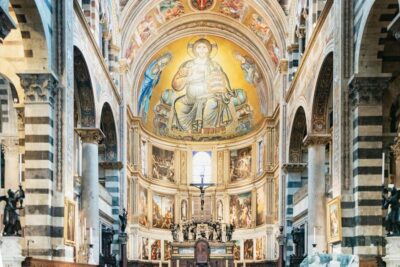 ★ 4.5Pisa, Siena, San Gimignano, and Chianti ExperienceFrom $528,393 reviews
 ★ 4.5Pisa, Siena and San Gimignano Day Trip with Lunch & Wine PairingFrom $786,006 reviews
 ★ 4.9Cinque Terre Day Trip with Optional Hiking or PisaFrom $654,848 reviews
 ★ 4.8From Florence: Siena, San Gimignano, Pisa & Lunch at WineryFrom $1124,538 reviews
 ★ 4.6Pisa, Siena, S. Gimignano, Chianti Wine & LunchFrom $774,354 reviews
Browse the lists this tour appears in