
Reviewed · WALKING TOURS
Florence: Heart of Florence Guided Walking Tour
Medici streets and cathedral domes, all on foot. This guided walking tour threads through Florence’s religious and political center, from San Lorenzo to Piazza del Duomo and Piazza Signoria, then keeps rolling toward Ponte Vecchio. You’ll get the big landmarks plus the smaller details that help everything click.
What I like most is how the route ties power to place. You start in the Medici orbit (including the Palazzo Medici Riccardi and the Medici chapels area) and you’ll even walk along narrow streets with the same kind of stone used for building residences. Second, the tour hits the Duomo complex and the city’s public squares in a way that helps you understand what you’re seeing, not just where it is—Brunelleschi’s dome, the Baptistery of San Giovanni, Giotto’s bell tower, then Fountain of Neptune and Palazzo Vecchio.
One thing to consider: guide experience can vary, and timing matters. There’s at least one reported case of a missing guide at the meeting point, and another mention of late arrival and fast speech, so I’d plan a little patience and make sure you’re at the meeting spot on time with backup contact ready.
In This Review
- Key things to know before you go
- Why This Walk Works: Florence’s Power, Faith, and Street-Level Detail
- Starting in San Lorenzo: Medici Stones and Palazzo Medici Riccardi
- The Duomo Complex Without the Headache: Brunelleschi, Baptistery, Giotto
- Via Calzaioli to Orsanmichele and Mercato della Paglia
- Piazza Signoria to Ponte Vecchio: Florence’s Outdoor Museum
- Price and Logistics: What $27 Buys You in Real Florence Time
- Combo Options: Adding Uffizi and a Guided Duomo Visit
- Lunch Add-On: When a Set Menu Makes Sense
- Guide Quality and Group Reality: What to Expect in the Real World
- Should You Book This Tour?
- FAQ
- How long is the Florence guided walking tour?
- What are the main places this tour covers?
- What languages are available?
- Do I need to bring anything?
- Are headphones provided?
- Is there a combo option with other Florence tours?
- Is lunch included?
Key things to know before you go
- Medici-to-Duomo storyline: You’re not just checking boxes; the guide connects families, churches, and civic power.
- Duomo landmarks in one sweep: Brunelleschi’s dome, San Giovanni Baptistery, and Giotto’s bell tower are covered in a tight route.
- Piazza Signoria as an outdoor museum: Expect Neptune’s fountain, Loggia dei Lanzi, and the Palazzo Vecchio area.
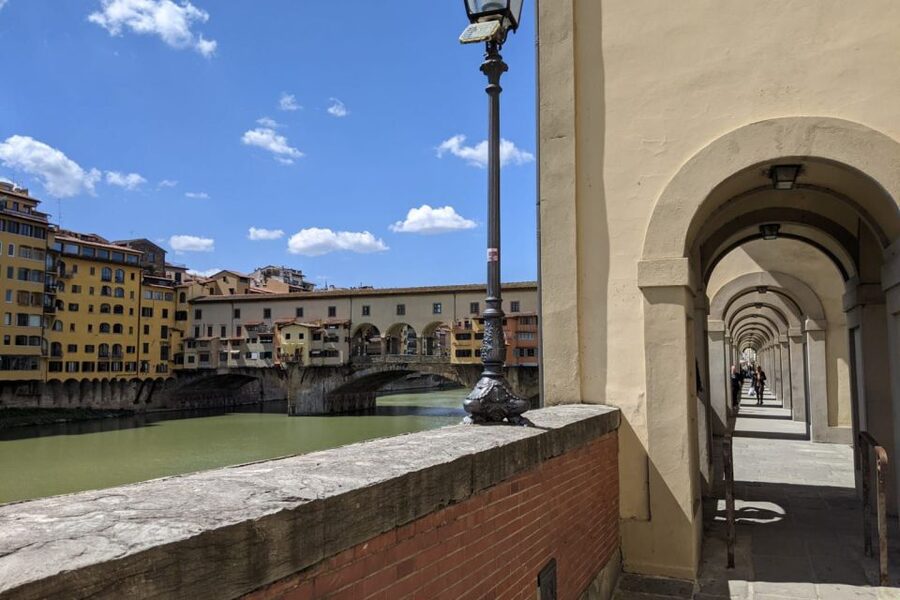
- Ponte Vecchio walk-through: You’ll reach the oldest bridge and its famous jewelry shops.
- Group setup supports listening: Headphones are provided for groups over 10.
- Order can change: The stops are the same type of highlights, but the sequence may shift.
Stretch your legs on more Florence walking tours
Why This Walk Works: Florence’s Power, Faith, and Street-Level Detail
Florence can feel like a string of separate sights. This tour helps you see the city as a system—who ruled, where they built, and how faith and politics braided together in public life. You start in the Medici family area, then you move into the religious core, then you end up in the political heart around Piazza Signoria.
That structure is practical for your day. With just 1.5 to 2.5 hours, you can’t wander freely and expect to learn much. Instead, you get a guided route that stops at the places that anchor your understanding of Florence: religious buildings that announce power through architecture, and squares that show civic life in stone.
The best part is that you’re walking through neighborhoods, not only standing at monuments. You’ll follow narrow streets, see churches like Orsanmichele along the way, and pass through market atmosphere at Mercato della Paglia. It’s the kind of route that makes you feel like you’re getting your bearings fast—then you can return later on your own with better context.
That said, because it’s a walking tour, you’ll want comfortable shoes and a willingness to keep moving. The route also includes visits to places of worship, which means you may need to dress in line with the site rules.
Starting in San Lorenzo: Medici Stones and Palazzo Medici Riccardi
The tour’s opening phase is all about the Medici influence—because in Florence, that influence isn’t just in textbooks, it’s in the street plan and the buildings you see around you. You start with the ancient Medici family district in the San Lorenzo area and walk along narrow lanes that connect to where residences once stood.
You’ll also get specific visual anchors, including the Palazzo Medici Riccardi and the Medici chapels and church area. Even if you don’t know the family story yet, the guide’s job is to give you the timeline and the reason these buildings mattered. The effect is that when you later glance at another palace facade or a church corner, it feels less random.
There’s another small detail that makes this part memorable: you’re not only looking; you’re noticing. You’ll be directed to stones and materials tied to the construction of those residences. That kind of attention changes the way you look at old cities. Instead of thinking, That’s pretty, you start thinking, That’s durable, that’s intentional, that’s a statement.
For a drawback: this early section sets the tone, but it can be a lot of names and context up front. If you’re someone who prefers photos and slower pacing, bring your focus—do not try to multitask with maps during the early stops. Let the guide build the story first, then you’ll be able to spot connections on your own.
The Duomo Complex Without the Headache: Brunelleschi, Baptistery, Giotto
Florence’s Duomo complex is the main event, but it can also be a confusing one if you’re doing it alone. This tour bundles the big three so you don’t waste time figuring out what’s what.
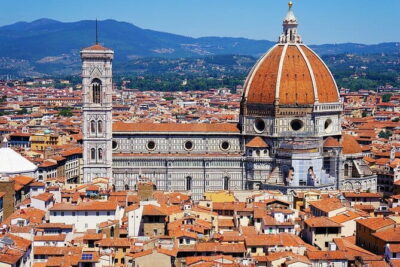
You’ll see the Cathedral with Brunelleschi’s dome, the Baptistery of San Giovanni, and Giotto’s bell tower. These buildings are different in function, but the tour helps you read them as a single visual and spiritual statement. The dome gets you the scale; the Baptistery brings in the rituals and symbolism of Florence’s religious center; Giotto’s bell tower shows how the city displayed prestige vertically.
What’s valuable here is not just the structures—it’s the way a good guide interprets them. With the dome, for example, you’ll get more than height trivia. You’ll get why the dome mattered and how it became a signature of Renaissance engineering and ambition. The Baptistery and bell tower get explained in the same spirit: they’re part of a civic-religious identity, not separate tourist stops.
Dress code is the main practical issue. Because the tour includes visits to places of worship, you’ll need to cover up as required at those sites. Plan for this early so you’re not stuck improvising in the middle of the route.
If you’re traveling with limited time, you’ll like this section most. You can’t do everything around the Duomo in 2 hours, but you can walk away understanding the main pieces and what to look for if you return.
Via Calzaioli to Orsanmichele and Mercato della Paglia
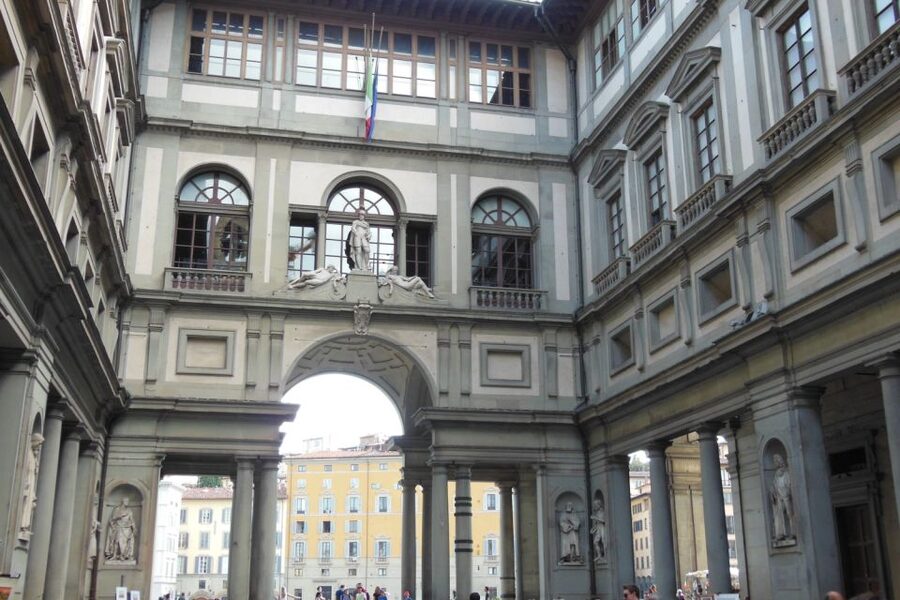
After the major church landmarks, the tour shifts into street-level Florence. Via Calzaioli is a key corridor, and you’ll travel through it while getting the sense of how locals moved between civic, religious, and commercial life.
Orsanmichele Church is one of the highlights here. It’s the kind of stop where a guided explanation pays off because the building sits in an everyday flow of streets rather than being a standalone, obvious monument. You’ll also pass or visit Mercato della Paglia, which adds atmosphere beyond architecture. Even if you don’t shop, you’ll feel the city’s everyday rhythm—more than just crowds around famous facades.
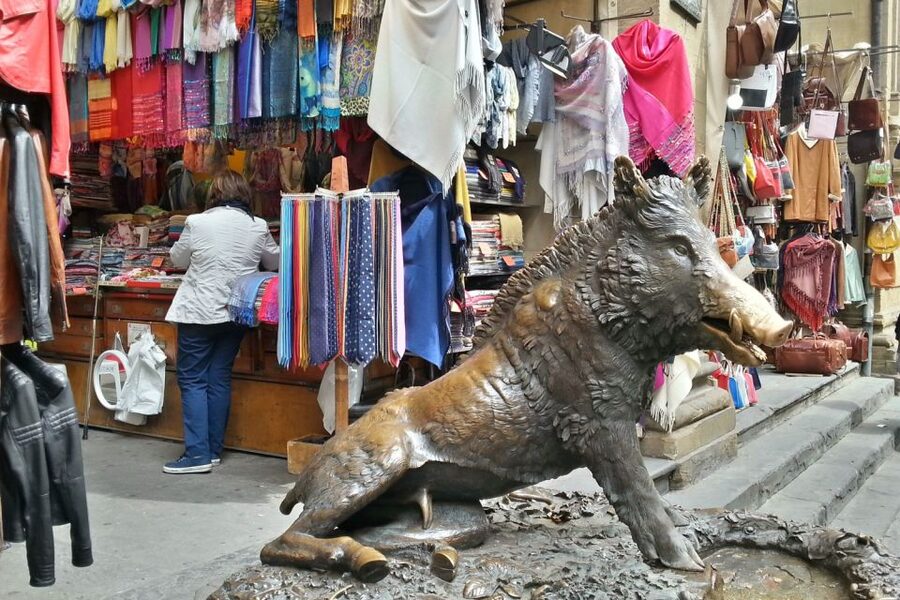
Then there’s the fun tradition: the porcellino. The guide will point you toward the famous statue and the practice of rubbing the nose for good luck. It’s a small tourist ritual, but that’s kind of the point. It gives you a light moment in a tour otherwise full of politics, churches, and power.
If you want a photo plan, this is the part where you’ll probably capture the most. The streets and market area offer angles that feel lived-in rather than staged. Still, keep expectations realistic: during busy periods you may have to wait for gaps in foot traffic.
One note: the order of stops may change depending on the day. If you’re hoping to time photos with the best light, don’t treat the schedule as fixed to the minute.
Piazza Signoria to Ponte Vecchio: Florence’s Outdoor Museum
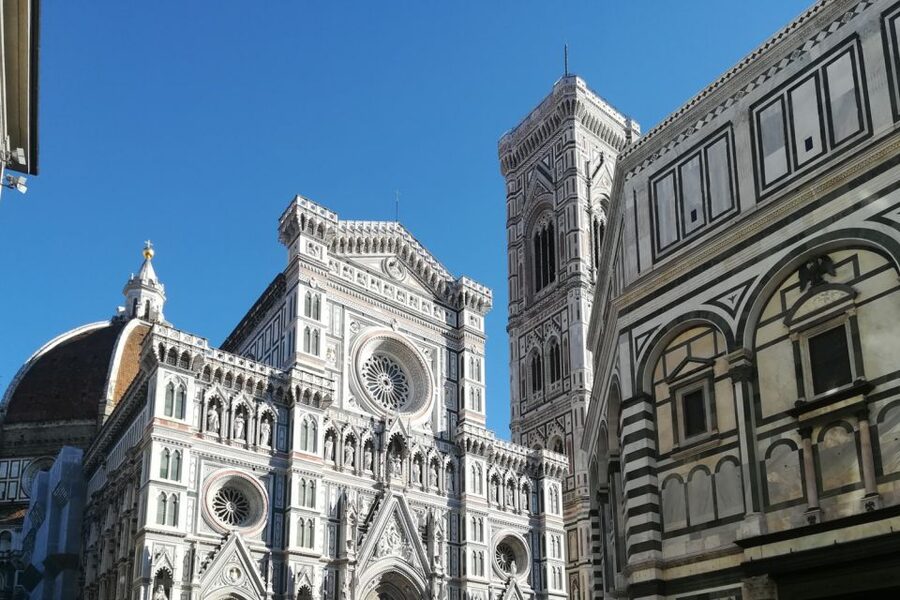
This is where Florence becomes theatrical in stone. Piazza Signoria is the political center, and it works as an outdoor museum—statues, civic buildings, and famous landmarks all in one public space.
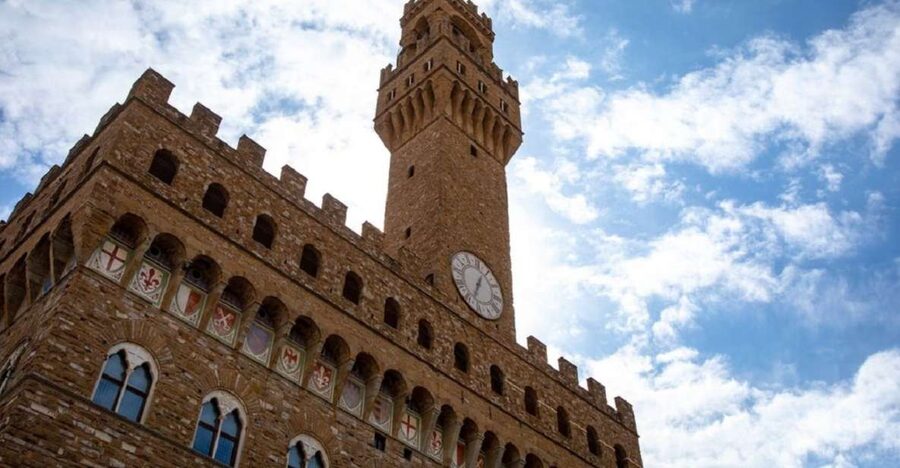
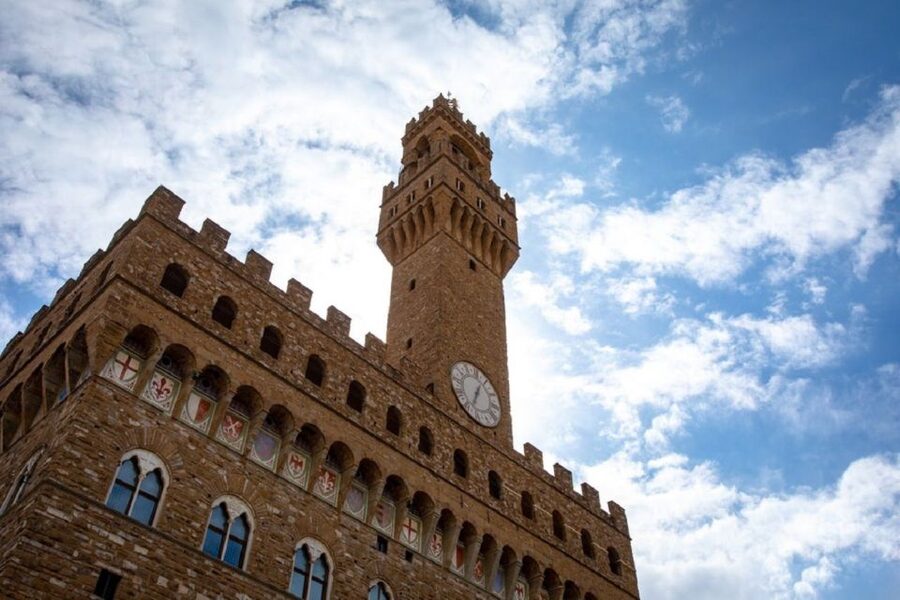
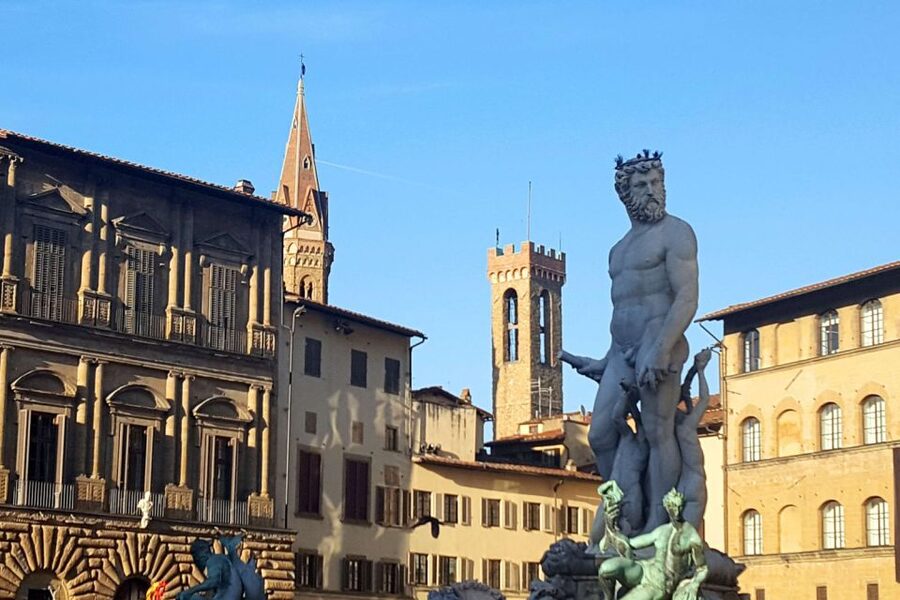
You’ll see the Fountain of Neptune and the Loggia dei Lanzi, plus you’ll get into the Palazzo Vecchio area, including the Arnolfo tower. The tour helps connect why this square mattered: it wasn’t only pretty, it was where power displayed itself and where Florence performed civic identity.
You may also pass through the Michelozzo courtyard area, which adds a quieter texture after the open-square views. Courtyards can feel like a reset button: less camera pressure, more detail, and a chance to slow your eyes down for a minute.
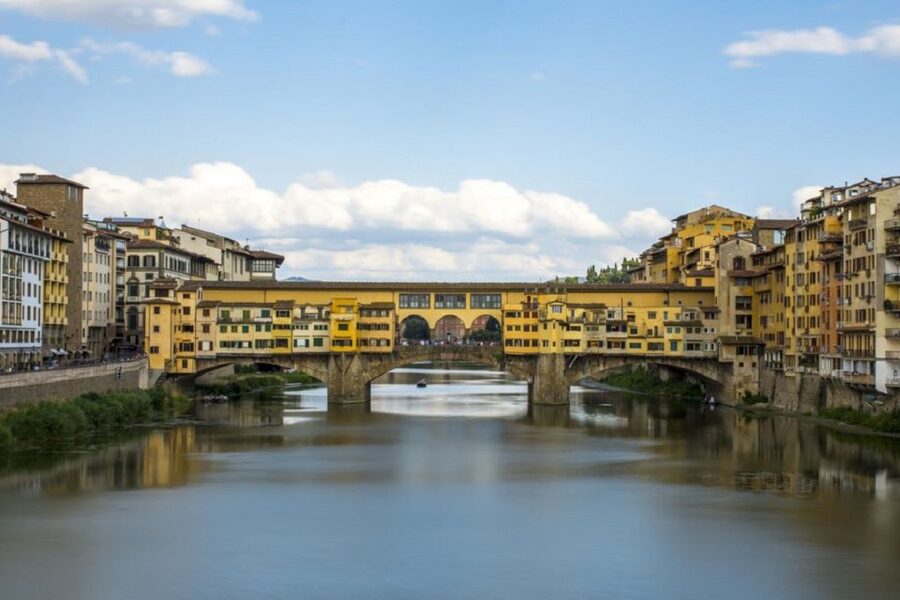
Then you reach Ponte Vecchio, the oldest bridge with its renowned jewelry shops. The bridge is famous for a reason—views here are part river, part city panorama, part people-watching. It’s also one of the best places to notice how Florence mixes commerce with heritage. You’ll see daily business happening in a historic setting, which helps the whole day feel coherent.
Potential drawback for this section: it can be crowded. If you’re claustrophobic or easily frustrated by tight photo waits, keep your expectations flexible. This tour is designed for storytelling while walking, not for getting unobstructed pictures every five seconds.
With a local guide, more of Florence to explore
- The Best tour in Florence: Renaissance & Medici Tales – guided by a STORYTELLER
★ 5.0 · 12,316 reviews
Price and Logistics: What $27 Buys You in Real Florence Time
At about $27 per person for 1.5 to 2.5 hours, this is a value-minded way to get structure in a short visit. The price makes the biggest difference when you use it strategically. If you’re staying only a day or two, or if it’s your first time in Florence, this tour helps you avoid the most common problem: wandering among headline sights without context.
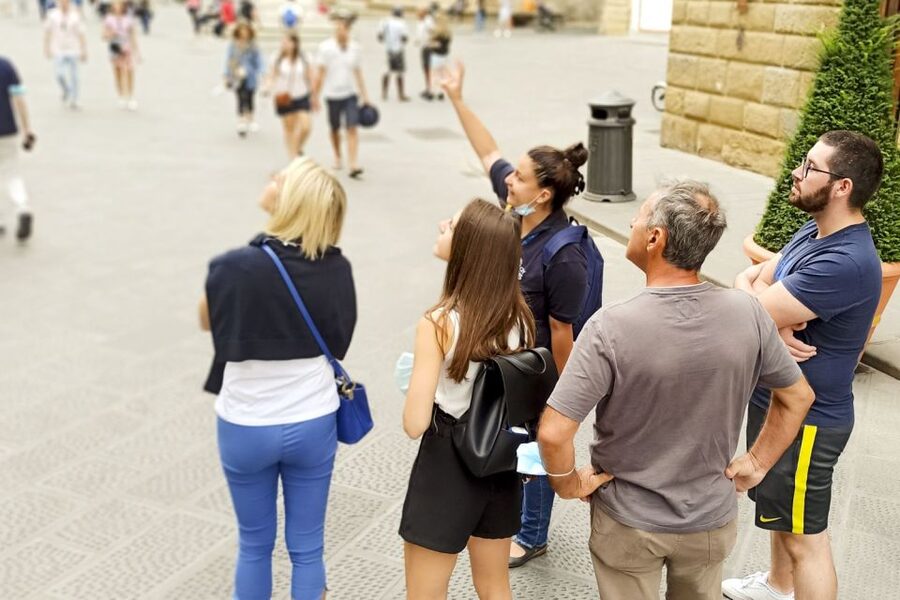
The tour includes a local professional guide, multilingual assistance at the meeting point, and headphones for groups over 10 participants. Those headphone units matter more than people think. Florence streets are noisy, and a crowded square can turn a spoken explanation into background sound. Headphones help you actually hear the story while walking.
Also, the tour’s includes a self-guided mobile city guide option if you selected it. That’s useful for follow-up. After the walk, you can use the mobile guide to revisit areas with better context, especially if you want to linger around one stop and skip another.
Watch-outs for price value are mostly about fit:
- If you’re already well-versed in Renaissance art and Medici politics, you may find the explanations basic or fast.
- If you prefer long museum time over street time, this isn’t the format for you. It’s a walk and talk, not a deep museum session.
Finally, keep an eye on the language mix. English and Spanish are offered, and the tour may run in two languages at the same time. From April to October, it’s listed as monolingual. If you want a pure English-only experience, double-check the day’s language setup at the meeting point.
Combo Options: Adding Uffizi and a Guided Duomo Visit
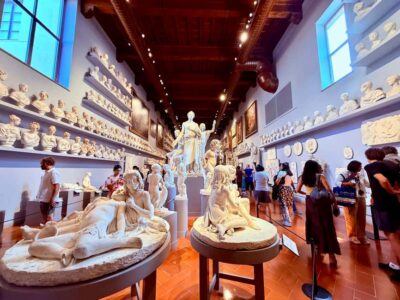
If you have extra hours, the combo tour concept makes sense. You can pair the walking tour of the historic city center with an Uffizi Gallery morning and a guided Duomo experience early afternoon. That’s a strong way to stack Florence’s core without losing the thread between art and architecture.
Why this combo works: the walking tour builds your city context. When you then step into the Uffizi, you’re better equipped to connect themes, names, and the Renaissance worldview to the places you just learned about. Adding a guided Duomo visit afterward also helps because the Duomo complex is more than one view. A guided visit can help you see the layers.
The trade-off is time and energy. Uffizi means sitting and focusing. A walking tour means standing, moving, and listening through streets and squares. If you’re the type who gets cranky after a lot of indoor time, consider whether you really want both in one day.
If you’re trying to cover a lot of Florence in a limited window, combos can be the most efficient. Just make sure you pace yourself so you don’t spend the day rushing between sites.
Lunch Add-On: When a Set Menu Makes Sense
There is an optional lunch that includes a 3-course Tuscan set menu in a typical restaurant in the heart of Florence. This can be a convenient way to stop moving, refuel, and keep your day flowing with less decision-making.
But it’s good to know the limitations. Drinks are not included, and the lunch option does not include lunch for ages 0–5. Those can be purchased on the spot.
I’d think of the lunch add-on as a convenience product more than a food-tour upgrade. If your main goal is great Tuscan cooking in standout restaurants, you might still prefer to book your own meal. If your main goal is a smooth day that doesn’t require hunting for a place, the set menu can be a low-stress solution.
Guide Quality and Group Reality: What to Expect in the Real World
Even when a tour is well-designed, the guide makes the difference between good and great. The overall tone from past experiences is positive, with strong praise for guides who speak clearly and keep a good walking pace while offering lots of recommendations beyond the main sights.
But I’d be honest: there have been bad moments reported too. One case involved no guide arriving at the meeting point, with no earlier contact. Another report mentioned an aggressive late-arrival experience tied to a representative, and one guide was described as speaking quickly and with less engagement than other guides.
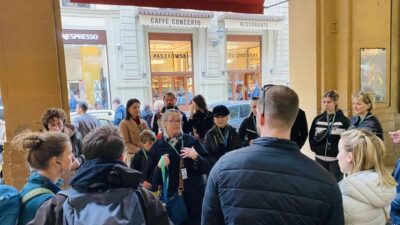
So here’s my practical advice. If you book, arrive early at the meeting point. Don’t rely on hope. Have a plan for how you’ll contact the provider if something feels off. If you’re traveling with limited time, treat the meeting point like an appointment, not a suggestion.
Also, your experience depends on your group. If your group is larger, you get headphones for over-10 groups, which helps your listening quality. If it’s smaller, you might hear more conversation and get more direct answers, but you’ll still want to pay attention at turning points because the tour includes a fair number of stops.
Should You Book This Tour?
Book it if you want a focused orientation to Florence—especially your first visit—and you like understanding the city as a story of Medici power, religious architecture, and civic spaces. At about $27 for 1.5 to 2.5 hours, it’s a cost-effective way to get structure and expert context without eating up your whole day.
Skip it or think twice if you hate walking, need a strict English-only experience, or you’re hoping for a slow museum day. Also, if you’ve got a very tight timeline and cannot tolerate potential meeting-point problems, you’ll want to build in extra time and keep your contact options ready.
If you book, wear comfortable shoes, respect the dress code at worship sites, and let the guide build the connections. Then you can go back later—whether it’s for a longer look at the Duomo area or a second pass over Ponte Vecchio—with your eyes tuned to what matters.
FAQ
How long is the Florence guided walking tour?
The tour runs about 1.5 to 2.5 hours.
What are the main places this tour covers?
It includes stops around San Lorenzo and the Medici area, the Duomo complex (Cathedral with Brunelleschi’s dome, Baptistery of San Giovanni, and Giotto’s bell tower), Via Calzaioli (including Orsanmichele Church), Mercato della Paglia, Piazza Signoria (with Fountain of Neptune, Loggia dei Lanzi, and Palazzo Vecchio area), and Ponte Vecchio.
What languages are available?
The live guide is listed for English and Spanish. The tour may be provided in two languages at once. Multilingual assistance is available at the meeting point, and from April to October it’s listed as monolingual.
Do I need to bring anything?
Wear comfortable shoes. You’ll also need to dress according to the dress code when visiting places of worship.
Are headphones provided?
Headphones are included for groups of over 10 participants.
Is there a combo option with other Florence tours?
Yes. There’s an exclusive combo tour option that pairs this historic walking tour with a guided Uffizi Gallery visit in the morning and a guided Florence Duomo experience in the early afternoon.
Is lunch included?
A lunch option can be added that includes a 3-course Tuscan set menu, but drinks are not included. Lunch for ages 0–5 is not included and can be purchased on site.
More Florence Walks
- Florence: Highlights Walking Tour with Expert Guide
★ 4.6 · 4,662 reviews - Uffizi & Accademia Timed Entry: Small Group Duomo Walking Tour
★ 4.5 · 3,630 reviews - Florence: Duomo Complex with Tickets & City Walk Guided Tour
★ 4.7 · 2,057 reviews - Florence: Guided Walking Tour
★ 4.6 · 1,602 reviews - Florence: Renaissance and Medici Tales Guided Walking Tour
★ 4.8 · 1,549 reviews
More Florence Tours to Weigh Up
- The Best tour in Florence: Renaissance & Medici Tales – guided by a STORYTELLER
★ 5.0 · 12,316 reviews - The Best Tour in Florence: Renaissance and Medici Tales
★ 5.0 · 10,810 reviews - Florence: Chianti Wineries Tour with Wine Tasting
★ 4.5 · 10,071 reviews - Florence: Duomo Cathedral 60-Minute Guided Tour
★ 3.7 · 6,829 reviews - Florence: Hop-on Hop-off Bus Tour: 24, 48 or 72-Hour Ticket
★ 4.0 · 6,283 reviews
More Florence Tours We Have Reviewed
- Florence: Skip-The-Line Uffizi Gallery Timed Entry Ticket
★ 4.5 · 27,832 reviews - Tuscany Day Trip from Florence: Siena, San Gimignano, Pisa and Lunch at a Winery
★ 5.0 · 21,634 reviews - Florence: Timed Entry to Michelangelo’s David + Audio App
★ 4.6 · 19,496 reviews - Florence: Leonardo Interactive Museum Entry Ticket
★ 4.5 · 12,957 reviews - Florence: Michelangelo’s David Skip-the-Line Entry Ticket
★ 4.5 · 12,764 reviews
Fresh from our Florence review desk
- Small-Group Pasta Cooking Class and Market Tour in Florence★ 5.0 · 3 reviews
- Palatina Gallery and Pitti Guided Tour in Florence★ 5.0 · 3 reviews
- Tuscan Evening Tour: Fiat 500, 8:30 to 10 PM★ 5.0 · 3 reviews
- Journey into Art: Florence’s Accademia★ 4.5 · 3 reviews
- Paint and Drink Florentine Hills★ 5.0 · 3 reviews
- Truffle hunting and lunch experience, with Vinci and winery.★ 4.5 · 3 reviews
Walking Tours, compared.
 ★ 4.6Highlights Walking Tour with Expert GuideFrom $274,662 reviews
 ★ 4.5Uffizi & Accademia Timed Entry: Small Group Duomo Walking TourFrom $503,630 reviews
 ★ 4.7Duomo Complex with Tickets & City Walk Guided TourFrom $932,057 reviews
 ★ 4.6Guided Walking TourFrom $271,602 reviews
 ★ 4.8Renaissance and Medici Tales Guided Walking TourFrom $21,549 reviews
 ★ 4.7Uffizi & Accademia Small Group Walking TourFrom $1481,380 reviews
 ★ 5.0Skip-the-Line Florence Highlights and David Walking TourFrom $1171,127 reviews
 ★ 4.6Dark Mysteries and Legends Guided Walking TourFrom $21,081 reviews
Browse the lists this tour appears in