
Reviewed · MEDICI & RENAISSANCE TOURS
Florence: LGBTQ Renaissance Walking Tour with Mila
Florence has a habit of hiding the truth in plain sight. This LGBTQ Renaissance walking tour with Mila connects famous sights like Ponte Vecchio and Piazza landmarks to the secret lives—and risks—of queer people in the Middle Ages and Renaissance. You walk away with a different map in your head: Florence not just as art, but as social reality.
I really like Mila’s storytelling style. She mixes warm humor with seriousness when the subject calls for it, and she uses real sources to support the stories she tells. I also love that the tour isn’t just one theme glued onto a sightseeing walk: it’s built around places like Piazza della Repubblica, Pitti Palace Square, and Orsanmichele Church, each one adding a new layer.
One consideration: this is a rain-or-shine walking tour and it covers heavy topics like punishments and fines related to sodomy. If you prefer history without personal or legal consequences, you might find parts of it uncomfortable.
In This Review
- Key things to look forward to
- Why this Florence LGBTQ tour feels different than a standard walk
- Meet Mila at Piazza della Repubblica for the laws-and-lives starting point
- Santa Trinita Bridge and the route toward Medici power
- Pitti Palace Square and the Medici story you won’t hear on every tour
- Ponte Vecchio: from landmark to historically popular cruising ground
- The ancient gay district near Piazza dei Signori
- Orsanmichele Church and the denunciation boxes
- Headsets, pace, and what 2 hours buys you
- Who should book Mila’s LGBTQ Renaissance tour
- Should you book this Florence LGBTQ Renaissance walking tour?
- FAQ
- How long is the Florence LGBTQ Renaissance walking tour with Mila?
- Where do I meet Mila for the tour?
- Is the tour in English?
- Do I need to pay entrance fees?
- Are headsets provided?
- Is the tour wheelchair accessible?
- Does the tour run in bad weather?
- Can I get a refund if I cancel?
- Is there a pay-later option?
Key things to look forward to
- Mila guides the whole route in English, with a headset included so you can hear every detail on the move
- Piazza della Repubblica becomes the starting point for how laws treated queer people, including punishments and fines
- Santa Trinita Bridge to Pitti Palace Square gives you Medici context, including Gian Gastone and why he became controversial
- Ponte Vecchio is explained not just as an icon, but as a historically popular area connected to queer cruising
- Piazza dei Signori and Orsanmichele Church bring art (including Cellini’s Perseus) alongside denunciation boxes used to target LGBTQ people
Deeper into Medici Florence and its Renaissance
Why this Florence LGBTQ tour feels different than a standard walk
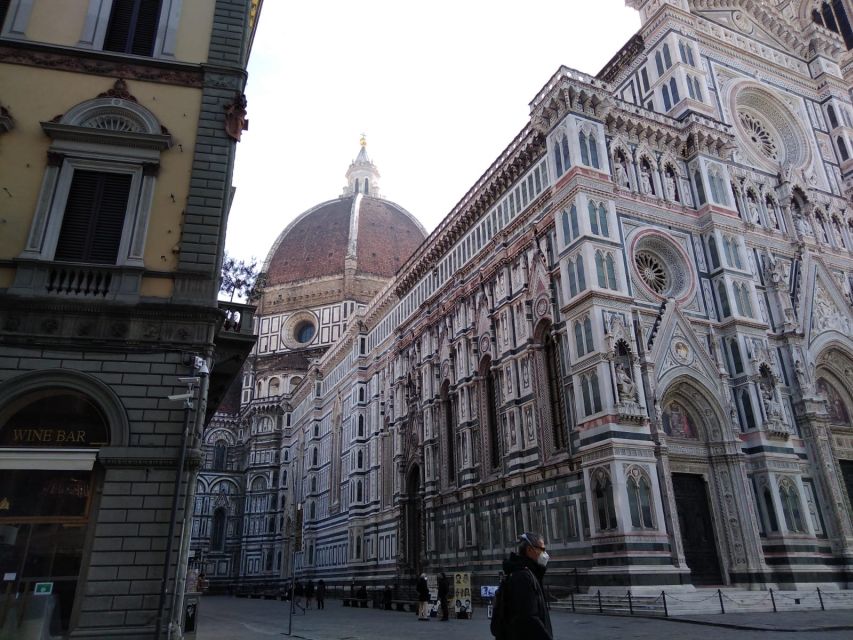
Florence works best when you learn how people lived inside it, not just how it looks on postcards. This tour takes the big-name sites you already want to see and then turns them into evidence. You’re not only hearing names and dates. You’re hearing what those spaces meant when society watched closely and rules could be brutal.
The angle matters. Instead of treating LGBTQ history as a side note, Mila threads it through the city’s key Renaissance power centers. You’ll connect the dots between law, social control, art, and everyday risk. And because the walk is only two hours, it’s an easy add-on early in your trip if you want a sharper lens for everything else you do in Florence.
Meet Mila at Piazza della Repubblica for the laws-and-lives starting point
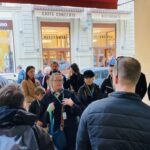
The tour meets in a very central spot: Piazza della Repubblica, right next to the Hard Rock Café under the Loggia. Mila will be there with a sign, so you can find the group quickly.
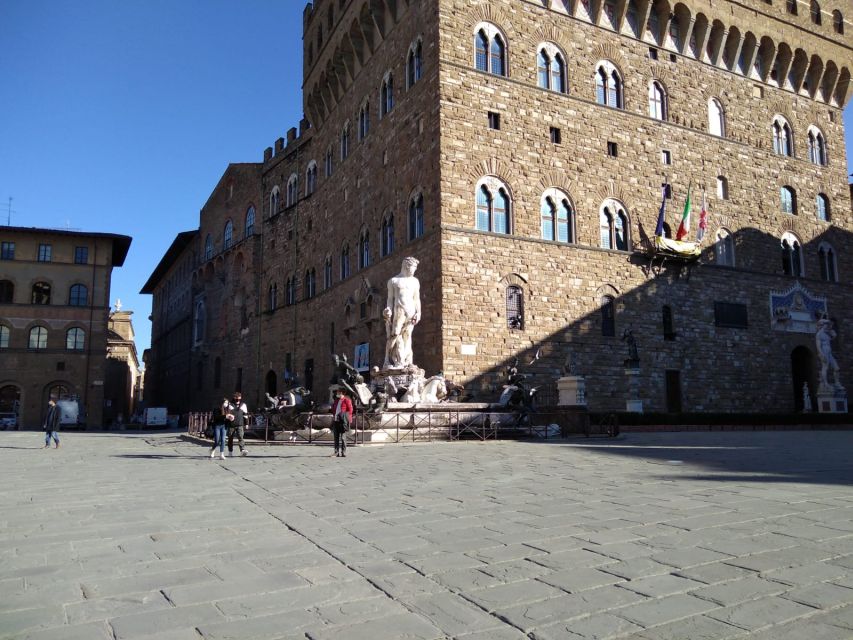
From the start, the focus isn’t on scenery. It’s on consequences. Mila explains the punishments and fines associated with sodomy, and how those legal approaches shifted as Italy’s political and social climate evolved. Even though you’re standing in a modern square that feels like a hub of tourism, the story you hear makes you understand how the same stones once carried different rules and different fears.
This is also where the tour sets its tone. Mila’s delivery stays warm and human, but she doesn’t gloss over the darker parts. That balance is one of the reasons this walk lands well: you get facts and you get context, without the conversation turning cold or performative.
Practical tip: arrive a few minutes early. Piazza della Repubblica is busy, and you’ll want a calm start before you settle into the headset and first explanation.
Santa Trinita Bridge and the route toward Medici power
After you leave the meeting square, you cross Santa Trinita Bridge and keep moving toward the Medici’s sphere of influence. Walking here is more than transit—it’s a transition between city zones with different social meanings.
On this stretch, Mila helps you understand how Renaissance power wasn’t only “who held art and money.” It was also about who held public authority and who could pressure others through law and reputation. As you walk, you’ll hear how the queer community’s lives were shaped by those systems—sometimes through punishment, sometimes through silence and survival.
You’re also getting a useful Florence skill: learning how the city’s layout relates to its history. Bridges, squares, and palace-adjacent areas are where movements and messages mattered. Once you notice that, you’ll start reading Florence differently on your own.
Pitti Palace Square and the Medici story you won’t hear on every tour
Next comes Pitti Palace Square, where Mila brings in the Medici family. You’ll focus on the last male Medici, Gian Gastone, and why he became one of the most controversial figures in European history.
This stop works because it connects political leadership to personal consequence. In a city driven by patronage and status, family power wasn’t abstract. It shaped who could rise, who could fall, and what kinds of behavior might be tolerated or targeted. Mila uses the Medici story as a framework for understanding the social atmosphere queer people navigated.
Even if you’ve seen Medici names on museum labels before, this angle makes them feel more like living forces than just museum lore. You start to notice how “Renaissance” isn’t only beauty. It’s also pressure, control, and public image.
Ponte Vecchio: from landmark to historically popular cruising ground
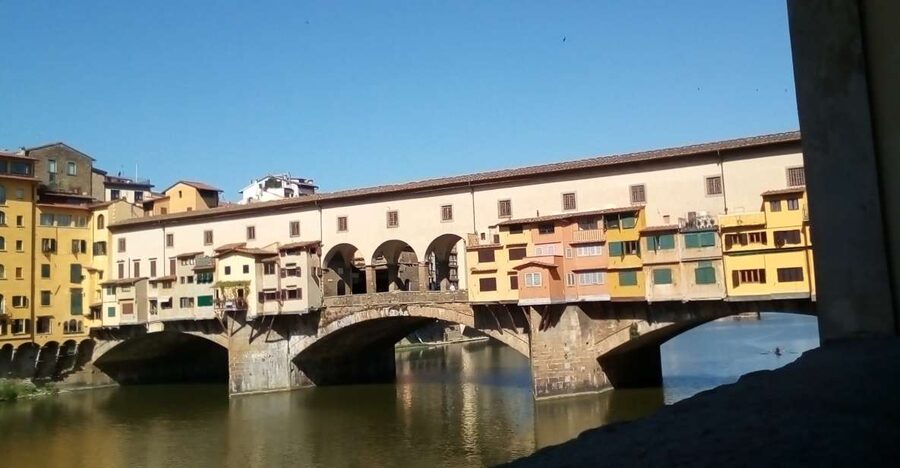
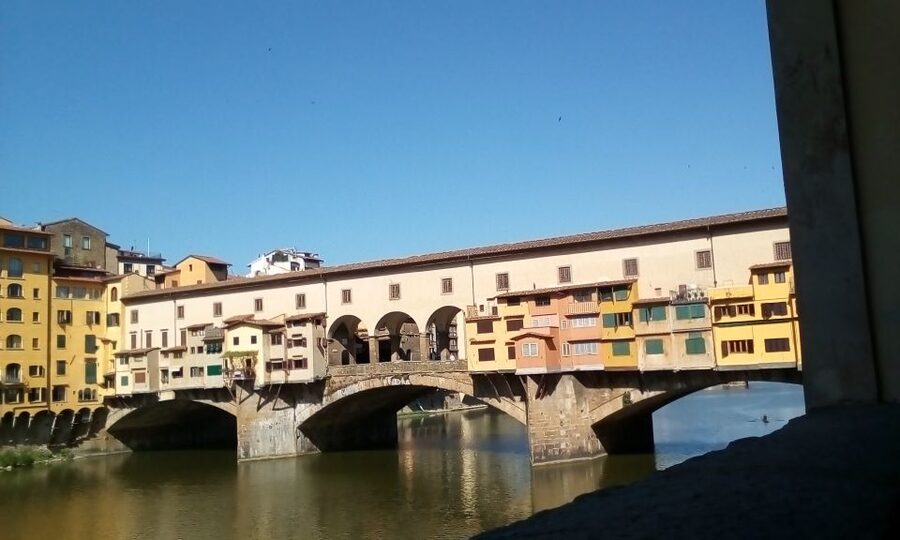
Now you cross into one of Florence’s most famous sights: Ponte Vecchio.
Here’s the key twist Mila gives you. Ponte Vecchio isn’t only an iconic bridge. It was historically connected to queer cruising in Medieval and Renaissance times. Hearing this turns the bridge from “pretty view” into “social hotspot.” You’re standing where people once came with hopes, plans, and risks—often without the safety net modern life assumes.
That context also helps you understand why certain places became meeting points. In cities of watchful rules, people often used the same geography that tourists enjoy today. The lesson isn’t about romanticizing secrecy. It’s about recognizing how people adapted to their reality.
Also: take a moment on the bridge for the view. The Arno and the skyline are stunning, and the perspective becomes sharper after you learn the human story behind the setting.
Stretch your legs on more Florence walking tours
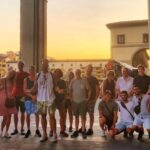
The ancient gay district near Piazza dei Signori
After Ponte Vecchio, you move toward what Mila frames as the ancient gay district near Piazza dei Signori. This is where the tour starts feeling more like stepping through chapters rather than just ticking off stops.
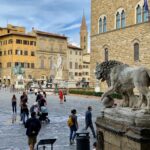
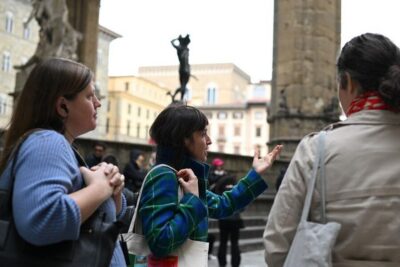
You’ll see a copy of Michelangelo’s David, and you’ll also see Benvenuto Cellini’s sculpture Perseus with the Head of Medusa. Mila uses these art works to show how Renaissance culture could hold multiple truths at once: public beauty alongside private survival. Even if you know the artists’ names, it’s the pairing of art and social meaning that changes the way you look at it.
This section is also where Mila’s source-minded approach shows. One of the most appreciated details is that Mila tends to explain where narratives come from and how she verifies them. That matters because LGBTQ history is often distorted, simplified, or left out. When your guide names sources, the story feels grounded, not invented to fit a theme.
Orsanmichele Church and the denunciation boxes
The walk then takes you to Orsanmichele Church, where Mila explains a grim but important part of Florence’s history. The church had special boxes used to denounce members of the LGBTQ community, especially gay men.
It’s heavy information, but it’s presented with clarity. You’re not just hearing that “people were persecuted.” You’re learning the mechanism—how denunciation could be built into social systems. That makes the legal discussion from earlier feel real, not theoretical.
This stop also gives you a practical takeaway for travel. When you see a religious or civic building in Europe, it’s tempting to read it only as architecture. This tour teaches you to also ask: how did this space function socially? What did people use it for? Who benefited from its authority?
And since the tour is only two hours, the emotional intensity doesn’t drag on forever. Mila times the darker stops so they land, then moves you toward reflection rather than leaving you stuck in it.
Headsets, pace, and what 2 hours buys you
At $29 per person for a two-hour guided walking tour, the value comes from how much you cover with skilled context. You’re not paying mainly for access to a museum. You’re paying for interpretation—someone helping you read Florence through a specific historical lens.
You also get practical help built in:
- A local guide (Mila) for English storytelling
- Headsets, which really help in open plazas and near traffic
- A route built around high-value landmarks you likely want anyway
Two hours is also the sweet spot for a theme like this. You get multiple meaningful stops—Piazza della Repubblica, Santa Trinita Bridge, Pitti Palace Square, Ponte Vecchio, Piazza dei Signori, Orsanmichele Church—without turning the day into an endurance event. For first-time visitors, it’s a fast way to sharpen your itinerary so you know what to seek out after.
Rain or shine is part of the deal. So if you hate wet-city walking, plan for it: bring a compact umbrella or a light rain layer, and wear shoes you don’t mind getting dirty.
Who should book Mila’s LGBTQ Renaissance tour
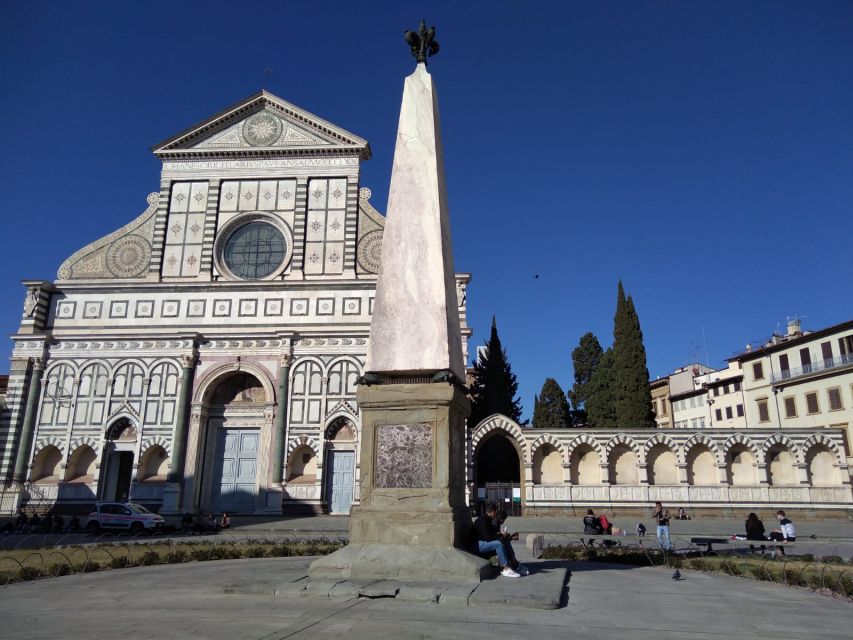
This tour is a great fit if you want:
- Florence sightseeing with a serious historical lens
- A guide who balances humor and sensitivity, even when the topics get dark
- A route that connects queer history to major landmarks like Ponte Vecchio and the Medici orbit
It’s also good for solo travelers who want conversation baked into the experience. From the way people describe the tour, it tends to feel inclusive and engaging, not distant or stiff.
If your group includes someone with limited mobility, it helps that the tour is listed as wheelchair accessible, and that Mila has been described as accommodating. Still, because it’s a walking tour, check your own comfort level with uneven sidewalks and stairs around historic buildings.
One parent reported the tour felt appropriate for a 15-year-old, but this is history involving legal punishment and denunciation. If you’re traveling with teens, consider your family’s comfort with mature historical topics.
Should you book this Florence LGBTQ Renaissance walking tour?
If you like your Florence with context—not just captions—yes, book it. For $29, you get a focused two-hour route, headset support, and a guide who turns famous sights into social history. The best part is the balance: warm delivery paired with clear discussion of what laws and power meant on the ground.
The only real “no” is if you’d rather keep your tour content light and avoid uncomfortable aspects of history. Otherwise, this is one of the most memorable ways to see Florence because you’re not only looking at buildings. You’re learning how people lived around them—and why that matters.
FAQ
How long is the Florence LGBTQ Renaissance walking tour with Mila?
It lasts 2 hours.
Where do I meet Mila for the tour?
Meet at Piazza della Repubblica next to the Hard Rock Café under the Loggia. Mila will have a sign.
Is the tour in English?
Yes, the tour is guided in English.
Do I need to pay entrance fees?
Entrance fees are not included.
Are headsets provided?
Yes, a headset is included.
Is the tour wheelchair accessible?
Yes, the tour is listed as wheelchair accessible.
Does the tour run in bad weather?
The tour takes place rain or shine.
Can I get a refund if I cancel?
You can cancel up to 24 hours in advance for a full refund.
Is there a pay-later option?
Yes. You can reserve now and pay later, meaning you can book your spot without paying today.
More Florence Tours to Weigh Up
- The Best tour in Florence: Renaissance & Medici Tales – guided by a STORYTELLER
★ 5.0 · 12,316 reviews - The Best Tour in Florence: Renaissance and Medici Tales
★ 5.0 · 10,810 reviews - Florence: Chianti Wineries Tour with Wine Tasting
★ 4.5 · 10,071 reviews - Florence: Duomo Cathedral 60-Minute Guided Tour
★ 3.7 · 6,829 reviews - Florence: Hop-on Hop-off Bus Tour: 24, 48 or 72-Hour Ticket
★ 4.0 · 6,283 reviews
More Florence Tours We Have Reviewed
- Florence: Skip-The-Line Uffizi Gallery Timed Entry Ticket
★ 4.5 · 27,832 reviews - Tuscany Day Trip from Florence: Siena, San Gimignano, Pisa and Lunch at a Winery
★ 5.0 · 21,634 reviews - Florence: Timed Entry to Michelangelo’s David + Audio App
★ 4.6 · 19,496 reviews - Florence: Leonardo Interactive Museum Entry Ticket
★ 4.5 · 12,957 reviews - Florence: Michelangelo’s David Skip-the-Line Entry Ticket
★ 4.5 · 12,764 reviews
The Medici Story Continues
- The Best tour in Florence: Renaissance & Medici Tales – guided by a STORYTELLER
★ 5.0 · 12,316 reviews - The Best Tour in Florence: Renaissance and Medici Tales
★ 5.0 · 10,810 reviews - Uffizi Gallery: Renaissance Masterpieces Guided Tour
★ 4.6 · 6,070 reviews - Florence: Renaissance and Medici Tales Guided Walking Tour
★ 4.8 · 1,549 reviews - Guided Medici Tour Florence: Discover Mysteries & History
★ 4.3 · 1,077 reviews
Fresh from our Florence review desk
- Small-Group Pasta Cooking Class and Market Tour in Florence★ 5.0 · 3 reviews
- Palatina Gallery and Pitti Guided Tour in Florence★ 5.0 · 3 reviews
- Tuscan Evening Tour: Fiat 500, 8:30 to 10 PM★ 5.0 · 3 reviews
- Journey into Art: Florence’s Accademia★ 4.5 · 3 reviews
- Paint and Drink Florentine Hills★ 5.0 · 3 reviews
- Truffle hunting and lunch experience, with Vinci and winery.★ 4.5 · 3 reviews
Medici & Renaissance Tours, compared.
 ★ 5.0The Best tour in Florence: Renaissance & Medici Tales – guided by a STORYTELLERFrom $312,316 reviews
 ★ 5.0The Best Tour in Florence: Renaissance and Medici TalesFrom $310,810 reviews
 ★ 4.6Uffizi Gallery: Renaissance Masterpieces Guided TourFrom $886,070 reviews
 ★ 4.8Renaissance and Medici Tales Guided Walking TourFrom $21,549 reviews
 ★ 4.3Guided Medici Tour Florence: Discover Mysteries & HistoryFrom $571,077 reviews
 ★ 4.0Accademia Gallery: Michelangelo’s David and High Renaissance ArtFrom $43872 reviews
 ★ 4.7Guided Tour of Medici Family Secrets and ChapelsFrom $93512 reviews
 ★ 5.0Florence Private Tour: Renaissance, Famous Families & Hidden GemsFrom $199233 reviews
Browse the lists this tour appears in