
Reviewed · WALKING TOURS
Florence: Private Guided Walking Tour
Florence can change fast when you’re walking with context. This private route strings together the big Renaissance icons and the quieter medieval streets so the city starts making sense in real time, from Duomo Square to the House of Dante.
I especially love the way this tour balances the famous with the meaningful details—like how the guide turns landmarks into stories you’ll remember. And I like that it’s built for a private group, so the pace feels more human than a rush-through crowd.
One thing to consider: it’s a walking tour and it’s also labeled as not suitable for people with mobility impairments, even though it says wheelchair accessible. If you’re traveling with mobility needs, check carefully with the operator before you book.
In This Review
- Key Things to Know Before You Go
- Why a Private Walking Tour Works Best for Renaissance Florence
- Starting Point, Pickup on Foot, and How to Pace Your 3 Hours
- Duomo Square: The Cathedral Complex Explained Before You Look
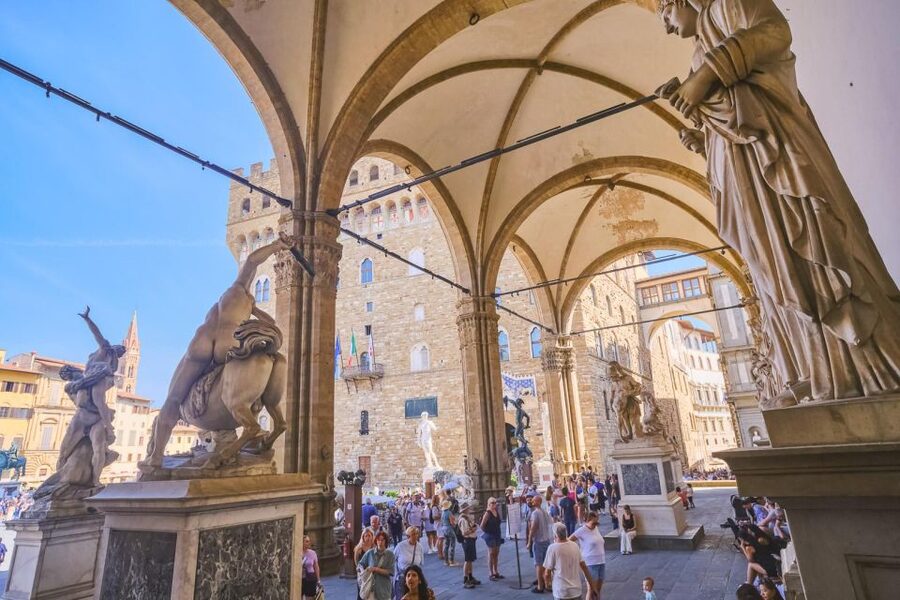
- Piazza della Signoria and Loggia dei Lanzi: Where Power Meets Sculpture
- Uffizi Gallery Colonnade to Ponte Vecchio: The Photo Run That Feels Like a Story
- The Medieval District and the House of Dante: When Florence Turns Literary
- Pitti Palace and the Vasari Corridor: A Secret Passage You Can Actually Picture
- Guide Style in Real Life: What You’ll Want to Ask While Walking
- Price and Value: $341 per Group Up to 8 for 3 Hours
- Who This Tour Suits (and Who Should Rethink It)
- FAQ
- FAQ
- How long is the Florence private guided walking tour?
- How much does the tour cost, and is it private?
- Where will the guide meet us?
- What languages are available for the tour?
- Is entrance to churches or museums included?
- Is there free cancellation?
- Should You Book This Private Florence Walking Tour?
Key Things to Know Before You Go
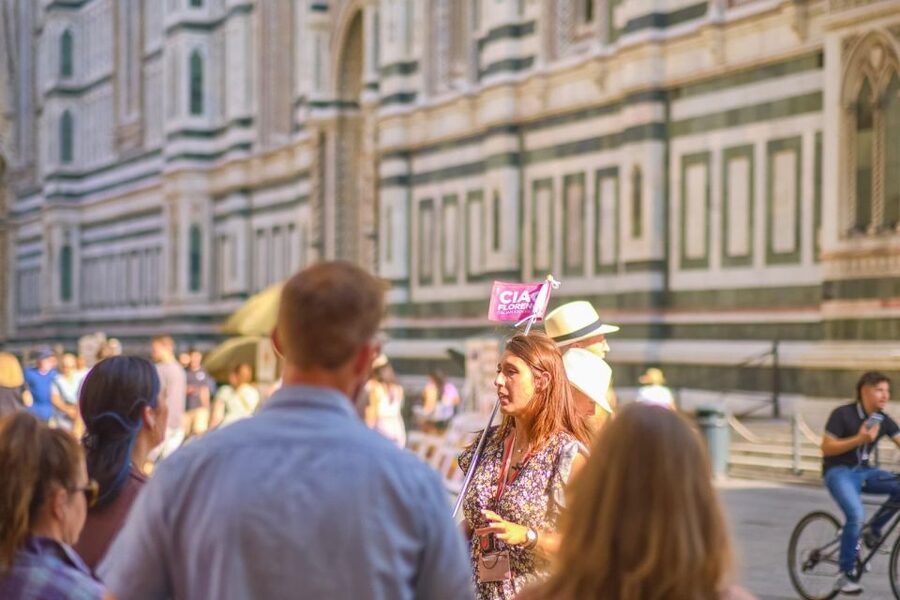
- Private group pace (up to 8): you can ask questions and adjust stops without losing the whole schedule.
- Duomo Square stops with construction context: you’ll learn what you’re looking at before you take the photos.
- Dante’s connection is direct: you’ll see the spot tied to where he wrote the Divine Comedy.
- Piazza della Signoria + Loggia dei Lanzi: you get the setting and the sculpture names, including Cellini and Giambologna.
- Ponte Vecchio is more than a postcard: you’ll cross it while the guide explains why it matters.
- Vasari Corridor is the cool flex: you’ll hear how this unusual connection links Palazzo Vecchio and Pitti Palace.
Stretch your legs on more Florence walking tours
Why a Private Walking Tour Works Best for Renaissance Florence
Florence is packed. Even if you already know the names—Duomo, Uffizi, Ponte Vecchio—the streets can feel confusing without a guide who connects the dots. This tour is designed for exactly that moment when Florence clicks: art, power, religion, and engineering all show up on the same walk.
You get a local guide for a 3-hour private experience, which matters because Florence isn’t just a museum. It’s a lived-in city where the best details hide at street level. A good guide helps you notice what you’d otherwise speed past.
The other reason I like this style: the route mixes exterior views with key historical anchors. Since church and museum entrances aren’t part of the tour, you’re not stuck waiting in lines. Instead, you spend your energy where walking tours win—observations, angles, and quick story stops.
Starting Point, Pickup on Foot, and How to Pace Your 3 Hours
Your guide picks you up on foot at your hotel or apartment’s main entrance. That’s a small thing, but it changes the whole experience. You don’t waste time figuring out meeting points, and you start walking with fewer logistics headaches.
With a private group (up to 8), the timing usually feels flexible. In one example of how guides work here, Larla was described as patient and accommodating, even adjusting the flow so the group could grab gelato and extra photo moments. That’s the kind of flexibility you want in Florence: not chaos, but small course corrections.
This is also a tour where comfort helps. You’ll be moving through the center and stopping often for explanations and photos. Wear shoes you can walk in comfortably, and plan on slow-down moments at the big squares.
Duomo Square: The Cathedral Complex Explained Before You Look
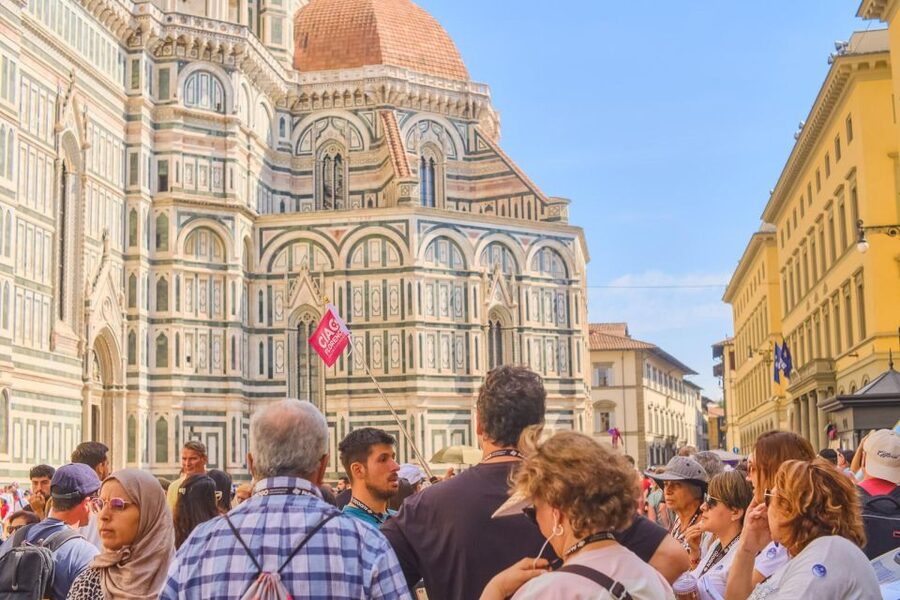
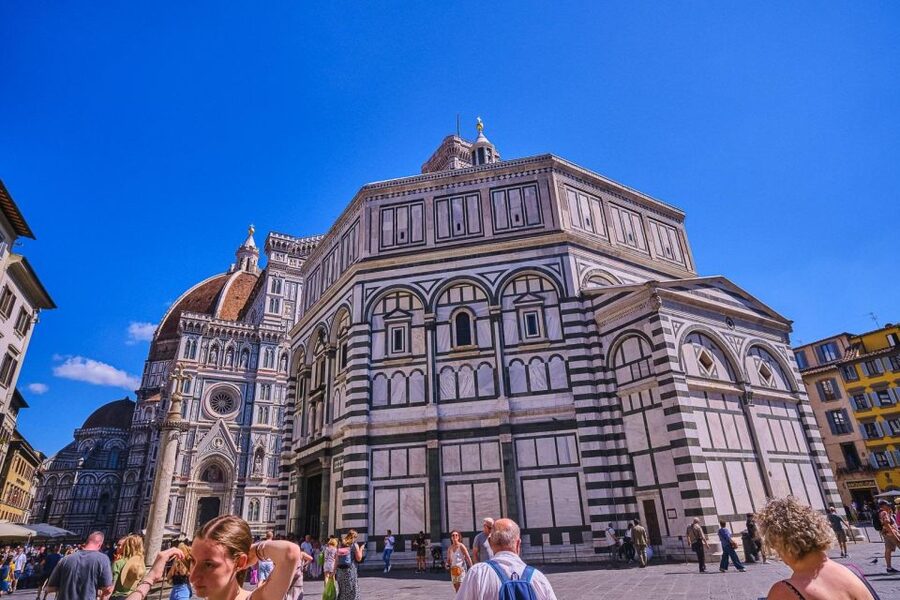
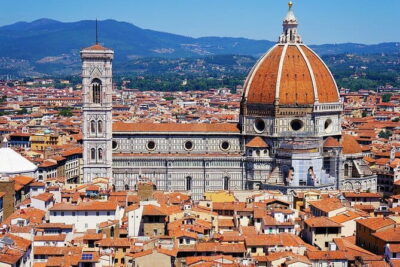
Duomo Square is the obvious headline, but the payoff is in the understanding. The tour focuses on the Cathedral construction story and the key buildings that shape the whole skyline. When you stand there with the guide pointing things out, the place stops being a single photo spot and becomes a lesson in Renaissance ambition.
You’ll learn about:
- the Cathedral itself and how it came together
- the Baptistery
- Giotto’s Bell Tower
- Brunelleschi’s Cupola (the dome that made people stop and stare)
Why it matters: in Florence, you’ll keep seeing references to these works in art and architecture all over town. If you get the overview early, later landmarks feel less random. They feel connected.
One practical consideration: you’re in a major public area with crowds and constant activity. A guide helps you navigate the best viewing points, but you’ll still want to be patient. Florence doesn’t do quiet.
Piazza della Signoria and Loggia dei Lanzi: Where Power Meets Sculpture
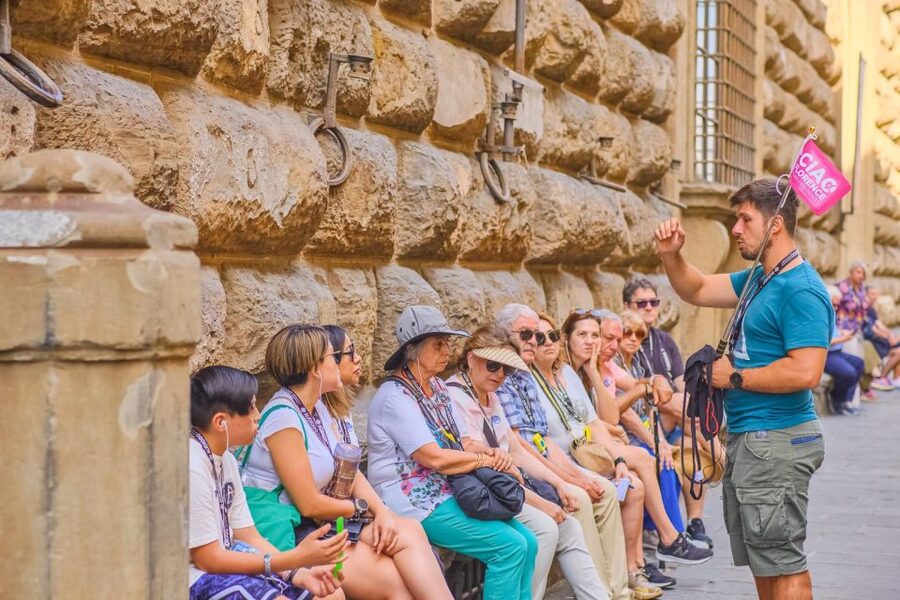
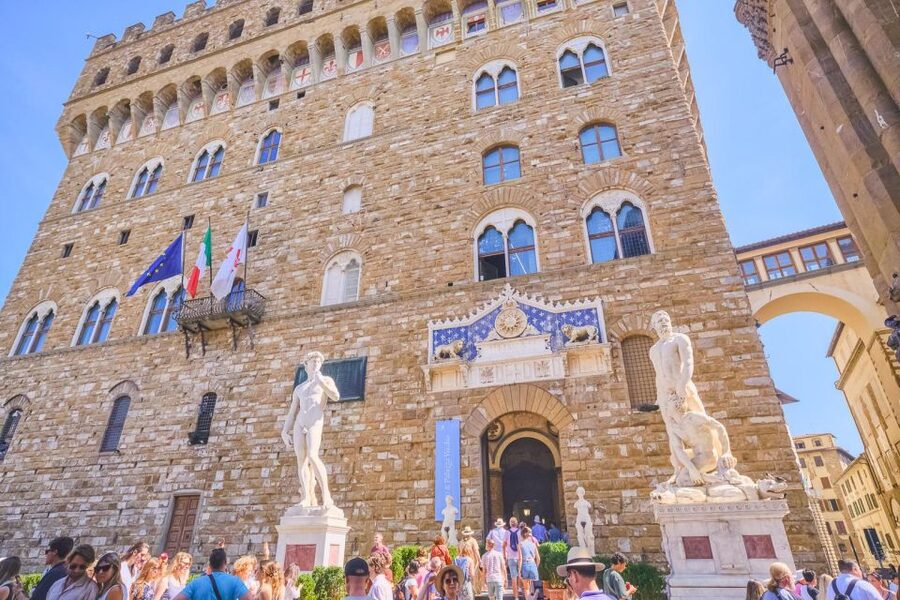
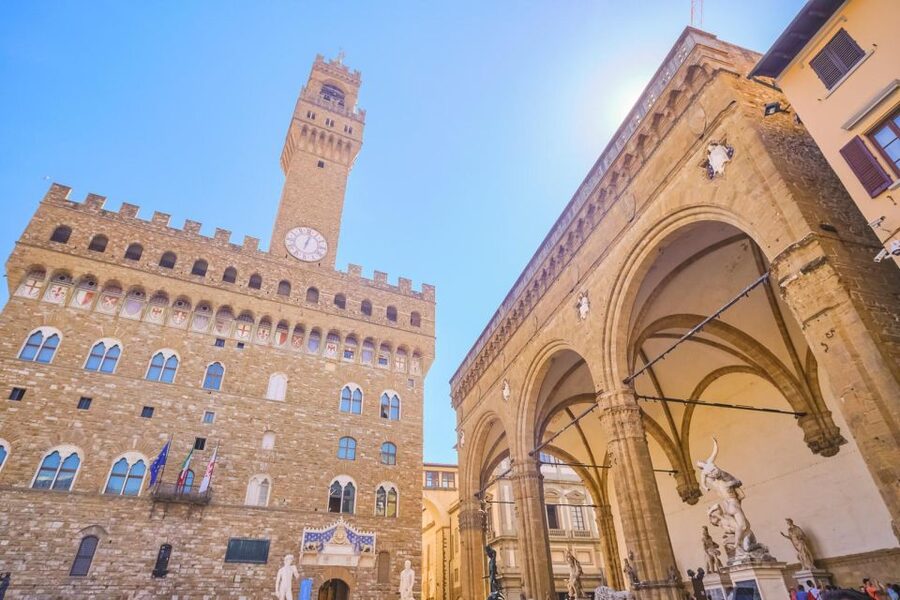
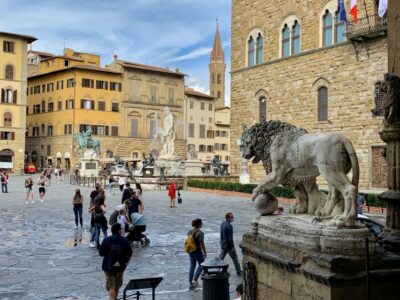
Next up is Piazza della Signoria, often described as an open-air museum. This is where civic identity and artistic swagger meet. The tour frames the square as a stage for Florentine politics and culture, not just a place to take pictures.
You’ll see:
- the Palazzo Vecchio standing watch over the square
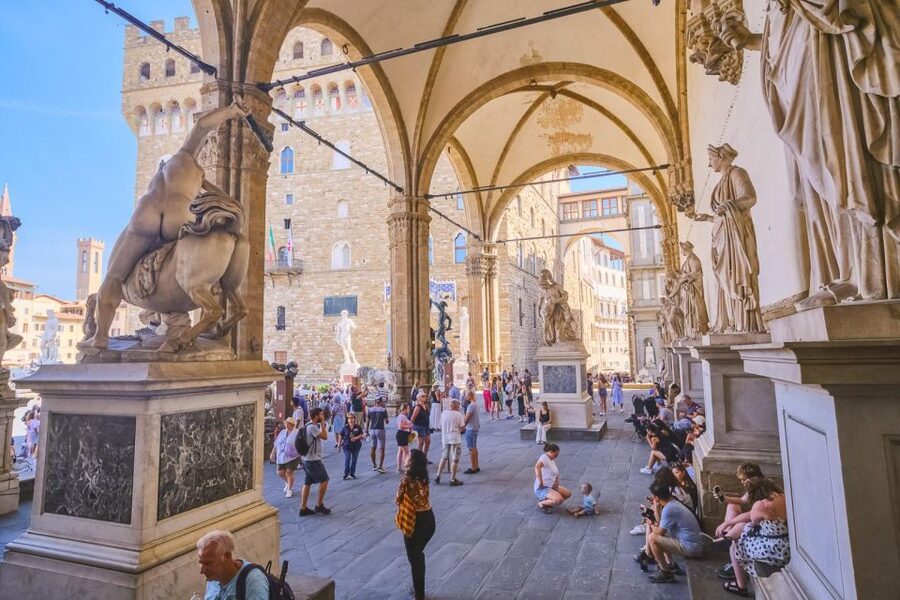
- the Loggia dei Lanzi, where original statues are housed
- major sculpture names connected to the space, including artists such as Cellini and Giambologna
Here’s what makes this stop valuable for you: sculpture names are only half the point. The other half is context—why these works are displayed where they are, and how the square functioned as a public statement. With a guide talking through the ideas, the Loggia feels less like storage and more like a deliberate art setting.
Also, you’ll likely spend time comparing the monumental scale to what you see when you look closer. That’s where Florence rewards you: your eyes start working the way the Renaissance artists intended.
Uffizi Gallery Colonnade to Ponte Vecchio: The Photo Run That Feels Like a Story
This part of the walk has a classic Florence rhythm: long sightlines, architectural details, then a dramatic shift as you approach Ponte Vecchio.
You’ll go through the colonnade of the Uffizi Gallery, which gives you an immediate sense of grandeur without requiring museum entry. That’s smart if you want Florence without turning your day into ticket queues and timed admissions.
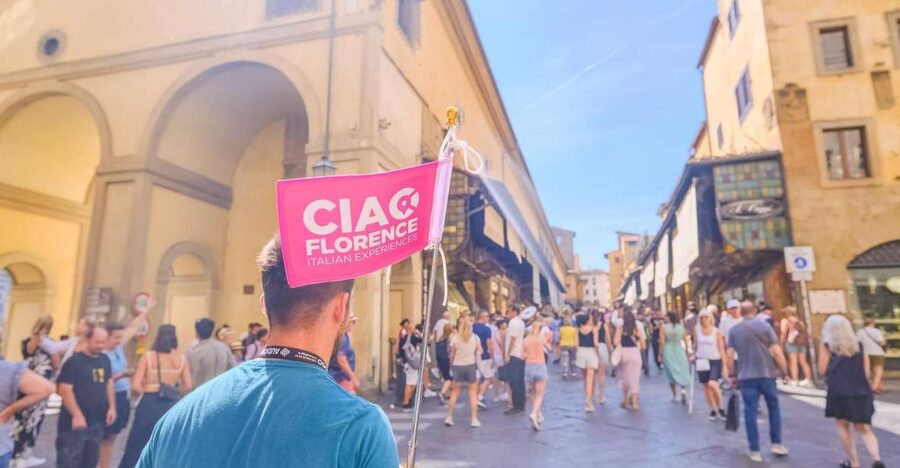
Then you’ll head to Ponte Vecchio, described here as the oldest bridge in the city. You’ll cross it while the guide connects it to the city’s longer timeline, not just its present-day look.
Why I think this works: Ponte Vecchio is famous enough that it can feel like a cliché. A good guide keeps it from becoming one by explaining why it survived, why it’s positioned the way it is, and how the bridge fits into Florence’s broader story of commerce and power.
Bring your camera for sure, but also bring your curiosity. The best moments on this segment are often the small observations—angles, textures, and how buildings line up across the river.
With a local guide, more of Florence to explore
- The Best tour in Florence: Renaissance & Medici Tales – guided by a STORYTELLER
★ 5.0 · 12,316 reviews



The Medieval District and the House of Dante: When Florence Turns Literary
If you only know Florence as art and architecture, the medieval pieces can surprise you. This tour includes walking through the Medieval District, and it’s here that you start to feel the city’s layers.
A key stop is the House of Dante, tied to the moment you’ll hear about where he wrote the Divine Comedy. That specific literary anchor is a big deal. It turns Dante from a schoolbook name into a real person connected to streets you can stand on.
What makes this segment worth your time: it gives you a different lens on Florence. The city isn’t just about marble masterpieces; it’s also about minds, language, and how ideas traveled. Standing in the right places with the right context makes that shift feel natural.
One note: this is a “stop and absorb” kind of area. If you’re the type who likes quick checkmarks, you might feel tempted to rush. Don’t. Florence’s medieval charm is in the slow details.
Pitti Palace and the Vasari Corridor: A Secret Passage You Can Actually Picture
This is where the tour shows off one of Florence’s best kinds of stories: the practical and the mysterious at the same time.
You’ll see Pitti Palace, and you’ll also hear about the Vasari Corridor—described as a twisty passage that connects Palazzo Vecchio to Pitti Palace. Even if you don’t see the interior, the guide’s explanation helps you imagine how Florentines might have moved between power centers without blending into everyday crowds.
Why this matters: Florence’s major sights often feel separate when you visit alone. The Vasari Corridor story is the opposite—it’s a bridge between seats of authority. It helps you understand why the city is organized the way it is, and why buildings that seem unrelated might actually be tied together.
If you like architecture, power dynamics, and behind-the-scenes urban design, this part will give you that extra spark. It’s also an easy section to photograph from outdoor vantage points, as long as you respect the flow of pedestrians around you.
Guide Style in Real Life: What You’ll Want to Ask While Walking
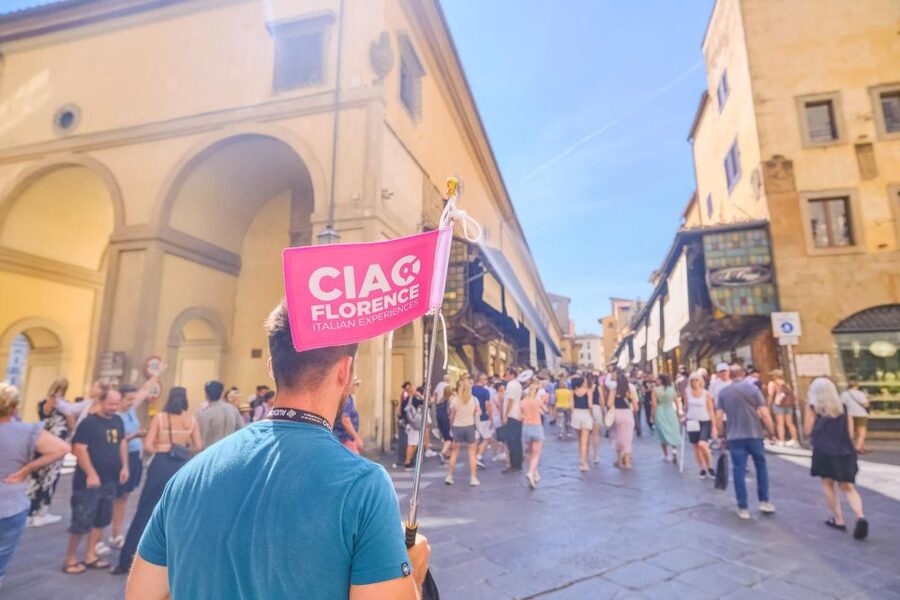
The guides are multilingual (Italian, Spanish, English, French), which is helpful if you’re traveling with mixed language comfort. More important than language, though, is responsiveness.
In guide examples from Larla, Constansa, and Andrea, the common thread is clear: they’re patient, professional, and ready with explanations that answer questions. Larla in particular was described as accommodating enough to deviate from the planned flow for gelato and extra photo opportunities—exactly the kind of personalization that makes a private tour feel like yours, not like a script.
If you want to get the most out of the experience, ask simple, targeted questions:
- What should I notice first on this building or square?
- How did this area connect to the rest of Florence back then?
- Where’s the best angle for photos right now?
That’s how you turn a walk into learning, without it feeling like a classroom.
Price and Value: $341 per Group Up to 8 for 3 Hours
At $341 per group up to 8, this isn’t priced like an individual ticket tour. It’s a private guide cost, and the value depends on how many people are splitting it.
If you have a small group, think in terms of roughly $341 divided by your party size. The larger your group (up to 8), the more you’ll feel the value. For couples or solo travelers, it’s more of a premium experience price—less “budget,” more “pay for convenience and quality.”
Also remember what’s included and what isn’t:
- Included: a local tour guide and the private walking tour
- Not included: entrance to churches or museums, lunch, drinks
That means you’re paying for the guide + route + storytelling, not for admission fees. For many people, that’s a good trade in Florence. You get the big visual hits and the context without committing to indoor time you might not enjoy.
So the real question is: do you want Florence’s sights explained while you walk? If yes, this price can feel fair. If your priority is only museum entry and you hate walking, you might want a different format.
As a bonus for planning flexibility, the booking model here includes reserve now & pay later and free cancellation up to 24 hours in advance for a full refund.
Who This Tour Suits (and Who Should Rethink It)
This is a great fit if you want:
- a private experience through the center of Florence
- a guide who connects architecture, art, and literature
- plenty of photo stops plus story stops (not one without the other)
It’s especially good for people who feel overwhelmed in big cities and want someone to translate Florence into something you can actually remember. The route also works well for first-timers who want a strong overview without needing museum tickets.
If you’re not comfortable walking for a couple of hours through central areas, you should take the accessibility notes seriously. The activity is labeled as not suitable for people with mobility impairments, yet it also says wheelchair accessible. That mismatch means you should confirm details directly with the operator before booking.
FAQ
FAQ
How long is the Florence private guided walking tour?
It lasts 3 hours.
How much does the tour cost, and is it private?
It costs $341 per group, for up to 8 people, and it’s a private walking tour.
Where will the guide meet us?
The guide picks you up on foot at your hotel or apartment’s main entrance.
What languages are available for the tour?
The guide is available in Italian, Spanish, English, and French.
Is entrance to churches or museums included?
No. Entrance to churches or museums is not included.
Is there free cancellation?
Yes. You can cancel up to 24 hours in advance for a full refund.
Should You Book This Private Florence Walking Tour?
I’d book it if you want Florence to feel understandable fast—Duomo Square explained, Dante’s literary link made tangible, and iconic places like Ponte Vecchio and the Uffizi colonnade stitched into one coherent walk. The private format also makes it easier to slow down for photos and questions without juggling a big crowd.
Pass on it (or ask lots of questions before booking) if you’re mainly chasing museum entry times or if mobility is a concern. This is a walking experience first, with great context built in—but it isn’t designed as an indoor, ticket-focused day.
If your goal is to come away with stories you can still repeat later, this is a strong choice for a first Florence day—or your return trip when you’re ready to look more closely.
More Florence Walks
- Florence: Highlights Walking Tour with Expert Guide
★ 4.6 · 4,662 reviews - Uffizi & Accademia Timed Entry: Small Group Duomo Walking Tour
★ 4.5 · 3,630 reviews - Florence: Duomo Complex with Tickets & City Walk Guided Tour
★ 4.7 · 2,057 reviews - Florence: Guided Walking Tour
★ 4.6 · 1,602 reviews - Florence: Renaissance and Medici Tales Guided Walking Tour
★ 4.8 · 1,549 reviews
More Florence Tours to Weigh Up
- The Best tour in Florence: Renaissance & Medici Tales – guided by a STORYTELLER
★ 5.0 · 12,316 reviews - The Best Tour in Florence: Renaissance and Medici Tales
★ 5.0 · 10,810 reviews - Florence: Chianti Wineries Tour with Wine Tasting
★ 4.5 · 10,071 reviews - Florence: Duomo Cathedral 60-Minute Guided Tour
★ 3.7 · 6,829 reviews - Florence: Hop-on Hop-off Bus Tour: 24, 48 or 72-Hour Ticket
★ 4.0 · 6,283 reviews
More Florence Tours We Have Reviewed
- Florence: Skip-The-Line Uffizi Gallery Timed Entry Ticket
★ 4.5 · 27,832 reviews - Tuscany Day Trip from Florence: Siena, San Gimignano, Pisa and Lunch at a Winery
★ 5.0 · 21,634 reviews - Florence: Timed Entry to Michelangelo’s David + Audio App
★ 4.6 · 19,496 reviews - Florence: Leonardo Interactive Museum Entry Ticket
★ 4.5 · 12,957 reviews - Florence: Michelangelo’s David Skip-the-Line Entry Ticket
★ 4.5 · 12,764 reviews
Fresh from our Florence review desk
- Small-Group Pasta Cooking Class and Market Tour in Florence★ 5.0 · 3 reviews
- Palatina Gallery and Pitti Guided Tour in Florence★ 5.0 · 3 reviews
- Tuscan Evening Tour: Fiat 500, 8:30 to 10 PM★ 5.0 · 3 reviews
- Journey into Art: Florence’s Accademia★ 4.5 · 3 reviews
- Paint and Drink Florentine Hills★ 5.0 · 3 reviews
- Truffle hunting and lunch experience, with Vinci and winery.★ 4.5 · 3 reviews
Walking Tours, compared.
 ★ 4.6Highlights Walking Tour with Expert GuideFrom $274,662 reviews
 ★ 4.5Uffizi & Accademia Timed Entry: Small Group Duomo Walking TourFrom $503,630 reviews
 ★ 4.7Duomo Complex with Tickets & City Walk Guided TourFrom $932,057 reviews
 ★ 4.6Guided Walking TourFrom $271,602 reviews
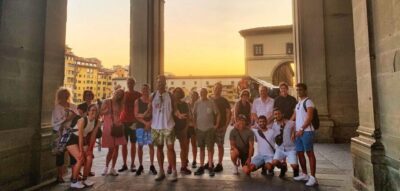 ★ 4.8Renaissance and Medici Tales Guided Walking TourFrom $21,549 reviews
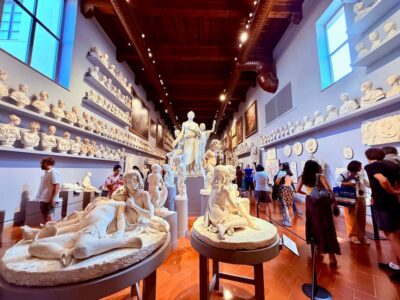 ★ 4.7Uffizi & Accademia Small Group Walking TourFrom $1481,380 reviews
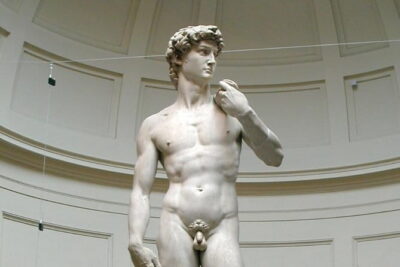 ★ 5.0Skip-the-Line Florence Highlights and David Walking TourFrom $1171,127 reviews
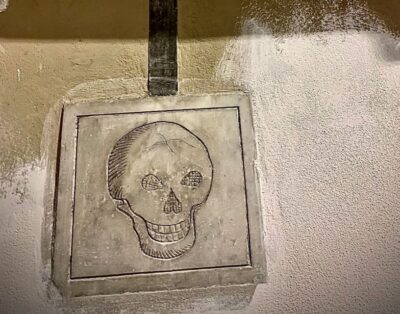 ★ 4.6Dark Mysteries and Legends Guided Walking TourFrom $21,081 reviews
Browse the lists this tour appears in