
Reviewed · MEDICI & RENAISSANCE TOURS
Florence: Renaissance City Walking Tour & wine windows
Florence can feel like a museum you walk through. This 1.5-hour guided loop hits major sights fast, then adds extra flavor with wine windows and Florentine food culture explanations. I especially like how the route stitches together the Medici era, artisan Oltrarno life, and the river views you came for. One thing to plan for: there’s a fair amount of walking, and you’ll want comfortable shoes.
Piazza Santa Maria Novella is a strong start, with the guide setting context before you even move one block. Then you get to pace yourself through luxury streets, palace stops, and classic photo spots like Ponte Santa Trinita and Ponte Vecchio. The possible drawback is simple: no tastings or refreshments are included, so if you want snacks, you’ll need to handle that on your own.
In This Review
- Key highlights you’ll notice right away
- How the tour starts in Piazza Santa Maria Novella (and why it helps)
- The wine window stop: a tiny door into big Florence
- Palazzo Strozzi and Via de’ Tornabuoni: power, fashion, and stonework
- Ponte Santa Trinita: the view that earns its photo time
- Oltrarno and artisan life: where Florence feels more local
- Piazza Santo Spirito and Brunelleschi’s Basilica
- Palazzo Pitti and the Medici connection you can actually follow
- Ponte Vecchio: jewelry shops aside, the view is the point
- Uffizi courtyard: a fast way to appreciate the big museum energy
- Piazza della Signoria and Orsanmichele: politics, art, and street-level masterpieces
- Piazza della Repubblica and Caffè Gilli: a classic break in the middle of the story
- Piazza del Duomo: finishing with the full Florence monument stack
- Price and value: why $41 can make sense for 1.5 hours
- Logistics that matter on this kind of walk
- Who this tour fits best
- Should you book it?
- FAQ
- How long is the Florence Renaissance City Walking Tour & wine windows?
- Where does the tour start?
- Is the tour guided in English?
- What’s included in the price?
- Are tastings or refreshments included?
- Can I bring luggage or large bags?
- Is there free cancellation?
Key highlights you’ll notice right away
- Wine windows: a peek at how noble families sold wine straight from palaces
- Renaissance palaces and power: Strozzi, Pitti, and the Medici thread
- Best river viewpoints: Ponte Santa Trinita and then Ponte Vecchio over the Arno
- Oltrarno artisan atmosphere: a more local-feeling side of Florence
- Duomo Square photo finish: Santa Maria del Fiore, Brunelleschi’s Dome, Giotto’s Bell Tower, Baptistery
Deeper into Medici Florence and its Renaissance
How the tour starts in Piazza Santa Maria Novella (and why it helps)
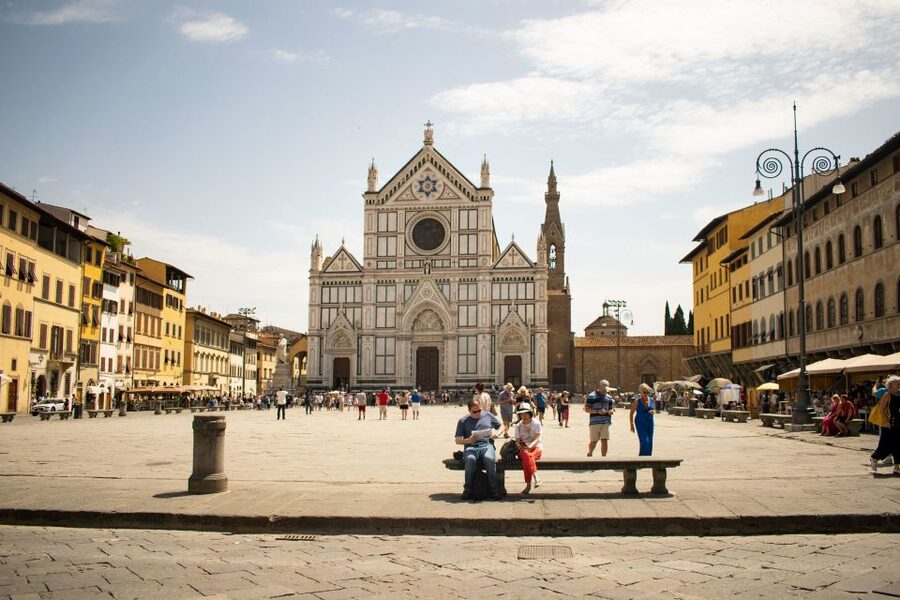
Your tour begins in Piazza di Santa Maria Novella, right by the big basilica that anchors the square’s elegant Renaissance feel. This is a smart way to start because it gives you a sense of scale and style before you start weaving through streets. The guide also helps you connect the dots between the buildings you’ll see and the people who shaped Florence’s look.
From the start, you’re on a walking route that mixes famous landmarks with “stop-and-stare” architecture. There’s also an explanation of Florentine culinary traditions along the way, but without tastings. That matters because you’ll still enjoy the food stories, yet you won’t get side-tracked by waiting in lines or buying snacks as part of the tour.
The wine window stop: a tiny door into big Florence
One of the most memorable moments is the first authentic wine window stop. This is a small opening that once let noble families sell wine directly from their palaces. It’s the kind of detail you’d normally miss if you were just sightseeing on your own. Your guide turns it into a mini lesson on everyday life—how commerce worked at street level, and how social class showed up in small design choices.
What I like about this approach is that it makes Renaissance Florence feel practical, not just grand. You’re not only looking at palaces; you’re learning how people actually moved through their city, bought things, and lived. And since there are no tastings included, the window is more about history and atmosphere than turning this into a food tour.
Palazzo Strozzi and Via de’ Tornabuoni: power, fashion, and stonework
Next up is Palazzo Strozzi, one of Italy’s finest Renaissance buildings. The guide’s job here is to point out what to look for: symmetry, proportion, and why certain design choices mattered to the people paying for them. Even from the outside, you start to understand how Renaissance Florence used architecture like branding.
Then you’ll walk along Via de’ Tornabuoni, Florence’s luxury fashion street. It’s lined with designer boutiques and historic palaces, so it’s easy to treat it like just a shopping corridor. But the guide keeps it grounded by linking the street to older Florence—power and wealth still echo in the stone, even when modern storefronts take over the ground level.
If you prefer quieter streets, this section can feel a bit more “front-facing” and polished. Still, it’s worth it because it contrasts nicely with what you’ll see later in Oltrarno.
Ponte Santa Trinita: the view that earns its photo time
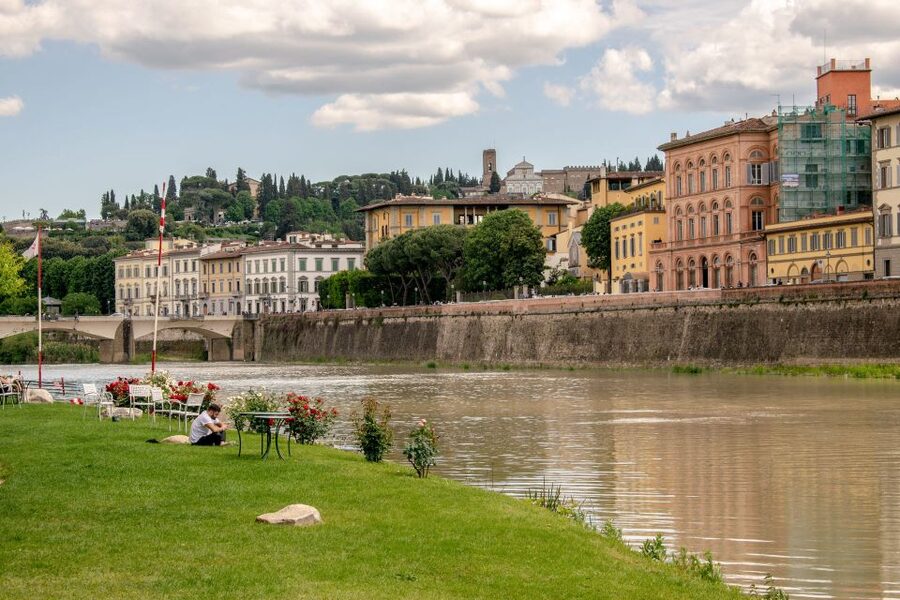
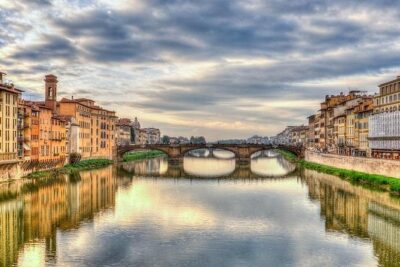
You’ll admire Ponte Santa Trinita, one of the best viewpoints for the famous Ponte Vecchio view. This is an excellent mid-tour break because you stop and look across the river before crossing into the more local neighborhoods. It also helps you get oriented: you start to see how the Arno acts like Florence’s backbone.
Photo-wise, this stop sets you up for the next phase. When you later step onto Ponte Vecchio, you’ll recognize the angles and understand what you’re looking at. Even if you’re not a photography person, the guide’s framing makes the scene easier to enjoy.
Oltrarno and artisan life: where Florence feels more local
Crossing into Oltrarno is a major tone shift. This is considered one of the most authentic areas of Florence, and you’ll feel it in the vibe—more workshops, crafts, and neighborhoods that don’t look staged for the camera.
A highlight here is the story connected to Palazzo di Bianca Cappello. The guide connects it to one of Florence’s best-known historical romances, using it as a way to talk about how people’s lives were tied to palaces and politics. You get a narrative, not just facts, which is why this part tends to land well for first-time visitors.
If you only have time for classic monuments, you can miss Oltrarno’s personality. Here, you’re getting both: the city’s “face” and the city’s daily texture.
Stretch your legs on more Florence walking tours
Piazza Santo Spirito and Brunelleschi’s Basilica
At Piazza Santo Spirito, the anchor is Brunelleschi’s Basilica of Santo Spirito. The key here is that you’re learning how Florence’s squares function beyond monuments. It’s a place where everyday life happens—people pause, talk, and move through the neighborhood.
This stop can also be a good moment to reset your walking legs. The tour isn’t trying to rush past everything. Instead, the guide gives you context so you understand why the basilica is important, and you’ll notice details you might otherwise skip.
Palazzo Pitti and the Medici connection you can actually follow
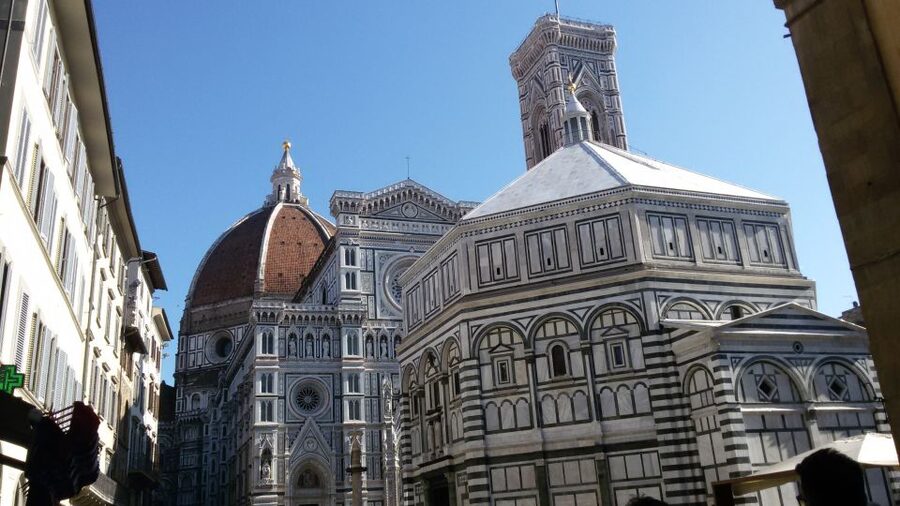
The route then reaches Palazzo Pitti, the former Medici residence. This is where the tour becomes more than a list of attractions—it starts to feel like a guided storyline. The Medici influence shows up again and again throughout Florence, and Pitti is a big piece of that puzzle.
As you move through this section, you’ll get a sense of how Medici power worked spatially. You’re not just hearing that they mattered; you’re standing near the spaces that helped them control culture, politics, and artistic life.
The tour then passes by the Vasari Corridor. You won’t go inside as part of this experience, but seeing it from the route still connects you to the idea of how Florence’s elite moved and planned. It’s one of those “you can almost feel the logistics” moments.
Ponte Vecchio: jewelry shops aside, the view is the point
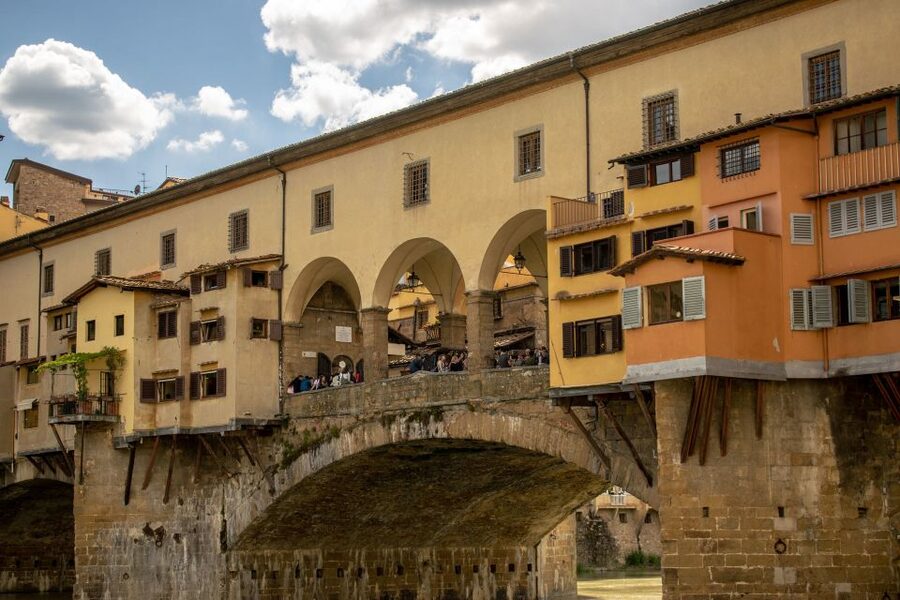
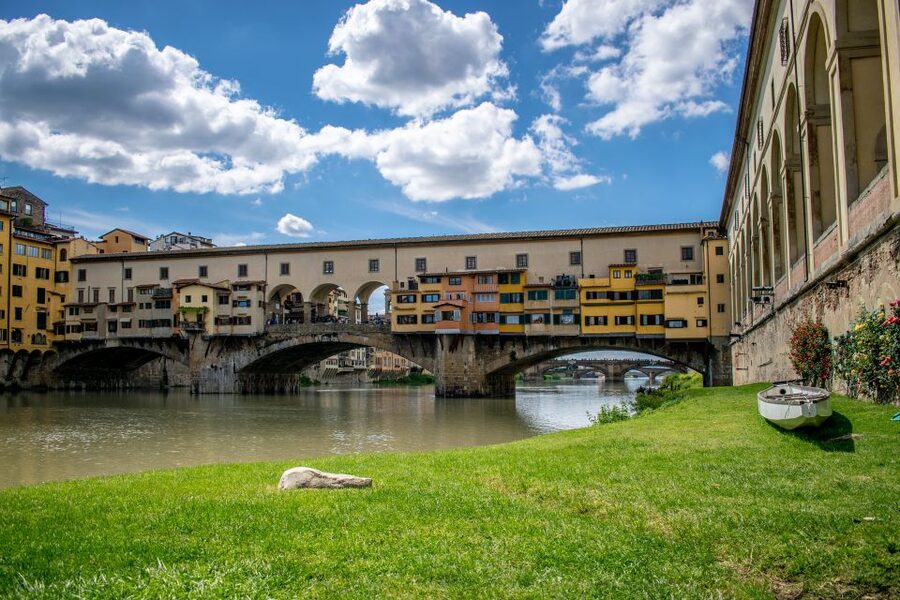
You’ll step onto Ponte Vecchio, famous for its historic jewelry shops. The shops are part of the spectacle, but the bigger payoff is the exceptional view over the Arno. This is one of those classic Florence moments where the guide’s timing matters. You want to be at the right spot, with the story explained, so it doesn’t turn into a crowd-and-camera blur.
The way this stop is set up in the itinerary helps. You’ve already had the Ponte Santa Trinita viewpoint, and you’ve learned how the river lines up with the city. So when you’re on Ponte Vecchio, you’re not only looking at the famous bridge—you’re understanding why it became such a symbol.
Uffizi courtyard: a fast way to appreciate the big museum energy
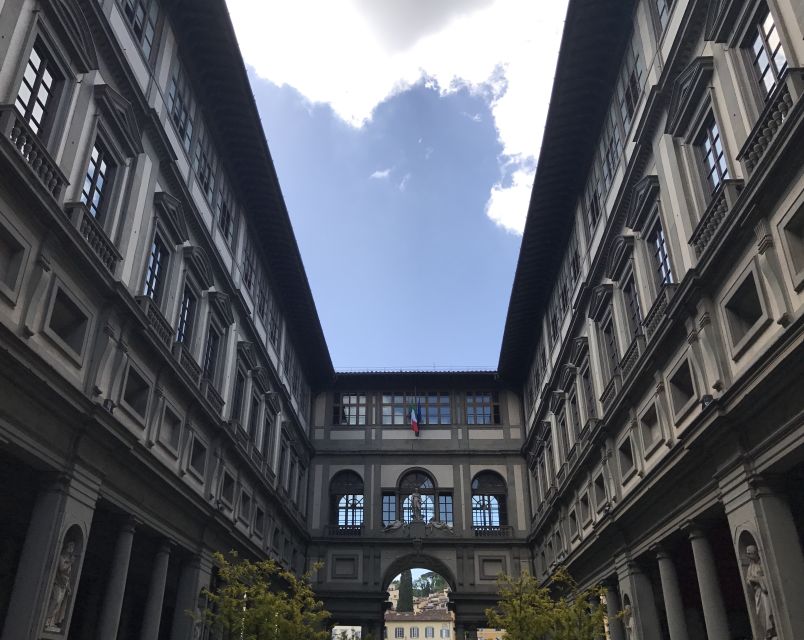
Next, you’ll pass through the courtyard of the Uffizi Gallery. You’re not doing a full museum visit in this experience, but this stop gives you the feeling of the Uffizi without requiring you to commit to a longer interior plan. It’s useful for first-timers because it says: this is the museum everyone talks about, and this is the space it occupies in Florence’s daily flow.
If you’ve got limited time, this is a practical trade. You get a dose of the Uffizi atmosphere, then you keep moving toward open-air sculpture and the political center of town.
Piazza della Signoria and Orsanmichele: politics, art, and street-level masterpieces
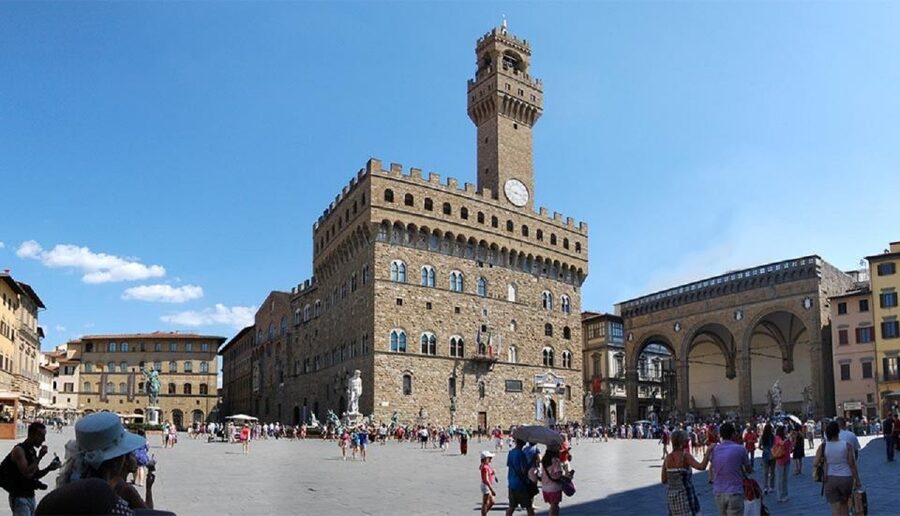
In Piazza della Signoria, you’re in Florence’s political heart and an open-air museum of Renaissance sculpture. The guide’s perspective helps you read the square beyond the obvious landmarks. It’s a place where art isn’t separate from civic life—it’s part of how power was displayed and remembered.
A short walk leads to Orsanmichele, a Gothic church adorned with masterpieces by Donatello and other major Florentine artists. This is a nice shift from the “outdoor art” feeling of the square to a more focused church stop. It also keeps the tour from becoming repetitive: you get architecture and sculpture in different formats.
Piazza della Repubblica and Caffè Gilli: a classic break in the middle of the story
You’ll reach Piazza della Repubblica, surrounded by historic cafés and elegant archways. The route includes a chance to admire Caffè Gilli, which helps anchor the area in more everyday Florence culture—how people take breaks, meet, and linger.
This is where I’d be honest about expectations: you’ll see cafés and take it in from the street, but the tour doesn’t include refreshments. If you want a coffee or a quick bite, you’ll need to plan it around your schedule.
Piazza del Duomo: finishing with the full Florence monument stack
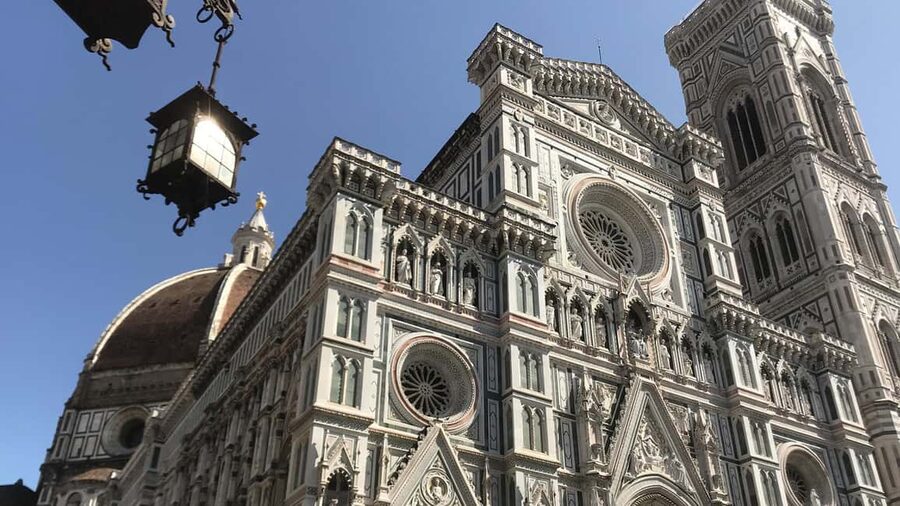
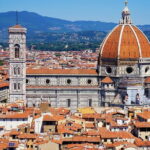
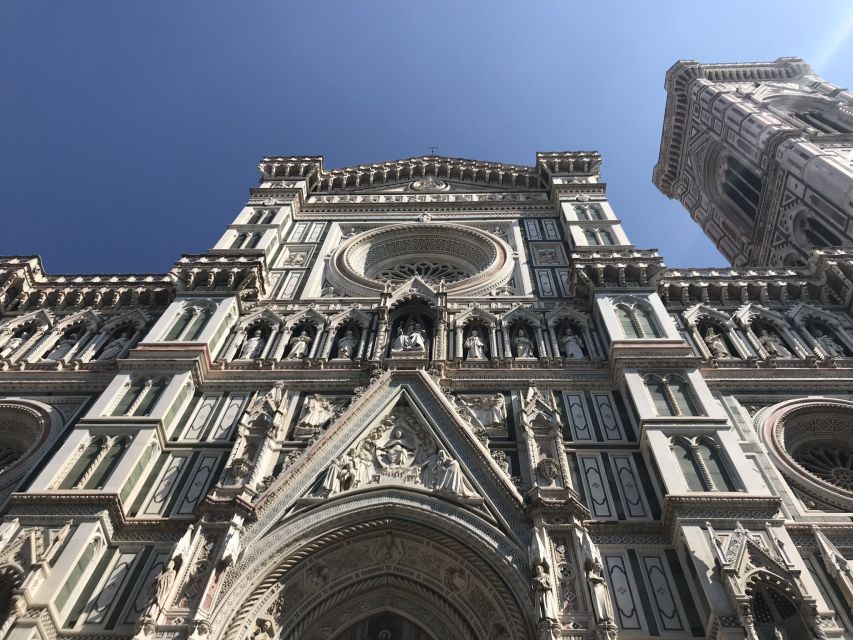
The tour ends in Piazza del Duomo, where Florence puts its biggest cards on the table. This final stretch is great for photos, but it’s also the best place to synthesize everything you learned earlier.
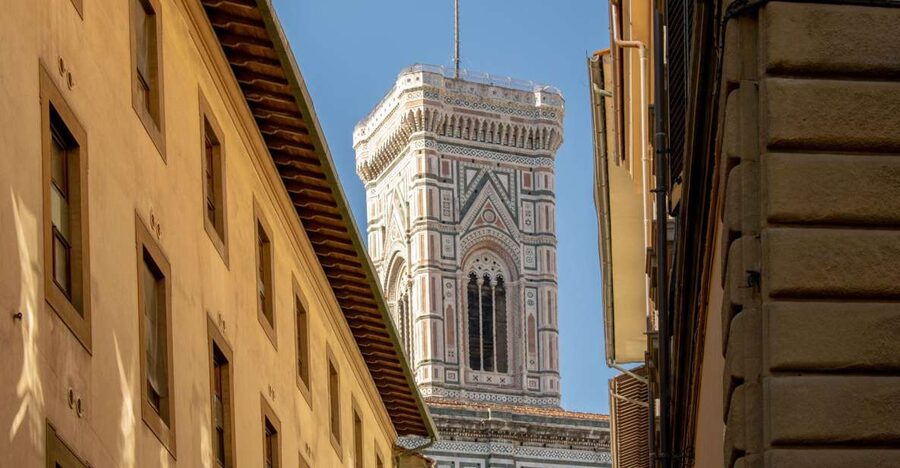
You’ll see the Cathedral of Santa Maria del Fiore, Brunelleschi’s Dome, Giotto’s Bell Tower, and the Baptistery with its renowned bronze doors. What I like about this finish is that it turns your earlier stops into context. By the time you reach the Duomo, you’ve already walked through Renaissance palaces, Medici influence, and civic art spaces—so the cathedral complex doesn’t feel random.
Price and value: why $41 can make sense for 1.5 hours
At $41 per person for a 1.5-hour walking tour, this is priced for what you actually get: a live English guide, audio headset, and a structured route that connects the major highlights. It’s not a museum ticket deal, and it doesn’t include snacks or tastings, so you’re not paying for food.
The value is in the organization and interpretation. A self-guided walk can show you buildings, but it won’t automatically give you the “why this matters” context—like how the wine window worked or how the Medici thread connects palaces and political spaces. If you’re trying to maximize Florence in a short stay, this kind of guided loop often beats trying to design your own route on the fly.
Logistics that matter on this kind of walk
A few practical points can make or break the experience:
- You should expect a fair amount of walking, so comfortable shoes are non-negotiable.
- No luggage or large bags are allowed, so travel light.
- The tour is wheelchair accessible, which is a real plus if you need that support.
- You’ll meet near the obelisk in front of the church, and look for a guide holding a red sign that says walking tour.
One more detail: the tour is offered in English, and the guide provides audio headsets, which helps a lot in busy squares and narrow streets.
Who this tour fits best
This tour is a strong choice if you want:
- a first look at Florence’s biggest Renaissance and Duomo landmarks
- a guided way to understand connections (Medici influence, civic art, artisan Oltrarno)
- a short, organized plan that doesn’t require museum entry
It may be less ideal if:
- you want a long food experience with tastings (this one includes explanations without tastings)
- you dislike walking and prefer a slower, sit-down pace
Based on what’s been shared about the guide’s performance, people who like clear explanations and a good pace tend to feel satisfied. One example: Inna praised Elisa for answering questions and making the city feel magical in a way that helped her understand what she was seeing.
Should you book it?
If you’re visiting Florence for a limited time and you want to leave with a clearer picture of how Renaissance power, art, and everyday life fit together, this is a smart pick. The biggest reason to book is the balance: you get major icons like Ponte Vecchio and the Duomo, but you also stop for the smaller story details like wine windows and Bianca Cappello’s palace romance thread. Just don’t expect included snacks, and plan your day so you’re ready for steady walking.
FAQ
How long is the Florence Renaissance City Walking Tour & wine windows?
It lasts about 1.5 hours.
Where does the tour start?
The meeting point is Piazza di Santa Maria Novella, near the obelisk in front of the church.
Is the tour guided in English?
Yes, it’s a live tour with an English-speaking guide.
What’s included in the price?
You get a walking tour, an expert guide, and audio headsets.
Are tastings or refreshments included?
No tastings are included, and refreshments are not included.
Can I bring luggage or large bags?
No—luggage or large bags are not allowed.
Is there free cancellation?
Yes, you can cancel up to 24 hours in advance for a full refund.
More Florence Tours to Weigh Up
- The Best tour in Florence: Renaissance & Medici Tales – guided by a STORYTELLER
★ 5.0 · 12,316 reviews - The Best Tour in Florence: Renaissance and Medici Tales
★ 5.0 · 10,810 reviews - Florence: Chianti Wineries Tour with Wine Tasting
★ 4.5 · 10,071 reviews - Florence: Duomo Cathedral 60-Minute Guided Tour
★ 3.7 · 6,829 reviews - Florence: Hop-on Hop-off Bus Tour: 24, 48 or 72-Hour Ticket
★ 4.0 · 6,283 reviews
More Florence Tours We Have Reviewed
- Florence: Skip-The-Line Uffizi Gallery Timed Entry Ticket
★ 4.5 · 27,832 reviews - Tuscany Day Trip from Florence: Siena, San Gimignano, Pisa and Lunch at a Winery
★ 5.0 · 21,634 reviews - Florence: Timed Entry to Michelangelo’s David + Audio App
★ 4.6 · 19,496 reviews - Florence: Leonardo Interactive Museum Entry Ticket
★ 4.5 · 12,957 reviews - Florence: Michelangelo’s David Skip-the-Line Entry Ticket
★ 4.5 · 12,764 reviews
The Medici Story Continues
- The Best tour in Florence: Renaissance & Medici Tales – guided by a STORYTELLER
★ 5.0 · 12,316 reviews - The Best Tour in Florence: Renaissance and Medici Tales
★ 5.0 · 10,810 reviews - Uffizi Gallery: Renaissance Masterpieces Guided Tour
★ 4.6 · 6,070 reviews - Florence: Renaissance and Medici Tales Guided Walking Tour
★ 4.8 · 1,549 reviews - Guided Medici Tour Florence: Discover Mysteries & History
★ 4.3 · 1,077 reviews
Fresh from our Florence review desk
- Small-Group Pasta Cooking Class and Market Tour in Florence★ 5.0 · 3 reviews
- Palatina Gallery and Pitti Guided Tour in Florence★ 5.0 · 3 reviews
- Tuscan Evening Tour: Fiat 500, 8:30 to 10 PM★ 5.0 · 3 reviews
- Journey into Art: Florence’s Accademia★ 4.5 · 3 reviews
- Paint and Drink Florentine Hills★ 5.0 · 3 reviews
- Truffle hunting and lunch experience, with Vinci and winery.★ 4.5 · 3 reviews
Medici & Renaissance Tours, compared.
 ★ 5.0The Best tour in Florence: Renaissance & Medici Tales – guided by a STORYTELLERFrom $312,316 reviews
 ★ 5.0The Best Tour in Florence: Renaissance and Medici TalesFrom $310,810 reviews
 ★ 4.6Uffizi Gallery: Renaissance Masterpieces Guided TourFrom $886,070 reviews
 ★ 4.8Renaissance and Medici Tales Guided Walking TourFrom $21,549 reviews
 ★ 4.3Guided Medici Tour Florence: Discover Mysteries & HistoryFrom $571,077 reviews
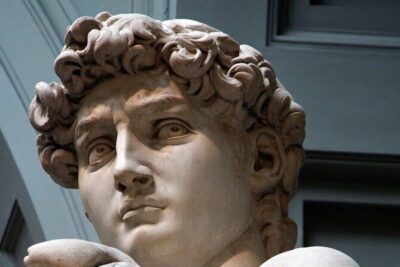 ★ 4.0Accademia Gallery: Michelangelo’s David and High Renaissance ArtFrom $43872 reviews
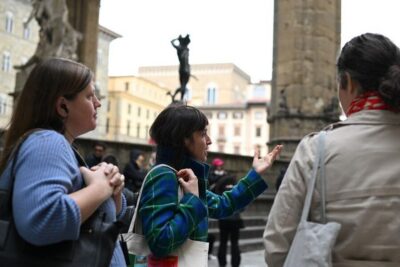 ★ 4.7Guided Tour of Medici Family Secrets and ChapelsFrom $93512 reviews
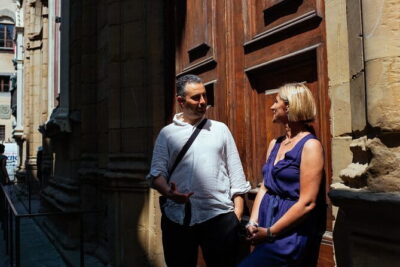 ★ 5.0Florence Private Tour: Renaissance, Famous Families & Hidden GemsFrom $199233 reviews
Browse the lists this tour appears in