
Reviewed · FLORENCE FOOD TOURS
Food Tour Florence Small Groups
Florence is best when you eat your way through it. This 2.5-hour small-group walking tour blends iconic sights with hands-on tastings, then adds local stories you usually only hear when you slow down.
I especially loved the street-food stop on Via de’ Neri and the chance to learn olive oil the way Tuscan producers and shopkeepers talk about it. One thing to consider: you’ll be walking in a busy historic center, so wear comfy shoes and keep close when you’re crossing near traffic.
In This Review
- Key Highlights You’ll Actually Feel on the Walk
- A 2.5-Hour Food and Sight Walk That Stays Practical
- Santa Croce Square and Calcio Storico: History on a Marble Stage
- Optional detour energy: buchette del vino
- Via de’ Neri: Where Florence Does Street Food Right
- Piazza della Signoria: Open-Air Art Museum, Without the Rush
- A shopping stop that can change by day
- Fontana del Porcellino: The Coin Toss Ritual That Gets People Smiling
- Ponte Vecchio: Quick Crossing, Big Views, Goldsmith Shops
- Oltrarno: Artisan Streets and a Gelato Stop That Feels Like a Breather
- Ponte Santa Trinita and Extra-Virgin Olive Oil: The Tasting That Changes How You Shop
- Practical takeaway
- What Makes This Tour Worth $102.35 (and When It Might Not)
- How to Make the Most of Your Evening
- Should You Book This Florence Food Tour?
- FAQ
- How long is the Food Tour Florence Small Groups?
- What is the price per person?
- How big are the groups?
- What language is the tour offered in?
- Do I get a mobile ticket?
- Where does the tour start and where does it end?
- Is the buchette del vino stop included?
- Does the tour include an extra-virgin olive oil tasting?
- What is the cancellation policy?
- Is the tour accessible and are service animals allowed?
Key Highlights You’ll Actually Feel on the Walk
- Via de’ Neri street-food energy: a direct route to Florence’s most famous grab-and-go flavors, including lampredotto
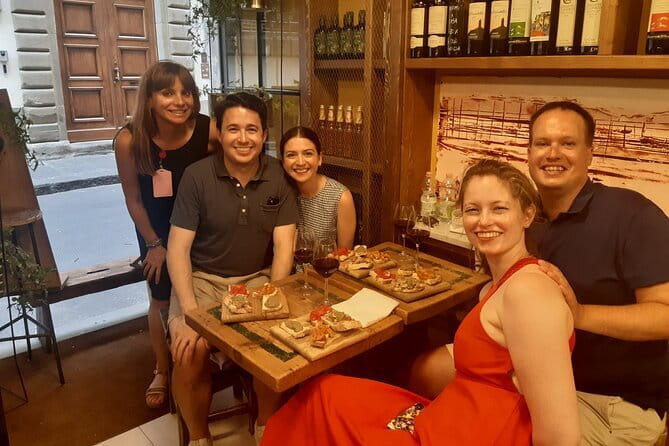
- Wine-window lore: the optional buchette del vino stop turns a quick snack-story into real local history
- Old Florence sights without the long museum slog: Santa Croce square, Piazza della Signoria, and the Porcellino fountain
- Ponte Vecchio views that make the photo effortless: quick time on the bridge, lined with goldsmith shops
- Oltrarno’s slower pace: you trade crowds for artisan streets and a gelato break
- Extra-virgin olive oil tasting at Ponte Santa Trinita: learn aromas and differences, not just how to order
Hungry yet? More Florence food walks to graze
A 2.5-Hour Food and Sight Walk That Stays Practical
At about 2 hours 30 minutes, this tour hits a sweet spot: enough time to try multiple local foods and still get to see major landmarks. The group is limited to a maximum of 15, which matters in Florence. You move faster than the big-bus crowd, but you’re not stuck in a chaotic line either.
You also get a clear structure: a mix of views, quick legends, and focused stops where you can sample local cuisine and drink. In the reviews, you’ll see names like Enrico, Vanessa, and Judy—and that lines up with the overall style here. Guides put history into plain language, then point you toward what to taste and why it’s Florentine.
Santa Croce Square and Calcio Storico: History on a Marble Stage
Right away, you walk past the imposing Basilica of Santa Croce, with its white-and-pink marble façade and the big open square in front. Even if you don’t go inside, the space matters. It’s the kind of place where events happen, and Florence uses public squares for its identity.
Your guide explains what goes on in this area beyond sightseeing, including Calcio Storico Fiorentino—a centuries-old, high-energy traditional game that’s tied to this square. It’s one of those local details that makes Florence feel less like a postcard and more like a living city.
Optional detour energy: buchette del vino
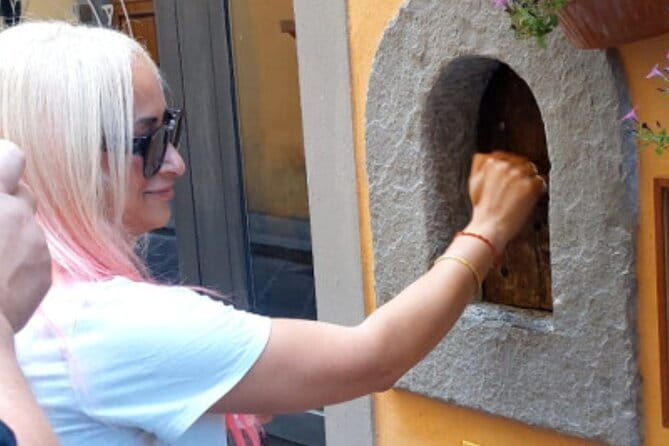
Along the way, you may stop to see a buchetta del vino (wine window). These small historic openings were once used to serve wine straight to passersby. The stop is optional, but it’s an easy one to love because it’s so Florentine: practical, slightly quirky, and surprisingly meaningful once you hear the story.
If the buchette stop happens on your day, it’s one of the best examples of how the tour swaps ordinary landmarks for real local life.
Via de’ Neri: Where Florence Does Street Food Right
Then comes the moment food lovers wait for: Via de’ Neri. This is where the aromas hit first, before you even fully understand what’s coming. It’s known as a street-food paradise, and it’s home to All’Antico Vinaio, which is famous for serious Florentine-style sandwiches.
Your first proper tasting stop focuses on traditional bites. The star here is lampredotto, a classic Florentine street food made from tripe. If you’ve never tried it, this is exactly the right setting—because you’re not hunting alone. You’re walking into the local rhythm and sampling as the guide explains what makes the flavor and preparation “Florence.”
A short note on value: this part is strong because it’s not just tasting random things. The tour frames the food as part of Florentine culture—street food as everyday tradition, not a one-off gimmick.
Piazza della Signoria: Open-Air Art Museum, Without the Rush
Next you head to Piazza della Signoria, which feels like an outdoor gallery. You’ll pass major sculptural landmarks, including the Loggia dei Lanzi statues and the Fountain of Neptune. Michelangelo’s David is also associated with this area—though what you’ll see is the replica, not the original museum piece.
What I like about this stop is that it’s short enough to keep the tour moving, but not so rushed you can’t read the scene. It’s a good pause where your guide can connect art, power, and public life in a way that doesn’t require a ticket line or a long indoor visit.
More Florence tables, tastings and small bites

A shopping stop that can change by day
From here, the tour may include a carefully selected shop experience for regional products and excellent wines. Importantly, it’s not guaranteed to be the exact same venue every time. Stops can vary based on day, time, and availability. The upside for you is flexibility and access to what’s best that day—not what’s easiest to sell in advance.
If you want to buy souvenirs that aren’t just mass-market, this is the part that helps most.
Fontana del Porcellino: The Coin Toss Ritual That Gets People Smiling
The Porcellino Fountain (Fontana del Porcellino) is one of Florence’s most recognizable symbols. The bronze pig and the legend around it are why people slow down here.
The ritual is simple: rub the shiny bronze snout and toss a coin into the grate below. You don’t need to believe the myth. It’s still fun because it gives you a quick, local-style moment during the walk—like a reset button between big sights.
This is also a great spot for a short photo break. Just be mindful of space; people gather here.
Ponte Vecchio: Quick Crossing, Big Views, Goldsmith Shops
Then it’s time for Ponte Vecchio, Florence’s most famous bridge. As you cross, you’ll see the line of goldsmith shops, and you’ll get those classic views looking out toward the Arno River.
What makes this stop work on a food tour is timing. You get the “iconic Florence” moment without losing an hour to waiting or detouring. It’s quick, scenic, and very photogenic.
If you care about photos, this is the part where you should keep your camera ready. The bridge views are one of those things that look even better in motion.
Oltrarno: Artisan Streets and a Gelato Stop That Feels Like a Breather
Once you cross the river, you enter Oltrarno, often described as more authentic and craft-focused. It has that “local pace” feeling: workshops, smaller streets, and a vibe that’s less about constant sightseeing.
The tour gives you a chance to slow down with gelato. You’ll stop at one of the city’s top gelaterias, where gelato makers use high-quality ingredients to create classic flavors. This part matters because gelato on a walking tour is not just dessert. It’s a smart break that helps you keep your energy for the final stretch.
Also, Oltrarno is a useful area to learn from. Even after the tour ends, the neighborhood makes a great base for your next wander.
Ponte Santa Trinita and Extra-Virgin Olive Oil: The Tasting That Changes How You Shop
This is the stop that tends to impress people most: a Tuscany extra-virgin olive oil tasting. Olive oil is a pillar of Tuscan cooking, but this isn’t presented as background information. It’s taught like a skill—how to smell, how to notice differences, and how to talk about quality.
You’ll visit a carefully selected location where you can taste locally produced extra-virgin olive oils and learn how to distinguish aromas and characteristics. The goal is that after the tour, you’ll read a bottle label differently. You’ll know what to pay attention to beyond brand names.
Practical takeaway
If you’ve ever bought olive oil in a hurry, this tasting helps you slow down. Even a short tasting can train your senses. And olive oil is one of the easiest gifts to bring home that still feels useful, not random.
What Makes This Tour Worth $102.35 (and When It Might Not)
The price is $102.35 per person for around 2.5 hours, and the tour is small-group (max 15). That cost can feel high if you only think in terms of “sightseeing.” But this tour isn’t built around a museum ticket. It’s built around guided pacing, multiple tasting stops, and local context that makes the food more meaningful.
Where the value lands best:
- You want a structured route that avoids getting lost in the center
- You care about what to eat and why, not just where to stand for photos
- You like walking tours where the food stops are planned, not an afterthought
Where you might reconsider:
- If you hate walking or you’re looking for mostly indoor, sit-down attractions
- If you’re the type who would rather explore on your own after a single tasting stop
For many people, the sweet spot is exactly this: you get major Florence sights plus real food learning in one evening.
How to Make the Most of Your Evening
A few practical tips will make your time smoother:
- Bring comfy shoes. The route moves through squares and along streets, and you’ll be on your feet for most of the experience.
- Stay close to the group near crossings. In the reviews, guides were attentive about street safety, including traffic around certain streets—so treat it as part of the plan, not an inconvenience.
- Come hungry, but don’t overdo it beforehand. The tour builds several tastes back-to-back, and you’ll enjoy each stop more if you arrive with appetite.
- If you’re a wine-window fan, ask your guide early if the buchette stop is happening that day. It’s listed as optional, and knowing early helps you plan expectations.
Should You Book This Florence Food Tour?
Yes, if you want a guided food-and-sights mix that stays efficient and locally grounded. The strongest reasons to book are the clear focus on Florentine street flavors like lampredotto, the culture behind the wine windows, and the standout extra-virgin olive oil tasting that teaches you how to notice quality.
I’d skip it only if you prefer deep museum time, or if you don’t want to walk through central Florence at all. If you’re open to a lively evening stroll with food stops that actually make sense, this is an excellent match.
FAQ
How long is the Food Tour Florence Small Groups?
The tour lasts about 2 hours 30 minutes.
What is the price per person?
The price is $102.35 per person.
How big are the groups?
The tour has a maximum of 15 travelers.
What language is the tour offered in?
It’s offered in English.
Do I get a mobile ticket?
Yes, the tour includes a mobile ticket.
Where does the tour start and where does it end?
It starts at Local Guides Tour Via di S. Giuseppe, 4r, 50122 Firenze FI, Italy, and ends at Ponte Vecchio, 50125 Firenze FI, Italy.
Is the buchette del vino stop included?
The buchette del vino stop is optional, depending on the tour flow.
Does the tour include an extra-virgin olive oil tasting?
Yes. There is a stop dedicated to extra virgin olive oil tasting, with locally produced oils and learning about aromas and characteristics.
What is the cancellation policy?
Free cancellation is available if you cancel up to 24 hours in advance of the experience for a full refund.
Is the tour accessible and are service animals allowed?
Service animals are allowed. The tour is near public transportation, and most travelers can participate.
More Florence Tours to Weigh Up
- The Best tour in Florence: Renaissance & Medici Tales – guided by a STORYTELLER
★ 5.0 · 12,316 reviews - The Best Tour in Florence: Renaissance and Medici Tales
★ 5.0 · 10,810 reviews - Florence: Chianti Wineries Tour with Wine Tasting
★ 4.5 · 10,071 reviews - Florence: Duomo Cathedral 60-Minute Guided Tour
★ 3.7 · 6,829 reviews - Florence: Hop-on Hop-off Bus Tour: 24, 48 or 72-Hour Ticket
★ 4.0 · 6,283 reviews
More Florence Tours We Have Reviewed
- Florence: Skip-The-Line Uffizi Gallery Timed Entry Ticket
★ 4.5 · 27,832 reviews - Tuscany Day Trip from Florence: Siena, San Gimignano, Pisa and Lunch at a Winery
★ 5.0 · 21,634 reviews - Florence: Timed Entry to Michelangelo’s David + Audio App
★ 4.6 · 19,496 reviews - Florence: Leonardo Interactive Museum Entry Ticket
★ 4.5 · 12,957 reviews - Florence: Michelangelo’s David Skip-the-Line Entry Ticket
★ 4.5 · 12,764 reviews
Still Hungry in Florence?
- Winner 2025 Florence Sunset Food & Wine Tour by Eating Europe
★ 5.0 · 5,015 reviews - Florence: Cinque Terre Park Day Trip with Optional Street Food
★ 4.5 · 3,593 reviews - Florence: Day Trip to Cinque Terre with Optional Street Food
★ 4.5 · 2,854 reviews - From Florence: Tuscany Wine & Food Tour with Guide
★ 4.9 · 1,746 reviews - Small Group Cooking Class & Market Food Tour in Florence
★ 5.0 · 1,574 reviews
Fresh from our Florence review desk
- Small-Group Pasta Cooking Class and Market Tour in Florence★ 5.0 · 3 reviews
- Palatina Gallery and Pitti Guided Tour in Florence★ 5.0 · 3 reviews
- Tuscan Evening Tour: Fiat 500, 8:30 to 10 PM★ 5.0 · 3 reviews
- Journey into Art: Florence’s Accademia★ 4.5 · 3 reviews
- Paint and Drink Florentine Hills★ 5.0 · 3 reviews
- Truffle hunting and lunch experience, with Vinci and winery.★ 4.5 · 3 reviews
Florence Food Tours, compared.
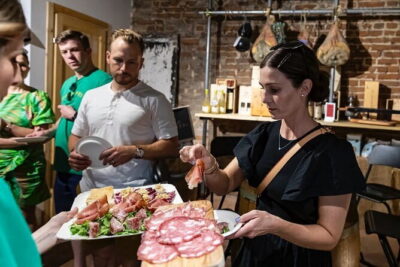 ★ 5.0Winner 2025 Florence Sunset Food & Wine Tour by Eating EuropeFrom $1495,015 reviews
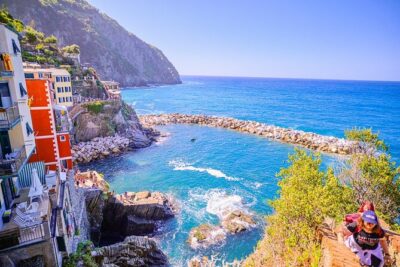 ★ 4.5Cinque Terre Park Day Trip with Optional Street FoodFrom $603,593 reviews
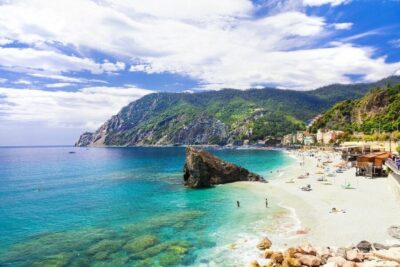 ★ 4.5Day Trip to Cinque Terre with Optional Street FoodFrom $1352,854 reviews
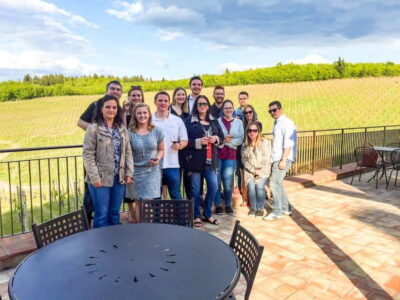 ★ 4.9From Florence: Tuscany Wine & Food Tour with GuideFrom $1751,746 reviews
 ★ 5.0Small Group Cooking Class & Market Food Tour in FlorenceFrom $621,574 reviews
 ★ 4.9Street Food Tour with Wine & Local GuideFrom $441,443 reviews
 ★ 4.5Cinque Terre Day Trip with Optional Street FoodFrom $531,315 reviews
 ★ 4.9Street Food Walking Tour with WineFrom $45719 reviews
Browse the lists this tour appears in