

Reviewed · MEDICI & RENAISSANCE TOURS
Private Renaissance Discovery Tour of Florence
Florence hits different when someone points out the story behind the stone. This private walk through the city’s key Renaissance sights turns familiar names like Duomo and Ponte Vecchio into a connected timeline you can actually picture. I like that it stays private and flexible, so you can move at your pace without feeling herded.
Two things I especially appreciate: the guide-led focus on how the city worked, not just what you can photograph, and the route that threads art, power, and architecture together. One thing to think about: most stops are outside, and entry tickets to churches and major landmarks aren’t included, so if you want inside access, you’ll need to plan that separately.
In This Review
- Key Highlights Worth Your Time
- Why a Private Renaissance Walk Works So Well in Florence
- Meeting Your Guide and Managing the Pace Like a Local
- Piazza della Signoria and Loggia dei Lanzi: Power Meets Sculpture
- Uffizi Colonnade, Goldsmith Shops, and the Vasari Corridor Story
- Ponte Vecchio: The Bridge, the Shops, and the WWII Survival Detail
- Piazza San Giovanni and the Duomo Cluster You Shouldn’t Miss
- Piazza della Repubblica: Civic Life Under Luxury Cafes
- Porcellino at Loggia del Mercato Nuovo: A Little Ritual That Fits
- Optional Upgrade to Pitti Square and Boboli Gardens Area
- Optional Oltrarno Time: Slower Streets on the Other Side
- Ticket Reality: You’ll Learn a Lot Without Rushing Into Every Interior
- Price and Value for a Private Group Up to 10
- Who This Tour Fits Best (and Who Might Want a Different Format)
- Should You Book This Private Renaissance Discovery Tour?
- FAQ
- How long is the Private Renaissance Discovery Tour of Florence?
- Do I get to choose between morning and afternoon departures?
- Is pickup offered, and where does the guide meet us?
- Is the tour offered in English?
- Are entry tickets to churches or landmarks included?
- Can I cancel for a full refund?
Key Highlights Worth Your Time
- Choose morning or afternoon departures to match your energy and your other plans
- Private guide meets you at your accommodation in Florence’s historic center (pickup options available)
- Piazza della Signoria, Loggia dei Lanzi, and the Uffizi colonnade connect Florence’s power and art in one loop
- Ponte Vecchio with the World War 2 survival story gives the bridge more meaning than the view alone
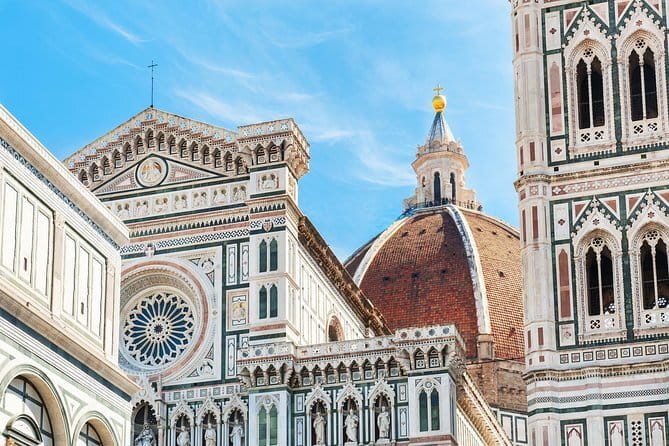
- Piazza San Giovanni Duomo cluster explains Brunelleschi’s dome, Giotto’s bell tower, and the Baptistery
- Optional add-ons can stretch your walk toward Pitti Square and the quieter Oltrarno side of the river
Deeper into Medici Florence and its Renaissance
Why a Private Renaissance Walk Works So Well in Florence
Florence is one of those cities where you can walk for hours and still feel like you saw a bunch of famous buildings, but not the reason they matter. This tour helps you connect the dots. In about 3 hours, you get a guided path through the city’s artistic and political center, with explanations built for real understanding, not museum trivia dumps.
You also avoid one of Florence’s most common tourist annoyances: repeating the same photo stops while missing the context. Here, the big names come with the backstory—Medici power, how buildings evolved, and why certain spaces were designed to impress. That makes your time feel longer than it is.
And because it’s a private group for up to 10 people, you’re not competing for attention. If you want clarification, you can ask. If you want to slow down for a detail, your guide can adjust.
Meeting Your Guide and Managing the Pace Like a Local
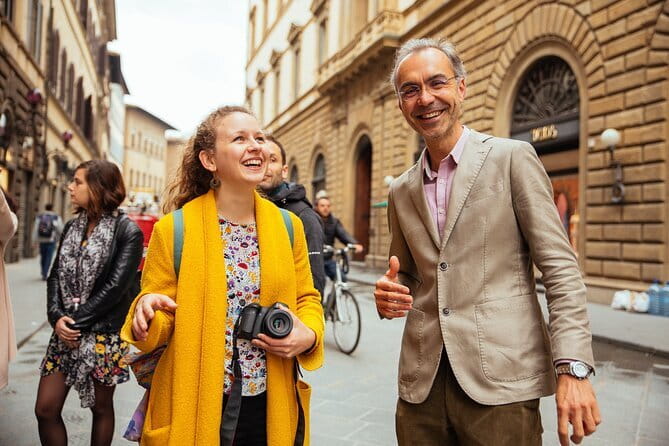
The tour is set up for an easy start. Your private guide meets you directly at your accommodation in Florence if you’re in the historic center, and pickup is offered for private homes and apartments too. That matters because the start points for Florence walking tours can be a hassle—getting to a meeting location can eat up your momentum.
From there, you’re on foot in the historic heart, which is the best way to experience Florence at walking speed. Expect a mix of open squares, covered walkways, and streets where you’ll actually feel the shape of the city. The tour is designed so your private group can set the pace and make use of the guide’s history and lore knowledge.
Practical tip: wear comfortable shoes. Even with a 3-hour timeline, Florence streets can be steeper and more uneven than you expect, especially as you move between the river area and the Duomo zone.
Piazza della Signoria and Loggia dei Lanzi: Power Meets Sculpture
The energy of Renaissance Florence is easiest to grasp at Piazza della Signoria. The towering Palazzo Vecchio presides over this central square like a reminder that art and politics weren’t separate in those days.
From there, you’ll head toward the Loggia dei Lanzi open-air setting. This is where sculpture becomes something you read from different angles, not something you only view behind glass. You’ll see statuary associated with major Florentine sculptors such as Cellini and Giambologna, and your guide’s explanation helps you understand why these works belong in this kind of public space.
What I like here is the way the tour turns your attention outward. Instead of focusing only on the biggest landmark, you notice the choreography of the square: where people would gather, what the architecture signals, and why the city placed art where power could be seen.
Potential drawback: if your group expects lots of interior museum time, this part may feel more “look and learn” than “tickets and rooms.” Still, it’s one of the smartest places to orient yourself in Florence.
Uffizi Colonnade, Goldsmith Shops, and the Vasari Corridor Story

One of the tour’s more interesting moves is how it passes by the Uffizi Gallery colonnade. You’re not just hearing about the art institution—you’re seeing its interface with the street. The Uffizi is tied to Medici patronage, and the guide uses that connection to frame what you’re looking at as part of a bigger Renaissance project.
Then you get a stop that feels very Florentine: browsing the goldsmiths’ shops and catching views toward the Arno River from around the bridge approach. It’s a good reminder that Florence’s craftsmanship wasn’t a one-time Renaissance moment—it kept evolving.
And then comes a highlight that most people don’t stumble upon on their own: the Vasari Corridor. This elevated passageway story is included as a Medici secret for discreet travel between the Palazzo Vecchio and Pitti Palace across the river. Even if you don’t step inside the corridor itself, you’ll understand the logic behind it. It’s the kind of detail that makes Florence feel like a living puzzle.
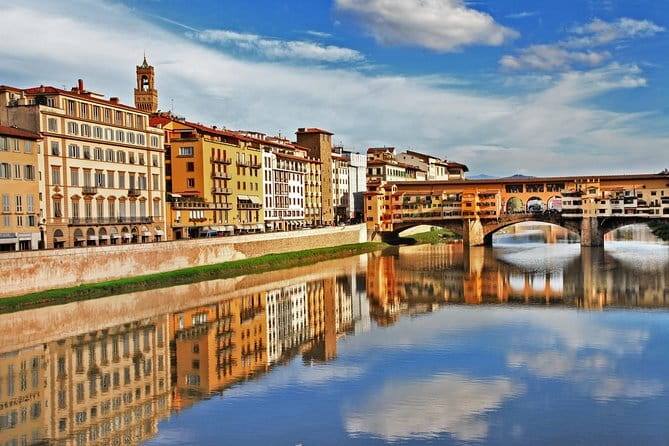
Ponte Vecchio: The Bridge, the Shops, and the WWII Survival Detail
If you want one Florence photo that always turns out well, it’s Ponte Vecchio. But the tour adds a layer that makes the experience more than a snapshot session.
You’ll learn how the bridge’s function changed over time. Once, it was known for meat markets, and then it shifted into the high-end jewelry and luxury shops you see today. Your guide also shares why Ponte Vecchio was the only bridge spared during World War 2 bombings, which is a dramatic piece of context when you’re standing there among centuries of architecture.
From a practical standpoint, your time here also works because the bridge forces you to slow down. The views of the Arno and the way the buildings frame the water are immediate, and you don’t need museum tickets to enjoy the moment.
Tip for photos: try to step back from the densest crowds near the center. You’ll still get the same bridge geometry, with more room for your camera and less shoulder-to-shoulder.
Just your group: more private Florence tours


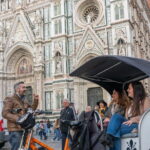

Piazza San Giovanni and the Duomo Cluster You Shouldn’t Miss
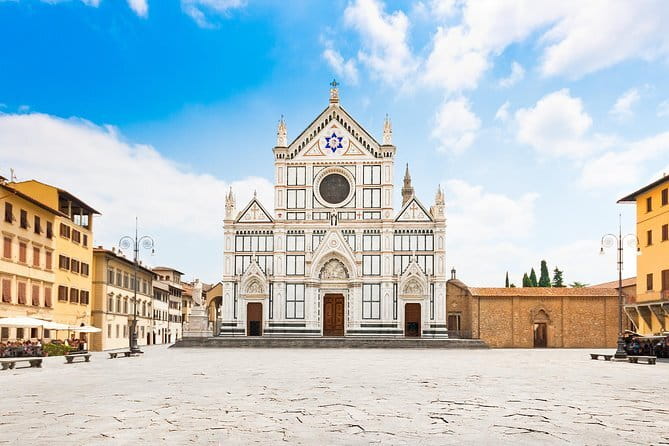
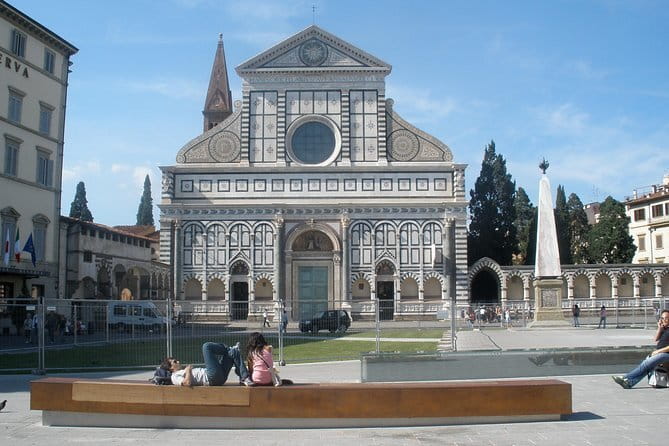
Florence’s Duomo area can feel overwhelming if you arrive with no plan. Here, the tour gives you a clean path through Piazza San Giovanni, where you get a direct, breathtaking view of the whole cluster at once: Santa Maria del Fiore (the Duomo), San Giovanni Baptistery, and Giotto’s Bell Tower, all framed by Brunelleschi’s dome.
The guide explains how the square grew into the intricate architectural masterpiece it is today, and you’ll spend time around the buildings rather than just walking past them. That extra context helps you understand why the façade details and the surrounding structures matter as a group, not as separate monuments.
Also: the marble color palette in this area is part of the appeal. The mix of white, pink, and green shows up strongly in photographs, but it’s even more vivid in person when the light hits the surfaces.
A note to keep expectations realistic: churches and landmark interior access isn’t included as entry tickets. So you’ll get the big exterior orientation and explanation, plus photo time. If you want to go inside, you’ll need to add that separately.
Piazza della Repubblica: Civic Life Under Luxury Cafes
Next up is Piazza della Repubblica, which sits close to the Duomo area. This square is one of those places where you can look at it now—cafés, luxury shops—and still hear the echo of older civic life.
Your guide walks you through how this space functioned as a civic heart for centuries, including earlier ruling families and the role of the square as a marketplace. The tour encourages you to imagine the daily rhythm here long before today’s storefronts.
What’s valuable is the contrast. Florence is famous for art and grand architecture, but squares like this remind you that ordinary commerce and public gatherings were part of the same world that produced Renaissance masterpieces.
Practical consideration: this area can be busier than the quieter lanes farther from the main center. If your goal is calm viewing time, your guide’s pacing will matter.
Porcellino at Loggia del Mercato Nuovo: A Little Ritual That Fits
The walk continues toward Loggia del Mercato Nuovo to see the Porcellino—the piglet statue famous for the local good-luck ritual of rubbing the baby pig’s nose. Your guide leads you through the market approach and shares the legends and the meaning behind the gesture.
It’s also worth noting the market setting. The market area was originally opened in the 1500s for foreign silk and precious stone vendors. That historical tie helps you see the piglet ritual as part of a longer story of trade and street culture, not just a quick tourist gimmick.
Timing is good here because the stop is short and focused. You get your photos and the story without losing your whole afternoon to a single crowded spot.
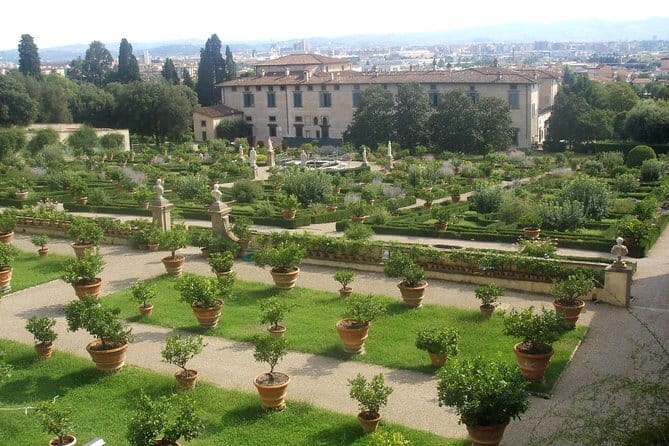
Optional Upgrade to Pitti Square and Boboli Gardens Area
If you want a slightly different angle of Florence, ask to extend your tour toward Pitti Square and the Oltrarno side. The Pitti extension focuses on the Palazzo Pitti, including its association with Luca Pitti and later expansion by the powerful Medici family.
You’ll also get panoramic views of Florence’s skyline along the Arno River as you head toward the Oltrarno district. The tour then references Boboli Gardens behind the palace as part of that palace complex.
Even if you don’t have time for gardens or a full museum visit, this extension is a nice way to balance the heavy hitters of the center with a more Medici-influenced viewpoint.
Optional Oltrarno Time: Slower Streets on the Other Side
After the main highlights, you can request time in Oltrarno, the area described as quieter and less crowded than the central sights across the river. Here, the vibe shifts toward local stores, restaurants, cafés, and markets.
What you’ll enjoy in this part is the feeling of Florence as a neighborhood, not a theme park. Oltrarno also tends to reward people who like browsing without a strict must-see list, so if you’ve got even a little extra energy, it’s a smart add.
A reality check: this part depends on your guide and your request, and it’s described as not included in the tour as standard. So treat it as flexible optional time rather than guaranteed stop-by-stop coverage.
Ticket Reality: You’ll Learn a Lot Without Rushing Into Every Interior
One important expectation to set: the tour includes a private walking guide, but entry tickets for churches or landmarks are not included. That fits the overall style of the experience—lots of exterior viewing, strong architectural and historical framing, and time in the spaces where you can actually understand the city’s layout.
If you love to go inside big-ticket sites, you might want to plan those separately for another time slot. But if your goal is to get the context that makes interior visits meaningful, this tour is an excellent foundation.
In fact, even for travelers who plan museum tickets later, doing this walking loop first can help you make better choices. Once you know why the sites matter, you’ll spend more time on the details that connect to the story you heard.
Price and Value for a Private Group Up to 10
The price is $348.85 per group for up to 10 people, with a walking duration of around 3 hours. On paper, it’s not the cheapest option in Florence. But private tours in the center can become expensive fast when you compare per-person pricing after factoring in how much attention you get.
Here’s how I’d think about value:
- If your group is small, you’re paying for convenience and tailored guiding rather than ticket access.
- If you’re traveling as a family or a mixed-age group, the private format is often worth it because the pace can adjust.
- If you want someone to explain why Ponte Vecchio, the Duomo cluster, and Medici-era power belong together, the guide-focused value is the point.
Also, it’s listed as offered in English and includes a mobile ticket. That’s practical for planning, even if you’re mostly enjoying the walk and exterior sights.
Who This Tour Fits Best (and Who Might Want a Different Format)
This private format is best for you if you:
- want a human guide to connect architecture and history into a usable story
- prefer walking over hopping between distant stops
- like having the chance to ask questions and adjust the pace
- enjoy seeing major landmarks from a guide’s angle, not just from a guidebook checklist
It may be less ideal if you want a heavily ticketed day of museum interiors with timed entry. Since landmark interiors aren’t included, you’ll either need to add your own ticket plans or accept that the experience will skew toward streets, squares, and exterior masterpieces.
On balance, this is the kind of tour that can fix a common Florence problem: leaving with hundreds of photos but only a thin understanding. When the guide explains the timeline and connections, you come away feeling you really grasped the city.
Should You Book This Private Renaissance Discovery Tour?
Book it if you want an efficient, guided orientation to Renaissance Florence with a private local guide and a route that highlights the city’s political and artistic DNA. The combination of Piazza della Signoria, the Medici-linked stories around the Uffizi area and Vasari Corridor, the Duomo cluster, and Ponte Vecchio makes the tour feel like a map of what drove Florence’s greatness.
If you’re the type who loves museum entry tickets, treat this as the storytelling layer, then add your inside visits separately. And if your group includes people who need a steadier pace, private format and on-foot route are a strong match.
FAQ
How long is the Private Renaissance Discovery Tour of Florence?
The tour lasts about 3 hours.
Do I get to choose between morning and afternoon departures?
Yes. Departure times include both morning and afternoon options.
Is pickup offered, and where does the guide meet us?
Your guide can meet you directly at your accommodation in Florence if you’re in the historic centre. Pickup is also offered for private homes and apartments.
Is the tour offered in English?
Yes, it is offered in English.
Are entry tickets to churches or landmarks included?
No. Entry tickets to churches or landmarks are not included.
Can I cancel for a full refund?
Yes, there is free cancellation. You can cancel up to 24 hours in advance for a full refund. If you cancel less than 24 hours before the start time, the amount paid is not refunded.
More Florence Tours to Weigh Up
- The Best tour in Florence: Renaissance & Medici Tales – guided by a STORYTELLER
★ 5.0 · 12,316 reviews - The Best Tour in Florence: Renaissance and Medici Tales
★ 5.0 · 10,810 reviews - Florence: Chianti Wineries Tour with Wine Tasting
★ 4.5 · 10,071 reviews - Florence: Duomo Cathedral 60-Minute Guided Tour
★ 3.7 · 6,829 reviews - Florence: Hop-on Hop-off Bus Tour: 24, 48 or 72-Hour Ticket
★ 4.0 · 6,283 reviews
More Florence Tours We Have Reviewed
- Florence: Skip-The-Line Uffizi Gallery Timed Entry Ticket
★ 4.5 · 27,832 reviews - Tuscany Day Trip from Florence: Siena, San Gimignano, Pisa and Lunch at a Winery
★ 5.0 · 21,634 reviews - Florence: Timed Entry to Michelangelo’s David + Audio App
★ 4.6 · 19,496 reviews - Florence: Leonardo Interactive Museum Entry Ticket
★ 4.5 · 12,957 reviews - Florence: Michelangelo’s David Skip-the-Line Entry Ticket
★ 4.5 · 12,764 reviews
The Medici Story Continues
- The Best tour in Florence: Renaissance & Medici Tales – guided by a STORYTELLER
★ 5.0 · 12,316 reviews - The Best Tour in Florence: Renaissance and Medici Tales
★ 5.0 · 10,810 reviews - Uffizi Gallery: Renaissance Masterpieces Guided Tour
★ 4.6 · 6,070 reviews - Florence: Renaissance and Medici Tales Guided Walking Tour
★ 4.8 · 1,549 reviews - Guided Medici Tour Florence: Discover Mysteries & History
★ 4.3 · 1,077 reviews
Fresh from our Florence review desk
- Small-Group Pasta Cooking Class and Market Tour in Florence★ 5.0 · 3 reviews
- Palatina Gallery and Pitti Guided Tour in Florence★ 5.0 · 3 reviews
- Tuscan Evening Tour: Fiat 500, 8:30 to 10 PM★ 5.0 · 3 reviews
- Journey into Art: Florence’s Accademia★ 4.5 · 3 reviews
- Paint and Drink Florentine Hills★ 5.0 · 3 reviews
- Truffle hunting and lunch experience, with Vinci and winery.★ 4.5 · 3 reviews
Medici & Renaissance Tours, compared.
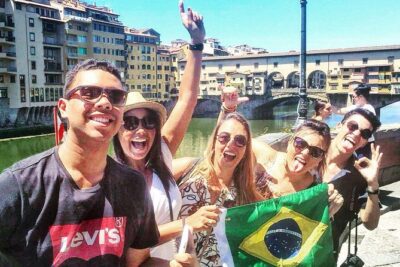 ★ 5.0The Best tour in Florence: Renaissance & Medici Tales – guided by a STORYTELLERFrom $312,316 reviews
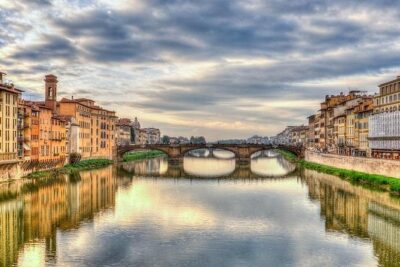 ★ 5.0The Best Tour in Florence: Renaissance and Medici TalesFrom $310,810 reviews
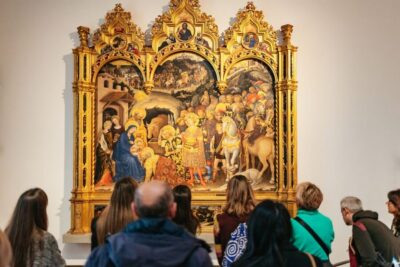 ★ 4.6Uffizi Gallery: Renaissance Masterpieces Guided TourFrom $886,070 reviews
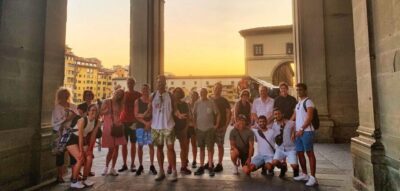 ★ 4.8Renaissance and Medici Tales Guided Walking TourFrom $21,549 reviews
 ★ 4.3Guided Medici Tour Florence: Discover Mysteries & HistoryFrom $571,077 reviews
 ★ 4.0Accademia Gallery: Michelangelo’s David and High Renaissance ArtFrom $43872 reviews
 ★ 4.7Guided Tour of Medici Family Secrets and ChapelsFrom $93512 reviews
 ★ 5.0Florence Private Tour: Renaissance, Famous Families & Hidden GemsFrom $199233 reviews
Browse the lists this tour appears in