
Reviewed · MEDICI & RENAISSANCE TOURS
The places of the Medici family: the Palace and the Chapels
Florence’s power has a family face. This 3-hour guided tour traces the Medici from Palazzo Medici Riccardi politics to the Medici Chapels’ burial spaces, with skip-the-ticket-line time saved.
What I like most is how the tour pairs two moods: the palace’s show of control, then the chapel complex’s solemn weight. I also love the standout moments—the Chapel of the Magi and Michelangelo’s New Sacristy in the Medici Chapels.
One caution: if you’re sensitive to accent or speed, be aware that one past guide experience noted it was hard to understand at times. Pick your language carefully, and don’t be shy about asking for clarity.
In This Review
- Quick highlights
- Palazzo Medici Riccardi: where Medici power becomes architecture
- Chapel of the Magi: the wow effect inside the palace
- Piazza San Lorenzo photo stop: a quick breath with context
- Medici Chapels (Cappelle Medicee): from museum calm to burial solemnity
- New Sacristy: Michelangelo’s Medici masterwork
- Chapel of the Princes: semi-precious stones and Florentine mosaic
- The Crypt: solemn and final
- How the private guide style shows up in real conversations
- Timing and pace: does 3 hours feel right?
- Who should book this tour (and who might skip it)
- Should you book the Palazzo Medici and Medici Chapels tour?
- FAQ
- Where does the tour start?
- What places will we visit during the 3 hours?
- How long is the tour?
- Does the tour include skip-the-ticket-line entry?
- What languages are available for the live guide?
- What should I bring with me?
Quick highlights
- Palazzo Medici first, Chapels second: you get the rise of power, then the story after death.
- The Chapel of the Magi: built for that instant wow effect inside the palace.
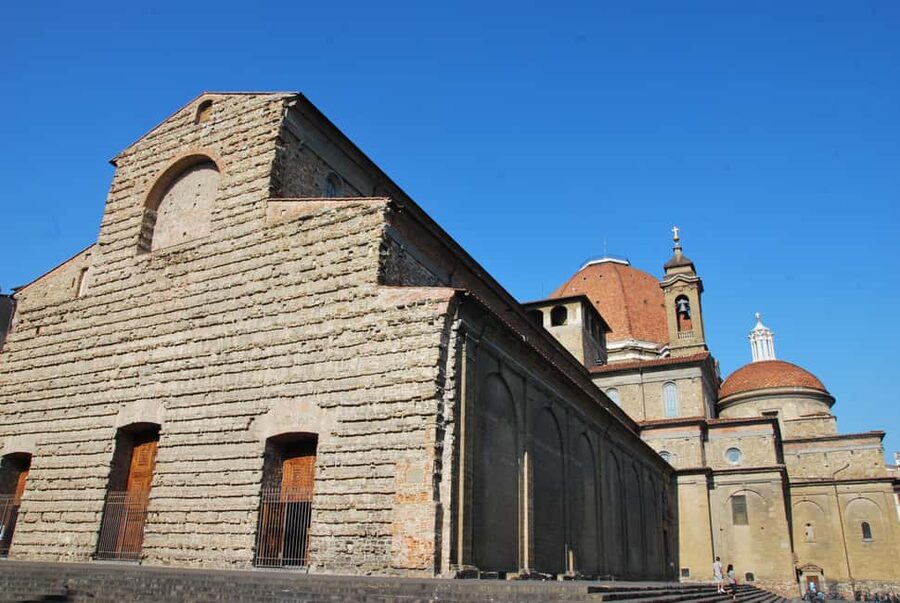
- Michelangelo’s New Sacristy: the Medici burial scene gets real artistic gravity here.
- Chapel of the Princes: Florentine mosaic in semi-precious stones adds a rare visual punch.
- A short Piazza San Lorenzo pause: a photo stop that helps you connect the dots around the area.
- Real-time guidance: live guides in multiple languages, with plenty of room for questions in a private group.
Deeper into Medici Florence and its Renaissance
Palazzo Medici Riccardi: where Medici power becomes architecture
The tour starts at the Riccardi Medici Palace, and that choice matters. This is not just a pretty stop. The Medici family shaped Florence’s direction for almost three hundred years, and this palace is the physical argument for why people listened.
Inside, you’ll see enormous rooms that aim to project noble life and political strength. The point is simple: money and influence weren’t abstract for the Medici. They built spaces that made their status look permanent, even to ordinary visitors passing by.
What I like about beginning here is that it sets your brain in the right gear. You arrive with the Medici as bankers and patrons, then you watch those roles show up as design, scale, and atmosphere. The tour also frames their impact beyond Florence—helping Renaissance artists such as Botticelli, Brunelleschi, and Michelangelo flourish is part of the story here, not a side note.
And for anyone who worries about “museum overload,” the pacing helps. You get about an hour at the palace, long enough for the key rooms and major themes, without turning it into a marathon.
Chapel of the Magi: the wow effect inside the palace
If you remember only one moment from the palace portion, make it this one. The Chapel of the Magi sits inside the Palazzo Medici, and the tour specifically prepares you for a surprise wow effect.
This is where the tour’s emotional contrast kicks in. Up to this point, you’re absorbing power and public image. In the chapel, the focus shifts to something more intimate—still tied to the Medici, but experienced through a space meant to impress in a different way.
I also appreciate the way the tour doesn’t treat the chapel like a quick detour. It’s positioned as a highlight, so you’ll look up, slow down, and actually take in the details rather than speed through on autopilot.
If you’re the type who enjoys when art and status meet—when religious space, politics, and personal ambition share the same walls—you’ll feel the payoff right away.
Piazza San Lorenzo photo stop: a quick breath with context
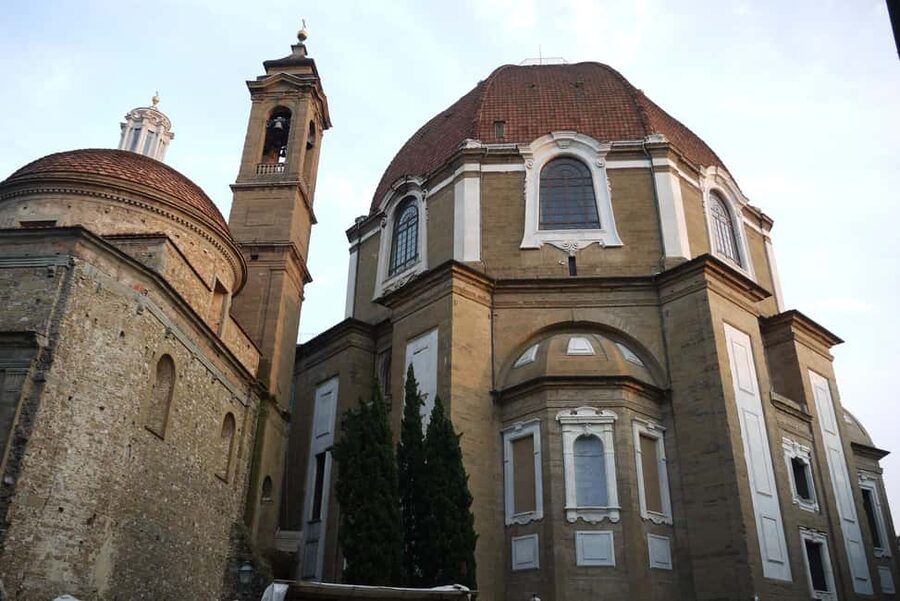
After the palace visit, the tour includes a short stop in Piazza San Lorenzo. It’s listed as a photo stop plus a brief guided moment, and that’s a smart use of time.
This kind of stop helps you do two things:
- Reconnect the setting after indoor viewing.
- Get oriented around the broader Florence area you’ve been walking through mentally.
You won’t lose momentum here. The tour keeps it short (about 15 minutes), so you can grab photos while your understanding is still fresh. It also acts like a reset button before you switch to the emotional tone of the chapels.
Medici Chapels (Cappelle Medicee): from museum calm to burial solemnity
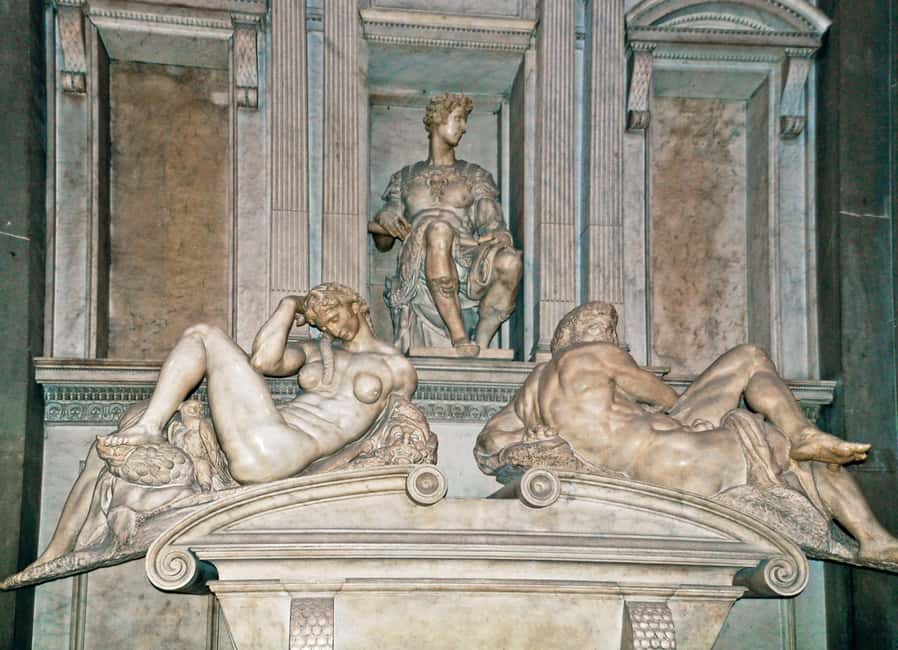
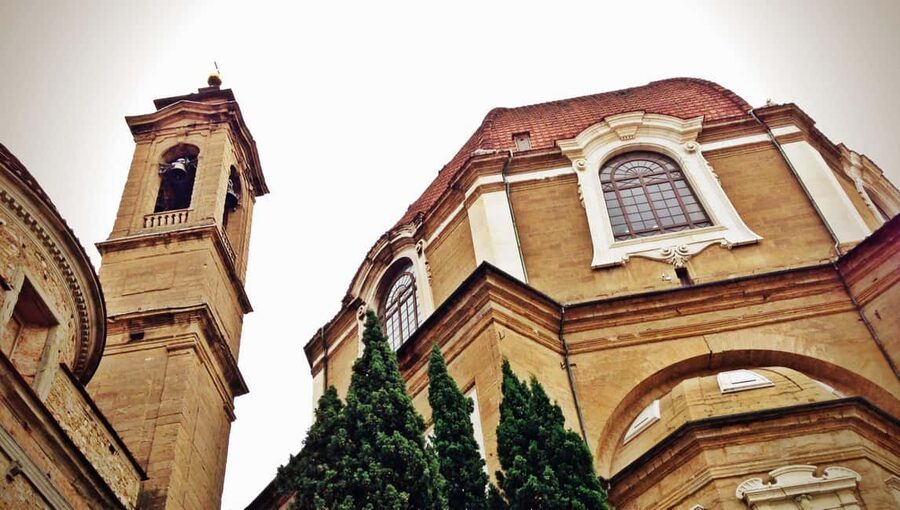
Then comes the second major chunk: the Medici Chapels. This is where the story turns heavier. You’re no longer just watching power at work in public life. You’re seeing the Medici family’s burial place—an environment designed to communicate permanence, authority, and memory.
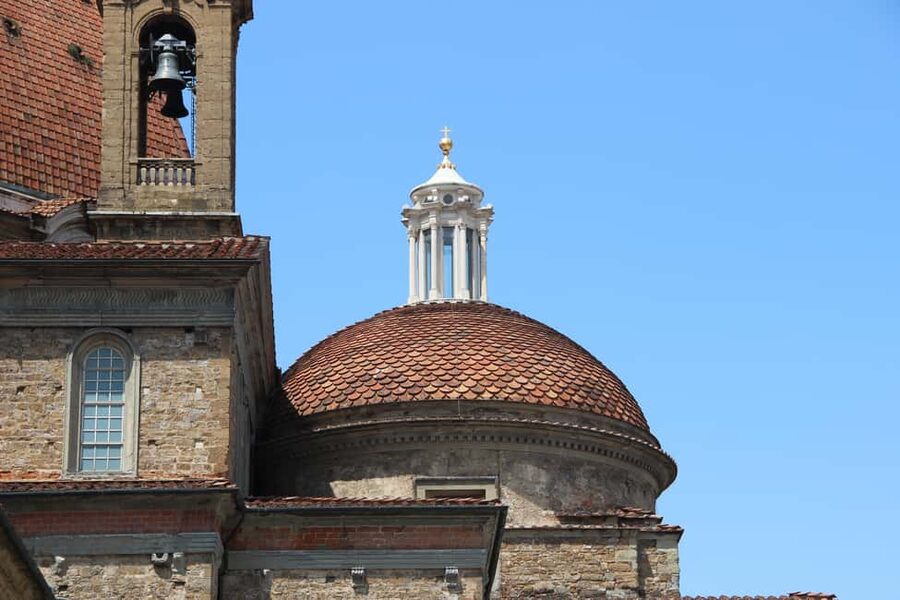
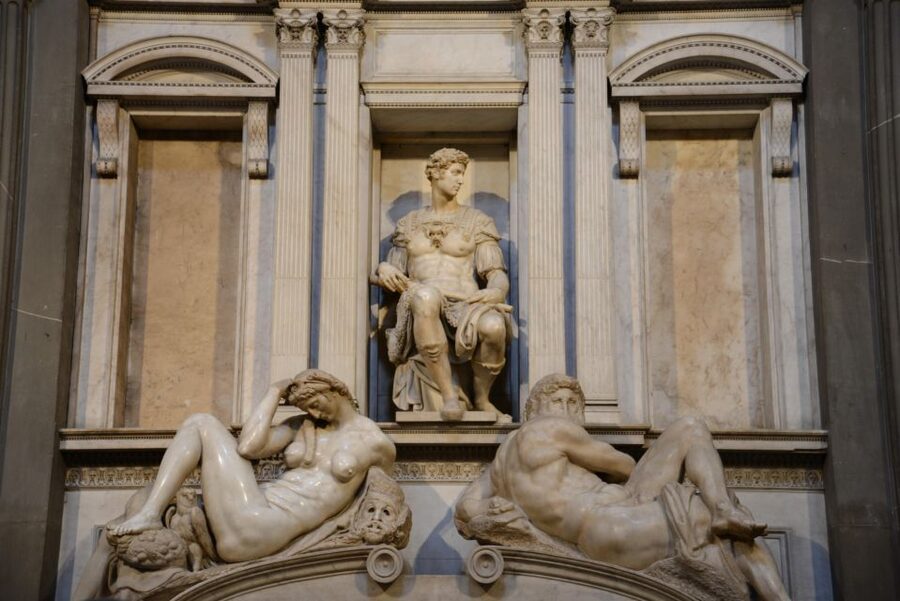
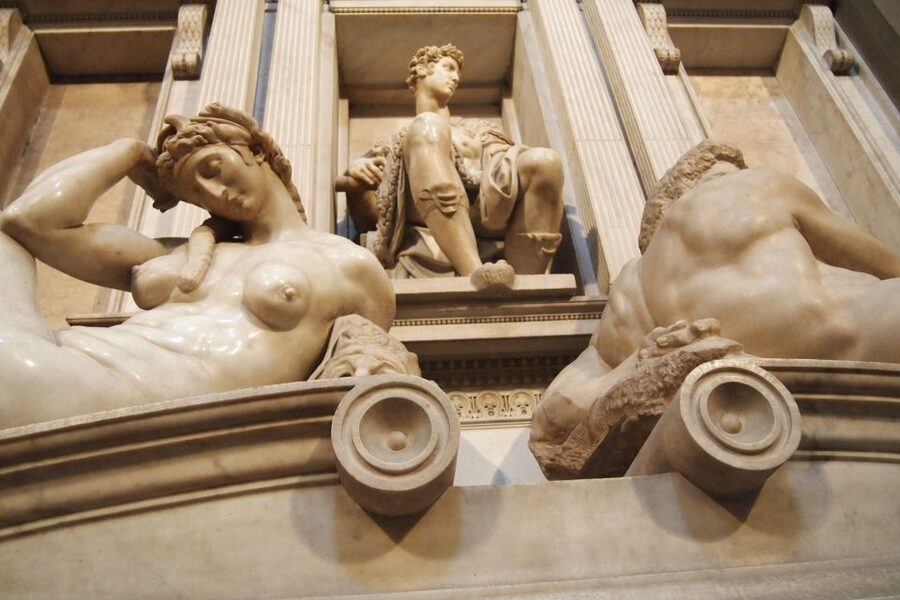
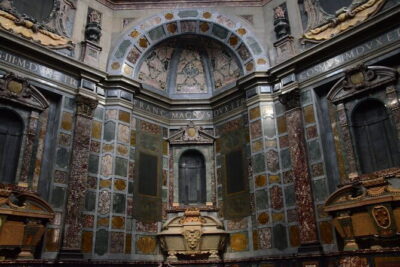
The tour focuses on the main components you should care about most: the New Sacristy, the Chapel of the Princes, and the solemn Crypt. Even if you’re not a deep art historian, you’ll feel that the spaces are meant to land emotionally, not just visually.
New Sacristy: Michelangelo’s Medici masterwork
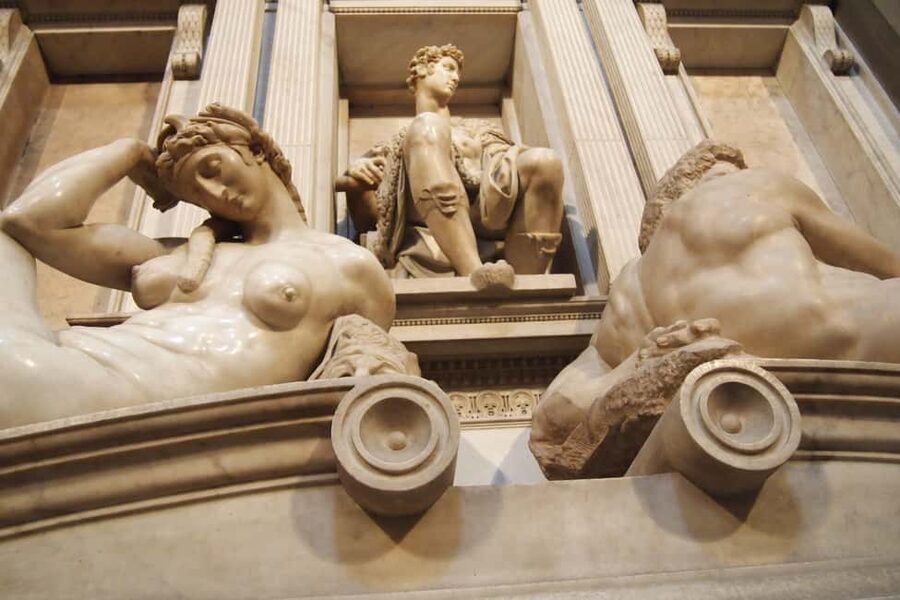
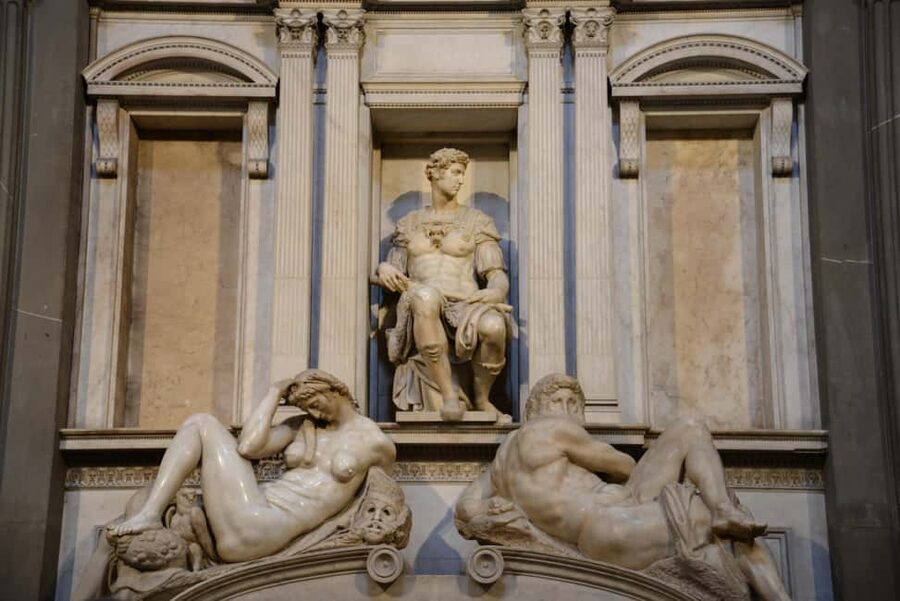
The New Sacristy is specifically called out as the work of Michelangelo, and that alone is reason enough to give it your full attention. This is Renaissance art at full intensity, and the setting amplifies it.
In practical terms, I like how the tour presents the New Sacristy as part of the Medici story rather than a standalone famous-art stop. The Medici weren’t just collecting art. They were shaping Florence’s identity, including how they were remembered.
- The Best tour in Florence: Renaissance & Medici Tales – guided by a STORYTELLER
★ 5.0 · 12,316 reviews


Chapel of the Princes: semi-precious stones and Florentine mosaic
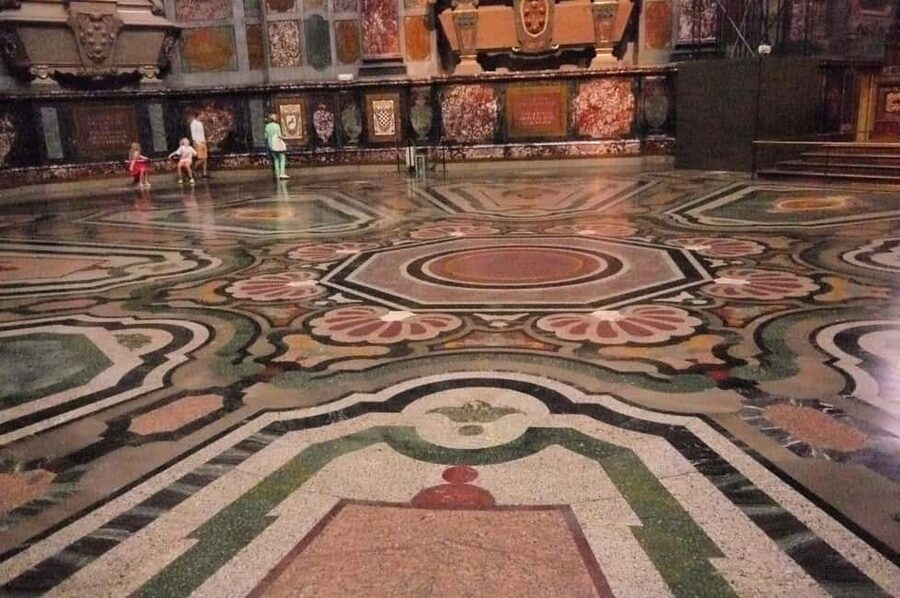
Next is the Chapel of the Princes. This space is described as studded with Florentine mosaic in semi-precious stones.
That detail matters because it explains the visual language. Mosaic work isn’t only decoration here—it’s a way of showing control and refinement. If you love craftsmanship, you’ll probably find yourself standing still more than once, because these surfaces ask for close looking.
I’d treat this part like a slow-food stop: don’t rush. The tour gives you guided direction, but the real value comes when you look long enough to notice how the materials change the feel of the light and texture.
The Crypt: solemn and final
Finally, the tour reaches the Crypt, described as solemn. This is the part that changes the mood of your entire afternoon.
You’ve seen the Medici rise through palace power, and then you’ve seen their artistic influence through major Renaissance names. The Crypt is the end marker. It tells you the Medici wanted their story to outlast them, and it does so with an atmosphere you can feel even before you fully process it.
If you’re the type who likes history with atmosphere—not just facts—this is where the tour becomes more than a checklist.
How the private guide style shows up in real conversations
This experience runs as a private group with a live guide available in English, Italian, Spanish, German, French, and Portuguese. That means the guide can pace you, not the other way around.
I’ve noticed something useful from the variety of guide impressions: the strongest sessions come from guides who connect the Medici’s family power to what you’re seeing in front of you. Past guides have been described with names like Rossana, Christina, Catherina, Adriana, and Susanna, and the common thread is how they handle questions and keep people engaged.
A private group also makes a difference for practical moments. If you need a short pause for water or photos, this format is the kind that doesn’t automatically feel hostile to small breaks. That keeps the tour from turning into a performance where everyone is trying not to slow down the clock.
One small caution: if you’re booking in a language you don’t speak comfortably, keep your expectations realistic. One earlier experience noted a heavy accent made understanding hard. The fix is simple—choose the best language for you and don’t hesitate to ask for repeats when needed.
Timing and pace: does 3 hours feel right?
The tour runs for 3 hours total, with about:
- 1 hour at the Palazzo Medici Riccardi
- 15 minutes in Piazza San Lorenzo
- 1 hour in the Medici Chapels
That adds up to a structured pace, and it’s a good one for a first serious Medici visit. You get meaningful time in both sites, not a “hit each room at speed” approach.
For your planning, that matters because Florence has a way of eating time. Even with manageable crowds, walking and entry points take energy. This tour’s flow is designed to keep you from spending your whole day in transit.
I also like that it includes both political presence (palace) and afterlife presence (chapels). If you visit only one, you get part of the picture. Two in one session gives you the full emotional arc: power, legacy, and memory.
Who should book this tour (and who might skip it)
This is the right match if:
- You want a focused Medici story in about 3 hours.
- You care about how Renaissance art connects to money, influence, and patronage.
- You want the major named stops: the Chapel of the Magi, Michelangelo’s New Sacristy, and the Princes’ chapel and Crypt.
It might be less ideal if:
- You’re looking for a self-guided, read-at-your-own-speed experience with long wandering time.
- You strongly prefer minimalist tours where you don’t talk to a guide for most of the visit.
- You’re very sensitive to accents or audio clarity issues—though choosing your language well helps.
In terms of comfort, the tour is wheelchair accessible and runs as a private group. That combination tends to reduce the usual stress of moving through tight spaces with strangers.
Should you book the Palazzo Medici and Medici Chapels tour?
Yes, I think this is a smart booking for most people who want to understand Florence’s Renaissance engine. It’s short, tightly structured, and it covers the Medici from the visible seat of power to the carefully staged space of burial and remembrance.
If you’re deciding between this and a longer, broader Renaissance itinerary, choose this one when your priority is clarity. You’ll leave with a clean narrative: who the Medici were, how they governed Florence’s fate for nearly three centuries, and how their patronage helped shape the work of major Renaissance figures—inside two of the most representative monument areas in town.
If you’re flexible with plans, the tour offers reserve now & pay later and free cancellation up to 24 hours in advance, which makes it easier to slot into a busy Florence schedule.
If your time is limited and you want maximum meaning per hour, book it. This is the kind of tour that helps Florence click—palace first, chapels second, and your brain stays with you the whole way.
FAQ
Where does the tour start?
The tour starts at the Riccardi Medici Palace.
What places will we visit during the 3 hours?
You’ll visit the Palazzo Medici Riccardi, then the Chapel of the Medici (the Medici Chapels area), with a photo stop in Piazza San Lorenzo along the way.
How long is the tour?
The total duration is 3 hours.
Does the tour include skip-the-ticket-line entry?
Yes. The experience includes skip the ticket line.
What languages are available for the live guide?
The live guide is available in English, Italian, Spanish, German, French, and Portuguese.
What should I bring with me?
Bring your passport or ID card. A copy is accepted.
More Florence Tours We Have Reviewed
- Florence: Skip-The-Line Uffizi Gallery Timed Entry Ticket
★ 4.5 · 27,832 reviews - Tuscany Day Trip from Florence: Siena, San Gimignano, Pisa and Lunch at a Winery
★ 5.0 · 21,634 reviews - Florence: Timed Entry to Michelangelo’s David + Audio App
★ 4.6 · 19,496 reviews - Florence: Leonardo Interactive Museum Entry Ticket
★ 4.5 · 12,957 reviews - Florence: Michelangelo’s David Skip-the-Line Entry Ticket
★ 4.5 · 12,764 reviews
The Medici Story Continues
- The Best tour in Florence: Renaissance & Medici Tales – guided by a STORYTELLER
★ 5.0 · 12,316 reviews - The Best Tour in Florence: Renaissance and Medici Tales
★ 5.0 · 10,810 reviews - Uffizi Gallery: Renaissance Masterpieces Guided Tour
★ 4.6 · 6,070 reviews - Florence: Renaissance and Medici Tales Guided Walking Tour
★ 4.8 · 1,549 reviews - Guided Medici Tour Florence: Discover Mysteries & History
★ 4.3 · 1,077 reviews
Fresh from our Florence review desk
- Small-Group Pasta Cooking Class and Market Tour in Florence★ 5.0 · 3 reviews
- Palatina Gallery and Pitti Guided Tour in Florence★ 5.0 · 3 reviews
- Tuscan Evening Tour: Fiat 500, 8:30 to 10 PM★ 5.0 · 3 reviews
- Journey into Art: Florence’s Accademia★ 4.5 · 3 reviews
- Paint and Drink Florentine Hills★ 5.0 · 3 reviews
- Truffle hunting and lunch experience, with Vinci and winery.★ 4.5 · 3 reviews
Medici & Renaissance Tours, compared.
 ★ 5.0The Best tour in Florence: Renaissance & Medici Tales – guided by a STORYTELLERFrom $312,316 reviews
 ★ 5.0The Best Tour in Florence: Renaissance and Medici TalesFrom $310,810 reviews
 ★ 4.6Uffizi Gallery: Renaissance Masterpieces Guided TourFrom $886,070 reviews
 ★ 4.8Renaissance and Medici Tales Guided Walking TourFrom $21,549 reviews
 ★ 4.3Guided Medici Tour Florence: Discover Mysteries & HistoryFrom $571,077 reviews
 ★ 4.0Accademia Gallery: Michelangelo’s David and High Renaissance ArtFrom $43872 reviews
 ★ 4.7Guided Tour of Medici Family Secrets and ChapelsFrom $93512 reviews
 ★ 5.0Florence Private Tour: Renaissance, Famous Families & Hidden GemsFrom $199233 reviews
Browse the lists this tour appears in