
Reviewed · HISTORICAL TOURS
Florence: City Highlights & Historic District Guided Tour
Florence teaches itself when you follow a guide, and this two-hour walk stitches together Ponte Vecchio and Medici stories with a handy audio map you can keep using afterward. I like that you get both a live 90-minute guided loop and a self-paced digital tour afterward, so you’re not rushing to “check boxes.” The tradeoff: you’ll need your own headphones and smartphone, and entries to major sights are not included.
The route starts at Café Firenze and quickly gets you oriented in the historic center, from Piazza della Repubblica to the Arno river edge. I also like that the guidance is in English while the audio options cover multiple languages, which helps if your group isn’t all English-only. One more thing to consider: like any app-based add-on, the experience depends on downloading the audio guide ahead of time and having your device ready.
At $31, this feels like strong value for what you get: one local guide’s storytelling plus a digital companion for exploring on your own. If you enjoy walking, want context for what you’re seeing, and prefer light-tech planning over guesswork, you’ll probably find this a smart first or second day in Florence.
In This Review
- Key points to know before you go
- Meeting at Café Firenze: fast start, clear plan, and what you need
- Piazza della Repubblica to Ponte Vecchio: the Florence “greatest hits” stretch
- Orsanmichele and Mercato del Porcellino: small landmarks that add context
- Uffizi-area stops and the Medici thread: art, politics, and street-level views
- Palazzo Vecchio, Piazza della Signoria, and the Neptune Fountain
- Giotto’s Bell Tower and the Baptistery: skyline moments you’ll recognize
- Florence Cathedral complex: seeing the scale first, tickets later
- Palazzo Medici Riccardi and Basilica of San Lorenzo: extending the Renaissance story
- The self-guided audio tour afterward: how to use it without wasting time
- Price and value at about $31: what you’re paying for and what you’ll still need
- Who this tour suits best (and who might want something else)
- Booking reality check: avoid common snags
- Should you book this Florence highlights tour?
- FAQ
- Where is the meeting point?
- How long is the tour?
- What languages are available?
- Do I need headphones and a smartphone?
- Are attraction entry tickets included?
- Does the audio tour include a map?
Key points to know before you go
- English live guide, multilingual audio after so you can stay in your preferred language for the self-guided portion
- 80-plus to 100-plus points of interest via a digital map and audio app
- Medici-focused stories tied to major landmarks along the core route
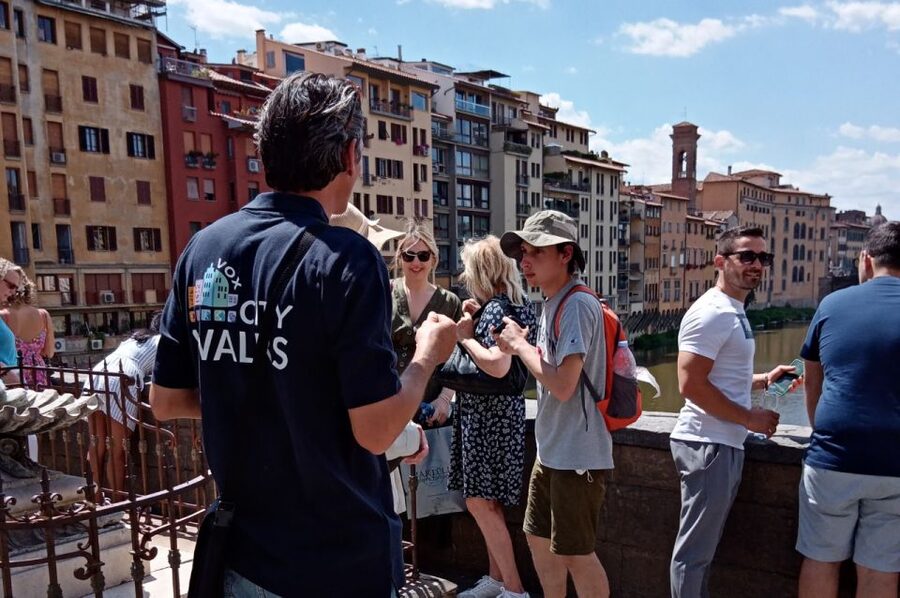
- Convenient meeting point at Café Firenze with clear identification by a Vox City guide uniform
- No ticket entries included, so plan for exterior viewing and separate lines if you want to go inside
With a local guide, more of Florence to explore


Meeting at Café Firenze: fast start, clear plan, and what you need
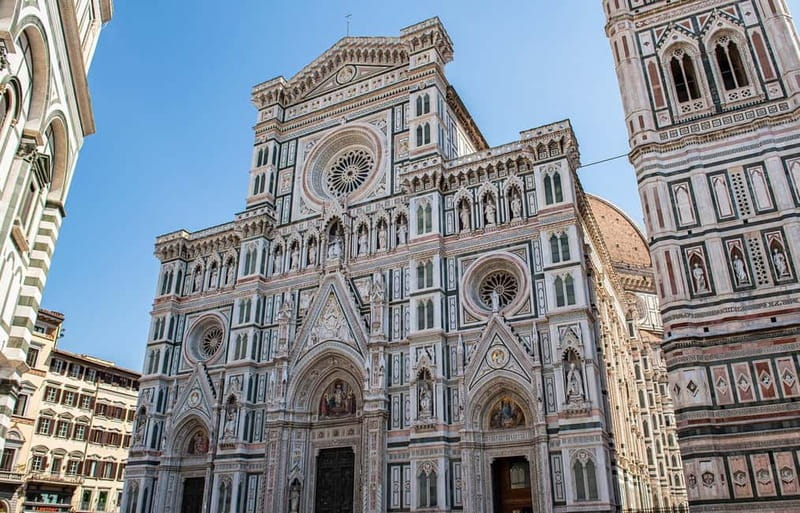
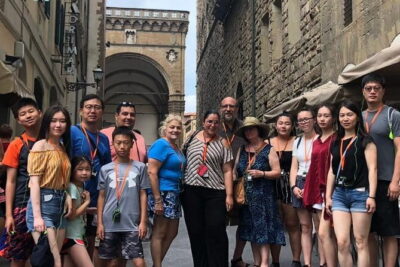
This tour is built for getting your bearings quickly in central Florence. You meet at Café Firenze, Via de’ Martelli 50/r, at the corner with via de Pucci. The guide wears a dark blue Vox City uniform, which makes the start simpler than wandering a plaza hoping you spotted the right person.
You’ll get two layers of interpretation. First, a live walking tour in English (the guided piece is about 90 minutes). Then you continue exploring at your own pace using a sightseeing app that includes multilingual pre-recorded audio and a digital map.
Before you go, bring what makes the tour work smoothly. You need headphones and a charged smartphone. There’s also a QR code on your voucher, and you download the audio guide ahead of arrival. If you’ve ever lost time to a phone update or a weak signal, treat this as your chance to avoid that stress.
Piazza della Repubblica to Ponte Vecchio: the Florence “greatest hits” stretch
After meeting, the walk begins at Piazza della Repubblica, where you’ll get your first landmark fix. You’ll pass the intricate statues around the Fountain of the Naiads, an early hint that Florence rewards slow looking even when you’re moving.
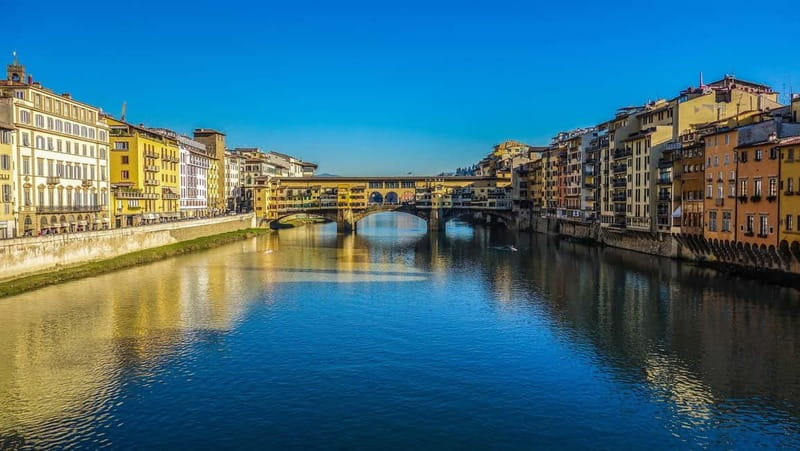
From there, the route carries you through several classic streetscape moments before the river. You’ll move past Orsanmichele and the Mercato del Porcellino area, then reach Ponte Vecchio. The bridge is famous for a reason: it’s a medieval stone crossing lined with shops, and it gives you that instant “this is the real Florence core” feeling.
What I like about pairing this early stretch with a local guide is the way it turns scenery into story. Even from the sidewalk, you’re seeing the city’s power centers, trade routes, and the way elites and artisans shared space. With a guide narrating as you walk, you’re not just collecting photos. You’re learning what each place was for.
A practical note: Ponte Vecchio and the surrounding streets can feel busy, especially in peak hours. This is normal Florence behavior. The upside is that the tour keeps you moving so you don’t spend your entire time stuck staring at one crowd.
Orsanmichele and Mercato del Porcellino: small landmarks that add context
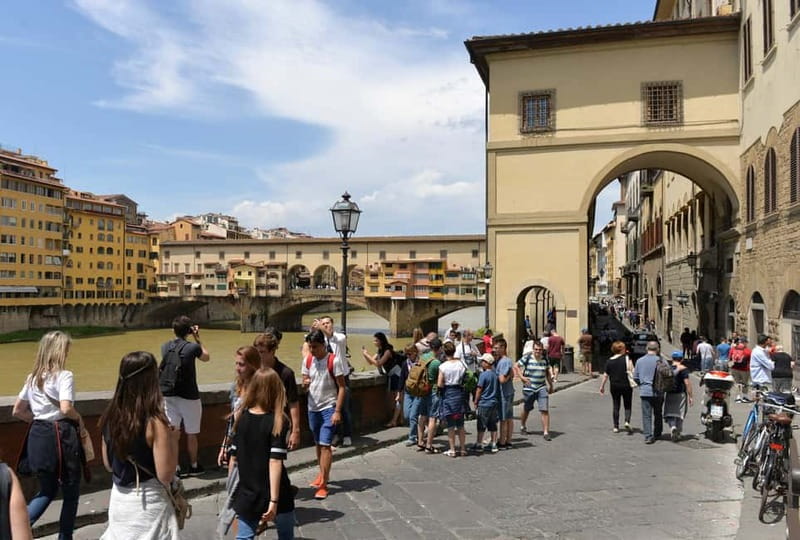
Orsanmichele and the Mercato del Porcellino stop aren’t just namechecks. They help you understand Florence as a working city, not only a museum with a skyline. These spots sit in the middle of daily life, where you’d expect local commerce and civic identity to show up in buildings and streets.
When the guide talks through the meaning behind the places, you start noticing details you’d otherwise miss. For example, you may pick up why some corners feel “civic,” why certain facades matter, and how the city’s patronage shaped public art and architecture.
This is one of the tour’s strengths: it uses the walking tempo to connect dots. Instead of saving background for later, you get it while you can still point at what the guide is explaining.
Uffizi-area stops and the Medici thread: art, politics, and street-level views
As the walk moves toward the Uffizi area, you’re in the zone where Florence’s identity as a Renaissance capital becomes obvious fast. You’ll pass major landmarks such as the Uffizi Gallery and Giotto’s Campanile, plus you’ll swing by Loggia dei Lanzi and the Florence Cathedral complex area.
The guide’s Medici stories are a big part of the value here. Florence’s Renaissance didn’t happen in a vacuum, and the Medici family is the recurring name that helps everything make sense. When you hear how patronage worked, you start to see the city as a system: money, power, and art building reputations in stone.
Loggia dei Lanzi and nearby civic spaces also help you connect art to everyday public life. These are areas where sculptures and architecture weren’t just decoration. They were messaging. In a guided format, you’ll get that meaning out loud rather than having to piece it together from plaques.
And yes, you’ll see the Duomo area and related landmarks from street level. That matters, because it shows you the scale without asking you to commit to tickets immediately. If you want to enter the cathedral complex or the museum interiors later, you can use this tour to decide where you actually want time.
Palazzo Vecchio, Piazza della Signoria, and the Neptune Fountain
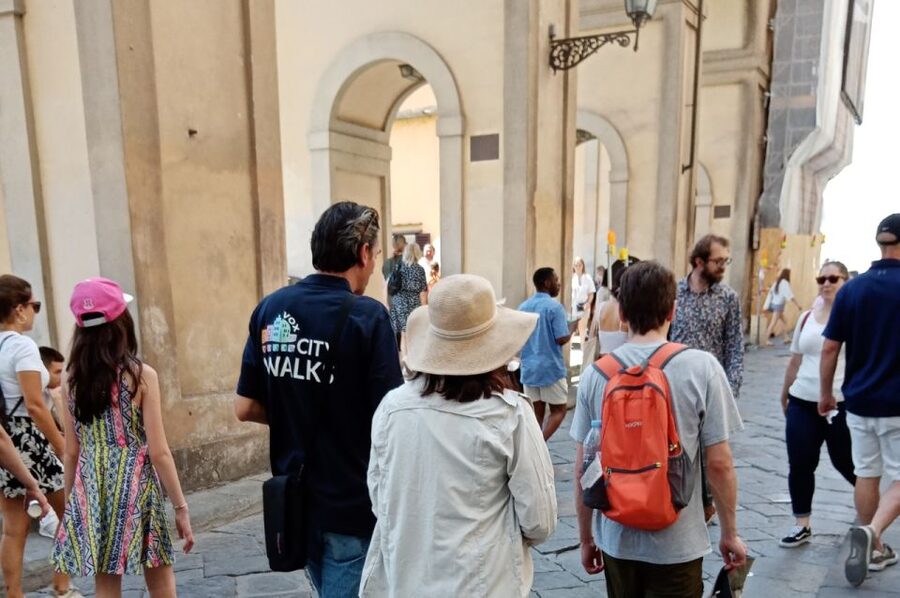
One of the most rewarding parts of the route is the civic block around Palazzo Vecchio and Piazza della Signoria. These places are where Florence flexes its political muscle. You’ll pass Palazzo Vecchio, then head through Piazza della Signoria, including the Neptune Fountain.
This is where the guide’s commentary pays off most. Without context, you can see impressive buildings and sculptures but still feel like you’re “just passing by.” With narration, those spaces start to read like a public stage: who mattered, what they wanted to be remembered for, and how art and governance became linked.
The Neptune Fountain stop is also a nice moment for pausing your walking pace briefly. It’s the sort of detail that grabs your eyes, and it makes a good mental marker for where you are in the broader historic center.
See more of Florence on another city tour


Giotto’s Bell Tower and the Baptistery: skyline moments you’ll recognize
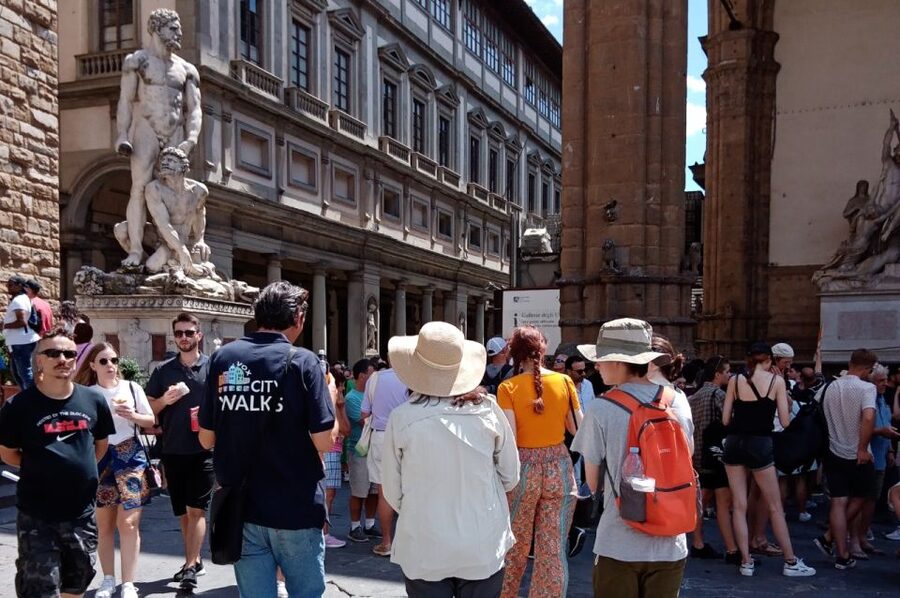
As you continue, you’ll pass Giotto’s Bell Tower and then the Florence Baptistery. These are the kind of landmarks that practically act like street signs in Florence. Once you’ve seen them, everything else starts to line up in your head.
With a guided walking route, the big advantage is timing. You’re not trying to figure out where the best viewpoints are while the day is moving and your feet are getting tired. The tour guides you through the core so you can take in the architecture where it naturally frames itself.
If you’re the kind of person who likes to understand what you’re looking at, this segment hits well. The bell tower and baptistery aren’t random “pretty buildings.” They’re major symbols of the city’s identity and its long artistic development.
Florence Cathedral complex: seeing the scale first, tickets later
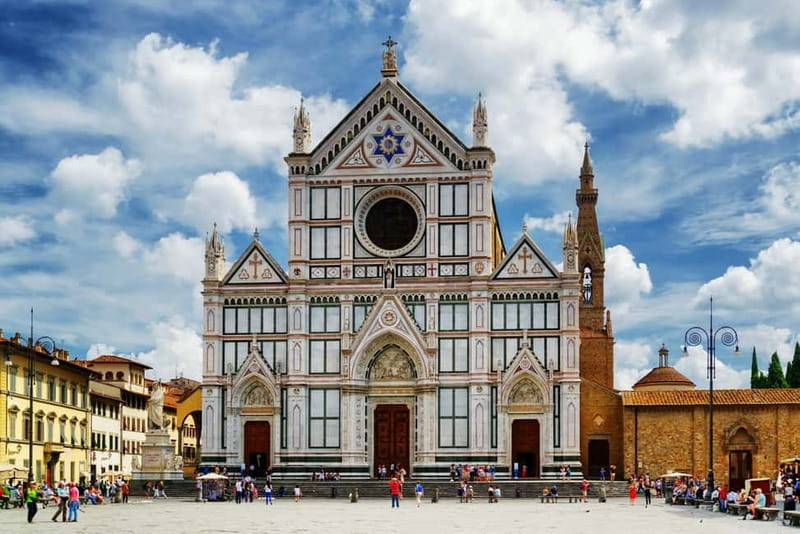
The tour includes the Florence Duomo Complex area as a pass-by stop. That means you get the experience of arriving at the biggest icon of Florence without necessarily committing to entrance tickets on the spot. Since entry isn’t included, you’ll likely do this portion as exterior viewing and orientation.
This is actually a smart way to plan your day. If you enter immediately, you risk spending hours on queues and feeling rushed. If you first get the scale and placement from outside, you can later choose the right time for inside visits when you’re mentally ready for the crowds and the details.
Use the guided walk to learn where you want more time, then use the audio map afterward to guide your own follow-up. That’s how you get the most satisfaction out of the tour format.
Palazzo Medici Riccardi and Basilica of San Lorenzo: extending the Renaissance story
After the core Duomo and civic area, the route heads toward Palazzo Medici Riccardi and the Basilica of San Lorenzo. This is a useful shift because it broadens the Renaissance narrative beyond the most photographed squares.
Palazzo Medici Riccardi ties back to the Medici theme directly, reinforcing the idea that the family’s influence wasn’t only cultural but also architectural and urban. San Lorenzo gives you another anchor for how Florence’s religious and artistic identity blended over centuries.
This ending stretch makes the tour feel more like a coherent story than a checklist. You’re not only walking past famous names; you’re ending with connections that help you keep interpreting the city after the guide leaves.
The self-guided audio tour afterward: how to use it without wasting time
Once the guided portion finishes, you keep going with the app and digital map. You’ll have pre-recorded audio in English, French, German, Italian, Spanish, and Chinese, and you can navigate to additional points of interest.
This is where the “value beyond the walk” really shows. Instead of relying on memory, you can return to the app when something catches your eye or when you want a quick explanation for a building you didn’t quite understand during the live tour.
A practical approach: use the guided walk to learn the structure of Florence’s center, then use the app to choose what you want to linger on. If you’re tired of long museums, you can still get plenty of meaning from exteriors, squares, fountains, and streetscapes with audio guidance.
One more tip based on real-world device issues: the experience relies on the app functioning and the audio download being ready. Before you head out, make sure you can actually open the QR-linked content and listen without fiddling for a full hour.
Price and value at about $31: what you’re paying for and what you’ll still need
At $31 per person, the big value is the combo of a live guide plus the multilingual digital audio support. The guided part gives you someone to answer questions in real time and connect landmarks into a single narrative. The app lets you continue with that narrative on your own without re-booking another guide.
What you should plan to pay separately:
- Attraction entry tickets are not included.
- You also supply your own headphones and smartphone.
So think of this as a guided orientation plus an audio companion, not an all-inclusive ticket tour. If you want to go inside the Duomo complex or any major museum, you’ll likely need to book those separately. The smart move is to use the tour to decide where you’ll spend your ticket time.
Who this tour suits best (and who might want something else)
This works best if you:
- Enjoy walking and want a structured route through the core highlights
- Want Medici context tied directly to what you see
- Like using audio to learn at your own pace afterward
- Travel with mixed language needs, since the app supports several languages
You might look at alternatives if you:
- Don’t want to manage an app download and audio on your phone
- Prefer a tour that includes timed museum entry or dedicated interior time
- Expect every stop to be an inside visit (this one is pass-by and orientation focused)
If you’re visiting Florence for the first time, a tour like this can help you stop feeling lost fast. If you’re returning, it can still refresh your understanding by giving you a guide-made storyline across the same landmarks.
Booking reality check: avoid common snags
A smooth day usually comes down to small details. Meet on time at Café Firenze, and bring a charged phone. Scan the QR code and download the audio before you arrive so you’re not fighting with Wi-Fi in the middle of the historic center.
Also double-check your reservation name against what you booked. In rare cases, getting the check-in right can take extra time, especially when names don’t match a list. It’s not something you can control, but you can reduce stress by verifying your booking details ahead of arrival.
Should you book this Florence highlights tour?
If you want a practical, first-day friendly way to connect Florence’s top landmarks with Medici-era stories, this is a solid pick. The combination of a live English guide and an audio map in multiple languages makes it easier to keep learning after the walking portion ends, which is where a lot of “quick highlights” tours fall flat.
Book it if you’re comfortable using your own smartphone and headphones, and you’re okay with pass-by viewing instead of included museum entry. Skip it if you’re expecting a ticketed, inside-only museum day or if you’d rather avoid app-based navigation entirely.
FAQ
Where is the meeting point?
Meet your tour guide at Cafè Firenze, Via de’ Martelli 50/r, at the corner via de’ Pucci. The guide wears a dark blue Vox City uniform.
How long is the tour?
The guided walking portion is about 90 minutes, and the overall experience runs about 2 hours with time for the self-guided audio tour afterward.
What languages are available?
The live tour guide provides commentary in English. The pre-recorded audio guide and sightseeing app offer multiple languages: English, French, German, Italian, Spanish, and Chinese.
Do I need headphones and a smartphone?
Yes. The activity requires headphones and a charged smartphone. You’ll also download the audio guide using a QR code from your voucher.
Are attraction entry tickets included?
No. Entry to attractions is not included, so you should plan on pass-by viewing for major landmarks unless you book entries separately.
Does the audio tour include a map?
Yes. You get a sightseeing app with a digital map and audio for a large set of points of interest, plus pre-recorded audio routes in multiple languages.
More Guided Florence
- The Best tour in Florence: Renaissance & Medici Tales – guided by a STORYTELLER
★ 5.0 · 12,316 reviews - Florence: Duomo Cathedral 60-Minute Guided Tour
★ 3.7 · 6,829 reviews - Uffizi Gallery: Renaissance Masterpieces Guided Tour
★ 4.6 · 6,070 reviews - Uffizi Gallery Small Group Tour with Guide
★ 4.5 · 4,923 reviews - Florence: Highlights Walking Tour with Expert Guide
★ 4.6 · 4,662 reviews
More Florence Tours to Weigh Up
- The Best tour in Florence: Renaissance & Medici Tales – guided by a STORYTELLER
★ 5.0 · 12,316 reviews - The Best Tour in Florence: Renaissance and Medici Tales
★ 5.0 · 10,810 reviews - Florence: Chianti Wineries Tour with Wine Tasting
★ 4.5 · 10,071 reviews - Florence: Duomo Cathedral 60-Minute Guided Tour
★ 3.7 · 6,829 reviews - Florence: Hop-on Hop-off Bus Tour: 24, 48 or 72-Hour Ticket
★ 4.0 · 6,283 reviews
More Florence Tours We Have Reviewed
- Florence: Skip-The-Line Uffizi Gallery Timed Entry Ticket
★ 4.5 · 27,832 reviews - Tuscany Day Trip from Florence: Siena, San Gimignano, Pisa and Lunch at a Winery
★ 5.0 · 21,634 reviews - Florence: Timed Entry to Michelangelo’s David + Audio App
★ 4.6 · 19,496 reviews - Florence: Leonardo Interactive Museum Entry Ticket
★ 4.5 · 12,957 reviews - Florence: Michelangelo’s David Skip-the-Line Entry Ticket
★ 4.5 · 12,764 reviews
Fresh from our Florence review desk
- Small-Group Pasta Cooking Class and Market Tour in Florence★ 5.0 · 3 reviews
- Palatina Gallery and Pitti Guided Tour in Florence★ 5.0 · 3 reviews
- Tuscan Evening Tour: Fiat 500, 8:30 to 10 PM★ 5.0 · 3 reviews
- Journey into Art: Florence’s Accademia★ 4.5 · 3 reviews
- Paint and Drink Florentine Hills★ 5.0 · 3 reviews
- Truffle hunting and lunch experience, with Vinci and winery.★ 4.5 · 3 reviews
Historical Tours, compared.
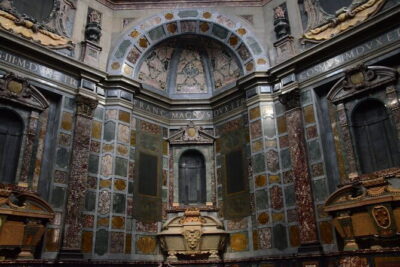 ★ 4.3Guided Medici Tour Florence: Discover Mysteries & HistoryFrom $571,077 reviews
 ★ 5.0Tipsy Tour: Guided Bar Crawl In Florence with Dark HistoryFrom $78271 reviews
 ★ 4.5Florence Cooking Course with Historic Local Market VisitFrom $95151 reviews
 ★ 4.9Florence to Fiesole golf cart tour:History & Panoramic viewsFrom $116121 reviews
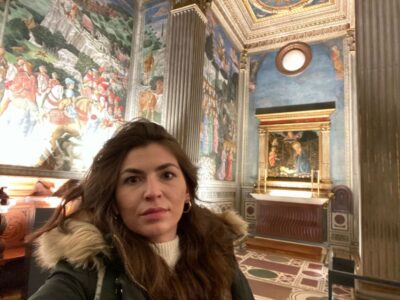 ★ 4.3Medici Family History TourFrom $13793 reviews
 ★ 3.5Historical Guided Tour of Florence’s Iconic CathedralFrom $1088 reviews
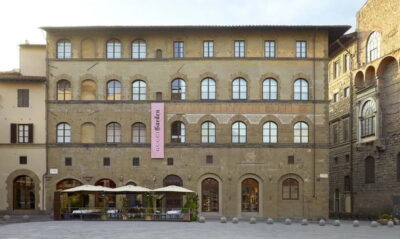 ★ 4.2Fashion History Guided Walking Tour & Museum VisitFrom $9072 reviews
 ★ 5.0The History of Florence: The Renaissance Era Private TourFrom $19849 reviews
Browse the lists this tour appears in