
Reviewed · WINE TOURS
Florence Food, Wine and History Walking Tour
Florence tastes different when you follow a plan. This Florence food, wine and history walking tour strings together the big sights with real bites and sips, plus the kind of street-level explanations that make the city click. I especially like how the tour uses Ponte Vecchio as a quick orientation point, then layers history right on top of it as you walk.
My second big win is the hands-on stop: a pasta-making session near the Duomo, followed by a dinner-style meal you actually get to enjoy. You’ll also get a smart mix of Italian favorites, from artisanal tastings to gelato and a Negroni. The one thing to keep in mind is the evening schedule, so if you prefer daytime wandering and museums, this 6:00 pm start may feel a bit late.
Over about 2 hours 30 minutes (including travel time), you’ll move between Florence’s most recognizable squares and bridges, then finish back where you started in Santa Croce. It’s in English, capped at 20 people, and you’ll have a mobile ticket in your pocket.
In This Review
- Key things to know before you go
- Why this Florence food-and-history route works so well
- Ponte Vecchio at sunset time: your fast orientation view
- Piazza della Signoria: Medici power in an open-air setting
- Santa Croce and Piazza Peruzzi: Calcio Storico, Galileo, and Roman remnants
- Near the Duomo pasta lesson: make it, then eat it
- Via de’ Bardi and De Bardi: Chianti, wine talk, and the wine window
- Food included: what you’ll actually taste (and why it’s a smart spread)
- Group size and guide style: how you get answers, not just directions
- Timing and pacing: what 2.5 hours feels like in real Florence time
- Who this tour suits best (and who might not love it)
- Should you book this Florence Food, Wine and History Walking Tour?
- FAQ
- What time does the tour start, and how long is it?
- Where do we meet?
- Does the tour end back at the meeting point?
- Is the tour offered in English?
- What food and drinks are included?
- How big is the group?
- FAQ
- Can I cancel for a full refund?
- Is there free cancellation?
Key things to know before you go
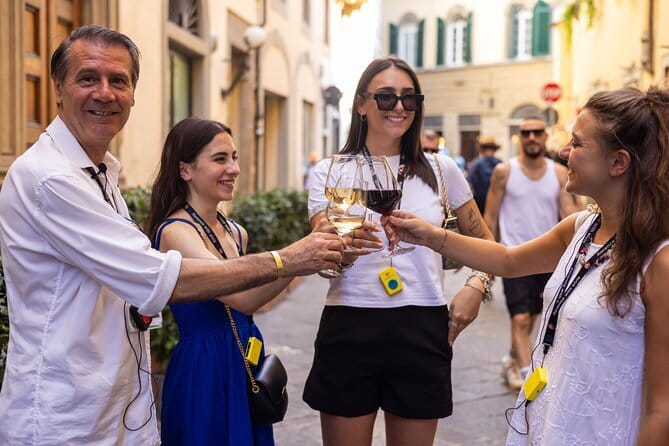
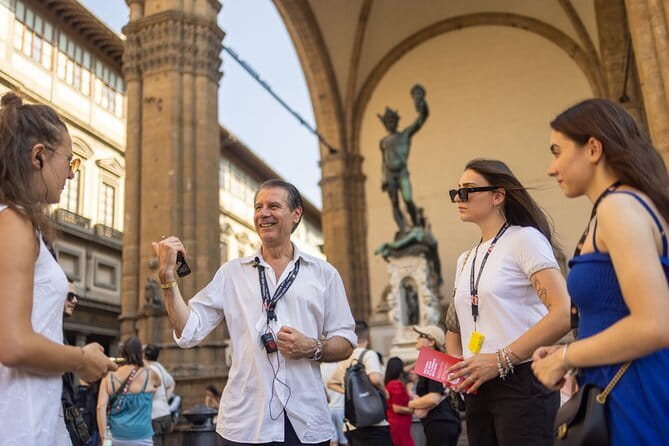
- Guided by Claudio: friendly, question-ready explanations focused on what you’re seeing and tasting
- No-hassle pacing: short guided stops with time to look up, listen, and keep moving
- Hands-on pasta near the Duomo: make it and then eat it as part of the included meal
- Tasting lineup: artisanal cheeses and cured meats, Chianti, gelato, and a Negroni
- History you can point to: Medici power spots, Galileo-area connections, and Roman traces around Piazza Peruzzi
- Small-group feel: maximum of 20 travelers, easy to follow in the evening streets
Stretch your legs on more Florence walking tours
Why this Florence food-and-history route works so well
Florence can feel like a blur. One minute you’re staring at stone, the next you’re trying to remember why that sculpture matters. This tour solves that problem by giving you a simple walking “story line” that matches what’s in front of you.
I like that you’re not stuck in one place waiting for the next lecture. You get quick scenic stops, then the tour pivots into food and drink. That mix matters in Florence because your senses remember locations—after a Chianti taste or gelato spoonful, the setting sticks.
It also helps that the pace is built for an evening tour. You still get the skyline views, key squares, and the Duomo area connection, but without pretending you’ll cover everything at museum depth.
Ponte Vecchio at sunset time: your fast orientation view
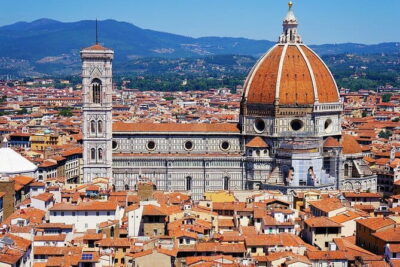
You start at Piazza di Santa Croce, then head toward Ponte Vecchio for a short, focused viewing stop. From the bridge, you’ll admire one of Florence’s most famous looks back across the city. It’s the kind of moment where you realize why people fall for Florence: rooftops, river bends, and that unmistakable “Italy postcard” perspective.
This first stop is also practical. When you get your bearings early, the rest of the evening becomes easier to understand. You’ll start noticing sight lines, how squares sit within the city’s layout, and where the bigger political and cultural centers connect.
Since the stop is listed as free of admission ticket requirements, you’re paying for guidance and time—not extra entry fees. That keeps the experience feeling light and flexible.
Piazza della Signoria: Medici power in an open-air setting
Next comes Piazza della Signoria, described as an open-air museum and the long-time stage for the city’s power. This is where the tour makes the jump from “pretty Florence” to “why Florence worked the way it did.”
You’ll learn about the life of the Medici family while standing in a square that still carries their shadow. Even if you don’t memorize dates, you’ll start recognizing how Renaissance power didn’t hide indoors. It played out in public spaces where politics, art, and wealth were visible.
At this stop, listen closely to how the guide ties what you see to the Medici story. The value is in connecting the dots, not collecting trivia for trivia’s sake.
The stop is short (about 15 minutes), so it’s not meant to replace a full deep dive into Florentine power. It’s meant to give you enough context to make later sights and conversations make sense.
Santa Croce and Piazza Peruzzi: Calcio Storico, Galileo, and Roman remnants
Then you shift to Piazza di Santa Croce, beginning at the Franciscan Basilica of Santa Croce. Even without spending a long stretch inside, this stop gives you a framework for thinking about Florence’s art and architecture as something built up over centuries.
Here’s where the stories get specific. You’ll hear about Calcio Storico Fiorentino, a traditional football game with roots dating to the 16th century. It’s a fun historical contrast: a sport with deep local pride, not a modern invention dressed up for tourists.
You’ll also discover connections tied to Galileo’s family residences, plus the Roman origins of Piazza Peruzzi. The tour points out remnants of an ancient amphitheater—so suddenly you’re not just walking through medieval and Renaissance Florence. You’re also stepping near older layers that kept shaping the city.
This is the stop that tends to make people feel like the tour is actually about Florence, not just a “food walk through a list.” The topics are varied, but they’re grounded in places you can physically stand in and point at.
Near the Duomo pasta lesson: make it, then eat it
After the squares and stories, the tour pivots into the most hands-on part: a pasta-making class located next to the Duomo. It’s billed as a learn-the-way-our-grandmother-did-it kind of session. That framing matters because it shifts pasta from something you order to something you understand.
In about 20 minutes, you’ll learn and participate, then eat the homemade pasta as part of the included dinner. The practical value here is huge: you get a feel for effort and craft, and that makes the rest of your Florence meals more satisfying. Even if you’ve eaten pasta before, there’s a difference between tasting a dish and tasting one you helped make.
Because it’s near the Duomo, you’re also getting a “center of gravity” moment. Florence’s most famous landmark area can be overwhelming. Having a structured reason to be nearby at this point in the walk helps.
One small consideration: pasta-making is an activity, so expect to be hands-on and to follow instructions closely. If you’re traveling with mobility limits, you should check with the operator in advance about how active this portion feels for you.
More Florence tables, tastings and small bites
Via de’ Bardi and De Bardi: Chianti, wine talk, and the wine window
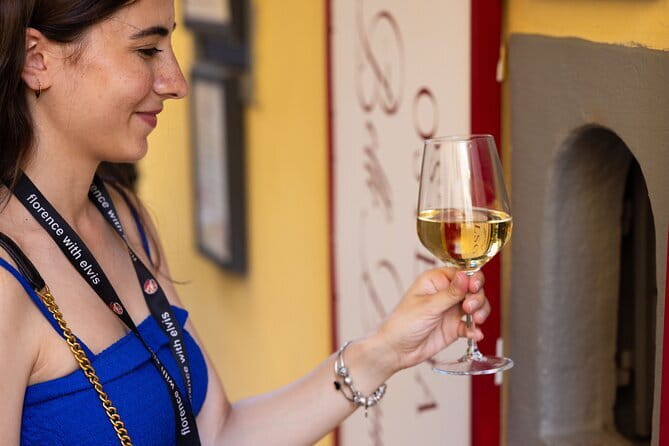
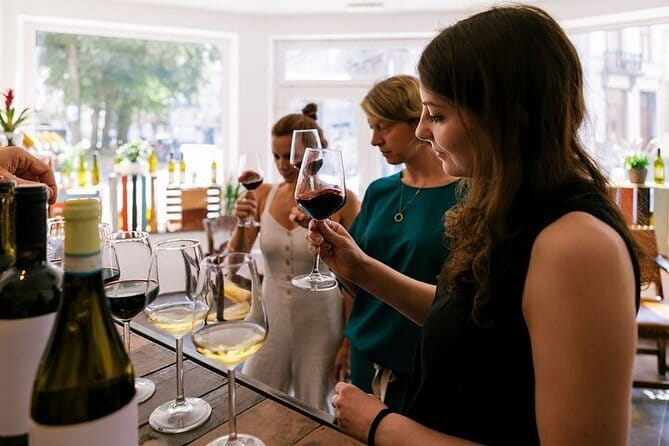
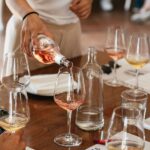
Your final main stop is on Via de’ Bardi, at the De Bardi restaurant, where the focus turns to Italian wine. The setting includes an authentic wine showcase, including tastings of Chianti. You’ll also learn more about Italian wine, which is great if you’ve had Chianti before but never been able to explain what you liked—or what to look for next time.
Then the included drinks and dessert round it out. You’ll have:
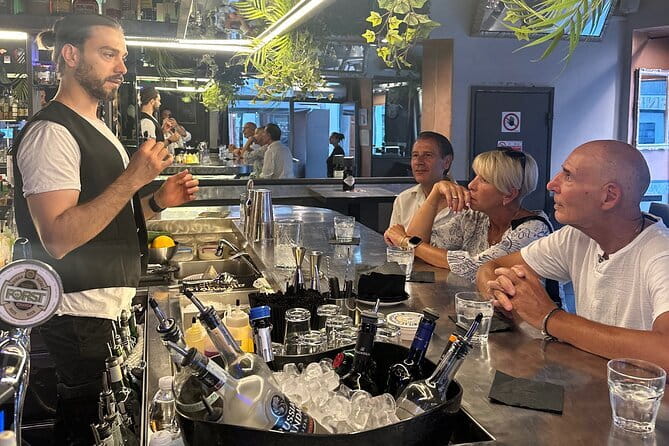
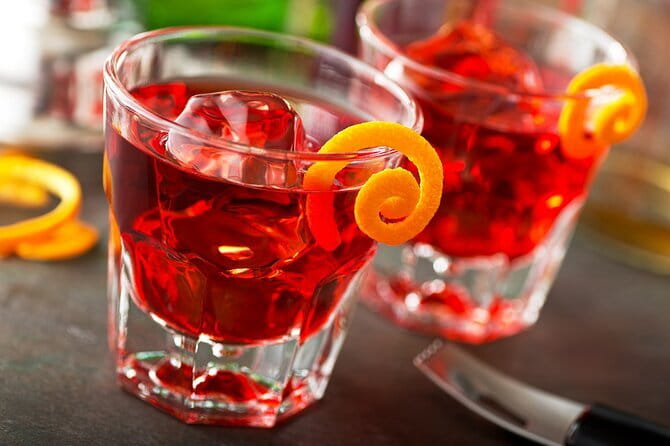
- a Negroni cocktail (a Florence celebrity drink)
- a “Wine Window” moment as part of the experience
- authentic Italian gelato for dessert
This is the point where the tour stops feeling like separate activities. It becomes a complete meal arc with history plus taste in the same place. The route has already given you cultural context; now you get to slow down and let the flavors anchor it.
A practical tip: if you’re sensitive to alcohol, pace your sips. A Negroni and a wine tasting in one evening can be more than a “light try” for some people.
Food included: what you’ll actually taste (and why it’s a smart spread)
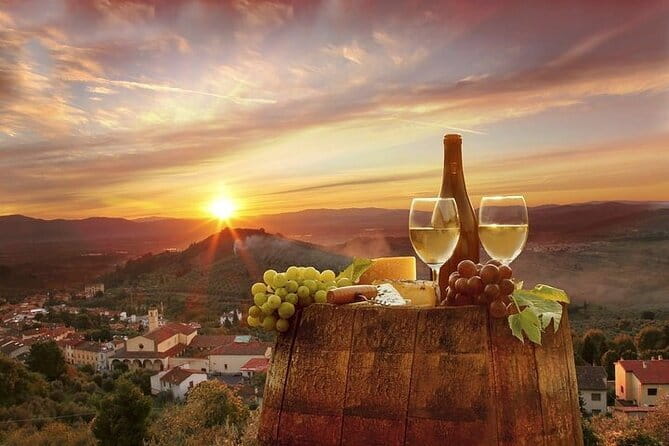
The tour includes an entire food flow, not just a snack. You’ll start with artisanal tastings of cheeses and cured meats, plus local specialties. That starter matters because it’s a direct route to understanding Italian eating habits: simple, strong flavors done well.
Then comes the dinner component: homemade pasta made during the class, served as part of the meal. You’ll experience the difference between everyday pasta and “this is how they do it at home” pasta.
For dessert, you get authentic Italian gelato. That finish is intentional. Gelato is not heavy like many desserts, so it’s easier to stay comfortable afterward while walking back through the city.
And for drinks, you’re covered with Chianti tasting, plus the Negroni and the wine window segment. Together, it gives you a two-lane perspective: what you’re drinking and how the wine world connects to the region.
In a city where wine and food are constant, this kind of structured tasting is great value. You’re not wandering into random spots hoping someone recommends the right thing. You’re getting guided choices built around Florence’s classic identity.
Group size and guide style: how you get answers, not just directions
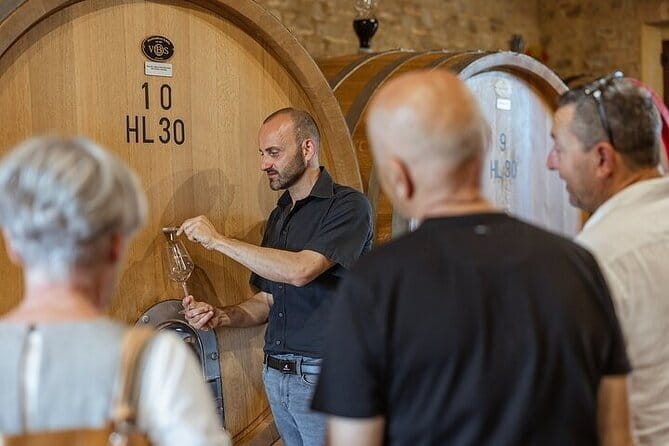
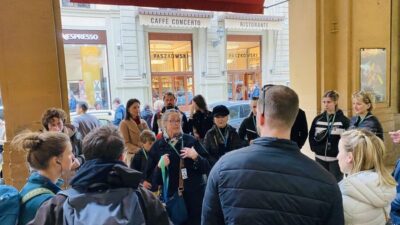
This tour caps at 20 travelers, and that matters in Florence evenings. The streets are narrow in places, and groups can spread out quickly. With a smaller group limit, it’s easier to keep the walking rhythm and stay together while you listen.
You’ll also notice the difference between a guide who reads facts and a guide who answers questions. Based on what Claudio is praised for, he’s friendly and informative and gives explanations tied to the buildings and food in front of you. That’s the kind of guiding that turns a “seeing list” into an experience you remember.
If you’re the type who asks why a square is important or what a drink actually pairs with, this format is your friend. The tour is built so your curiosity has somewhere to land.
Timing and pacing: what 2.5 hours feels like in real Florence time
The tour runs about 2 hours 30 minutes, including travel time, and starts at 6:00 pm. Those details matter. Late afternoon and early evening are when Florence looks dramatic, but also when streets get crowded. The short guided stops help you avoid getting lost in the flow.
Stops like Ponte Vecchio and Piazza della Signoria keep you moving while still letting you pause. Santa Croce brings you into a different mood with art, architecture, and historical threads. Then the meal portions give you a slower rhythm at the end.
Because you finish back at the meeting point, you don’t need to plan a transfer. That’s a quiet convenience that helps after a meal and a couple of drinks.
Who this tour suits best (and who might not love it)
This tour is ideal if you want:
- a food and wine experience anchored to real Florence landmarks
- a guided way to connect Medici and Galileo-era stories to places you can see
- an evening plan that doesn’t require museum ticket planning
- a mix of standing, walking, and sitting down for a full included meal
It may be less ideal if you strongly dislike group activities or if you want long, silent wandering time with no structure. Also, if you don’t drink alcohol at all, ask about what alcohol-free options might be feasible during tastings, since the experience does include a Negroni and wine.
That said, the tour is marked as suitable for most travelers, and service animals are allowed. The biggest “fit” question is more about your comfort with a guided walking evening than about accessibility claims.
Should you book this Florence Food, Wine and History Walking Tour?
Yes, if you want a smart, well-paced evening where Florence’s landmarks and your plate of food tell the same story. The combination of guided stops (Ponte Vecchio, Medici-linked Piazza della Signoria, Santa Croce and Piazza Peruzzi connections), plus hands-on pasta and a real sit-down food-and-drink finish, is exactly the kind of tour that helps you see more and remember it longer.
I’d especially recommend it if you’re short on time in Florence but want more than a checklist. Starting with panoramic orientation, then building history while you walk, then ending with Chianti, gelato, and a Negroni gives you both context and comfort. If you’re excited by guided Q&A and want your experience to feel personal, this one leans in that direction.
FAQ
What time does the tour start, and how long is it?
The tour starts at 6:00 pm and lasts about 2 hours 30 minutes, including travel time.
Where do we meet?
You meet at Piazza di Santa Croce, 16, 50122 Firenze FI, Italy.
Does the tour end back at the meeting point?
Yes. This activity ends back at the meeting point.
Is the tour offered in English?
Yes, it’s offered in English.
What food and drinks are included?
The included items include tastings of artisanal cheeses and cured meats (and local specialties), dinner with homemade pasta made during the experience, authentic Italian gelato, a wine window segment, Chianti tasting, and a Negroni cocktail.
How big is the group?
The tour has a maximum of 20 travelers.
FAQ
Can I cancel for a full refund?
Yes. You can cancel for a full refund up to 24 hours before the experience’s start time.
Is there free cancellation?
It’s listed as free cancellation with full refund if you cancel at least 24 hours in advance. If you cancel less than 24 hours before, the amount paid will not be refunded.
More Florence Walks
- Florence: Highlights Walking Tour with Expert Guide
★ 4.6 · 4,662 reviews - Uffizi & Accademia Timed Entry: Small Group Duomo Walking Tour
★ 4.5 · 3,630 reviews - Florence: Duomo Complex with Tickets & City Walk Guided Tour
★ 4.7 · 2,057 reviews - Florence: Guided Walking Tour
★ 4.6 · 1,602 reviews - Florence: Renaissance and Medici Tales Guided Walking Tour
★ 4.8 · 1,549 reviews
More Florence Tours to Weigh Up
- The Best tour in Florence: Renaissance & Medici Tales – guided by a STORYTELLER
★ 5.0 · 12,316 reviews - The Best Tour in Florence: Renaissance and Medici Tales
★ 5.0 · 10,810 reviews - Florence: Chianti Wineries Tour with Wine Tasting
★ 4.5 · 10,071 reviews - Florence: Duomo Cathedral 60-Minute Guided Tour
★ 3.7 · 6,829 reviews - Florence: Hop-on Hop-off Bus Tour: 24, 48 or 72-Hour Ticket
★ 4.0 · 6,283 reviews
More Florence Tours We Have Reviewed
- Florence: Skip-The-Line Uffizi Gallery Timed Entry Ticket
★ 4.5 · 27,832 reviews - Tuscany Day Trip from Florence: Siena, San Gimignano, Pisa and Lunch at a Winery
★ 5.0 · 21,634 reviews - Florence: Timed Entry to Michelangelo’s David + Audio App
★ 4.6 · 19,496 reviews - Florence: Leonardo Interactive Museum Entry Ticket
★ 4.5 · 12,957 reviews - Florence: Michelangelo’s David Skip-the-Line Entry Ticket
★ 4.5 · 12,764 reviews
Fresh from our Florence review desk
- Small-Group Pasta Cooking Class and Market Tour in Florence★ 5.0 · 3 reviews
- Palatina Gallery and Pitti Guided Tour in Florence★ 5.0 · 3 reviews
- Tuscan Evening Tour: Fiat 500, 8:30 to 10 PM★ 5.0 · 3 reviews
- Journey into Art: Florence’s Accademia★ 4.5 · 3 reviews
- Paint and Drink Florentine Hills★ 5.0 · 3 reviews
- Truffle hunting and lunch experience, with Vinci and winery.★ 4.5 · 3 reviews
Wine Tours, compared.
 ★ 5.0Tuscany Day Trip from Florence: Siena, San Gimignano, Pisa and Lunch at a WineryFrom $11421,634 reviews
 ★ 4.9Pasta Cooking Class with Unlimited WineFrom $2110,285 reviews
 ★ 4.5Chianti Wineries Tour with Wine TastingFrom $4110,071 reviews
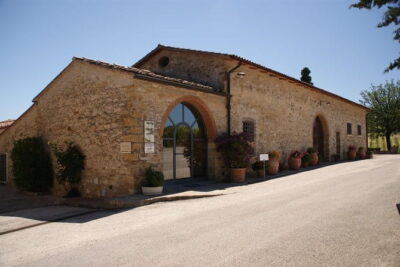 ★ 5.0Small-Group Wine Tasting Experience in the Tuscan CountrysideFrom $1077,392 reviews
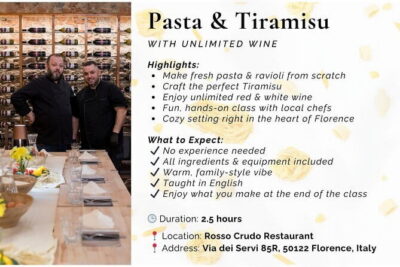 ★ 4.9Pasta & Tiramisu Cooking Class with Unlimited WineFrom $566,708 reviews
★ 5.0Pasta Cooking Class with Unlimited Wine6,413 reviews
★ 4.9Pasta & Tiramisu Cooking Class with Unlimited WineFrom $566,708 reviews
★ 5.0Pasta Cooking Class with Unlimited Wine6,413 reviews
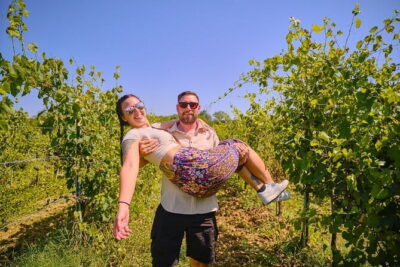 ★ 4.5Pisa, Siena and San Gimignano Day Trip with Lunch & Wine PairingFrom $786,006 reviews
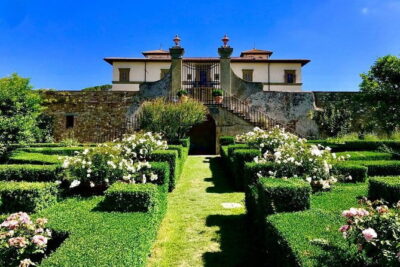 ★ 5.0SMALL-GROUP Wine Safaris: Tuscan Wine Tasting Tours from FlorenceFrom $1575,088 reviews
Browse the lists this tour appears in