
Reviewed · MEDICI & RENAISSANCE TOURS
LGBTQ + friendly Renaissance Gay life in Florence tour
Renaissance Florence had queer life in plain sight.
This 2-hour walk cuts through the city with a local guide and focuses on stories of sexuality, laws, and power, in places most people skip. You’ll hit central landmarks and also walk into lesser-known corners where the details change how you see Florence.
I love the small-group size and the chance to ask questions without feeling rushed. With headsets included, it’s easier to follow the guide even when you’re surrounded by tourists and traffic noise.
One consideration: the subject matter can be tough. Expect talk that includes accusations and penalties tied to sex, so it’s not a purely light, breezy sightseeing tour.
In This Review
- Key things to know before you go
- Gay Renaissance Florence with Mila Lavorini: the tone of the tour
- What you get for about $30: 2 hours, English, headsets, and a small cap
- Stop-by-stop: Piazza della Repubblica to Palazzo Strozzi and the role of law
- Piazza Santa Trinita and Spini family connections
- Gian Gastone de’ Medici: secret, forbidden life, and court power
- Ponte Vecchio and Chiasso del Buco: from famous bridges to medieval gay spaces
- Piazza della Signoria: first Pride in the 1500s and Michelangelo’s David (copy)
- Orsanmichele church and museum: denounced for sodomy and why female prostitution is mentioned
- How to get the most from this tour (and what to ask Mila)
- Price and logistics: what the route means for your day
- Should you book this LGBTQ+ friendly Renaissance gay life tour?
- FAQ
- FAQ
- How long is the LGBTQ+ Renaissance Gay Life in Florence tour?
- How much does the tour cost?
- Is the tour offered in English?
- Where does the tour meet?
- What is the maximum group size?
- Is the tour accessible to most people?
- What’s included in the tour?
- Is there a mobile ticket?
- Are service animals allowed?
- Can I cancel for free?
Key things to know before you go
- A 10-person max keeps the vibe human and question-friendly
- Headsets included so you can actually hear the stories at each stop
- Mila Lavorini’s approach blends Florentine sites with queer context and empathy
- Free-entry stops are built into the route, so you’re not adding ticket costs
- Specific figures and themes like Gian Gastone de’ Medici and public attitudes toward sexuality
Deeper into Medici Florence and its Renaissance
Gay Renaissance Florence with Mila Lavorini: the tone of the tour
Florence is famous for art, marble, and big names. This tour adds a different lens: sex and society. Not in a prurient way. In a historical way.
Your guide, Mila Lavorini, ties together the geography and the rules people lived under. You’ll hear how medieval and Renaissance attitudes shaped what was tolerated, what was punished, and how powerful families tried to control reputations. One review note that Mila is warm and thoughtful, and you can feel that in the way the stories are framed.
If you come expecting a feel-good walk, adjust your expectations. This is more like a guided conversation outdoors, with history that sometimes lands hard. If you’re okay with that, you’ll likely find the tour surprisingly moving and very educational.
What you get for about $30: 2 hours, English, headsets, and a small cap
At $30.07 per person for about 2 hours, this is priced like an entry-level walking tour. The value comes from how the experience is structured. You’re not just moving from one famous photo spot to another. You get a guided narrative that keeps returning to the same question: who controlled sexuality, and why.
Two practical wins help you enjoy it:
- Headsets are included, which matters in Florence’s crowded center.
- The group size is capped at 10 people, so you’re less likely to lose track of the guide’s thread.
It runs in English and uses a mobile ticket, which is convenient if you don’t want to juggle paper. And the tour starts and ends at the same meeting point, so you’re not guessing where you’ll end up.
Stop-by-stop: Piazza della Repubblica to Palazzo Strozzi and the role of law
The tour begins at Hard Rock Cafe, Via dei Brunelleschi 1, 50123 Firenze. Starting at a place that’s easy to find is a small detail, but it helps. You spend less time figuring out logistics and more time listening.
Stop 1: Piazza della Repubblica
Here the guide sets the tone and starts connecting the city to Renaissance gay life. You’re in a major public square, which is useful because the guide can talk about visibility and reputation from day one. It’s a good place to get oriented before you start moving into more specific locations.
Stop 2: Palazzo Strozzi
Next comes a lesson in how the law could shape private life. This stop centers on laws and penalties, which is one of the tour’s big strengths. You’re not only hearing stories about famous people; you’re seeing how institutions could punish behavior.
Possible drawback: if you prefer art-first explanations and you like your history light, the legal angle can feel heavy at first. But it also makes the later stops make more sense.
Piazza Santa Trinita and Spini family connections
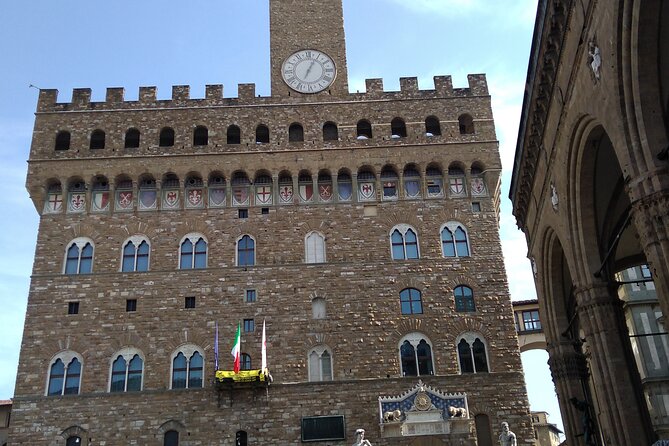
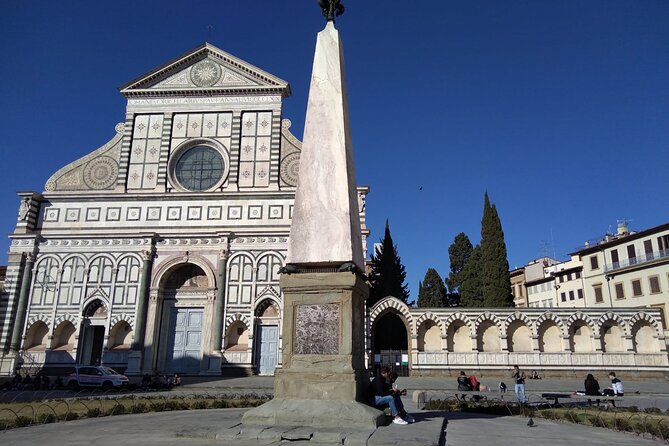
Stop 3: Piazza Santa Trinita
This one focuses on the Spini family palace. The point isn’t just architecture. It’s how elite households could hold power while managing how the world viewed them. You’ll get a sense of how family status and public image sat next to private realities.
The best part of this section is that you’re learning to read the city differently. You start noticing which buildings were tied to influence, not just beauty.
Gian Gastone de’ Medici: secret, forbidden life, and court power
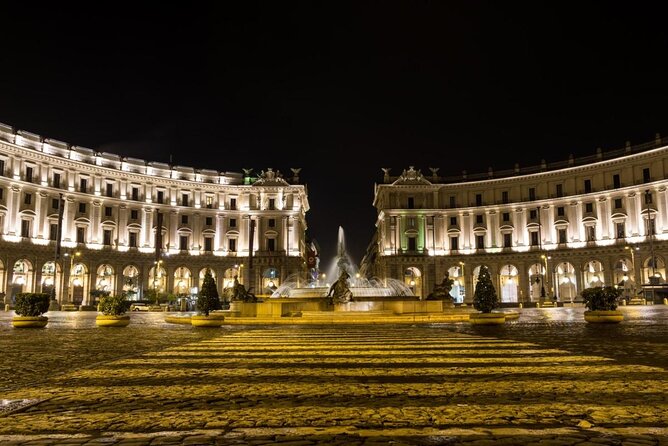
A key moment in the walk is devoted to the last Granduke Gian Gastone de’ Medici and the idea of a secret, forbidden life. Even without turning this into a scandal story, the guide uses his place in power to show how private behavior could become political.
Why this matters for you: it explains why queer history in Florence isn’t only about individual lives. It’s also about how court dynamics, money, and influence could protect some people while endangering others.
Keep your mind open here. If you focus only on the names, you’ll miss the bigger lesson: power decides what counts as dangerous.
Prefer something else? A few more Florence tours to weigh up
Ponte Vecchio and Chiasso del Buco: from famous bridges to medieval gay spaces
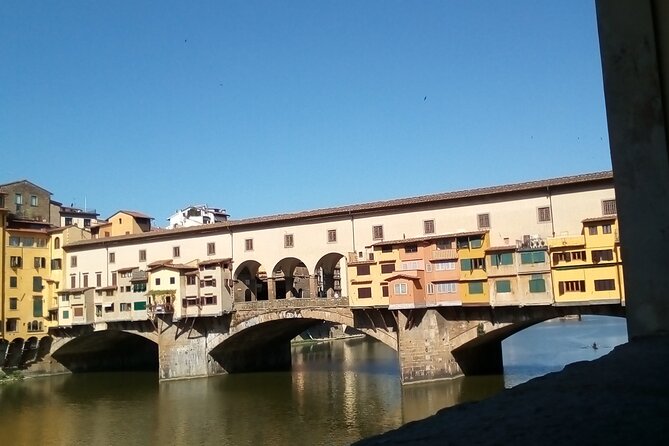
Stop 4: Ponte Vecchio
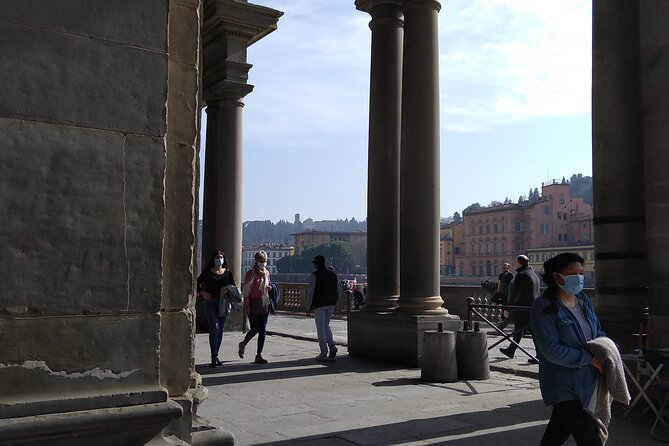
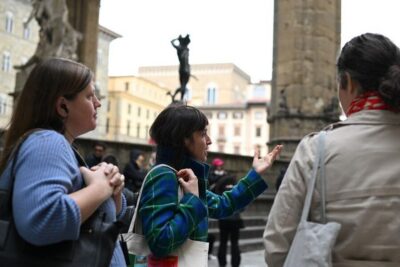
This stop brings in the philosophy of Lorenzo and his court of pleasure. Ponte Vecchio is one of Florence’s most iconic bridges, so you get instant atmosphere. But the guide doesn’t leave it at postcards. You’ll hear how court culture played into how sexuality was talked about and performed.
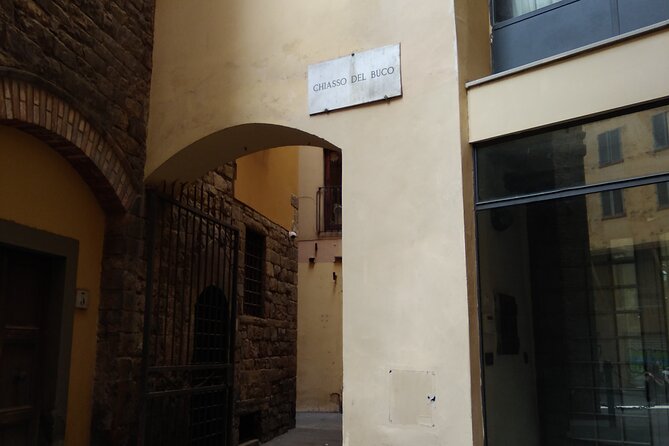
Stop 5: Chiasso del Buco
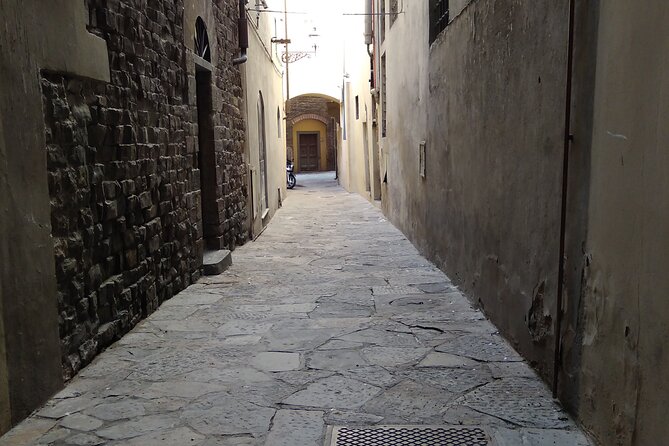
Then you move into a stretch aimed at the medieval gay area vibe. This is where the tour starts feeling less like a list of sites and more like a walk through social geography.
Practical tip: these central areas can be crowded. Since headsets are included, use them. It keeps the story coherent as you step aside from foot traffic.
Piazza della Signoria: first Pride in the 1500s and Michelangelo’s David (copy)
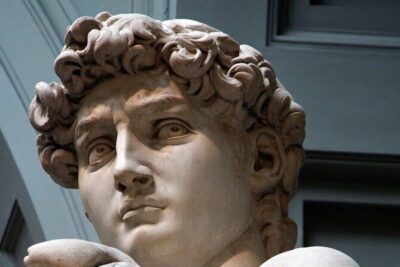
Stop 6: Piazza della Signoria is a heavyweight in any Florence itinerary. Here the guide points out a claim tied to the seat of the first Pride in the XVI century and also directs your attention to the copy of Michelangelo’s David.
This stop is a reminder that LGBTQ+ life isn’t only a modern story. The city’s art and power structures connect to older debates about identity, expression, and public meaning.
One note to keep in mind: this part is presented through the guide’s historical framing, not as a simple museum label. If you like clear, literal facts only, you may want to ask your own questions. That’s exactly why the small group format helps.
Orsanmichele church and museum: denounced for sodomy and why female prostitution is mentioned
Stop 7: Church and Museum of Orsanmichele
This is one of the tour’s most serious stops. The guide tells stories about Leonardo da Vinci being denounced twice for sodomy, and it also covers the importance of female prostitution in the period being discussed.
Why you should care: it shows how sexual behavior was policed through accusations and how society often treated different groups in very different ways. That theme links back to earlier stops about laws, penalties, and power.
A drawback for sensitive ears: the tour does not sugarcoat the fact that sexuality could become a weapon. If that’s not your style, you might find yourself bracing for the next story. But if you want the honest historical picture, this stop delivers.
How to get the most from this tour (and what to ask Mila)
This experience works best if you treat it like a conversation, not a museum route. The guide gives you context, then you can ask questions as you walk.
A few ways to maximize your time:
- Bring curiosity about how law and reputation worked in Florence, not just who the famous people were.
- Ask how your guide connects public spaces to private behavior. The tour repeatedly makes that link.
- If you’re worried about hearing everything in a crowd, count on the headsets and keep them on from the start.
Because the group is small, questions can genuinely shape the pace. That’s why this tour is recommended as a great first Florence experience from people who want perspective beyond the usual highlights.
Price and logistics: what the route means for your day
This is a 2-hour tour, so it’s easy to slot in without hollowing out your entire schedule. It’s also set up to keep you from losing time: it ends back at the meeting point, so you’re not stuck figuring out your own way home through the center.
The meeting point being at Hard Rock Cafe helps. It’s loud and visible, the kind of landmark you can actually find when you’re tired. And since the tour is near public transportation, it’s simple to connect with other plans.
Also, this one is capped at 10 people, which tends to improve the experience quality. Less stopping for everyone to regroup, more time for the guide to keep the narrative flowing.
Should you book this LGBTQ+ friendly Renaissance gay life tour?
Book it if you want:
- A queer-focused Florence that connects major sites to sexuality, law, and social control
- A small-group format where questions are welcome
- History that’s respectful, but not sanitized
Skip it if you want only light sightseeing. This is history with serious material, including accusations and the public consequences of sex.
If you’re the type who loves Florence but feels the usual tours miss half the story, this is a smart choice. It gives you a different set of mental maps, so even your later self-guided walks make more sense.
FAQ
FAQ
How long is the LGBTQ+ Renaissance Gay Life in Florence tour?
The tour lasts about 2 hours.
How much does the tour cost?
The price is $30.07 per person.
Is the tour offered in English?
Yes, it is offered in English.
Where does the tour meet?
The meeting point is Hard Rock Cafe, Via dei Brunelleschi, 1, 50123 Firenze FI, Italy.
What is the maximum group size?
The tour has a maximum of 10 travelers.
Is the tour accessible to most people?
The listing says most travelers can participate.
What’s included in the tour?
You get headsets.
Is there a mobile ticket?
Yes, the tour uses a mobile ticket.
Are service animals allowed?
Yes, service animals are allowed.
Can I cancel for free?
Yes. You can cancel for a full refund up to 24 hours in advance of the experience’s start time.
More Florence Tours to Weigh Up
- The Best tour in Florence: Renaissance & Medici Tales – guided by a STORYTELLER
★ 5.0 · 12,316 reviews - The Best Tour in Florence: Renaissance and Medici Tales
★ 5.0 · 10,810 reviews - Florence: Chianti Wineries Tour with Wine Tasting
★ 4.5 · 10,071 reviews - Florence: Duomo Cathedral 60-Minute Guided Tour
★ 3.7 · 6,829 reviews - Florence: Hop-on Hop-off Bus Tour: 24, 48 or 72-Hour Ticket
★ 4.0 · 6,283 reviews
More Florence Tours We Have Reviewed
- Florence: Skip-The-Line Uffizi Gallery Timed Entry Ticket
★ 4.5 · 27,832 reviews - Tuscany Day Trip from Florence: Siena, San Gimignano, Pisa and Lunch at a Winery
★ 5.0 · 21,634 reviews - Florence: Timed Entry to Michelangelo’s David + Audio App
★ 4.6 · 19,496 reviews - Florence: Leonardo Interactive Museum Entry Ticket
★ 4.5 · 12,957 reviews - Florence: Michelangelo’s David Skip-the-Line Entry Ticket
★ 4.5 · 12,764 reviews
The Medici Story Continues
- The Best tour in Florence: Renaissance & Medici Tales – guided by a STORYTELLER
★ 5.0 · 12,316 reviews - The Best Tour in Florence: Renaissance and Medici Tales
★ 5.0 · 10,810 reviews - Uffizi Gallery: Renaissance Masterpieces Guided Tour
★ 4.6 · 6,070 reviews - Florence: Renaissance and Medici Tales Guided Walking Tour
★ 4.8 · 1,549 reviews - Guided Medici Tour Florence: Discover Mysteries & History
★ 4.3 · 1,077 reviews
Fresh from our Florence review desk
- Small-Group Pasta Cooking Class and Market Tour in Florence★ 5.0 · 3 reviews
- Palatina Gallery and Pitti Guided Tour in Florence★ 5.0 · 3 reviews
- Tuscan Evening Tour: Fiat 500, 8:30 to 10 PM★ 5.0 · 3 reviews
- Journey into Art: Florence’s Accademia★ 4.5 · 3 reviews
- Paint and Drink Florentine Hills★ 5.0 · 3 reviews
- Truffle hunting and lunch experience, with Vinci and winery.★ 4.5 · 3 reviews
Medici & Renaissance Tours, compared.
 ★ 5.0The Best tour in Florence: Renaissance & Medici Tales – guided by a STORYTELLERFrom $312,316 reviews
 ★ 5.0The Best Tour in Florence: Renaissance and Medici TalesFrom $310,810 reviews
 ★ 4.6Uffizi Gallery: Renaissance Masterpieces Guided TourFrom $886,070 reviews
 ★ 4.8Renaissance and Medici Tales Guided Walking TourFrom $21,549 reviews
 ★ 4.3Guided Medici Tour Florence: Discover Mysteries & HistoryFrom $571,077 reviews
 ★ 4.0Accademia Gallery: Michelangelo’s David and High Renaissance ArtFrom $43872 reviews
 ★ 4.7Guided Tour of Medici Family Secrets and ChapelsFrom $93512 reviews
 ★ 5.0Florence Private Tour: Renaissance, Famous Families & Hidden GemsFrom $199233 reviews
Browse the lists this tour appears in