
Reviewed · HISTORICAL TOURS
Essential Florence Walking Tour to discover its history
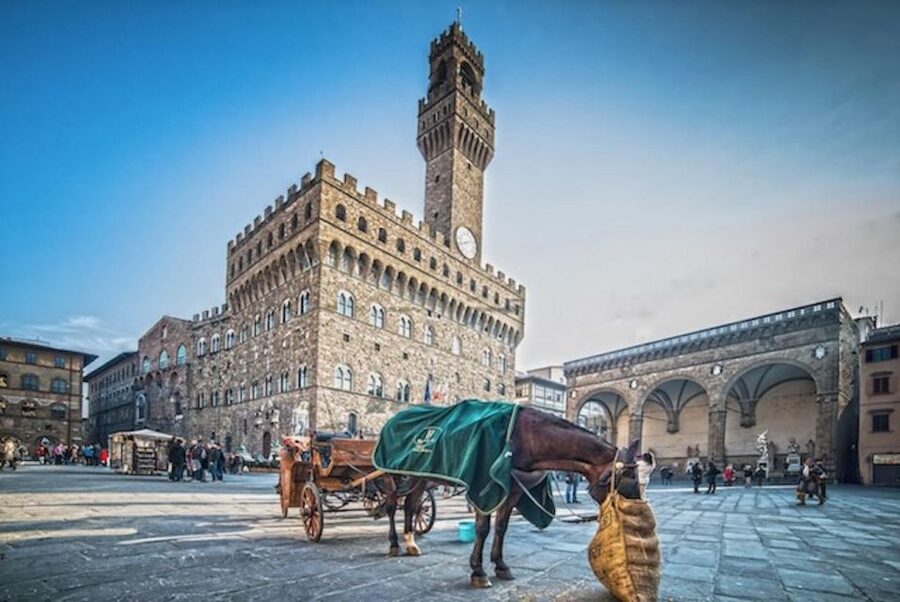
Florence gets way more interesting with the right storyteller. This Essential Florence Walking Tour turns famous landmarks into a clear story you can follow on foot, and the gelato tasting makes it a nice, stress-free break. The only real catch is it’s a walking tour with cobblestones and steps, so it’s not a fit if you have mobility or back issues.
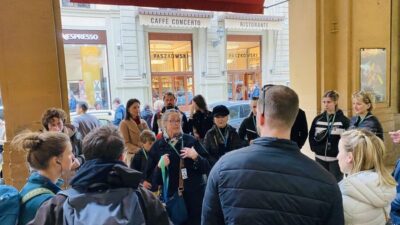
I like that the tour is built for your comfort and focus: you get headsets so you can hear every bit of the guide’s talk, even when you’re near other groups. And since it’s an English tour only, you won’t spend any mental energy translating what you’re seeing.
In three hours, you cover a surprising amount of Florence—Roman origins at Piazza della Repubblica, the Medici world, major churches, bridges, and art landmarks like Orsanmichele. Along the way, you’ll hear street-level tales that include murder and betrayal, plus the bigger ideas behind how Florence grew into a power center.
In This Review
- Key highlights worth clocking
- Why this 3-hour Florence walk works fast
- Piazza della Repubblica: where the story begins
- Medieval Florence to Medici power: reading wealth in stone
- Art on the streets: David, workshops, and why Florence loved making
- Churches, religion, and the Duomo complex from the outside
- Orsanmichele and the statues by Donatello and Ghiberti
- Dante’s home and the literary thread through Florence
- Via Tornabuoni, Via Maggio, and Florence for people who love streets
- Ponte Vecchio and crossing Santa Trinita: the view gets a story
- Oltrarno cobblestones and artisan Florence
- Santa Trinita inside: frescoes by Ghirlandaio
- Pitti Palace and Santa Felicita: Medici presence and older Florence
- Vasari corridor: what you can see from the outside
- What it costs and why $41 can still feel fair
- Practical notes: shoes, steps, and who should pass
- Should you book this Essential Florence Walking Tour?
Key highlights worth clocking

- Headsets keep the story clear so you don’t strain your ears on a busy route
- Gelato tasting is built in—a real payoff, not a last-minute scramble
- Medici-era Florence, explained in plain language tying politics to the buildings you see
- Art stops are more than photos with context around workshops and famous works
- Duomo complex, bridges, and Oltrarno all in one circuit for first-day orientation
- Inside visit to Santa Trinita to see frescoes by Ghirlandaio
Stretch your legs on more Florence walking tours
Why this 3-hour Florence walk works fast
If you’re in Florence for a short time, you can either wander with a map… or you can walk with a guide who knows what matters. I like this tour because it’s paced to give you meaning, not just motion. In about three hours, you get the big threads—Roman roots, medieval rise, Renaissance power—and then you connect those threads to real streets and facades you’d otherwise walk past.
It also helps that the guide story is designed to be told on the move. Instead of long lectures standing still, you’re constantly orienting yourself: here’s what you’re looking at, here’s why it exists, and here’s how it ties to Florence’s rise. That makes the city feel smaller and more personal, especially if it’s your first time.
One more practical point: the included headsets make a real difference. Florence’s core can get crowded, and groups can overlap. With headsets, you keep hearing the guide without constantly looking for them.
Piazza della Repubblica: where the story begins
The tour starts at Piazza della Repubblica, and that’s a good choice. It’s not just a convenient meeting point—it’s where the guide sets the stage by talking about Florence’s Roman founding. That context matters because Florence’s later glory didn’t appear by magic. You get a sense of how layers build on layers, with new eras rewriting the meaning of old ground.
From there, you shift into the Florence most people picture: a city of towers, palaces, and political families. The guide’s job here is to help you “read” the city. As you walk, you learn what to look for: the cues that signal medieval wealth, then the signals that show Renaissance ambition.
Medieval Florence to Medici power: reading wealth in stone
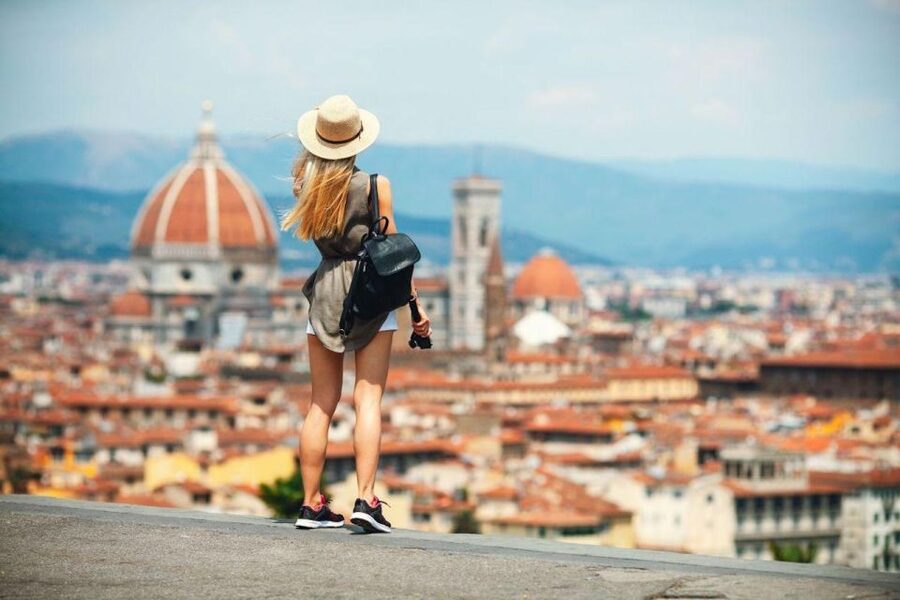
The route is designed to show you how Florence grew from a strong medieval city into a Renaissance powerhouse. You’ll hear about factors behind its rise to power and wealth, and then you’ll see architectural evidence of those changes up close.
This is where the Medici family part becomes more than a name. The guide connects their influence to the buildings and church-centered life you’ll keep encountering. You start noticing a pattern: wealth doesn’t only show up in grand palaces—it also shows up in religious spaces, public art, and the way Florence organizes its important people and ideas.
You’ll also pass through areas that reflect different eras, including tower homes and major Renaissance palaces. The practical takeaway? When you see a building, you’ll have a reason attached to it, so your photos stop being random and start being evidence.
Art on the streets: David, workshops, and why Florence loved making
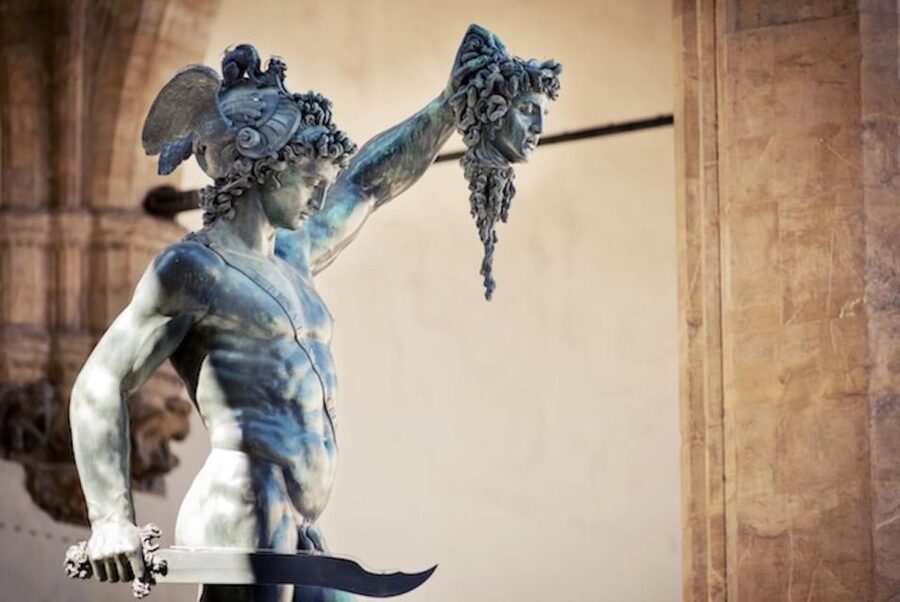
Florence’s art culture isn’t just museum material. It’s built into the city’s rhythm. On this walk, you’ll learn about the creation of David and the workshops used by artists. Even if you don’t spend time inside a major gallery, the guide helps you understand how work happened—how artists learned, collaborated, and turned commissions into lasting fame.
One of the smartest things about this tour is how it treats art as a system, not just a set of masterpieces. You’ll see how the city supported artists and how art connected to status. That matters because Florence art can feel overwhelming if you jump straight into famous names without context.
Churches, religion, and the Duomo complex from the outside
Florence is a city where religion isn’t a side topic—it touches everyday life. The guide points that out while you walk through areas tied to worship, public ceremony, and power. You’ll also hear about how religion permeated daily life, then watch that idea play out in the built environment.
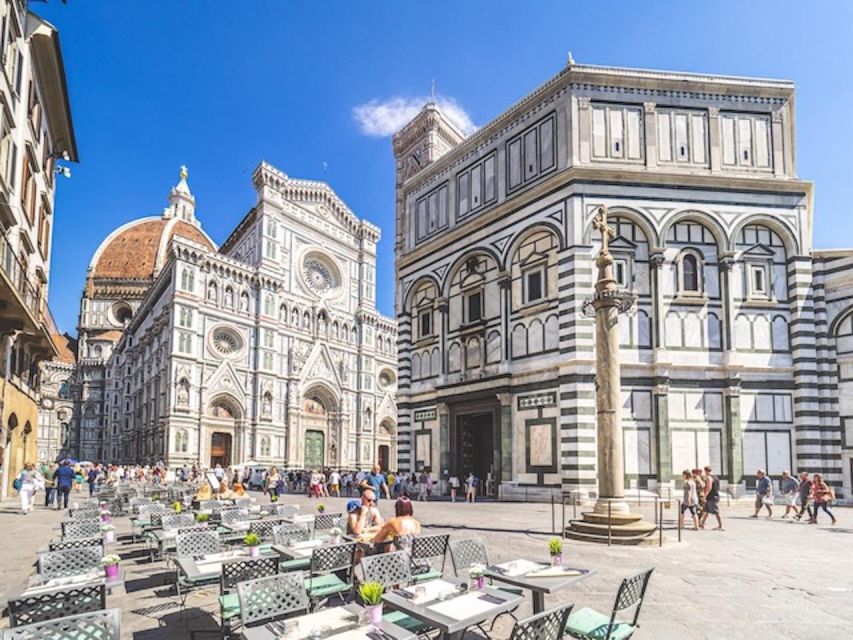
You’ll visit key religious sites from the outside, including the Duomo, the Baptistery, and the Campanile. Being outside keeps the tour flowing, but you still get enough visual detail to understand what people meant when they called this a sacred centerpiece.
The tour also includes stops at churches such as:
- Santa Maria Novella (from outside)
- Santa Trinita (including an inside visit for frescoes)
- Santa Felicita, noted as one of the oldest churches in Florence (outside)
If you’re the type of person who likes to understand why a city looks the way it does, this section is where you feel your “aha” moments start.
Layers of history: more Florence stories



Orsanmichele and the statues by Donatello and Ghiberti
Orsanmichele is one of those Florence stops that you’d usually glance at and keep walking. Here, it gets explained. You’ll see Orsanmichele and learn about its famous statues by artists including Donatello and Ghiberti.
This is a great example of what makes the tour work: it takes a standout facade and turns it into an art lesson you can actually follow while walking. Instead of memorizing names, you understand why those names matter in Florence’s story.
Dante’s home and the literary thread through Florence
Florence doesn’t only belong to painters and patrons. It also belongs to writers, and the guide keeps that thread moving with a stop at Dante’s home.
This matters because Dante is part of how Florence thought about morality, society, and the rules of human behavior. When the guide connects that intellectual world to what you see on the street, the city becomes more than buildings. It becomes a place that produced ideas—and then stamped those ideas into public life.
Via Tornabuoni, Via Maggio, and Florence for people who love streets
Walking isn’t just about museums. It’s also how you experience a city’s personality. You’ll go along Via Tornabuoni, described as the city’s well-known designer retail strip, and the guide keeps an eye on the bigger picture—architecture along the way, not just storefronts.
Then comes Via Maggio, noted as a well-known street for antique shopping. Even if you don’t buy anything, I like how this helps you switch gears. You go from politics, churches, and art workshops into the everyday street culture that kept Florence feeling alive long after the Renaissance.
If you enjoy wandering with purpose, these street sections keep the tour from feeling like a checklist.
Ponte Vecchio and crossing Santa Trinita: the view gets a story
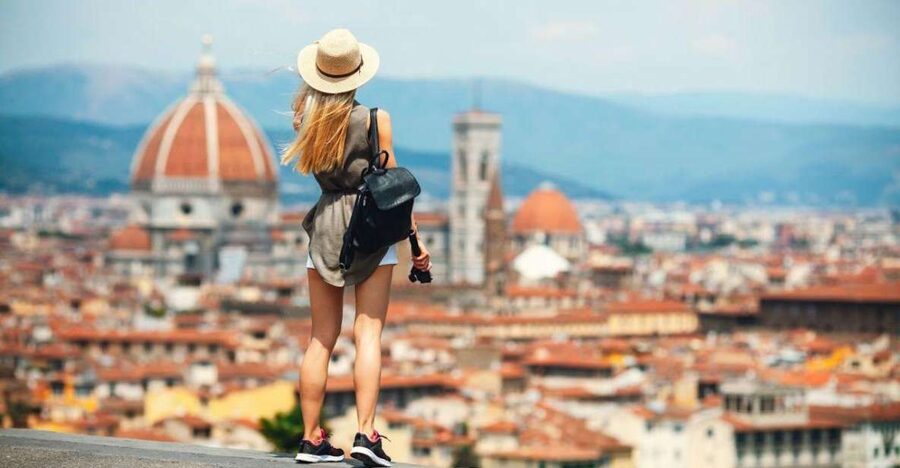
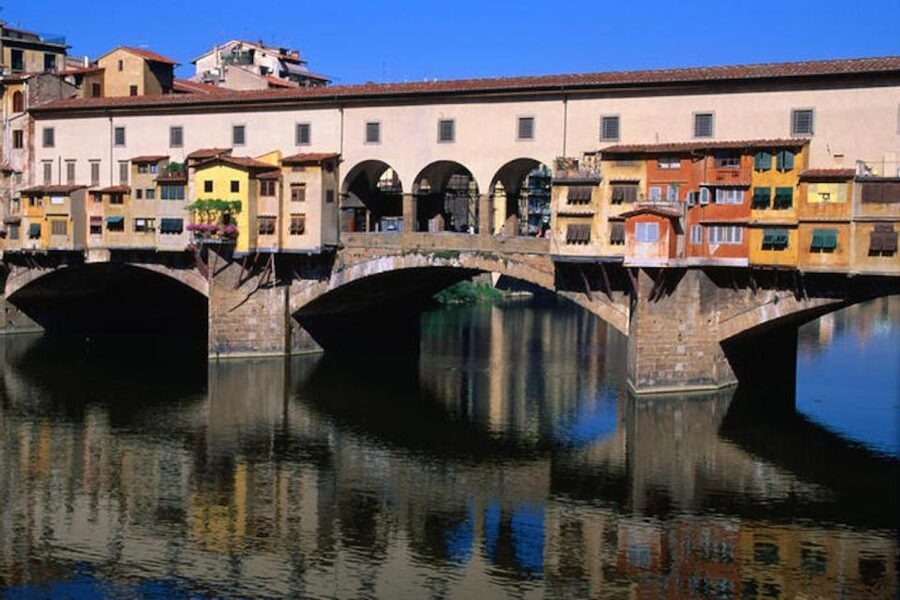
Bridges in Florence are never just bridges. You’ll traverse the Santa Trinita and Ponte Vecchio bridges and get a sense of how the city’s geography shapes its life.
This is also a moment to slow down. The guide’s explanations help, but you’ll also want to take in the river views and the way the architecture lines up across the Arno. Once you know what you’re looking at, Ponte Vecchio stops being only a famous silhouette and becomes a clue to why Florence mattered.
Oltrarno cobblestones and artisan Florence
After crossing, you’ll stroll into Oltrarno, with its charming cobblestone streets and artisan workshops. This shift matters because Florence isn’t one mood. The city can feel grand, ceremonial, and historic—but Oltrarno gives you a more hands-on vibe.
This section also works because it breaks up the heavier history beats. You keep learning, but you’re walking in a neighborhood scale that feels human. If you’re the type who loves looking at doors, windows, and street texture, this is a good stretch to take your time with your photos.
Along the way, you’ll see notable churches, Medici mansions and palaces from the outside, and city squares—enough to help you place where you are and what kind of neighborhood you’re stepping into.
Santa Trinita inside: frescoes by Ghirlandaio
One of the most satisfying parts of the tour is the inside visit to Santa Trinita, where you can admire frescoes by Ghirlandaio.
This is a smart add because it gives you a contrast to all the outside viewing. The city looks one way from the street, and then you step inside and it feels like a different world. You’ll get just enough time in that setting to make it meaningful, without turning the whole day into a museum marathon.
Pitti Palace and Santa Felicita: Medici presence and older Florence
The tour doesn’t stop at the famous hits. You also get glimpses of the former Medici residence area at Pitti Palace (from the outside). That’s helpful because it reminds you the Medici influence wasn’t limited to one power cluster—it spread across Florence and shaped where people lived and how they displayed status.
You’ll also see Santa Felicita, described as one of the oldest churches in Florence. Outside stops like this can feel fast, but the guide’s context keeps them from becoming background noise.
Vasari corridor: what you can see from the outside
Florence has secrets, but you don’t always need to chase them underground. You’ll see the Vasari corridor from the outside, and the guide ties it into the bigger story of Medici-era life and the city’s power structures.
Even from the outside, this is one of those “you only get it if someone explains it” stops. It’s a good reminder that Florence’s history isn’t just art—it’s also movement, access, and control.
What it costs and why $41 can still feel fair
At $41 per person for a 3-hour guided walking tour with gelato and headsets, this price can be a strong deal for a first or second day in Florence. Here’s why: you’re paying for orientation plus context.
Without a guide, you can absolutely walk the same areas yourself. But the value here is in the connections—how the Roman founding links into medieval rise, how the Medici story explains what you see, and how the guide turns religious sites and artist workshops into a coherent narrative. The included gelato tasting adds a small but real “thank you” moment in the middle of your walk.
If you’re in a hurry or you love learning while you walk, this kind of price makes sense because it saves time later. If you already have strong Florence art history knowledge and you prefer total freedom, you might feel like you’re paying for a structure you could build on your own.
Practical notes: shoes, steps, and who should pass
This tour is best if you can handle uneven ground. It’s a walking route with cobblestones and likely includes steps. The operator also notes it’s not accepted for people with mobility impairments, wheelchair users, people with back problems, or those with recent surgeries.
What to bring is simple:
- Comfortable shoes
- Comfortable clothes
And do not show up in sandals or flip flops. Florence can be slippery in spots, and your feet will be happier when they’re stable.
The tour is also noted as not suitable for children under 8. If you’re traveling with kids, it’s worth thinking hard about whether they’ll enjoy the pace and the walking time.
Should you book this Essential Florence Walking Tour?
I’d book this if you want a guided, story-led introduction to Florence in a short window. You get exactly what you want from a first Florence day: Roman and medieval context, the Medici thread, art and religion in the places where they lived, and a gelato break that feels earned.
I’d skip it if your body needs low-impact walking or if you know you’ll struggle with steps and uneven stone. Also, if you hate hearing explanations out loud while walking, a headset-based tour might feel like too much structure.
If you want Florence to make sense fast—and you like the idea of learning while you walk—this is a solid choice. With guides like Becky, Lisa, or Andrea showing up in recent bookings, you’re likely to get that rare mix: clear storytelling, attention to architectural details, and enough energy to keep you interested from the first stop to the last bridge crossing.
More Florence Walks
- Florence: Highlights Walking Tour with Expert Guide
★ 4.6 · 4,662 reviews - Uffizi & Accademia Timed Entry: Small Group Duomo Walking Tour
★ 4.5 · 3,630 reviews - Florence: Duomo Complex with Tickets & City Walk Guided Tour
★ 4.7 · 2,057 reviews - Florence: Guided Walking Tour
★ 4.6 · 1,602 reviews - Florence: Renaissance and Medici Tales Guided Walking Tour
★ 4.8 · 1,549 reviews
More Florence Tours to Weigh Up
- The Best tour in Florence: Renaissance & Medici Tales – guided by a STORYTELLER
★ 5.0 · 12,316 reviews - The Best Tour in Florence: Renaissance and Medici Tales
★ 5.0 · 10,810 reviews - Florence: Chianti Wineries Tour with Wine Tasting
★ 4.5 · 10,071 reviews - Florence: Duomo Cathedral 60-Minute Guided Tour
★ 3.7 · 6,829 reviews - Florence: Hop-on Hop-off Bus Tour: 24, 48 or 72-Hour Ticket
★ 4.0 · 6,283 reviews
More Florence Tours We Have Reviewed
- Florence: Skip-The-Line Uffizi Gallery Timed Entry Ticket
★ 4.5 · 27,832 reviews - Tuscany Day Trip from Florence: Siena, San Gimignano, Pisa and Lunch at a Winery
★ 5.0 · 21,634 reviews - Florence: Timed Entry to Michelangelo’s David + Audio App
★ 4.6 · 19,496 reviews - Florence: Leonardo Interactive Museum Entry Ticket
★ 4.5 · 12,957 reviews - Florence: Michelangelo’s David Skip-the-Line Entry Ticket
★ 4.5 · 12,764 reviews
Fresh from our Florence review desk
- Small-Group Pasta Cooking Class and Market Tour in Florence★ 5.0 · 3 reviews
- Palatina Gallery and Pitti Guided Tour in Florence★ 5.0 · 3 reviews
- Tuscan Evening Tour: Fiat 500, 8:30 to 10 PM★ 5.0 · 3 reviews
- Journey into Art: Florence’s Accademia★ 4.5 · 3 reviews
- Paint and Drink Florentine Hills★ 5.0 · 3 reviews
- Truffle hunting and lunch experience, with Vinci and winery.★ 4.5 · 3 reviews
Historical Tours, compared.
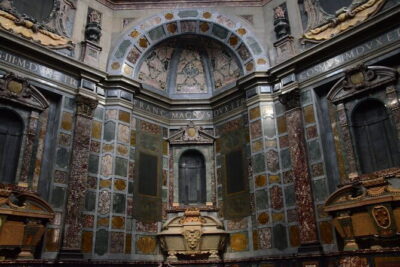 ★ 4.3Guided Medici Tour Florence: Discover Mysteries & HistoryFrom $571,077 reviews
 ★ 5.0Tipsy Tour: Guided Bar Crawl In Florence with Dark HistoryFrom $78271 reviews
 ★ 4.5Florence Cooking Course with Historic Local Market VisitFrom $95151 reviews
 ★ 4.9Florence to Fiesole golf cart tour:History & Panoramic viewsFrom $116121 reviews
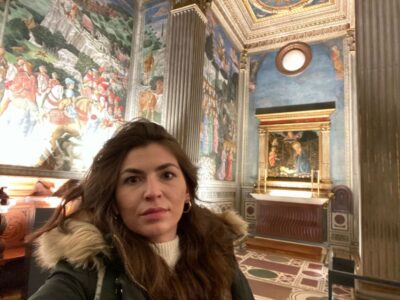 ★ 4.3Medici Family History TourFrom $13793 reviews
 ★ 3.5Historical Guided Tour of Florence’s Iconic CathedralFrom $1088 reviews
 ★ 4.2Fashion History Guided Walking Tour & Museum VisitFrom $9072 reviews
 ★ 5.0The History of Florence: The Renaissance Era Private TourFrom $19849 reviews
Browse the lists this tour appears in